Snowboard Bindings
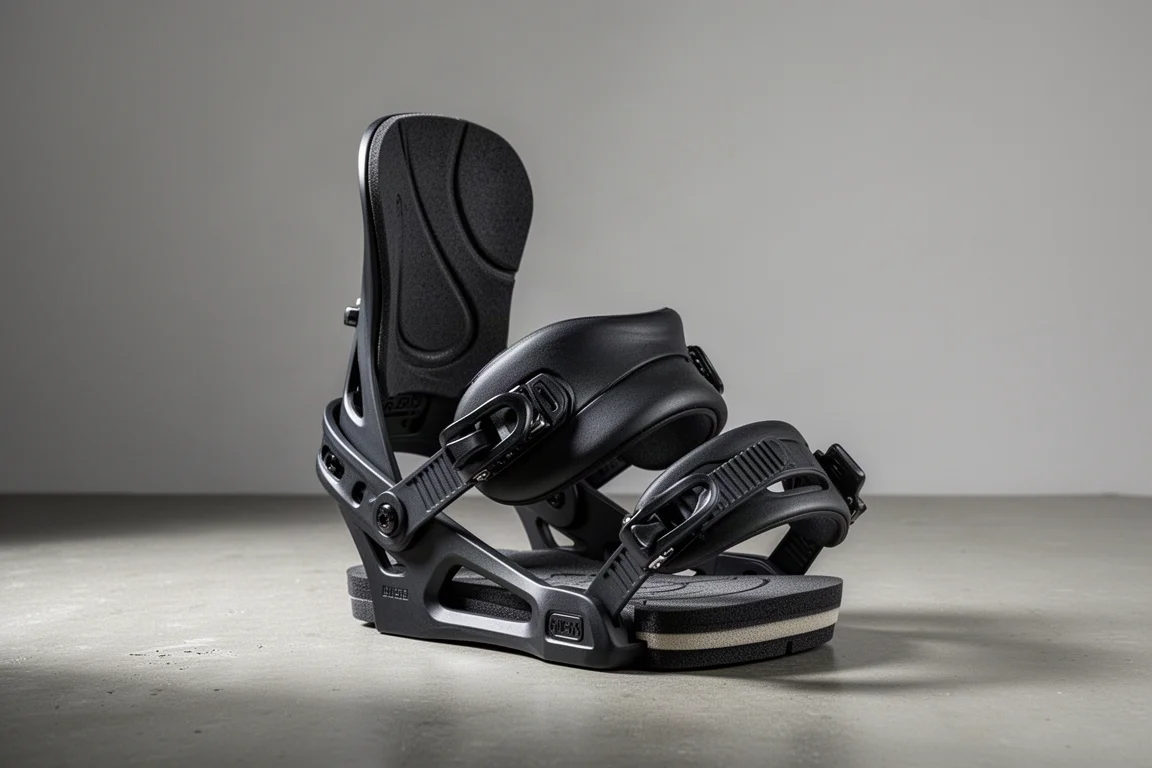
Jones Apollo Binding: Tri Foam Foot Pillow Explained
A closer look at the three-layer Tri Foam foot pillow in the Jones Apollo snowboard binding, how it dampens underfoot, and whether it matters for your riding.
Introduction
Hear the term “foot pillow” in snowboard bindings and you should instantly think of one thing: dampening. The Jones Apollo binding leans on a Tri Foam foot pad, three distinct layers of foam stacked under your boot, to take the sting out of hard landings, choppy snow, and the endless vibration that comes up through your board on a full day of riding. Here is what that actually means for you on the mountain.
What the Tri Foam Foot Pillow Actually Is
The foot pillow in the Apollo is the dampening layer built into the binding’s foot pad. It is made from three different layers of foam, and each one absorbs energy in a different way. When you land hard or hit chatter, that kinetic energy comes up under your feet and the stacked foam dissipates it before it reaches your joints.
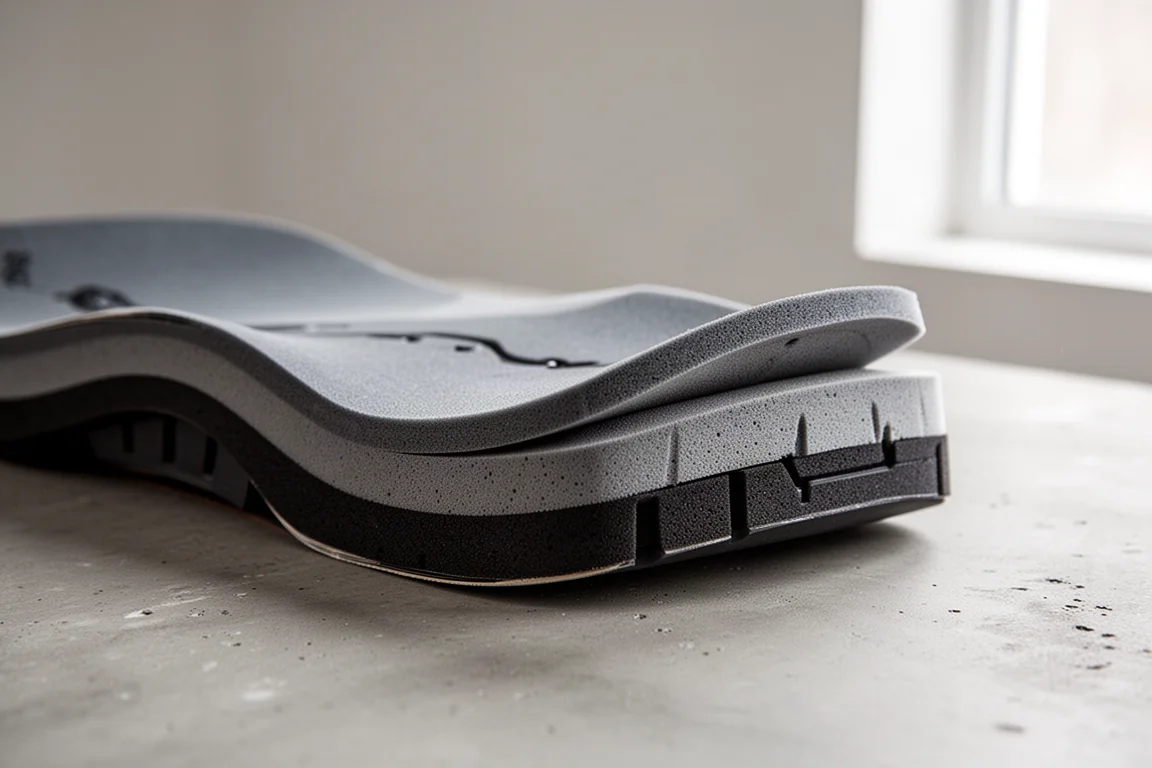
Nearly every other binding in the world has some form of dampening, and the rare ones that do not are bindings you probably do not want to ride anyway. The difference here is the layered approach: instead of one block of foam doing all the work, three layers handle the vibration and impact in complementary ways.
How the Dampening Performs Under Foot
The promise of the Tri Foam setup is simple: it dissipates the chatter you feel from the board without dulling the connection between you and your board. That balance matters, because bindings that go too soft on dampening tend to lose the responsiveness that experienced riders rely on.

On hard landings, the three layers absorb impact rather than passing it straight into your boots, which translates into less foot fatigue over a long day. That fatigue matters more than most people realize, because tired feet are one of the things that cut a riding day short.
Do You Need It?
The short answer from anyone who has ridden stiff, dead-feeling bindings: yes. Better dampening under foot protects your back, knees, hips, and ankles over the long run, which means you can keep riding comfortably for more years. If you have ever felt worn out on the mountain sooner than expected, foot fatigue is often part of the story.

Dampening is one of those features that quietly pays off every single run. It does not make the board turn sharper or spin faster, but it keeps you feeling fresh, and freshness is what lets you ride more laps and more seasons.
Why the Apollo Needs This Foam
The Tri Foam makes particular sense in the Apollo because the binding is stiff and highly responsive. Stiffness usually comes from more carbon fiber under foot, and carbon is not great at absorbing vibration on its own. That means the foam has to take up the slack.
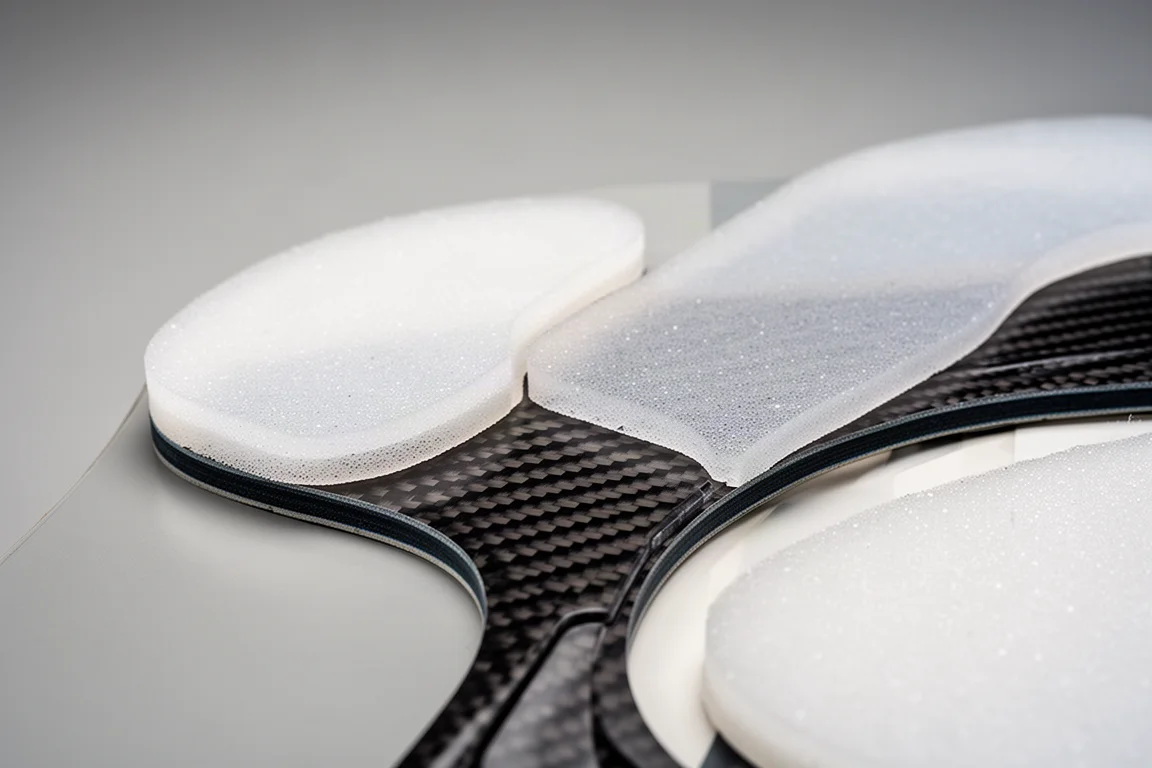
In the Apollo, the three layers of foam do exactly that: they absorb the kinetic energy that the carbon-rich construction cannot soak up, so you get the response of a stiff binding without the raw vibration that usually comes with it. It is a well-matched pairing of materials, not a marketing extra.
Conclusion
The Jones Apollo’s Tri Foam foot pillow is a genuinely functional piece of the binding, not just a buzzword. Three layers of foam absorb chatter and hard-landing energy in different ways, and because the Apollo is stiff and carbon-forward under foot, that dampening is what keeps the ride comfortable without giving up response. If you value your joints and your energy on the mountain, it is a feature worth caring about.
Product link
View more details for Jones Apollo Snowboard Binding
This product is mentioned in the review. Check the specifications, options, and compatibility before buying.
View more details for Jones Apollo Snowboard BindingFurther reading
Related Reviews
Snowboard Bindings
2024 Union Ultra Snowboard Bindings Review: A Cushy, Freestyle-Focused Favorite
Two seasons on the 2024 Union Ultra: a lightweight, tweakable freestyle binding with standout comfort, a damp molecular bushing, and thoughtful hardware fixes.
Snowboard Bindings
32 Team Phase Binding Review: A Fast Entry Binding Built for Freestyle Laps
The first binding from 32 uses the Phase chassis for quick step-in entry with a softer, freestyle-leaning flex. Here's how it performed on the snow.
Snowboard Bindings
Arbor Cypress Snowboard Binding Review: A Laid-Back Cruiser That Can Charge
A closer look at the Arbor Cypress binding's adjustability, strap feel, and that oddly tall highback before you decide to buy.