Snowboard Bindings
Jones Apollo Review: A Stiff Freeride Snowboard Binding Built to Charge
A detailed look at the Jones Apollo, the stiffest binding in the Jones range, covering its bushing-based baseplate, minimal straps and redesigned toe strap.
Introduction
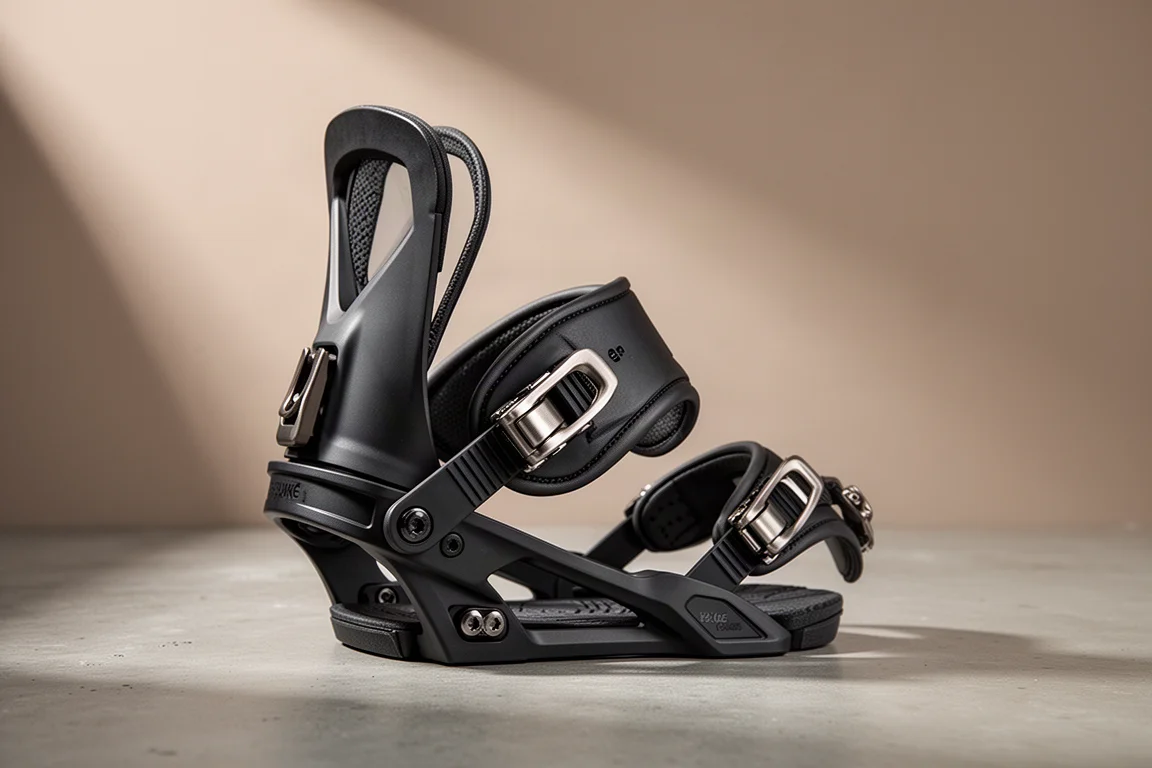
The Jones Apollo is the stiffest binding Jones makes, and it is designed around one clear goal: turning rider input into edge pressure with as little loss as possible. In practice that means a very rigid baseplate and highback, a body with almost no lateral play, and a ride that feels precise rather than playful.
It was ridden at Copper Mountain on a sunny bluebird day with average to warm temperatures. Conditions ranged from leftover powder dust to crust, chops and chunder, with perfect hero snow on the corduroy, which is a useful spread for judging how a binding behaves when the surface changes underfoot.
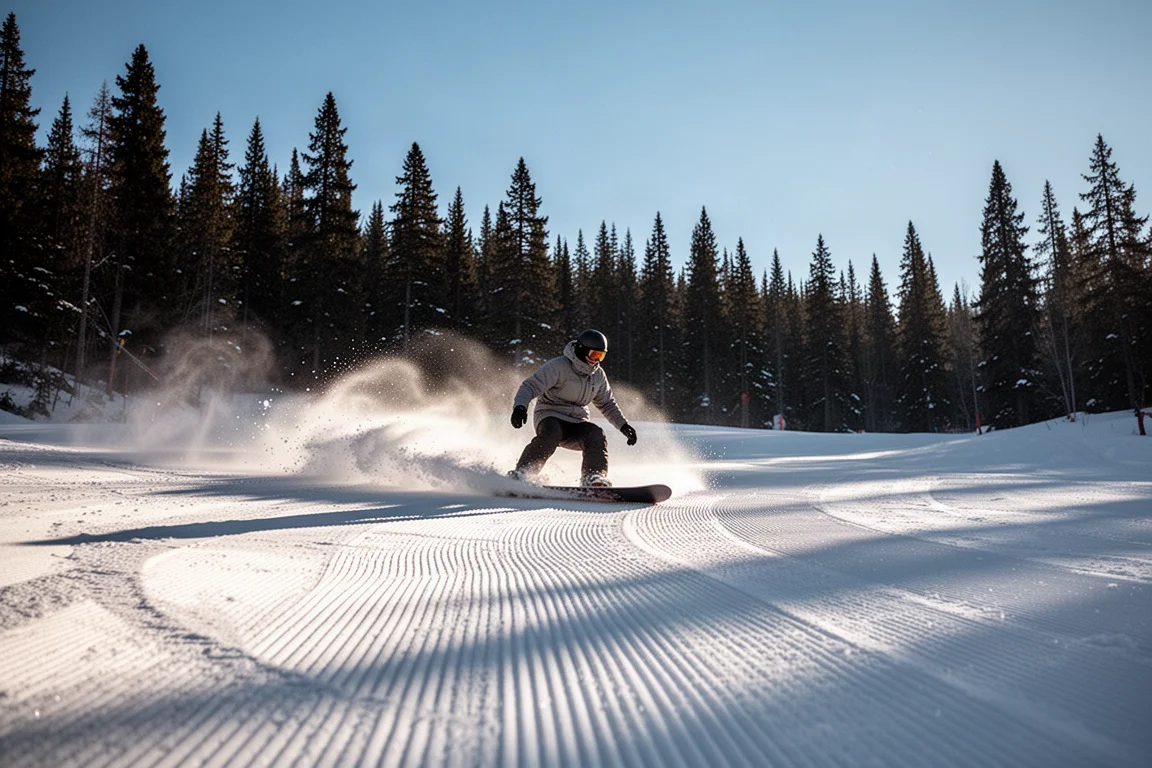
The only change from the previous version is a new toe strap, which grips a little better than before. Everything that defines the ride, the chassis, the highback, the strap design and the bushing system, carries over.
Who This Binding Is For
This is a freeride binding for the powerful all-mountain rider. It suits snowboarders who charge hard, spend their time on steep terrain and aggressive carving, and want the binding to act as a solid link between boot and board rather than a soft, forgiving interface.
There is some room to soften the feel. The ankle strap flips between a surf mode and a freeride mode, and in surf mode it has a little more lateral give and feels less restrictive. Even so, the flex stays stiff, because the rigidity lives in the chassis and the highback rather than in the straps.
Riders who mostly cruise, butter and lap the park will likely find the Apollo to be more binding than they need.
Main Strengths
The headline feature is the bushing system in the baseplate. Jones uses skate-style bushings, and they can be swapped between soft, medium and hard to tune how the binding transfers energy. That gives you a way to adjust the feel without changing the binding’s fundamental stiffness.
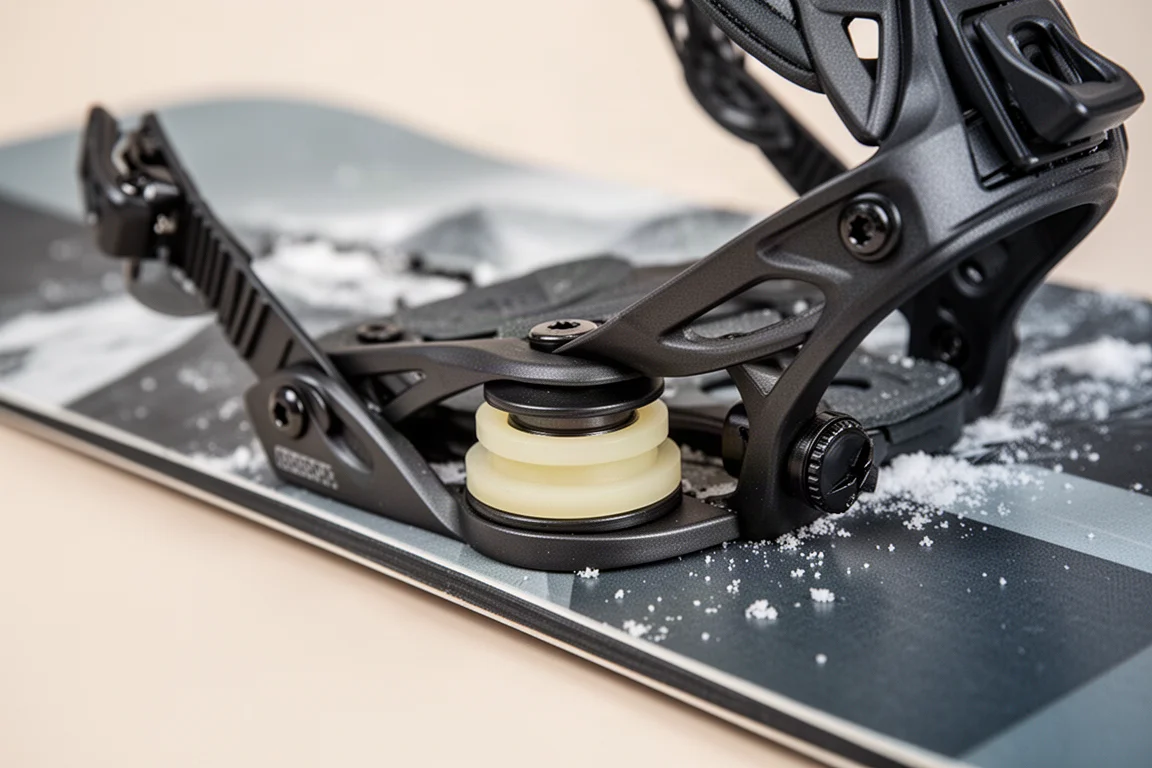
The payoff is exceptional edge-to-edge power transmission. Drive into your toe edge and the energy goes straight into the board. Roll onto your heel edge and the same thing happens in reverse. It feels precise and powerful, never loose or vague.
The highback is wider and stiffer than anything else in the Jones range. A small wing wraps the outside of the boot spine, and on heel-side turns you notice it working. There is also a little natural forward lean built in, which adds to the sense that the binding is driving the board rather than following it.
Straps, Ratchets and Adjustability
Adjustment is refreshingly simple. Twist cams on the toe and heel straps lengthen or shorten them, and forward lean is a twist as well. If you need more range, you can pop the lean adjuster up and flip the tab piece around to dial it in.
The straps themselves are deliberately minimal. Less material means fewer pinch points, and the shape cradles the instep more closely. The heel strap relies on the boot to supply the padding, which keeps the interface tight and locked in.
The new toe strap has a cutout designed to sit around just about any boot shape, whether the nose is snub, pointed or round, so it holds without fuss. The ratchets release cleanly, with a one-finger quick release on the heel and a push-down release on the toe, and they stayed locked in with no slipping or premature release.
Ride Feel and Power Transmission
The overall ride is powerful and precision based. On the toe edge, the bushing system pushes energy down into the toes while the heels rise. On the heel edge the reverse happens: the toe lifts and the power is driven into the edge. That constant transfer is what gives the Apollo its grip-and-rip character.

The chassis is very rigid and there is essentially no lateral play in the body. Almost everything you feel is lateral drive, which is why pushing into the outside of the binding during a carve feels so direct. On a carving board, and on the back foot when you are driving hard out of a turn, that immediacy is the whole point.
Things to Consider Before Buying
Stiffness is the defining trait here, and it is worth going in with clear expectations. Even with the straps flipped to surf mode, the binding stays stiff, because the chassis and the highback do not change.
The highback carries a little natural forward lean, and you feel it. If your boots already have forward lean built in, the contact feels smooth. If they do not, the engagement can feel abrupt when you push back into the highback.
Because the heel strap is minimal and relies on the boot for padding, comfort at the ankle depends heavily on the boot you pair it with. A well padded boot will feel better here than a thin one.
Finally, this is a freeride-focused design. It is happiest when it is charging, not when it is being asked to feel loose and surfy.
Buying Advice
If you are a powerful all-mountain freeride rider who wants maximum power transmission and the ability to tune the bushing feel, the Apollo is a strong candidate. The bushing swap is what makes it adaptable: start on the medium setting, then move softer or harder depending on whether you want a little more forgiveness or a little more response.
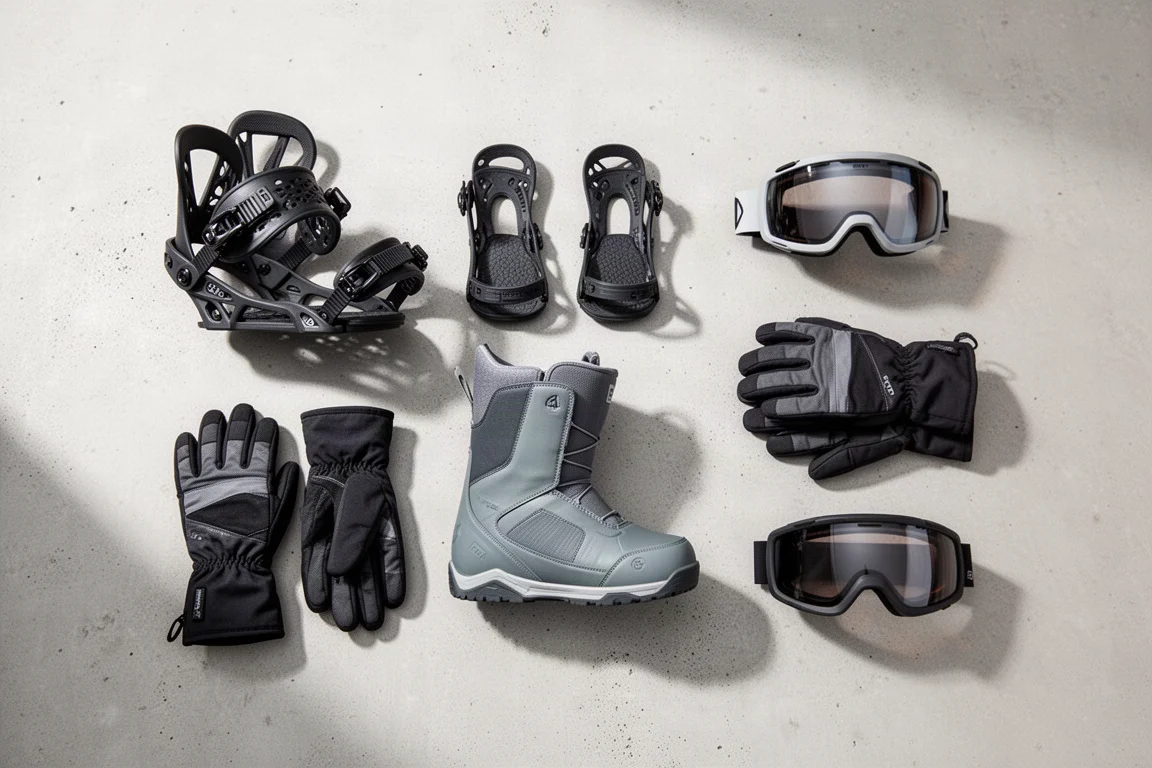
Pair it with a boot that has some natural forward lean and decent heel padding, and with a board that suits a stiff, aggressive setup. If what you really want is a softer, more playful binding, flipping the straps alone will not get you there.
Riders shopping this category may also want to compare the Union Atlas Pro, the Ride A10 and the Rome Cleaver directly.
Conclusion
The Jones Apollo does one thing and does it well: it turns effort into edge pressure. The skate-style bushings give it tunability, the minimal straps keep the interface close, and the wide stiff highback delivers the power that freeride riders are looking for. The redesigned toe strap is a small but genuinely useful improvement, gripping a wider range of boot shapes more securely than before.
It is not a binding for everyone. If your riding is soft, surfy or park-focused, the stiffness will feel like a limitation rather than an asset. But if you charge hard and want a binding that feels like a direct line between your boot and your edge, the Apollo is built exactly for that.
Product link
View more details for Jones Apollo
This product is mentioned in the review. Check the specifications, options, and compatibility before buying.
View more details for Jones ApolloFurther reading
Related Reviews
Snowboard Bindings
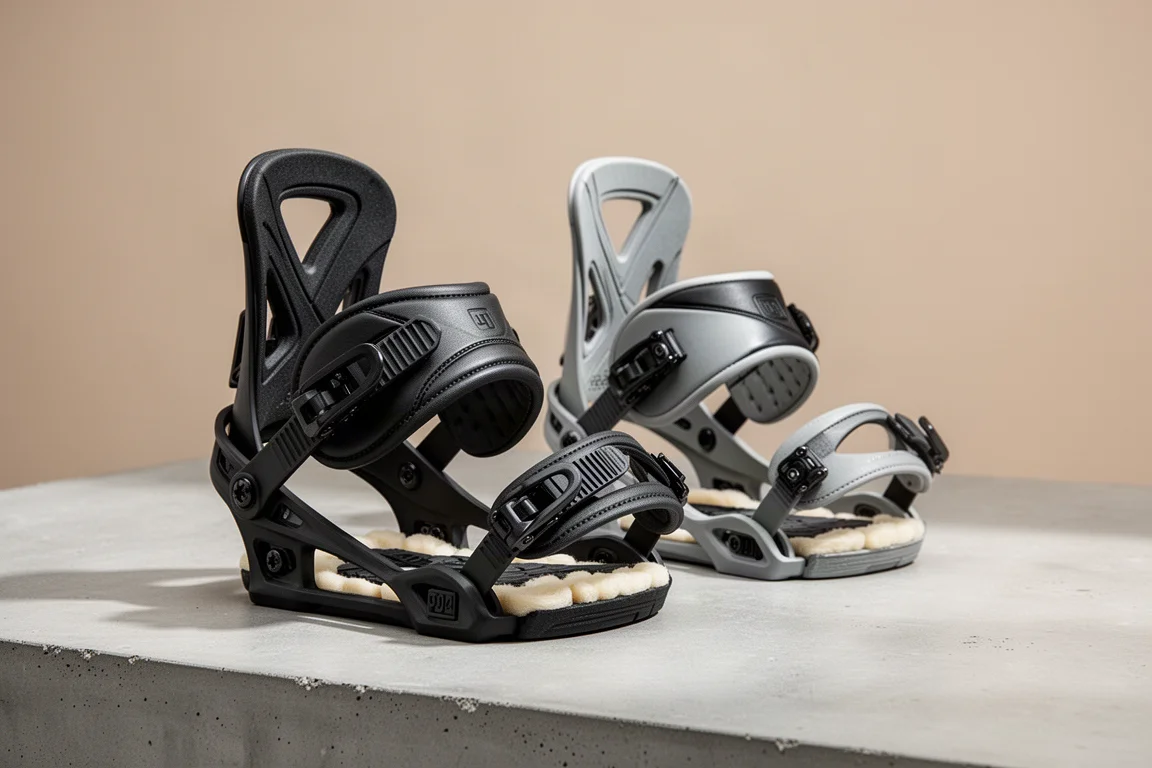
2024 Union Ultra Snowboard Bindings Review: A Cushy, Freestyle-Focused Favorite
Two seasons on the 2024 Union Ultra: a lightweight, tweakable freestyle binding with standout comfort, a damp molecular bushing, and thoughtful hardware fixes.
Snowboard Bindings
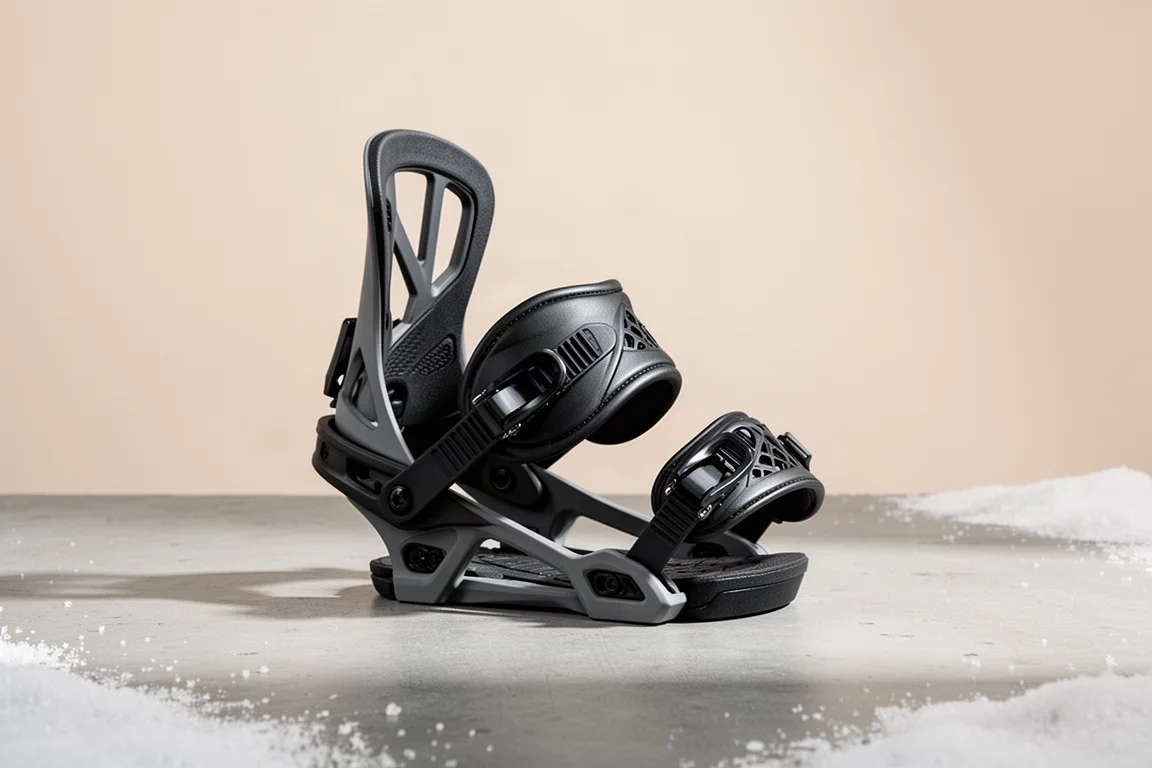
32 Team Phase Binding Review: A Fast Entry Binding Built for Freestyle Laps
The first binding from 32 uses the Phase chassis for quick step-in entry with a softer, freestyle-leaning flex. Here's how it performed on the snow.
Snowboard Bindings
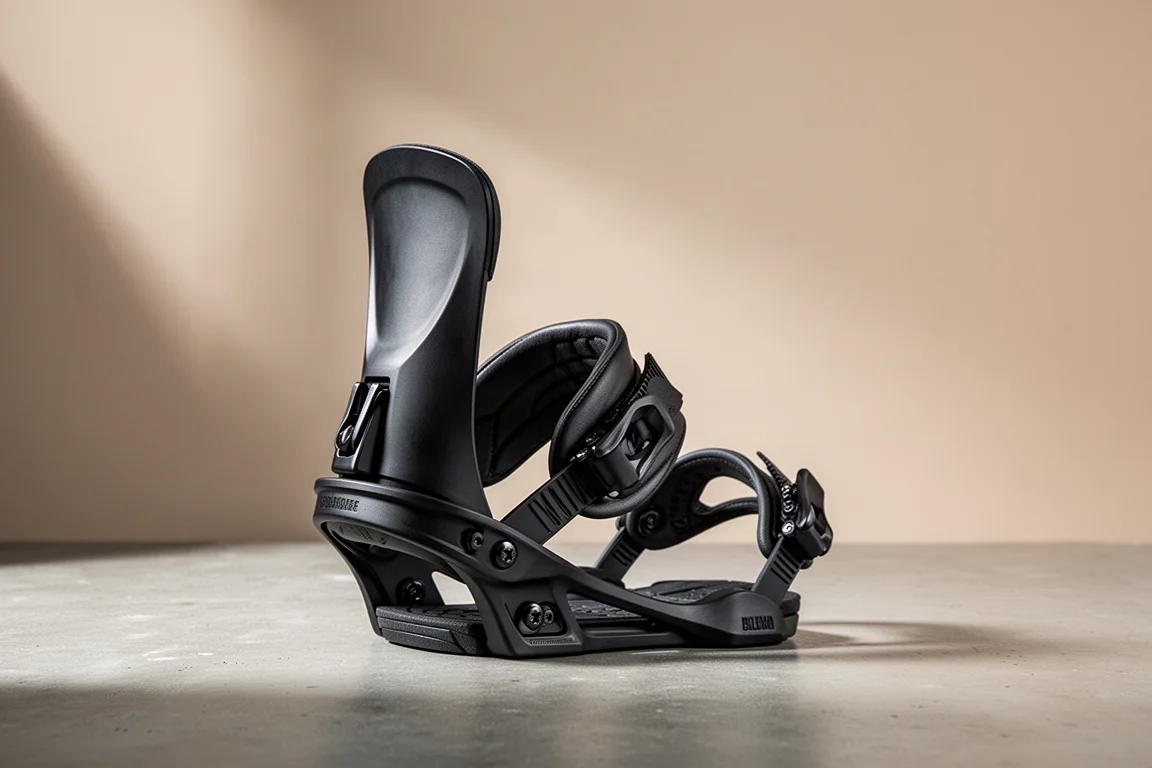
Arbor Cypress Snowboard Binding Review: A Laid-Back Cruiser That Can Charge
A closer look at the Arbor Cypress binding's adjustability, strap feel, and that oddly tall highback before you decide to buy.