Tech
JBL Go 4 Review: A Small Speaker That Fixed What Was Wrong
JBL's updated micro portable speaker adds a longer battery life, app support, stereo pairing, and a grippy new base, while keeping the same compact body.
Introduction
Three years is a long time in portable audio, and the JBL Go 4 arrives as the successor to a speaker many considered the best micro portable in its class. The good news: JBL did not just reshuffle the packaging. The Go 4 fixes the most annoying problem of the Go 3, adds app support, upgrades Bluetooth, extends battery life, and improves the bass. If you are choosing between the two, the decision is genuinely simple.
Specs and What’s New
The headline change is battery. The Go 4 runs 7 hours with Playtime Boost, up from 5 hours on the Go 3, and charges over USB Type-C in about 3 hours. Bluetooth is updated to version 5.3 from 5.1, and the speaker now works with the JBL Portable app plus Auracast, letting you pair two Go 4 units in stereo or link up to 100 other JBL speakers with Auracast.
The core audio hardware stays close to the Go 3: the same 4.2 watts RMS output, a 1.75-inch driver, and a slightly wider frequency response of 90 Hz to 20 kHz versus 110 Hz to 20 kHz. The IP67 rating carries over unchanged, meaning fully dust-tight and submersible in up to 3 feet of water for 30 minutes.
First Impressions and Design
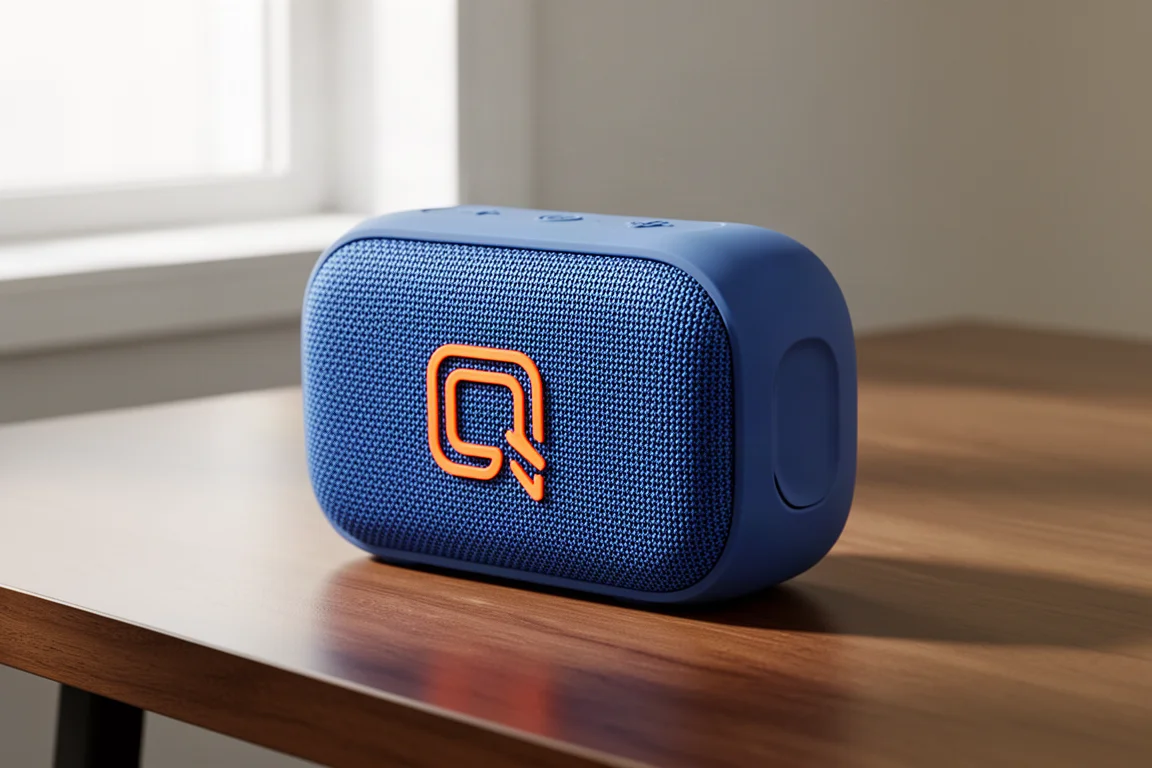
Picking up the Go 4 feels immediately familiar. It is essentially the same size and weight as the Go 3, with the same durable fabric mesh wrapping the body and the same large JBL branding on the front. The new orange outline around the logo at least makes the branding look deliberate, though a cleaner face without it would be preferable.
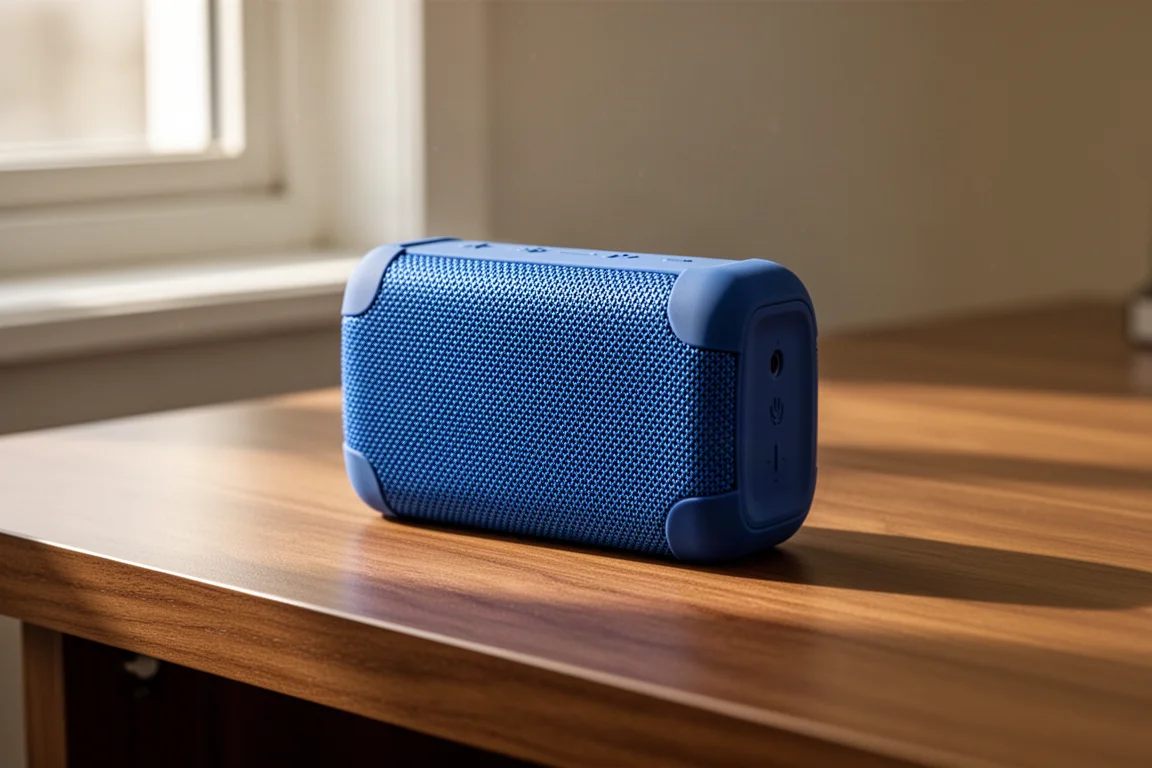
The real design improvements are in the details. The buttons and rubberized feet are now integrated into silicone pieces that wrap around the corners, rather than being attached to the fabric like the Go 3. That means no peeling feet, a common failure mode on small speakers, and a noticeably more durable build. The lanyard loop is now flat instead of shoelace-style, and JBL flipped which side holds the controls versus the charging port. It works fine, but anyone coming from a Go 3 will spend a few days reaching for the power button on the wrong side.
App Support and the Five-Band Equalizer
This is where the Go 4 clearly separates itself from the Go 3. The JBL Portable app is a single, simple page: connected speakers, battery level, and EQ settings. The custom five-band equalizer is the feature the Go 3 always lacked, and fine-tuning it genuinely makes the speaker sound better, whether you want to tame the highs or push the bass further.
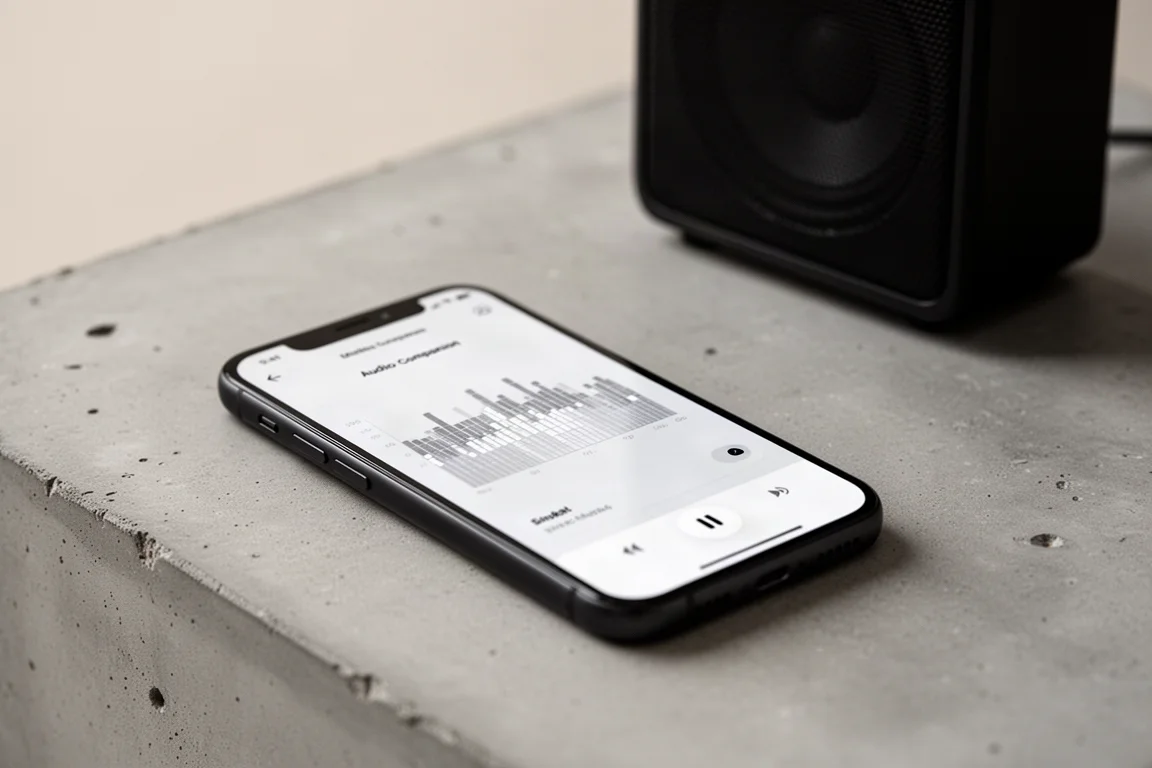
Playtime Boost lives here too. Toggling it adds roughly two more hours of playback, but it does so by effectively removing the bass from the output. It still sounds decent, just noticeably thin, so most listeners will leave it off. The app also handles stereo grouping, firmware updates, and a reset function, and updating the firmware is the sensible first step after unboxing.
Buttons and Everyday Use
The top row covers volume, play/pause, Bluetooth pairing, Auracast pairing, and an LED status light. A double-press skips forward, and the Go 4 adds a track-back feature via triple-pressing the play button, something the Go 3 never offered. One press powers on; one press also powers off, which is a questionable choice on a speaker designed to be carried, since an accidental tap mid-walk kills your music. A double-press or press-and-hold to shut down would have been safer.
One omission carries over: there is no microphone, so you cannot take phone calls through the Go 4. If that matters to you, look elsewhere or keep calls on your phone.
Sound Quality
For a speaker with only a 1.75-inch driver, the sound out of the Go 4 is remarkable. The mids and highs are extremely clear, and vocals, cymbals, drums, and guitars all separate cleanly, even at 100% volume. Small speakers usually turn into a muddy jumble at full output; this one stays coherent.
The bass is the standout. The Go 3 was already praised for lows that never overpowered the mids and highs, and the Go 4 actually improves on that. You hear the bass clearly without it bulldozing everything else. Volume-wise, the Go 4 and Go 3 sound about the same to the ear, which tracks given their identical 4.2-watt RMS output. The clarity, the app, and the EQ tuning are what make the newer speaker the better listen.
Stereo Pairing and Auracast
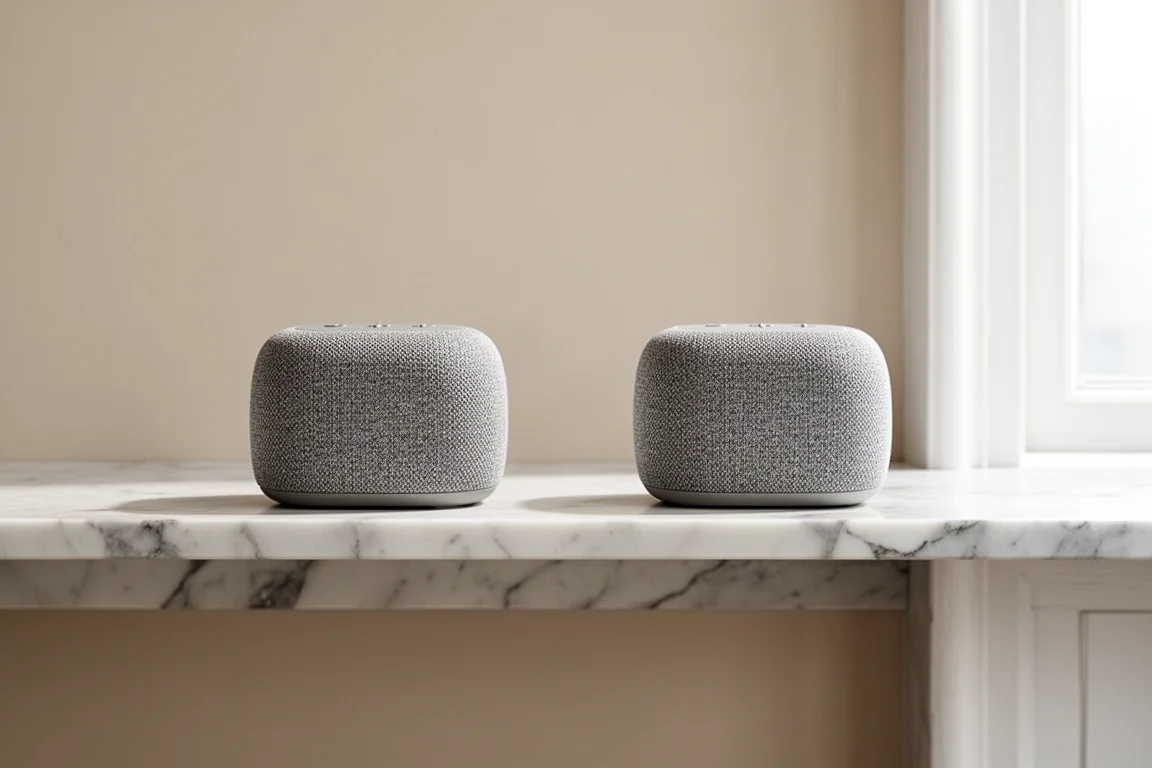
Pairing two Go 4 units together produces genuinely satisfying stereo sound from a pair of speakers you can each hold in one hand. Auracast support also means the Go 4 can link with up to 100 other compatible JBL speakers, which gives it room to grow with you if you later add more JBL gear to your setup.
Buying Advice
The two strips of rubberized silicone on the base deserve their own mention. The Go 3’s slick bottom meant the speaker literally danced across a table at high volume, sometimes right off the edge. The Go 4’s grippier silicone base fixes that completely, and it is one of the most practical improvements in the whole update.
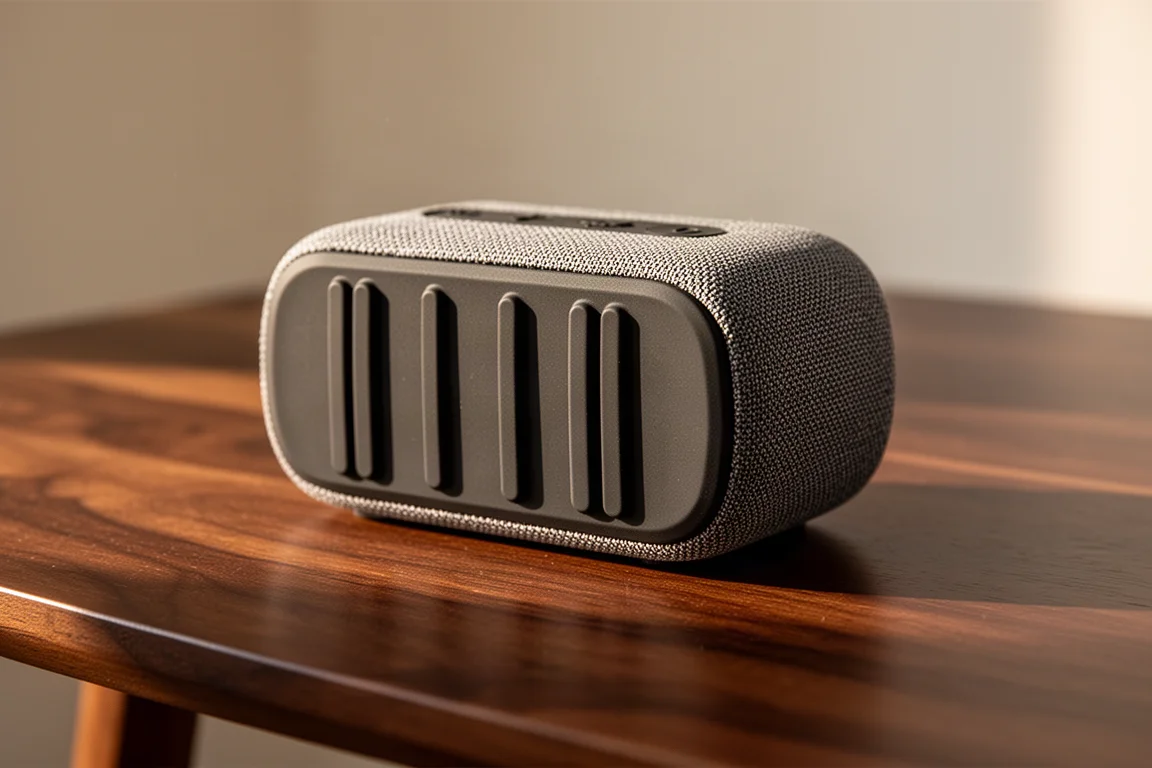
At around $49.95, the Go 4 is the obvious pick over the Go 3, which now often sells at the same price despite occasionally appearing for closer to $38 if you search around. Given identical pricing on the current model, there is no reason to buy the older speaker.
Conclusion
The JBL Go 4 keeps everything that made the Go 3 a favorite micro portable speaker and fixes nearly everything that was not: longer battery life, Bluetooth 5.3, app support with a five-band EQ, Auracast, a track-back button, integrated silicone buttons and feet, and better bass. For anyone shopping in the micro portable category, it earns its place at the top.
Product link
View more details for JBL Go 4
This product is mentioned in the review. Check the specifications, options, and compatibility before buying.
View more details for JBL Go 4Further reading
Related Reviews
Tech
Apple MacBook Neo Review: A Surprisingly Capable Budget Laptop
The MacBook Neo brings M1-equivalent performance to a $599 entry-level laptop. We tested it across real workflows to see if it's worth considering over pricier alternatives.

Tech
ASUS ZenBook 16 With Snapdragon and RTX 4060: Can an ARM Laptop Game With an External GPU?
An early look at pairing an Nvidia RTX 4060 with a Snapdragon-powered laptop using a Thunderbolt 5 eGPU dock, including real gaming results.

Tech
GPD G2 eGPU Dock Review: A Sturdy, Future-Ready Boost for Your Handheld or Mini PC
The GPD G2 eGPU dock brings new connectivity standards, a robust build, and desktop-class graphics to laptops, handhelds, and mini PCs.