Running Headphones
Jabra Elite 7 Active vs Jabra Elite 4 Active: Which Running Earbuds Should You Buy?
Two wingless Jabra sport earbuds share the same shape, the same IP57 rating and much of the same sound. Here is where they actually differ, and which one is worth your money.
Introduction
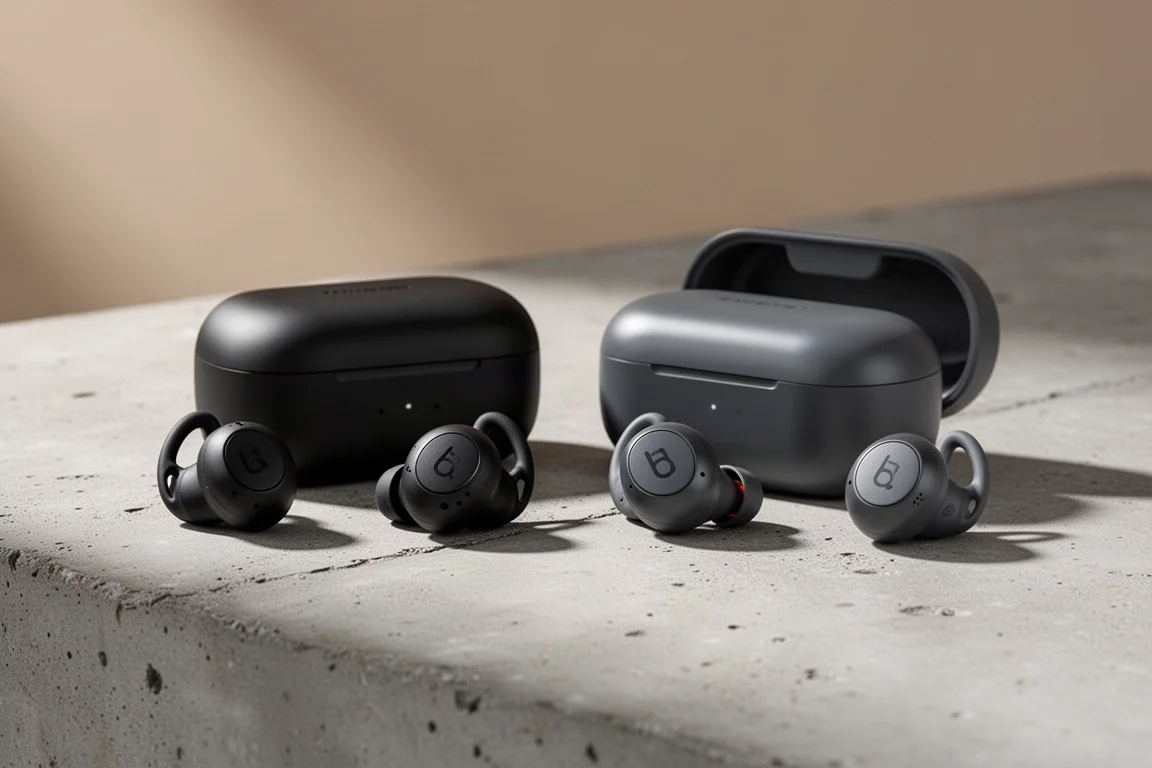
Jabra’s Active range is built for people who want true wireless earbuds that can survive sweat, rain and long runs without fuss. Two models sit in that line at very different prices, and on a shop shelf they are hard to tell apart. The Jabra Elite 7 Active sits at the top of the range, while the Jabra Elite 4 Active arrives for noticeably less money with much of the same formula: a compact, wingless in-ear shape, physical button controls, active noise cancellation and an IP57 rating.
The interesting question is not which one is more advanced. It is whether the extra spend on the Elite 7 Active buys anything you will actually notice while running. Below is a breakdown of the specifications, the battery and charging behaviour, the sound and noise cancellation, and the fit, followed by buying advice for each type of runner.
Key Specs and Design Compared
Price is the first and clearest difference. The Jabra Elite 4 Active sells for around £120 in the UK and just under $120 in the US, while the Jabra Elite 7 Active comes in at around £170 in the UK and just under $180 in the US.
The physical design is nearly identical. Both use a small, light, wingless in-ear shape and both ship with three sizes of silicone ear gels in the box. Neither model includes wing tips, which some runners rely on for extra security, so the fit depends entirely on how the buds sit in your particular ears. The Elite 7 Active adds a liquid silicone rubber ShakeGrip coating intended to improve how well the buds stay put. The Elite 4 Active buds are half a gram lighter at five grams each, and its case is lighter too at 37.5 grams, against 44 grams for the Elite 7 Active case.
Durability is a genuine tie. Both sets of buds are IP57 rated, which covers water, dust and sweat. Neither charging case carries a rating, so both need a little care when they go into a wet kit bag.
Connectivity is also closely matched, with Bluetooth 5.2 on both pairs. The Elite 4 Active can hold six simultaneous device pairings, while the Elite 7 Active stretches that to eight. Both allow either bud to be used independently. A practical note worth remembering with either model: update the companion app before you pair the buds and run the firmware update, otherwise the buds can connect to your phone without appearing properly in the app.
Battery Life, Charging and Connectivity
On paper the battery figures are close. The Elite 4 Active offers seven hours of playback in the buds plus a further 21 hours in the case with active noise cancellation on. The Elite 7 Active steps that up to eight hours in the buds and 22 hours in the case. Both include in-ear detection with automatic pause and play when a bud is removed.
In real running use the two behave almost identically. With noise cancellation on, roughly an hour of running costs about ten percent of battery on either model. With noise cancellation off, around two hours of running used about 20 percent of the charge on both. The practical result is the same: either pair comfortably covers a week of workouts plus general listening.
Charging is where the Elite 7 Active pulls ahead slightly. A 10 minute top-up gives the Elite 4 Active about an hour of playback, while the Elite 7 Active reaches the same hour from just five minutes. The Elite 7 Active also supports wireless charging, which the Elite 4 Active does not. Whether that matters is a personal call. If you already keep a wireless charging pad on a desk or bedside table, it is a small convenience. If you charge by cable anyway, it will make no difference to your routine.
Connection stability on the move is strong on both. Pairing with watches, Android phones and iOS devices worked without dropouts, and switching between devices was reliable.
Sound, Noise Cancellation and Call Quality
Both models use comparable drivers and both offer active noise cancellation, a custom EQ and adjustable HearThrough awareness modes through the Jabra Sound app. Two features are exclusive to the Elite 7 Active: a slider for adjusting noise cancellation levels directly, and personalized sound and fit tests that tune the audio to your ears. On the Elite 4 Active, noise cancellation levels are still adjustable, just through the app menus rather than a slider.
Out of the box the tuning leans uneven on both, and the EQ is where you fix it. Once the EQ is adjusted, the two sound effectively the same: loud enough for outdoor running, balanced across the range, with a usable amount of bass that does not overwhelm the rest of the mix. The personalized sound test on the Elite 7 Active did not change that verdict in practice, so it is not a reason to pay more on its own.

Noise cancellation is competent rather than class leading on both. It makes the most difference on flights, trains and in an office, and it takes the edge off wind and traffic outdoors without removing them entirely. Interestingly, one quirk of running outdoors is that noise cancellation can make wind noise more noticeable, which is why HearThrough with its own adjustable slider is often the better choice on the move. Both models include that slider, so you can dial back wind noise while still hearing what is around you.
Call quality is another area where the numbers do not tell the whole story. The Elite 7 Active carries six microphones against four on the Elite 4 Active, yet people on the other end of calls reported no meaningful difference between the two.
Fit, Controls and Durability
Fit is the most personal factor here, and it is worth being honest about the trade-offs. Jabra’s wingless design stays in many ears where other earbuds slide out, and both models share that shape. The ShakeGrip coating on the Elite 7 Active does add a very slight amount of extra security, but it is not a meaningful upgrade on its own. Some runners actually found the Elite 4 Active sat more reliably once the right ear gels were fitted, and the small nagging sensation that a bud might slip, even when it never does, is the sort of thing that can distract you mid-run.
Both pairs are IP57 rated for water, dust and sweat and neither showed any durability problems through sweaty sessions and running in poor weather. Neither case is rated, so keep them dry.
Controls are physical buttons on the buds rather than touch surfaces, which is the right choice for running since it avoids accidental taps. The buttons on the Elite 4 Active feel slightly stiffer to press than those on the Elite 7 Active, though both work well on the move. Both pairs can also be powered off without returning them to the case, a small convenience that many true wireless earbuds still do not offer.
One software difference is worth flagging: the toggle for automatic pause and play is available on the Elite 7 Active in the app, while it is not exposed the same way on the Elite 4 Active. It is a minor point, but worth knowing if you like to control that behaviour yourself.
Jabra Elite 4 Active: The Value Pick
The Jabra Elite 4 Active is the model that makes the stronger case for most runners. It delivers the same wingless fit, the same IP57 rating, the same app-based EQ and HearThrough tools, and effectively the same sound once you have adjusted the EQ, for roughly £50 less than the Elite 7 Active. Battery performance in real use is close enough that the difference is hard to notice.

The compromises are small and easy to live with: no wireless charging, a slightly slower quick charge, a case that is lighter but lacks a rating, and no ShakeGrip coating. If you want the lower price without giving up the core running experience, this is the one to take.
Jabra Elite 7 Active: The Premium Option
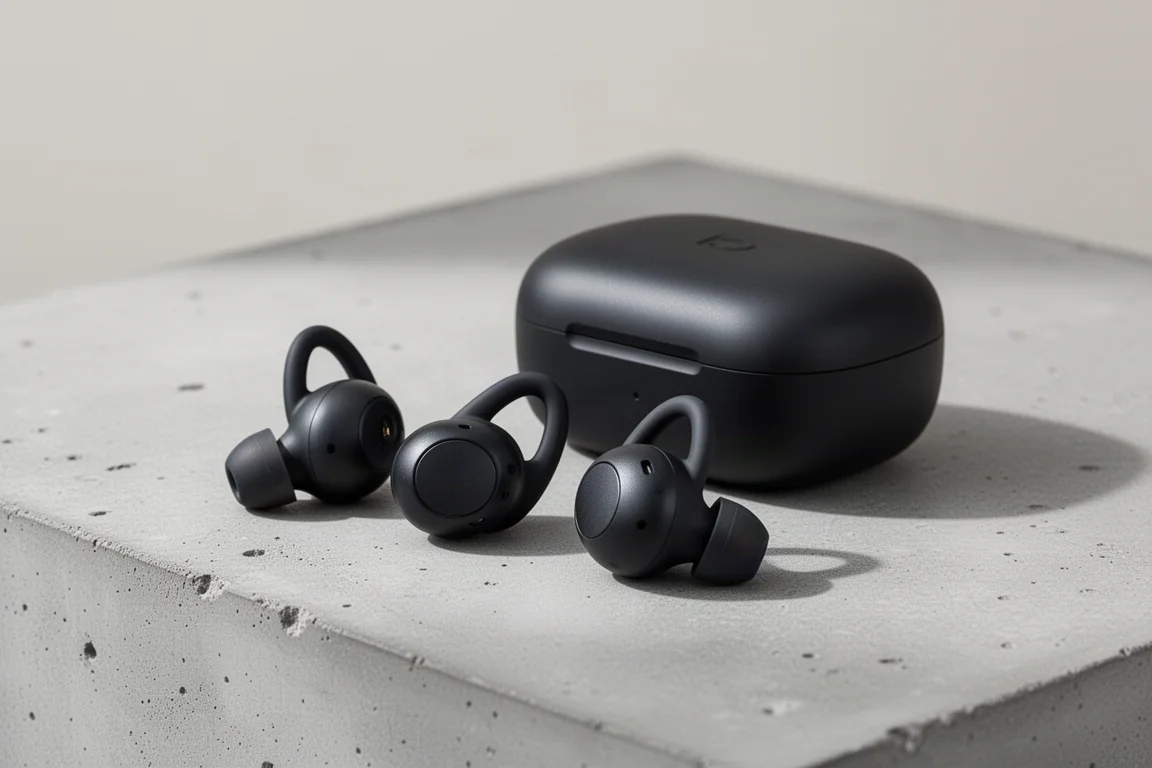
The Jabra Elite 7 Active justifies its higher price with a handful of extras rather than a different core experience. You get an extra hour of playback, the same again in the case, wireless charging, a faster five minute quick charge, the ShakeGrip coating, the noise cancellation slider, the personalized sound and fit tests, six microphones instead of four, and support for two more simultaneous device pairings.
None of those additions transforms the sound, the fit or the battery life in everyday running. They are refinements, and they are most relevant if wireless charging fits naturally into your routine, if you switch regularly between several devices, or if you simply prefer to have the fullest feature set available in the range.
Which One Should You Buy?
For most runners, the Jabra Elite 4 Active is the smarter purchase. It covers the essentials that actually matter on a run, including a secure wingless fit, sweat and water resistance, adjustable sound and awareness modes, and strong connectivity, while leaving roughly £50 in your pocket. The honest view is that you have to work quite hard to identify meaningful differences between the two in day to day use, and the cheaper model is not the one giving anything important up.

Choose the Jabra Elite 7 Active instead if wireless charging, a faster quick charge and the largest feature set in the Active range are worth the premium to you, or if you want the maximum number of simultaneous device pairings. Choose the Elite 4 Active if you want the same running experience for less and are happy to charge with a cable.
Conclusion
Both of these Jabra models are capable running earbuds with a comfortable wingless shape, dependable sweat and water resistance and a sound profile that responds well to EQ tuning. The gap between them is narrower than the price difference suggests, and the Elite 4 Active carries almost all of the practical value. The Elite 7 Active remains a reasonable choice for anyone who specifically wants wireless charging and the extra features, but for the majority of runners the lower priced pair is the one to buy.
Further reading
Related Reviews
Running Headphones
Beats Powerbeats Pro 2 Long-Term Review: Still a Top Pick for Runners
After a year of running, battery cycles, and multi-device pairing, here is how the Powerbeats Pro 2 holds up as a sports earbud.
Running Headphones
H2O Audio Tri Run vs Shokz OpenRun Pro 2: Which Bone Conduction Headphones Make More Sense?
A value-focused bone conduction option goes up against the best-sounding pair we have tested. Here is how the trade-offs stack up for running and cycling.
Running Headphones
IO Breezy Bone Conduction Headphones Review: Affordable Open-Ear Running Audio
The IO Audio Breezy (IO iT Geo 1) packs Bluetooth 5.3, an IPX6 rating and a 36g frame into open-ear sports headphones that cost about half the price of the leading rivals.