Tech
iPhone 16 Pro vs GoPro Hero 13 Black: Which Camera Should You Use?
A practical head-to-head comparison of the iPhone 16 Pro and GoPro Hero 13 Black across slow motion, underwater, stabilization, and low light.
Introduction
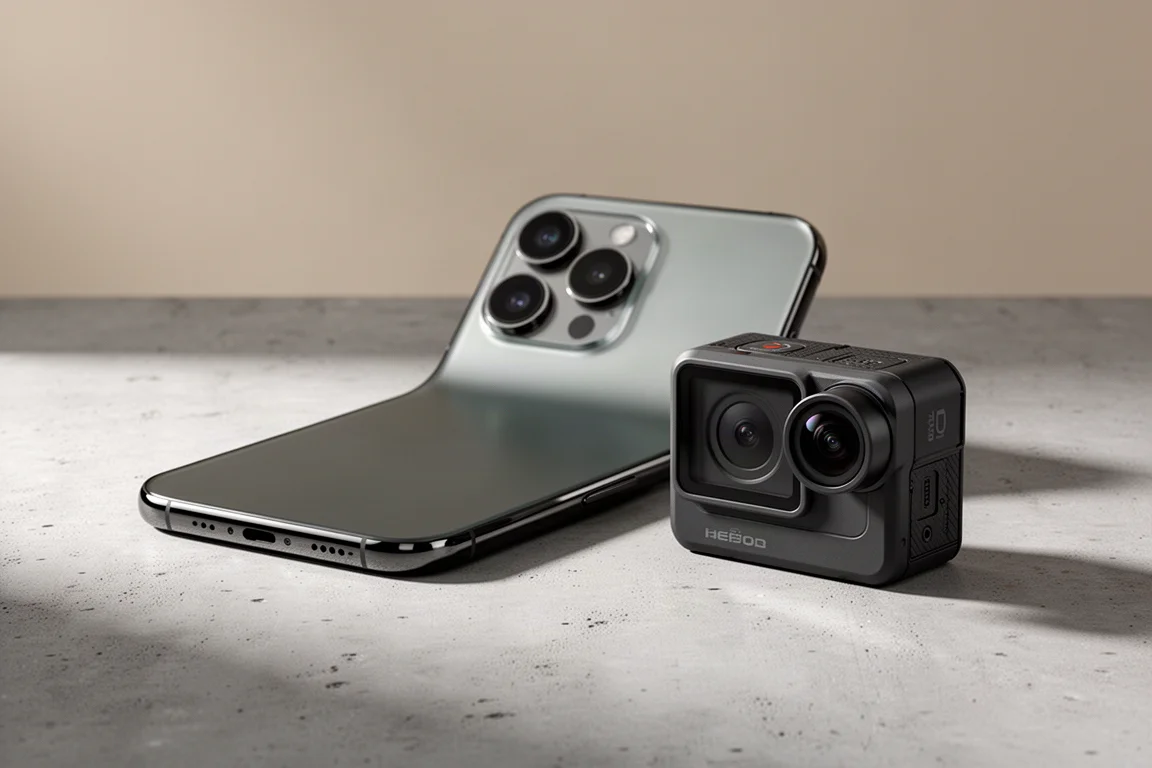
When Apple announced the iPhone 16 Pro, its headline video feature was a brand new 4K mode at 120 frames per second, complete with quarter-speed and half-speed playback plus a return-to-normal-speed option. That instantly made it a serious candidate for action-style shooting, traditionally territory owned by the GoPro Hero 13 Black. This comparison puts both cameras through action and non-action tests alike to see where each one actually wins.
The Slow Motion Test
A 4K 120fps mode opens up a lot of creative room: quarter-speed playback, a half-speed option, or normal speed, all from the same clip. In real-world water-impact footage, both cameras held up well, with the iPhone showing a slight blue hue while the GoPro looked a little more true to life in the same conditions.
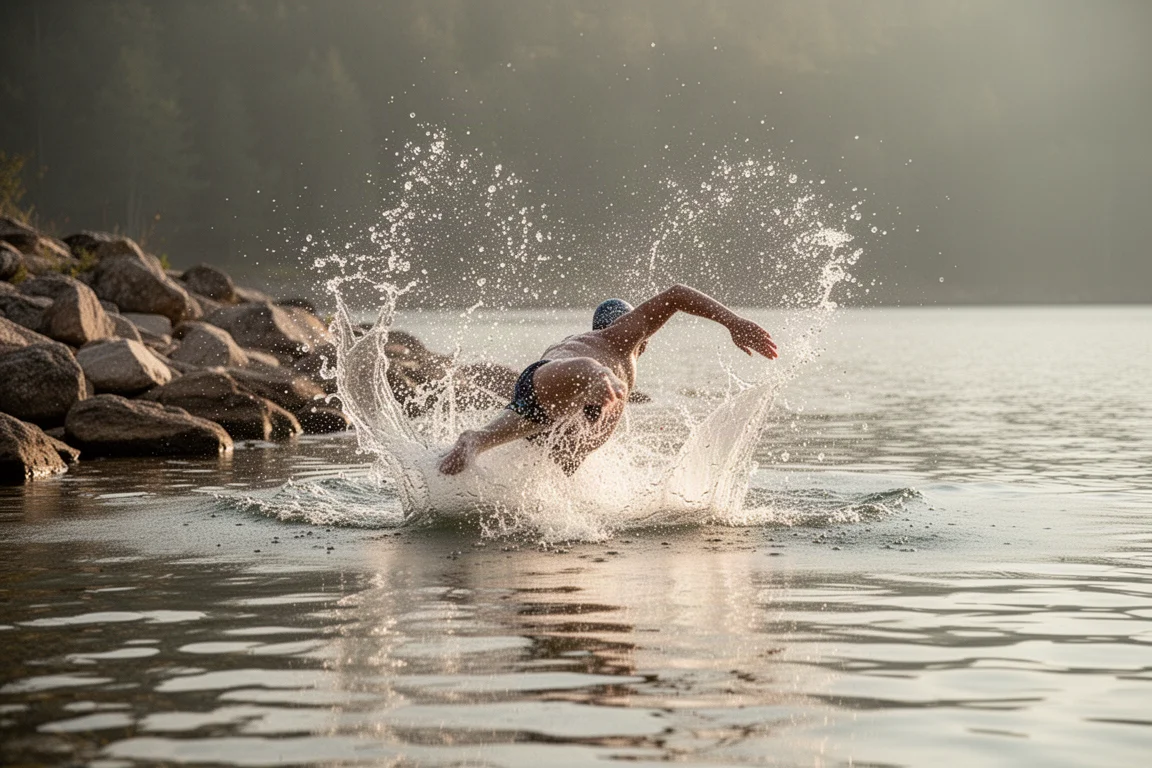
One practical note worth keeping in mind: after taking an iPhone into saltwater, a quick rinse afterwards keeps it clean, and you will need to rely on wireless charging for a few hours until the port fully dries out.
Stabilization and Action Mode
Action mode on the iPhone 16 Pro uses the full sensor with more overscan and advanced roll correction to make video look remarkably stable in the middle of the action, without needing to carry a gimbal. Turning it on switches to the 0.5x lens and drops resolution from 4K down to 2.8K, and you can switch to the 1x lens but with substantial cropping compared to action mode off.
In side-by-side runs, the footage without stabilization was noticeably wider but wobblier, especially as speed picked up, while the stabilized modes stayed much more composed. The GoPro consistently offered a wider perspective across these tests, which helped it keep more of the scene in frame.
Underwater Footage
The iPhone 16 Pro is rated down to 6 meters, roughly 20 feet of waterproofing, so both cameras can be taken below the surface. With the GoPro in linear mode and the iPhone on its main lens, the iPhone gives a flatter but much more cropped-in look. Switching the GoPro to its superview setting and the iPhone to its widest lens reveals just how much more the GoPro captures from edge to edge.
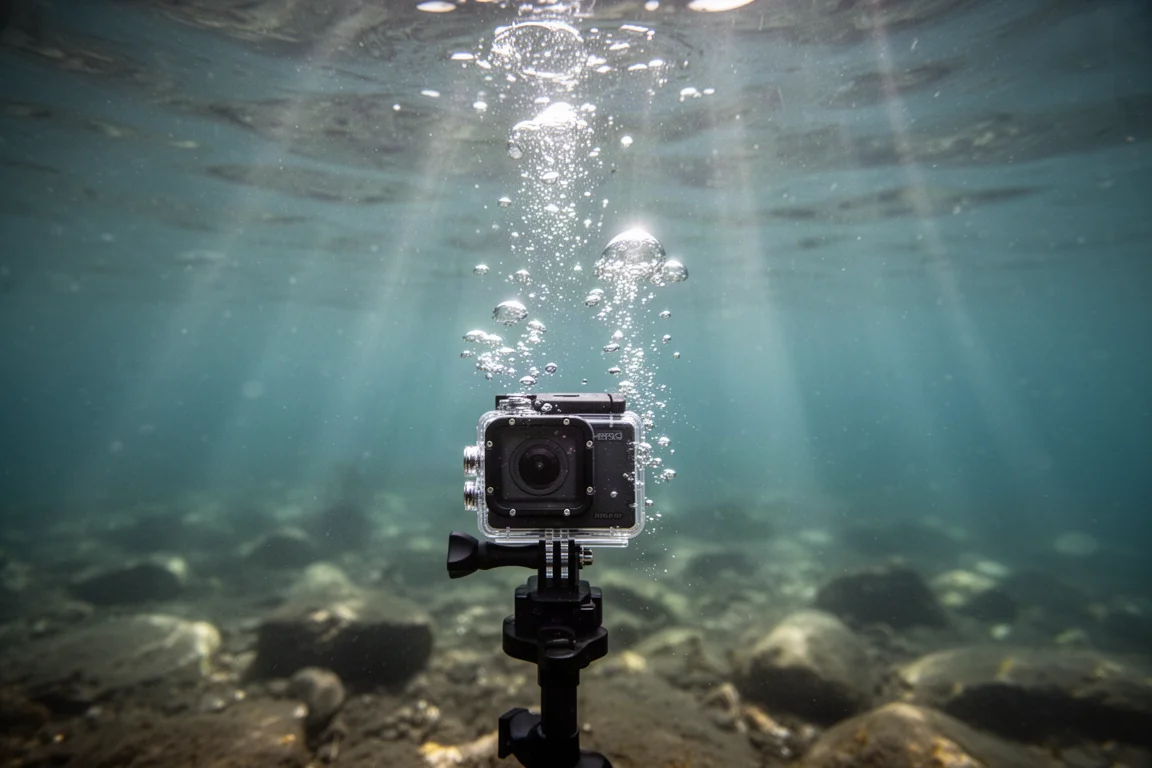
The surprise of this comparison was color and brightness underwater. Across multiple test sessions the GoPro handled color reproduction better, with the iPhone skewing more blue, and the GoPro also performed better in the effectively lower-light conditions below the surface almost every single time.
The Mountain Biking Test
Mounting makes a real difference here. A two-camera rig proved too heavy and bouncy to be usable, so each camera ran individually. The iPhone’s tighter field of view loses most of the handlebars and nearly all of the bike computer, though that cropping does bring a slight stabilization advantage.
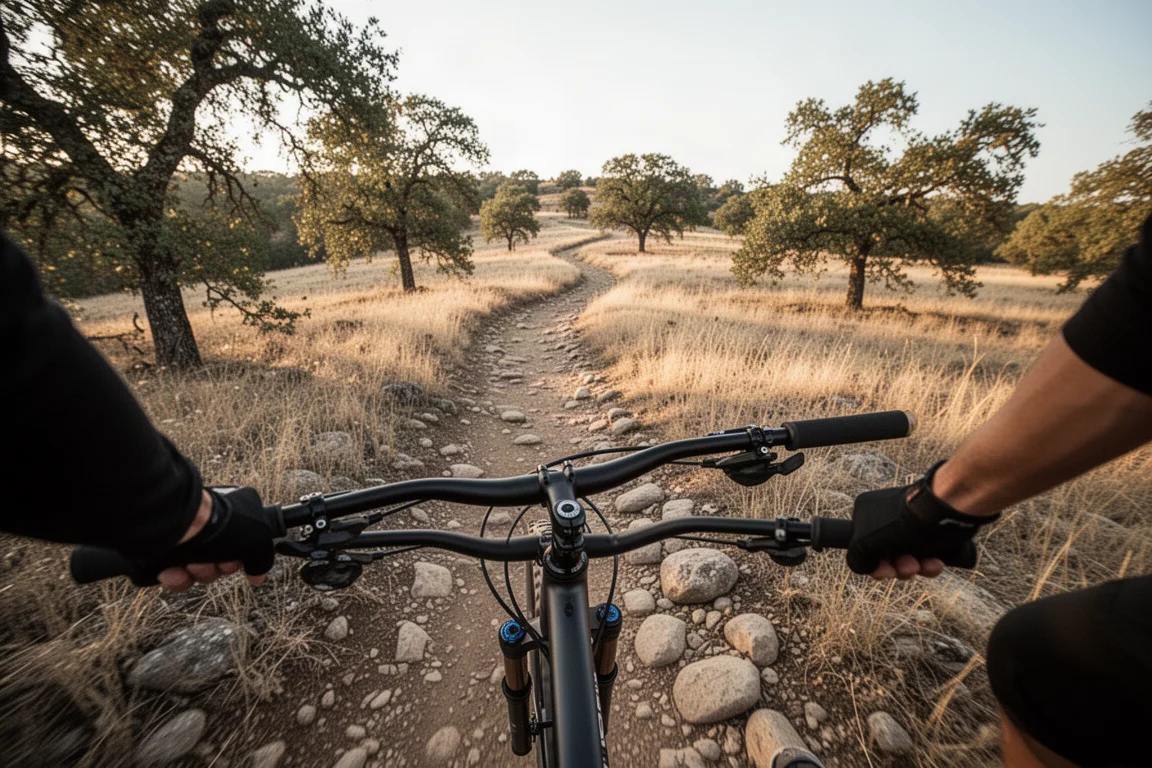
The uphill footage into the sun looked more vibrant on the iPhone, but the practical takeaway stands: for most people, a GoPro simply mounts better in a bike or cycling situation than an iPhone ever will.
Low Light Performance
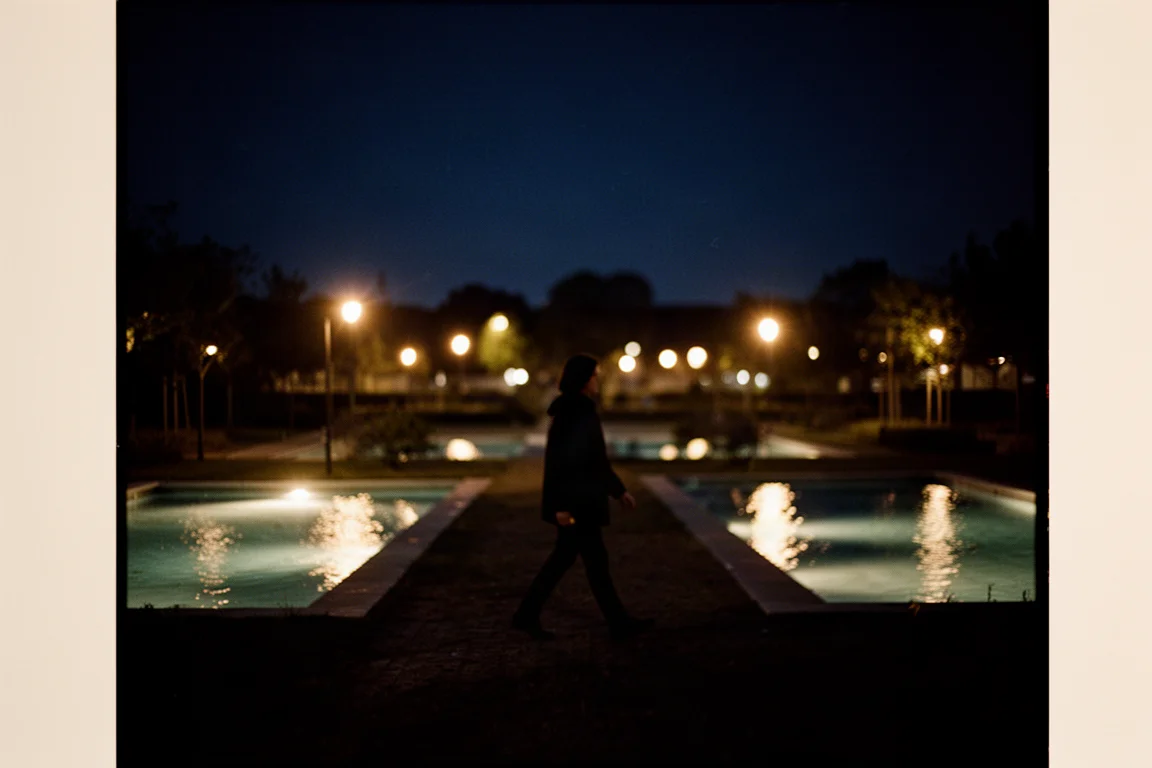
At night, there was essentially no competition. The iPhone wins this category easily, because its low light quality is dramatically better than the GoPro’s. With the GoPro, the subject visibly disappears from frame when moving between lights, while the iPhone keeps everything legible. The one exception is the GoPro’s night star trail mode, a fun creative tool, but in virtually every other night scenario the iPhone takes it.
Overall Buying Advice
Both of these cameras are genuinely great; it comes down to how you plan to use them. For day-to-day shooting, the iPhone is always in your pocket and generally delivers better overall video and photos. For action shooting, the GoPro mounts better, is easier to use in those scenarios, and generally gives higher resolutions and better stabilization across those resolutions.
The GoPro’s superview setting also deserves a mention for action work: its wider perspective increases the feeling of speed and works especially well in cycling scenarios. If you only want one device, your typical subject matter should decide it; if you do both, many people will end up carrying both, which is honestly as simple as it gets.
Conclusion
The iPhone 16 Pro and GoPro Hero 13 Black are complementary rather than interchangeable. The iPhone wins on low light, everyday convenience, and its new 4K 120fps slow motion, while the GoPro wins on field of view, underwater color and brightness, and mounting for action scenarios. Pick based on where most of your shooting happens.
Product link
View more details for iPhone 16 Pro
This product is mentioned in the review. Check the specifications, options, and compatibility before buying.
View more details for iPhone 16 ProFurther reading
Related Reviews
Tech
Apple MacBook Neo Review: A Surprisingly Capable Budget Laptop
The MacBook Neo brings M1-equivalent performance to a $599 entry-level laptop. We tested it across real workflows to see if it's worth considering over pricier alternatives.

Tech
ASUS ZenBook 16 With Snapdragon and RTX 4060: Can an ARM Laptop Game With an External GPU?
An early look at pairing an Nvidia RTX 4060 with a Snapdragon-powered laptop using a Thunderbolt 5 eGPU dock, including real gaming results.

Tech
GPD G2 eGPU Dock Review: A Sturdy, Future-Ready Boost for Your Handheld or Mini PC
The GPD G2 eGPU dock brings new connectivity standards, a robust build, and desktop-class graphics to laptops, handhelds, and mini PCs.