Camera Gear
Insta360 Luna Ultra Review: A Dual-Camera Gimbal Camera with Leica Optics
The Insta360 Luna Ultra brings dual cameras, a detachable screen, and Leica-designed optics to handheld gimbal cinematography. A detailed look at its strengths, limitations, and real-world performance.
Introduction
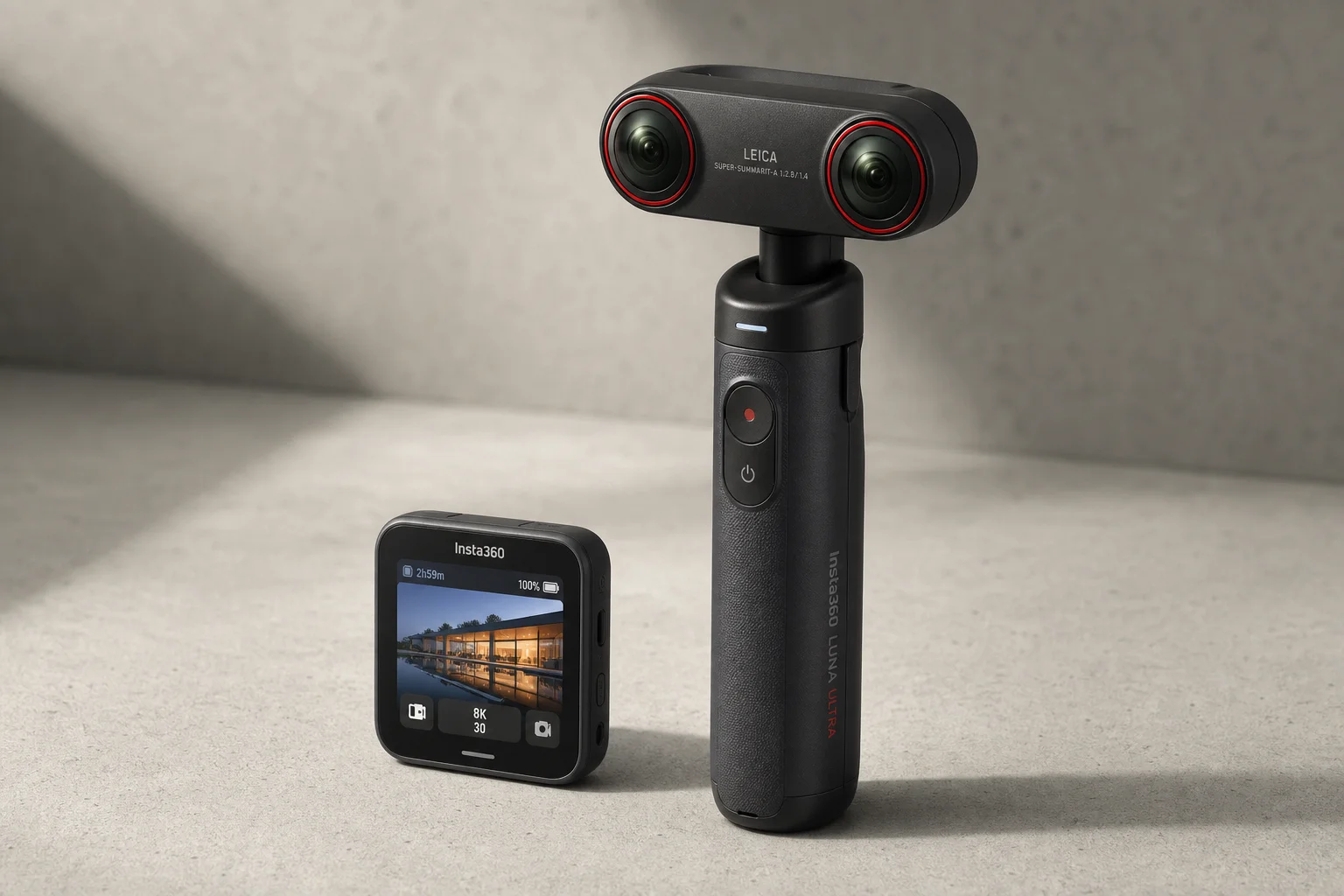
The Insta360 Luna Ultra represents a direct response to competitive pressure in the handheld gimbal camera market. As a dual-camera system with Leica-designed optics and a detachable touchscreen, it stakes a claim on both video and photo performance. This review examines whether the Luna Ultra’s innovations justify its position and where it stands against established alternatives.
Design and Build Quality
The Luna Ultra comes in black, white, and a special Leica-branded edition. The white finish has a refined appearance, though personal preference will vary. A key design difference from competitors is the horizontal lens orientation, which gives the camera a distinctive robot-like appearance and makes the Leica branding easier to display.
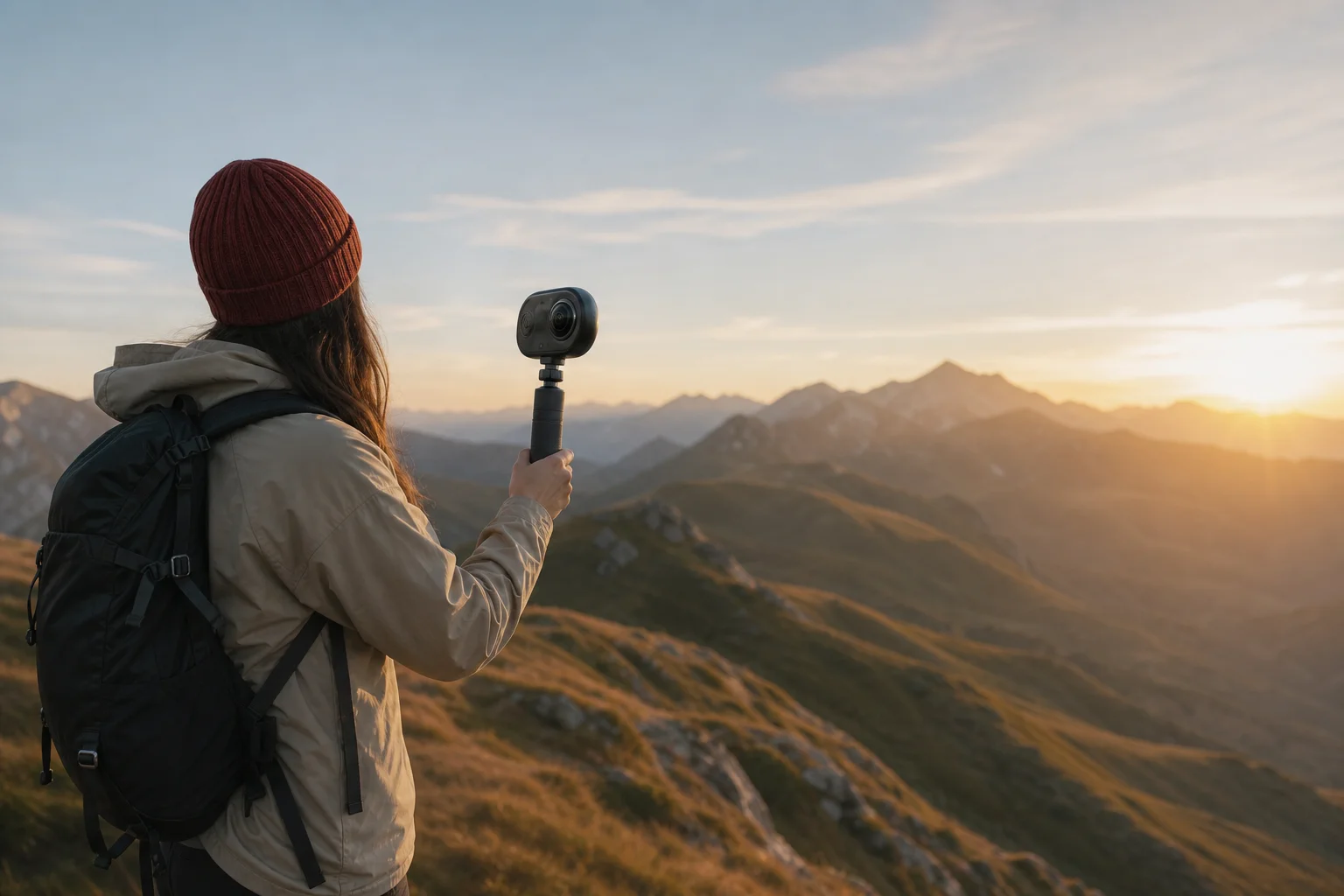
The camera maintains a single-hand grip form factor at approximately 233 grams. Two custom programmable buttons are positioned on the screen bezel rather than the body, which proves practical for portrait-mode shooting since the screen no longer obstructs button access. A push-pull zoom lever supports both quick zoom and smooth variable-speed zoom, though the implementation delivers only uniform speed changes rather than the variable acceleration some users might expect.
Magnetic filter attachment remains straightforward, supporting ND and wide-angle filters without tools. USB 3.0 Type-C connectivity provides 360 MB/s read speeds and supports 45-watt charging, achieving a full charge in approximately 30 minutes.
The Detachable Screen Innovation
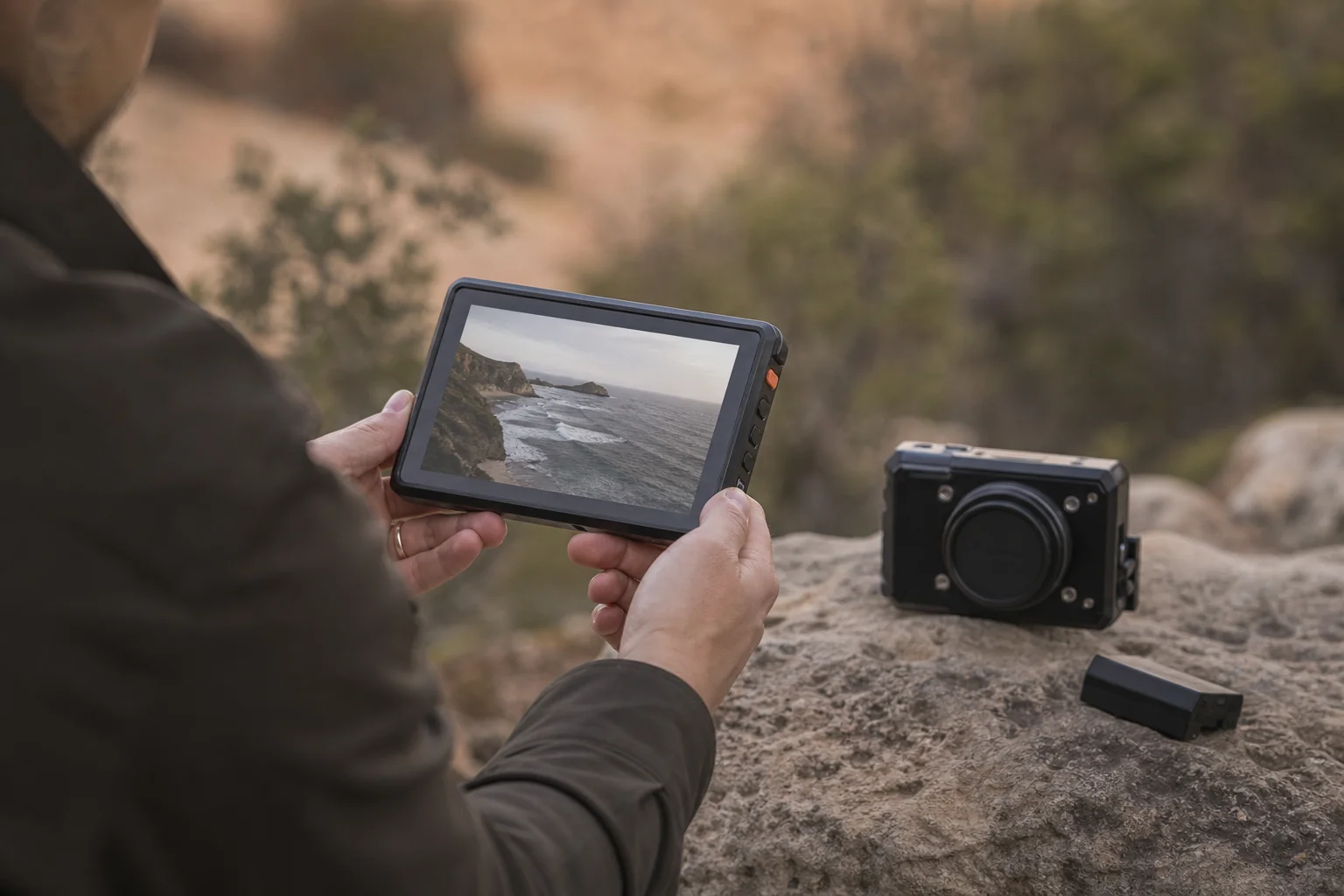
The most distinctive feature is the removable touchscreen module, which functions as a self-contained control unit with its own internal battery lasting roughly one hour. This module integrates all on-camera functions including monitoring, subject tracking, and audio control.
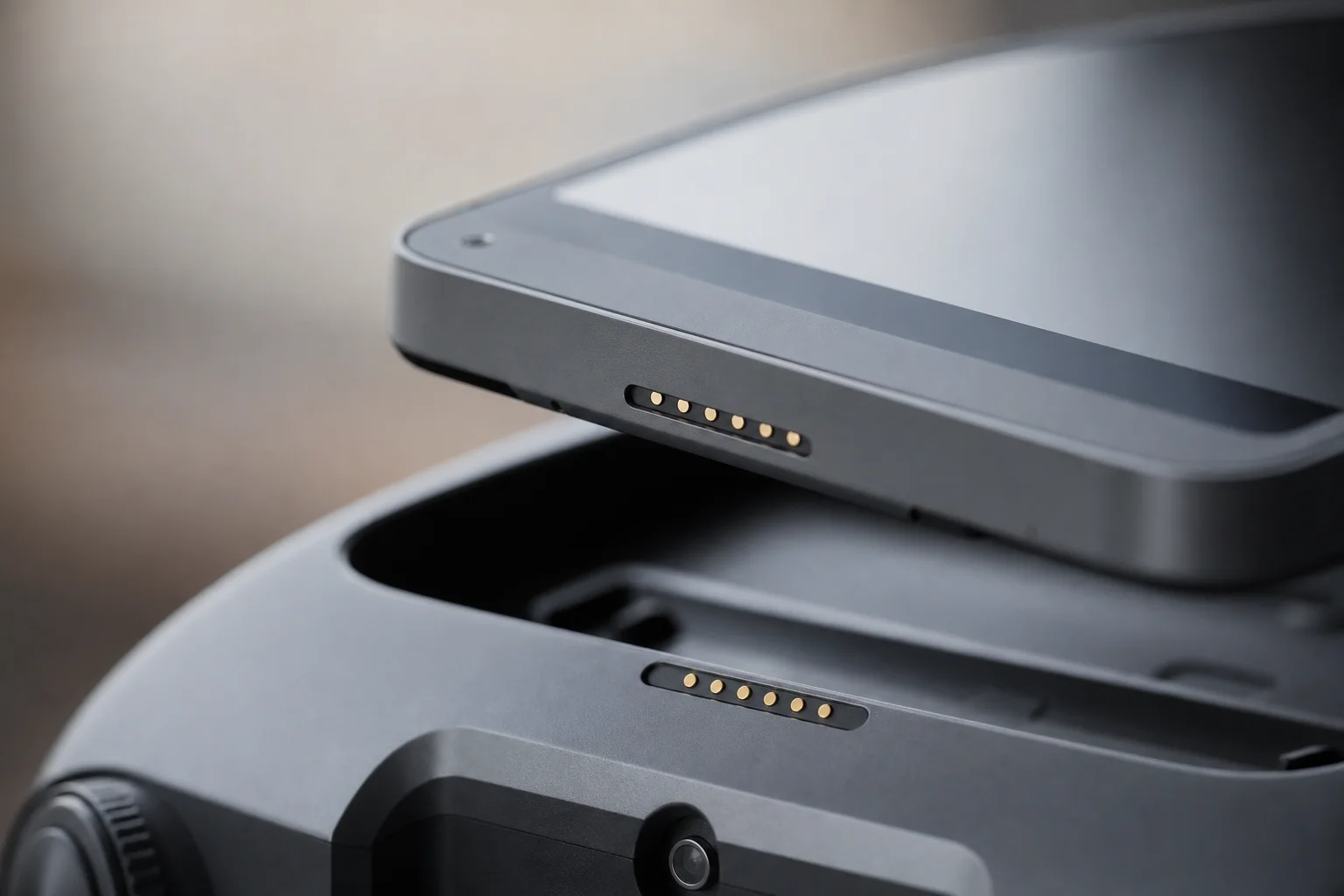
The screen supports plug-and-play compatibility across Luna camera bodies, automatically pairing when connected. A notable convenience feature allows remote power control via WiFi and Bluetooth even when the camera is off, useful for tent-based shooting scenarios where the camera sits outside.
Practical testing revealed the electronic contacts tolerate incidental water exposure, though regular moisture contact should be avoided. Transmission range reaches approximately 10 meters before noticeable frame drops occur, making this a near-field control solution rather than true remote operation. The UI and responsiveness show frame rate reduction at distance, confirming its design intent for close-proximity monitoring.
Internal storage totals 47 GB, smaller than some competitors but adequate for typical shooting sessions. TF card expansion is supported.
Dual-Camera System and Optical Performance
Both camera modules achieve 37 megapixels in 4:3 super-resolution mode. Both lenses were co-designed with Leica, and testing confirms tangible optical quality improvements. Flare control is notably clean, and the high-pixel count combined with the optical design produces sharp, detailed stills.
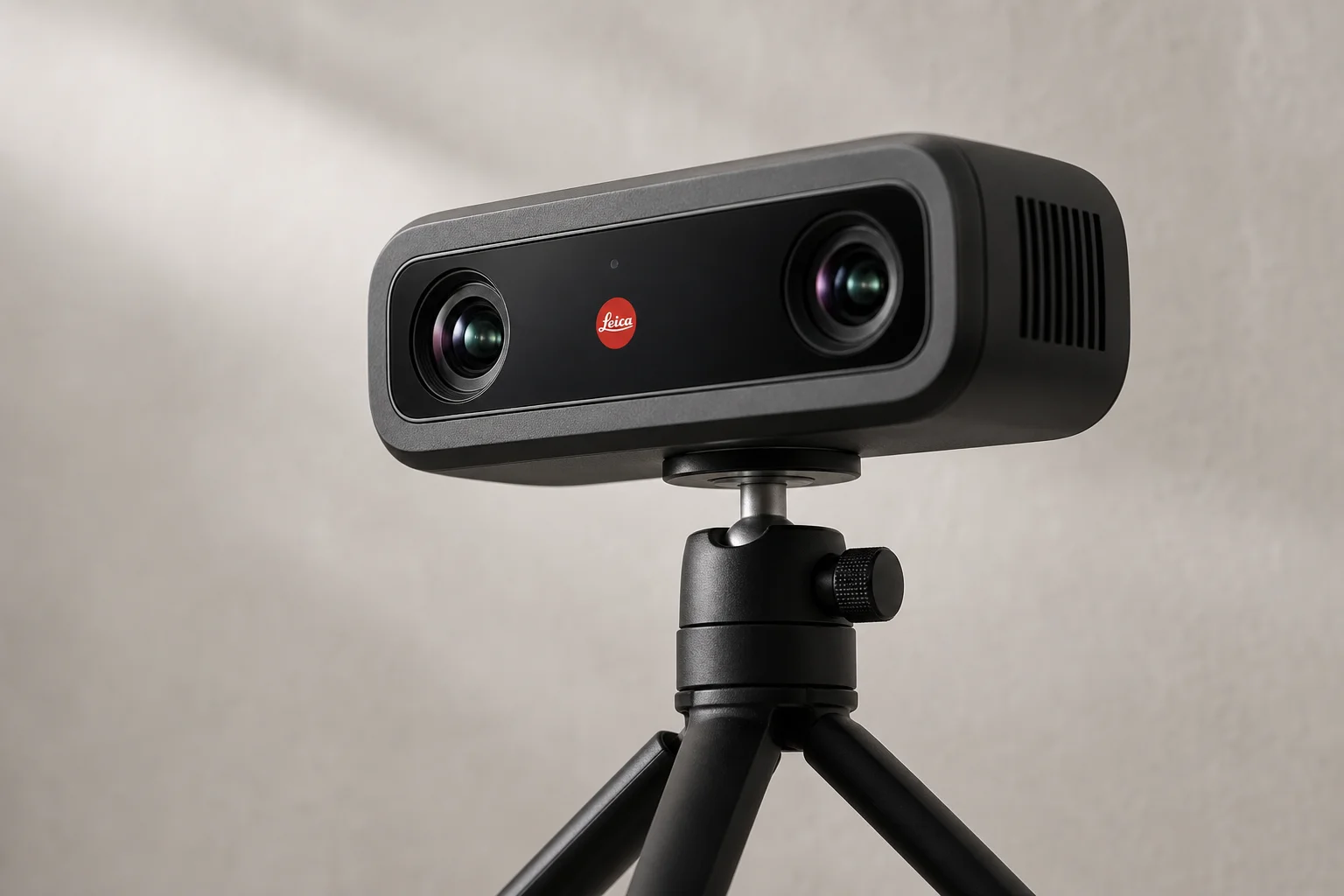
The 60mm telephoto lens exhibits an unusually close 15cm minimum focus distance, enabling shallow-depth-of-field macro photography suitable for product detail, food, and unboxing content. The system also supports 200-megapixel 2:1 panoramic mode and live photo capture.
A critical limitation appears in super-resolution photo mode, which requires 3-6 seconds of processing time during which no other operations are possible. This prevents reliable high-resolution burst or action capture. Additionally, preview colors differ from final processed output due to multi-frame processing, though Insta360 engineers indicated this would be addressed at final release.
Color grading is tasteful and benefits from Leica’s influence. Multiple color filters are available, and natural-looking beauty modes with customizable parameters maintain portrait quality without excessive smoothing.
Compared to full-frame mirrorless cameras, the Luna Ultra performs at compact camera level, occasionally exceeding some compact models. The wide-angle lens cannot match the depth-of-field separation of larger sensors, a limitation worth acknowledging.
Subject Tracking and Gimbal Stability
Long-press gimbal control activates subject detection and tracking. A unique multi-subject tracking mode automatically frames two people in conversation, finding a balanced center point rather than locking to a single subject. This is the first small camera to offer this capability and proves valuable for two-person interview scenarios.
Single-subject tracking performs reliably in most conditions but may lose lock during rapid motion or when subjects become very small in frame. The gimbal exhibits asymmetrical travel limits due to axis contact on one side, a technical constraint that affects fast panning smoothness.
Overall gimbal stability and response speed are solid, with smooth video output. Telephoto framing shows minor vertical oscillation that becomes unnoticeable with steady walking pace. The gimbal design is mechanically sound despite the axis limitation.
Video Recording Capabilities and Codec Support
The Luna Ultra’s headline specification is 8K 30fps recording, a capability that distinguishes it from direct competitors. The sensor performance is substantial, supporting 4K 120fps, 4K 60fps night mode, and 1:1 square format 3K 60fps for platform-specific distribution.
Rolling shutter (jello effect) is more pronounced in 8K 30fps than 4K 30fps due to data volume, though normal telephoto tracking remains acceptable at moderate speeds. The native color profile is recommended for everyday use, offering pleasing color science and adequate dynamic range.
For color grading work, the Luna Ultra introduces 10-bit 4:2:0 I-Log recording at 4K 30fps with 14 stops of dynamic range and ACES certification. This marks Insta360’s first 10-bit Log-capable camera, a meaningful upgrade from previous 8-bit limitations. However, Log mode requires careful exposure management to avoid visible noise in shadows, particularly at 4K 60fps and 8K 30fps. The 4K 30fps Log mode is recommended for best results.
The system lacks adjustable noise reduction controls, offering only a default setting. Night mode at 4K 60fps outperforms some competitors limited to 4K 30fps in low light.
Vertical video is limited to cropped 3K 60fps, matching competitor constraints. However, Insta360 provides a dedicated portrait UI for horizontal-to-vertical shooting workflows, and 1:1 square format 3K 60fps offers additional platform flexibility.
Accessories and Ecosystem
Insta360 has built a thoughtful accessory lineup. The first-person head-tracking module allows head-mounted operation with automatic gimbal following, enabling immersive first-person perspective recording. The design is compact and practical for chest-mounted vlogging.
The Mic Pro wireless microphone features a customizable e-ink display instead of a fixed logo, allowing users to change the displayed graphic. It includes 32-bit floating-point audio recording with three-unit matrix microphone design, delivering noticeably cleaner audio than built-in options. Internal comparison testing shows clear quality separation between built-in, Mic Pro, and competitor wireless solutions.
A built-in microphone windscreen is mechanically integrated into the camera body, more stable than adhesive alternatives despite basic foam construction. The fill light is independently charged rather than drawing from the camera battery. A quick-release protective case offers convenience, though material quality feels plastic-heavy and the case footprint is large. A more compact permanent protective shell with wrist strap provides daily-carry practicality.
The battery grip adds 11.5 Wh capacity, extending runtime by 55 percent. Testing revealed it improves thermal management significantly. Bare Luna sustained high-bitrate 4K 60fps recording for approximately one hour before thermal throttling at 24°C ambient temperature. With the battery grip, recording continued for two hours without overheating, maintaining normal operating temperature. In low-light scenarios, thermal load increases noticeably due to computational processing, causing earlier throttling and warmer body temperatures.
Thermal Management and Sustained Performance
Thermal performance is adequate in daylight conditions but shows weakness in low-light scenarios. Extended night recording produces more noticeable heat buildup and earlier thermal limits. This is a trade-off worth monitoring for extended low-light shoots.
Conclusion
The Luna Ultra is a competent first-generation product that delivers more completeness than expected. The Leica optical partnership produces tangible image quality improvements, the detachable screen adds genuine workflow flexibility, and the accessory ecosystem offers meaningful differentiation. The dual-camera system, 8K capability, and multi-subject tracking represent thoughtful engineering choices.
Compared to established competitors at similar price points, the decision hinges on whether Leica-designed optics and sharper image rendering justify the investment, whether the detachable screen aligns with your shooting style, and whether the unique accessories address your specific needs. Insta360 has avoided simply copying existing designs, instead introducing distinct features that benefit users seeking alternatives to conventional gimbal cameras.
Product link
View more details for Insta360 Luna Ultra
This product is mentioned in the review. Check the specifications, options, and compatibility before buying.
View more details for Insta360 Luna UltraFurther reading
Related Reviews
Camera Gear
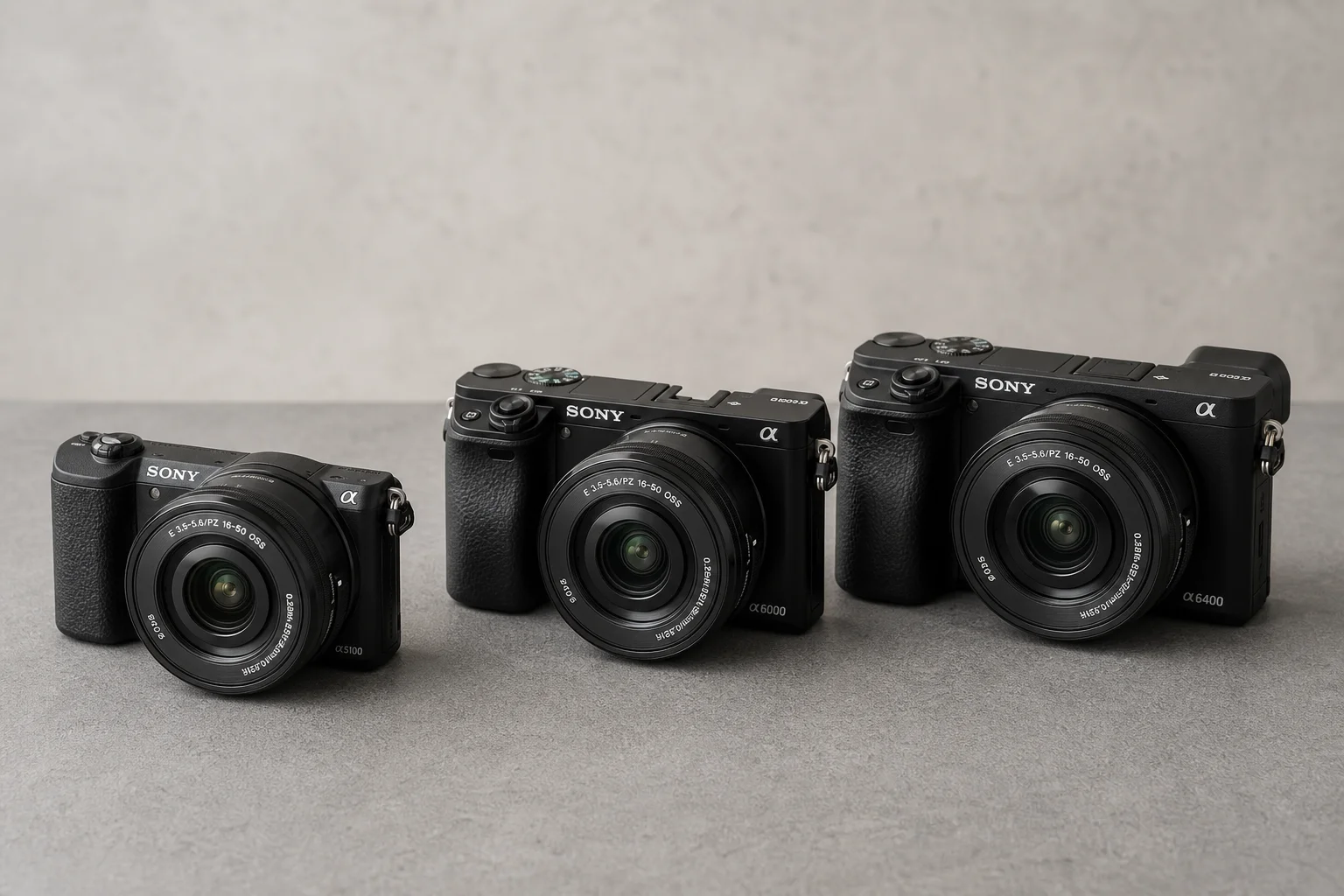
Best Beginner Camera Setups 2026: Three Practical Sony Builds from Budget to Mid-Range
Three complete camera setups for photography beginners, from secondhand budget options to mid-range builds with better autofocus and video capability.
Camera Gear
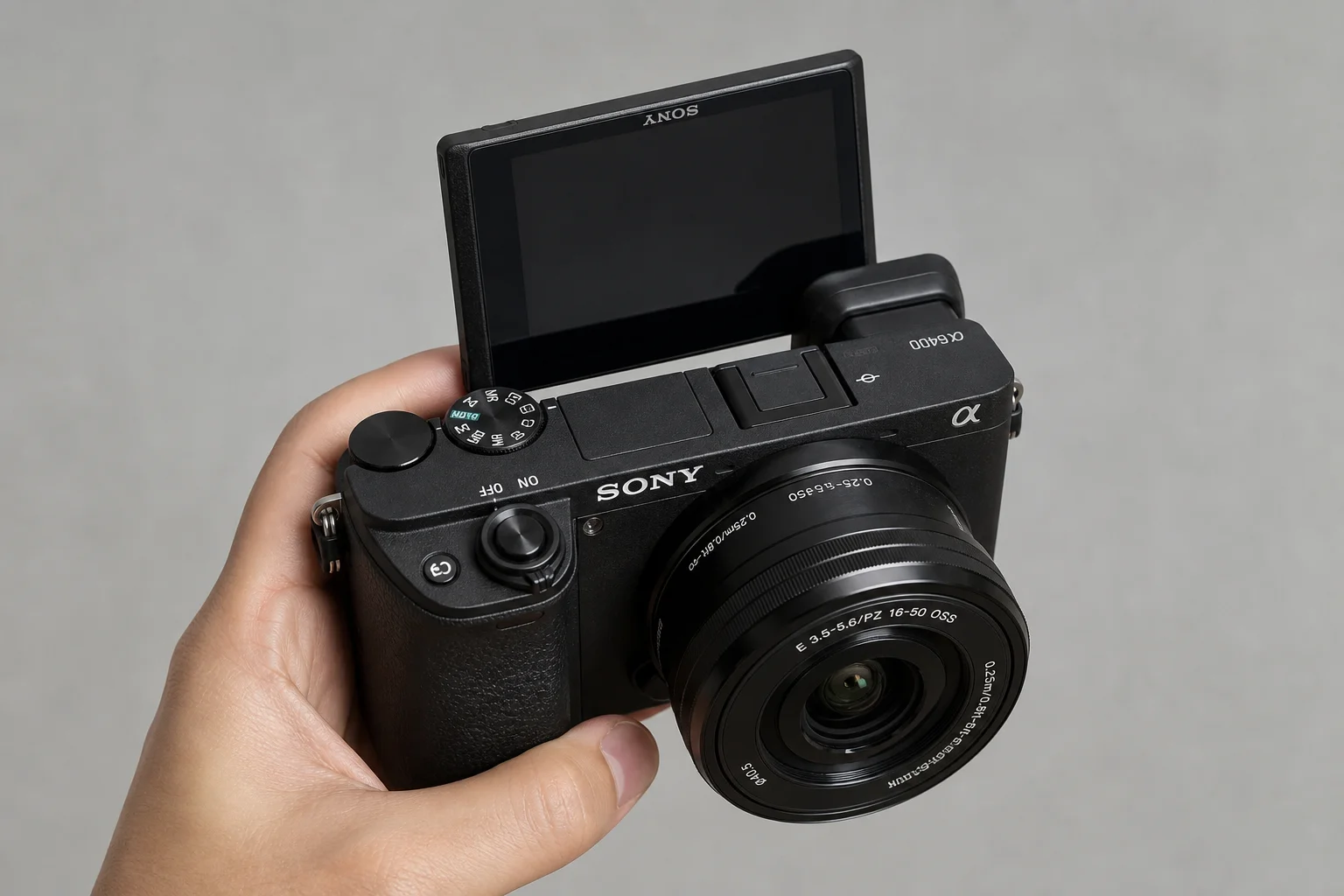
Best Budget Camera 2026: Why the Sony A6400 Stands Out for Beginners
The Sony A6400 delivers genuine value for entry-level photographers. Here's what makes it worth the investment over cheaper alternatives, and which lenses to pair it with.
Camera Gear
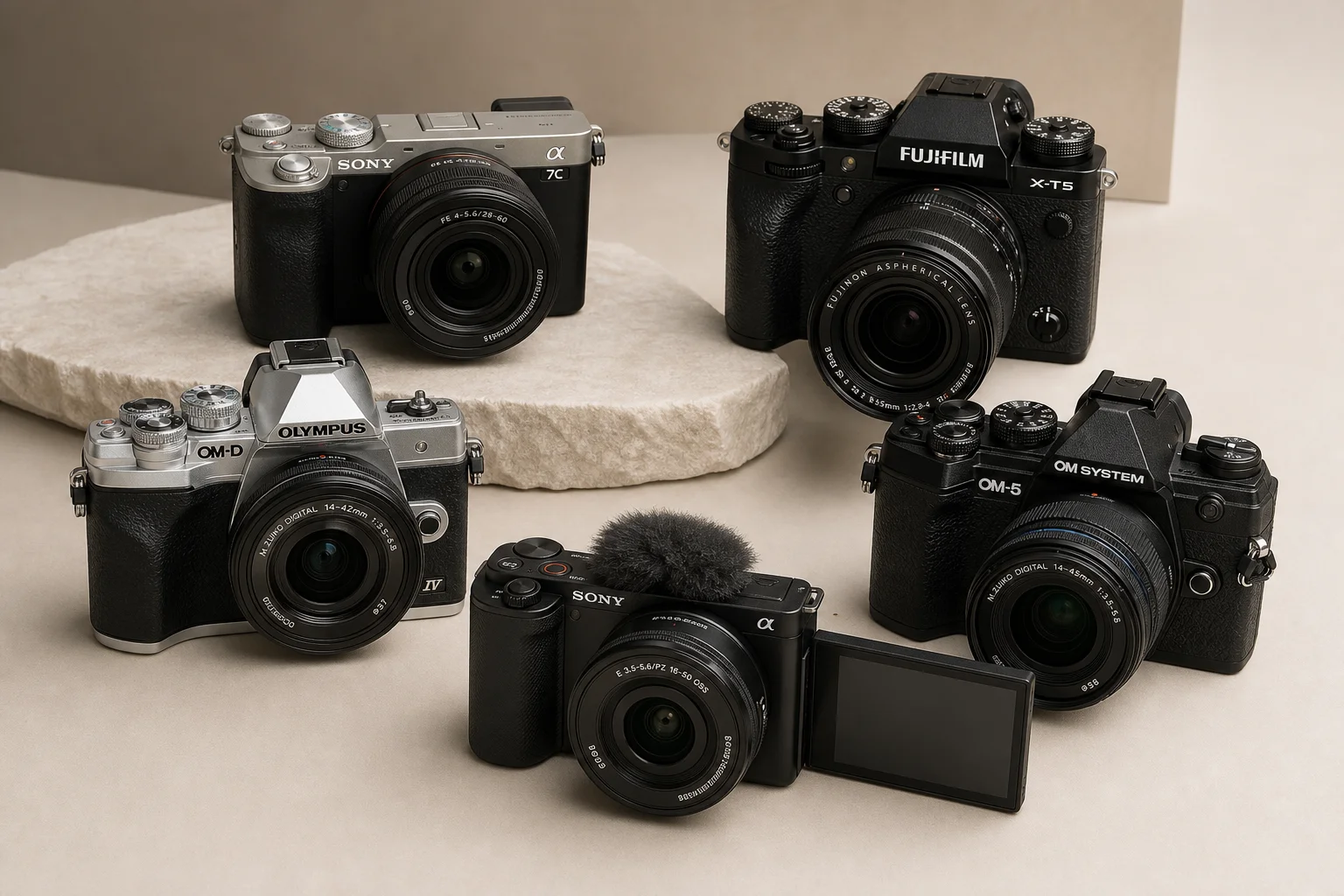
Best Mirrorless Cameras for Travel: Five Top Picks for 2025
Five lightweight, powerful mirrorless cameras designed for travel photography and video, from compact vlogging rigs to full-frame performance.