Action Cameras
Insta360 Go Ultra Review: A Tiny Action Camera Built for Bike Rides
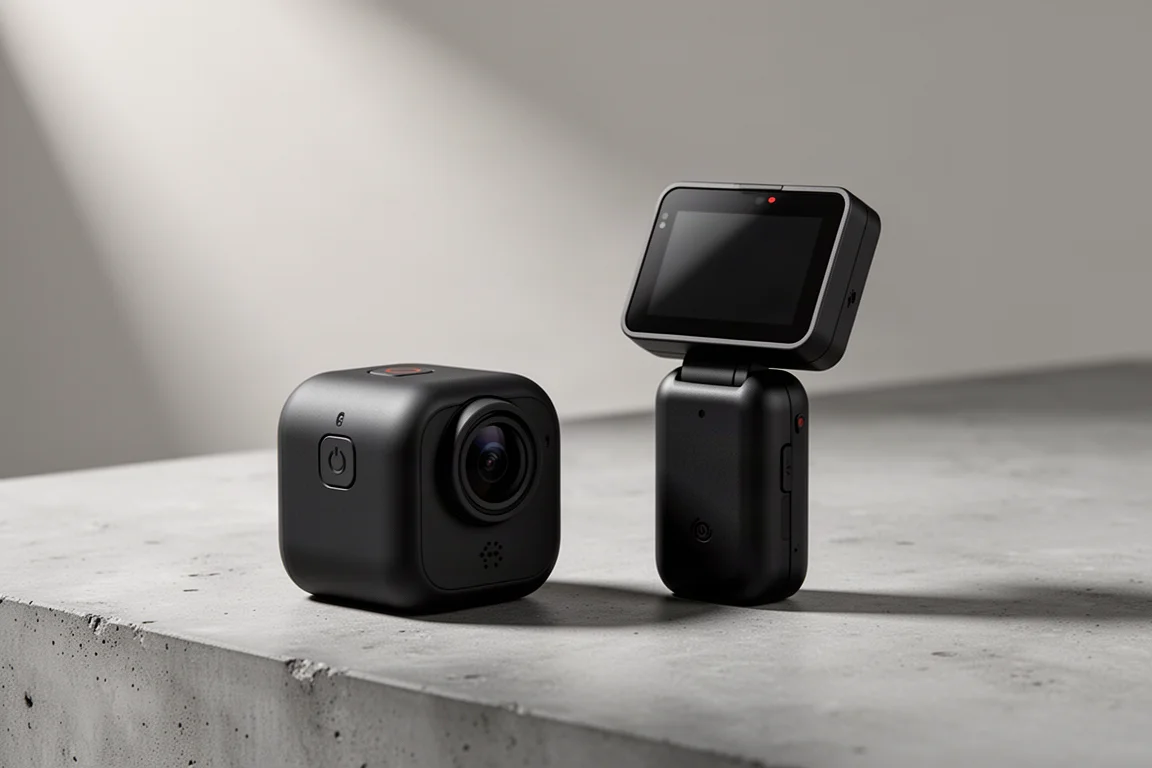
A very small action camera with 4K60 video, 156-degree field of view, excellent stabilisation and an Action Pod that extends runtime and adds a flip-up screen.
Introduction
Small action cameras usually ask for a compromise: a discreet, lightweight body in exchange for footage that looks like it came from a much cheaper device. The Insta360 Go Ultra is designed to close that gap. It is genuinely tiny, small enough to mount almost anywhere on a bike or on your body without drawing attention, and it records 4K video at up to 60 frames per second.
Over months of riding on road and gravel routes, the Go Ultra has proved to be one of the most useful cameras to carry. It is light enough to forget about, quick to start with a single press, and the footage holds up well once you sit down to edit.
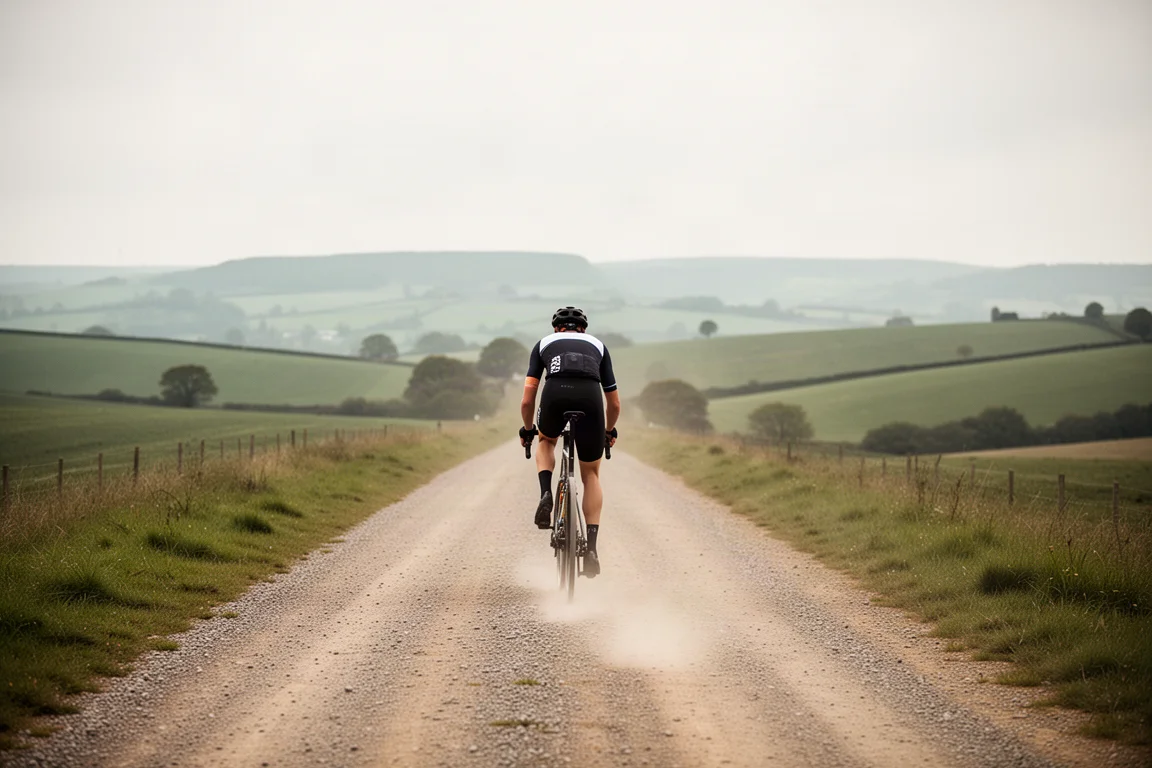
That balance is what makes it interesting for riders. The 156-degree field of view captures the handlebars and your arms as well as the road ahead, which is what gives the footage its immersive point-of-view feel rather than a detached, telephoto look.
Who This Camera Is For
This is a camera for riders who want to film their rides without turning the bike into a rig. If you race, ride gravel, or simply want clips from a chain gang or a technical descent, the Go Ultra’s size and mounting options make it easy to capture the action and then forget the camera is there.
It also suits vloggers and creators who move between riding and talking to the camera. The Action Pod adds a flip-up screen for framing yourself, so the same device covers both jobs.
It is less suited to anyone who needs to record continuously for hours at a time. The Go Ultra works best in short bursts, which is how most riding clips are actually captured anyway.
Design and Mounting Flexibility
The Go Ultra is a small, light camera module that clips into a range of mounts. The unit itself has its own mounting tabs, and the Action Pod adds two more on the bottom so it can sit on any tripod or device. The result is a camera that can be positioned almost anywhere.
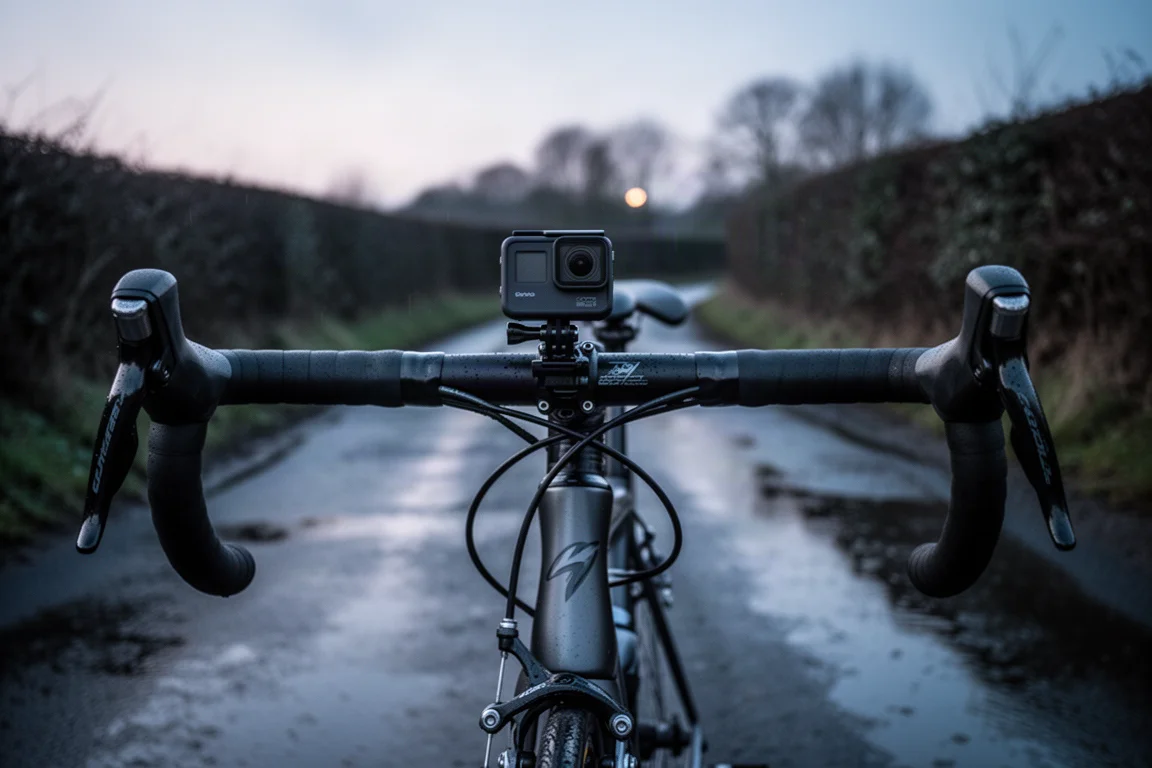
One of the neatest setups for cycling is a small plastic bracket that holds the camera under an out-front handlebar mount using a standard adapter. It sits below the bar, weighs almost nothing, and starts recording with a single button press. For racing, that is close to an ideal placement: the footage captures the road ahead, and the camera is barely visible.
A magnetic necklace mount is also included. Clip it under a jersey or t-shirt and the camera captures a chest-height point of view, which works well on the bike and just as well off it. The camera can be mounted vertically or horizontally, so you can choose the framing that suits the platform you are posting to.
There is one compatibility caveat. The mounting interface on the Go Ultra differs from the one used on the Insta360 Ace Pro 2, so the magnetic mounting system and existing mounts built for that camera are not interchangeable. If you already own a set of mounts, that is worth checking before you buy.
Video Quality and Stabilization
For a camera this small, the image quality is the headline. The larger sensor behind the lens is a clear step up, and the footage is sharp and detailed with good colour and saturation. Highlights and shadows are handled well, motion looks smooth, and the stabilisation is excellent, to the point that rough gravel and mountain bike trails come out silky rather than shaky.
4K recording at up to 60 frames per second is available, alongside a 156-degree field of view that suits riding footage particularly well. An ambient light sensor reads the surrounding conditions and performs real-time colour calibration, which helps the camera keep colours consistent as light changes through a ride.
There is a 2x digital zoom if you need to tighten the framing, an active HDR mode, and a dedicated low-light video mode for filming after dark. Stills are covered too, with 55 megapixel photos.
Battery, Charging, and Audio
On its own, the Go Ultra runs for roughly 70 minutes. Dropped into the Action Pod, that stretches to around 200 minutes at 1080p or about 170 minutes at 4K, because the pod also charges the camera while it is docked. Charging over USB-C takes the camera from empty to 80 percent in about 12 minutes, so a power bank covers a long day out.
The battery is not user-replaceable, which is a genuine limitation if you like to carry spares. The Ace Pro 2 does allow the battery to be swapped. In practice, though, the runtime is close to the claimed figures and works well for short bursts of 20 to 30 seconds, which is how most ride clips are filmed.

Audio is better than the size suggests. The front microphone captures clear speech, and software processing removes background and wind noise, which is the usual problem when filming at speed. Bluetooth microphones can be paired if you want a further step up.
The Editing Ecosystem
Editing is where Insta360 cameras tend to separate themselves. The smartphone app and desktop studio make it straightforward to turn a ride’s worth of clips into something watchable, either by letting the software assemble an edit with music, titles and transitions, or by working through it manually. The same ecosystem serves other Insta360 models such as the Ace Pro 2 and the X5.
For anyone who has put off filming because the editing felt like a chore, this is a real argument in favour of the camera. It makes the step between finishing a ride and posting a clip much shorter.
How the Go Ultra Compares With Other Action Cameras
The Go Ultra is smaller and lighter than a conventional action camera such as the GoPro Hero 13 Black, which becomes bulky and heavy once it is mounted on a bike or a body harness. The difference is most obvious on longer rides and in races, where the Go Ultra disappears under the handlebar.
Versatility is the second advantage. The Action Pod turns the Go Ultra into something closer to a traditional action camera, with a flip-up screen and a small grip, and it can be removed in a second when you want the bare module back. That gives one device two very different shooting styles.
Compared with the still-available Go 3S, the Go Ultra has grown slightly, but the larger body carries a larger sensor and a noticeably better picture. If size is everything, the Go 3S remains smaller; if image quality matters more, the Go Ultra is the stronger choice.
The trade-off runs the other way on runtime. The Ace Pro 2 lasts longer and accepts spare batteries, which makes it the better option for long, continuous recording sessions.
Things to Consider Before Buying
Runtime is the main compromise. Seventy minutes of standalone recording is enough for short clips but not for a full day of continuous filming, and the battery cannot be swapped.
The mounting interface is not shared with the Ace Pro 2, so mounts you already own for that camera will not transfer.
The camera has also grown compared with the Go 3S, and pricing has moved up with it. The Go Ultra now sits just above the GoPro Hero 13 Black on price, so it is worth deciding whether you want the smaller, more versatile package or a more traditional action camera.
Buying Advice
There are two kits to choose from. The standard combo is priced from £370. The creative combo costs £410 and adds the accessories you are most likely to want, including a tripod, a quick-release mount and a pivot stand.
If you plan to film from a jersey, a handlebar or a helmet, the creative combo is the more sensible starting point, because the extras cover most mounting situations out of the box. If you already own compatible mounts and a tripod, the standard combo is the leaner option.
The camera makes the most sense for riders who film in short bursts: a descent, a sprint, a lap, a moment on the trail. If that describes your riding, the combination of size, image quality and mounting flexibility is hard to argue with. If you need hours of uninterrupted recording or swappable batteries, a larger camera remains the better tool.
Conclusion
The Insta360 Go Ultra is a small camera that behaves like a much bigger one. The 4K footage, the stabilisation and the field of view are all genuinely impressive for the size, and the Action Pod adds runtime, a flip-up screen and extra mounting options without much bulk.
The compromises are real but predictable: shorter runtime, a sealed battery, and a mounting interface that is not shared with the Ace Pro 2. Weighed against how easy the camera is to carry, mount and edit with, those are reasonable trade-offs for anyone who wants to film their riding without turning it into a production.
Product link
View more details for Insta360 Go Ultra
This product is mentioned in the review. Check the specifications, options, and compatibility before buying.
View more details for Insta360 Go UltraFurther reading
Related Reviews
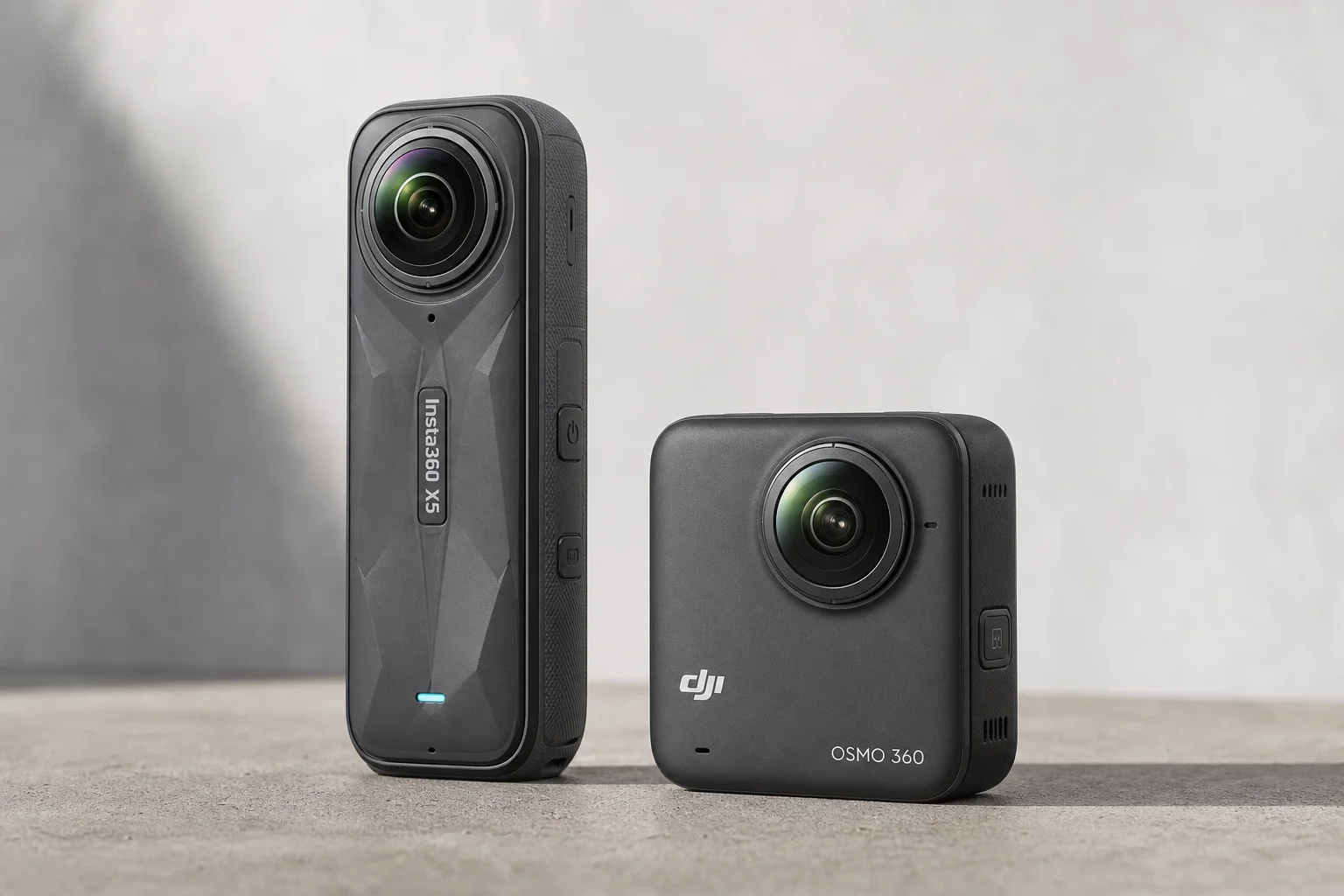
Action Cameras
360 Cameras for Adventure Motorcycling: Insta360 X5 vs DJI Osmo 360
Two 360-degree action cameras designed for off-road and adventure riding. A detailed comparison of features, stabilization, and real-world performance for motorcycle touring.
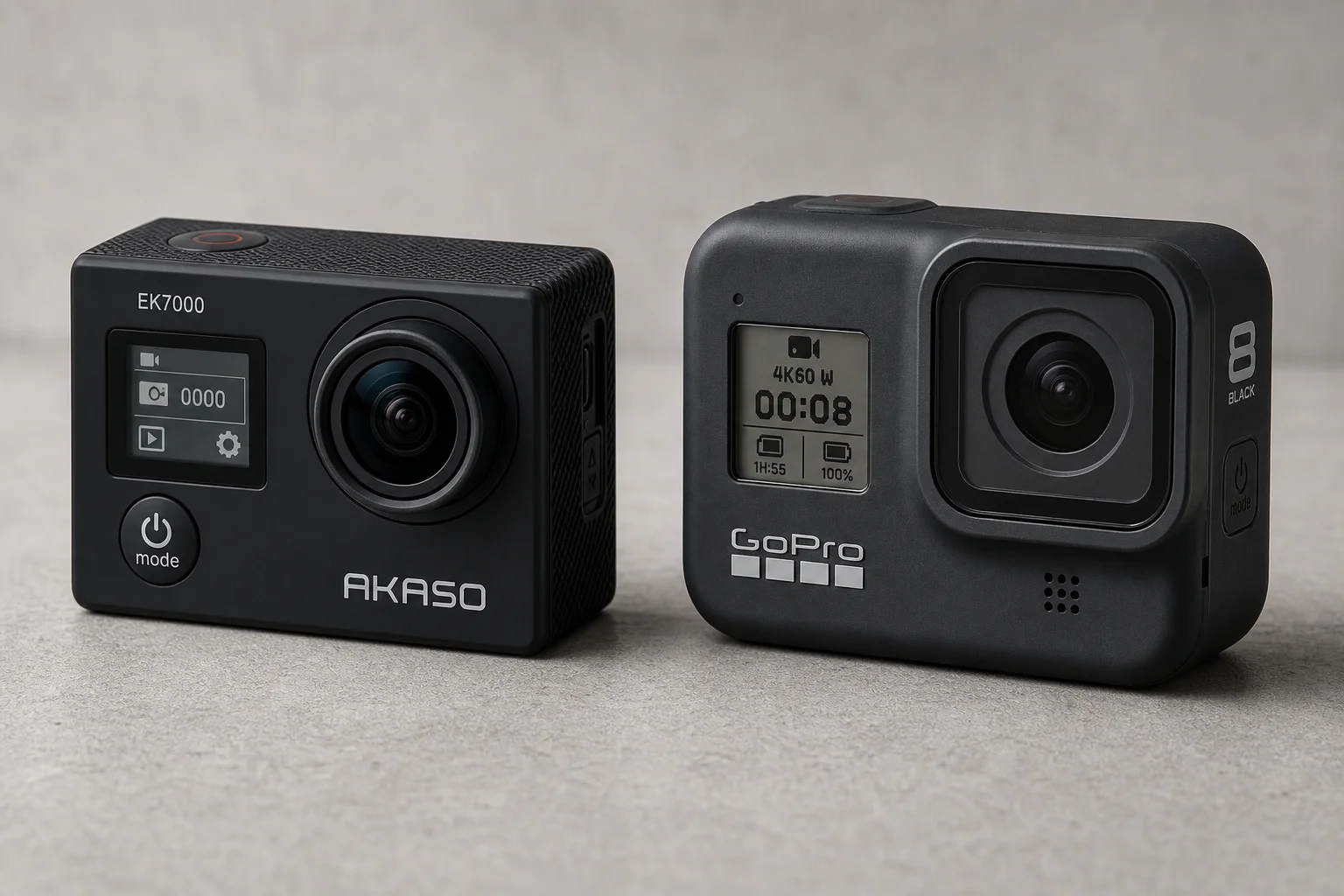
Action Cameras
Akaso EK7000 vs GoPro Hero 8 Black: Budget Action Camera Tested
A $50 budget action camera faces off against the GoPro Hero 8 Black. Here's how the Akaso EK7000 really performs in video, audio, and photo quality.
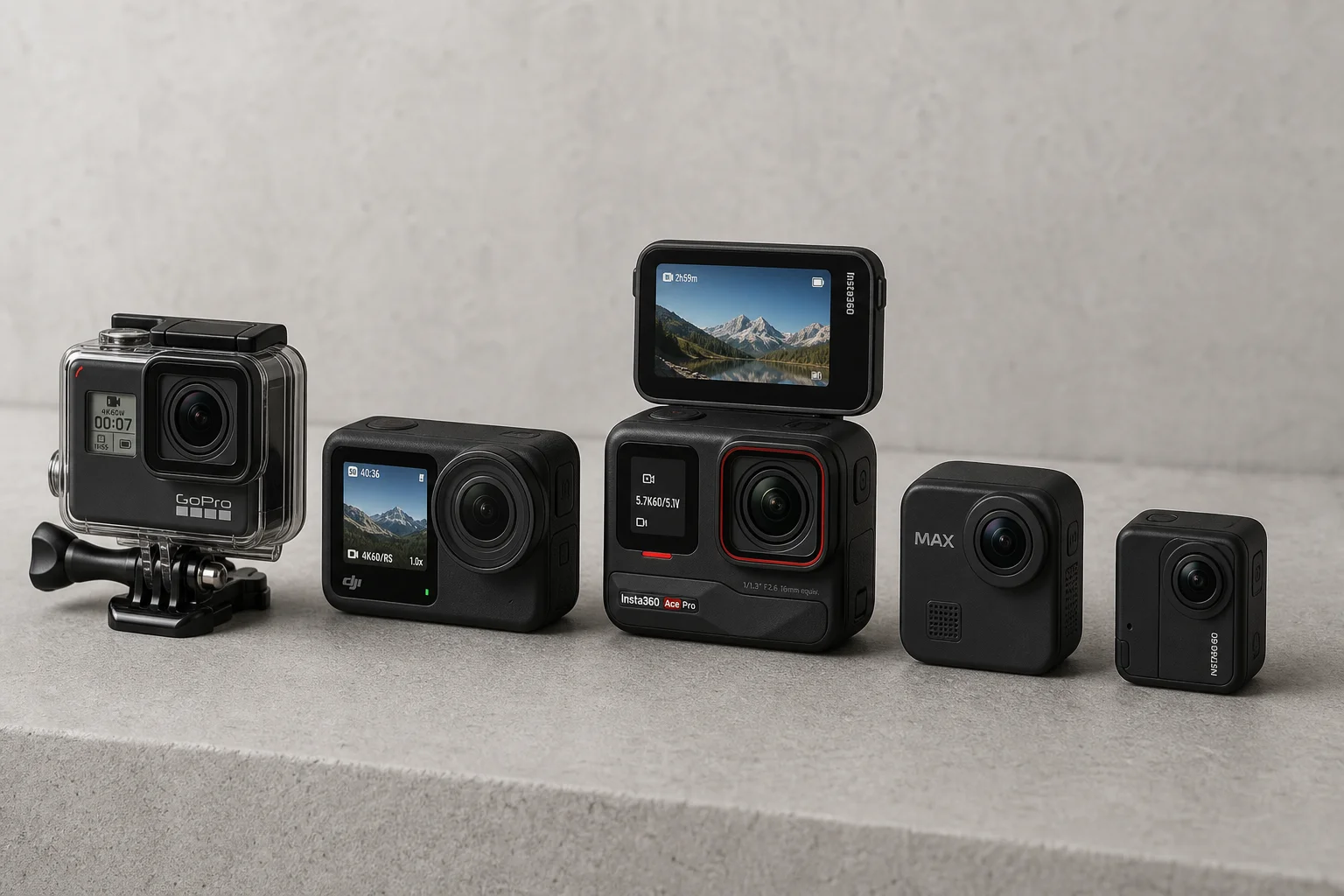
Action Cameras
Best Action Cameras 2026: Five Top Picks Ranked
A comprehensive ranking of five action cameras from budget-friendly to premium, covering durability, video quality, stabilization, and low-light performance.