Trail Running
Inov-8 TrailFly Pro Review: Fast, Light, and Built for Dry Trails
First impressions of Inov-8's new TrailFly Pro: a 256g trail racer with next-generation supercritical foam, plus the stability trade-offs to know before buying.
Introduction
The Inov-8 TrailFly Pro arrives with real hype behind it. The British trail running brand describes it as its familiar trail DNA meeting a brand-new next-generation design, and early chatter has some people calling it a candidate for the trail running shoe of 2026. That is a bold claim, so this first-impressions review breaks down the construction, the new midsole foam, and how it all held up on a solid first run of just over seven miles.
At a Glance: Specs and Construction
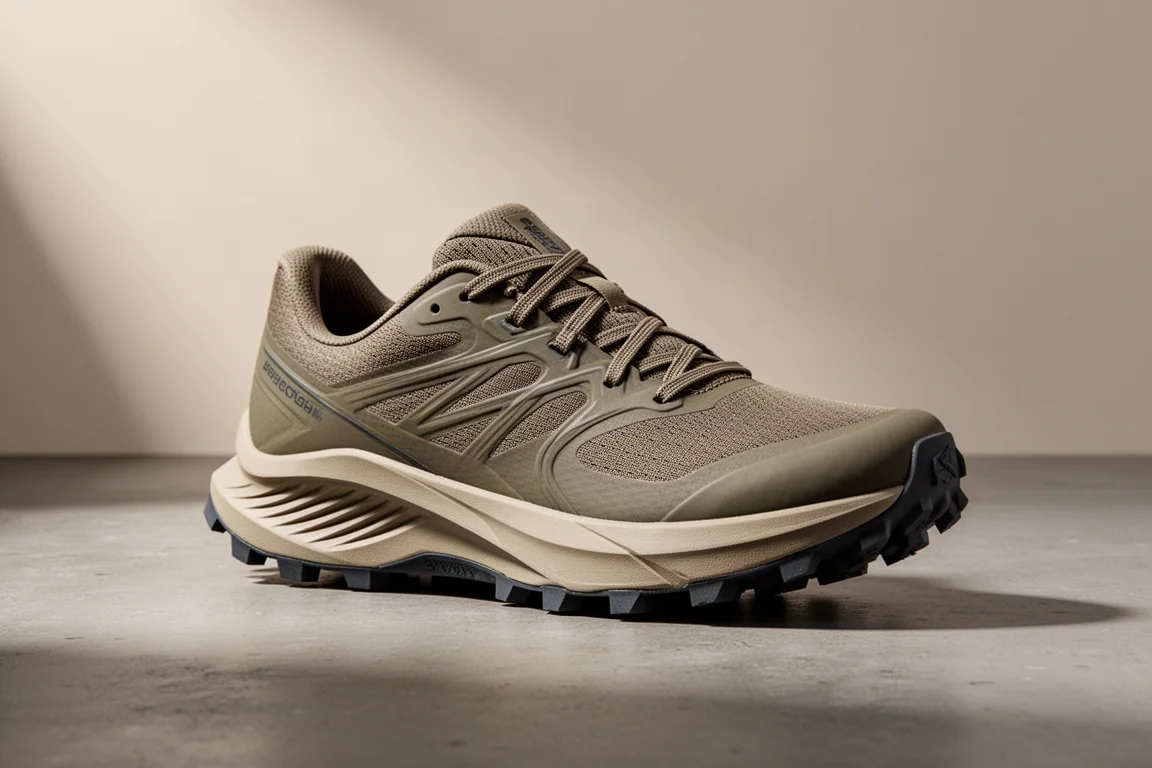
The TrailFly Pro retails in the UK for £165, which puts it at the upper end of Inov-8’s current trail lineup. The construction goes some way to explaining that price. It is the first shoe to use the brand’s new Power Flow Elite supercritical foam midsole, paired with a G-Grip graphene rubber outsole, a lightweight single-layer ripstop upper, and a claimed weight of just 256g in a men’s UK 10.

That weight feels genuinely light in hand and very well balanced, which hints at a snappy, responsive ride. The stack comes in at 34mm in the heel and 28mm in the forefoot, giving a 6mm heel offset: enough cushioning to stay comfortable without completely erasing ground feel.
The upper details are mostly strong. There are structural overlays around the shoe for durability, a substantial toe bumper for protection, and notched laces that lock down securely and stay put for the whole run. One clever touch is an offset ankle collar, where the medial side sits slightly higher than the lateral side so the collar lines up naturally with the ankle bones. It is an unusual design choice that adds a more secure, precise fit.
The tongue is a thin, non-gusseted standard design, which was a surprise. It does have a slight strip of added padding down the center to help with top-of-foot comfort, and on the test run it caused no problems at all.
Fit and Sizing
In true Inov-8 style, the TrailFly Pro sizes a bit small, so going up half a size is the sensible move; a UK 10 fit just right. The toe box keeps the brand’s wide anatomical shape, though it is slightly more tapered and a touch narrower than other TrailFly models. Even so, there is plenty of wiggle room up front, a secure midfoot lockdown, and a solid hold in the heel.
Grip and Outsole Performance
The outsole uses Inov-8’s G-Grip graphene rubber compound, which has clearly improved in recent years. Paired with a chunky 4mm multidirectional lug pattern, it delivered good grip on stony trails, tricky rooted sections, and loose gravel in dry conditions. Flex grooves worked into the midsole, one across the forefoot and one through the center, keep the shoe flexible despite the decent stack, helping it adapt to uneven ground.
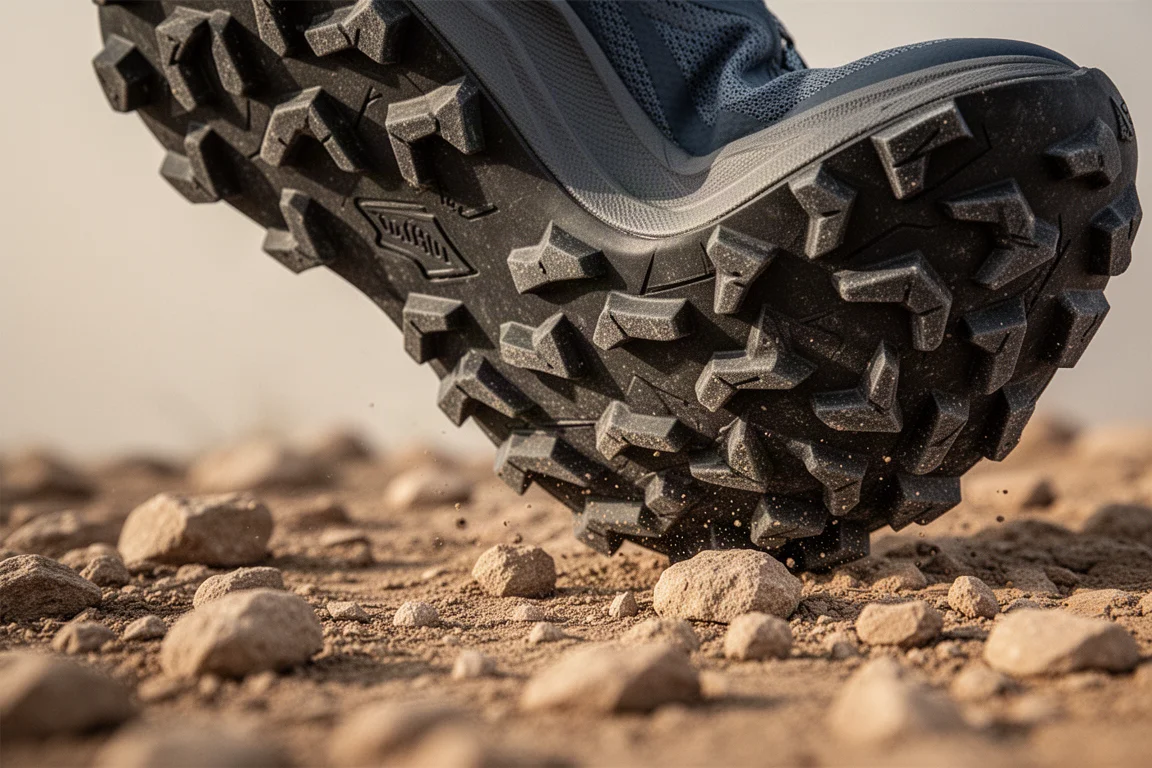
One caveat: with that lug depth, this is a shoe aimed at drier months. Traction would likely struggle in the depths of a wet, muddy UK winter. And while the G-Grip rubber performs well, it probably is not quite as grippy as Vibram’s Megagrip rubber in wet conditions.
Ride Feel on the Trail
The new Power Flow Elite supercritical foam is the most interesting part of this shoe. It is noticeably lighter than Inov-8’s previous midsole foams, which makes the whole shoe feel well balanced, fast, and lively. It feels like a genuine performance version of the TrailFly franchise. The ride stayed comfortable, including on tarmac sections, and energy return felt good.
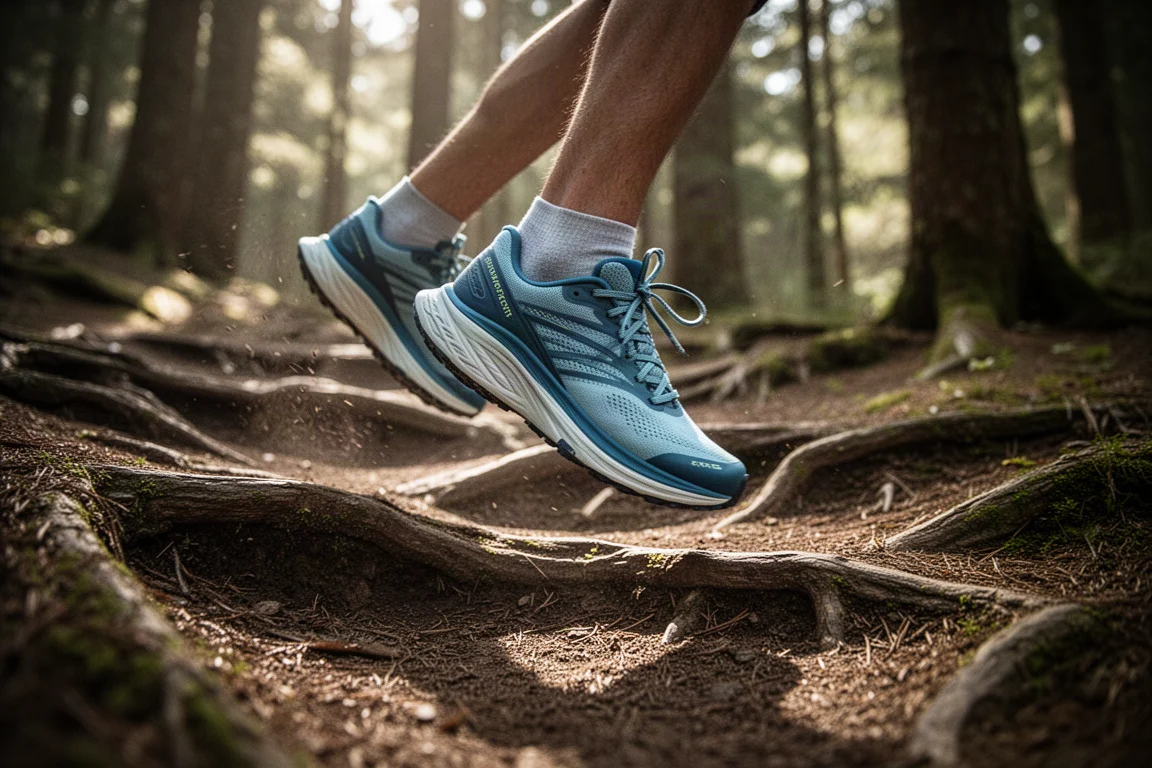
On more technical, rooted trails, the flexibility of the midsole really pays off. The shoe adapts to the ground, stays connected, and inspires confidence in your footing. It is very much a shoe that wants to be run fast on flowing trails.
Things to Consider Before Buying
Two weaknesses stood out. First, there is no rock plate, and the odd stone could be felt pushing through the midsole on rocky ground. A flexible forefoot rock plate would be a welcome addition in a future version.
Second, and more importantly, the midsole lacks stability. The heel section feels quite unstable, and there is little medial support or structure at the midfoot. Stronger, forefoot-oriented runners may not notice, but heavier heel strikers could struggle, especially over longer distances. Sitting slightly deeper in the foam, forming a cradle around the heel, might have solved this. The flexibility that gives the shoe such great ground feel comes at the price of overall stability.
Buying Advice: Who Should Buy the TrailFly Pro
Is this the trail running shoe of the year? Probably not. It is a somewhat niche shoe rather than an option for the masses. If you are a front-of-pack racer looking for a lightweight, well-balanced, responsive trail shoe with good toe-box width, a comfortable light upper, and race distances from 10K to marathon, it is absolutely worth a closer look.

If you are after a comfortable, very stable shoe for longer training runs or ultras, the standard TrailFly or TrailFly Max are likely better choices.
Conclusion
The Inov-8 TrailFly Pro brings the brand’s midsole technology up to date with genuinely exciting results: light, lively, and quick on dry, flowing trails. The lack of underfoot protection and midsole stability hold it back from universal appeal, but as a fast-day trail racer for efficient runners, it delivers on most of the hype.
Product link
View more details for Inov-8 TrailFly Pro
This product is mentioned in the review. Check the specifications, options, and compatibility before buying.
View more details for Inov-8 TrailFly ProFurther reading
Related Reviews
Trail Running
How to Choose Trail Running Shoes: A Guide to Shoe Type, Cushioning, and Drop
Learn the three most important factors when selecting trail running shoes: shoe type, cushioning level, and heel-to-toe drop.
Trail Running
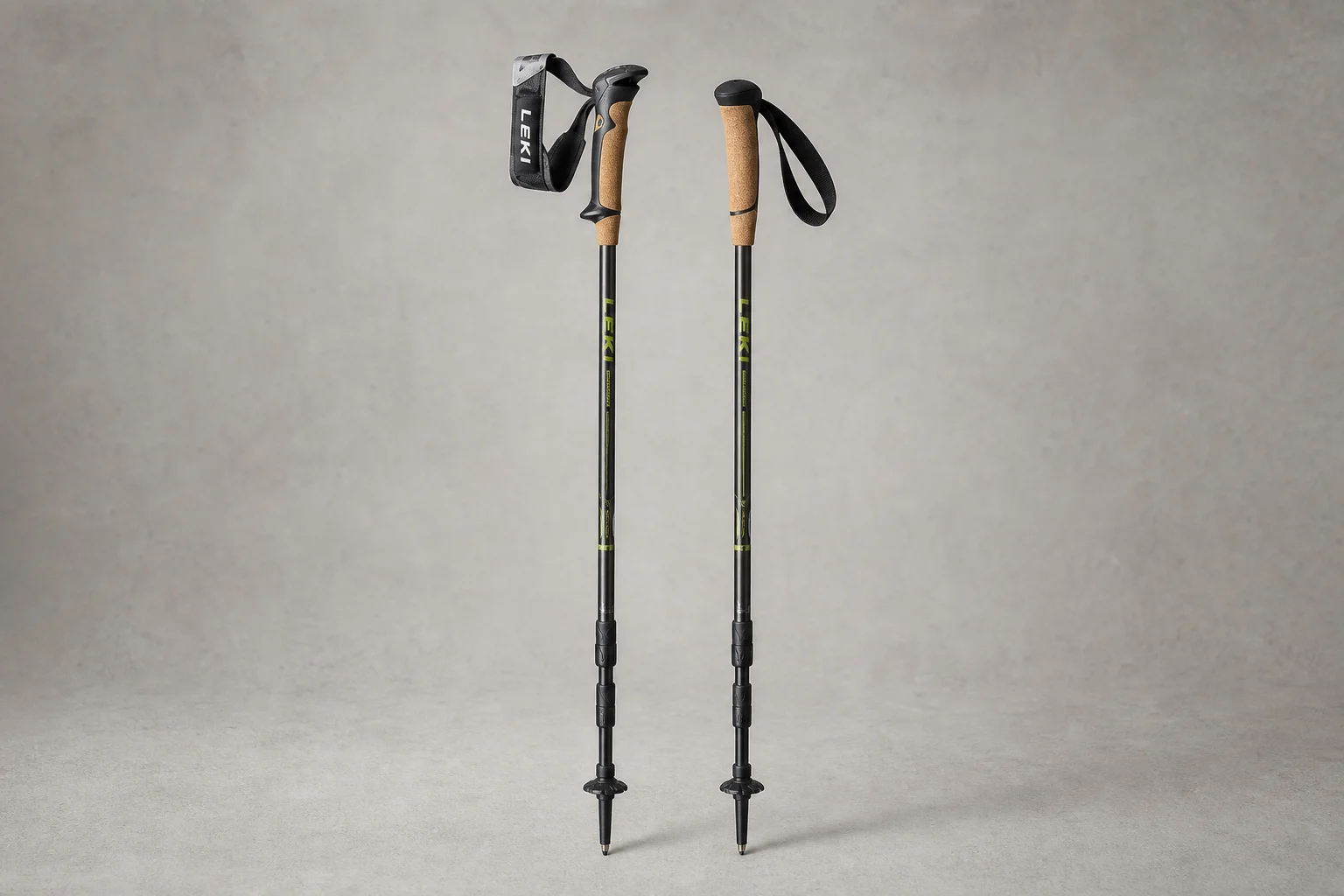
Trail Running Poles: A Complete Guide to Technique, Fit, and Use
Learn why trail running poles redistribute workload, how to choose the right length and strap system, and master three essential climbing techniques for longer races.
Trail Running
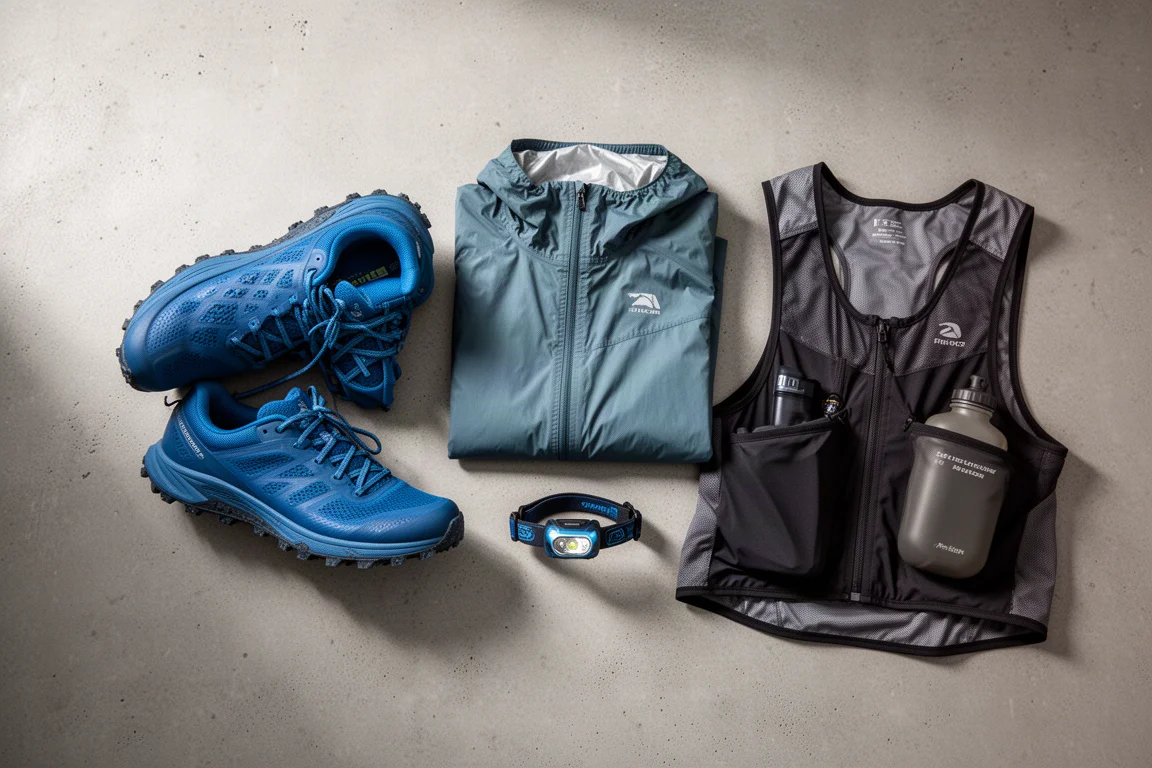
Arc of Attrition Kit List: The Gear Worth Packing for a Winter Ultra
A practical look at the shoes, waterproofs, lighting, race vest and poles lined up for a brutal 100-mile winter coastal ultra, and why each piece earned its place.