Trail Running Shoes
Inov-8 Trailfly Ultra G 280 Review: Graphene Grip for Winter Trail Running
A durable, grippy trail shoe with a nitrogen-infused midsole and a roomy toe box, best suited to cold-weather trail runs of 8 to 15 miles.
Introduction
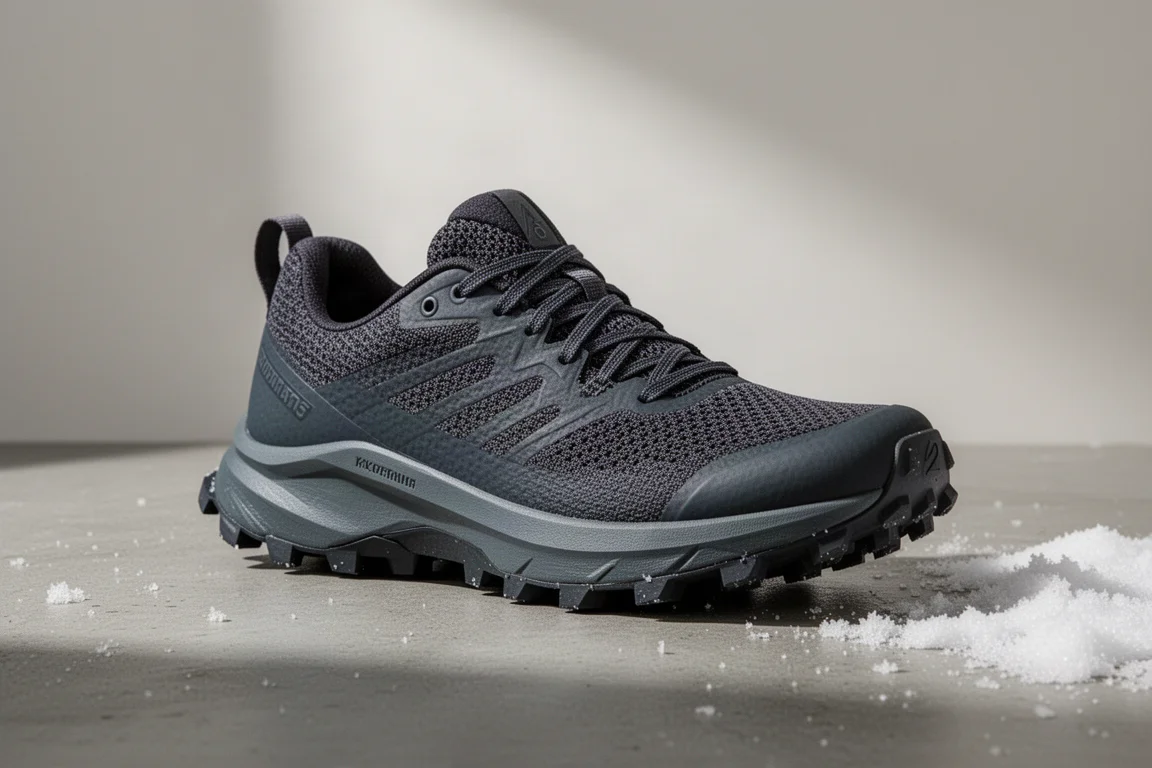
The Inov-8 Trailfly Ultra G 280 is a trail running shoe built around two clear ideas: a nitrogen-infused FlySpeed midsole and a graphene-enhanced G-Grip outsole that the brand treats as its own signature technology. After extended testing on snowy Denver trails, the shoe earns a 6.8 out of 10 overall. It is not a flawless design, but the outsole is genuinely outstanding, and the shoe makes a strong case as a dedicated winter trainer.
Who This Shoe Is For
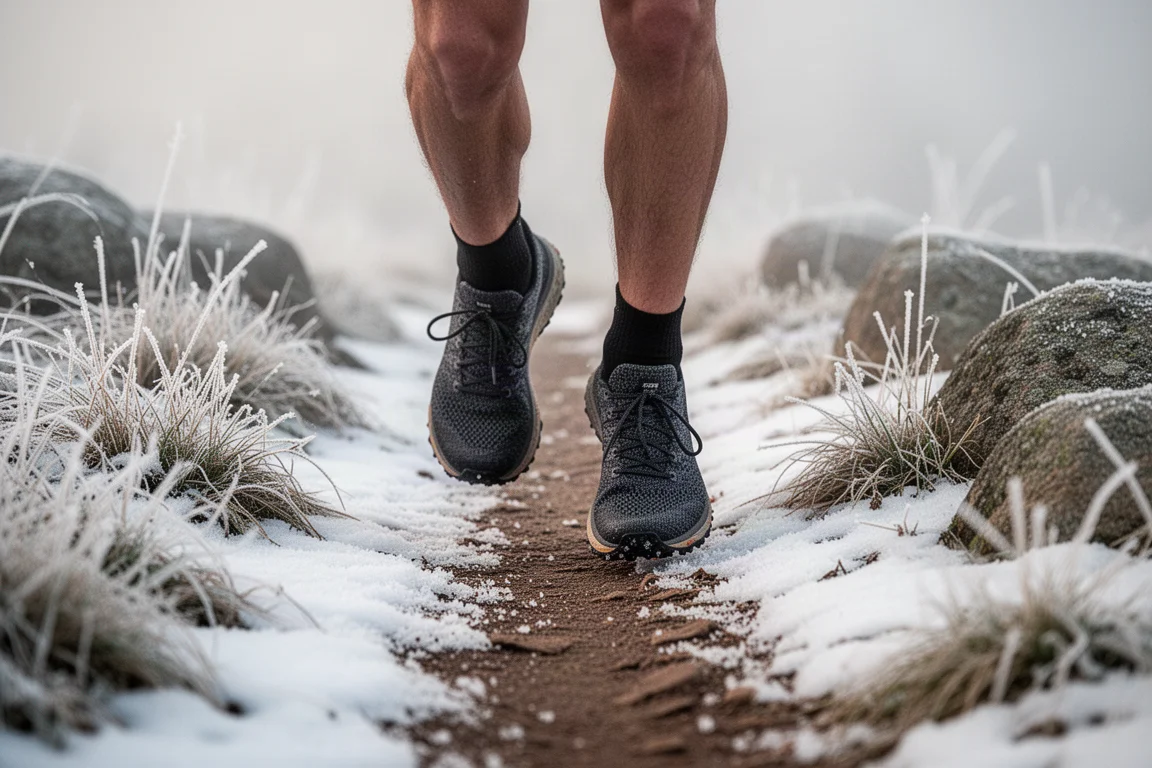
The knit upper is the headline here for cold-weather runners. It offers decent lockdown for a knit construction, and in frigid conditions, such as Canadian or Norwegian winters or snowy Colorado mornings, it feels warm and comfortable enough that heavy winter socks may not even be necessary.
The ride itself leans firm rather than plush. The FlySpeed midsole measures in the high 40s to low 50s on a durometer, which means runners who like some ground contact rather than a highly stacked, maximally cushioned platform will feel most at home. The 8mm drop, with 33mm in the heel and 25mm in the forefoot, keeps the platform low enough for confident trail work while still providing meaningful cushioning.
Main Strengths
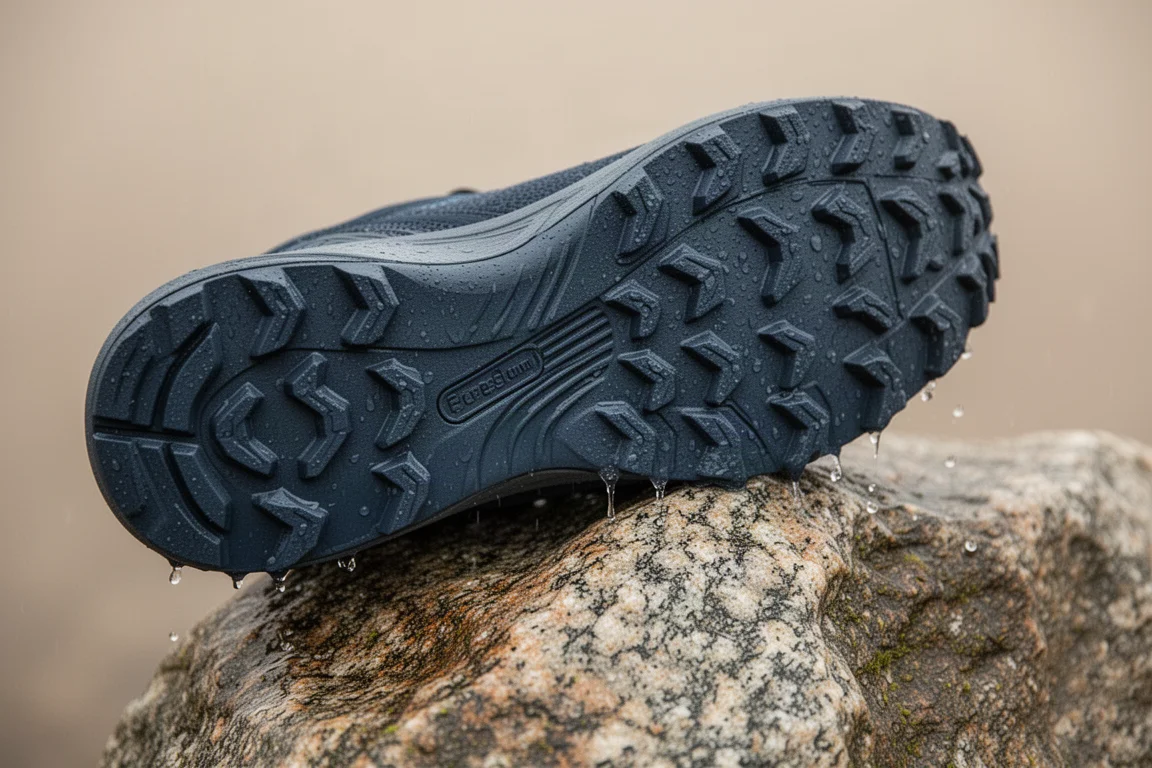
The outsole is the standout of the entire shoe. Inov-8’s G-Grip graphene-enhanced rubber is remarkably tacky and durable, and among trail shoe brands known for construction quality, it deserves a top mention. Lugs measure around 2 to 3mm, which is moderate rather than aggressive, and adapter Flex Grooves in the forefoot let the foot flex naturally through foot strike. On long climbs and 15-mile days, that flexibility matters, because overly rigid platforms can leave feet numb and achy.
Durability is another strong point. Testing reached 600 miles with the shoe potentially capable of 750, with zero creasing observed along the way. The knit upper held up well in snow with no rubs or blisters, though the heel counter and collar could use a touch more forgiveness in feel.
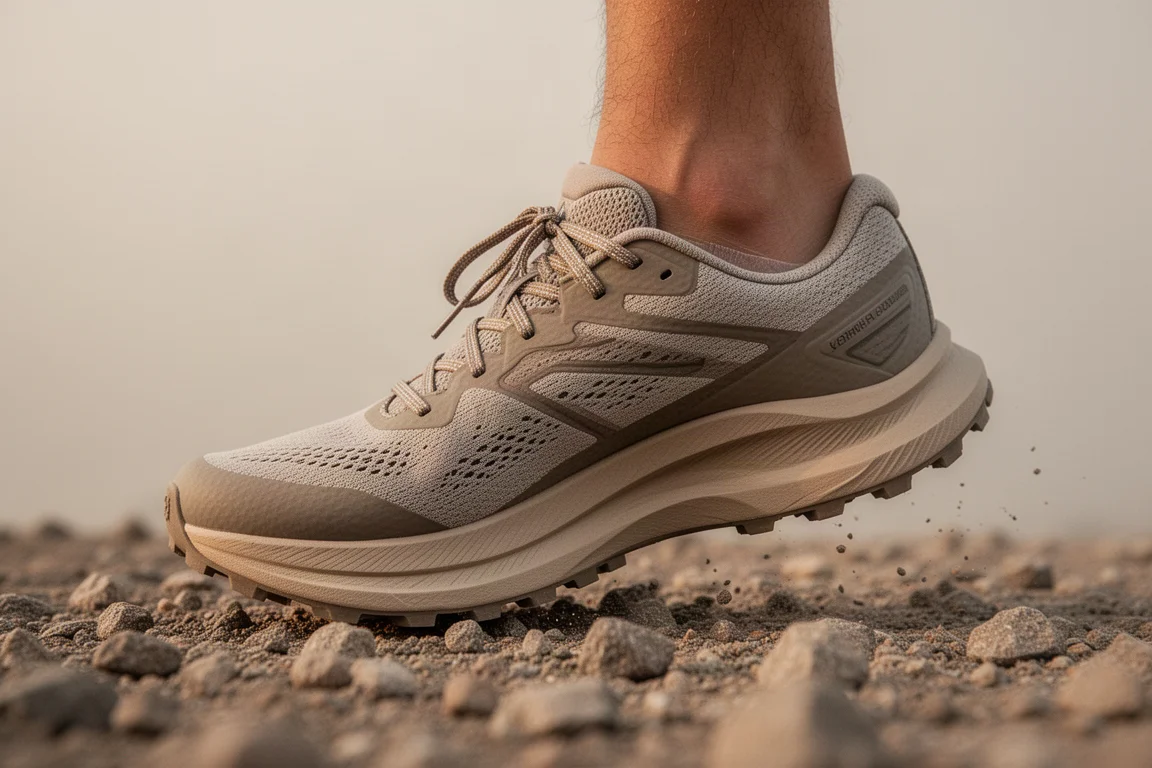
Fit is true to size, and the toe box offers plenty of splay. Runners with wider feet will particularly appreciate the room. The overall approach, a lower forefoot stack of 25mm instead of a towering 30mm-plus platform, is a sensible one for reducing ankle roll on technical terrain.
Things to Consider Before Buying
The midsole is on the firm side. Even with the nitrogen infusion, readings around 46 to 52 on the durometer mean this will not feel like a soft, bouncy daily trainer. Runners who want a plush ride should look elsewhere.
The heel counter adds a little extra stiffness behind the ankle. It caused no blisters or hot spots during testing, but it is the main reason the upper score is not higher.
Price is also worth weighing. At $185, the value depends entirely on how many miles you extract. If the shoe holds toward 750 or even 1,000 miles, the price becomes genuinely interesting. If you only get 500 miles out of it, $185 sits on the expensive side. Overall, the 6.8 out of 10 reflects a good shoe with specific strengths rather than a near-perfect all-rounder.
Buying Advice
Use it as a dedicated trail trainer in the 8 to 15 mile range. Eight miles works well as the core training distance, with longer efforts up to 15 miles still comfortable thanks to the flex grooves and moderate lugs. It is also a reasonable short commuter shoe for getting to the trails, up to about three miles.

Winter training is where this shoe makes the most sense. The warm knit upper, tacky graphene outsole, and moderate lugs combine into a package built for cold, snowy, and mixed conditions. If that describes your regular running environment, the Trailfly Ultra G 280 is easy to recommend and worth buying again for that specific purpose.
Conclusion
The Inov-8 Trailfly Ultra G 280 is a specialized trail shoe that trades plush cushioning for durability, grip, and a ground-connected ride. With an industry-leading graphene outsole, a comfortable knit upper for cold weather, a roomy toe box, and 600-mile durability, it earns its place as a winter trail trainer, provided you accept a firmer midsole and a premium price.
Product link
View more details for Inov-8 Trailfly Ultra G 280
This product is mentioned in the review. Check the specifications, options, and compatibility before buying.
View more details for Inov-8 Trailfly Ultra G 280Further reading
Related Reviews
Trail Running Shoes
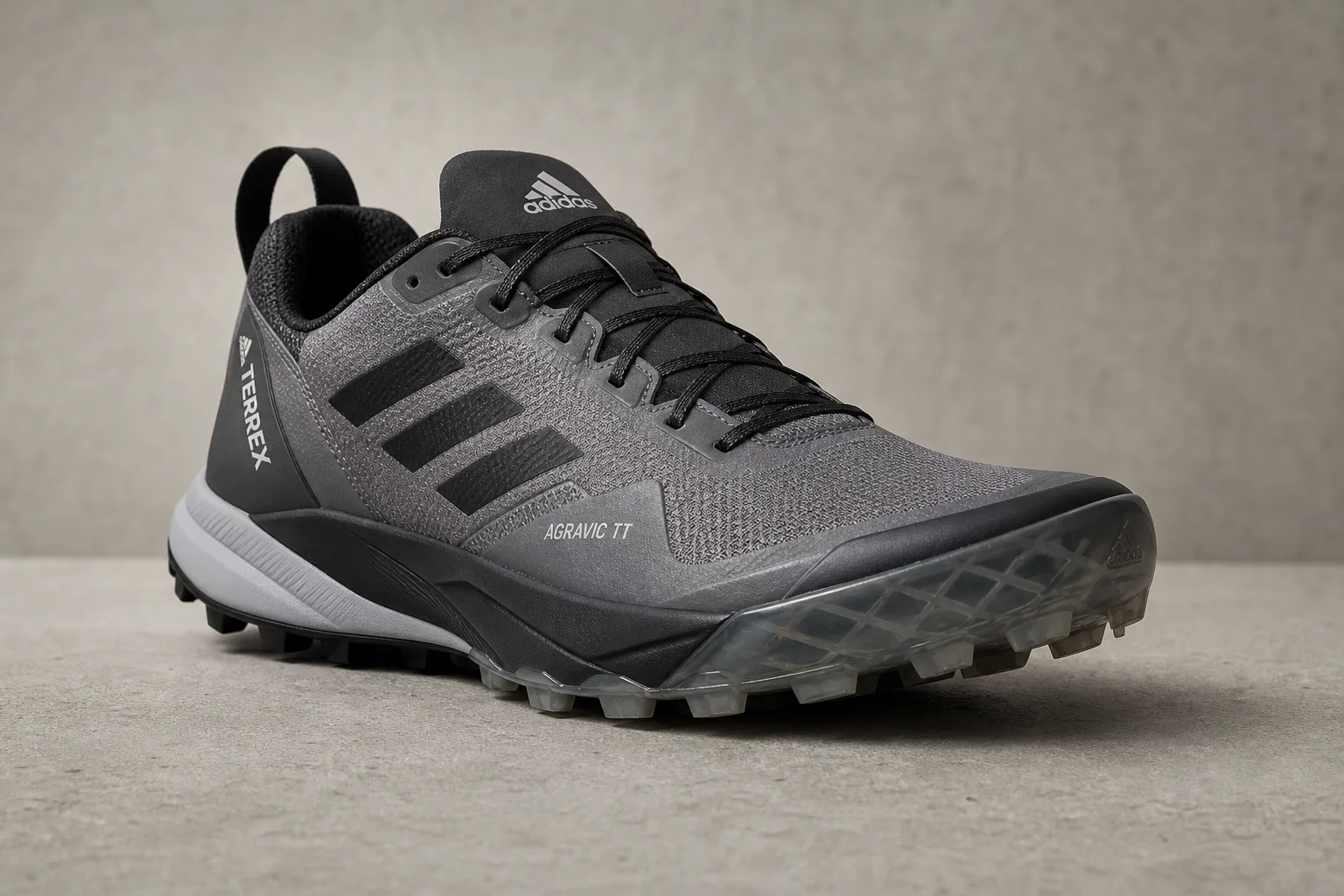
Adidas Terrex Agravic TT Review: A Technical Trail Shoe Built for Rocky Terrain
The Adidas Terrex Agravic TT combines a full-coverage rock plate with a firmer midsole to deliver protection and stability on technical, rocky trails. A capable choice for runners who prioritize underfoot defense over lightweight cushioning.
Trail Running Shoes
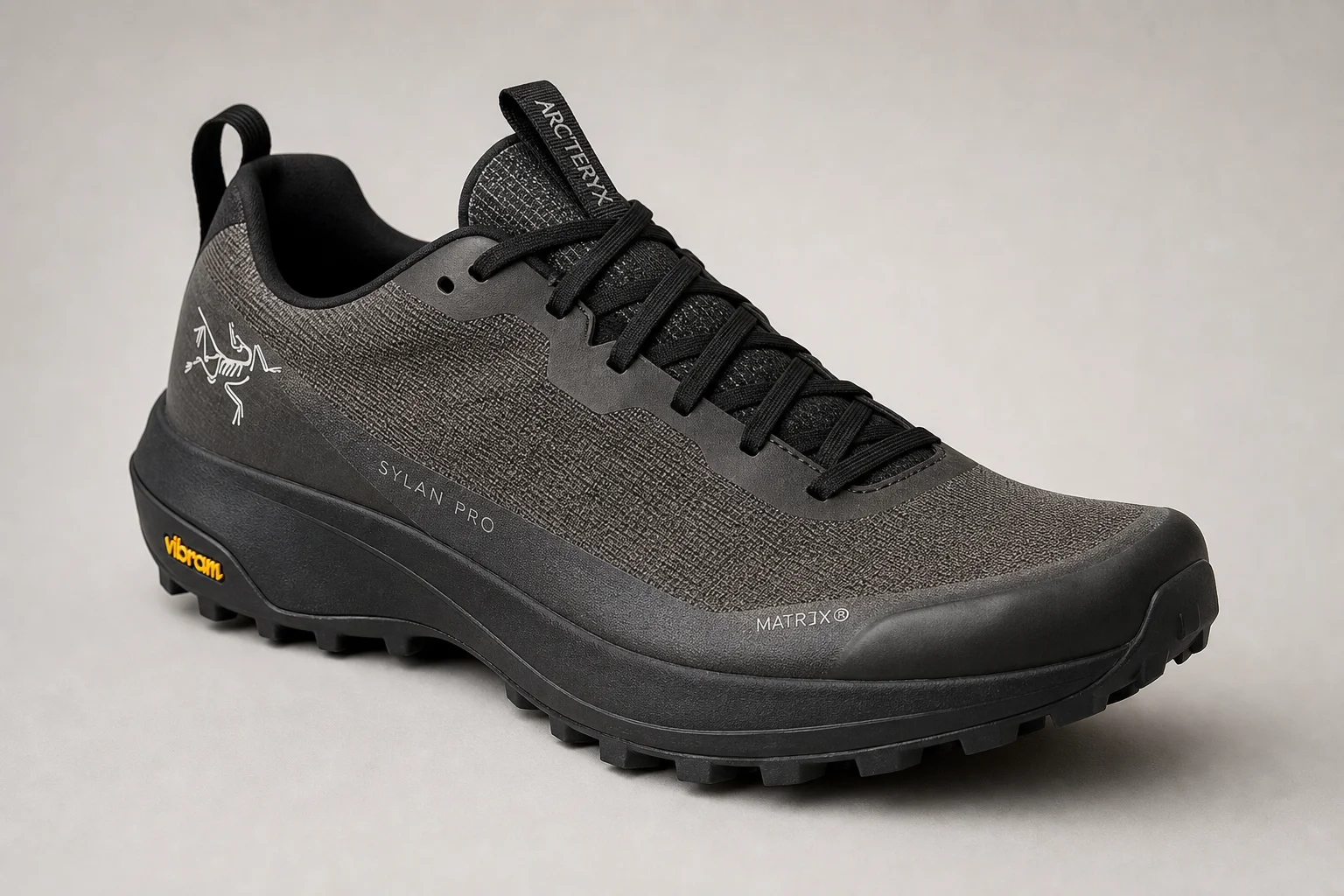
Arc'teryx Sylan Pro Review: A Rocker-Focused Mountain Running Shoe Tested on 20 Miles
The Arc'teryx Sylan Pro brings a pronounced rocker geometry and secure fit to mountain terrain. We tested it on a 20-mile Sawtooth loop to evaluate its climbing efficiency, protection, and handling of technical descents.
Trail Running Shoes
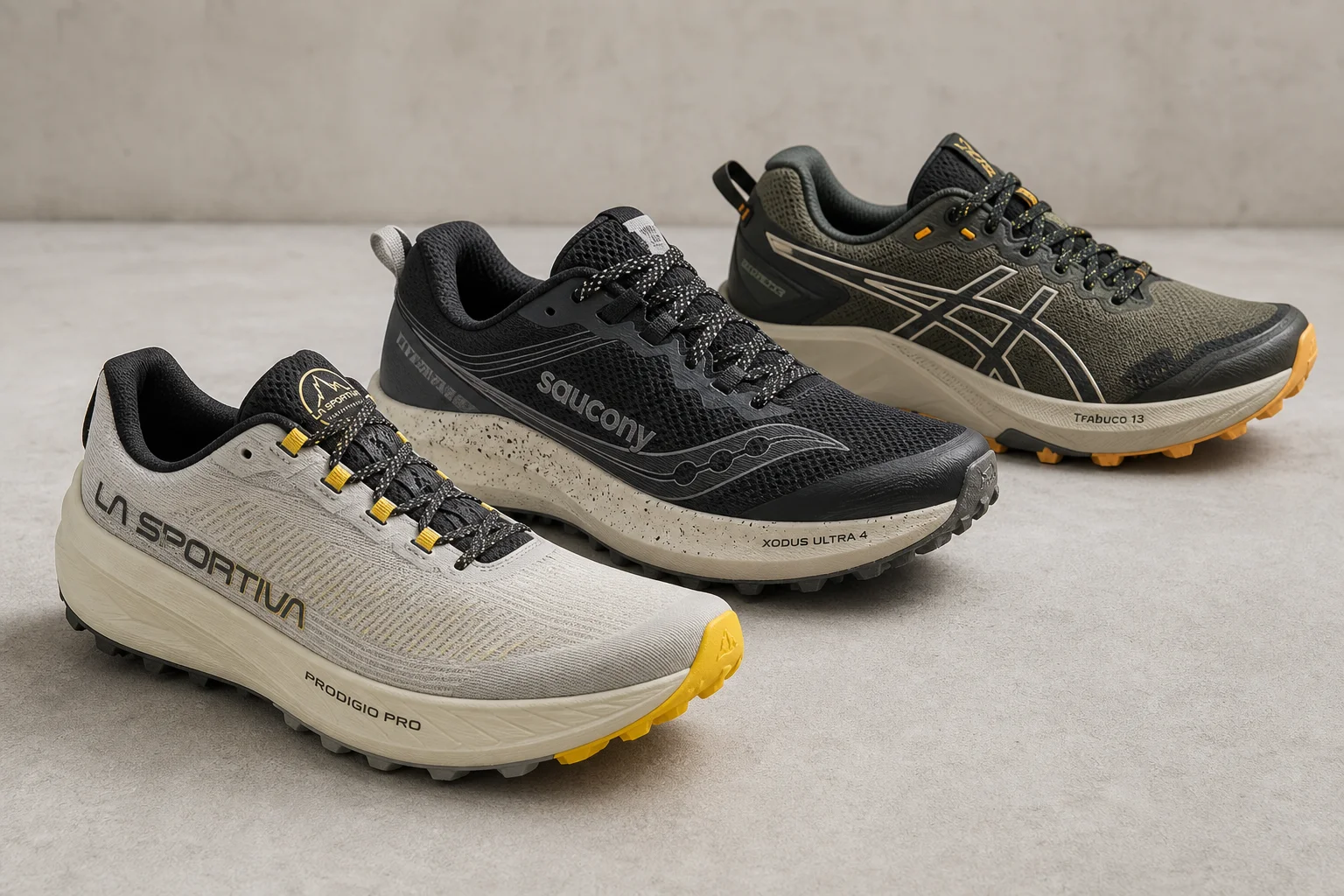
Best All-Mountain Trail Running Shoes: Three Versatile Options for Any Trail
A focused roundup of three all-mountain trail running shoes that handle technical terrain, long distances, and variable conditions with real strengths and practical trade-offs.