Trail Running Shoes
inov-8 Trailfly Speed vs Trailfly: Which Trail Shoe Deserves Your Money?
The Trailfly Speed promises a lighter, nimbler ride than the standard Trailfly. After a proper test run, the differences are bigger than they look on paper.
Introduction
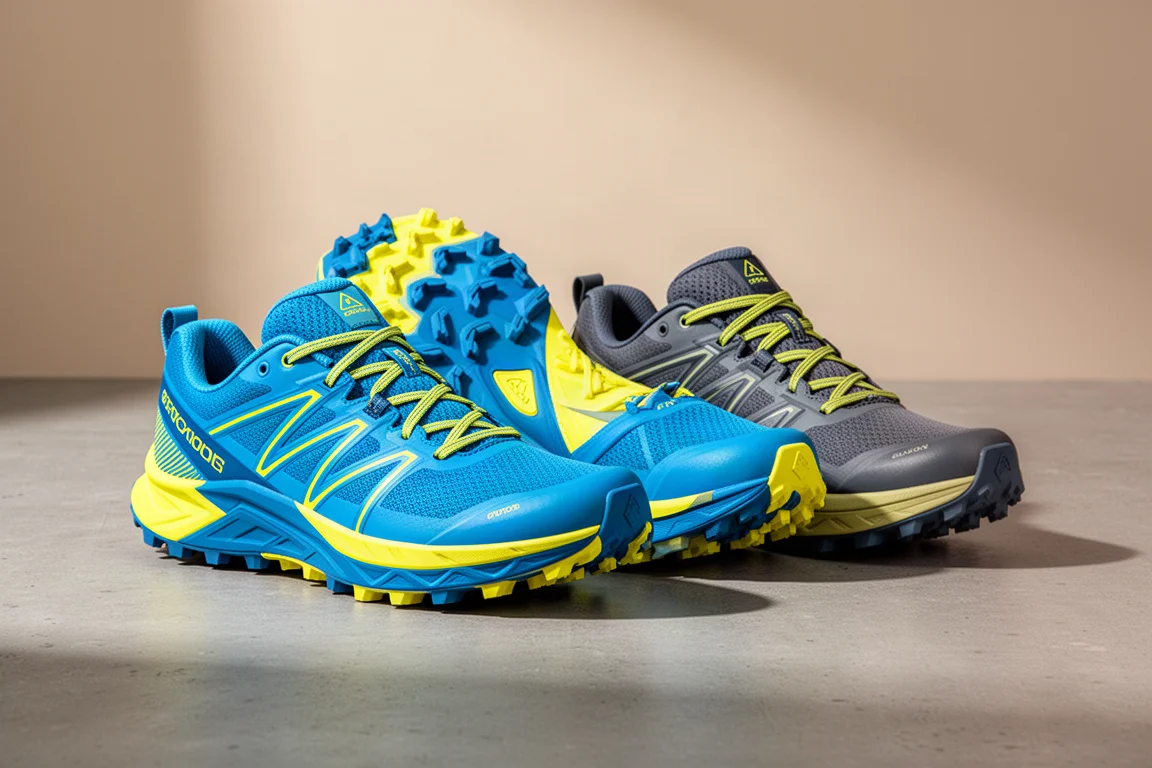
inov-8 has been refreshing its trail running lineup, and two of the most interesting new entries are the Trailfly and its lighter, race-focused sibling, the Trailfly Speed. On the shelf, the two look almost interchangeable, apart from the Speed’s bold blue and yellow colorway. Underfoot, though, they turn out to be more different than the spec sheet suggests. This comparison breaks down where they overlap, where they diverge, and which foot shapes each one suits best.
Trailfly Speed: The Racer Sibling
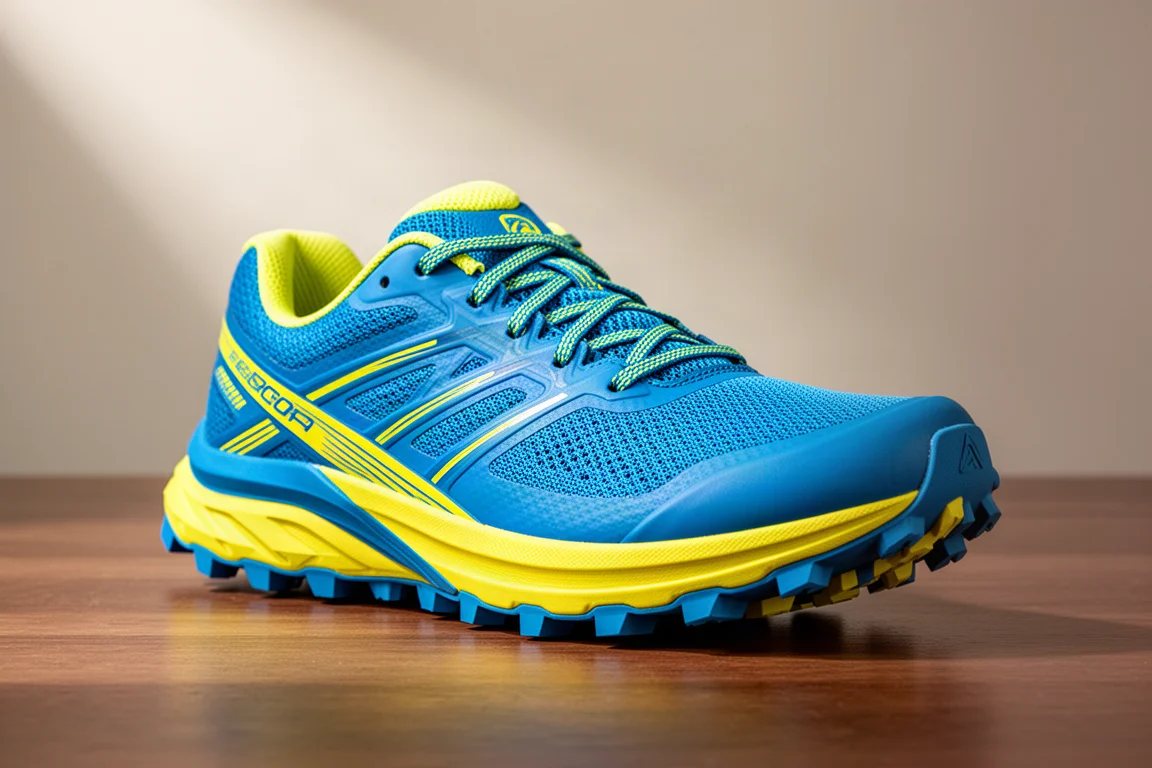
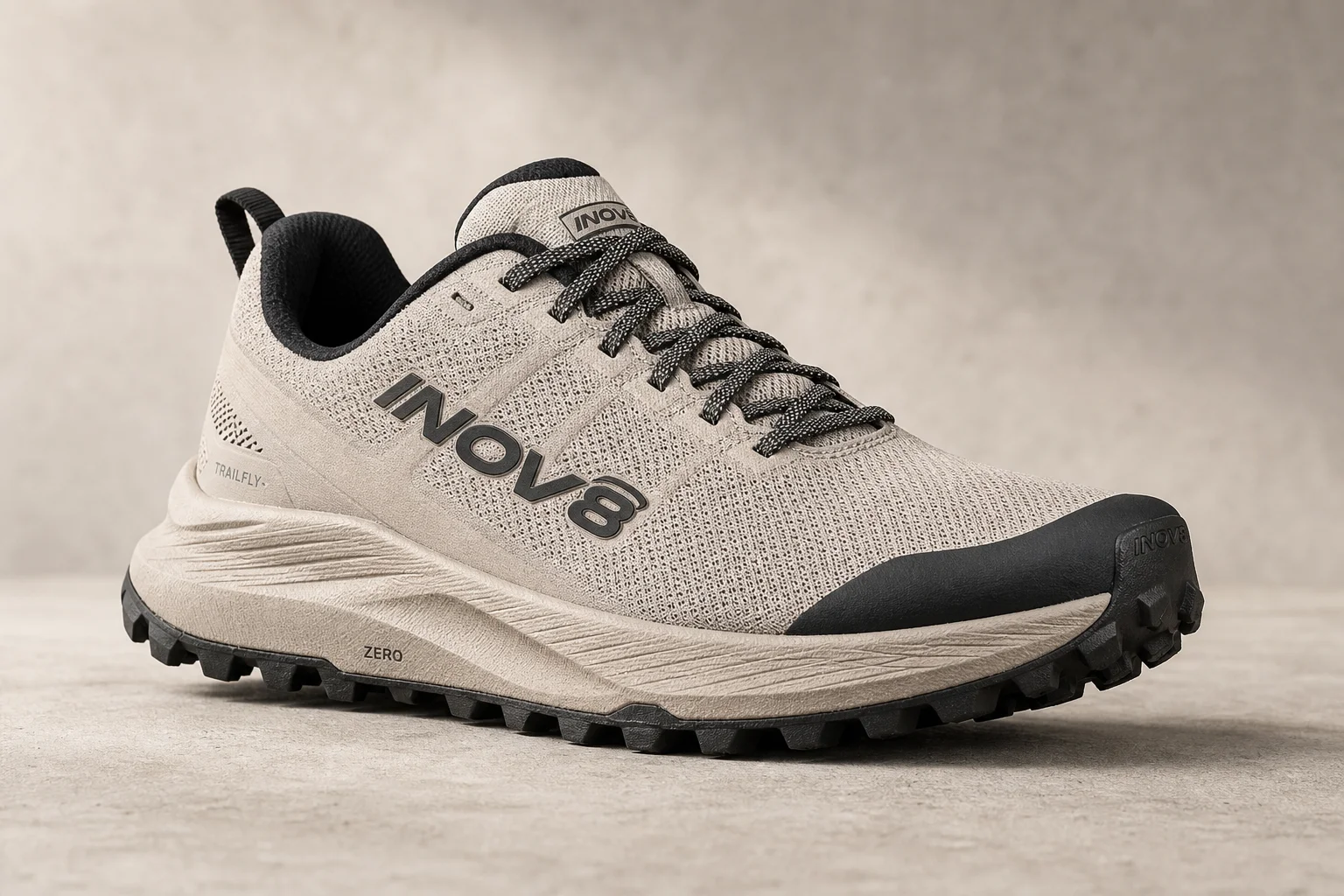
The Trailfly Speed is positioned as the lighter, more nimble racer in the range. It costs £10 more than the standard Trailfly, which retails at £100 in the UK. The midsole uses less cushioning than the Trailfly, with a stack height of 22mm at the heel and 18mm under the forefoot, giving a 4mm heel offset. That is 2mm lower than the standard Trailfly, designed to sit you closer to the ground for a more connected feel.
The upper is built from a single piece of air mesh, making it very breathable and comfortable, with met-cradle stripes connecting the midfoot to the heel for a locked-in feel. A nicely padded gusseted tongue, a soft flexible ankle collar, overlays around the lace eyelets and toe box, and a substantial toe bumper round out a stripped-back but well-protected design.
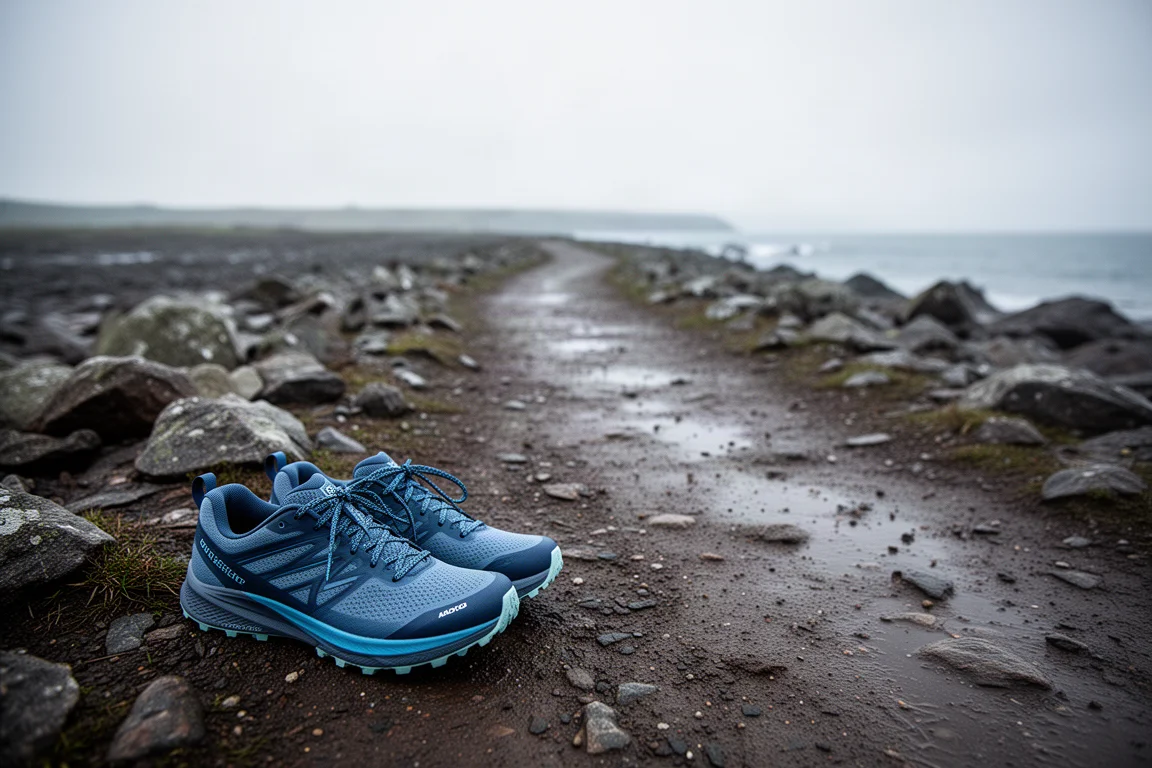
One thing to know before buying: the Trailfly Speed is only available in a wide fit. If your feet are narrow, that single fact may decide this comparison for you.
Weight: A Surprise
Here is the biggest surprise. On the scales, the Trailfly Speed weighs about 300g, only around 14g lighter than the standard Trailfly. For a shoe marketed as the lightweight, racy option, a 30 or 40g saving would have felt more convincing. In practice, weight is nearly a wash between the two, which makes the cushioning difference the real differentiator.
Midsole and Ground Feel
Both shoes share the same Powerflow Pro foam, the same metatarsal rock plate, and inov-8’s Boomerang footbeds. The Speed simply carries less of it. Out on the trail, that difference is obvious. The Speed feels lower to the ground, with noticeably more stones and rocks coming through the midsole. Despite the 4mm offset, it even runs a bit like a zero-drop shoe.
If you love ground feel and want to feel dialed into the trail, the Speed delivers. The trade-off is comfort: the standard Trailfly’s deeper stack feels notably more forgiving, especially on longer sections of tarmac or hard-packed trail.
Upper and Fit
The Speed’s wide fit is genuinely wide. On a narrow foot, there was a lot of room in the toe box and a slightly disconnected, almost flipper-like feeling until the laces were pulled very tight. That tight lacing also left long laces needing a triple knot. Sizing runs a touch small in length: a half size up worked well, but the wide midfoot may let your foot slide if the length is generous. Sticking with your standard size is a reasonable bet here.
The standard Trailfly in a standard fit, by contrast, offered excellent midfoot lockdown, solid heel holding, and no foot movement in the upper without excessive lace tension.
Outsole and Grip
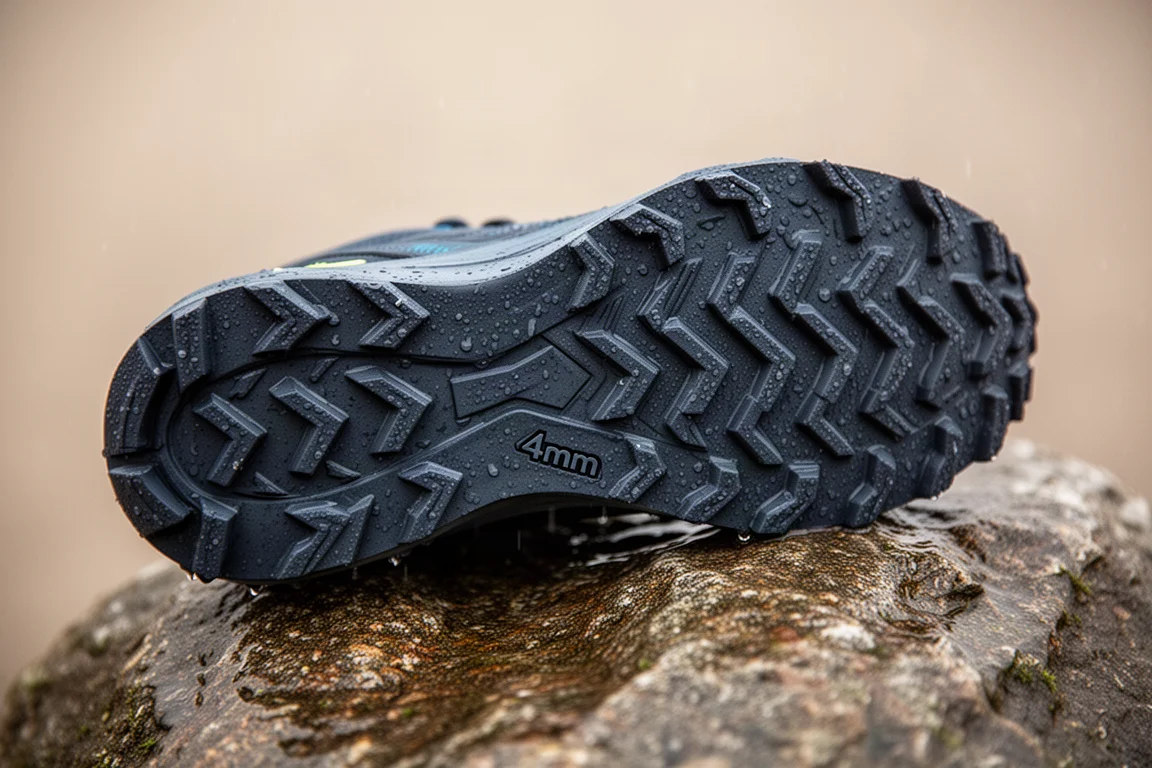
The outsoles are essentially identical on both models: a 4mm multi-directional lug pattern with forward-facing chevrons at the front, reverse-facing chevrons at the heel, and inov-8’s updated graphene grip rubber. On damp, greasy rock the grip felt good, and the lugs gave solid traction on loose gravel and soft sand. Grip is not a differentiator between these two shoes.
How It Feels on the Trail
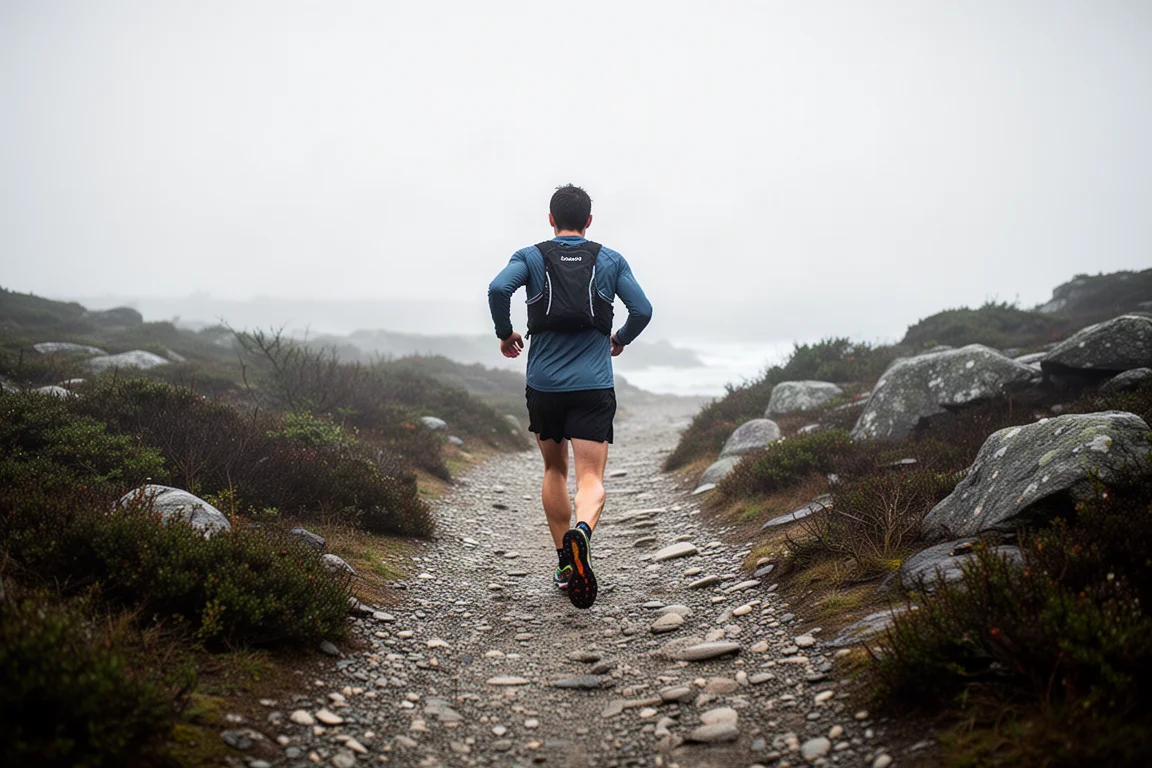
An 8.4-mile first run straight out of the box told the story. The Speed felt closer to the ground, more raw, and more responsive on technical terrain, but comfort dropped away as the miles stacked up. The Trailfly, with its deeper stack of soft cushioning, felt like the more versatile option, capable of anything from training runs to longer races at any distance.
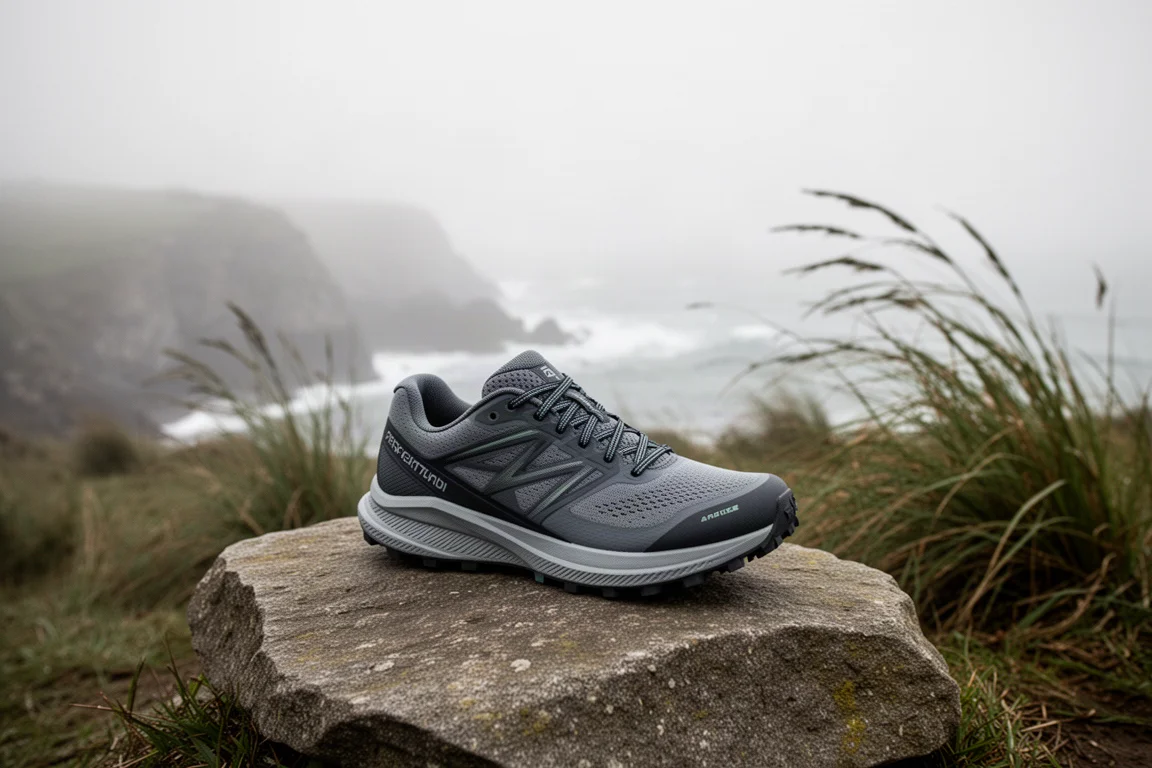
The clear favorite after equal distance in both was the standard Trailfly in a standard fit, largely down to foot shape and lockdown. That is a personal call, but it is the honest one.
Which One Should You Buy?
Choose the Trailfly Speed if you are tired of ever-softer trail shoes, want a natural, low-to-the-ground ride, and prefer a wide, roomy fit. Choose the standard Trailfly if you value cushioning and comfort over long distances, or if you have a narrower foot that benefits from the standard fit option. With only around 14g separating them, weight will not make your decision. Fit and underfoot feel will.
Conclusion
The Trailfly Speed and Trailfly share foam, outsole, and plenty of DNA, but they run very differently. The Speed is the ground-feel pick for wide-footed runners who want a connected, natural ride. The Trailfly is the versatile all-rounder with enough comfort for any distance. Test them on your own feet if you can, because fit is what ultimately separates these two.
Further reading
Related Reviews
Trail Running Shoes
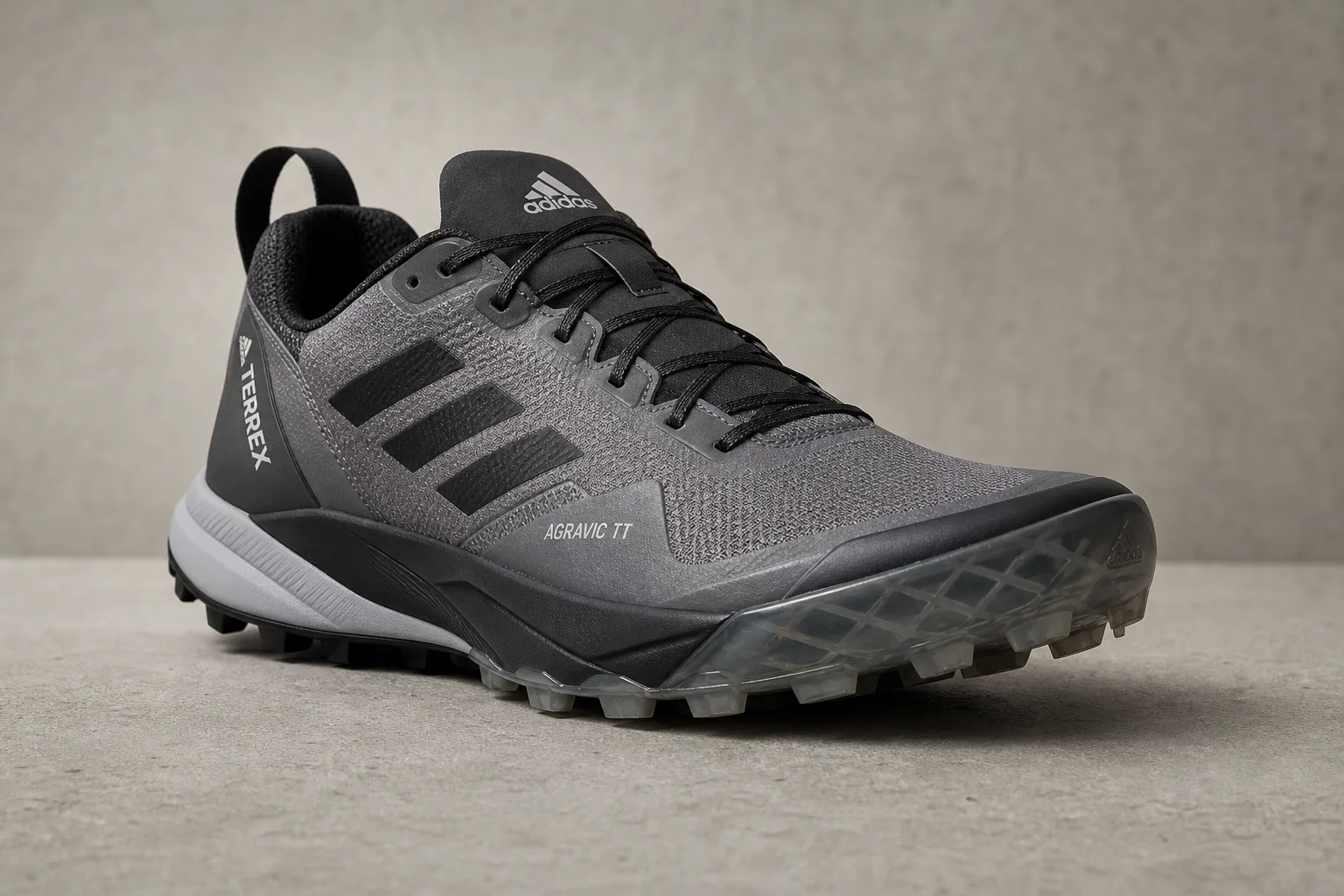
Adidas Terrex Agravic TT Review: A Technical Trail Shoe Built for Rocky Terrain
The Adidas Terrex Agravic TT combines a full-coverage rock plate with a firmer midsole to deliver protection and stability on technical, rocky trails. A capable choice for runners who prioritize underfoot defense over lightweight cushioning.
Trail Running Shoes
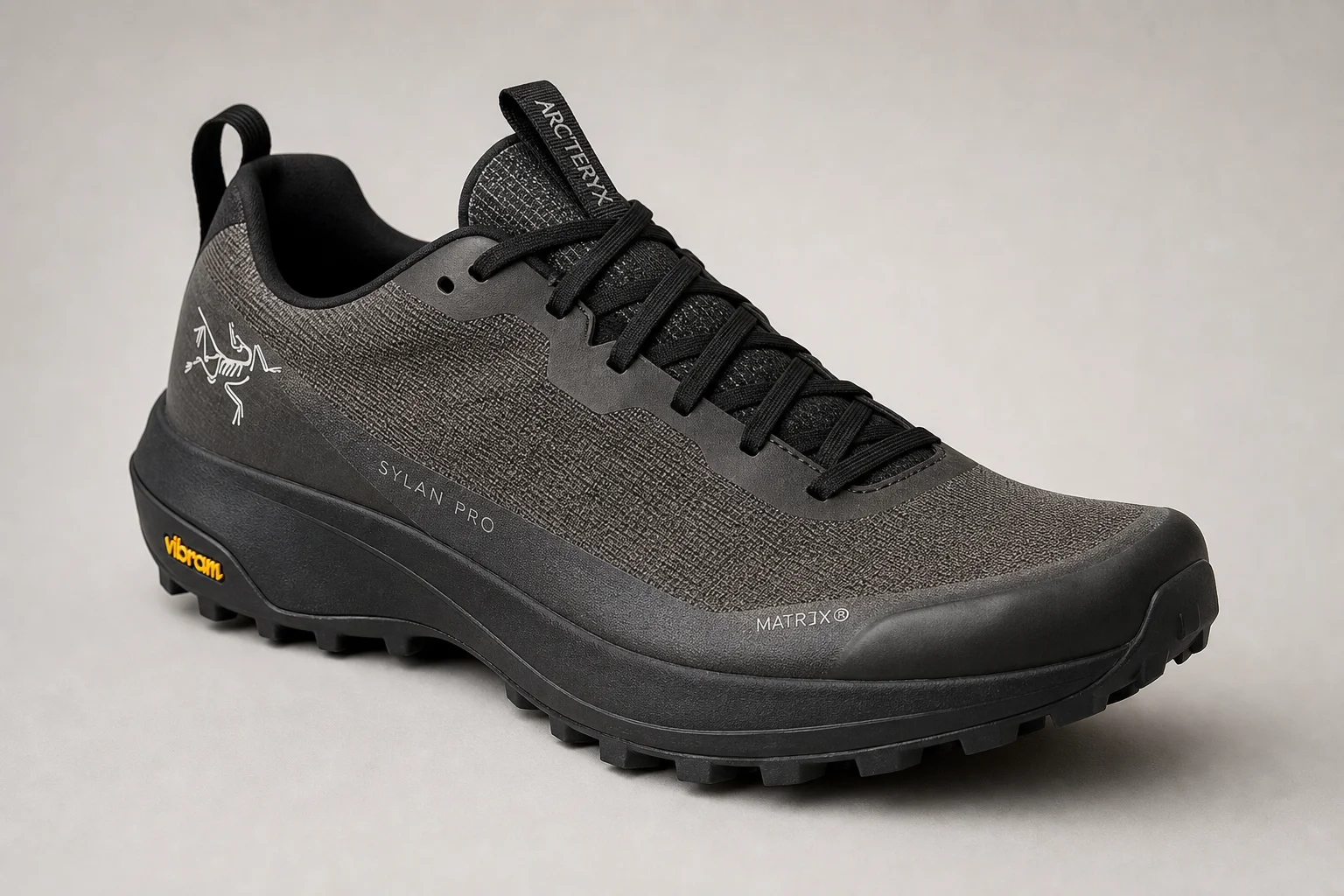
Arc'teryx Sylan Pro Review: A Rocker-Focused Mountain Running Shoe Tested on 20 Miles
The Arc'teryx Sylan Pro brings a pronounced rocker geometry and secure fit to mountain terrain. We tested it on a 20-mile Sawtooth loop to evaluate its climbing efficiency, protection, and handling of technical descents.
Trail Running Shoes
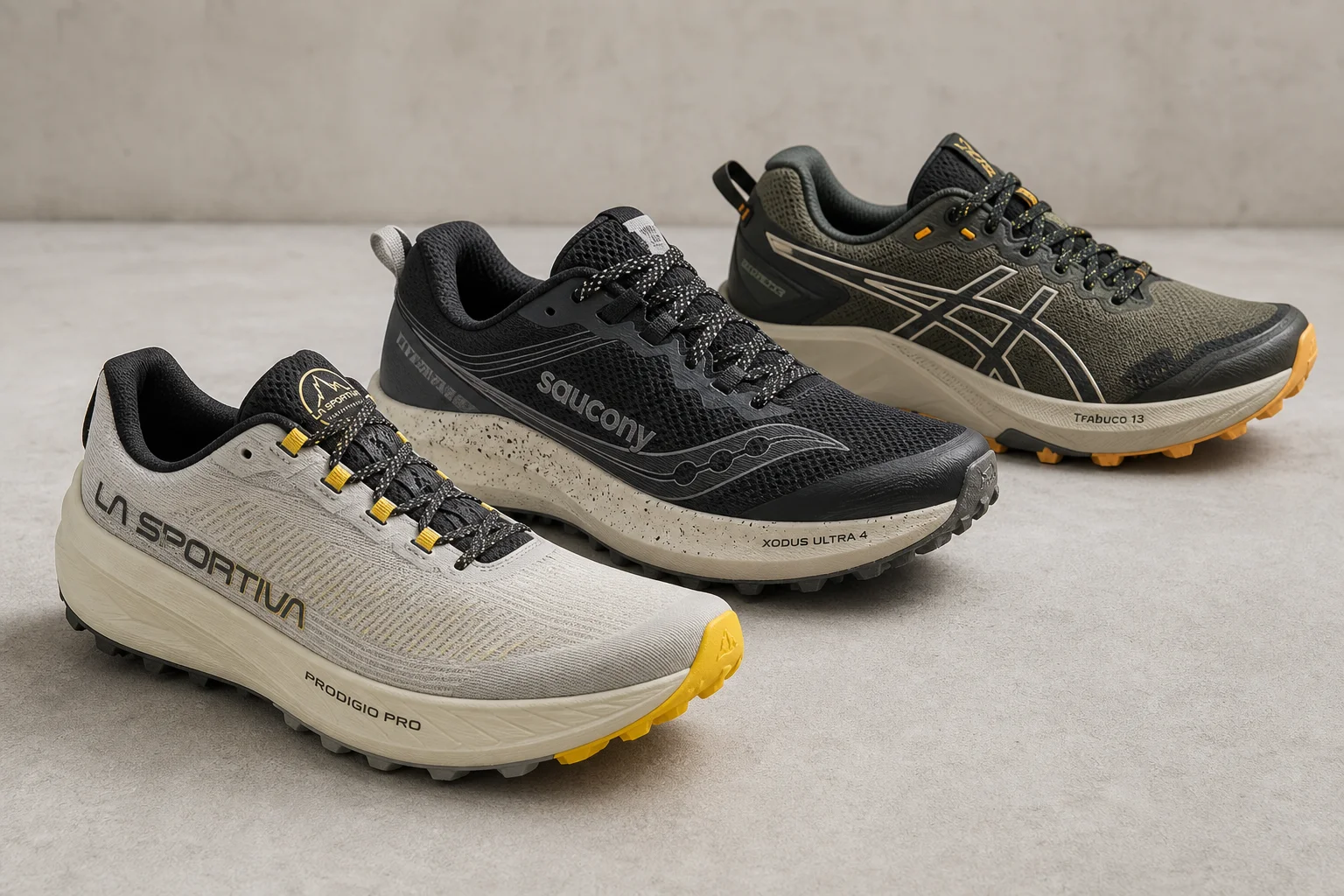
Best All-Mountain Trail Running Shoes: Three Versatile Options for Any Trail
A focused roundup of three all-mountain trail running shoes that handle technical terrain, long distances, and variable conditions with real strengths and practical trade-offs.