Kitchen Appliances
Infrared vs Regular Air Fryers: Four Models Tested Head to Head
Two infrared air fryers from T-fal went up against the Instant Vortex Plus and Typhur Dome 2 across fries, chicken, wings, bread, and pizza. The results were more interesting than expected.
Introduction
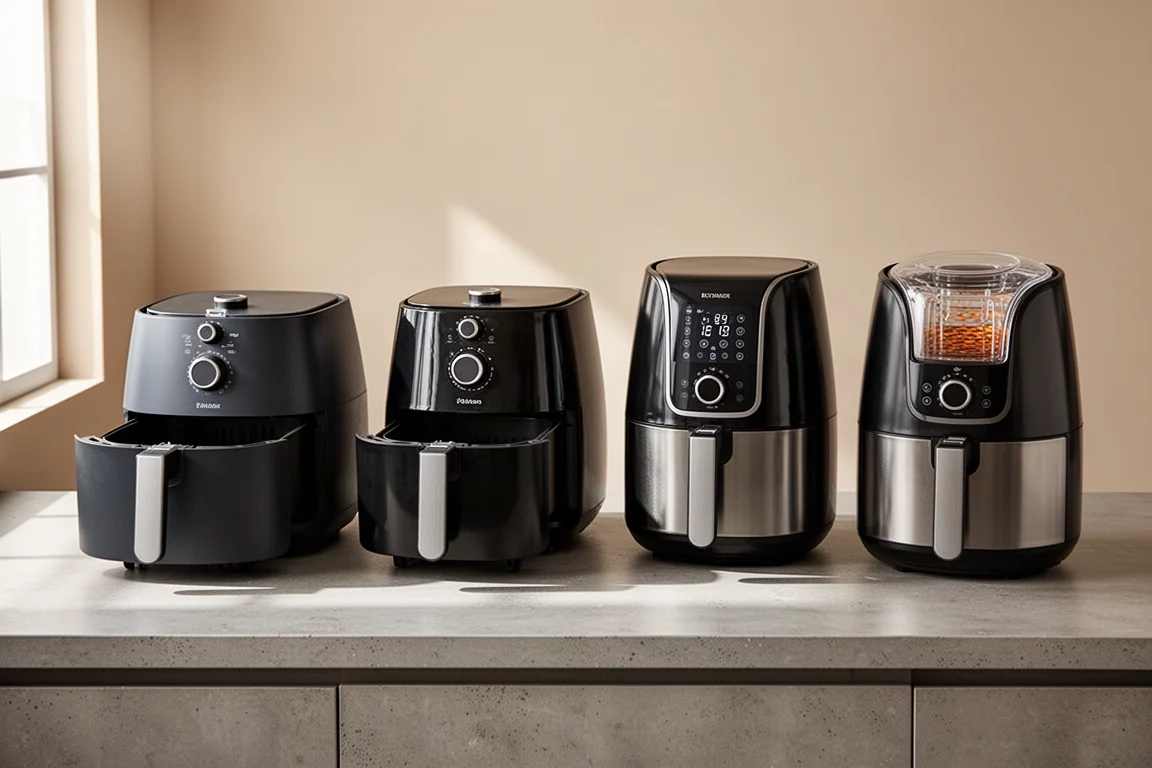
Are infrared air fryers actually better than regular air fryers, or is infrared just another kitchen gimmick? To find out, four air fryers were tested side by side: two infrared models from T-fal, the smaller Dual Window and the wider Surface XXL, against two of the strongest regular air fryers, the Instant Vortex Plus and the Typhur Dome 2.
Every air fryer cooked the same foods in the same portions: chicken breast, chicken wings, French fries, plain white bread, and pizza, always with the same time and temperature where possible. The comparison focused on cook time, browning, crispiness, juiciness, and overall taste. Some results landed exactly where expected, but a few genuinely changed the picture.
How Infrared Air Fryers Differ
Regular air fryers use a standard metal heating element and a fan, working a bit like a powerful hair dryer that blows hot air around the basket. The Instant Vortex Plus heats from the top only, while the Typhur Dome 2 heats from both the top and bottom.
The T-fal models also use a fan, but their top element is infrared. Instead of waiting for the air to heat up, infrared sends radiant heat waves directly into the surface of the food, more like a high-powered heat lamp. Like the Typhur, both T-fal models also carry a regular heating element underneath to cook from below.
T-fal claims this direct infrared heat cooks food faster, browns the surface better, keeps the outside crispier and the inside juicier, and needs no preheating. To keep the comparison fair, the air fryers were matched by shape: the wide T-fal Surface XXL against the wide Typhur Dome 2, and the smaller T-fal against the Instant Vortex Plus.
French Fries Test: Speed Shows First
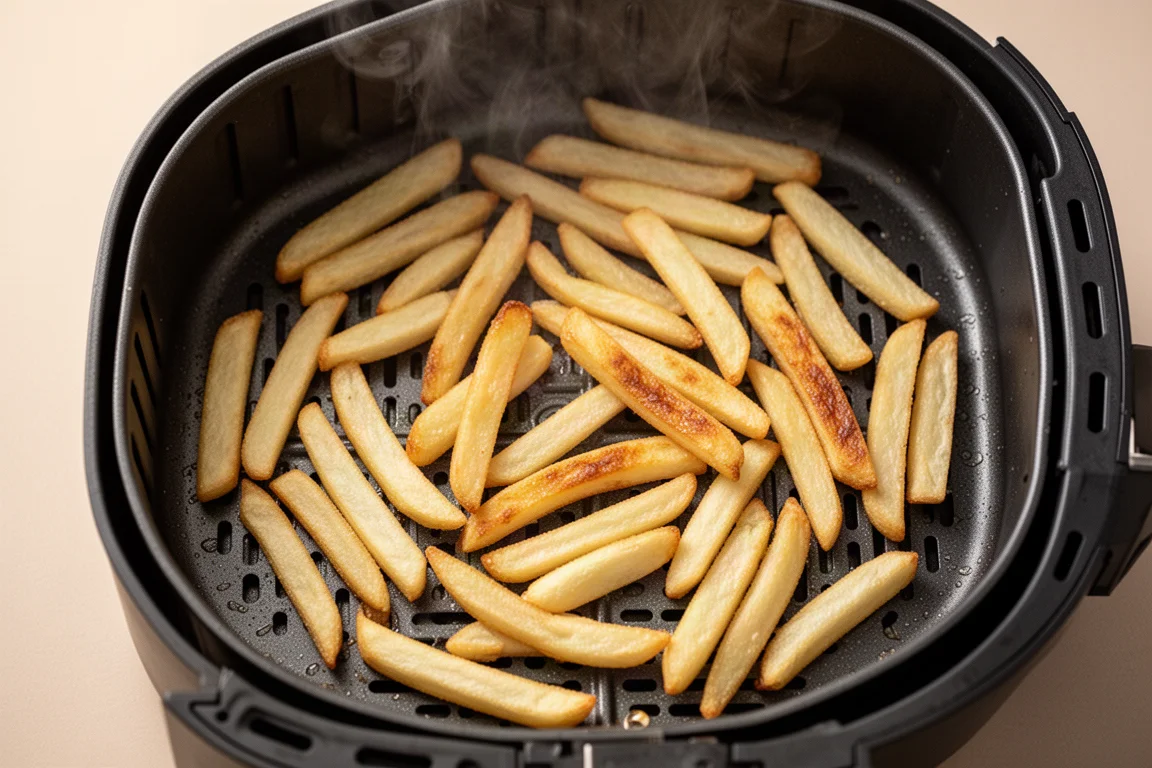
Frozen French fries are one of the most common air fryer foods, so each unit cooked 100 g on air fry mode at 375 degrees Fahrenheit for 10 minutes. The goal was not perfect fries, since everyone likes a different level of doneness. The goal was to see which machines cooked faster under identical conditions.
After 10 minutes, all four batches were good: crispy, crunchy, and fully cooked. But the difference was clear. Both T-fal infrared models produced noticeably darker and crispier fries in the same 10 minutes than the Typhur and the Instant Vortex.
Chicken Breast Test: Speed vs Juiciness
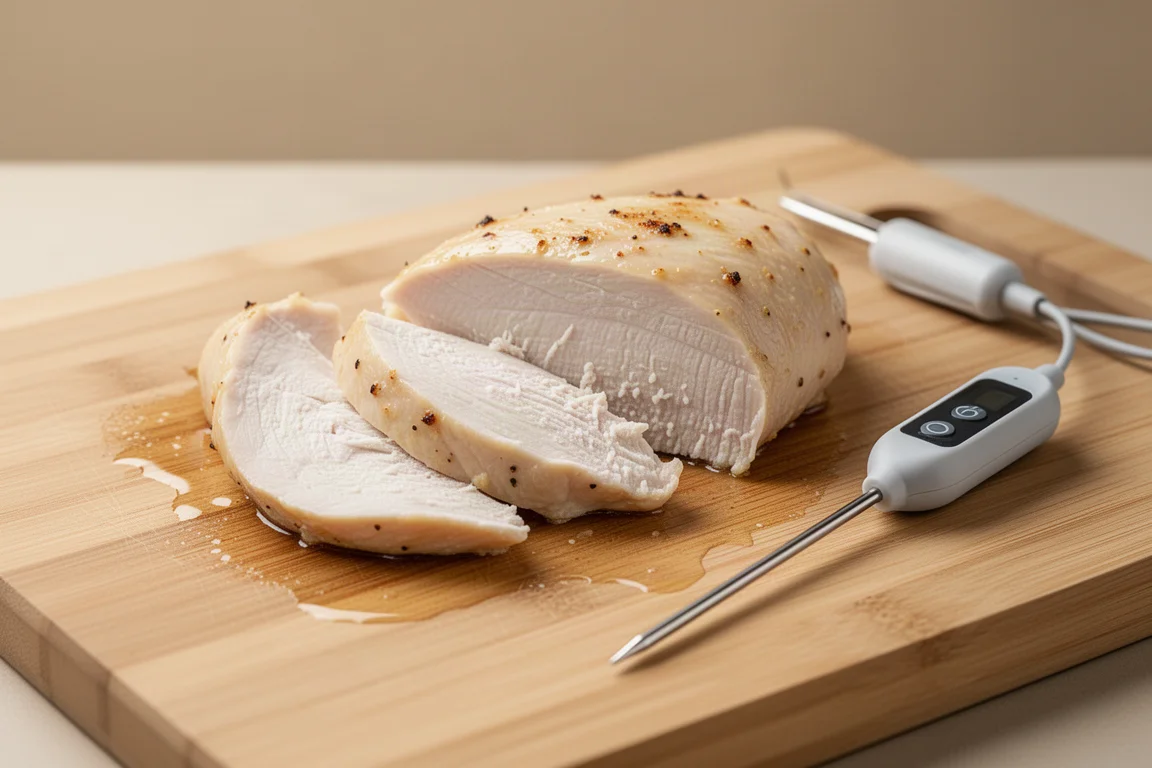
Chicken breast is a tricky air fryer food. It is lean and can dry out fast if the heat is too aggressive or uneven. Pieces of similar weight were cooked on air fry mode at 375 degrees, flipped after 10 minutes, and pulled with a wireless probe at 160 degrees, then rested to 165 before tasting.
With the wider air fryers, the T-fal Surface XXL reached 160 degrees first at 19 minutes 14 seconds, while the Typhur Dome 2 took 21 minutes 52 seconds. Both looked lightly browned on top rather than deeply seared, though the Typhur browned the underside more. Cut open, the T-fal chicken was noticeably juicier, and the taste test confirmed it.
In the smaller pairing, the T-fal again cooked faster, reaching 160 degrees in 18 minutes 8 seconds against 25 minutes 43 seconds for the Instant Vortex Plus. This time, though, juiciness was basically identical once both pieces were fully cooked and rested.
Chicken Wings Test: The Crispiness Check
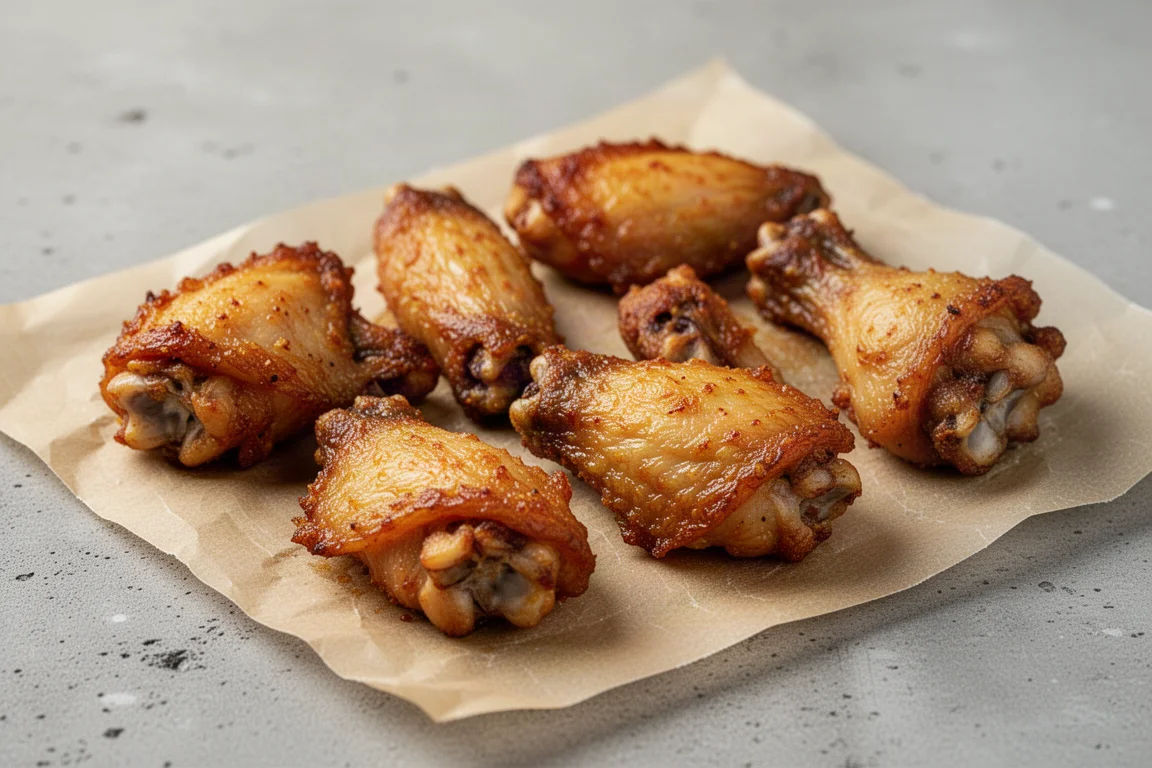
To test crispiness, each air fryer cooked three flats and three drums on air fry mode at 380 degrees, flipped after 10 minutes and checked at 15. Both batches in the wider units needed extra time, finishing with 2 minutes at 450 degrees. The T-fal has a crispy finish button for exactly that; on the Typhur it was set manually.
Both wide-air-fryer batches took 20 minutes total and came out really good. The main difference was evenness: the Typhur wings were browned more evenly all the way around, while some of the T-fal flats had slightly paler undersides, suggesting the bottom element is not quite as strong as the top.
In the smaller pairing, the gap was more obvious. After 15 minutes the T-fal wings were browner on top, though both batches were still pale underneath. Five more minutes made it decisive: the smaller T-fal wings were clearly darker, crispier, more evenly browned, and slightly juicier in the taste test.
Even Heating Test: The White Bread Trick
Air fryers are supposed to heat evenly because the fan circulates hot air, so each cooking surface was covered with plain white bread and cooked on air fry mode at 400 degrees for 4 minutes.
The two T-fal models and the Instant Vortex Plus all browned the bread unevenly, with some spots dark and others pale, and the browning did not line up in any obvious way with the heating elements. The Typhur was completely different. After one cycle the bread was toasted and crunchy but still white with no brown spots, and even after a second run it stayed evenly toasted with no obvious hot spots on top or bottom.
Pizza Test: The Clearest Result
Pizza only went to the two wider air fryers, since both are wide enough to fit one and both have a pizza setting. Both pizzas were built identically with the same dough, crushed tomatoes, cheese, and pepperoni. This time each air fryer used its own recommended pizza instructions instead of matched settings.
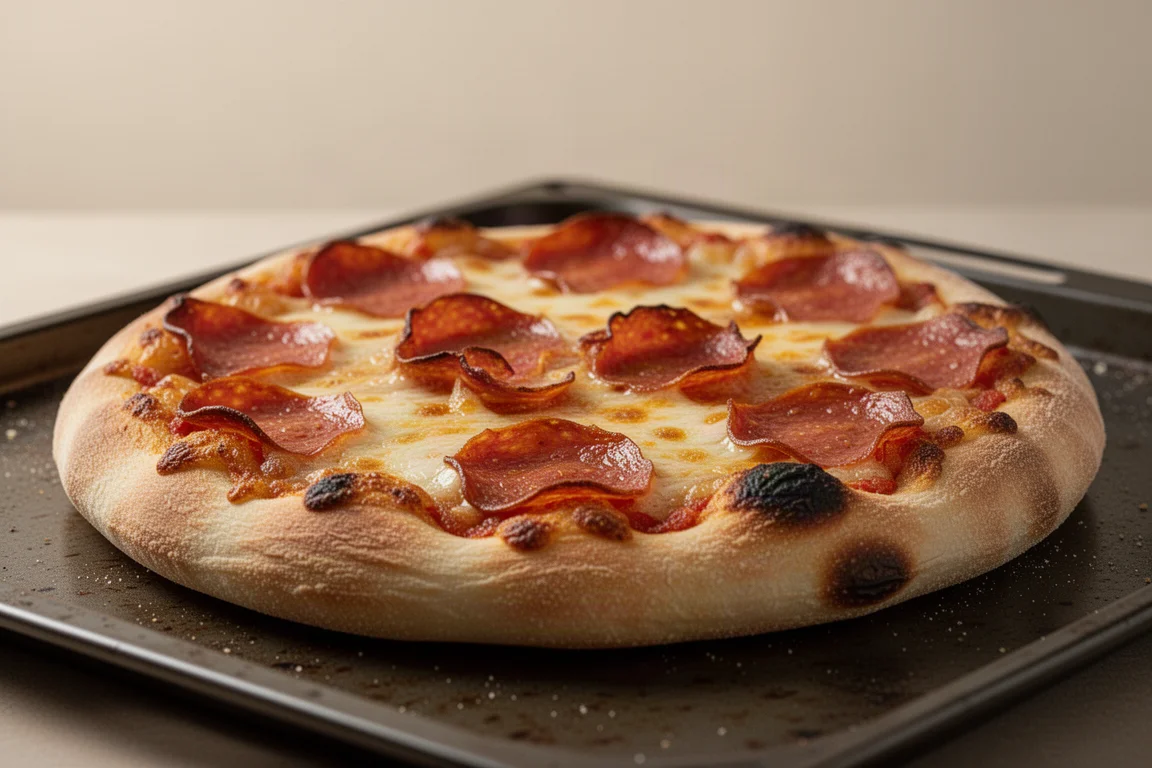
The T-fal process par-bakes the dough for 7 minutes, prompts a flip, then cooks the topped pizza for another 7 minutes at 400 degrees. The Typhur preheats for about 7 minutes, then cooks the fully assembled pizza at 340 degrees for 14 minutes.
The difference was night and day. The T-fal pizza came out pale and floppy, with a barely browned bottom, unmelted cheese in spots, and pepperoni that never crisped. The Typhur pizza was much better: the crust puffed up, the cheese fully melted, the pepperoni crisped, and the bottom developed real browning and charred spots, almost like a brick oven pizza. This was the clearest result of any test, and the Typhur was on a completely different level.
So, Is Infrared a Gimmick?
Based on the results, infrared is definitely not a gimmick. The infrared models consistently cooked faster, and in most cases they produced crispier results in less time. But faster does not automatically mean better. A great traditional air fryer can still match the crispiness and juiciness of infrared; it may just take a few extra minutes. And as the Typhur showed, the overall design of the air fryer can matter just as much as the type of heating element.
Between the Wide Models
Between the two extra-wide machines, the Typhur Dome 2 remains the top pick. It is expensive, but it cooked the top and bottom of food more evenly and completely dominated the pizza test.
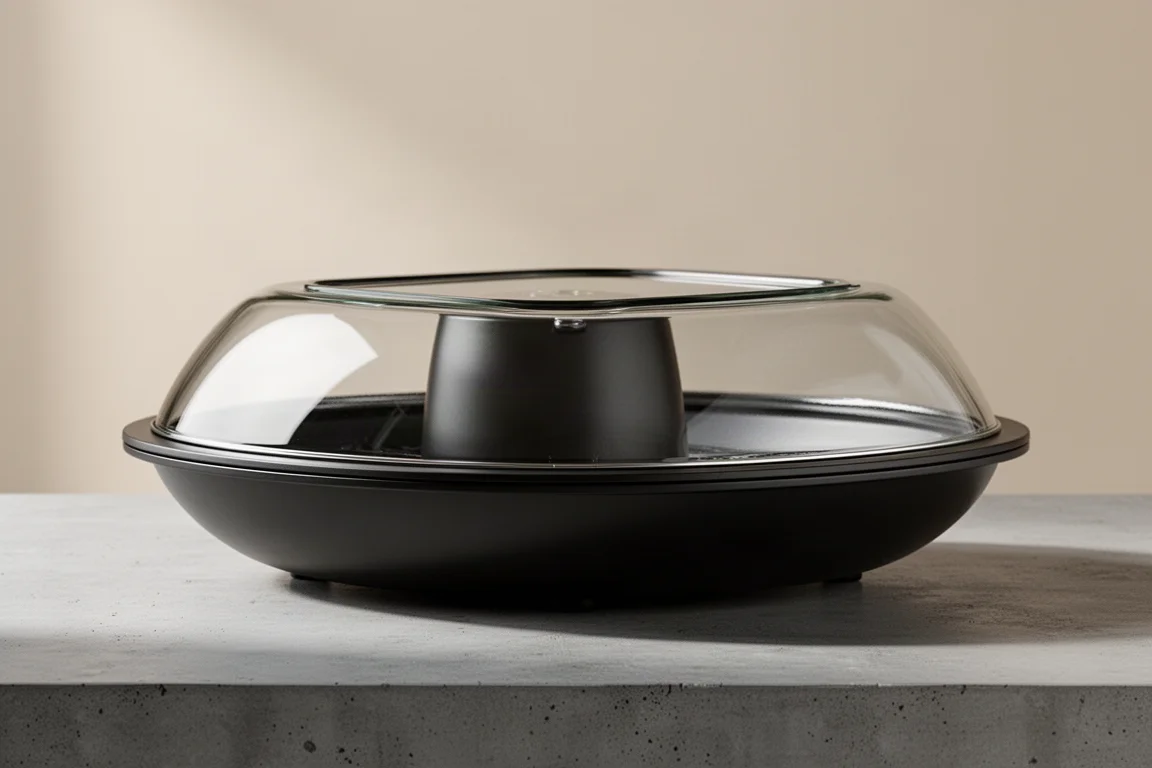
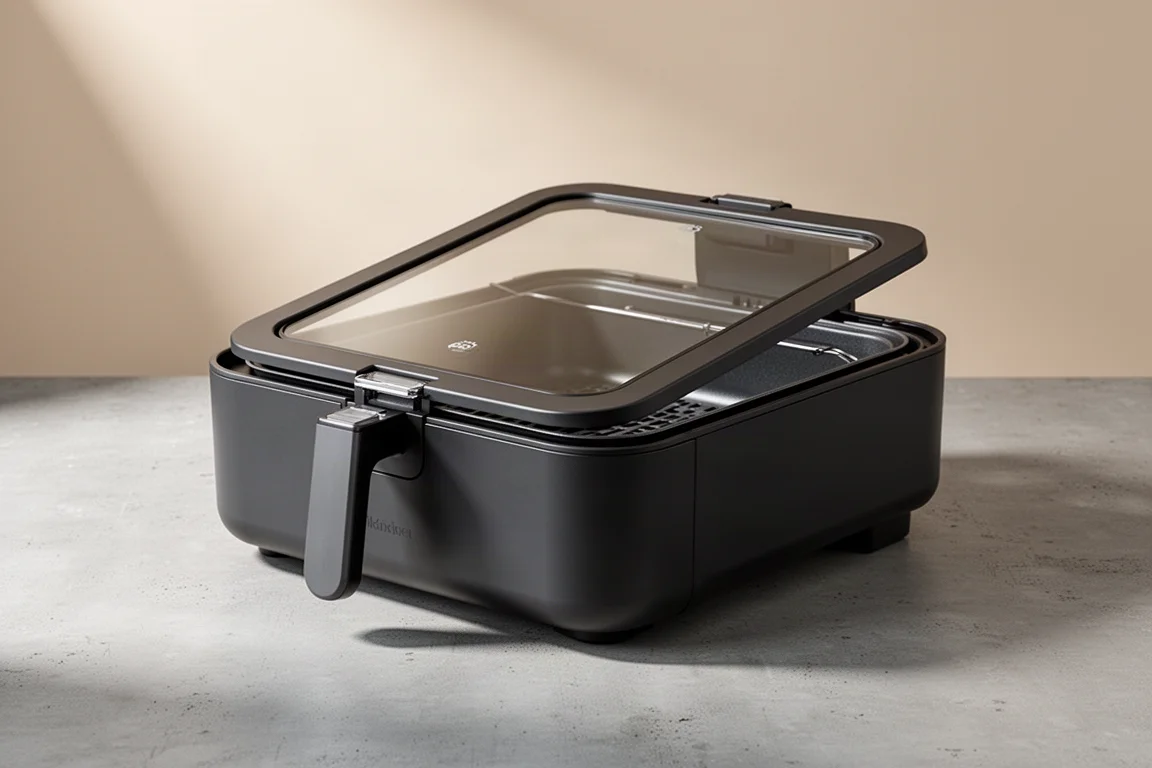
If the Typhur is out of budget, the T-fal Surface XXL is an excellent alternative at a significantly lower price. It is fast, has a massive cooking surface, and the viewing window is genuinely useful. Just plan to flip food more often for even bottom browning, and note that the wire rack is a bit of a pain to clean.
Between the Narrower Models
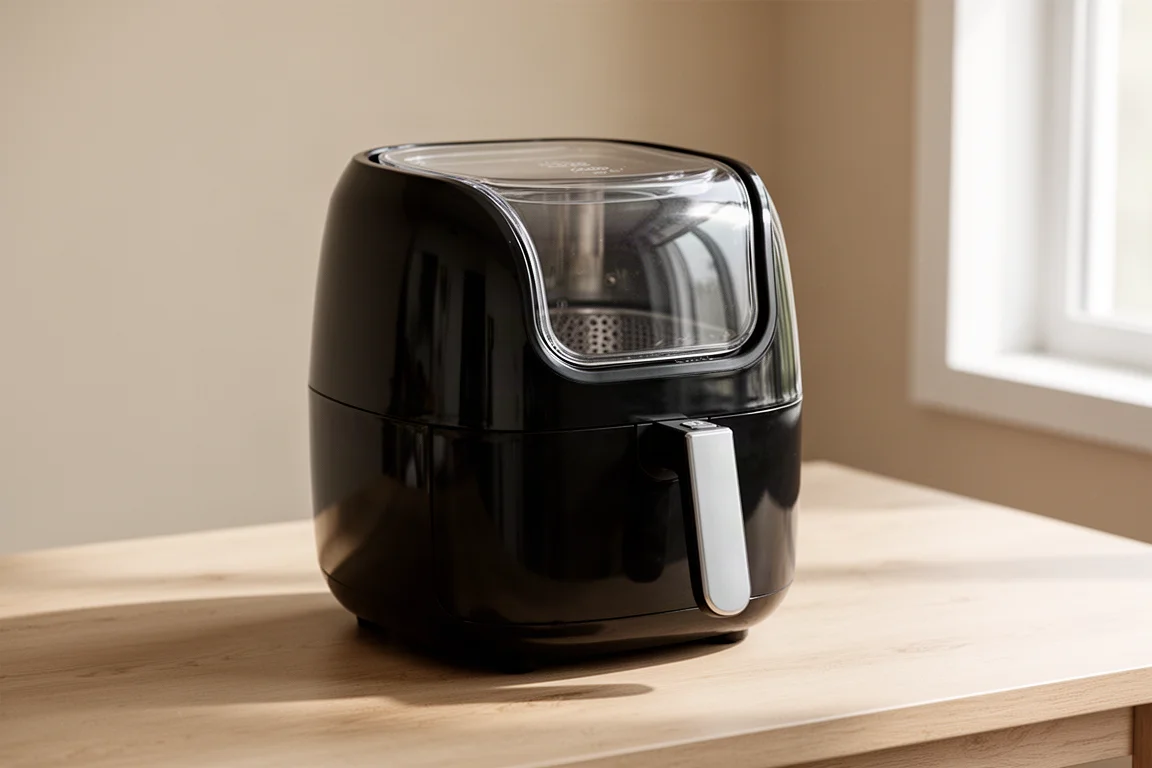
The smaller pairing is a closer call. The T-fal Dual Window cooks faster, can be set 50 degrees hotter, and has a window to monitor progress. The Instant Vortex Plus counters with more usable basket space, a flip reminder, and a track record of consistent performance across dozens of different foods.
Conclusion
Infrared is real: the T-fal models cooked faster and crisped well in less time, and speed alone can be worth paying for. But the Typhur Dome 2 proved that thoughtful traditional design can still win where it counts, especially on pizza and even heating. Choose the Typhur if budget allows, the T-fal Surface XXL for a fast, spacious, more affordable wide option, and between the narrower models, let your priorities decide: speed and visibility with the T-fal, or proven versatility with the Instant Vortex Plus.
Further reading
Related Reviews

Kitchen Appliances
Arboleaf Smart Kitchen Scale Review: Connected Cooking Made Simple
A Bluetooth-enabled kitchen scale that syncs with a nutrition-tracking app, offering real-time weight monitoring and recipe guidance for home cooks.
Kitchen Appliances
Best Air Fryer Toaster Ovens Under 100: Five Practical Options for Budget-Conscious Kitchens
Five air fryer and toaster oven combinations that deliver real cooking performance without breaking the bank, each with distinct strengths for different kitchen needs.
Kitchen Appliances
Best Air Fryer Toaster Ovens: Three Top Picks for Multi-Function Cooking
Three high-performing air fryer toaster ovens tested for versatility, ease of use, and real-world cooking results. Find the right fit for your kitchen.