Tools & Workshop
One Impact Wrench, Every Socket: A Smarter Adapter Setup for Home Users
Skip buying multiple impact tools. Pair a Pittsburgh impact adapter with heavy-duty ICON sockets and adapt down from your largest anvil for durability and savings.
Introduction
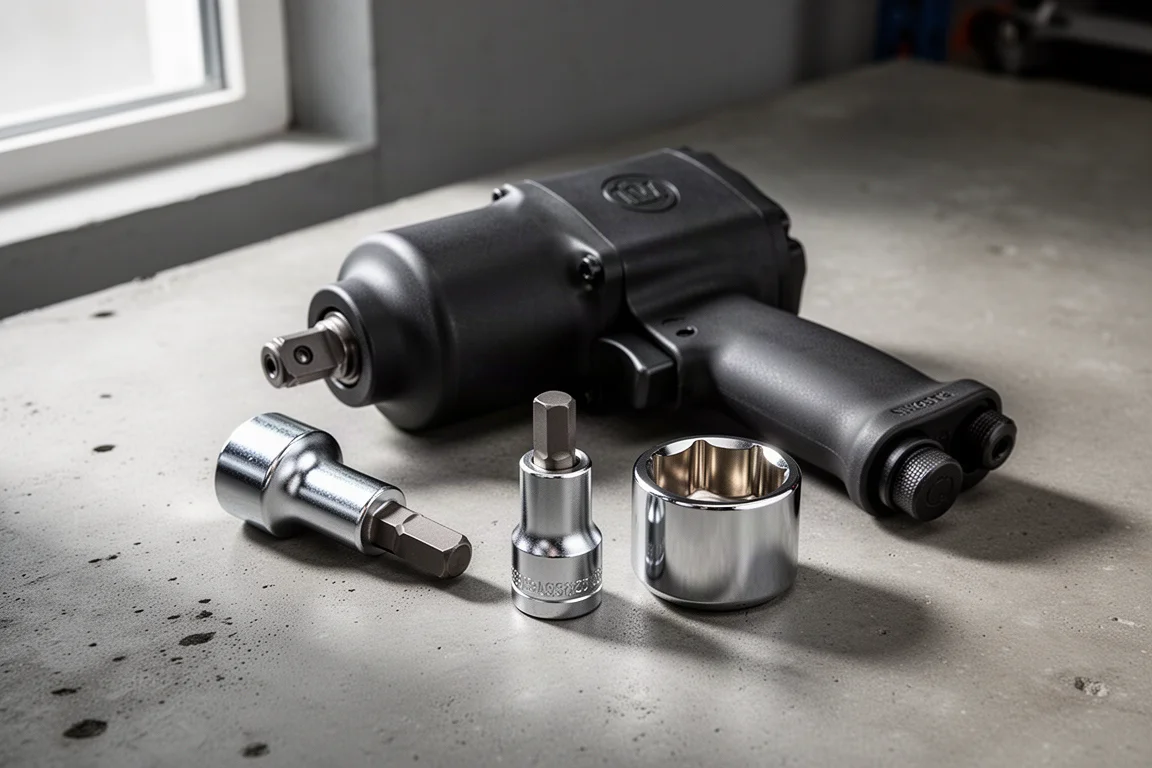
If you work on cars or projects around the house, you eventually face the same dilemma: do you buy an impact driver, a 3/8 inch impact wrench, and a half-inch impact wrench, or can one tool do it all? Power tools add up fast, and most home users do not need every drive size all the time. There is a practical middle path: use adapters to stretch a smaller number of tools across more socket sizes, as long as you understand where the weak points are.
Why Buying Every Impact Tool Gets Expensive
Most people start with an impact driver, then add a 3/8 inch impact wrench, then eventually wonder whether a half-inch impact wrench is also necessary. That is three power tools for tasks that often overlap. The good news is that adapters exist for nearly every combination, so it is possible to cover half-inch and 3/8 inch sockets with just one impact wrench and an impact driver, and save money on the tools you do not truly need.
The Adapter Problem on an Impact Driver
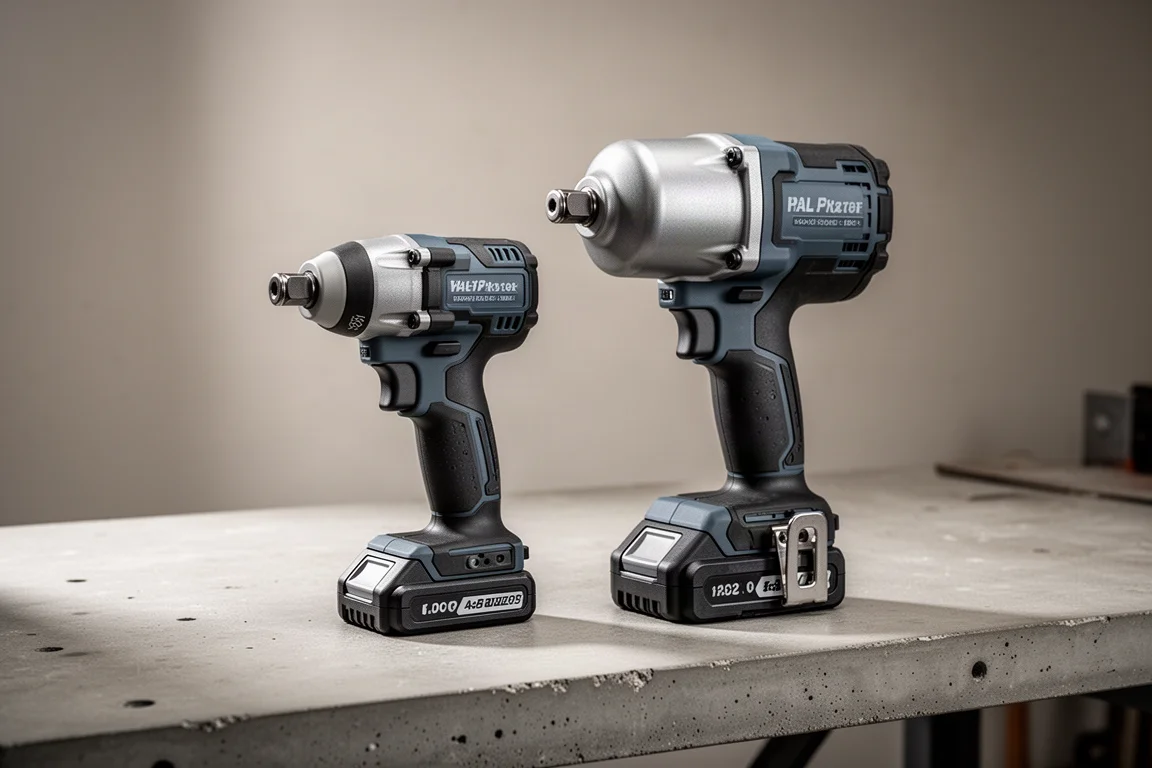
Snap-in adapters for an impact driver are widely available in 3/8 and half-inch versions, and they work fine for light-duty fastening. The problems show up under heavy torque. Regular driver adapters tend to break under high loads, especially when stepping up to half-inch sockets, and it is easy to snap several over the years.
The other overlooked downside is overall length. An impact driver with an adapter fitted can reach roughly 6.25 inches front to back before a socket is even attached, and adding a socket pushes the effective working length further back, leaving a lot of tool between the fastener and the rear of the driver. In tight engine bays or cramped spaces, that extra length matters.
Start Big and Adapt Down
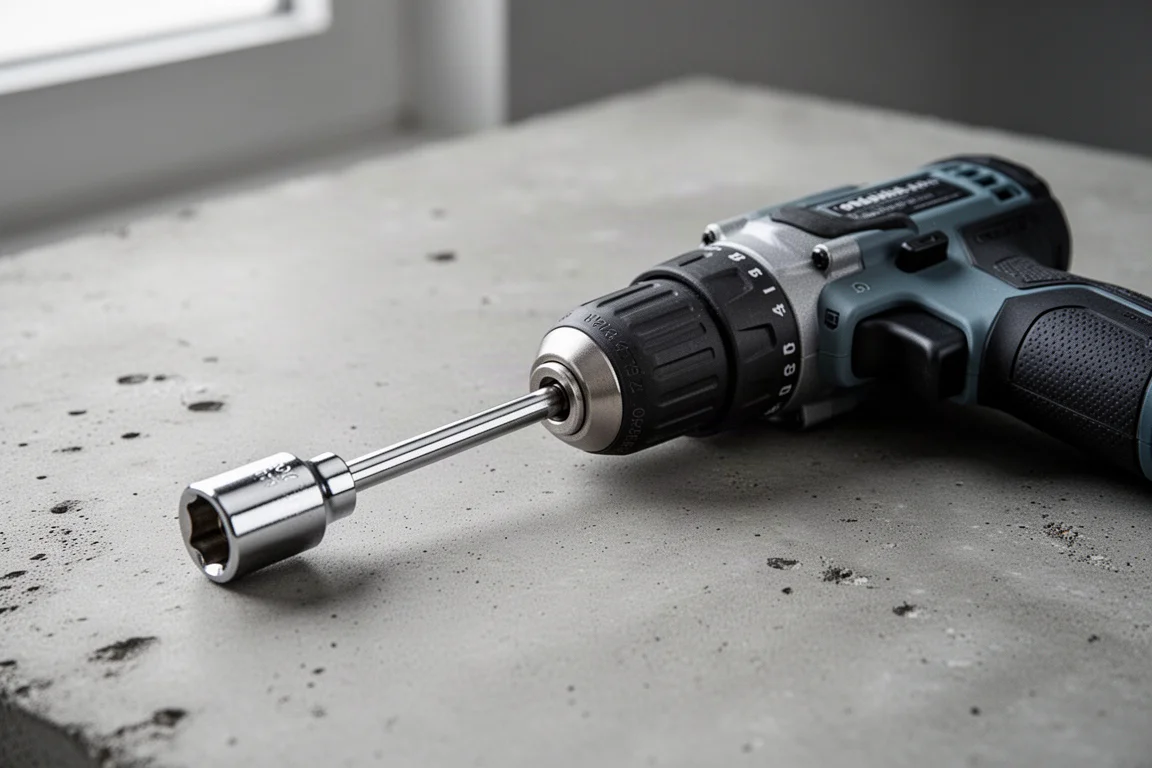
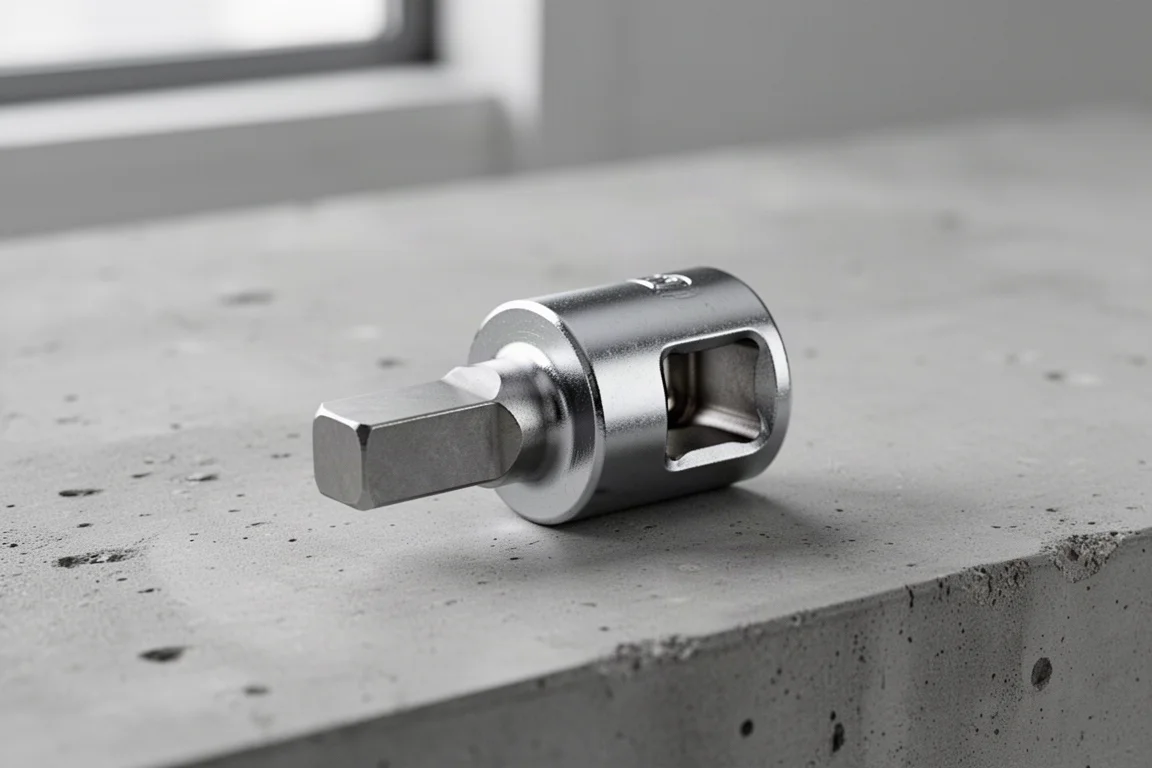
Here is the approach that offers the best durability and reliability: buy the half-inch impact wrench first, then use an adapter to run smaller 3/8 inch sockets on it. Adapters for this direction add very little length. Converting a half-inch anvil down to 3/8 inch added just over an inch in one measurement, taking the tool from 4.95 inches to 5.79 inches total.
The Pittsburgh impact adapter is backed by a lifetime warranty, which makes it the natural sacrificial link in the chain. The logic is simple: the half-inch anvil is the tougher, integrated part of the tool that is not easily replaced, so it makes sense to put a warrantied, replaceable adapter between the anvil and smaller sockets. If anything fails, you would rather it be the adapter.
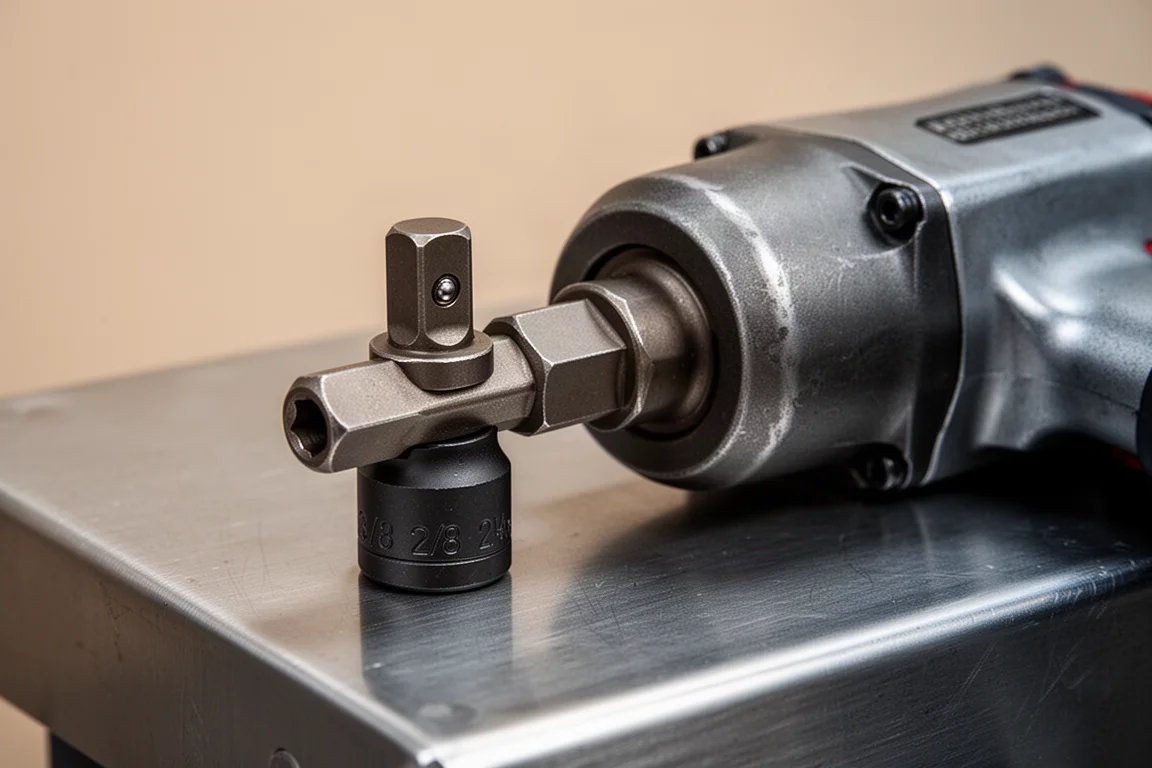
Keep in mind that adapting down slightly reduces the power delivered to the fastener, though that is often fine. When running a 3/8 inch socket, you usually do not need as much torque as a half-inch socket would, and many impact wrenches let you drop to a lower power mode anyway. Between the adapter and lower modes, you effectively get both half-inch and 3/8 inch capability from a single wrench.
Know Your Weak Point with Big Sockets
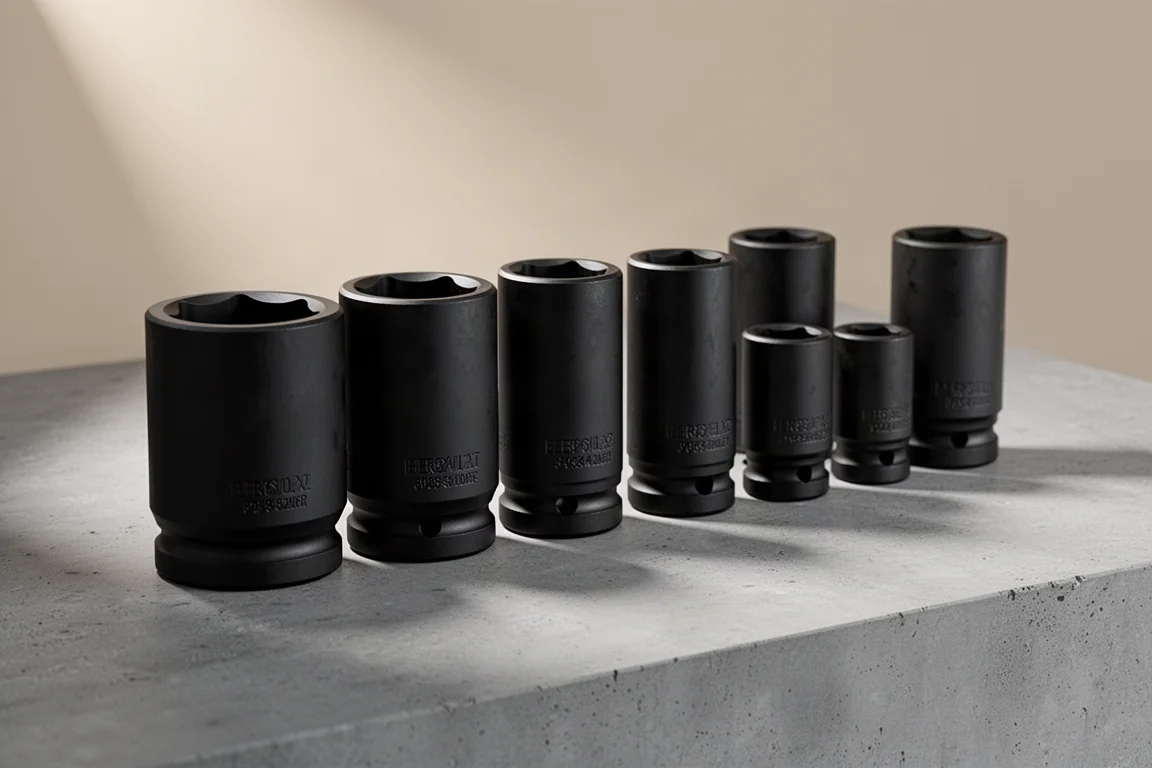
Adapting upward is where caution is needed. Putting a large socket, such as a heavy-duty 19mm socket from ICON’s range, onto an impact driver through an adapter is possible, and those sockets are absolute beasts once fitted. But in that configuration, the adapter becomes the weakest point of the entire setup.
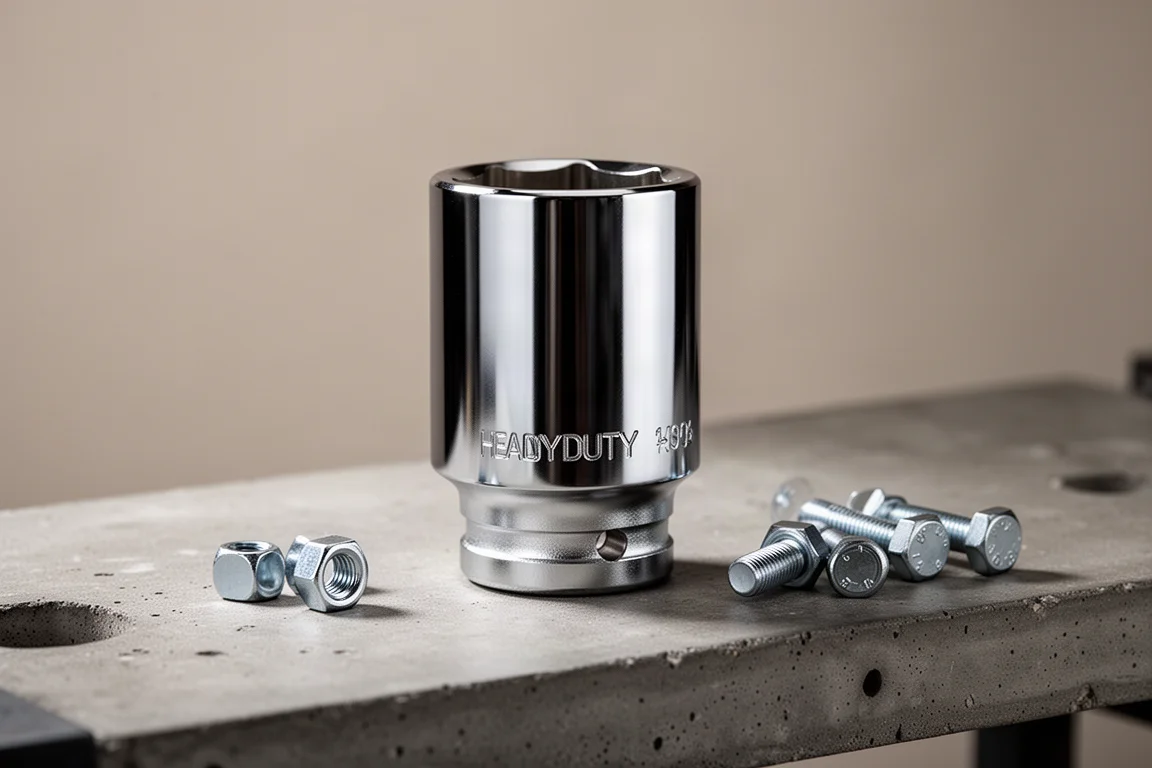
Will that combination damage the impact driver itself? Probably not. Will it shear the adapter under load? Quite possibly, and quickly. So be realistic about which jobs you attempt with an adapted-up driver, and keep the big torque work on the impact wrench instead.
Buying Advice
For home users balancing cost and capability, the recommended setup is straightforward:
- Buy one half-inch impact wrench rather than multiple tools.
- Use a lifetime-warranty adapter to run 3/8 inch sockets on it, adapting down instead of up.
- Reserve the impact driver with snap-in adapters for light-duty fastening only.
- Avoid sustained high-torque work with large sockets on an impact driver, since the adapter is the weak link.
This arrangement gives you the most durability and reliability from the tools you own, saves money on tools you do not need, and puts the breakable parts where they are cheapest and easiest to replace.
Conclusion
You do not need three impact tools to cover three drive sizes. Start with the toughest anvil, a half-inch impact wrench, adapt down with a warrantied Pittsburgh adapter, and keep large heavy-duty sockets like the ICON 19mm on the wrench rather than the driver. It is a setup that stretches your budget and protects your tools at the same time.
Further reading
Related Reviews
Tools & Workshop
Three Tools That Saved a Tight Dishwasher Installation
A long-reach hose clamp tool, a locking ratcheting bit driver, and a flip socket that earned their spot during a cramped appliance install.
Tools & Workshop
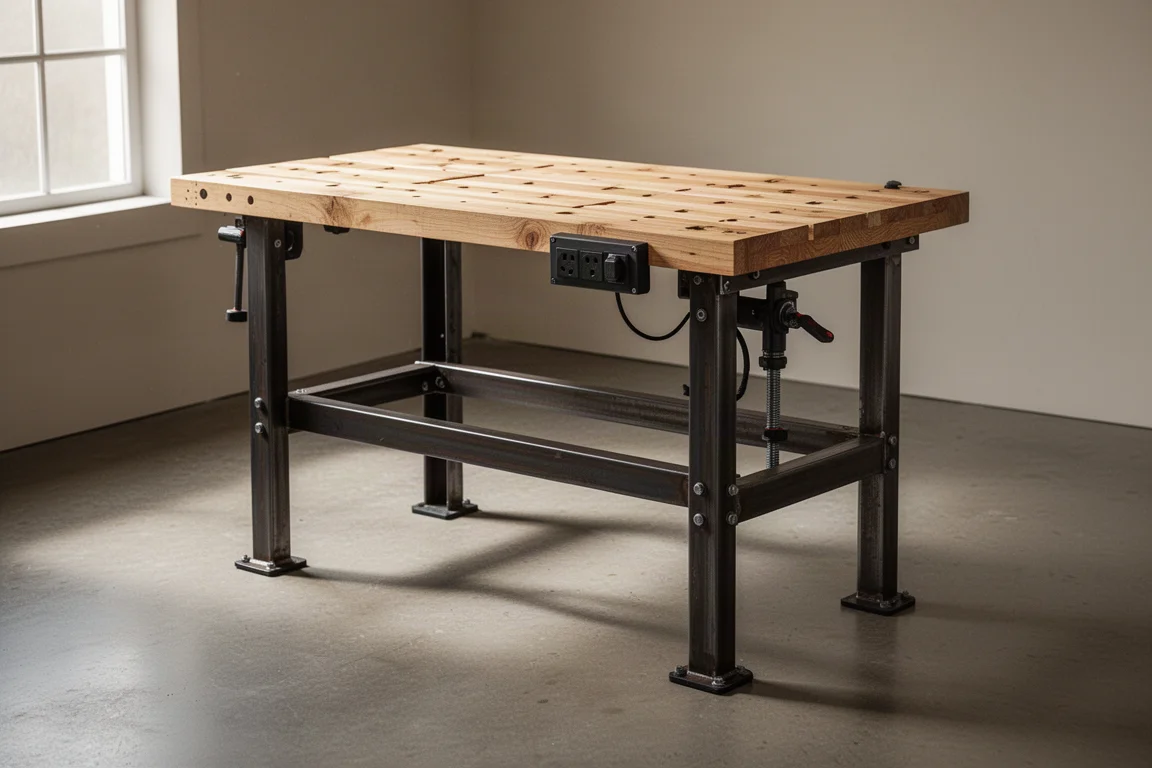
Banggood WB0102 Pro Workbench Review: A Stable, Height-Adjustable Bench for Small Workshops
A heavy, well-priced workbench with a pine top, built-in power strip, height adjustment, and a straightforward assembly that takes under 30 minutes.
Tools & Workshop
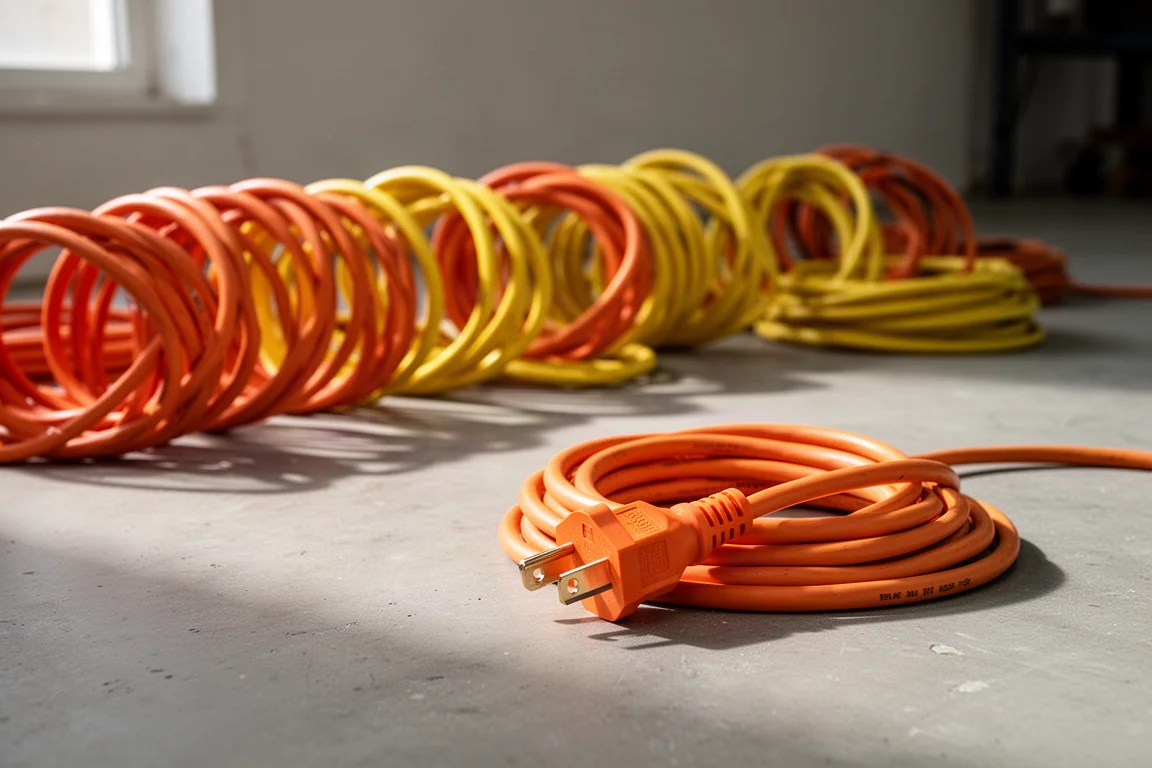
Best 50 ft Extension Cords: 15 Cords Put Through Real-World Testing
Fifteen 50 ft extension cords compared on blade strength, abrasion resistance, voltage drop, plug retention, and cold weather flexibility.