Tools & Workshop
ilihome P50 vs Teslong NTS300: Two Standalone Inspection Cameras Compared
A dual-camera and a triple-camera borescope go head to head on picture quality, cable stiffness, and everyday shop usability.
Introduction
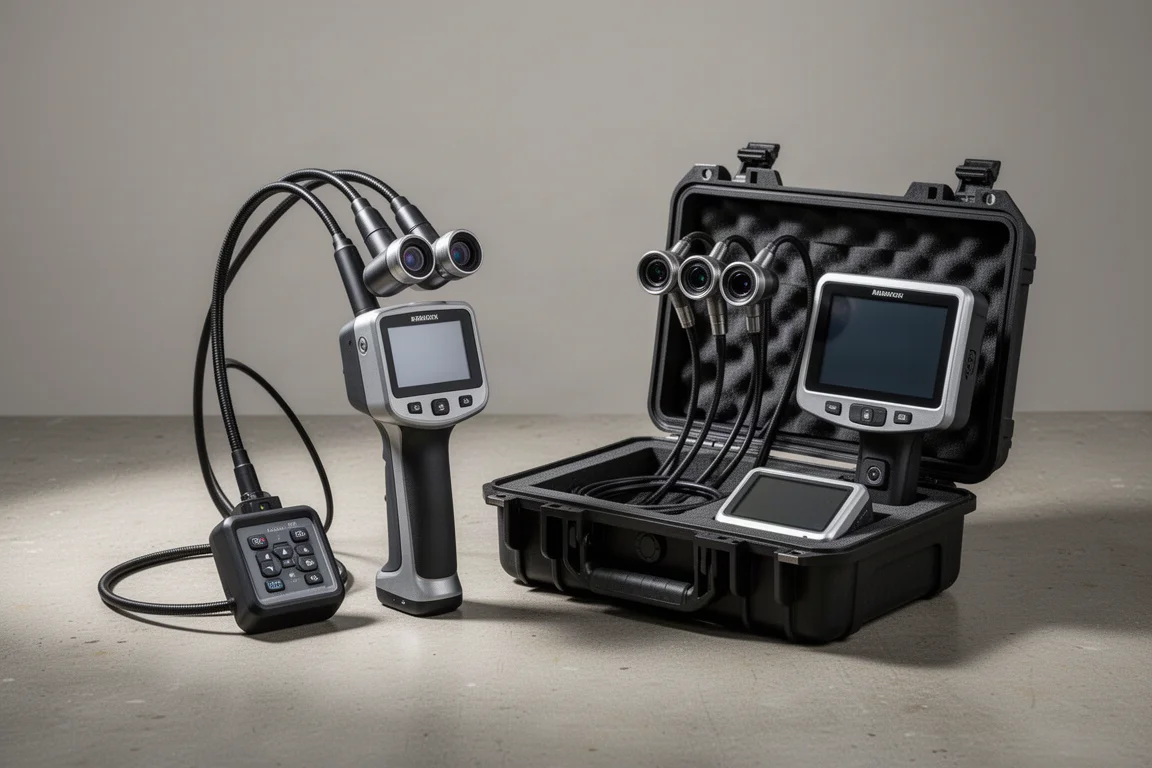
Inspection cameras are the kind of tool you rarely reach for, but when you need one, nothing else comes close. That also means most buyers do not want to spend a fortune on something that sits in a drawer most of the year. This comparison looks at two standalone options that do not rely on your phone: the ilihome P50, a dual-camera inspection system, and the Teslong NTS300, a triple-camera system. Both come in around a similar budget tier, with the ilihome at roughly $70 and the Teslong at roughly $170, and both promise to solve the same basic problem: seeing into places you cannot reach with your eyes.
What Is in the Box
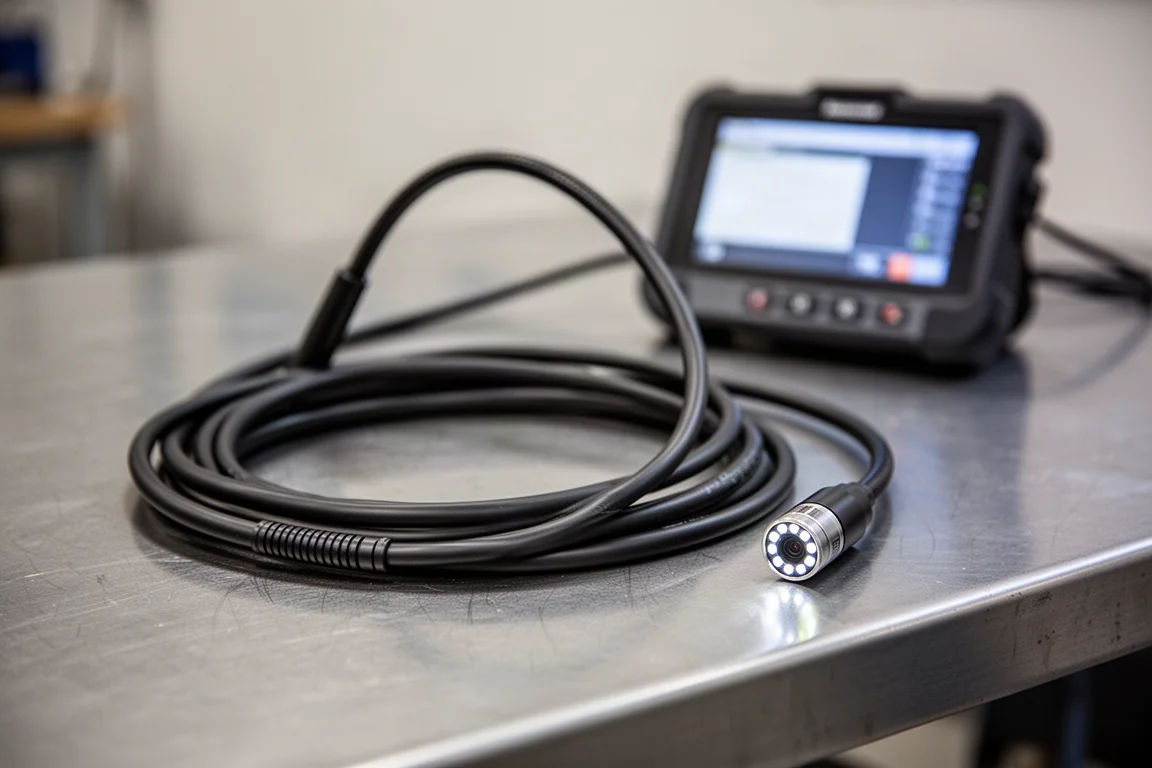
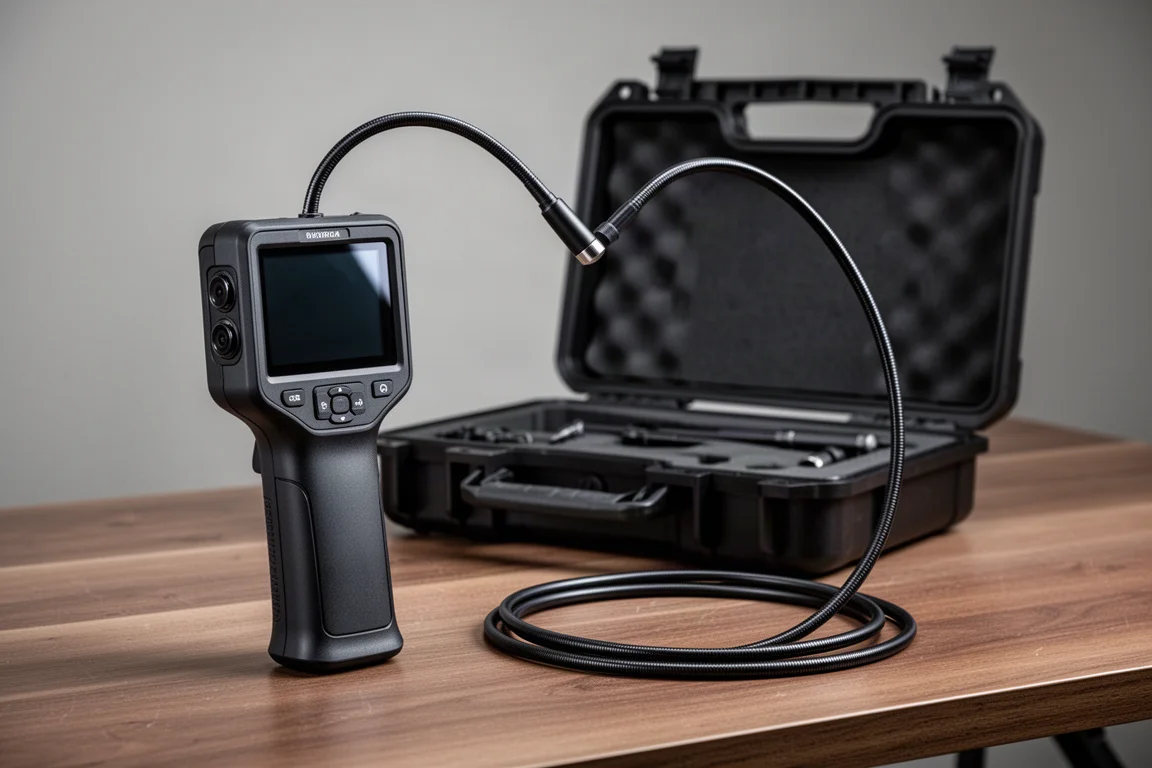
Both units ship with a 32GB SD card, which is a nice touch at this price point. The ilihome P50 arrives in a very small, compact box, keeping the footprint minimal. The Teslong NTS300 comes in a large molded case, which is genuinely useful if you plan to carry the tool around the shop or between jobs. The case is not a premium item, fairly cheap plastic, but it does the job of protecting and organizing the kit.
Out of the box, the two behave differently. The ilihome defaults to dual-camera mode, showing both camera feeds on screen at once, which is a genuinely useful starting point. The Teslong boots into a single-camera view, and you switch between its three camera views manually.
Build Quality and the Cable Problem
Here is the biggest difference between these two, and it matters more than anything else. Both units feel more like toy plastic than tool plastic in the hand, so the real quality test lives in the actual scope cable. The Teslong NTS300 uses a stiffer, semi-rigid gooseneck cable that holds its shape. Bend it into position, let go, and it stays. The ilihome P50 cable is far more flexible, and the moment you bend it, it collapses back or sags, especially as you extend it further out. For general automotive inspection, that stiffness difference has been a huge factor.
The cables are long on both, roughly 16 feet on one and around 12 feet on the other, but length only helps if the cable cooperates. Extending the more flexible cable a long way makes it want to snake and collapse back on itself. One area where flexibility could pay off is pushing the scope cleanly through a straight pipe, where you want it to slide rather than catch on anything.
Picture Quality Tests
The first practical test was photographing a model number printed on a hose, fairly large writing in a reasonably accessible spot. The Teslong got the shot quickly. The ilihome took more effort, mostly because of screen size, on-screen placement, and how hard it was to hold the correct angle with such a pliable cable. Interestingly, the ilihome photo came out slightly crisper once secured.
The second test targeted the model number on an oil filter. Again the Teslong positioned easily thanks to its stiffer cable, but the resulting image was mediocre and the text was hard to read. The ilihome needed a hand deep in the engine bay holding everything steady, something not possible in many real situations, and the photo came out quite well. Without that manual support, the loose camera tip bounced and produced blurry, fuzzy images. Neither unit aced this test, for different reasons.

Video Performance
Video is where the two diverge sharply. The Teslong records video at a stated 1920x1080 on screen, possibly slightly lower for recorded files. The footage is grainy and dark inside an engine, as expected, but it turns out acceptably well with only moderate shake while moving around.
The ilihome is a different story. Its recorded video files would not open on a computer, with the system flagging them as corrupt or unsupported despite being a standard format, which is a real concern if video capture matters to you. Even on the device screen, the video is difficult to watch because the flexible camera tip shakes around so much, especially deeper into the machine. One redeeming note: some text, like filter numbers, read slightly better through the ilihome screen than in the Teslong’s recorded footage.
Ease of Use in the Shop
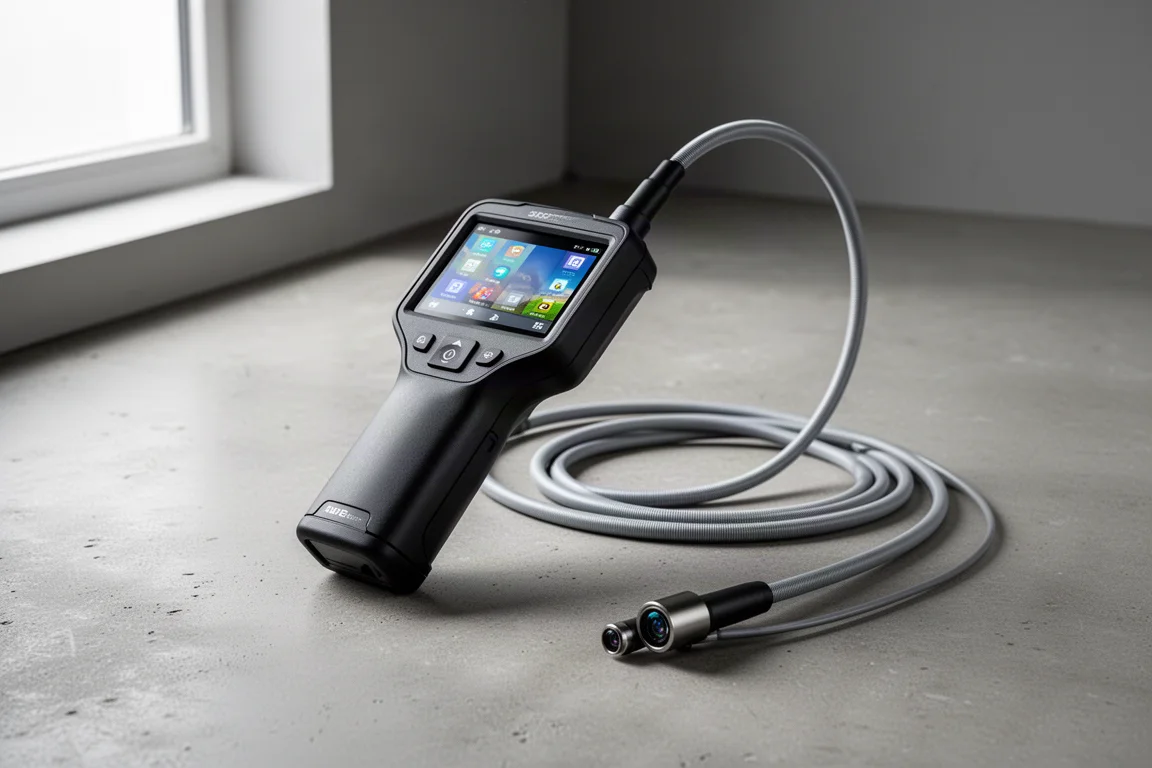
The Teslong NTS300 is refreshingly simple to operate. Modes for photo, video, and playback are cycled with clear buttons, settings are minimal and obvious, and switching between the three cameras is a single button press. Brightness adjustment is a quick scroll. It is arguably one of the easier inspection cameras to use in this class, and the screen shows colors well, including yellows and blues.
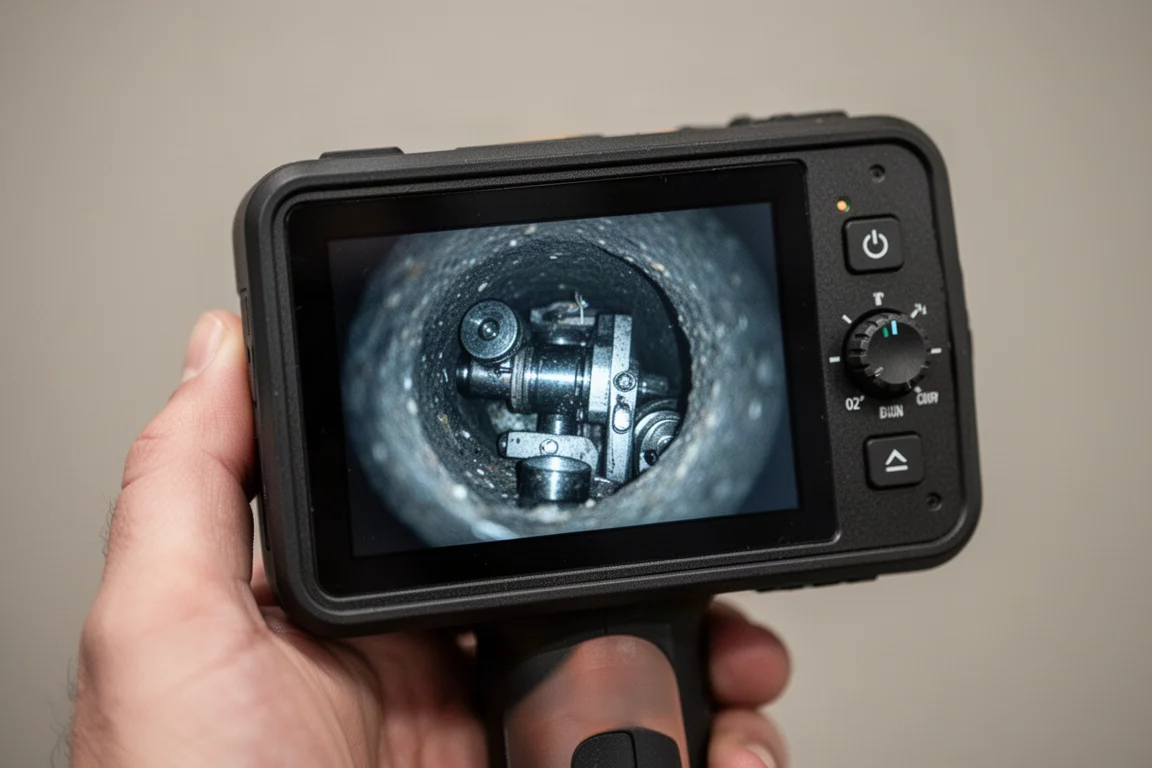
The ilihome P50 also works simply once you learn it: an M button switches between the two cameras or shows both at once, a button press snaps a photo with a brief flash confirmation, and press-and-hold records video with an on-screen timer. Its settings menu is more advanced than the Teslong’s, covering video resolutions, formatting, timestamp toggles, and other options, though most users will never need them. One limitation: you cannot switch camera views while recording, whereas the Teslong allows that. On the plus side, the ilihome screen is very vivid and clear even in a compact size, with a side dial for lighting adjustment, and charging plus the memory slot sit conveniently on the side port.
ilihome P50
The ilihome P50 earns points for its crisp screen, dual simultaneous camera view, slightly sharper still photos when the camera is held perfectly still, and a lower price around $70. The dual-camera default is genuinely handy for getting two angles at once. But the floppy cable undermines nearly everything: getting and holding a usable angle is a struggle, video shakes badly, and the recorded video files failed to open at all. It only makes sense in narrow use cases, such as threading through a clean, straight pipe where a very flexible scope is an advantage rather than a liability.
Teslong NTS300
The Teslong NTS300 at roughly $170 costs more, and its still-photo quality can be mediocre in tight spots. But the semi-rigid cable that bends and stays is transformative for real-world inspection work. You can position the camera and trust it to hold, even extended a long way out. Simple controls, easy camera switching, reliable 1080-class video, three camera views, and a carry case round out a package that simply works in the situations most buyers actually face.
Buying Advice
The single most important factor when shopping for an inspection camera in this category is the cable. If the scope cannot hold the angle you set, getting a good picture, particularly at any distance, becomes next to impossible. That is why the more expensive Teslong is the clear pick here: the two systems are so close in how they operate and how they assemble video that an occasional user could live with either, but only one makes the camera go where you want it to go.
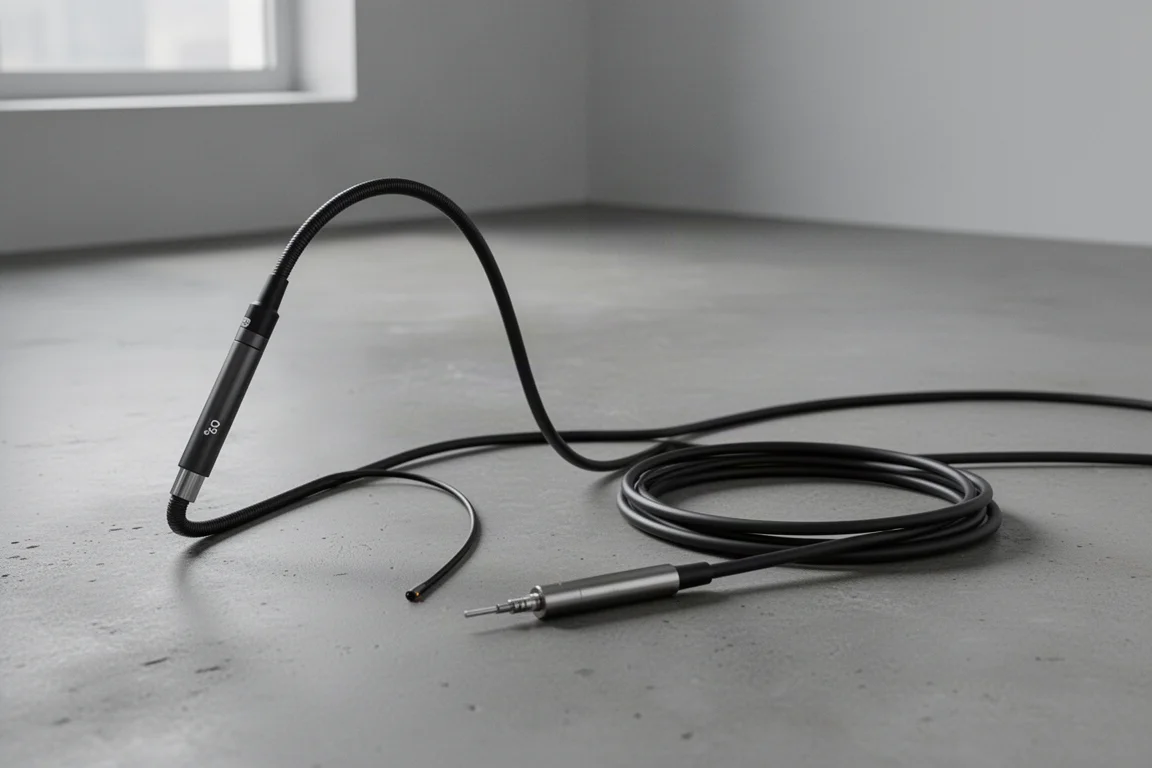
If your use case genuinely demands a very flexible, floppy cord, for example feeding through a clean, unobstructed tube where a stiff cable would catch or jam, the ilihome’s design could work well, though expect limited push power over long runs. For everyone else, prioritize a cable that bends and holds its structure, and you will be in business with almost any model that offers it.
Conclusion
Both of these standalone inspection cameras cover the basics: long reach, included storage, simple photo and video modes, and readable screens. The ilihome P50 offers a sharper screen and dual-camera view at a lower price, but its unstable cable, shaky video, and file compatibility issue are hard to overlook. The Teslong NTS300 costs more, yet its shape-holding cable makes it dramatically more usable in everyday automotive and shop work, making it the safer recommendation for most buyers.
Further reading
Related Reviews
Tools & Workshop
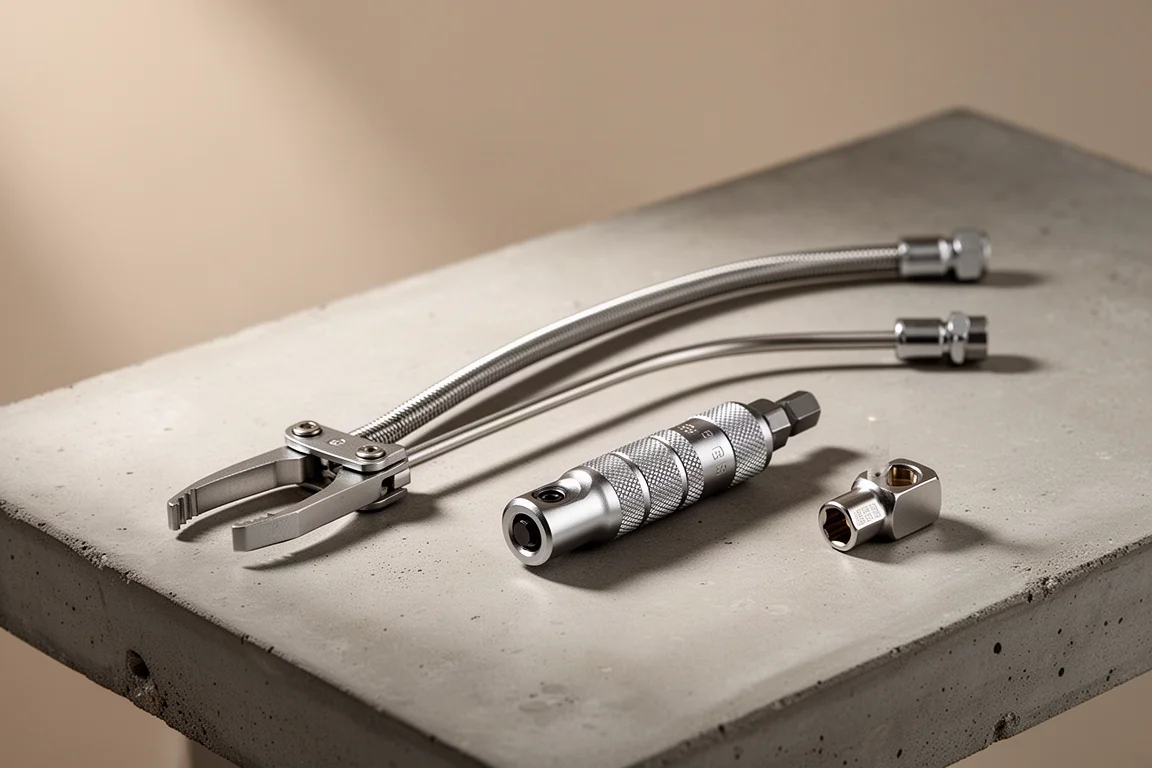
Three Tools That Saved a Tight Dishwasher Installation
A long-reach hose clamp tool, a locking ratcheting bit driver, and a flip socket that earned their spot during a cramped appliance install.
Tools & Workshop
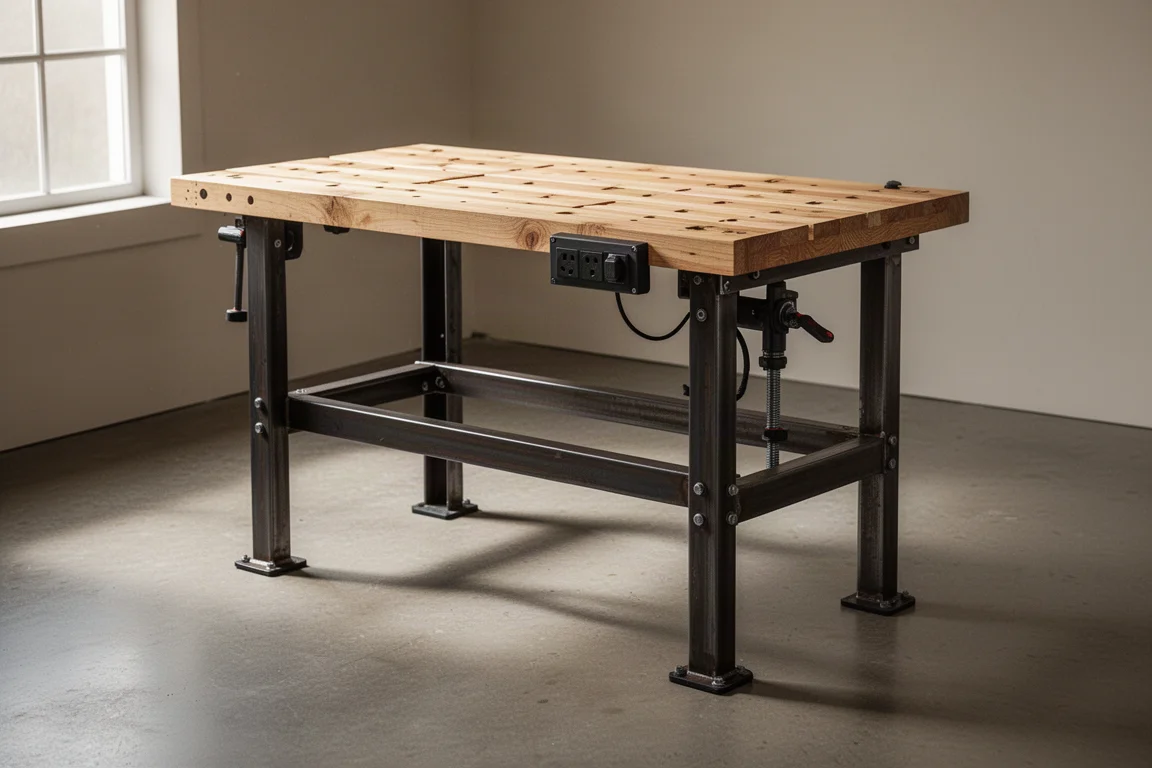
Banggood WB0102 Pro Workbench Review: A Stable, Height-Adjustable Bench for Small Workshops
A heavy, well-priced workbench with a pine top, built-in power strip, height adjustment, and a straightforward assembly that takes under 30 minutes.
Tools & Workshop
Best 50 ft Extension Cords: 15 Cords Put Through Real-World Testing
Fifteen 50 ft extension cords compared on blade strength, abrasion resistance, voltage drop, plug retention, and cold weather flexibility.