Backpacks
ILBE Assault Pack Review: A Bombproof Military Surplus Pack With Real Trade-Offs
A close look at the ILBE assault pack: 725 denier Cordura durability, 1,500 cubic inch capacity, generation compatibility, and the comfort and pricing issues to weigh before buying.
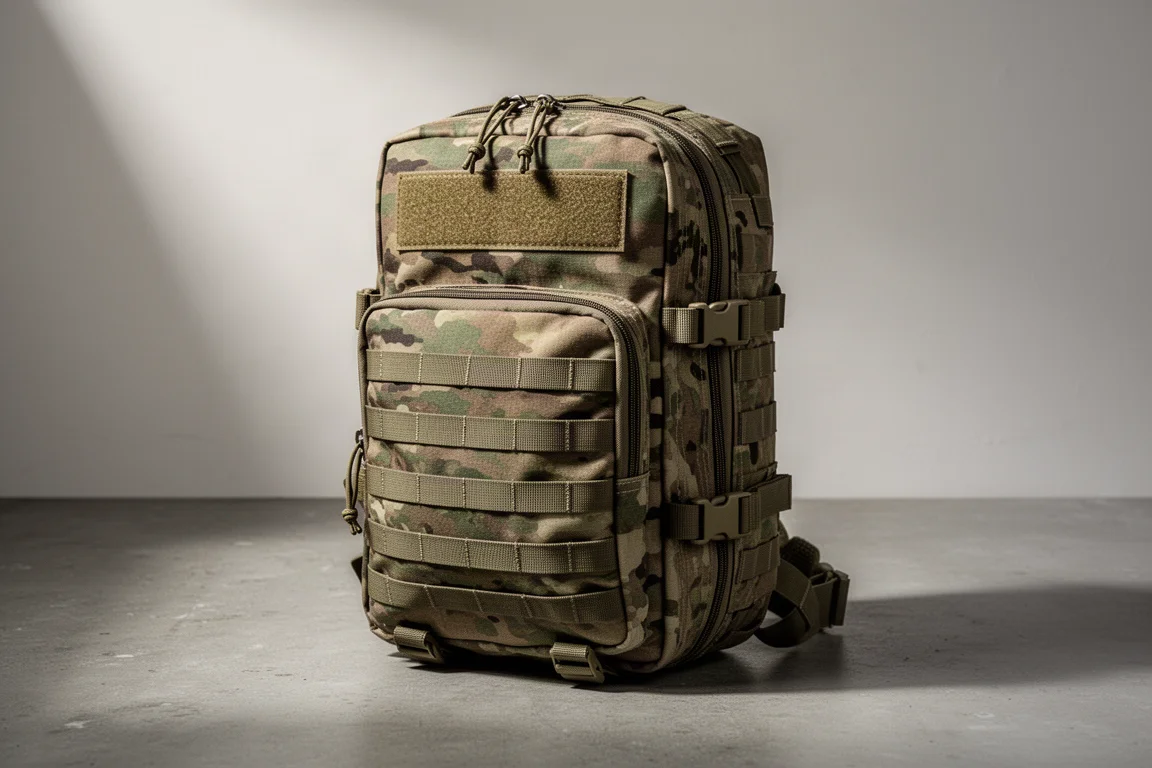
Introduction
The ILBE assault pack is one of those pieces of military surplus gear that earns attention on sight. It is built from 725 denier Cordura nylon, it is compact enough to grab and go, and it carries a reputation for surviving years of hard use. It has also been retired from service, which means nearly every example available today is a used one.
It helps to understand exactly what this pack is. It is a single component of a larger load-bearing system that also includes a full-size rucksack and hydration carriers, and it was designed to carry roughly 40 lb of gear. The idea behind it is straightforward: attach the assault pack to the main rucksack, and if a situation turns critical, drop the large ruck, grab the smaller pack, and move. That role is why it became known as the go to hell pack.
That history explains a great deal about the design, including the parts that cause trouble. What follows covers the specifications, the genuine strengths, and the trade-offs worth understanding before spending money on one.
Key Specifications
- Height: 19 in
- Width: 10 in
- Depth: 8 in
- Weight: 3 lb
- Capacity: 1,500 cubic inches, designed for roughly 40 lb of gear
- Material: 725 denier Cordura nylon
- Zippers: YKK, four in total, with dual pulls at the top
The main compartment uses a two-way YKK zipper, and the front pocket has its own zipper. Inside, there is a hydration sleeve with a port at the top, along with straps that can support a hydration bladder or a radio. A separate internal zipper opens access to the frame sheet.
Two generations of the system exist. Gen 1 uses black buckles and Gen 2 uses coyote brown buckles, along with a few other small changes. The generations are not interchangeable, so an assault pack has to match the generation of the main rucksack it will connect to.
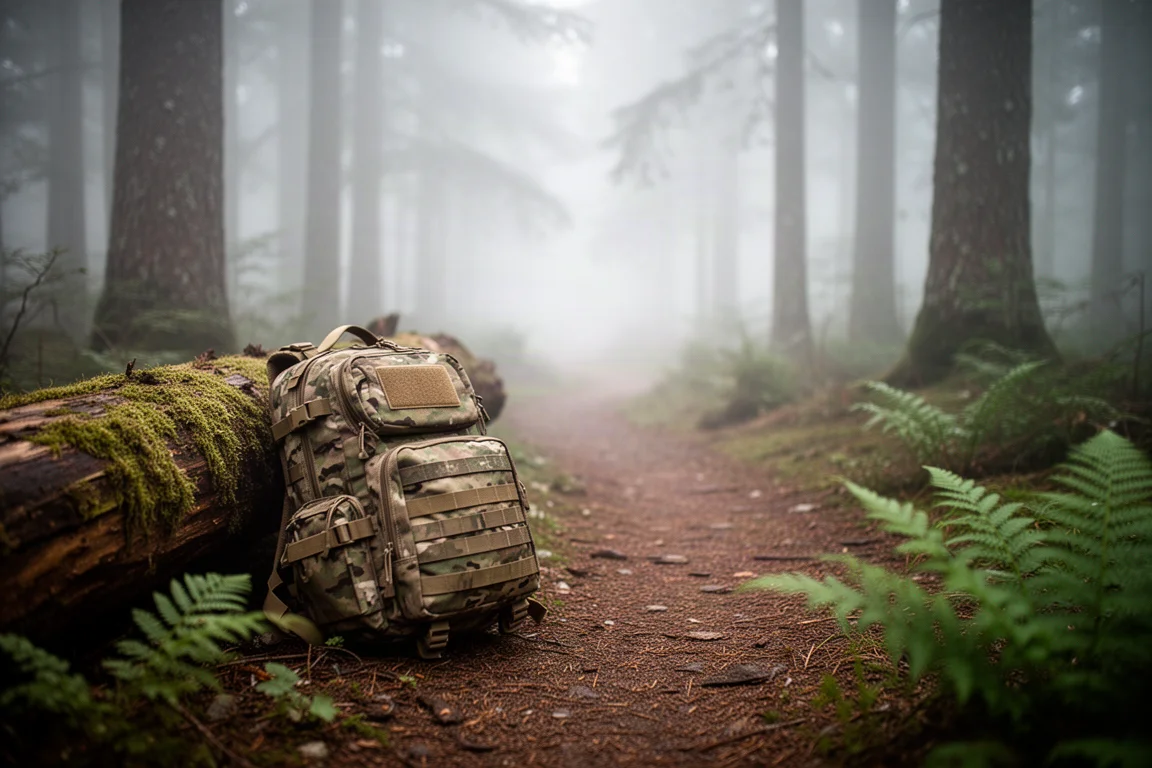
Externally, the layout is uncluttered. There is a reinforced grab handle at the top, six rows of PALS webbing on the front, a zippered front compartment that spans almost the entire face of the pack, and a drainage hole at the base. Each side carries two compression straps and three rows of webbing. The harness includes an adjustable sternum strap, two elastic loops, quick-release buckles, and a waist belt that can be stowed in a compartment at the bottom of the pack.
Who This Pack Is For
This is a sensible purchase for a specific kind of buyer. Collectors of military surplus gear, anyone who already runs an ILBE main rucksack of the same generation, and people who value a simple, extremely durable day pack will find a lot to appreciate here.
It also suits buyers who want a pack with real expandability. The generous webbing coverage means pouches and pockets can be added to shape the pack around a particular load, and the design is simple enough that there is very little to break.
Anyone shopping for maximum comfort, generous internal organization, or a low-key look in town should read the next two sections carefully before deciding.
Main Strengths
Durability is the headline. This is a genuinely tough pack, the sort of construction people describe as bombproof, and its long service history supports that reputation. If the priority is a pack that keeps working year after year, it delivers.
The design is also refreshingly simple. There are no complex mechanisms and no unnecessary features, just a straightforward assault pack with a main compartment, a front pocket, and a frame sheet. Fewer parts means fewer failure points.
Load capacity is respectable for the size. It is rated around 40 lb, and the side compression straps work well in both directions: cinch the pack down when it is lightly loaded, or expand it when more gear needs to fit. For anyone running the full system, the pack can be attached to the matching-generation main rucksack, which is the configuration it was built for.
Weight is another point in its favor. At 3 lb, it is light for a military surplus assault pack, and that is an impressive figure given the fabric and hardware involved. Finally, the digital camouflage pattern is a genuine draw for some buyers. Opinions split sharply on it, but if the look appeals to you, this pack has it in abundance.
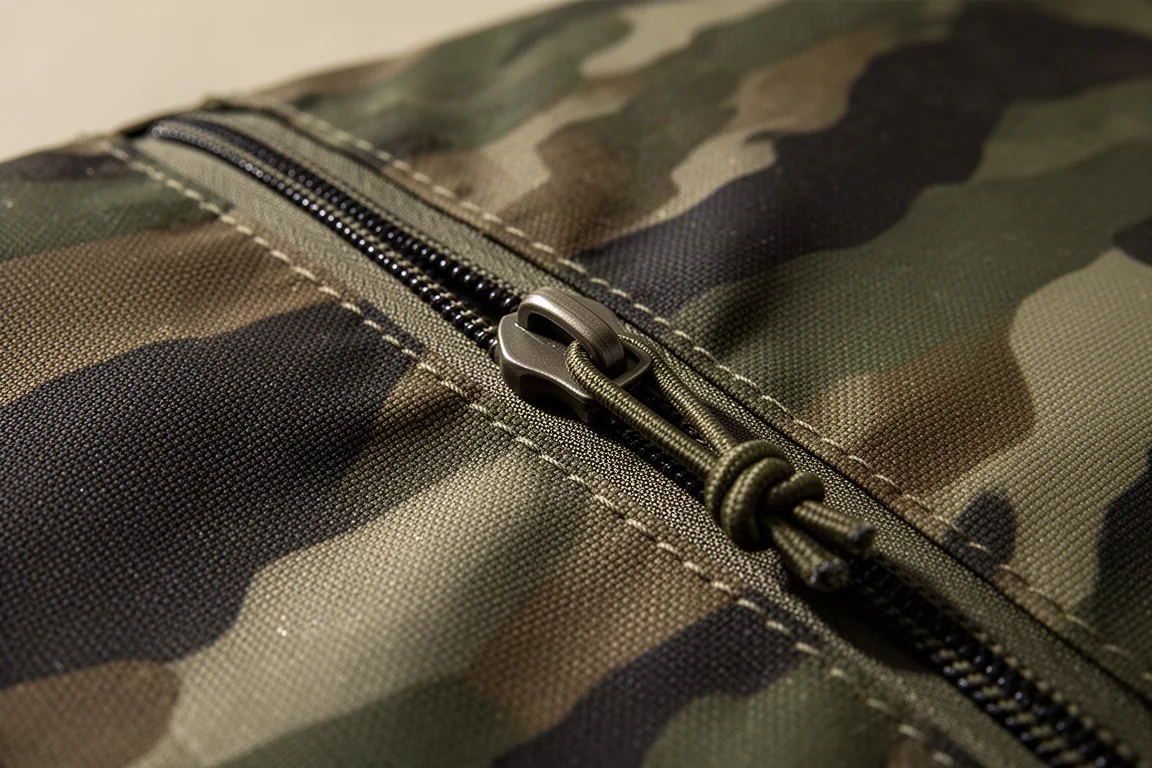
All of that adds up to a pack that earns its keep on durability and adaptability rather than on refinement. It is the kind of gear that asks you to accept a plain, hard-wearing design in exchange for years of dependable use.
Things to Consider Before Buying
Comfort is the first and largest concern. The harness system is thinly padded, and with even a modest load inside the pack, it makes itself felt. Worn over a light shirt, it is simply not comfortable. The shoulder straps and the quick-release buckles also have a tendency to rub against the ribs, a known issue with this system. Cold-weather use helps noticeably, since a sweater or jacket adds a layer of cushioning, but the improvement is a matter of degree rather than a fix.
The back panel is the second issue. It is completely flat, with no lumbar support, no raised sections, and no channels. That means very little structural support and poor ventilation. On a warm, humid day, or on any sustained climb, the back soaks through, and the pack is slow to dry once it does. Moisture works into the back panel and the harness and lingers there.
Organization is minimal. There are only two pockets, the front compartment and the main compartment, and nothing beyond that. Some people are perfectly happy with this, while others will want more separation for their gear.
The camouflage pattern deserves honest consideration as well. It looks right on a trail, but it draws attention in everyday civilian settings. Buyers who prefer to go unnoticed will likely want a solid-color pack instead.
Used condition is the final variable. Because these packs saw service, condition varies widely between examples, and it is worth reviewing photos carefully and asking direct questions about the state of the zippers, buckles, and fabric before committing.
Real-World Use and Load Carrying
In daily use, the pack is well suited to day hikes. It swallows the essentials for a few hours out, carries the weight comfortably enough at moderate loads, and stays out of the way on the trail thanks to the compression straps.
Overnight trips are a different matter. Making this work as an overnight bag requires going genuinely minimal, and even then it is a stretch rather than a natural fit. Anyone planning regular multi-day use should look at a larger pack rather than trying to force this one into that role.
The practical sweet spot is a light-to-moderate load over a shorter distance. Keep the weight sensible, use the sternum strap and waist belt to stabilize the pack, and the flat back panel becomes far less of a nuisance than it is when the pack is heavily loaded on a hot day.

It is also worth remembering what this pack was designed for. It is a grab-and-go component of a larger system, built to carry the essentials a person needs in a critical situation. Judged against that brief, it makes sense. Judged as an all-day comfort-focused hiking pack, it does not.
Who Should Skip It
Buyers who prioritize comfort and ventilation should look elsewhere. The thinly padded harness and the flat, non-ventilated back panel are not quirks that improve with use, and anyone sensitive to pressure points or heavy sweating will notice them immediately.
The same applies to anyone who wants generous internal organization, a discreet look for everyday carry, or a pack that works as a comfortable overnight option. The camouflage pattern, the two-pocket layout, and the limited volume all point away from those use cases.
Finally, buyers who are not collectors and not running a matching-generation rucksack should think hard about whether the current market price makes sense for what the pack offers.
Buying Advice
Pricing is the crux of the decision. These packs were once inexpensive on the surplus market. Examples have been found for around $25 in excellent condition only a few years ago. Today, the going rate sits at roughly $130, and some listings climb above $200.
At those levels, the value proposition changes completely. For around $30 to $40, this pack is an easy recommendation for anyone who wants a tough, simple beater. At $130 and above, it is difficult to justify unless you are a collector or you specifically need a matching-generation component for an existing ILBE rucksack.
If you do decide to buy, treat it as a used-gear purchase. Most examples come through online surplus listings, so review the photos closely, confirm which generation the buckles belong to, and ask questions about the condition of the zippers, the frame sheet, and the fabric before you commit. A well-kept example will last, but condition varies a great deal from one pack to the next.
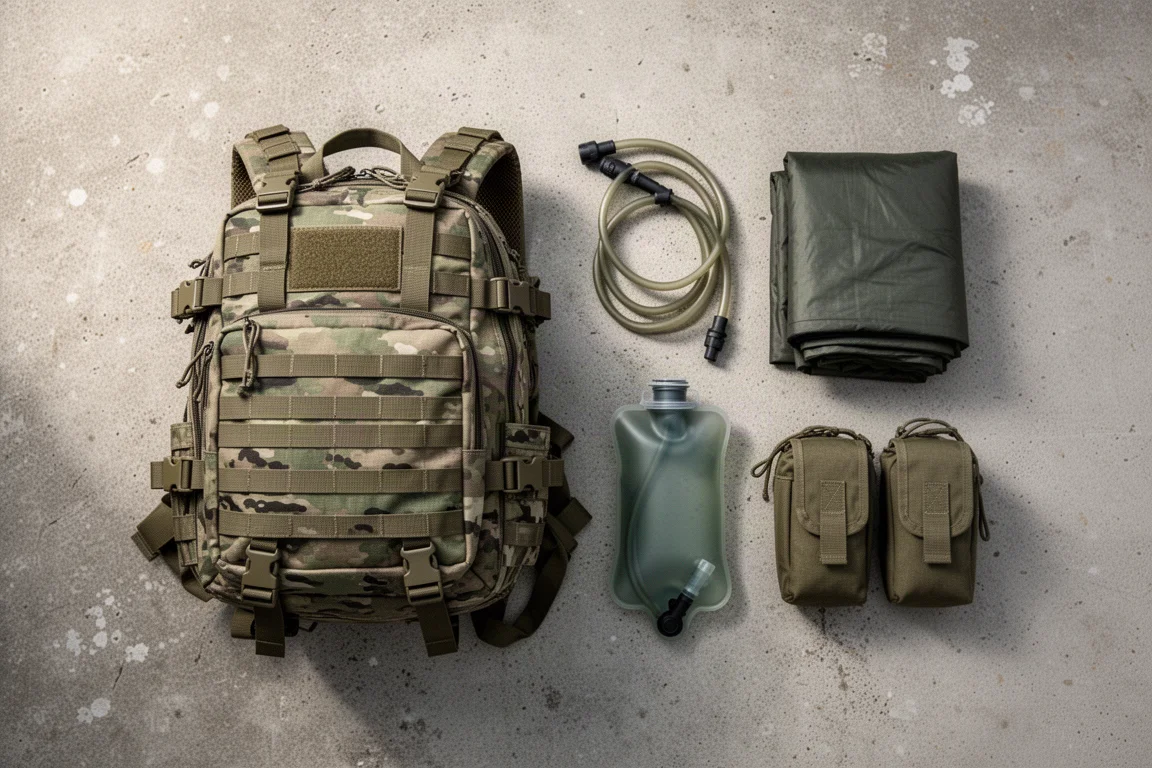
One final point on expectations: newer assault packs on the market today offer better comfort than this design does, and that gap has widened over the past few years. The ILBE assault pack remains worth owning on its own terms, as a durable, simple, historically interesting piece of surplus gear, but it is no longer the obvious pick it once was.
Conclusion
The ILBE assault pack is tough, simple, and light for what it is, and those qualities have not faded. It is also thinly padded, poorly ventilated, and slow to dry, and its used price has risen to a point where the trade-offs matter more than they used to.
Buy it if you collect military surplus gear, if you need a matching-generation component for an ILBE rucksack, or if you find a clean example at a genuinely low price. Skip it if comfort, ventilation, organization, or a low-profile look matter more to you than sheer durability. Both are reasonable positions, and the pack’s long service history explains why it still has a following.
Product link
View more details for ILBE Assault Pack
This product is mentioned in the review. Check the specifications, options, and compatibility before buying.
View more details for ILBE Assault PackFurther reading
Related Reviews

Backpacks
Best Backpacks 2026: Laptop Protection, Durability, and Comfort Compared
We tested 12 backpacks from $18 to $350 for laptop protection, durability, back padding, comfort, zipper smoothness, and water resistance.
Backpacks
Best Backpacks Under ₹500 in India: Five Practical Options Compared
Five backpacks tested side by side, from budget-friendly to premium Indian brands. Real strengths, trade-offs, and honest buying advice for daily use.
Backpacks
Decathlon Trek 100 70L Backpack Review: Serious Value for Backpacking
A 70-litre backpacking pack with a torso system you can adjust while wearing it, a rigid frame, and a 10-year warranty for $120.