Running Shoes
How to Build the Ideal Running Shoe Rotation: 8 Shoes for Every Role
From the daily trainer to the race day shoe, a practical guide to building a running shoe rotation that keeps you healthy, consistent, and excited to run.
Introduction
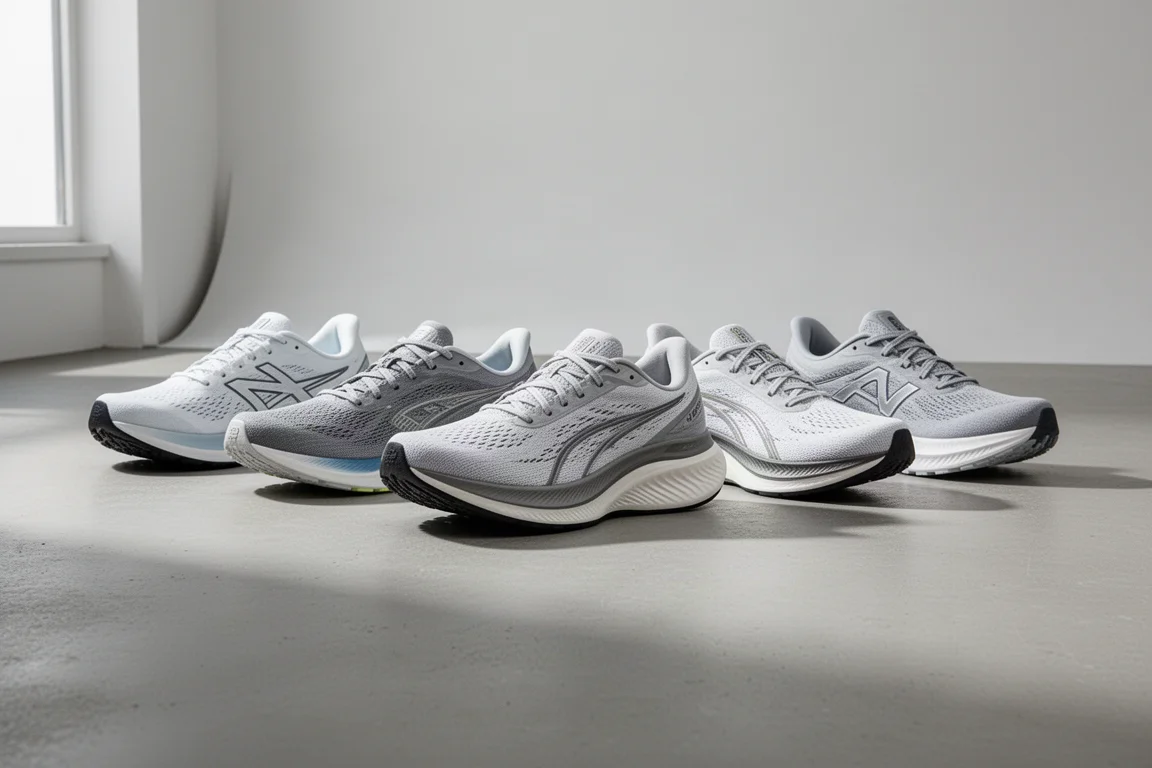
How to build an ideal training rotation is one of the most common questions in running, and for good reason. This sport has two sides: the performance side and, for many of us, the hobby side. A well-built rotation bridges both worlds. It keeps you healthy, helps you execute on your training, and gives you shoes that genuinely excite you enough to get out the door each day.
The approach below starts with the one true rotation and builds all the way up to a five or six shoe collection. Each step adds a shoe with a clear job, so every pair earns its place on your shelf.
Why a Rotation Matters
Rotating through multiple shoes is one of the best supported ways to avoid injury. Shoes with different drops, different foam softness, and different stack heights activate different muscles in your legs. Running every mile in a single pair can concentrate load on the same tissues and potentially lead to overtraining, especially when you are running a lot.
A second and third pair mix things up and round out the muscles you use, which is why even a two-shoe rotation counts. You do not need a huge collection to benefit; you just need each shoe to bring something the others do not.
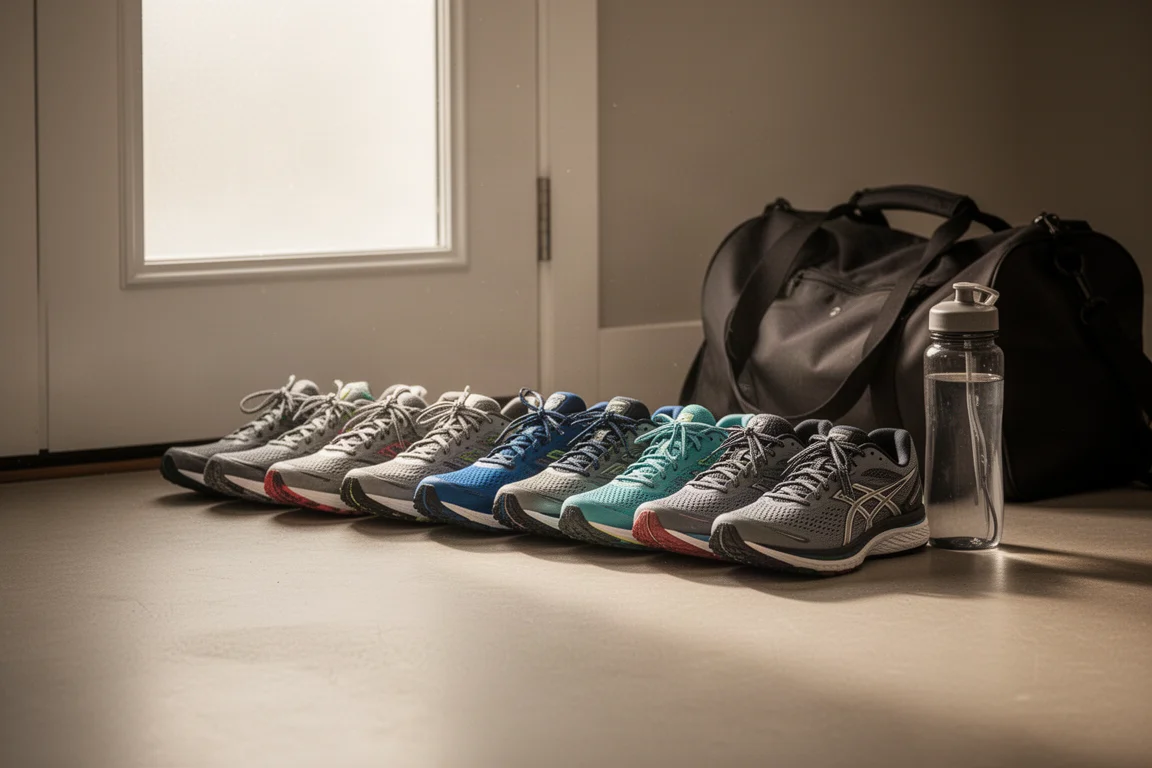
The building block for every rotation is the daily trainer, and everything else builds around it. Once that foundation is in place, adding the right second shoe becomes a much simpler decision.
How to Choose Each New Shoe
Every addition to a rotation follows the same three question decision tree. First: what is already working? If your daily trainer is firm and low profile and you enjoy that feel, do you want your next shoe to stay in that lane, or try something new like a rockered geometry? Second: what role is missing, whether that is racing, faster training, or recovery running? Third: what do you actually want from the shoe underfoot?
Answering those three questions keeps a rotation coherent as it grows from two pairs to five or six. The roles below map directly onto those answers.
The Daily Trainer: The Foundation of Your Rotation
The daily trainer is the shoe you can reach for no matter what is on the schedule. Whether you are training for a marathon, a half marathon, or a 5K or 10K, this is the pair that eats up the bulk of the mileage on your training calendar, and it should also be able to support a two hour long run. Most daily trainers land around $130 to $140, with some more affordable picks closer to $100.
A good daily trainer is supportive, decently lightweight (under 10 oz for men is a reasonable benchmark), and, most importantly, simply feels right for you. There is huge variation in this category: some daily trainers run firmer, some softer. That variation means different shoes suit different runners, because none of our bodies or preferences are exactly the same.
Nike Pegasus: The Balanced Everyday Pick
The Nike Pegasus is a classic choice for the daily trainer slot. It is not the softest shoe in the category, but it rides slightly softer and more flexible than firmer daily trainers, which makes it a nimble option for the bulk of your miles. It also works as one half of a two-daily-trainer setup, pairing a firmer shoe for part of the week with the Pegasus for softer, quicker days.
Saucony Novablast: Comfortable Miles for Everyday Training
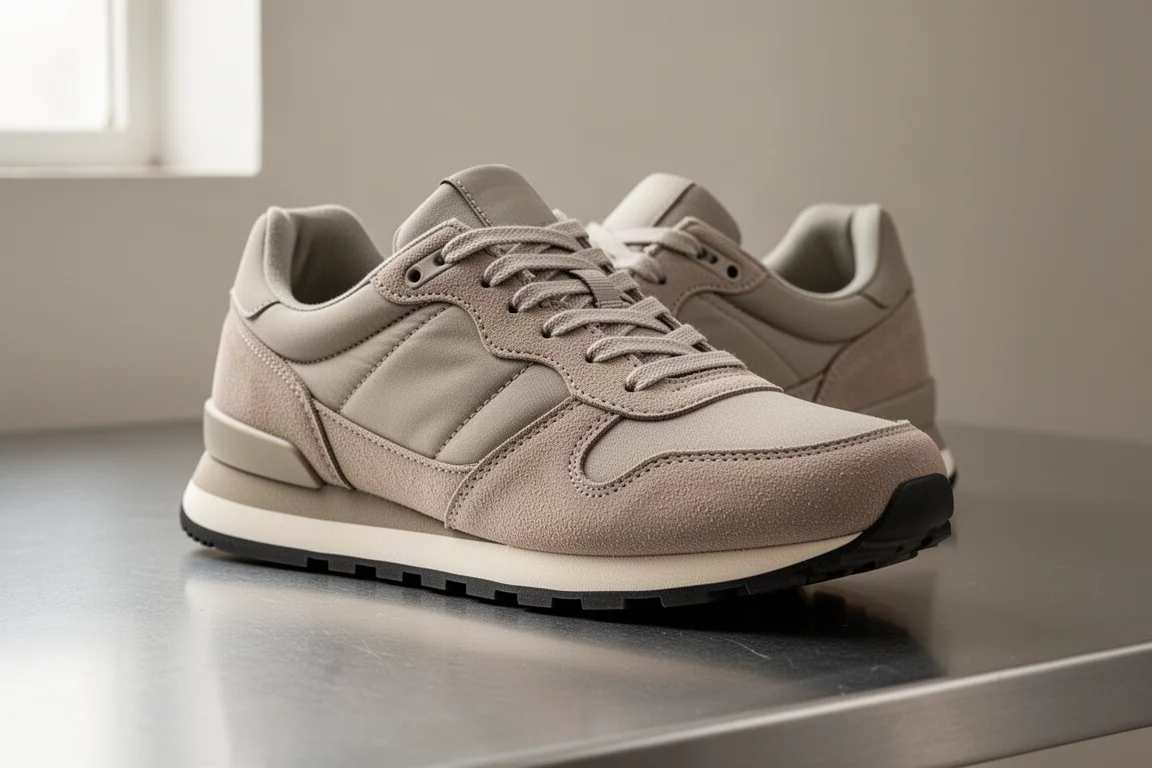
The Saucony Novablast is another solid daily trainer option, frequently mentioned alongside the Pegasus for the first slot in a rotation. It delivers a comfortably cushioned ride for normal miles while remaining versatile enough to anchor your weekly mileage and longer efforts.
The Lightweight Tempo Shoe
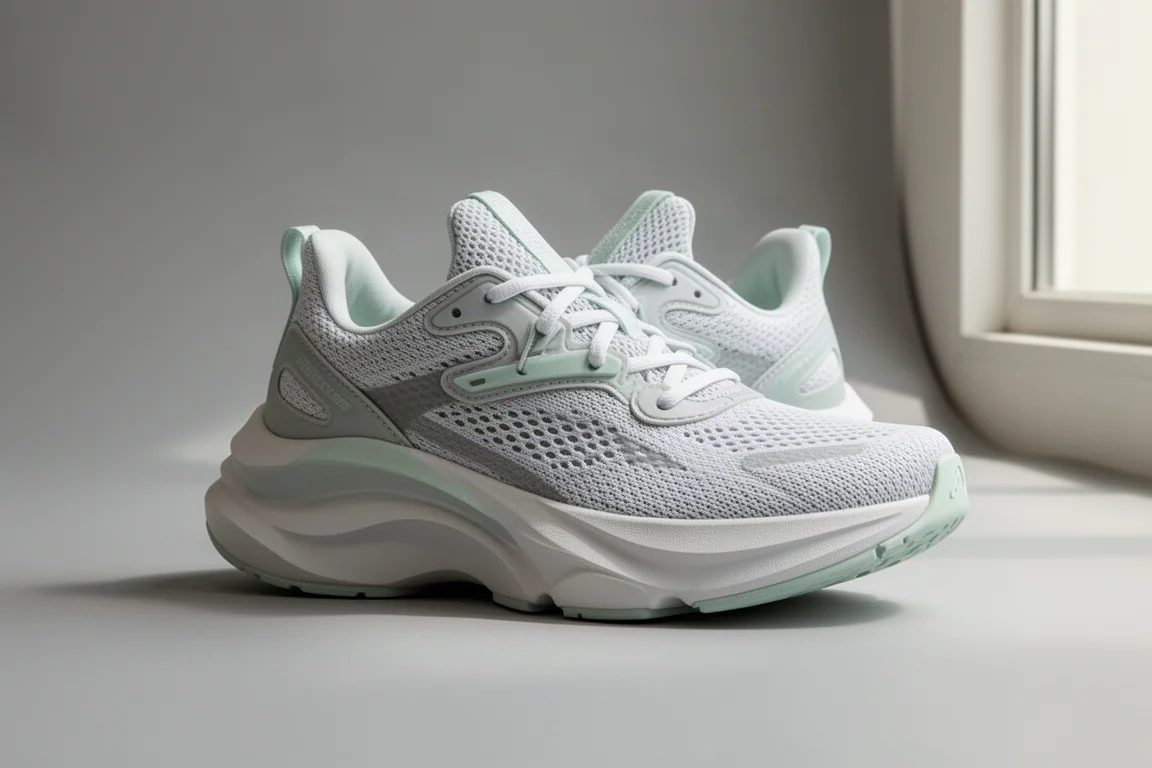
Once you have a solid daily trainer, the ideal second shoe is something that complements it well: a lightweight option you can use for uptempo work and workouts, and potentially even races. The key is that this shoe supports the faster work your daily trainer is not built for.

The smart way to choose it is to start from what is already working. If your first shoe is firm and low profile and you like that, look for a tempo shoe that stays in that lane. If you would rather add variety, a softer, more rockered, still-lightweight option can bring a genuinely different feel instead of duplicating what you already own.
Brooks Hyperion Max: Speed With Everyday Potential
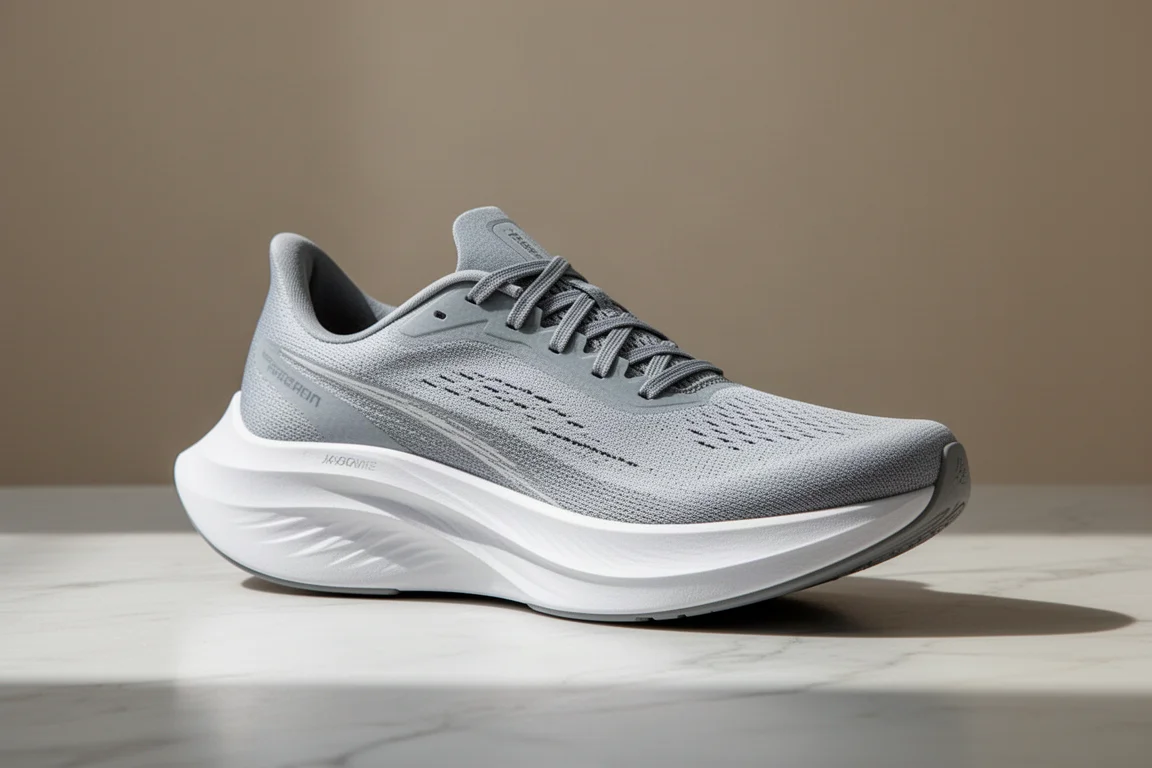
The Brooks Hyperion Max fits this second-shoe role nicely. You can technically use it for everyday training, but it earns its spot best when you mix it in on the days you want to go a bit faster, covering uptempo runs and structured sessions with a lighter, quicker feel.
The Race Day Shoe
The third shoe worth adding is the race day shoe, and it is the king of your rotation. This is what you pull for on race day and, once you start structured training, the one you will want for key sessions. These shoes typically feature carbon fiber plates, soft and bouncy PEBA-based foams, and price tags of about $200 or more, so they are a real investment.
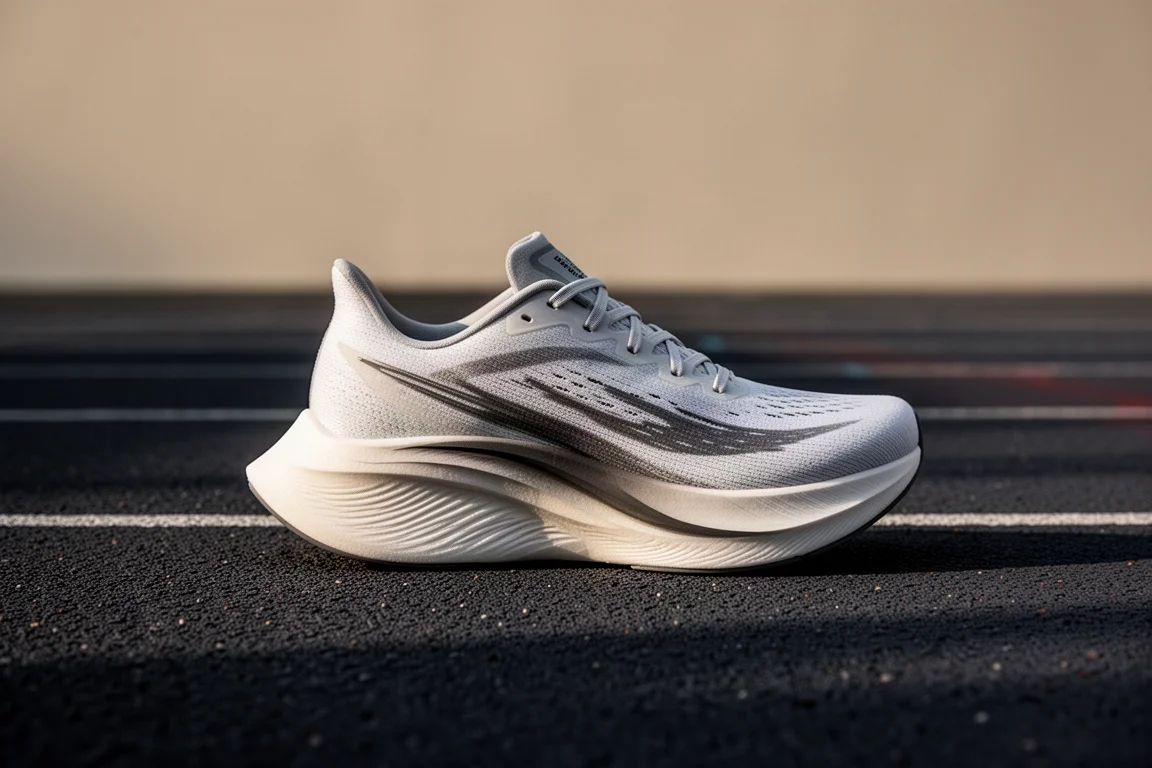
There are dozens of options, but two that tend to work well for runners are the Nike Vaporfly 3 and the Saucony Endorphin Pro 3. One challenge: many of these shoes are not stocked in specialty running stores, so trying before buying is difficult. The practical workaround is to order online from a retailer with a good return policy, test them at home or on a run within that window, and see if they work for you. Be ready for an adjustment period, because the rocker and the plate genuinely alter your mechanics compared with a daily trainer. Used properly, on the back of a good training build, they can help shave minutes off your race PRs.
Nike Vaporfly 3: The Race Day Benchmark
The Vaporfly 3 is one of the most consistently recommended race shoes, combining a carbon fiber plate with soft, bouncy PEBA-based foam. Beyond race day, it can pull double duty on long runs or workouts where you want extra snap, though many runners prefer to keep plated shoes for racing and key sessions only.
Saucony Endorphin Pro 3: The Worthy Alternative
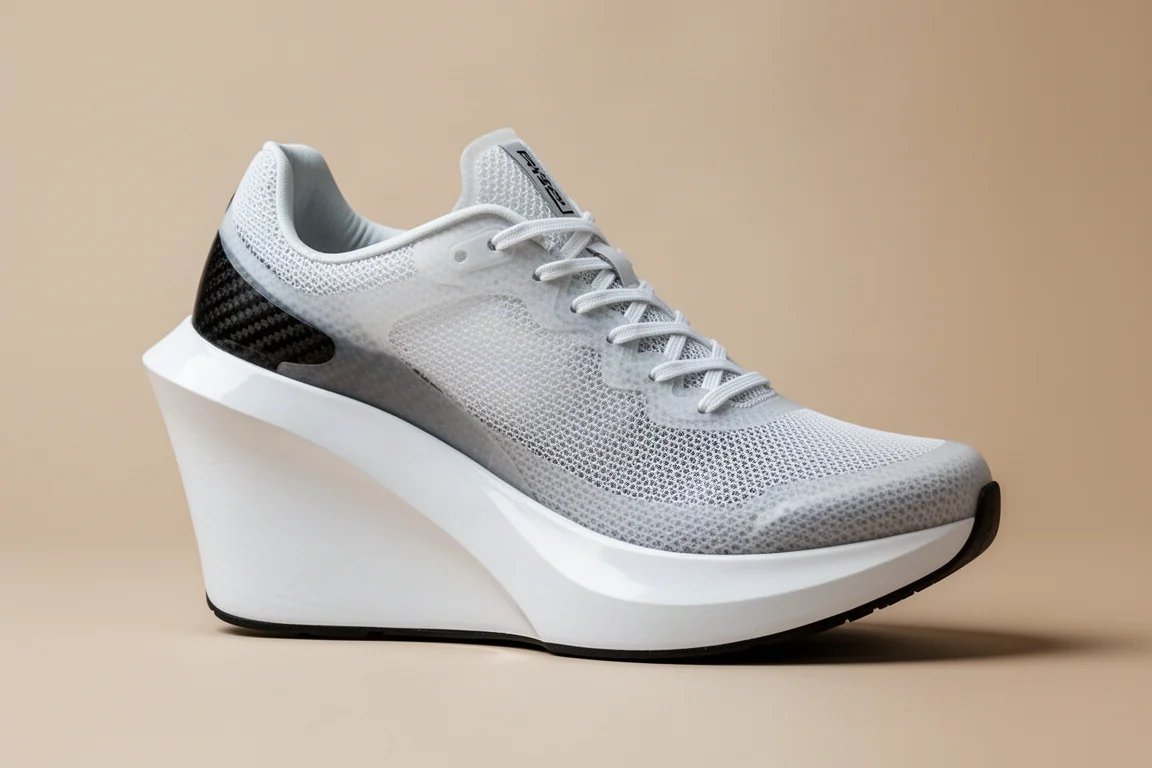
The Endorphin Pro 3 is the other race day shoe that tends to come up alongside the Vaporfly 3 as a pick that works well for runners. If the Vaporfly does not feel right on your foot, the Endorphin Pro 3 is the obvious next option to test through the same try-at-home, easy-return approach.
The Recovery Shoe
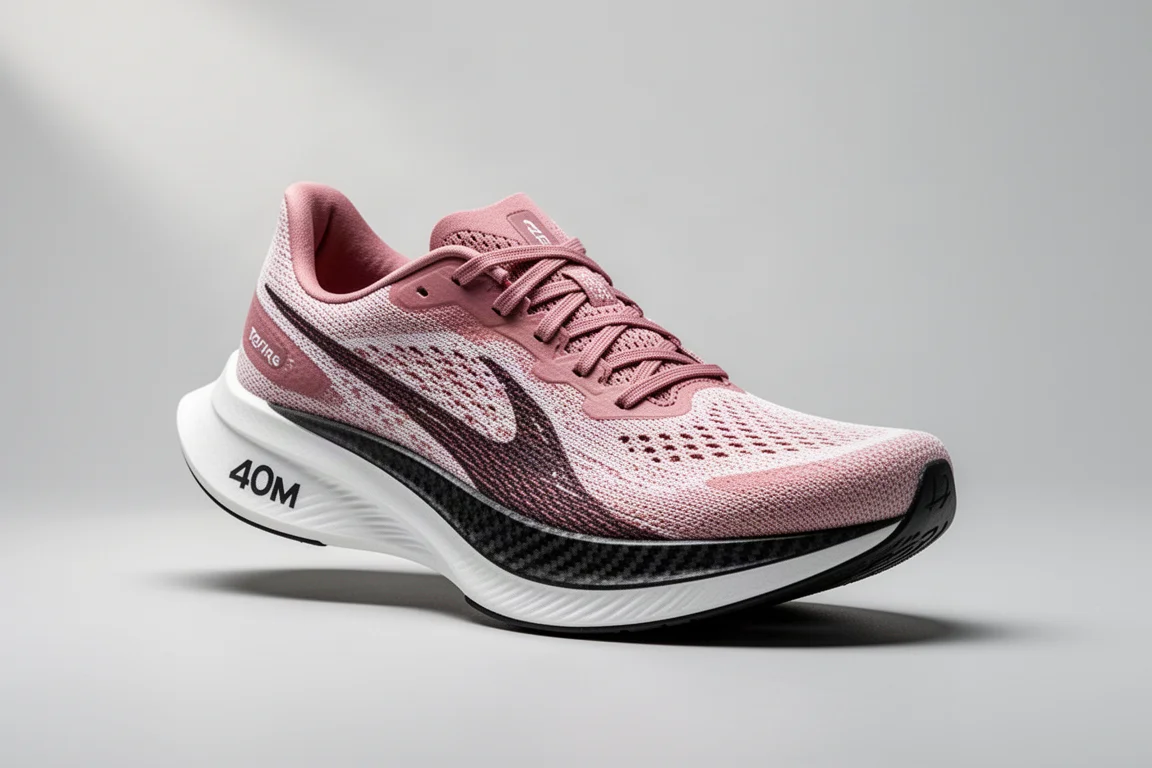
The last shoe to consider adding is the recovery running shoe, arguably the most specialized tool in your rotation. This is the pair you pull only on your slowest days. The ASICS GEL Nimbus 25 is a current favorite for this role, with the Saucony Triumph 20 and the Saucony Endorphin Shift 3 also proving themselves in the same job.

The right time to add a recovery shoe is when you ramp up your mileage and want something dedicated to very slow miles, or for the days you feel flat after hard workouts. These shoes are not the most versatile, so they belong fourth or fifth in the rotation, once you already have a daily trainer, ideally a second daily trainer, a workout shoe, and a race day shoe.
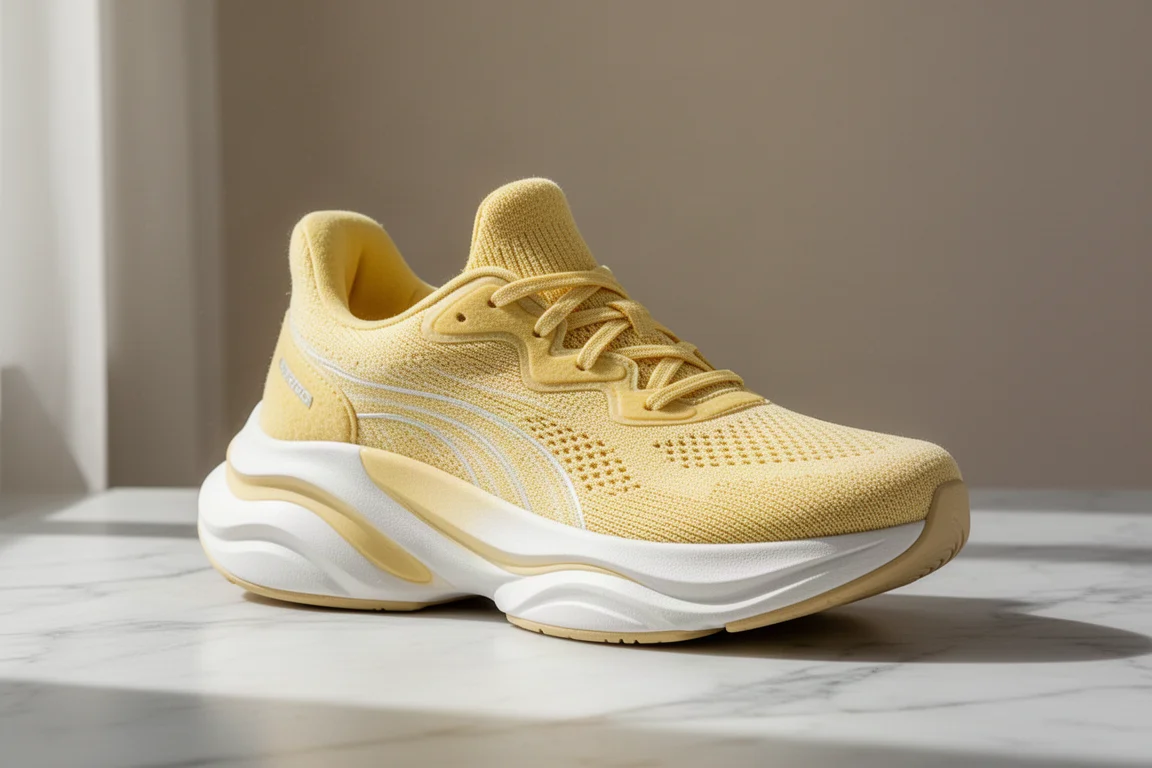
ASICS GEL Nimbus 25: Plush Miles on Your Slowest Days
The GEL Nimbus 25 is the benchmark for the recovery role. It is built to take the load off on easy days, which matters most once you are running 50, 60, or 70-plus miles per week and every bit of underfoot comfort counts.
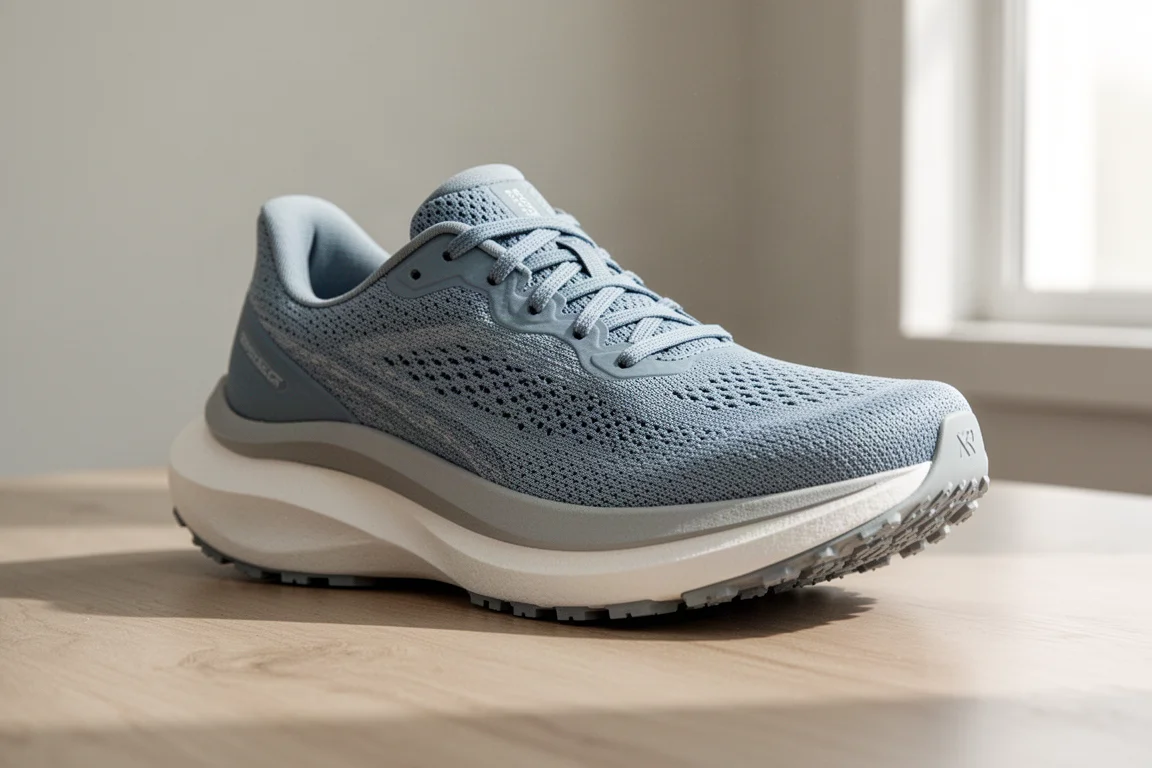
Saucony Triumph 20: A Proven Recovery Alternative
The Triumph 20 has spent real time in the recovery slot and rewards you with a comfortable ride for easy days. It is a sensible pick if you want a cushioned shoe dedicated to slow miles within a bigger rotation.
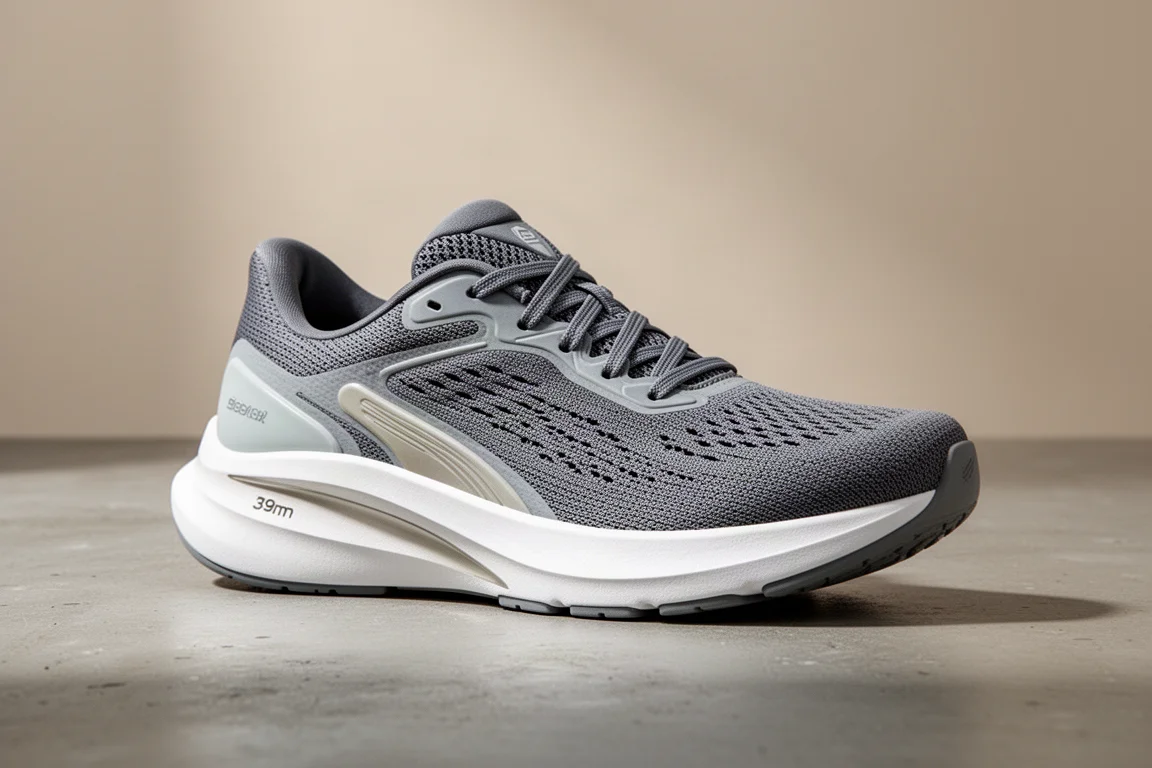
Saucony Endorphin Shift 3: The Third Recovery Option
The Endorphin Shift 3 rounds out the recovery picks, giving runners another cushioned option for the days when the legs need a break. Like the Nimbus 25 and Triumph 20, it is a specialized tool, best deployed once the rest of your rotation is already covered.
Conclusion
A rotation does not need to be big to be effective. Start with a daily trainer that fits your preferences, add a lightweight tempo shoe for faster work, invest in a race day shoe when you have goals worth chasing, and finish with a recovery shoe once your mileage justifies it. Built in that order, every pair has a job, your legs see varied loading, and your rotation becomes the thing that keeps both the performance side and the hobby side of running alive.
Further reading
Related Reviews

Running Shoes
Best Road-to-Trail Running Shoes: Three Versatile Options for Mixed Terrain
A practical guide to three road-to-trail running shoes that handle both pavement and mild trails, with clear strengths and trade-offs for different runner types.

Running Shoes
Best Running Shoes for Achilles Tendonitis: Three Options Explained
Three running shoes with different heel drops and support features designed to help reduce Achilles tendon pain during walking and running.

Running Shoes
Best Running Shoes for Women: Five Top Choices Ranked
A ranked guide to five women's running shoes, from versatile daily trainers to high-performance racing options, with real strengths and trade-offs for each.