Workshop Accessories
Icon Light Bar vs Budget Rechargeable LED Light Bars: Lighting Your Tool Hutch for Less
A practical comparison between Harbor Freight's Icon light bar and a much cheaper rechargeable LED motion-sensing alternative for illuminating work center hutches.
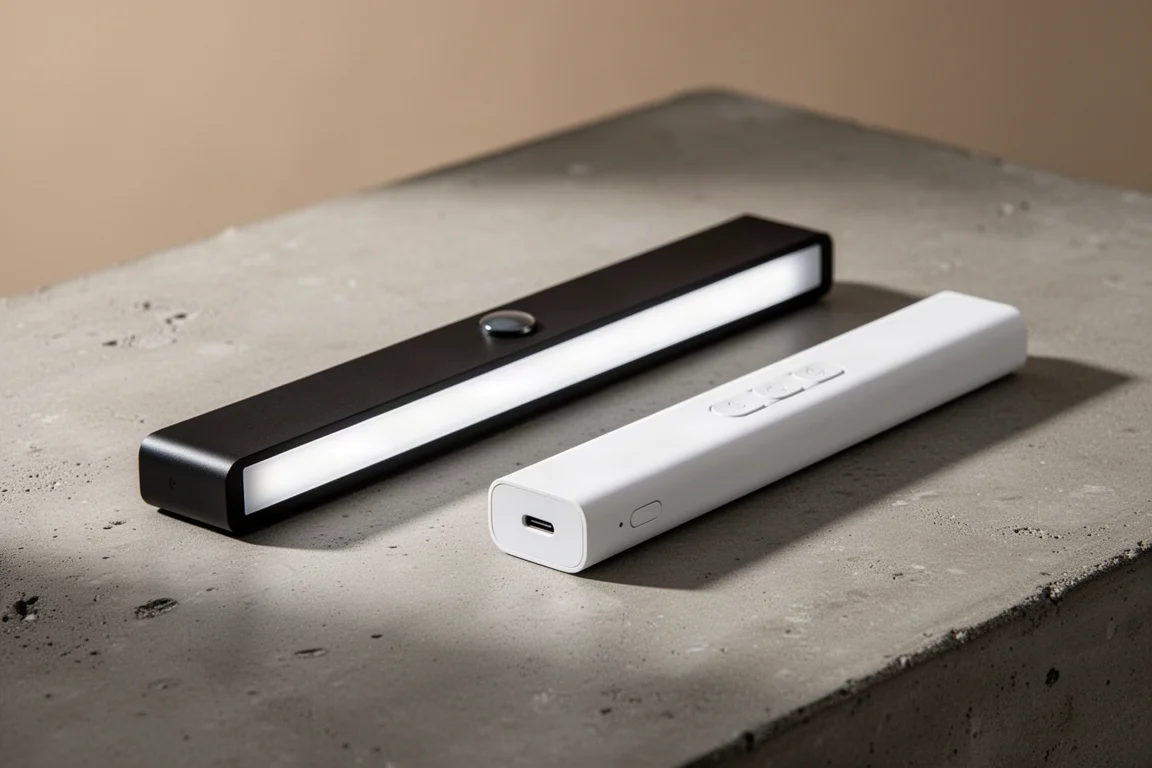
Introduction
A work center hutch adds a huge amount of storage above a roller cabinet, but most of them share one frustrating flaw: the interior is dark. Stand in front of it and you block every nearby light source, leaving shelves and tools in shadow. Harbor Freight’s Icon light bar has become the go-to fix at around $100, but a much cheaper rechargeable LED alternative makes you ask whether the premium option is really necessary. Here is how the two stack up.
Why Hutches Need Their Own Light
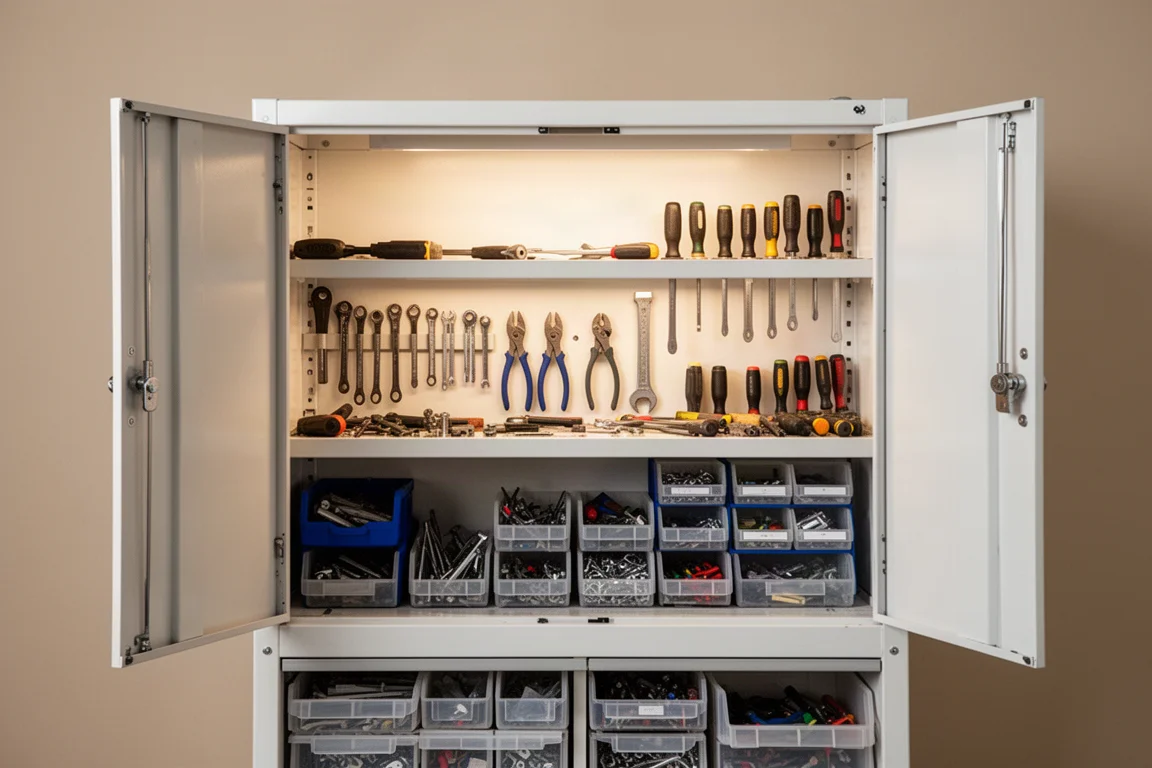
A well-built hutch like the US General 72 in. work center is a genuinely great piece of storage, but it ships with no light source at all. Once you fill the shelves, the darkness becomes a daily annoyance: reaching for a specific socket or drawer organizer means holding a flashlight in one hand while rummaging with the other.
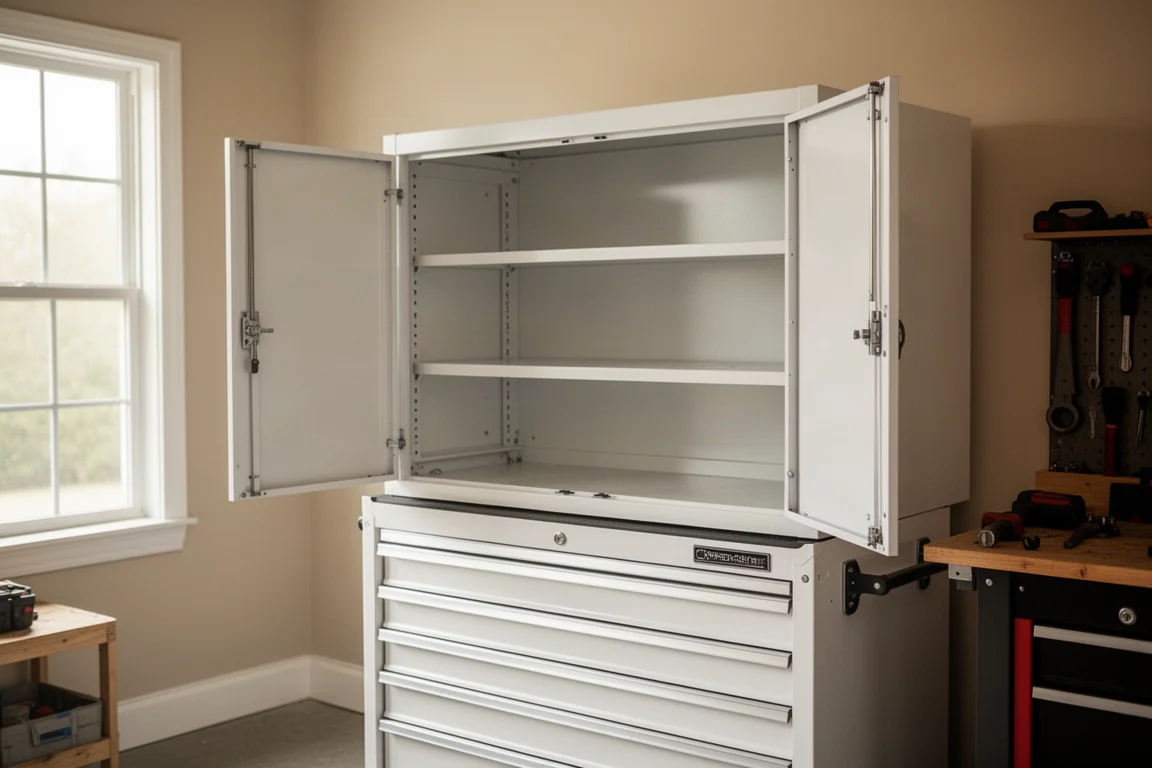
The Icon light bar solves this cleanly. It mounts magnetically, installs in minutes, and produces pleasant diffused lighting across the whole interior. A magnetic sensor handles the on/off logic automatically: open the door and it lights up, close the door and it shuts off. It simply works, which is exactly what you want from a set-and-forget accessory.
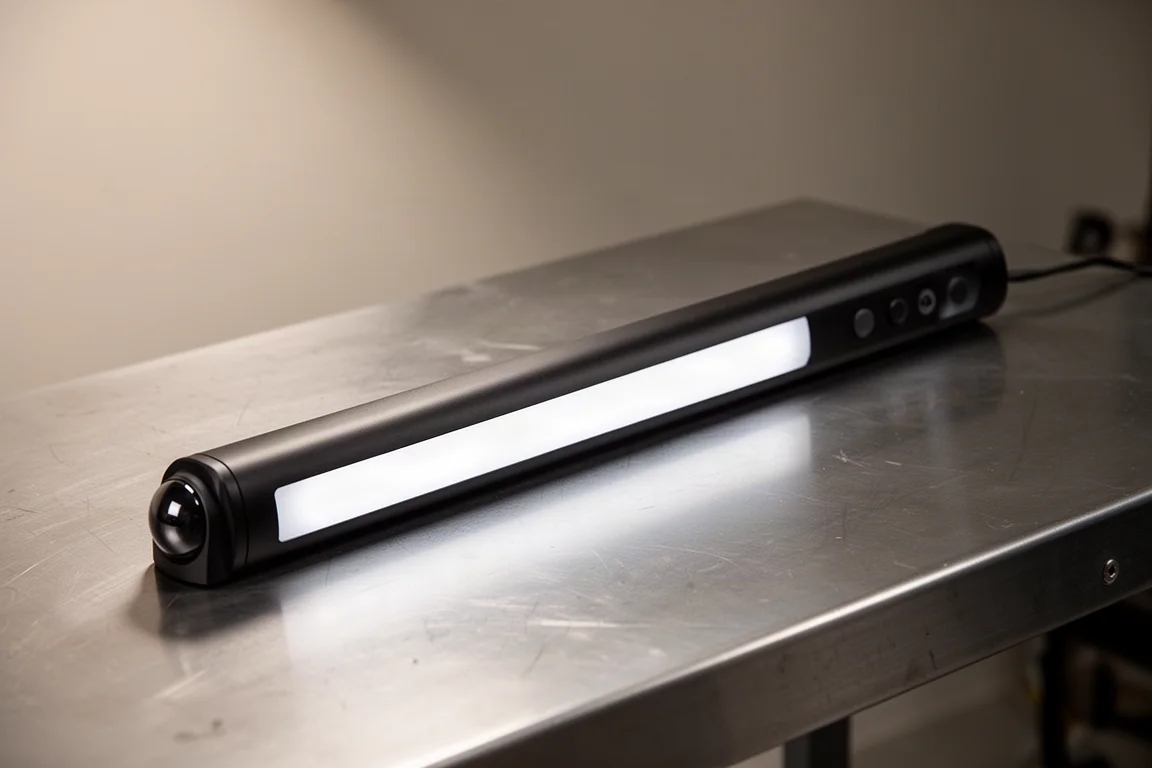
What the Budget Alternative Offers
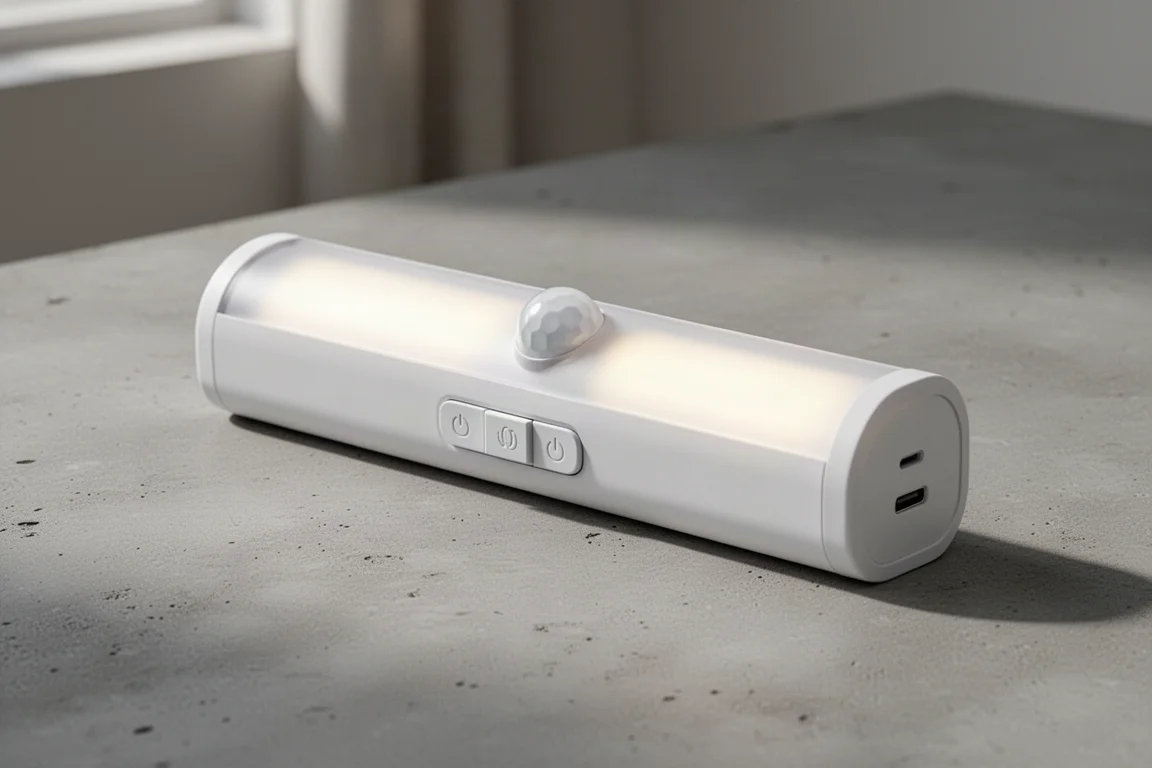
The challenger is a set of rechargeable LED motion-sensing light bars that typically sell for around $20, often closer to $17.50 with a coupon. Installation is arguably even easier than the Icon: you place the bar in position, set the switch to motion sensing mode, and you are done. Two magnetic mounting points on the back hold it firmly, and included peel-and-stick metal plates plus small screws mean you can mount it on wood, in closets, or anywhere else without a steel surface.
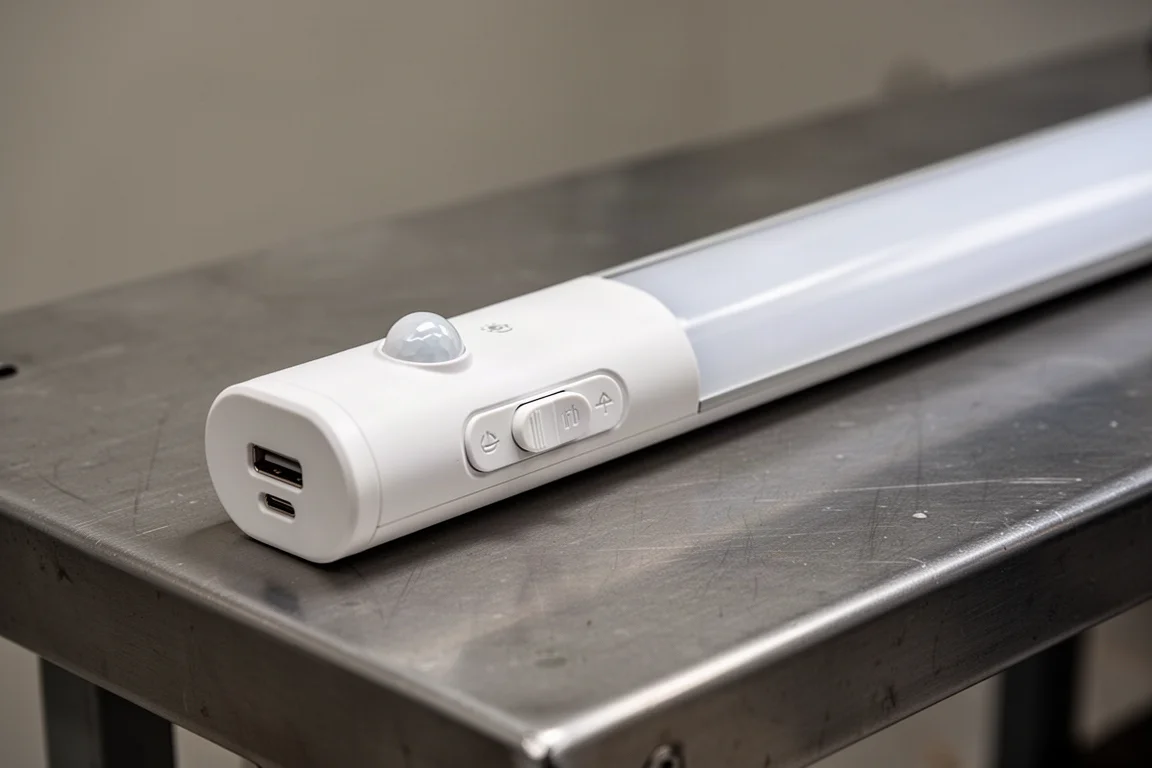
Each bar has a three-position switch (motion sensing, off, and always on), a USB-C charging port, and several brightness settings, including a genuinely bright maximum mode. Charging is straightforward: the indicator shows red while charging and green when full, and the included USB-C cables are a bit short but perfectly usable.
How the Light Output Compares
In a direct side-by-side test inside the same hutch, the Icon light bar is clearly the better performer. The Icon uses five LED units in its strip, each roughly the size of one entire budget bar, so five versus two is not a fair fight. The Icon also produces a softer, more even diffusion when mounted on top of the cabinet behind the door, bouncing light off the back panel rather than shining directly out.
The budget bars, mounted on the inside of the door, looked impressively good and produced more visible shadows due to that direct placement. They are brighter in a raw sense, but the lighting character is less refined. There is also one quirk: in motion sensing mode, the bars stay on for a while after the door closes, which wastes some battery and creates a little light leak around the cabinet.
The Math on Four Bars
To match the Icon’s coverage you would realistically need four of the budget bars. Even at four times the price, you land well below the $100 Icon light bar, so the budget route still wins on raw cost. But there is a hidden management burden: the bars drain at different rates, so you will constantly be shuffling one onto the charger. A realistic setup is closer to five bars, with one always charging while another is in use, just to avoid interruptions mid-project.
Practical Day-to-Day Use
Beyond the hutch, the budget bars earn their keep all over the shop. The diffused output is comfortable to work under without washing everything out or blinding you, and they work well as grab-and-go lights for peering into storage tubs, boxes, and deep shelves.
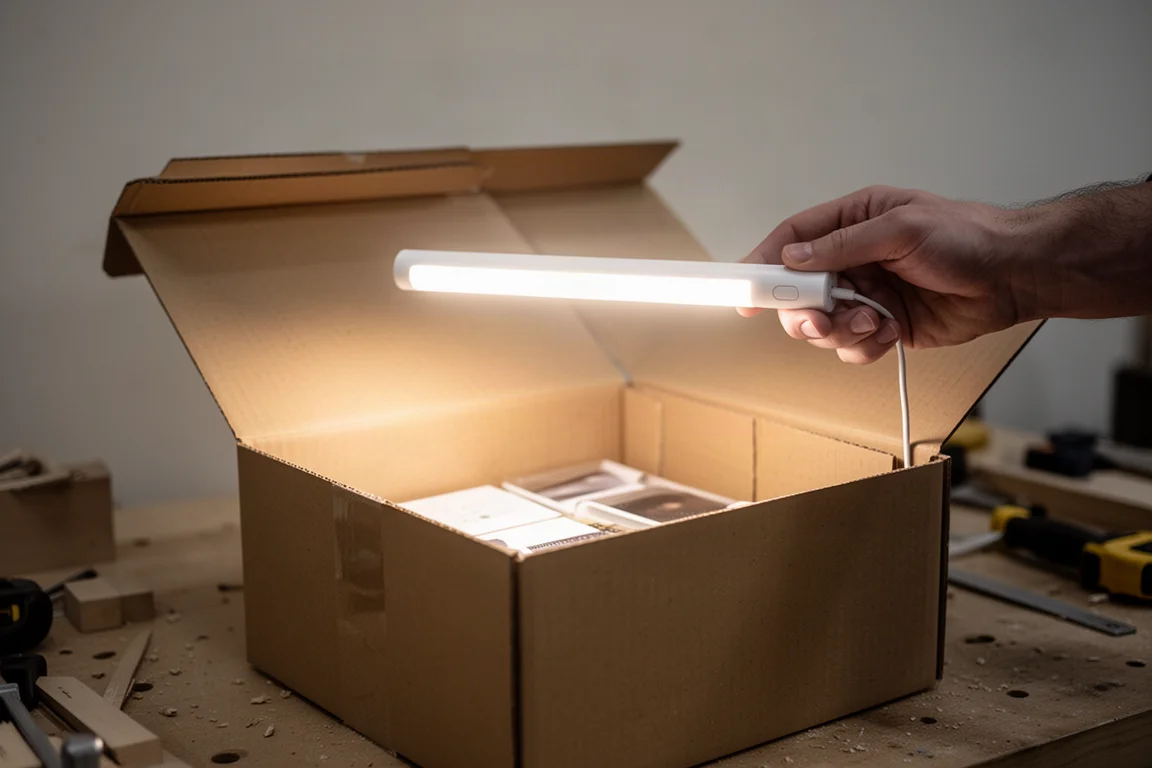
They are also ideal inside deep drawer carts and under shelves: stick one inside a nine-drawer cart and the motion sensor lights the lower drawers as you open them. It is easy to find two dozen places around a workshop or home where one of these makes sense.
Buying Advice
Neither product is a strict replacement for the other. The Icon light bar wins on quality, light coverage, and convenience, and if you have the budget it is the recommendation: no charging shuffle, no light leak, and it just works every time you open the door.
The budget bars are the pick if spending another $100 after buying a hutch feels unreasonable. Two of them may even be adequate if your shop has plenty of ambient light behind you. They are not an exact match, but they are arguably good enough, and they open up lighting options for places the Icon cannot go.
Conclusion
If you want the best lighting for your hutch and can justify the price, the Icon light bar remains the stronger choice. If you want usable light for a fraction of the cost, or need flexible lighting in drawers, closets, and shelves, the rechargeable LED motion-sensing bars are a surprisingly capable alternative that many buyers will be happy with.
Further reading
Related Reviews
Workshop Accessories
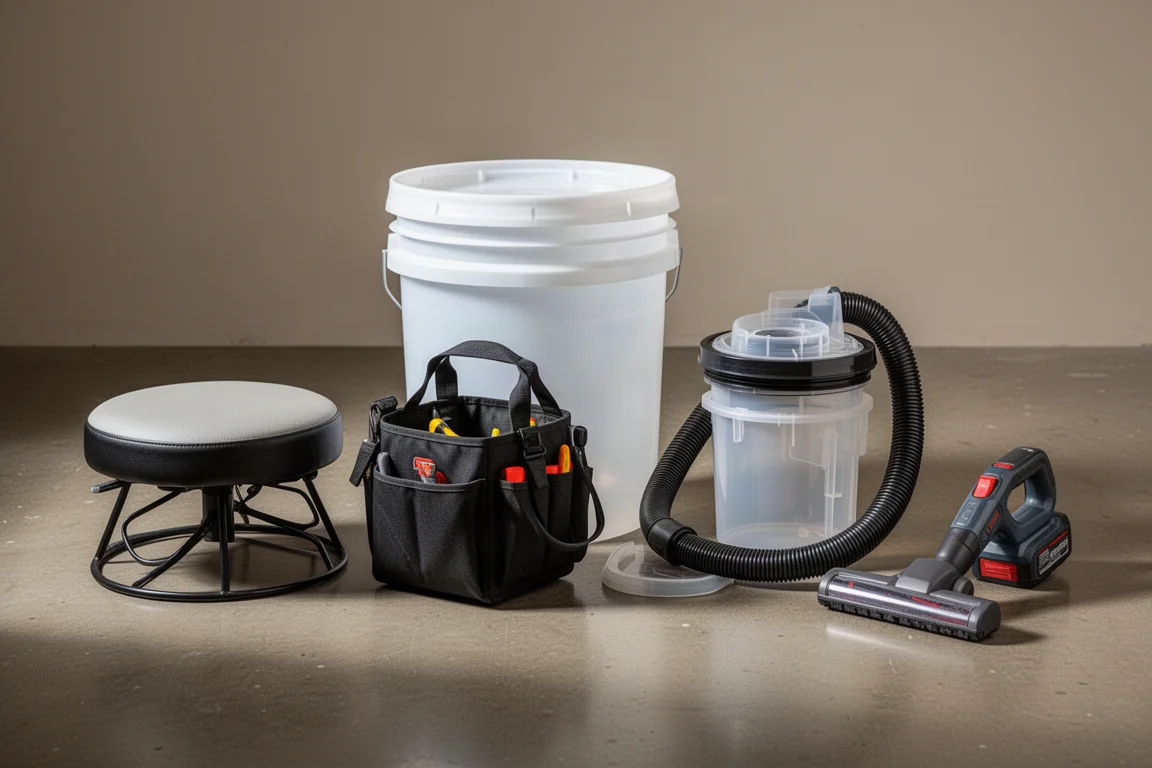
Four Clever 5-Gallon Bucket Accessories You Probably Haven't Seen
From a spinning bucket seat to a bucket-powered wet/dry vac, these accessories turn a humble 5-gallon bucket into genuinely useful kit.
Workshop Accessories
Three DeWalt Workshop Accessories That Are Tools, But Not Tools
A wearable job site speaker with a built-in light, a magnetic charging phone stand, and a heavy-duty workbench mat: three practical DeWalt additions worth a look.
Workshop Accessories
Dirt Church Bamboo Worktop Drawer Bracket Kit Review: A Smart Add-On for Stack System Users
A made-in-USA bamboo worktop and drawer bracket kit that turns a rolling stack system into a more useful mobile workbench.