Portable Power & Cooling
ICECO VL45 Pro and Vulcan Energon 700: A 12V Fridge and Power Station Setup for Remote Work Days
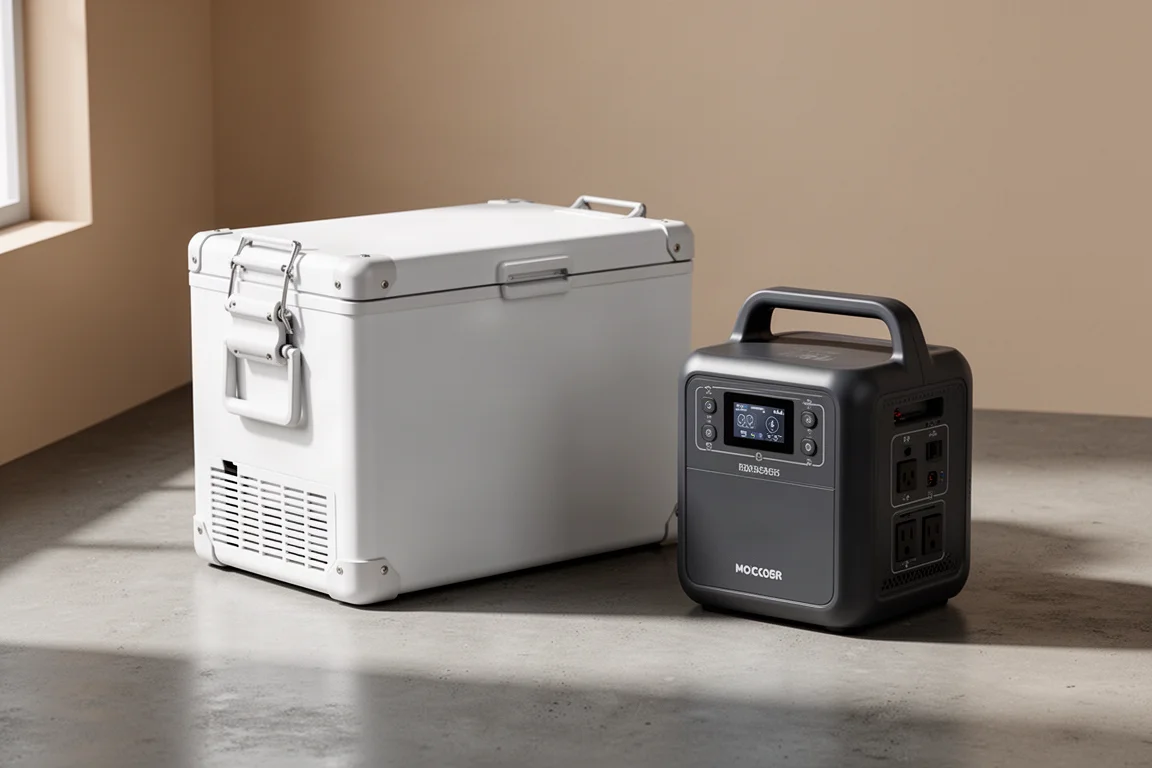
A 45-quart 12V fridge paired with a 512Wh LiFePO4 power station, built to keep food, drinks, and device charging covered on long days far from town.
Introduction
Some jobs take you far enough from town that you have to bring everything with you: fuel, water, food, and a way to keep it all usable through a full day of work. If the crew is stuck on site for one or two days a week with nowhere nearby to restock, the small conveniences stop being conveniences and start being the whole plan.
That is the situation this setup was built for. A 12V fridge keeps lunches, drinks, and snacks cold without a daily ice run, and a compact power station keeps that fridge running around the clock, even when the tow vehicle is parked. Together they turn a bare work trailer into something closer to a mobile break room.
Why a 12V Fridge Instead of Ice
The logic here is simple. A cooler full of ice has to be refilled constantly, and anything sitting in meltwater by day three gets miserable fast. A compressor fridge, on the other hand, only needs a power source. Once that exists, you load it once and forget about it for the week.
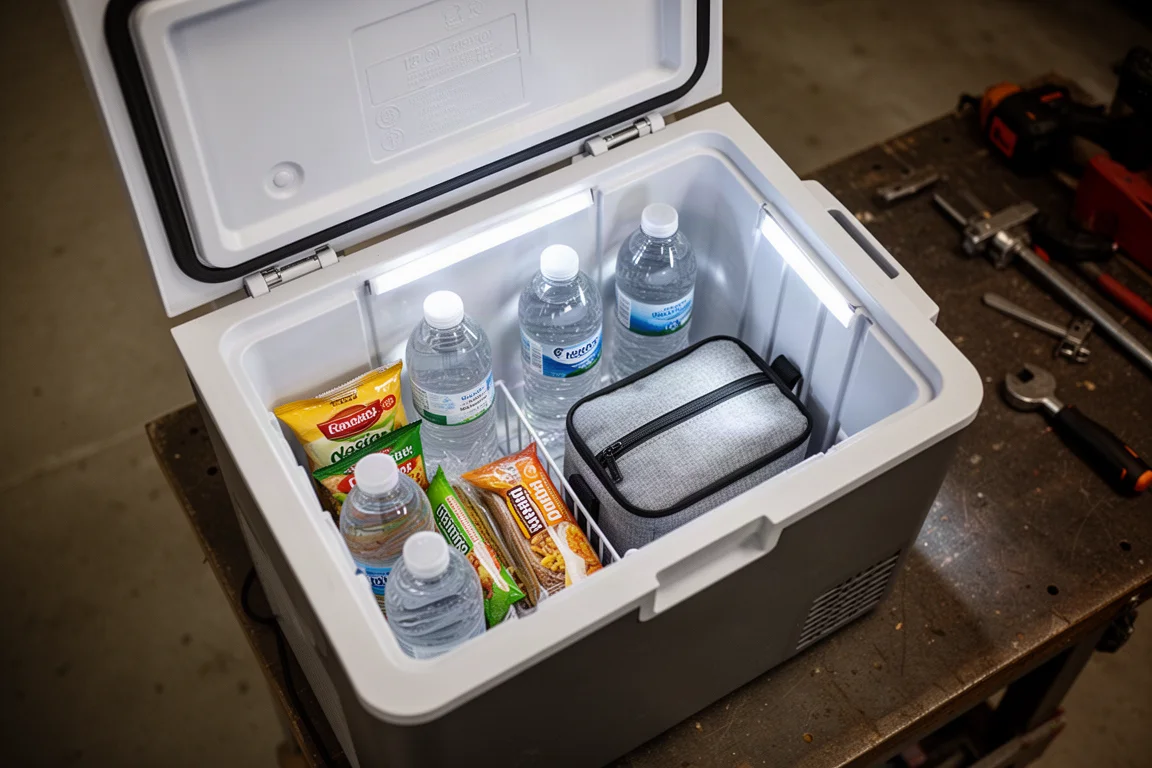
There is also a lot of interior room to work with. Water, snacks, lunches for several people, and anything else the crew might want all fit comfortably, which is exactly what you want when nobody can run to a store. And because it can run as a freezer as well as a fridge, you can push it colder on days when something needs to stay frozen solid.
ICECO VL45 Pro: The Fridge Half of the Setup
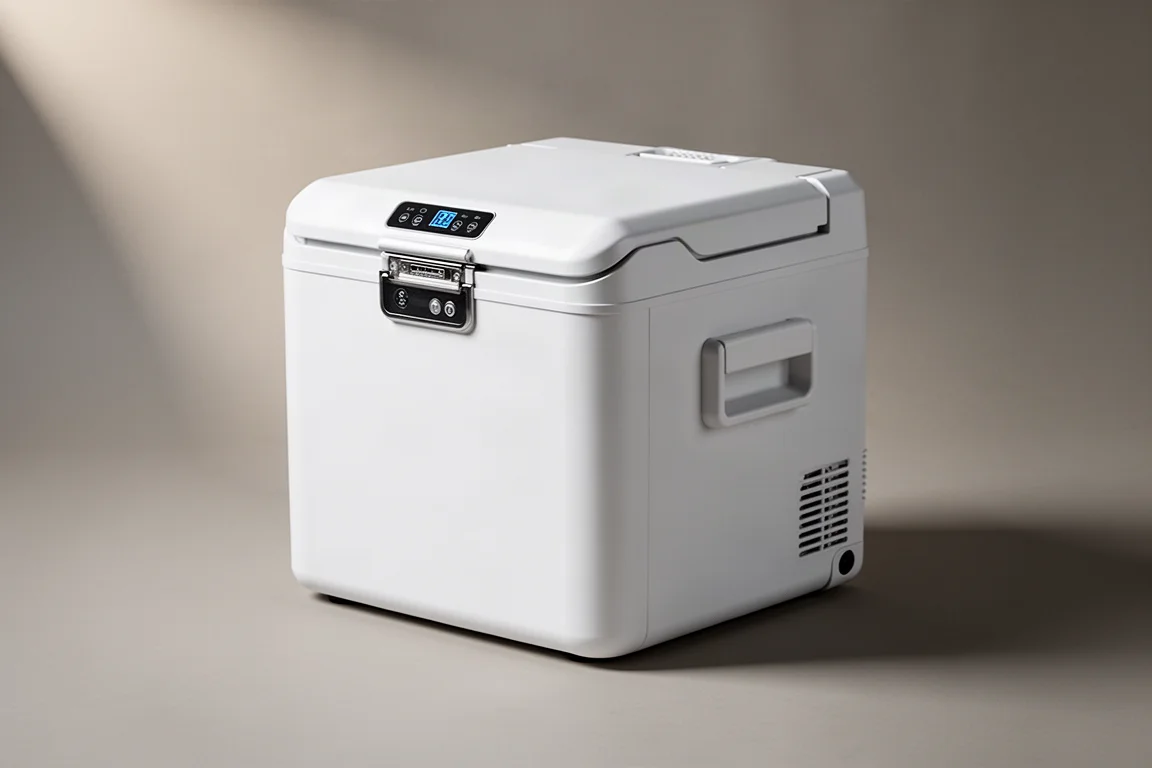
The ICECO VL45 Pro is essentially a 45-quart cooler with a 12V compressor inside, and that one detail changes how a remote workday feels. Instead of stacking water bottles on ice every morning, everything lives in an insulated fridge compartment that holds its temperature on its own.
The practical target here is a setpoint of about 34°F, which keeps everything just above freezing the same way a refrigerator at home does. Running it on max while it cools down from warm is fine short term; once it settles, the draw settles with it. The measured load hovered around 35 to 40 watts while running, which matters a lot for how long a portable battery can keep it alive.
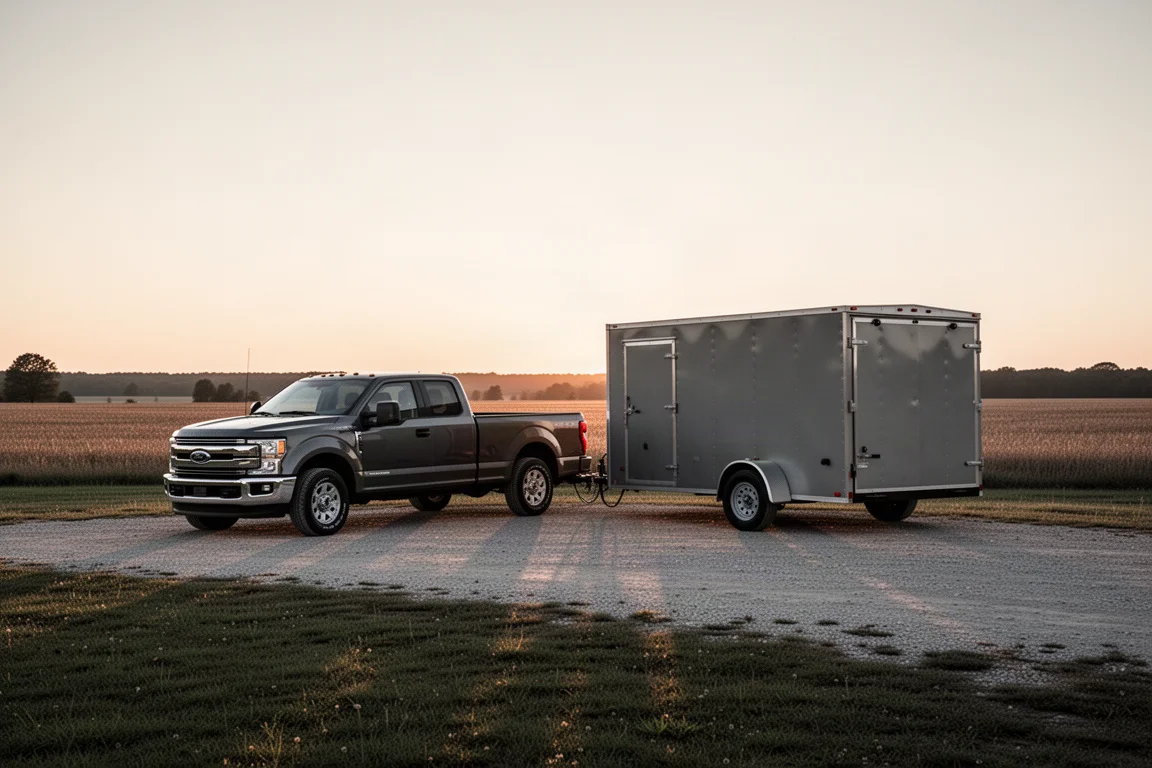
It also earns its place in the trailer rather than the truck bed. No matter which vehicle hooks up to the trailer that week, the fridge, the power supply, and everything else stay together. That consistency is what makes the setup work day after day.
Vulcan Energon 700: Simple Controls, Solid Build
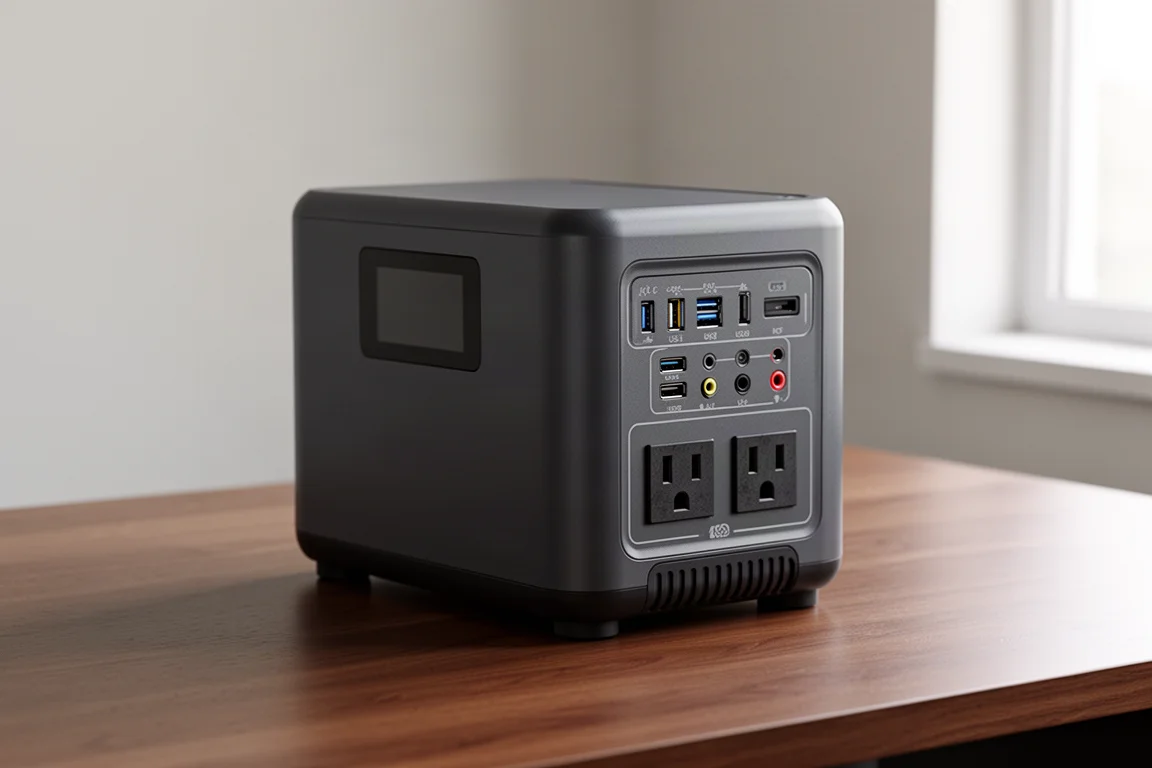
The reason this power station works so well as a fridge companion is that almost nobody has to think about it. There are very few buttons and very little to get wrong, which matters when you are handing equipment to a crew and saying “just let it run.” The exterior feels solid and well built, and the rubber feet on the bottom keep it planted so it does not slide around in a moving trailer.
Inside is what the maker calls a third-generation battery inverter, and the benefit shows up in exactly the conditions a trailer creates. When the unit is pushed with higher loads in elevated temperatures, the inverter board handles the heat without needing a lot of fans, which makes it more efficient than some alternatives and gives you a more stable inverter overall.
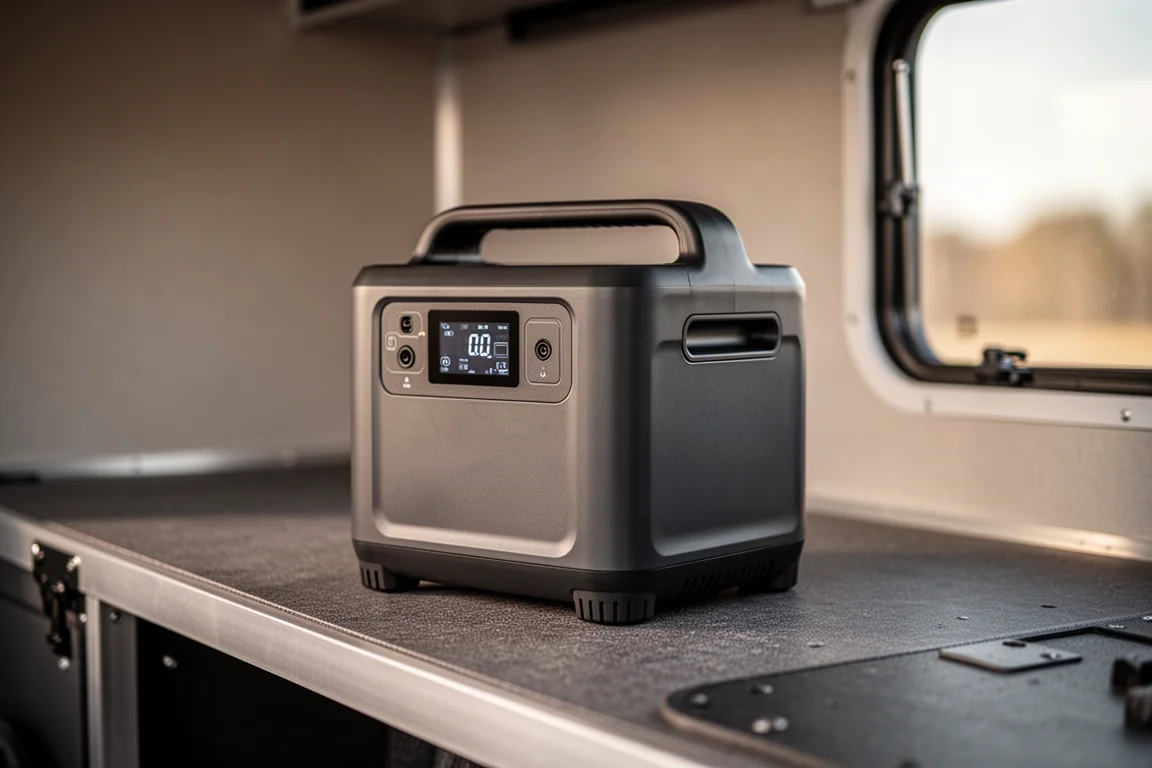
Output capability is respectable for the size. A Milwaukee heat gun pulling just over 700 watts ran fine off it, with the readout showing 768 watts and a remaining runtime estimate. On the port side there are two USB-A ports, two USB-C ports rated at 100 watts, DC outputs, and two AC outlets on the back. That is more than enough to charge phones, earbuds, and the odd battery pack without planning anything in advance.
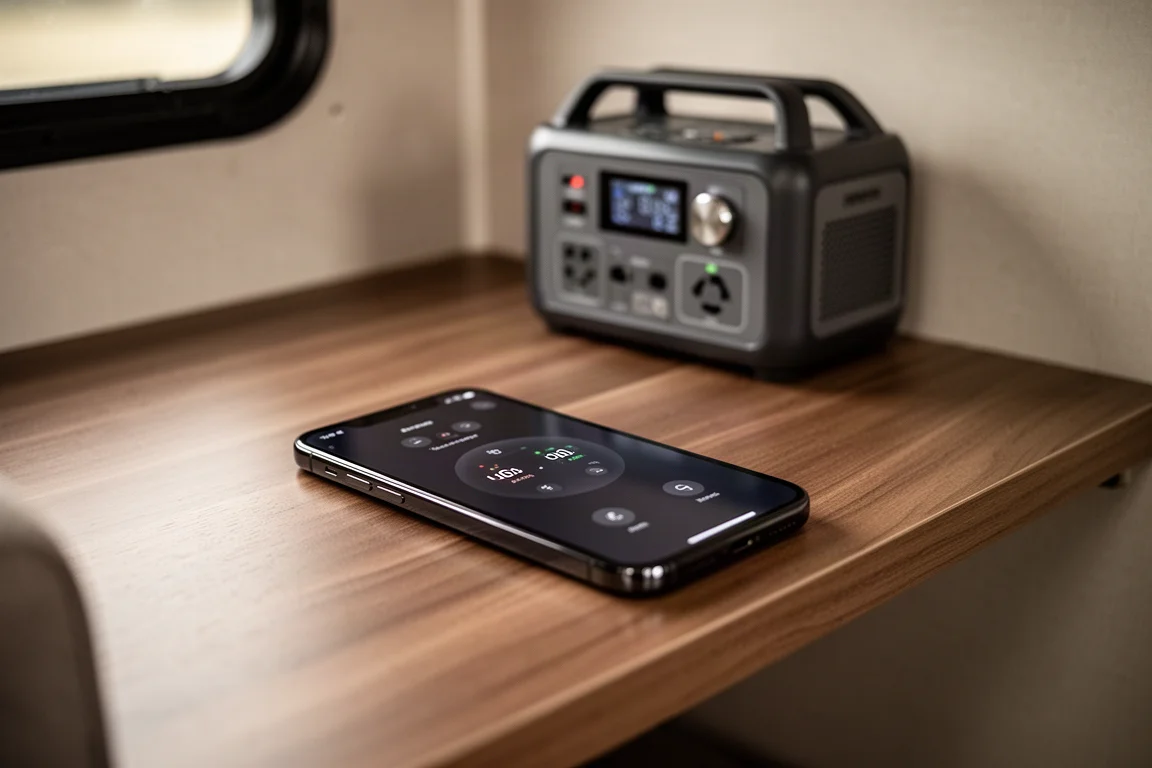
The companion app, searchable as Vulcan Power on the Google Play Store and Apple App Store, shows temperature, remaining power, and time remaining, and lets you toggle the lights and turn the unit on or off remotely. The flashing indicator lights on the side can be switched off without any hassle, which keeps the trailer quiet at night.
Charing Strategy: On the Road and Overnight
The charging plan uses two windows, and neither one asks much of the crew. While driving, the trailer’s 12V supply feeds the power station through a cigarette lighter adapter at up to 10 amps, the same as any standard lighter outlet. With the fridge drawing roughly 40 watts and the station taking in around 102 watts during that drive, the vehicle easily covers both.
The math is generous. At about 40 watts of draw, the station’s 512Wh capacity works out to roughly 14 hours of fridge runtime on a full charge. Even sitting idle at half charge, the readout showed about 7.5 hours left, so there is plenty of buffer for a day when the truck never gets started. The station also has a low-voltage protection feature meant for vehicle use: if the supply battery drops low, it shuts off so the truck can still start.
Overnight, the trailer gets plugged into grid power, and input jumps to around 550 watts, which tops the station up quickly and leaves headroom to charge tool batteries at the same time. That is the ideal window for recharging cordless batteries: at night or on the ride home, when nothing else is competing for power. Charging a tool battery mid-day is possible too, with output climbing to around 155 to 180 watts and the runtime estimate adjusting accordingly, but it is really an emergency option at that point.
Everyday Power Extras
The small touches are what make this feel like a complete system rather than two boxes in a trailer. The USB-C ports at 100 watts mean a modern laptop can charge off the same unit that runs the fridge. The AC outlets cover occasional battery chargers. The app keeps everything visible without walking over to check a display.
And the battery chemistry is where the long-term value sits. The Energon 700 uses lithium iron phosphate, which is rated for 2,000-plus charge and discharge cycles before it loses its top 20 percent of capacity. Used every day, that is roughly 400 watt-hours out of it daily for a decade. For gear that lives in a work trailer and gets abused by heat and vibration, that durability is a real argument.
Buying Advice
If your situation looks anything like this one, a remote site, no nearby stores, and a crew that needs to be self-sufficient for full days, then pairing a 12V fridge with a compact LiFePO4 power station is a straightforward and relatively affordable way to solve it. Running everything off the trailer’s own battery was considered first, but that path led to needing a separate battery charger, fewer USB options, and no real AC capability. The dedicated power station ended up being the less complicated and less expensive option overall.
The one trade-off to weigh is size. A larger power station would add days of runtime as a safety margin, but it also takes up space and adds weight, and this trailer is already going to be packed with fuel cans. If your trailer has more room and you want more leeway for a missed charging window, sizing up is a reasonable choice.
Conclusion
This setup works because each piece covers the other’s weakness. The ICECO VL45 Pro removes the daily ice errand and keeps food and drinks genuinely cold or frozen, while the Vulcan Energon 700 keeps it running around the clock with simple controls, useful ports, and battery chemistry built to last years of daily use. Charge on the drive, top up overnight, and the whole thing runs itself. For anyone spending long days far from the nearest store, that combination is less crazy and more like common sense.
Further reading
Related Reviews

Power Stations
Anker SOLIX F3800 Plus Review: A Powerful 6,000W Power Station With Some Trade-Offs
The Anker SOLIX F3800 Plus delivers a robust 6,000W inverter, fast solar charging, and solid UPS performance, but high idle draw and a hefty weight give buyers real things to consider.

Power Stations
Bluetti Elite 30 v2 Review: A Compact Power Station With Big Upgrades
The Bluetti Elite 30 v2 brings a larger battery, faster charging, and a quieter UPS mode to the budget micro power station segment.

Power Stations
Bluetti FridgePower Review: A Slim Backup Battery Built for Your Refrigerator
The Bluetti FridgePower is a slim, wall-mountable battery backup designed to keep your refrigerator running for days during an outage. Here is how it performs.