Camping Gear
ICECO VL35 Pro S Review: A 35L 12V Fridge for Car Camping
A compact single-zone 12V fridge with a Secop compressor, a dual-direction lid, and a three-stage battery monitor. Here is what it does well and what to weigh before buying.
Introduction
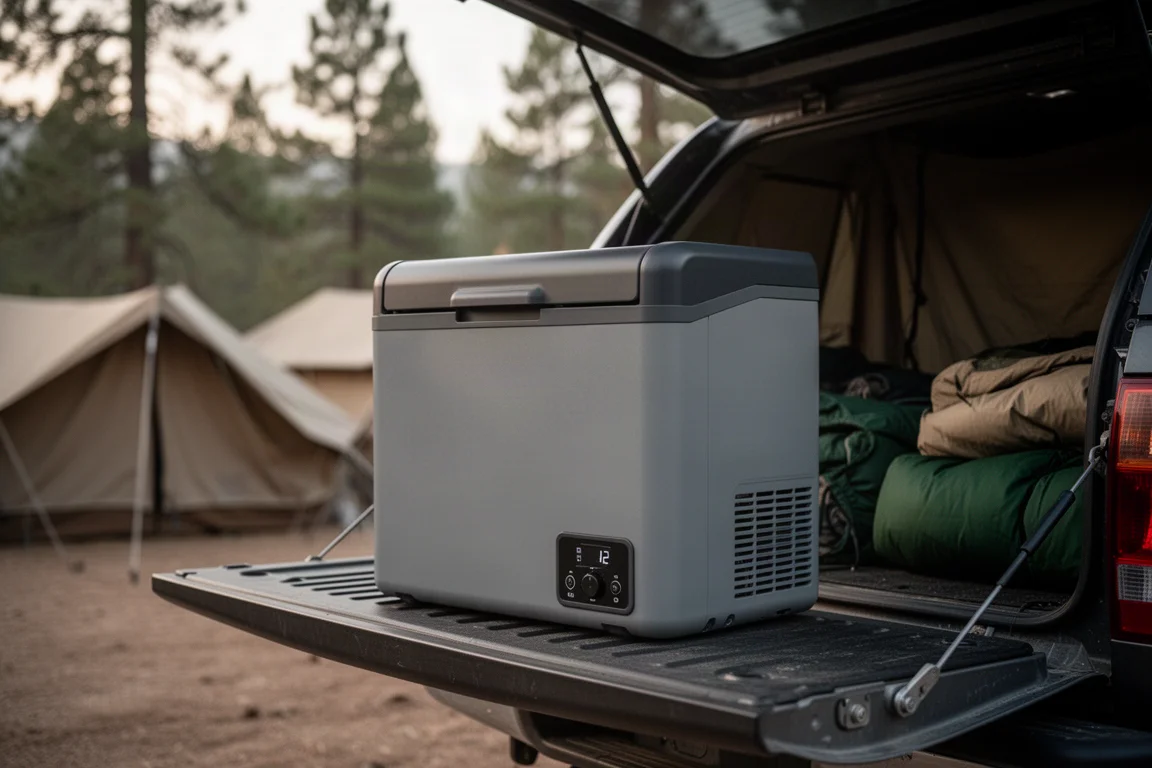
Camping refrigeration really comes down to one decision: keep managing ice, or stop managing it entirely. A cooler does its job well, but it asks for two things a 12V fridge does not. First, the ice has to share space with the food, so a meaningful part of the cooler’s usable volume is spent keeping everything else cold. Second, ice melts, and once it starts melting the question changes from what is for dinner to how much longer the food stays safe to eat.
A 12V fridge holds a set temperature instead. The ICECO VL35 Pro S is a 35L single-zone unit built around a Secop compressor, and it lands in a price bracket that makes the jump from cooler to fridge easier to justify for people who camp often.
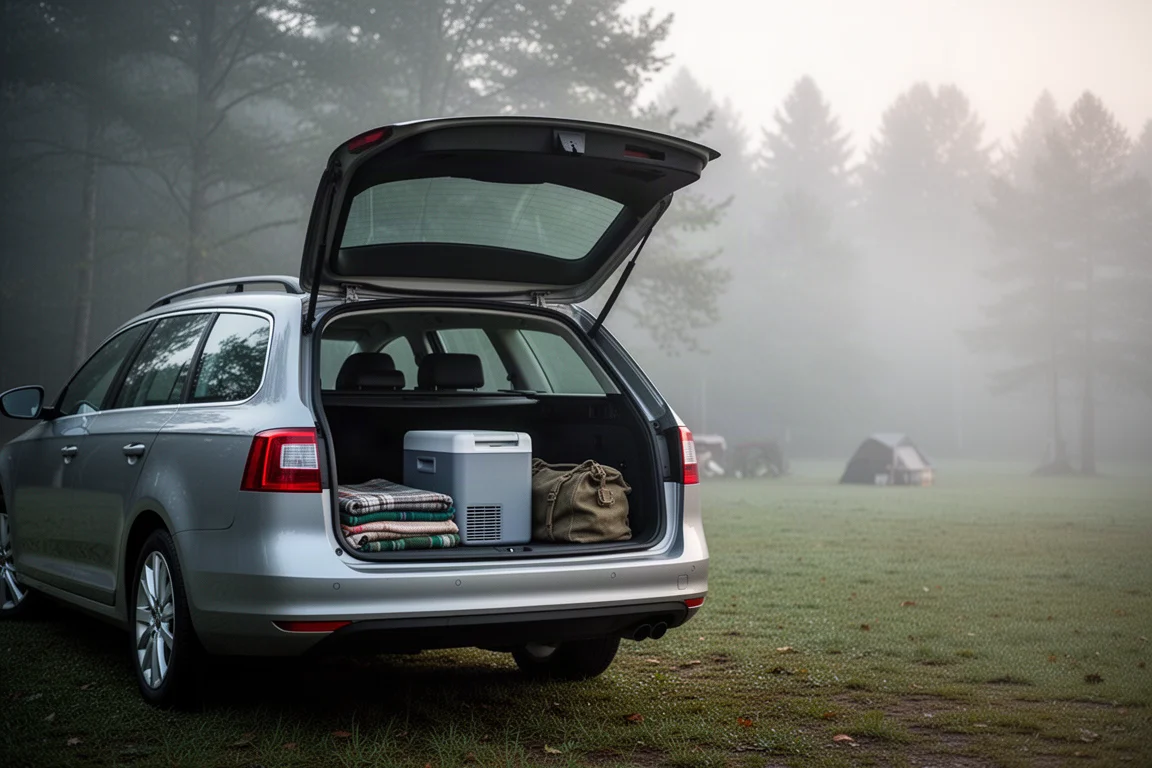
That convenience comes with one honest caveat: the fridge is only half of the system. Running it away from home means pairing it with some form of portable power, and that is where the real planning happens. What follows is a look at how the VL35 Pro S behaves in practice, where it earns its keep, and where it asks for compromise.
Who This Product Is For
This fridge suits campers who go out often enough that ice becomes a recurring chore rather than an occasional inconvenience. Weekend car campers, overlanders, and road trippers with a small to mid-size SUV or a truck bed all fit the profile, and the compact footprint makes it realistic for vehicles that cannot carry a large cooler.
It is worth saying plainly that a 12V fridge is a luxury rather than a requirement. A cooler still keeps food cold and still costs far less. The case for the VL35 Pro S is made by frequency and by temperament: if you camp regularly, have the space, and would rather not spend each trip thinking about ice and food safety windows, the fridge starts to look like a reasonable investment.
Main Strengths
The compressor is the foundation of the whole thing. The VL35 Pro S runs a Secop compressor, a name-brand unit with a 5-year compressor warranty, and that combination of quality and coverage is unusual at this price. The fridge is priced under $600, which is well below what many comparable compressor fridges cost.
The dimensions are practical for a 35L capacity: 28 inches long, 16 inches wide, and 16 inches tall. That fits most small to mid-size SUVs and trucks without eating the entire cargo area. Two robust handles make it manageable to move, and the unit weighs just under 50 lb.
The lid is one of the more thoughtful details. It opens in both directions, and it can be lifted off completely so you can pack the interior, then drop it back into place. Front and rear DC inputs add mounting flexibility, letting you run the cable from whichever side faces the vehicle’s outlet. There is also an AC input for use at home or on hookups, plus two USB-A ports that operate when the DC input is connected.
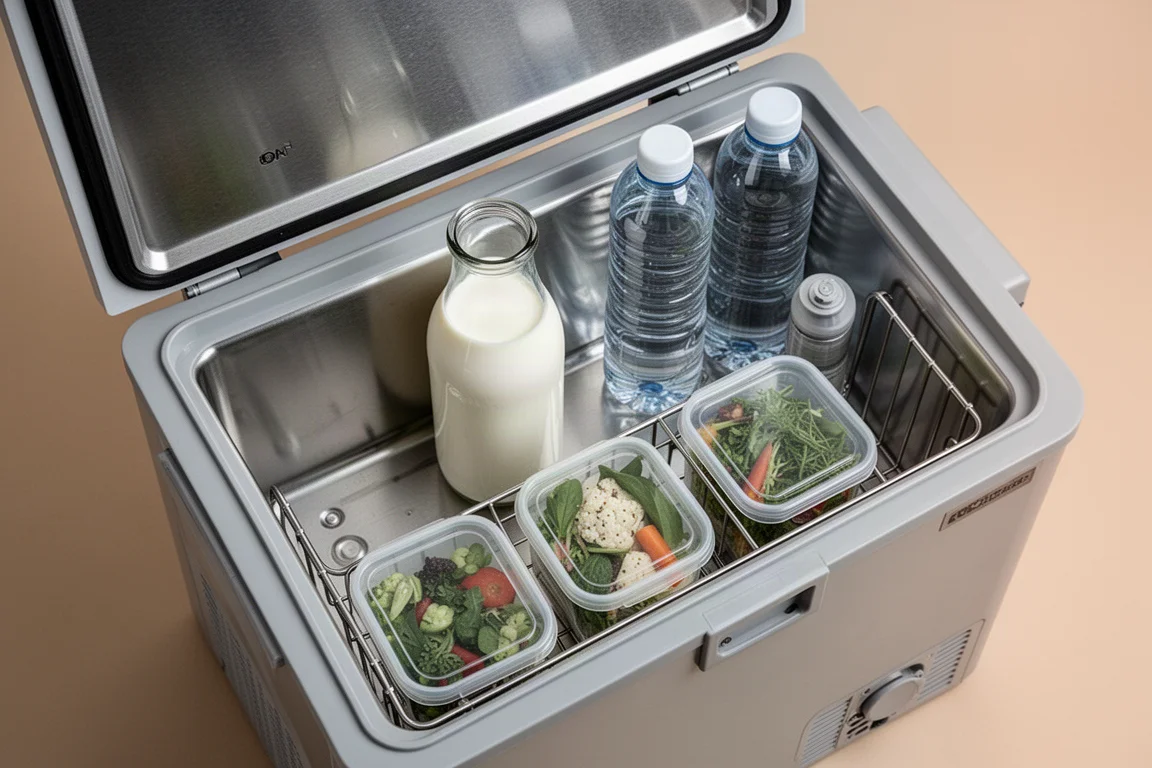
Inside, a removable basket makes cleaning straightforward, and a small drain plug lets you empty anything that spills. The interior is metal rather than plastic, which helps hold temperature, and the height above the compressor means tall items such as a full gallon of milk or large water bottles can stand upright instead of lying on their side.
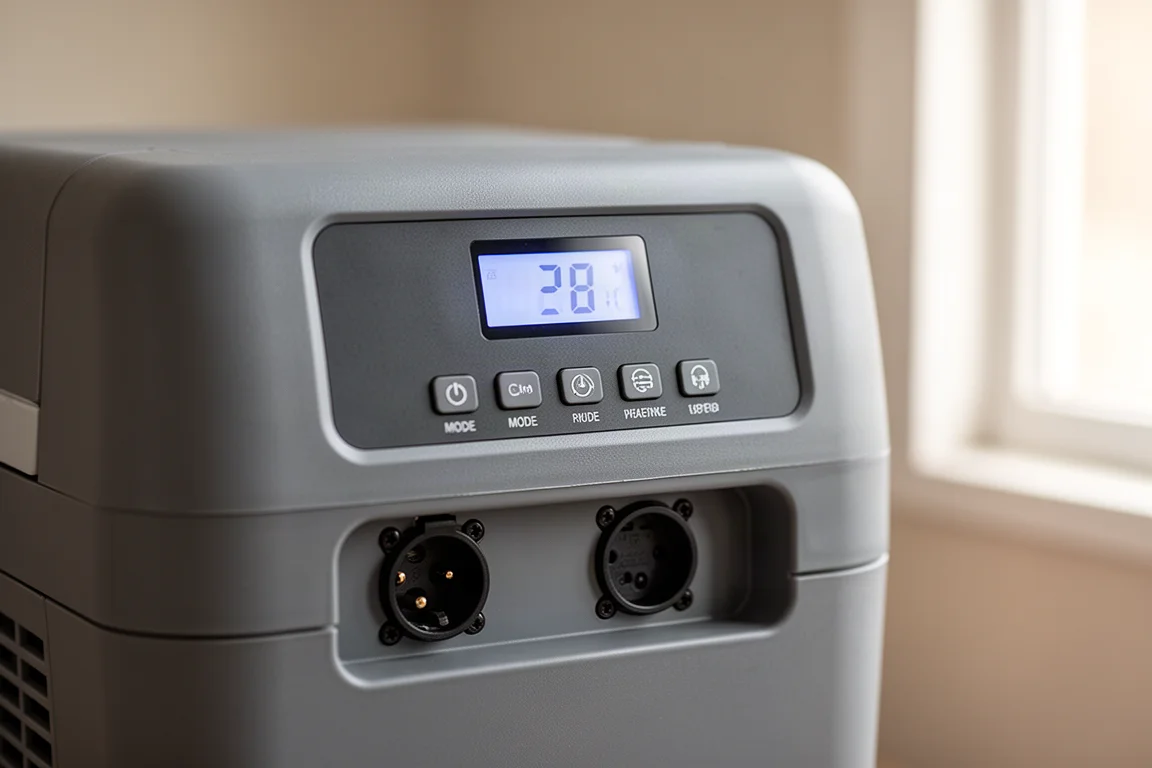
The control side is more capable than the price suggests. A battery monitor offers high, medium, and low settings and shuts the fridge down once your battery reaches the chosen minimum, which protects against draining the battery and getting stranded. Max mode drives the compressor at full power for the fastest possible cooldown, while eco mode settles into efficient temperature maintenance. Temperature selection spans 50 degrees Fahrenheit down to 0 degrees Fahrenheit.
Things To Consider Before Buying
The most noticeable drawback is the lid. On bumpy roads, including rough pavement, it rattles back and forth and can become irritating in the cabin if nothing is resting on top of it.
This is also a single-zone fridge. You can run it as a fridge or as a freezer, but there are no separate compartments, so you cannot hold frozen goods on one side and chilled goods on the other. If you want independent zones, this is not that fridge.
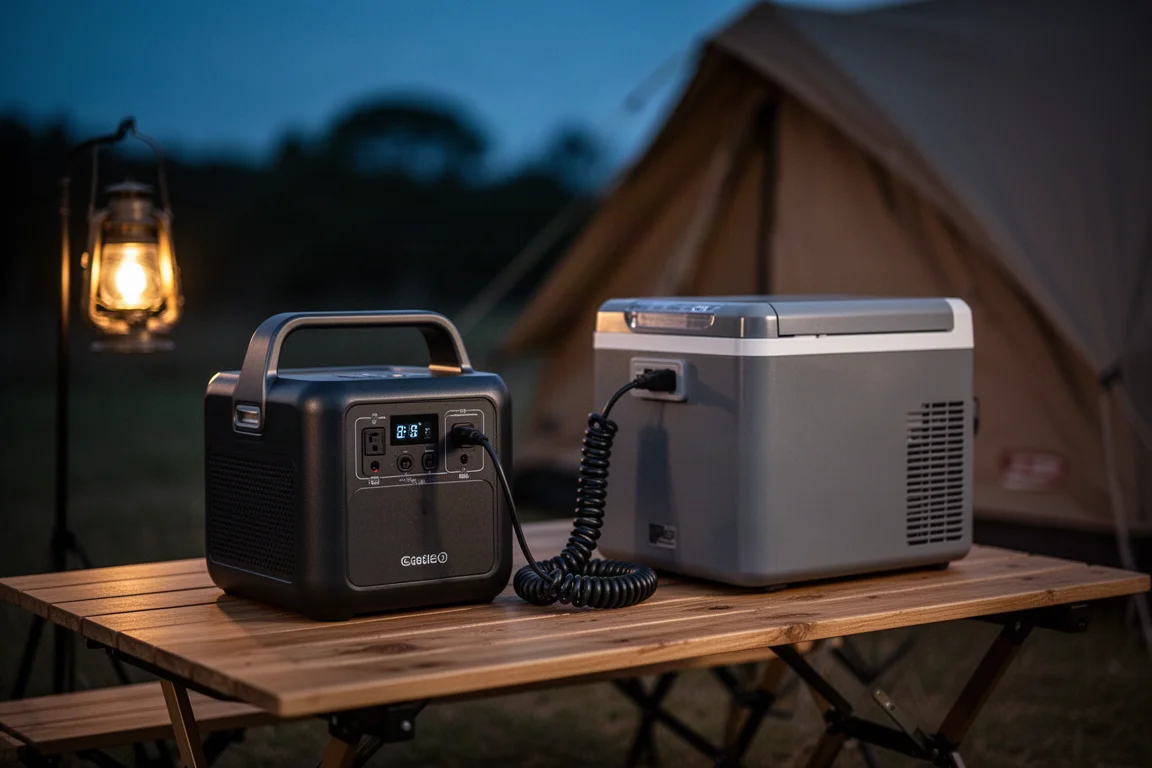
Power is the other consideration. The fridge itself is only part of the purchase, and the rest of the budget goes toward whatever will run it, whether that is a dual-battery setup in a built-out rig or a portable power station for simpler setups. The USB ports also only work when the DC input is connected, so they are not available on AC power alone.
Finally, these fridges should not be tipped fully upside down or turned on their side, because of the refrigerant inside the coils. That is normal for the category, but it is worth knowing before you start rearranging the back of the vehicle.
Powering The Fridge On The Road
Runtime depends heavily on the power source and the weather. On a smaller station with roughly 700 Wh of capacity, the VL35 Pro S has run for approximately 36 to 48 hours depending on outside temperature. Moving to a station with more than 1,000 Wh stretched that to about three to three and a half days, and adding solar extends it further still.
That difference matters because the fridge should not consume every watt you have. You still want headroom to charge a phone, a tablet, camera batteries, and whatever else travels with you, which is why a larger power station is often the better match for a fridge of this size.
The battery monitor is what makes this manageable for people without a dual-battery overland setup. Setting it to the appropriate threshold means the fridge shuts itself off before the battery is depleted, so an overnight drop in temperature does not turn into a dead starting battery in the morning. The front and rear DC inputs also make it easy to reposition the fridge in the vehicle without rerouting cables.
Cooler Versus Fridge: The Real Difference
The practical gap between the two comes down to predictability. A cooler’s performance depends on how much ice you started with, how often the lid is opened, and how hot the day gets. A 12V fridge holds a number you chose, and it keeps holding it, which removes both the space penalty of ice and the guesswork around food safety.
The trade is cost and complexity. A cooler needs nothing but ice. A fridge needs power, and that means a power station or a vehicle charging system, plus a plan for how long you will be away from a socket. For short trips and occasional use, a cooler remains the simpler answer. For long weekends and frequent travel, the fridge earns its place.
Buying Advice
The most useful habit with this fridge is pre-cooling at home. Plug it into AC power, run max mode until it reaches the temperature you want for the trip, load your food, and then switch to eco mode for the drive. That way the compressor is maintaining a temperature rather than fighting to pull a warm interior down while you are already on the road, which saves a meaningful amount of battery.
When budgeting, count the whole system rather than just the fridge. The VL35 Pro S is priced under $600, and the power source you pair with it will shape both your runtime and your total spend. If you already run a dual-battery setup or a large power station, the fridge slots in easily. If you do not, factor that in before you commit.
As for who should buy it: this makes sense for campers who head out regularly, have room in the vehicle, and would genuinely rather not think about ice again. If your trips are occasional or your space is tight, a good cooler still does the job at a fraction of the cost.
Conclusion
The ICECO VL35 Pro S delivers strong value for a compressor fridge. The Secop compressor and its 5-year compressor warranty, the dual-direction removable lid, the front and rear DC inputs, and the three-stage battery monitor all point to a product that was thought through rather than assembled to a price.
The compromises are equally clear. The lid rattles on rough roads, the fridge is single-zone only, and it needs a power source to be genuinely useful off-grid. None of those are dealbreakers for the right buyer, but they are worth weighing honestly.
For campers who spend a lot of time out, have the space, and want food held at a consistent temperature without managing ice, this fridge is a genuinely nice way to simplify the trip. For everyone else, a cooler remains a perfectly good answer.
Product link
View more details for Iceco VL35 Pro S 12-Volt Fridge
This product is mentioned in the review. Check the specifications, options, and compatibility before buying.
View more details for Iceco VL35 Pro S 12-Volt FridgeFurther reading
Related Reviews
Camping Gear
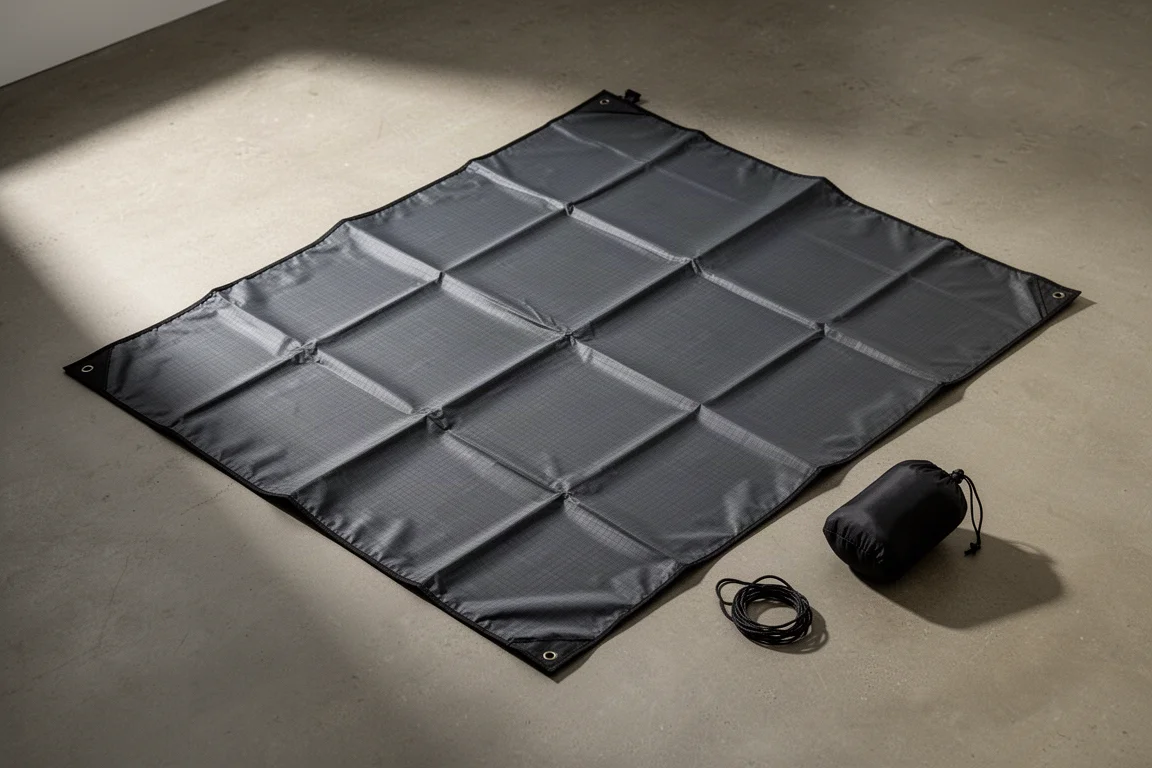
3FUL Ultralight Ground Sheet Review: A Two-Person Footprint Worth Packing
A 6.7 oz two-person ground sheet in ripstop silnylon, priced around $30. Here is what it protects, what it does not do, and who should pack it.
Camping Gear
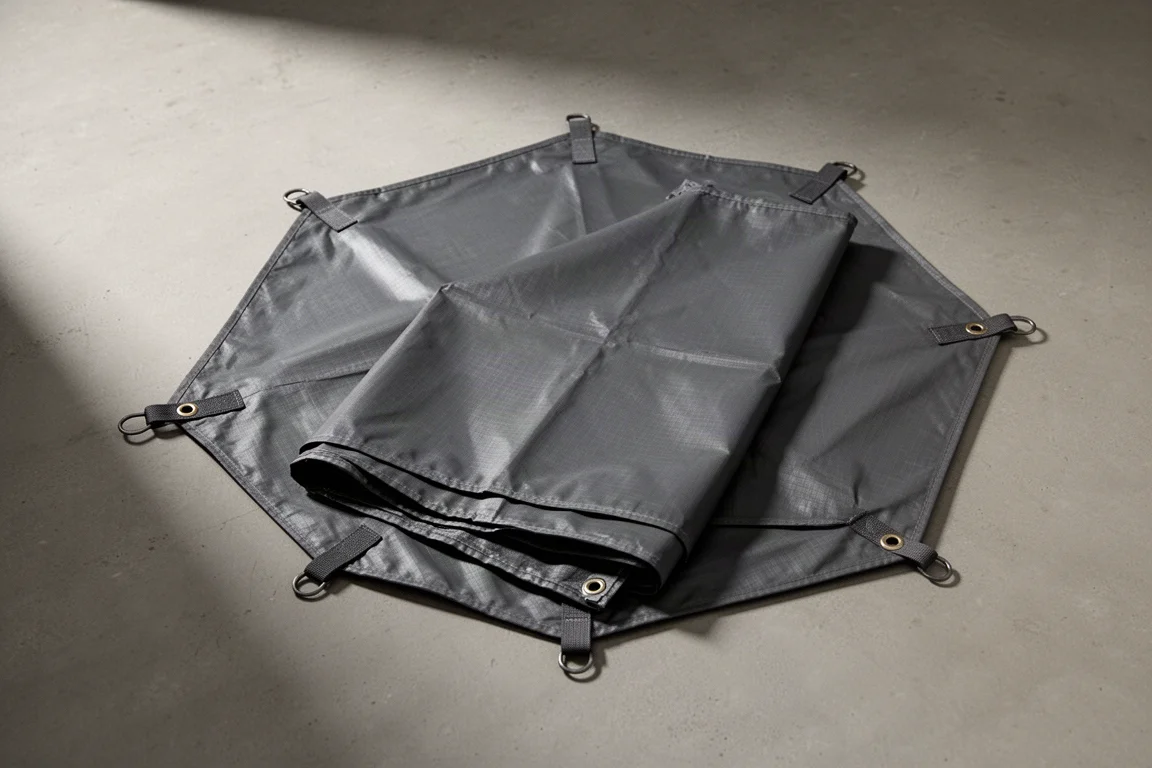
Backcountry Light Dual-Function Tarp and Floor Review: A Footprint First
A dual-purpose tent floor and tarp that keeps falling rain off you, but cannot block wind. Here is where it works and where it does not.
Camping Gear
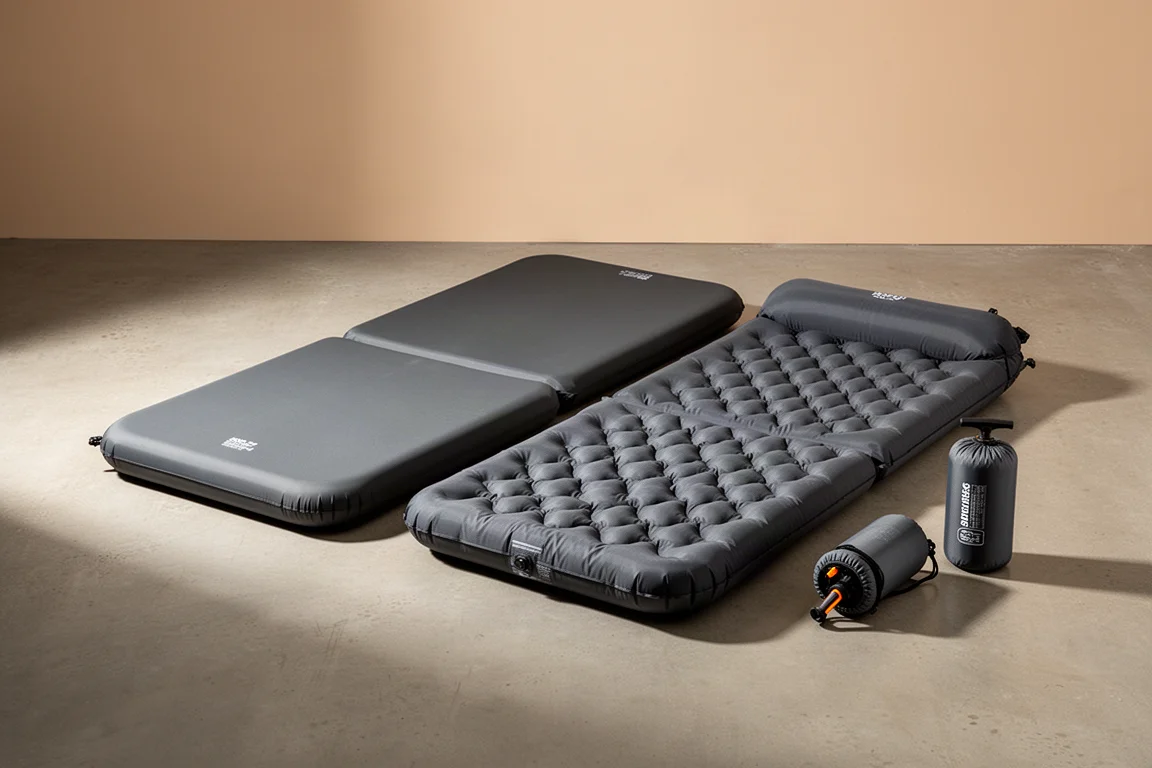
Best 2-Person Camping Mattresses for Couples: 10 Options Compared
A practical comparison of ten two-person camping mattresses, covering self-inflating pads, air pads and air mattresses for couples.