Portable Car Fridges
Iceco APL55 Review: A Dual-Zone Portable Car Fridge That Removes the Ice Run
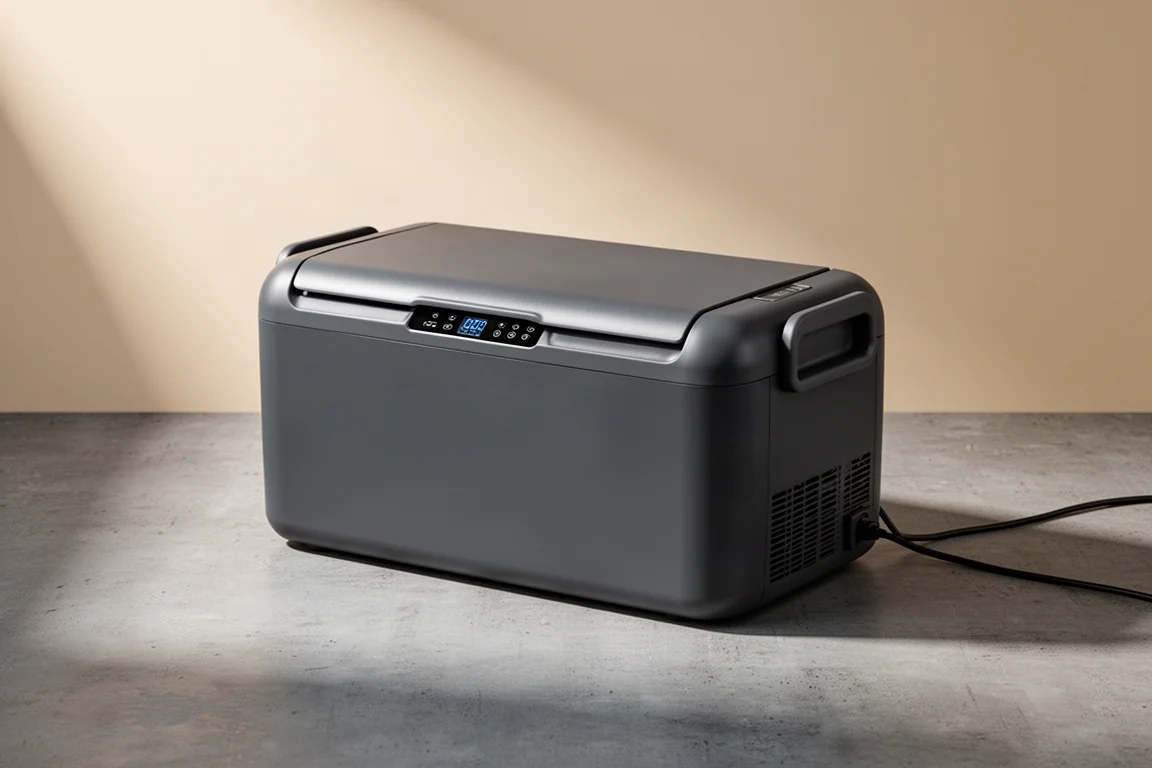
A 55 lb dual-zone portable car fridge with independent fridge and freezer zones, app control, and several ways to keep it powered off grid.
Introduction
A large cooler looks like a bargain until you price the ice. A cooler of this size costs about $500 new, and roughly $200 buys around 60 bags of ice. It burns through about three bags every three days, which works out to nine or ten bags a week. After roughly six weeks of camping, the money spent on ice has already caught up with the cooler itself, and that is before you count the repeated trips into town to buy more.
That arithmetic is the reason a portable compressor fridge starts to make sense for anyone who camps often or stays out for long stretches. The Iceco APL55 is a dual-zone car fridge that holds a similar amount of food to a favourite large cooler while taking ice out of the equation entirely.
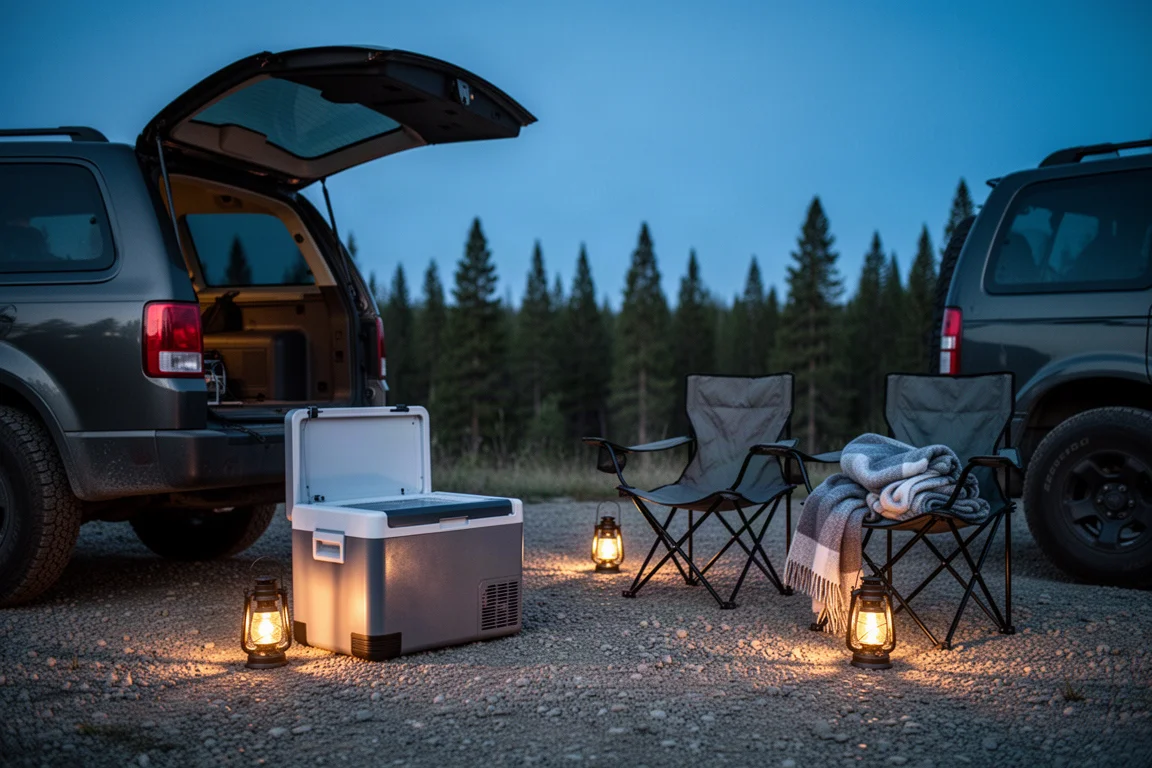
It also keeps working in places where ice is hard to find. Rather than driving back to a town every few days, you plug the fridge in, set a temperature, and stay out longer. The trade-offs are real, but they sit mostly in the areas of power and weight rather than capability.
Who This Fridge Is For
The APL55 suits campers, overlanders, and road-tripping families who are tired of food sitting in meltwater, tired of guessing whether the top layer is cold enough, and tired of planning trips around ice resupply.
It is also a reasonable fit for anyone who already carries a power station at camp, since the fridge can run from a battery rather than a dedicated dual-battery vehicle setup. And it is not limited to camping. On a family road trip, it works simply as a way to keep drinks and food cold while travelling, which is a use case that has nothing to do with a campsite at all.
If you only camp once or twice a season and have easy access to ice, a conventional cooler still does the job for less money and less weight.
Main Strengths
The APL55 earns its place through a combination of temperature control, usable capacity, and day-to-day details that make it easier to live with than the spec sheet suggests.
Dual-Zone Temperature Control
The headline feature is the dual-zone design. Each compartment can be controlled independently, so one side can run as a fridge while the other runs as a freezer, and the arrangement can be reversed to suit how you pack. Remove the middle divider and the whole unit becomes either a single fridge or a single freezer by dropping the temperature further.
That flexibility matters when a trip mixes perishables with items you want frozen solid. Capacity is genuinely usable rather than theoretical: the APL55 has held enough food for four lunches, three breakfasts, and two dinners for five people, even after some of it had already been eaten.
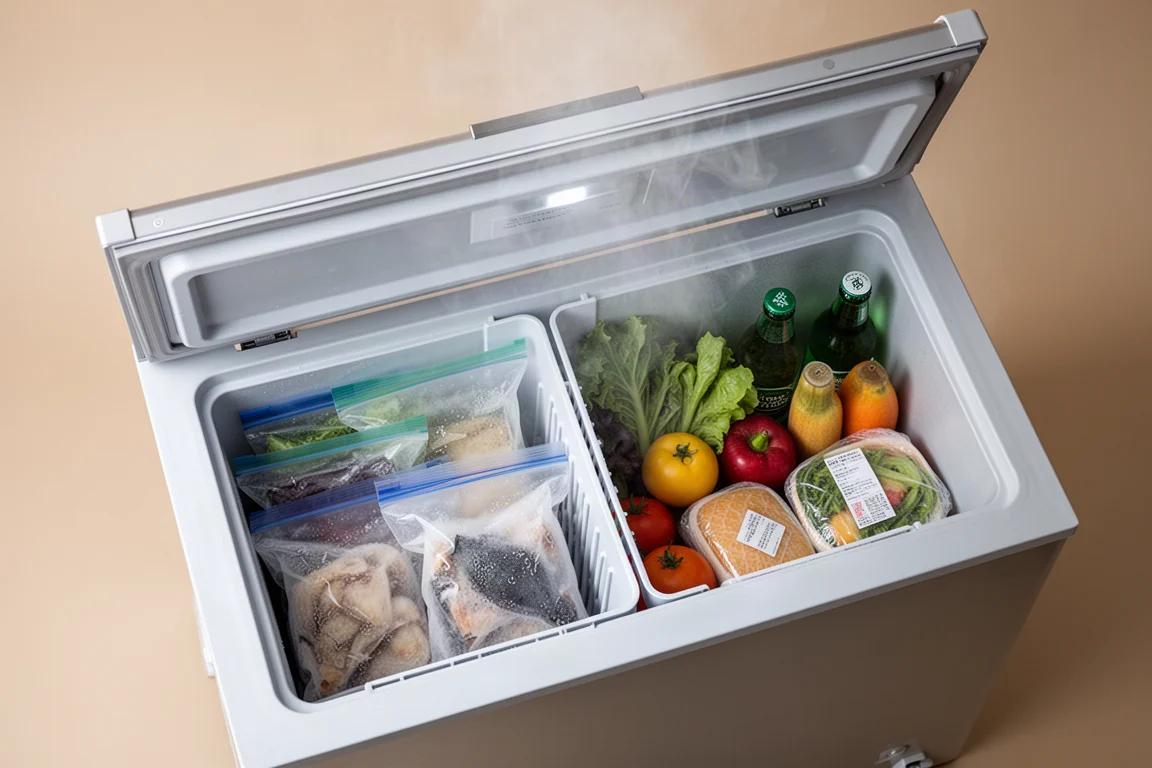
For groups, that removes the awkward compromise of choosing between cold drinks and actual meals, since the two zones can be assigned to different jobs on different days.
Practical Details That Matter
The lid opens along the length of the fridge rather than from the side. That sounds minor until you try to fit a fridge into a vehicle, because it allows the unit to sit longways in the car while still giving full access to the contents.
Slow-closing safety hinges keep the lid from slamming shut, which is a small thing that matters with children around. Inside, a light makes the contents visible at night, and there is an exterior light as well. USB ports let you charge phones and other small devices from the fridge itself, and Bluetooth pairing allows temperature monitoring and adjustments from a phone instead of reaching for the panel.
Power Options and Real-World Runtime
A compressor fridge needs power, and how you supply it shapes how the APL55 gets used. Iceco offers a compact mini power bank with a magnetic back that attaches directly to the rear of the fridge. It is light, portable, and ideal for carrying the fridge away from the vehicle for a day, but it will not run for more than roughly 12 hours.
That bank can be topped up from a solar panel while the fridge is running, which makes an all-day charge and an all-night discharge cycle possible. For longer trips, a larger power station is the more comfortable answer. In one arrangement, the fridge plugs into a battery pack, the battery pack plugs into the vehicle, and the car recharges everything while driving. When the vehicle stops for the night, the battery keeps the fridge cold.
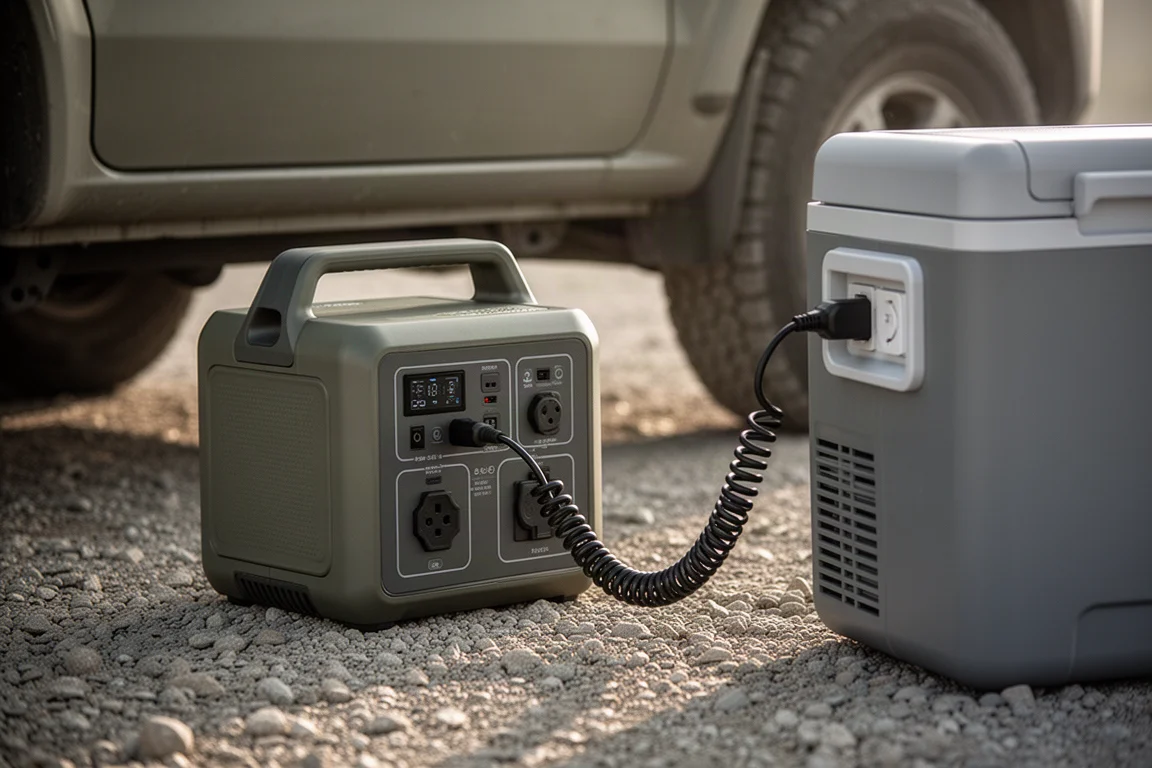
On a week-long trip in January with daily moves between locations, a 1,000 W power station never dropped below 85 percent charge. It received roughly two hours of charging per day and ran the fridge on battery power for the remaining 22 hours, which points to strong energy efficiency for a compressor unit.
Running a mini bank and a power station together adds a layer of redundancy: the fridge feeds from the small bank, the small bank from the power station, and the power station from the vehicle, with each stage keeping the next one charged. Runtime on battery alone has not been pushed to its limit, so treat the figures above as a realistic pattern rather than a maximum.
Things to Consider Before Buying
Weight is the most obvious compromise. The APL55 weighs 55 lb empty, compared with around 30 lb for a similar-size cooler, because of the compressor. A drawer slide that keeps the fridge in the vehicle while still allowing access is one way to manage that, and it is a worthwhile accessory if you plan to leave the unit installed.
Power hardware is an additional expense on top of the fridge, and it is fair to point out that the same money buys a great deal of ice. The mini power bank’s roughly 12-hour runtime is also a limit worth respecting rather than stretching.
There is a useful fallback, though. Because the walls are thick, the APL55 can be used exactly like a cooler if no power source is available: pack it with ice, keep everything cold, and let the insulation slow the melt while you are driving. That versatility softens the power requirement considerably for occasional use.
Finally, Bluetooth control assumes a charged phone, and the app adds convenience rather than replacing the physical panel, which remains the primary way to set temperatures.
Buying Advice
Pricing is where the APL55 gets interesting. Its standard price is around $859, and promotional pricing has brought it closer to $687, which puts it roughly $187 above a comparable Yeti cooler at times. When you compare that against a cooler plus 60 bags of ice, the maths shifts quickly in favour of the fridge for anyone who camps regularly.
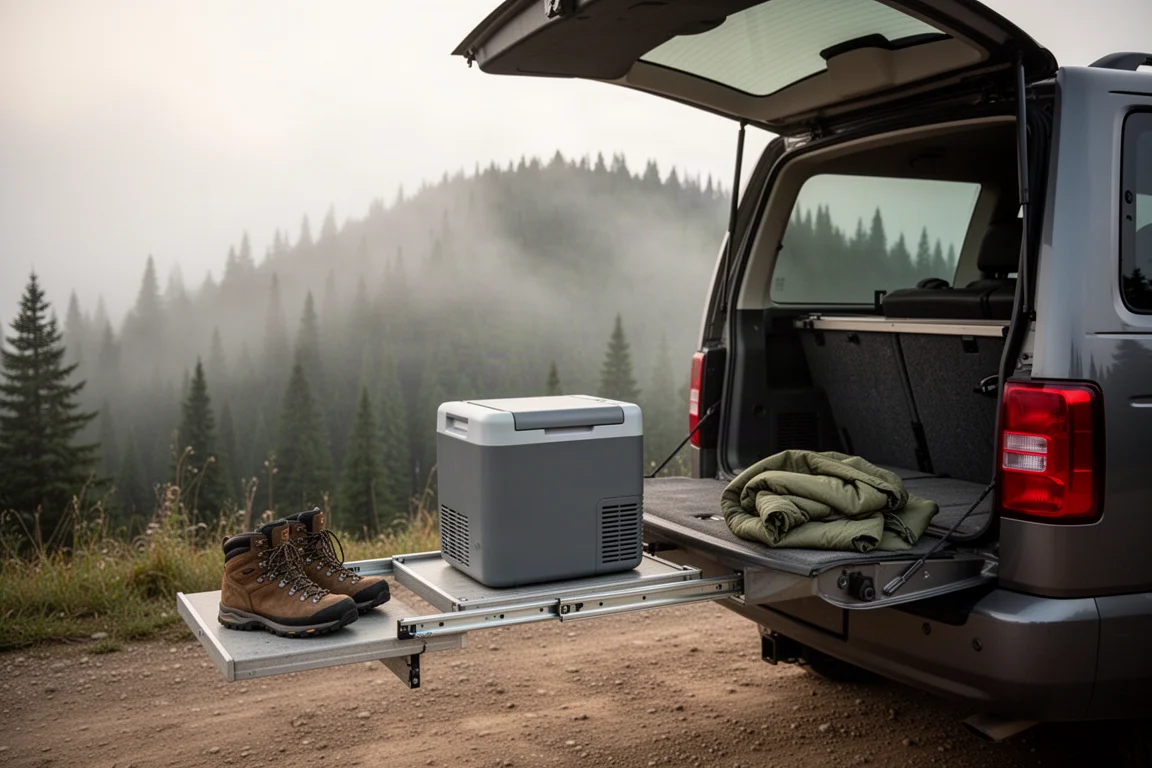
Accessories are worth budgeting for at the same time as the fridge. A drawer slide makes a vehicle installation far more practical, a protective cover adds insulation on top of protection, and a battery bank or power station determines how far from the car you can realistically take the unit. Buyers who already own a power station will find the entry cost much lower.
If your trips are short, your ice supply is convenient, and you do not want to carry 55 lb of hardware, a cooler remains the simpler choice. If you want to stay out longer than ice will last, the APL55 addresses the problem directly.
Conclusion
The Iceco APL55 is a strong answer to a specific frustration: buying ice, watching food sit in meltwater, and cutting trips short because the cooler is running warm. Dual-zone control, a lengthwise lid, app monitoring, and flexible power options make it genuinely practical rather than a novelty, and its efficiency on battery power is better than the weight and price might suggest.
The honest caveats are weight and the cost of the power hardware you will want alongside it. Weigh those against how often you camp and how far you travel between resupply points, and the decision becomes fairly clear.
Product link
View more details for Iceco APL55
This product is mentioned in the review. Check the specifications, options, and compatibility before buying.
View more details for Iceco APL55Further reading
Related Reviews
Backpacking Tents
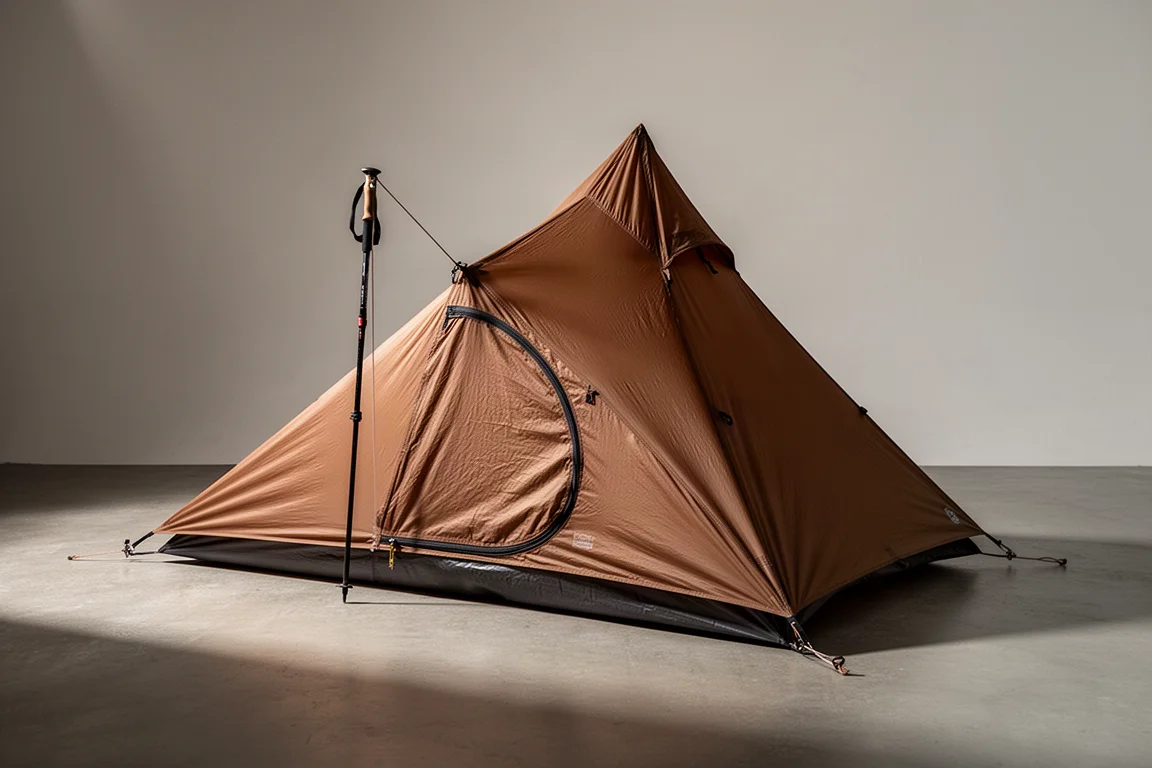
3F UL Lanchan Pro 1 Review: A 1 lb 8 oz Single-Wall Trekking Pole Tent
A practical look at the 3F UL Lanchan Pro 1, a single-wall trekking pole shelter with a 1 lb 8 oz weight, 20D silnylon fabrics, and a roomy 90 x 31 x 49 inch interior.
Backpacking Tents
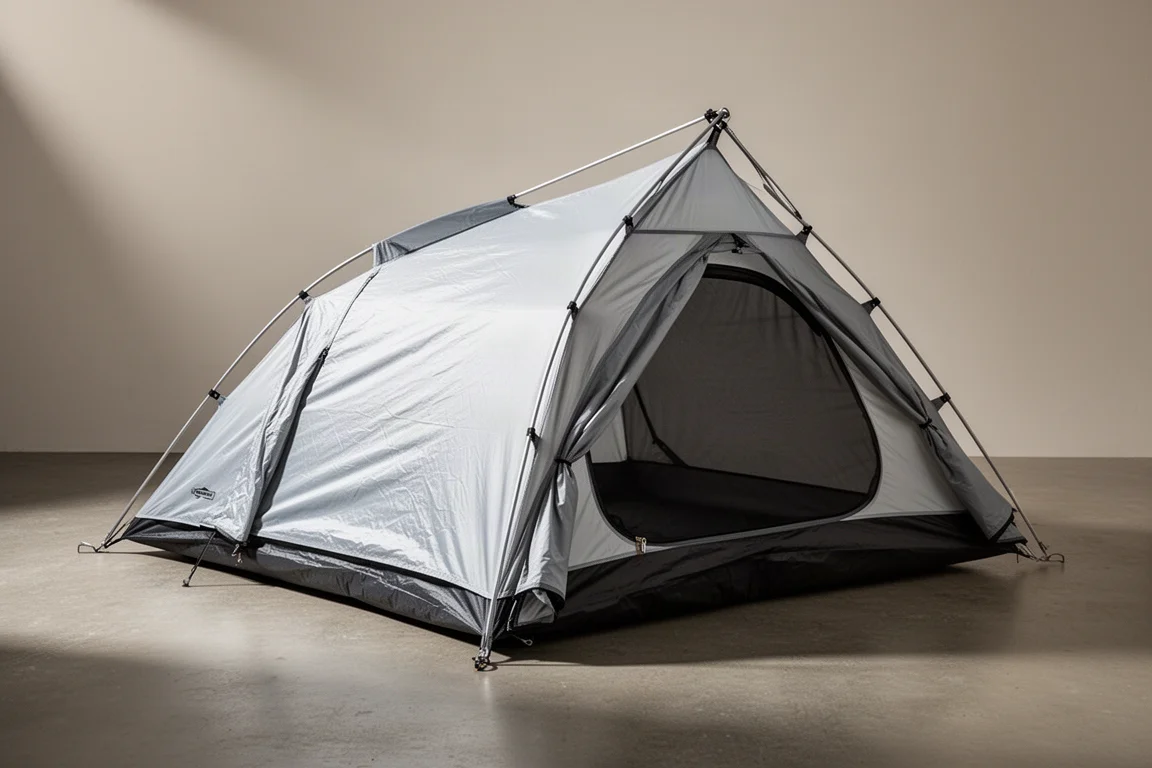
3F UL Taiji 2-Person Tent: A Convertible Backpacking Shelter Worth a Closer Look
A practical look at the 3F UL Taiji two-person tent, covering its materials, true two-person interior, fly-first pitching, and the seasonal inner swap that lets one shelter cover more of the year.
Backpacking Tents
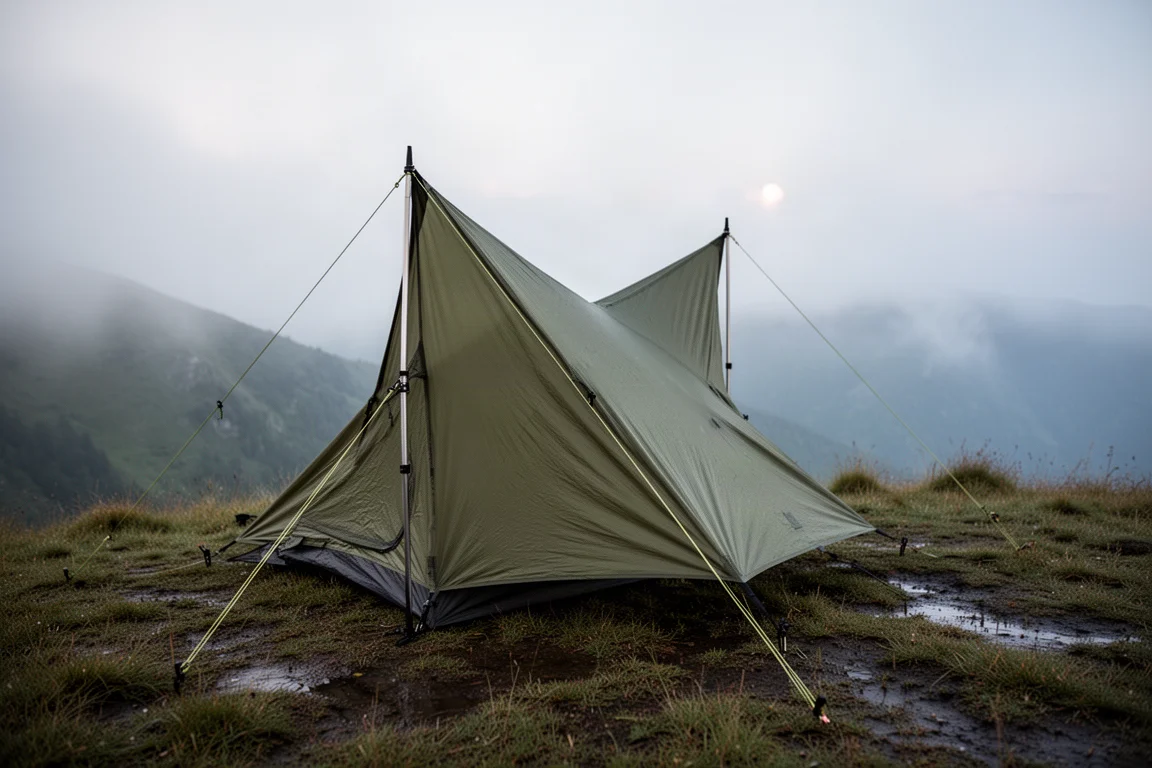
3FUL Lanshan Twoerson Pro Review: A Light Trekking Pole Shelter That Struggled in Rain
A two-person trekking pole shelter with a 2026 redesign, pitched with sticks and put through a night of steady rain. Here is what worked, what did not, and what to check before buying.