Gaming Headsets
HyperX Cloud Stinger 3 Review: A Return to the Cloud II Sound
The HyperX Cloud Stinger 3 brings back the beloved Cloud II audio signature in a lightweight wireless design, though a few software quirks and build concerns keep it from being a perfect pick.
Introduction
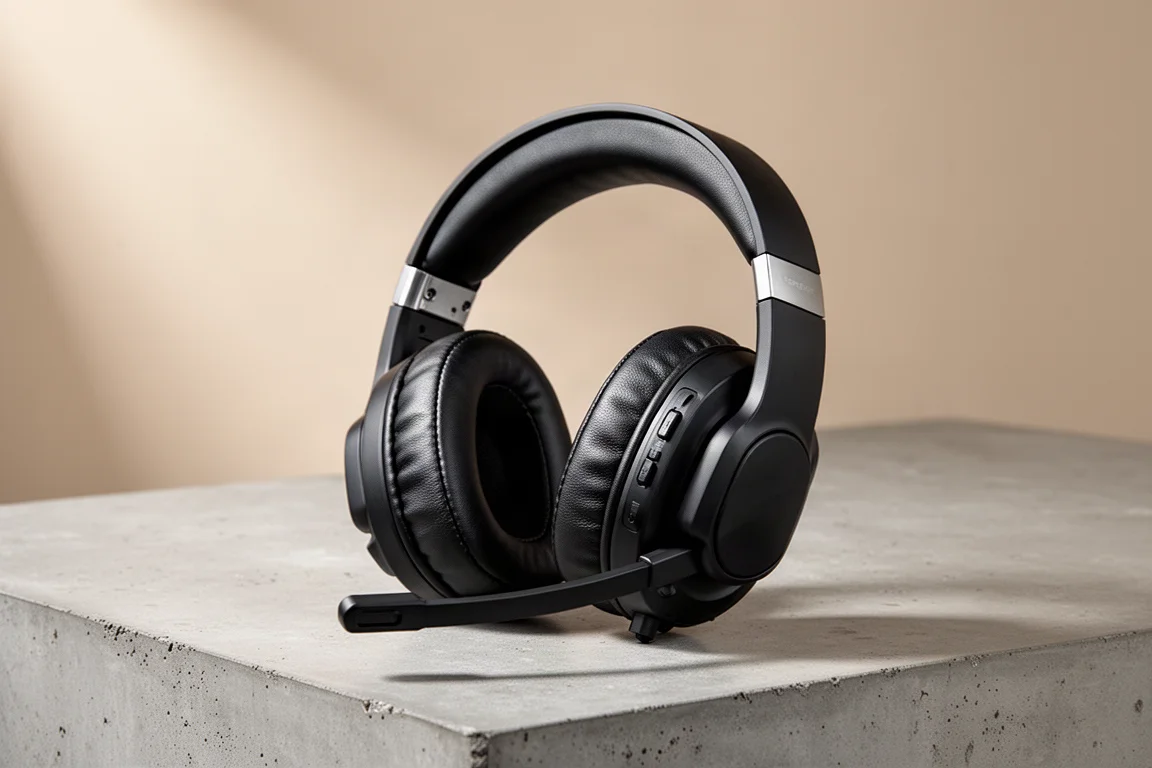
The HyperX Cloud Stinger 3 is a wireless gaming headset that aims to bring back the audio signature that made the original Cloud II so beloved. It arrives with a lightweight frame, a permanently attached microphone, and a focus on core sound quality rather than feature overload. After spending time with it, the headset delivers on that promise in several meaningful ways, though it also carries a few trade-offs worth knowing before you buy.
Who This Headset Is For
The Cloud Stinger 3 is built for gamers who prioritize comfort and a balanced, detailed sound profile over gimmicks. If you have fond memories of the Cloud II’s audio and have been searching for something similar in a modern wireless package, this headset is aimed directly at you. It also suits players who want a simple, plug-and-play experience without needing to tweak software extensively.
The headset is equally at home for long sessions thanks to its 284-gram weight and well-balanced distribution. The ear cups and headband feel even in the hand, with no single component dominating the weight. That balance translates to extended comfort, even for those who wear glasses.
Comfort and Build
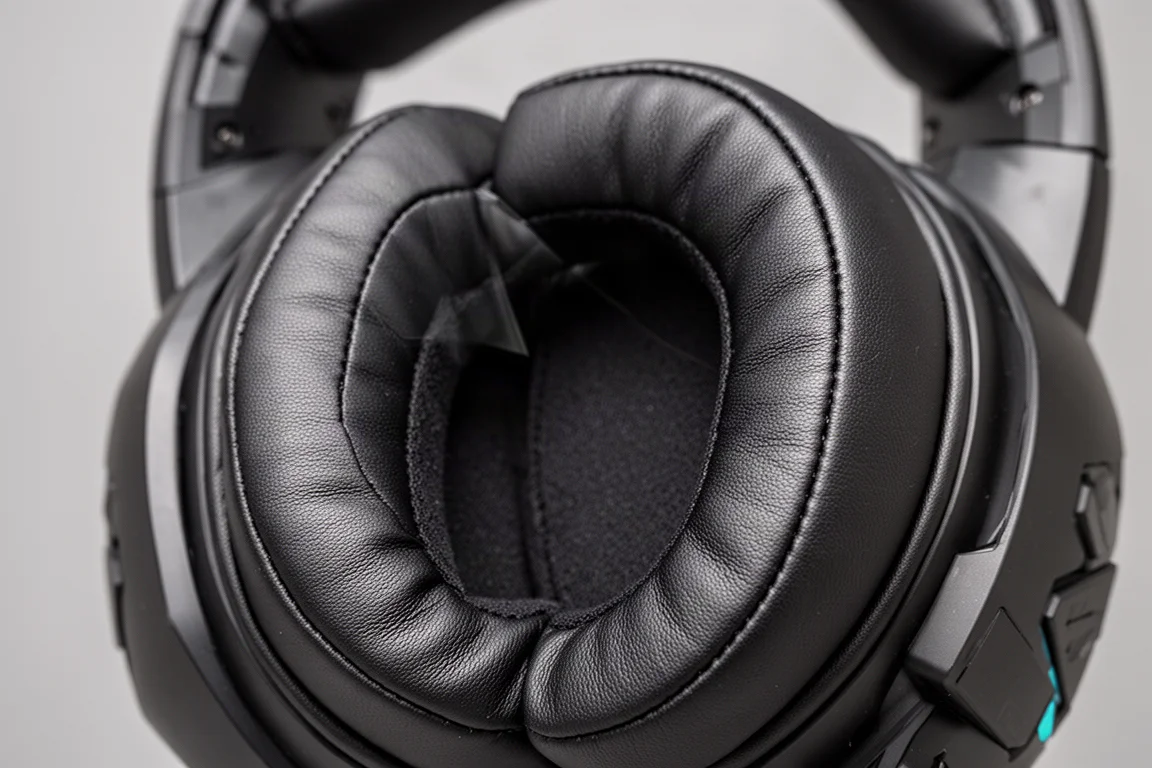
HyperX has a reputation for cozy headsets, and the Cloud Stinger 3 continues that trend. The ear cushions are notably large, with consistent depth all the way around. They are fully pleather inside and out, which means they are plush and soft but can trap heat during longer sessions. The cushions are removable, so swapping them out for aftermarket options is straightforward.
Inside the ear cups, there is a subtle angle that keeps your ears from touching the drivers. This small design detail makes a real difference during extended use. The headband is also pleather and plush, though it will accumulate grease and sweat over time. The adjustment mechanism uses clicky, metal-reinforced tabs, and the ear cups swivel flat for easier storage.
The build is mostly plastic, from the headband surround to the ear cups and forks. There is a metal-reinforced headband, but the main pressure points are elsewhere. One area of concern is a slight separation that can appear where the plastic pieces meet, especially with repeated on-and-off use. Handling the headset with care should keep this from becoming a problem, but it is worth noting.
Despite the heat buildup, the comfort is exceptional. There are no pressure points on the top of the head, ears, jaw, or back. The clamping force sits at a medium level, which means glasses stay put without bobbing or creating pressure. For a wireless headset at this level, the comfort is a genuine highlight.
Features and Software
The Cloud Stinger 3 keeps its feature set straightforward. A power button provides battery status and voice prompts for microphone state and power level. USB-C charging delivers up to 80 hours of battery life, based on HyperX testing at 50 percent volume. Real-world results will vary depending on usage.
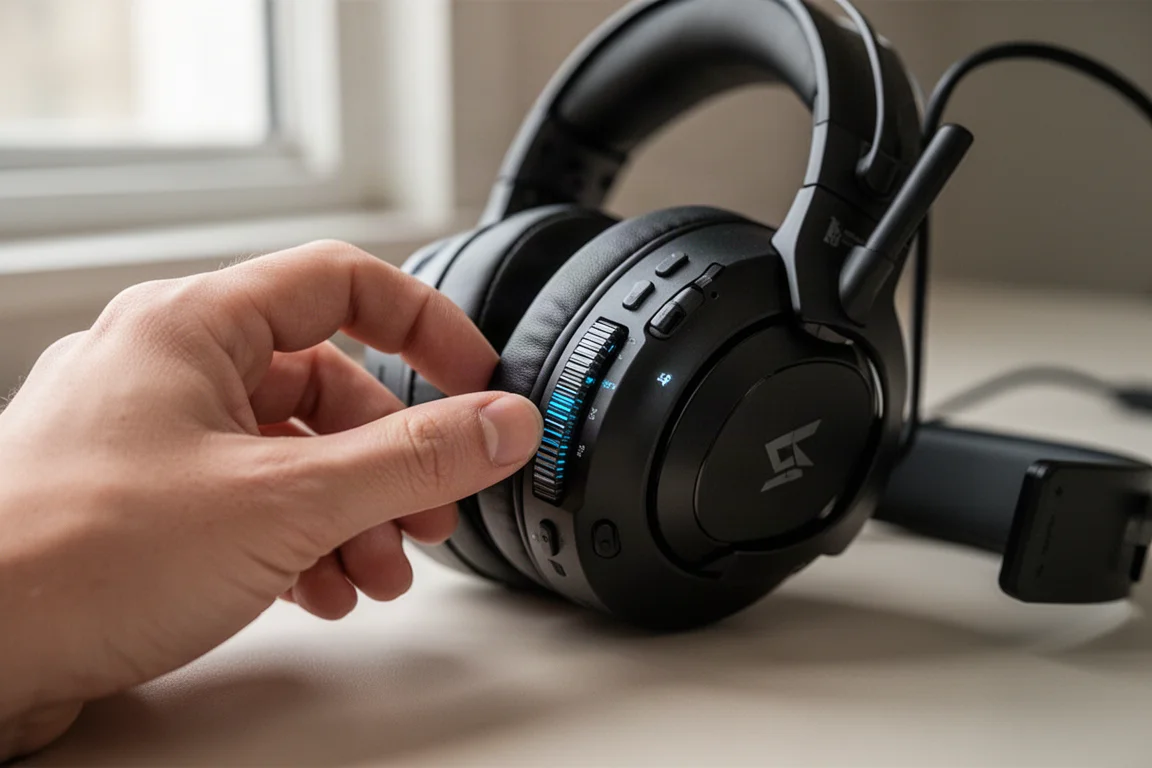
A switch on the headset toggles between 2.4GHz wireless and Bluetooth, though the two cannot run simultaneously. The multi-function button handles playback, track skipping, and call answering when in Bluetooth mode. The volume wheel rolls continuously and provides tones when you reach the top or bottom.
The HyperX NGENUITY software adds some customization options. The microphone is plug-and-play with no tweaking required, but the software lets you adjust volume, microphone volume, and mic monitoring. Mic monitoring is limited to a single on-off level, and there is no way to toggle it directly from the headset. The audio equalizer offers simple and advanced modes, though switching between them after creating a preset requires deleting and recreating it. Mic presets for high and low boost are available, but the differences are subtle and hard to notice in practice.

Spatial sound is available for those who want it, with extensive customization for speaker placement, distance, and immersion versus performance modes. The software is clean and easy to navigate, but some settings feel less flexible than they could be.
Microphone Performance
The permanently attached microphone flips down to activate and flips up to mute. Voice prompts confirm the state clearly. The microphone capsule picks up a bit more high-pitched detail, which can emphasize plosives like P and T sounds. Even on the regular preset, the tone is mild and clear enough for team chat.
The NGENUITY software includes mic presets for high and low boost, but the audible differences are minimal. This may be addressed in a future software update, but as it stands, the presets feel more like a checkbox than a meaningful tool. The microphone itself performs well for its intended purpose, delivering clear voice communication without requiring any setup.
Sound Quality
The sound is where the Cloud Stinger 3 truly shines. It uses 50mm drivers with a frequency range of 10 to 50,000 Hz, which is wider than the typical 20 to 20,000 Hz found in many gaming headsets. The result is a sharp, detailed, and balanced sound profile that leans slightly toward the higher frequencies.
Treble sparkle is present without becoming harsh, and bass is present when needed without overwhelming the mix. Dialogue stays clear, and environmental sounds remain immersive without muddying the overall presentation. In games, different weapon types and effects are easy to distinguish, from the charge of an arc weapon to the thump of a rocket launcher.
There was one instance where a spaceship sequence in a game felt slightly overdone in the low mids, but this could easily be a product of the game’s audio design rather than the headset. Overall, the sound profile is reminiscent of the original Cloud II, which is high praise. The Cloud Stinger 3 focuses on core audio quality rather than packing in features at the expense of sound, and that focus pays off.
Battery Life and Connectivity
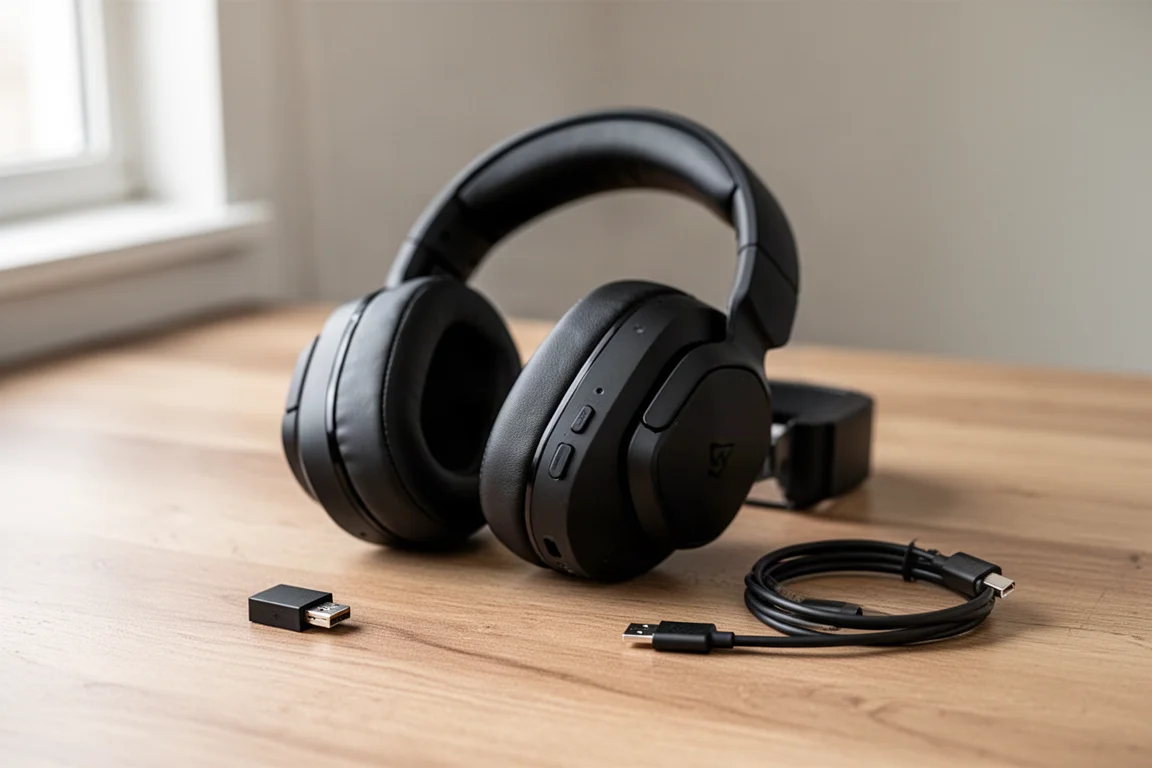
The USB-C charging cable and the included USB-C to A adapter are welcome additions. The adapter in particular is a thoughtful touch that many companies overlook. Battery life is rated at up to 80 hours, which is generous for a wireless headset. The 2.4GHz dongle provides a reliable low-latency connection for gaming, while Bluetooth covers mobile and general use.
The lack of simultaneous Bluetooth and 2.4GHz operation is a minor limitation. If you want to stay connected to your phone while gaming, you will need to switch modes manually. It is not a dealbreaker, but it is worth knowing before purchase.
Buying Advice
The Cloud Stinger 3 has an MSRP of $100. At that price, it faces stiff competition from other wireless headsets that have been on the market longer and may be available for less. The headset does a lot well, particularly in comfort and sound quality, but the software quirks and plastic build concerns give some pause.
A price closer to $75 would make this an easy recommendation. At that level, the combination of Cloud II-style sound, excellent comfort, and long battery life would be a genuine steal. Given the competitive landscape, it is likely the headset will see sale pricing after it has been out for a while. If you can find it at a discount, it is well worth picking up.
Conclusion
The HyperX Cloud Stinger 3 is a mixed but ultimately compelling package. It delivers the sound signature that many gamers have been chasing since the Cloud II, wrapped in a lightweight and comfortable wireless design. The build quality has some question marks, and the software could be more flexible, but the core experience is strong.
For gamers who value audio quality and comfort above all else, the Cloud Stinger 3 is a headset worth serious consideration. If the price drops closer to $75, it becomes an easy recommendation. As it stands, it is a solid wireless headset that brings back a beloved sound profile with modern conveniences.
Product link
View more details for HyperX Cloud Stinger 3
This product is mentioned in the review. Check the specifications, options, and compatibility before buying.
View more details for HyperX Cloud Stinger 3Further reading
Related Reviews

Gaming Headsets
ASUS ROG Cathara Review: Planar Magnetic Sound With a Few Caveats
The ASUS ROG Cathara brings planar magnetic drivers and audiophile-grade tuning to a gaming headset, but volume sensitivity and mic quirks mean it is not for everyone.

Gaming Headsets
Asus ROG Kithara Review: A Cozy Open-Back Headset With Audiophile Sound
The Asus ROG Kithara blends HiFi Man planar magnetic drivers with ROG gaming features. We test comfort, microphone quality, and sound across games and music.
Gaming Headsets
Audio Technica ATH-M50x STS Review: Music Headphones Meet Gaming Headset
Audio Technica combined their respected M50x headphones with an integrated microphone to create a hybrid gaming headset. We tested both the USB and XLR versions to see if the formula works.