Running Shoes
Hylo Impact vs Vasia Condor 3: Sustainable Daily Trainers Head-to-Head
Two of the newest eco-focused daily trainers compared on stack, weight, midsole, fit and ride, so you can pick the right sustainable shoe for your pace.
Introduction
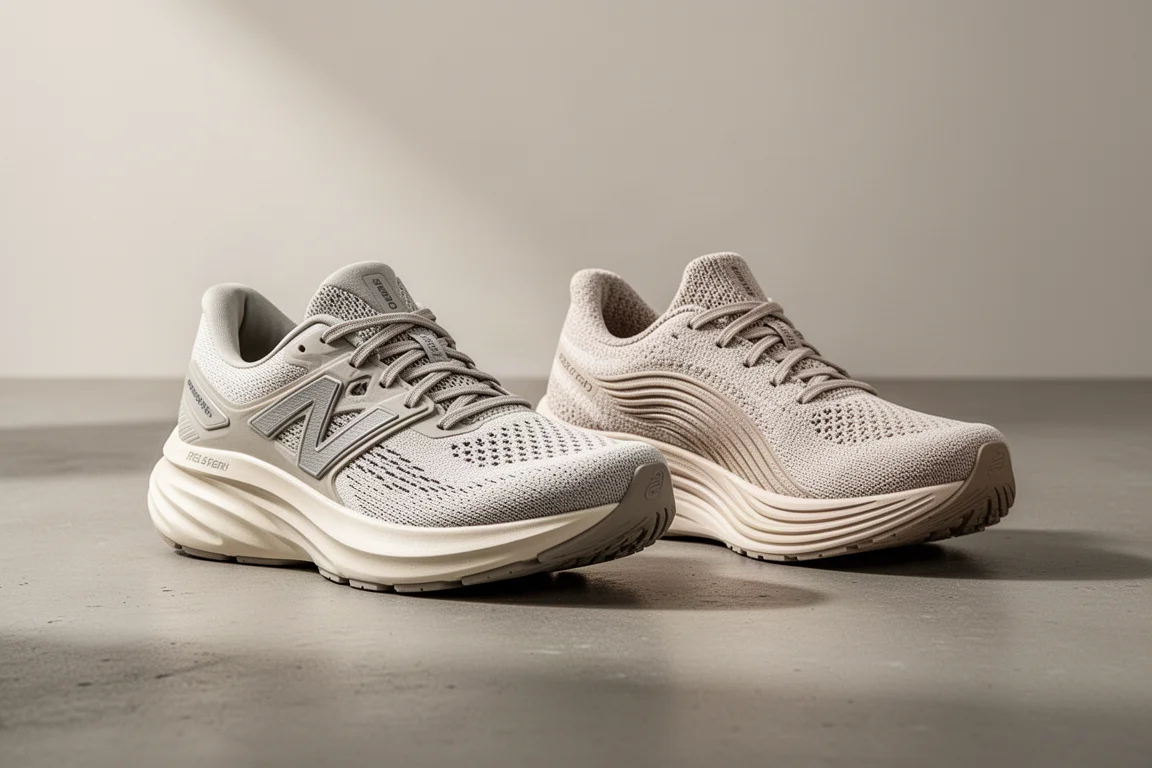
Sustainable running shoes have finally stopped being a compromise, and the Hylo Impact and Vasia Condor 3 are two of the best examples. Both are daily trainers built for everyday miles, both use plant-based materials to reduce reliance on fossil fuels, and both try to deliver performance that rivals conventional running shoes. So how do they compare, and is one clearly better? Here is a practical head-to-head to help you choose between these eco shoes.
Specs at a Glance
The Hylo Impact has a 33mm heel and 25mm forefoot for an 8mm drop. The Vasia Condor 3 sits taller at 37mm in the heel and 29mm in the forefoot, also with an 8mm drop.
Weight is a real differentiator. In the UK men’s 8.5 test shoe size, the Condor 3 comes in at 11.1oz (314g), while the Hylo Impact is significantly lighter at 9.7oz (276g).
On price, the Condor 3 costs £160 in the UK and $200 in the US, while the Hylo Impact is slightly cheaper at £150 or $165.
Midsole and Materials
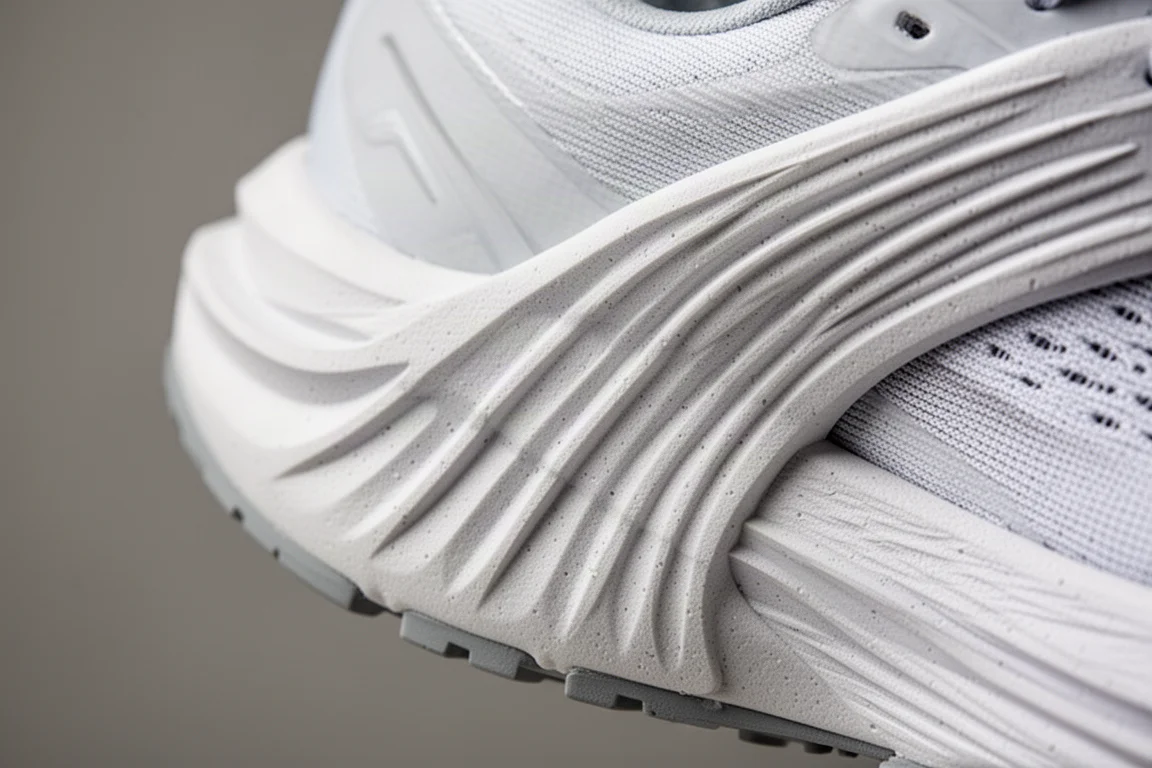
The Hylo Impact uses a supercritical nitrogen-injected midsole foam with added bio EVA to boost responsiveness and reduce weight. Hylo claims a 70% rebound, with the midsole tuned for maximum response, high cushioning and moderate support.
The Condor 3 takes a different route. Its midsole blends 43% sugarcane-based EVA with 27% Amazonian wild rubber, and there is an L foam cushioning section, part latex and part sugarcane EVA, aimed at high shock absorption. That foam is heat resistant and should retain its bounce over the long term. Vasia claims 80% energy return, a big leap over its previous shoes, and there is a padded heel insert to improve comfort on rear-foot landings.
Up top, the Condor 3 uses engineered mesh made from 100% recycled polyester, with TPU panels for structure and additional TPU overlays around the toe box. The Hylo Impact features a lightweight knitted upper made from 100% biobased nylon derived from castor beans, softened and made pliable, with a DWR coating for water repellency. Both shoes have fairly plush padded heel collars, though the Vasia’s is a bit narrower while the Hylo’s is more contoured. The Condor 3 has a flat wrapping tongue with an internal bootie-style wrap, lock-style laces and an external heel clip for security, while the Hylo pairs a padded tongue with a similar stitched-in bootie layer.
Outsole and Grip
Flipped over, these two shoes show very different thinking. The Hylo Impact has sweeping sections of 2 to 2.5mm thick rubber, inspired by Formula 1 tires for their ability to displace water and improve traction, with cutouts to reduce weight.
The Condor 3 carries a generous covering of fairly thick outsole rubber with small studs that enhance grip, giving it something of a trail-shoe character. That extra coverage and structure should also help its long-term durability.
Fit and Sizing
In a UK 8.5, both shoes hold well in the heel and offer good lockdown across the midfoot, and going true to size worked fine in both. The notable difference is flexibility: the Hylo Impact has a huge amount of give in the upper and across the toe box, to the point of feeling slipper-like and almost toe-box free, in a similar spirit to the old Nike Free. The Condor 3 feels much more traditional, with a slightly more held, structured toe box that is still roomy enough for toe wiggle.
Ride Comparison
Both shoes are a vast improvement on sustainable shoes of recent past, with a more cushioned, comfortable and enjoyable ride than the eco shoes of the last few years. Around 45km were run in the Condor 3, mostly at easy pace with the odd uptempo mile, and roughly 50km in the Hylo Impact, including easy miles plus half marathon pace intervals, all on road and light off-road paths.
The Condor 3 is a standard easy-day fair: a big cushion stack, plenty of protection, a bit of bounce and some everyday wear crossover. The Hylo Impact cuts a unique path, with real cushioned springiness, a punchier and sinky-but-not-too-sinky ride, and a sock-like sensation from the way the upper flexes.
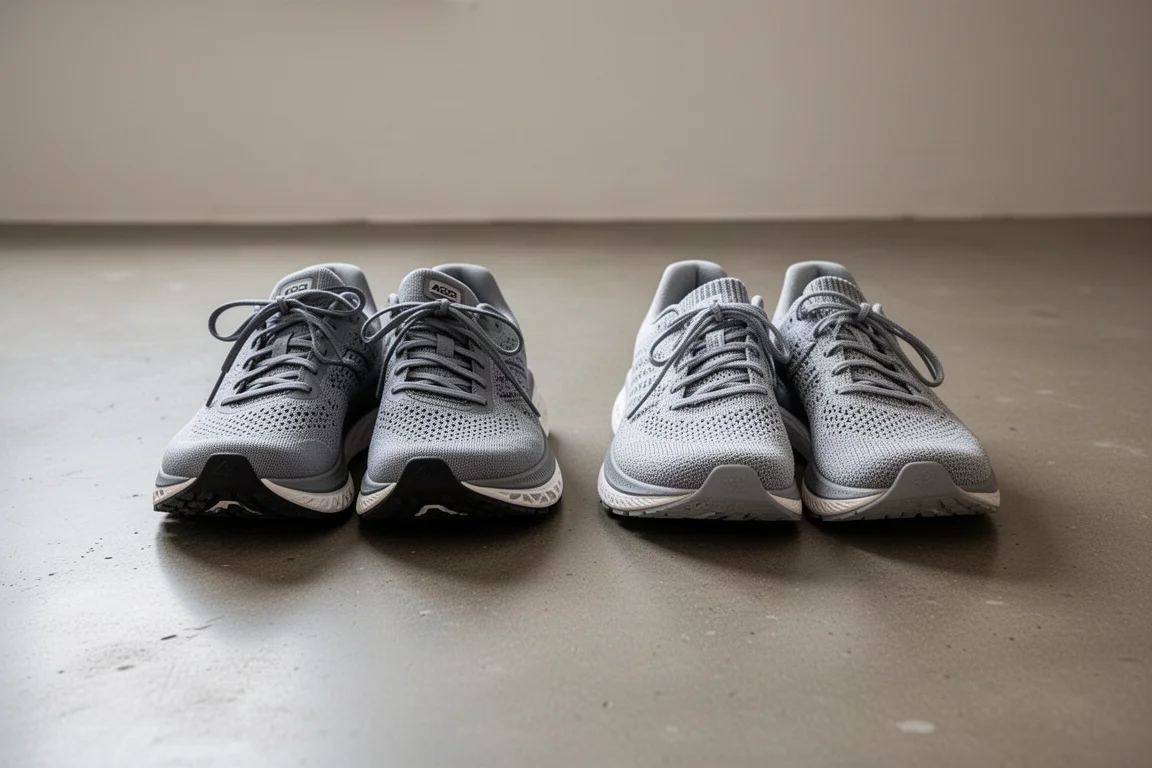
A side-by-side mile with one shoe on each foot made the differences clear. The Hylo moves more through the midsole, cushioning and cradling as the whole midsole works with your foot, while the Condor is stiffer and firmer on landings, giving a more connected roll-through and, with that, more stability. Both are bouncy, but the Condor feels more natural at easy paces, while the Hylo works best when you run fast, landing forefoot and engaging the foam.
Buying Advice
Both shoes deserve credit for bringing sustainable trainers much closer to the performance of conventional running shoes. The Condor 3’s platform is more stable and dependable, making it the better pick for slower paces if you value structure. It is also likely the more durable of the two thanks to its outsole grip and overlays, though it carries more weight.
If you want the better bet for faster efforts, the lighter and livelier supercritical midsole of the Hylo Impact performs better. It is not perfect at slower paces, but its overall versatility, wider pace range and slightly lower price make it the shoe to pick if you have to choose one.

Conclusion
The Hylo Impact and Vasia Condor 3 prove you no longer have to give up ride quality to run in eco shoes. Pick the Condor 3 for stability, protection and durability at easy paces; pick the Hylo Impact for a lighter, springier ride that handles faster training better, at a slightly lower price.
Product link
View more details for Vasia Condor 3
This product is mentioned in the review. Check the specifications, options, and compatibility before buying.
View more details for Vasia Condor 3Further reading
Related Reviews

Running Shoes
Best Road-to-Trail Running Shoes: Three Versatile Options for Mixed Terrain
A practical guide to three road-to-trail running shoes that handle both pavement and mild trails, with clear strengths and trade-offs for different runner types.

Running Shoes
Best Running Shoes for Achilles Tendonitis: Three Options Explained
Three running shoes with different heel drops and support features designed to help reduce Achilles tendon pain during walking and running.

Running Shoes
Best Running Shoes for Women: Five Top Choices Ranked
A ranked guide to five women's running shoes, from versatile daily trainers to high-performance racing options, with real strengths and trade-offs for each.