Ski Gear
How Wide Should Your Skis Be? A Practical Quiver Guide
A clear look at ski width bands, from 88 mm daily drivers to 106 mm powder skis, with six models that fit each role.
Introduction
Ski width is one of the few numbers on a spec sheet that every skier has an opinion about, and it is also one of the most easily misread. A 106 mm ski is not a better version of an 88 mm ski, and an 88 mm ski is not a beginner ski. They are different tools for different days.
The confusion usually starts with a promise rather than a number. The idea that one pair of skis can cover an entire season is what causes most of the disappointment, not the width itself. This guide breaks down the width bands that actually matter, explains what each one is genuinely good at, and looks at six models that fit into those bands.
Why the One Ski Quiver Idea Falls Short
The phrase worth being sceptical about is “one ski quiver”. There is no ski that will be your entire quiver, and any ski sold that way is probably not doing a very good job at either end of the range.
A realistic starting point is a two ski quiver: a daily driver that is comfortable for the majority of your days, plus a wider powder ski for the days when the snow genuinely piles up. A ski in the mid nineties can cover roughly 75 to 80 percent of days at a western resort, but there will still be days when it is too wide and days when it is too narrow.
Be honest about the snow you actually get. A dedicated powder ski can sit unused for most of a season, and around ten days of use is a realistic figure in a typical year at a western home mountain. Snowfall averages matter far more than the highlight reel. Many mountains see only a couple of inches on a typical day, which means the ski you reach for most often should be built for packed and variable snow rather than for the deepest day of the year.
How to Read Ski Width Ranges
Width underfoot is the single most useful number for working out what a ski is for. The bands below are broad, but they hold up across most western resorts.
- 70 to 85 mm: carving focused skis. They move edge to edge quickly and feel reactive, but on soft spring snow there is not much platform to stand on, which limits the range of edge angles and turn shapes available to you.
- 86 to 92 mm: the daily driver band. Responsive enough to carve precisely, wide enough to stay stable in softer snow.
- 94 to 102 mm: the safe bet. A wider, more open tip adds flotation, and there is still enough narrowness to carve, though it will never be as responsive as an 88.
- 106 to 116 mm: powder skis. Built for flotation and a surfy, sliding turn rather than for edge grip.
- 120 mm and above: a specialised tool for cat skiing and big mountain terrain, and more ski than most lift served skiers need.
One myth is worth clearing up: narrow skis are not beginner skis. Advanced skiers use them deliberately, because responsiveness and quick edge to edge transitions matter more than surface area when the snow is firm. Width is about where you ski and what kind of turn you want, not about ability level.
Another factor some skiers notice is strain. Wider skis can put more load through the hips, which is one reason a narrower ski can feel easier over a long day of lift served mileage.
Daily Driver Width: 80 to 90 mm Underfoot
This is the band most western skiers should start with. An 88 mm ski rolls from edge to edge quickly, stays precise through the turn, and still has enough width to hold a stable platform in the softer snow that shows up regularly at western resorts.
It also leaves room for a second ski. A daily driver in this band handles groomers well and can still explore softer snow when the day delivers a little more than expected, which is exactly the balance most skiers are looking for across a season.
Atomic Maverick 88 TI
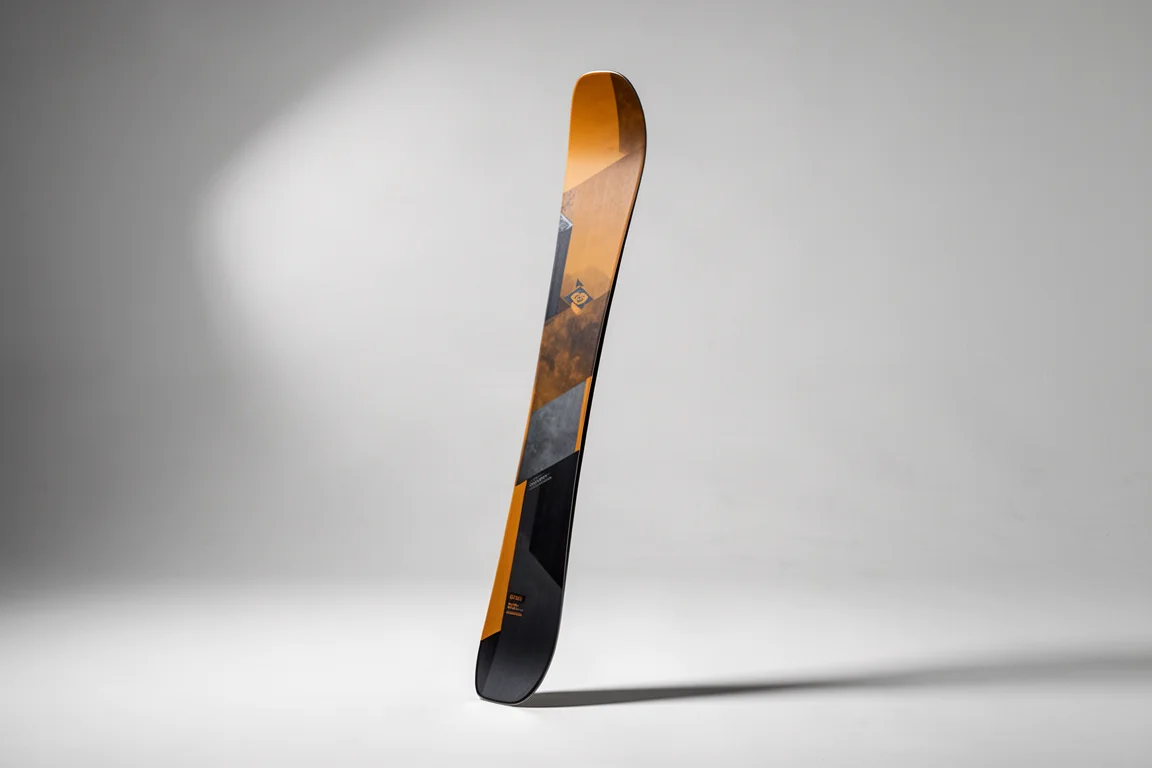
The Atomic Maverick 88 TI is the clearest example of what this band does well. At 88 mm underfoot it is very responsive, it takes very little effort to get it up on edge, and it stays precise through the turn. It creates a stable platform in western snow without the extra width that makes a ski feel sluggish.
Its construction is a wood core with titanal layers visible beneath the topsheet, a sandwich that keeps the ski calm at speed while still feeling lively. For skiers who want quick, accurate turns across most of their season, this is the width to build a quiver around.
Salomon QST 92
The Salomon QST 92 sits at the top of the daily driver band and is a good example of the same idea with a little more surface area underfoot. Skiers who want one pair for groomers and occasional soft snow often land in this range, and it pairs naturally with a wider powder ski.
The Safe Bet: 92 to 100 mm Underfoot
The next band up is what you might call the safe bet. A ski in the 94 to 100 mm range hedges its bets: a wider, more open tip for flotation in softer snow, and still enough narrowness to carve and finish a turn properly.
This is the ski that can live in the car all season. If the snow is firmer than expected it is still fun, just not optimal. If there is more fresh snow than forecast, it handles that too. It complements whatever else is in the quiver rather than replacing it.
The trade off is responsiveness. A 94 mm ski will not carve on a dime the way an 88 mm ski does, and it will not float like a dedicated powder ski. It covers a wide middle ground, which is exactly why it works best as a second ski rather than the only ski.
Meer Wrangler 94
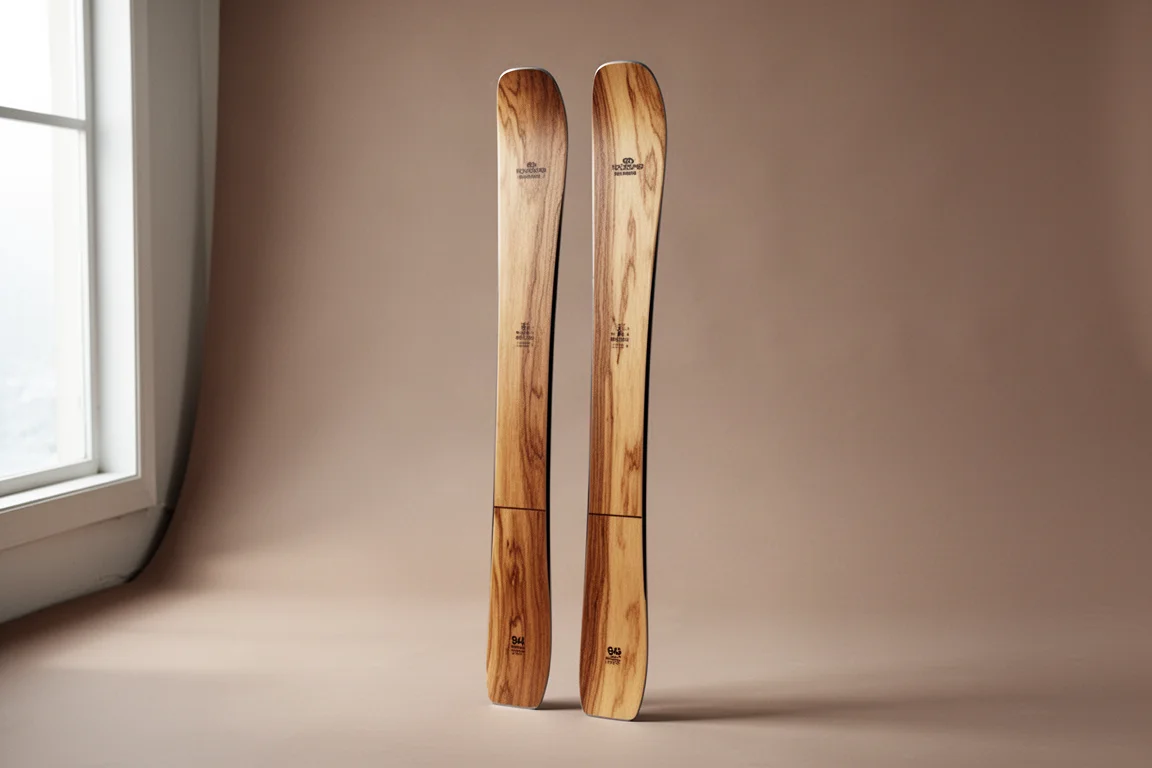
The Meer Wrangler 94 is one of the standout skis in this band. It has a wide, open tip that gives it useful flotation in powder, and it is a genuinely aggressive turning ski for its width. It carves more sharply than a 95 mm all-mountain ski, and it stays enjoyable on hardpack even though that is not where it shines.
What it will not do is replace a powder ski. It floats better than an 88 and less than a 106, and that gap is the whole reason to own it alongside both.
Atomic Maverick 95
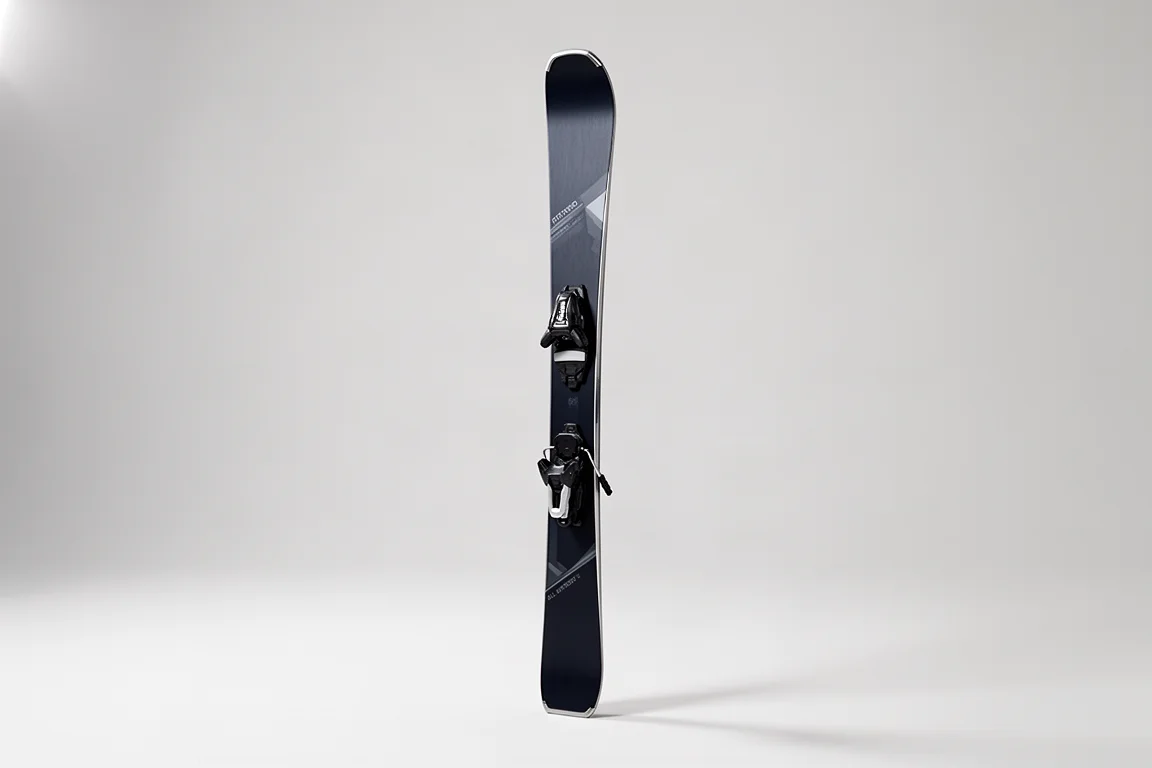
The Atomic Maverick 95 is a wider take on the same idea. It offers more platform underfoot for softer snow, but it is noticeably slower edge to edge than the 88 TI, it washes out its turn radius more readily, and it asks more of the skier in a tight turn.
If your priority is a responsive, accurate turn, the narrower Maverick is the better choice. If you want a wider daily driver that stays comfortable when the snow is soft, the 95 makes sense.
Powder Ski Width: 106 mm and Beyond
Powder skis are a specialised tool, and they should be judged on different criteria. Responsiveness matters far less here. What matters is flotation, a smooth turn, and a shape that lets you sit in the snow and carry momentum across the hill.
A good powder ski has more in common with a snowboard than with a carving ski. It has more play, a surfier feel, and it is built to keep you on top of deep snow rather than to slice through it.
For lift served skiing, 106 to 116 mm is the practical range, and around 110 mm is a comfortable middle for many skiers. Once you move past 120 mm you are into cat skiing and big mountain terrain. Powder skis also tend to get replaced at a similar rate to other skis even though they log fewer days, because hidden rocks under fresh snow cause core shots.
Salomon QST 106
The Salomon QST 106 sits at the low end of the powder band, which is part of what makes it so usable. It offers a strong level of flotation, it carries speed through soft lines well, and it still has enough shape to turn on cat tracks and groomed access runs.
It is not a carving ski. It can hold an edge reasonably well for its width, but it is meant for soft snow, and in a typical season it might only come out for around ten days. That is not a flaw. It is a specialist that does its job better than anything else in the quiver when conditions line up.
Lightweight Touring Option: Atomic Backland 102
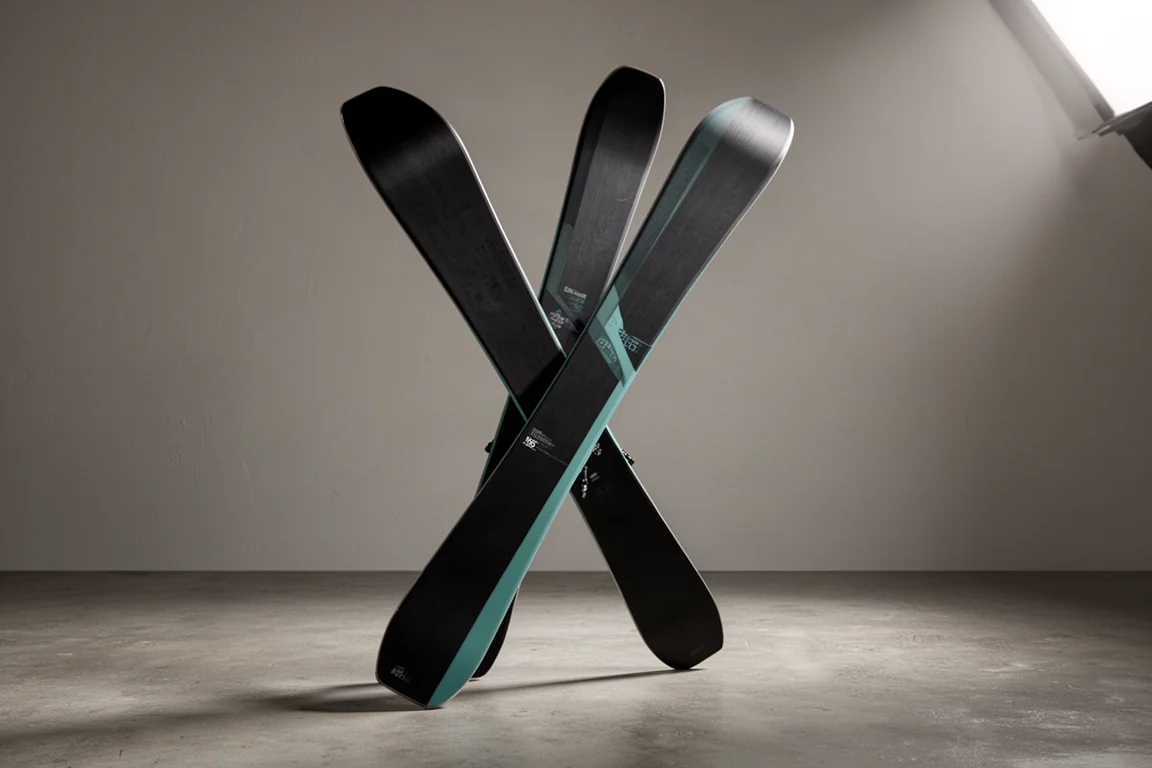
Not every wider ski is a resort powder ski. The Atomic Backland 102 makes sense as a backcountry ski, a light pair you skin uphill with. At 102 mm it has enough width to float in soft snow on the descent, and its lighter build keeps the climb manageable.
It is not the ski to choose as a resort daily driver, and it is not a replacement for an 88 mm carver. As the touring half of a quiver, it fits a clear purpose.
View more details for Atomic Backland 102
Buying Advice: Match Width to Your Home Mountain
The most useful thing you can do before buying is to be honest about your home mountain. Look at the average snowfall rather than the best day of last season, and let that decide the width you spend most of your days on.
If you ski mostly groomed and firm snow, staying at 88 mm or below makes sense, and somewhere in the 82 to 88 mm range is a sensible target. A 95 mm ski in those conditions is generally more ski than you need.
If you ski in the west and regularly find softer snow, a daily driver between 88 and 94 mm covers most of your days and a powder ski from 106 mm upward covers the rest. A 106 mm ski can also serve as the powder option in places where anything wider would be overkill.
Whatever you choose, plan for two skis rather than one. A daily driver plus a powder ski covers more of the season than any single pair can, and demoing a powder ski before you buy is worth the time, because flotation and turn feel matter more in that category than responsiveness.
Conclusion
The honest answer to the width question is that most skiers are not on skis that are too wide. They are working with a quiver that is too small. An 88 mm daily driver, a 94 mm safe bet and a 106 mm powder ski between them cover essentially every day a western resort can offer, and each one does its job better than a single compromise ski could.
Buy for the snow you actually get, choose width by the terrain and the turn shape you want, and treat the one ski quiver as marketing rather than a plan.
Further reading
Related Reviews
Ski Gear
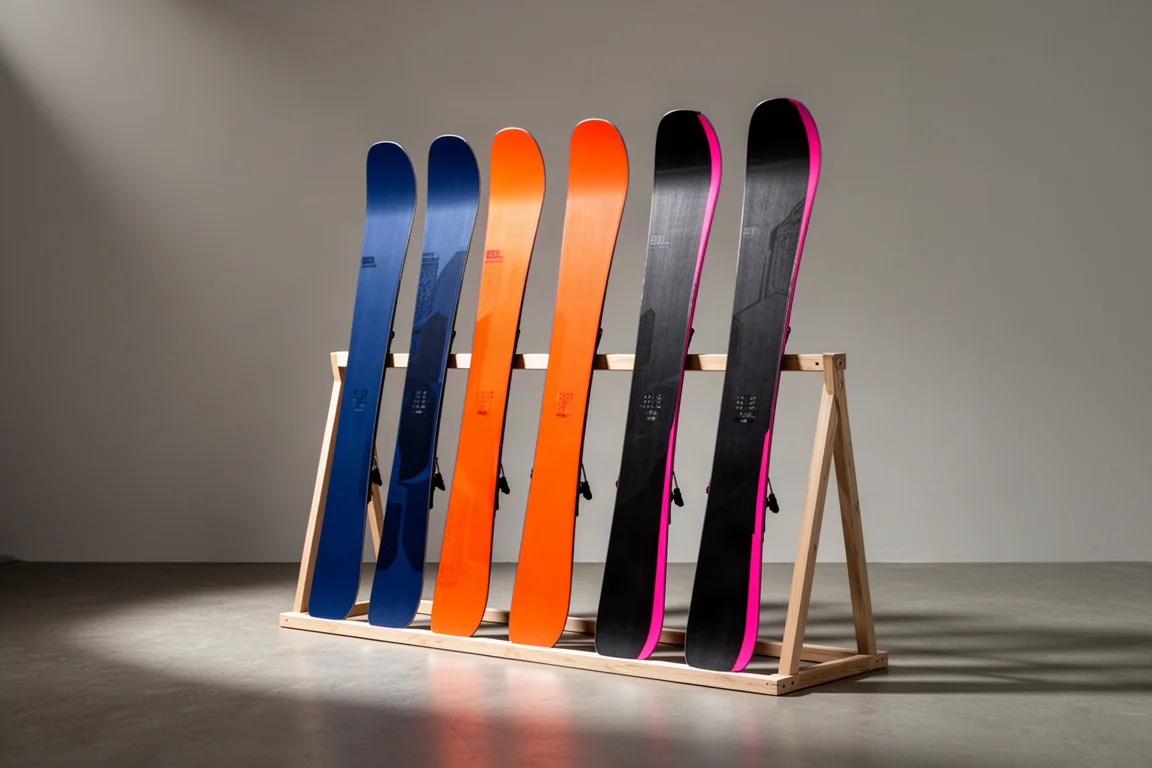
2023 Blizzard Hustle vs Rustler: Six Freeride Skis Compared
Blizzard's 2023 Hustle collection rebuilds the Rustler shape with a lighter core and no metal. Here is how all six skis differ, and which one suits your riding.
Ski Gear
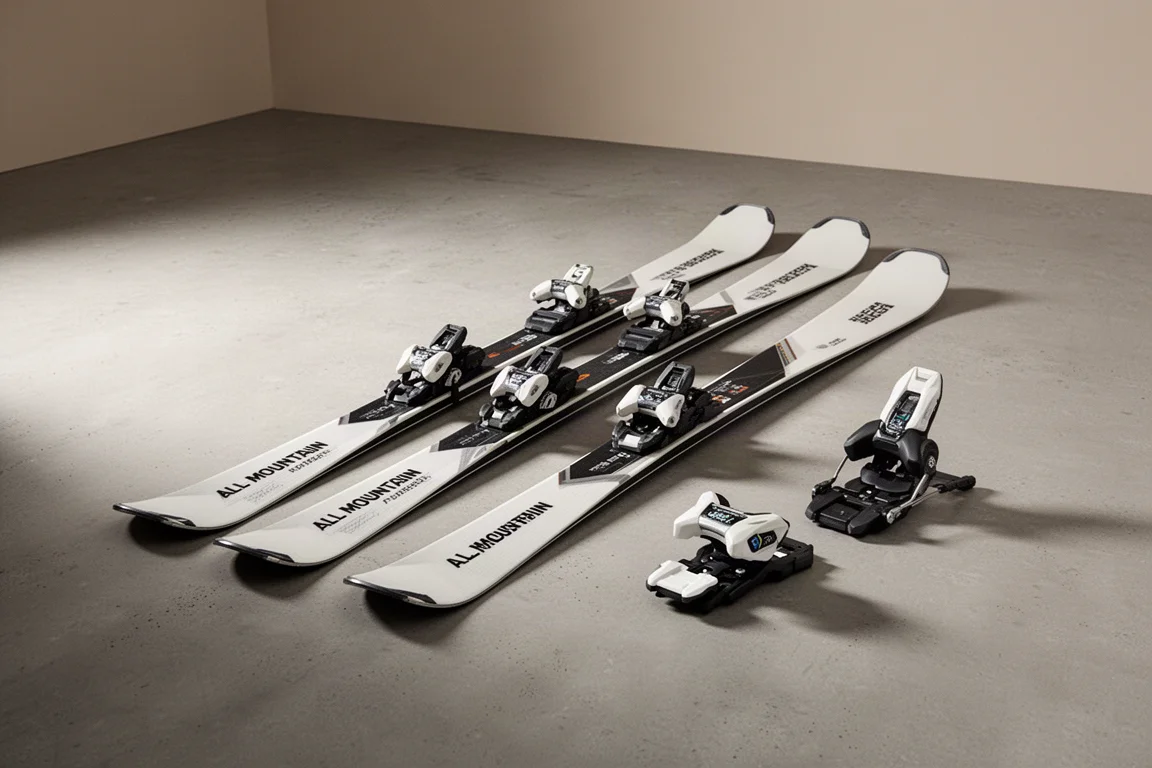
2023 Skis of the Year: Atomic Maverick 88 TI, Salomon QST 106, and Look SPX 12 Pro
Three standout ski picks for all-mountain carving, powder days, and reliable binding performance, with practical buying notes for 2023 models.
Ski Gear
2025 Nordica Enforcer 104 Review: A Directional Charger Replaces the 104 Free
The 2025 Nordica Enforcer 104 drops the Free name and the twin-tip personality, gaining weight, stiffness and composure in rough snow. Here is what changed and who it suits.