Camping Sleep Gear
How to Sleep Better While Camping: Six Pieces of Gear Worth Packing
A practical guide to the camping sleep problems that keep people awake, and the mattress, bag, tent, and mask choices that solve them.
Introduction
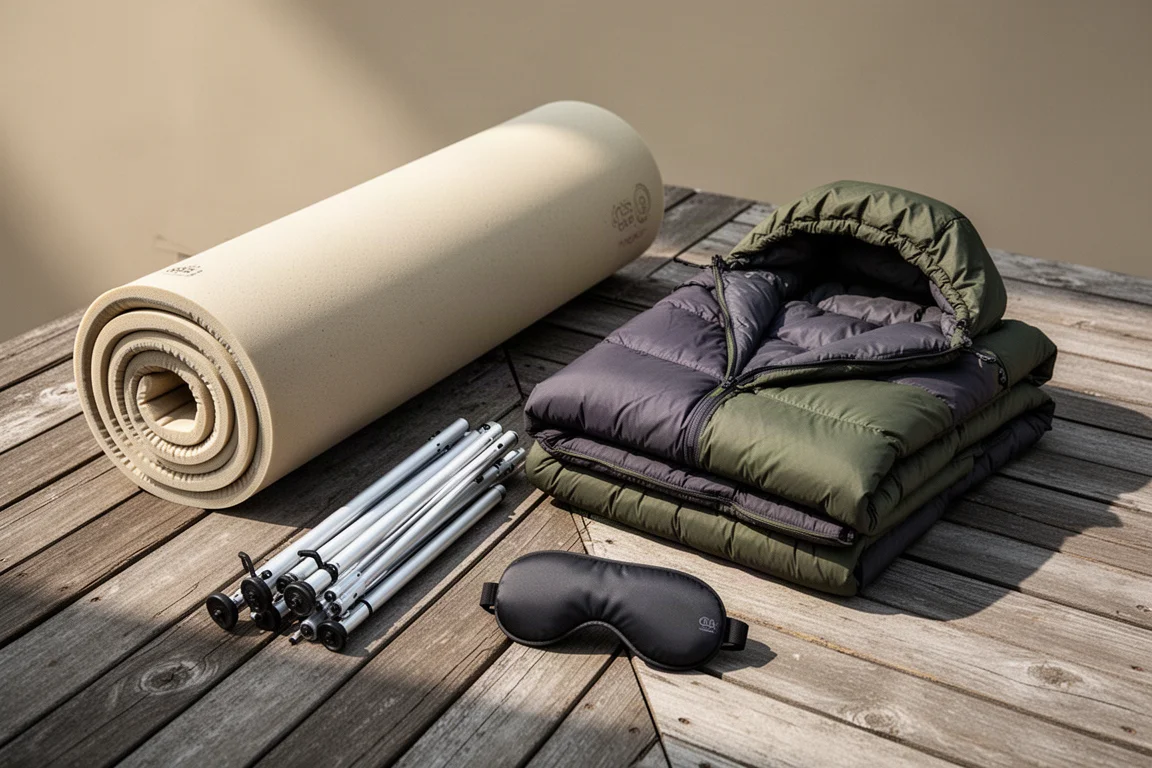
A good night’s sleep is the difference between a camping trip you remember fondly and one you cut short. The complaints tend to repeat: an uncomfortable mattress, a tent that turns into an oven or a freezer, light and noise from neighbouring pitches, or a medical need such as sleep apnea that makes people leave the tent at home altogether.
Each of those problems has a practical answer, and most of them are inexpensive. This guide works through the gear that addresses them, starting with the one purchase that genuinely deserves a bigger budget and finishing with the small accessories that quietly fix everything else.
What Actually Keeps Campers Awake
Five issues come up again and again. The first is the sleeping surface itself, and it is the only one that rewards spending real money. The second and third are temperature, both too warm and too cold, and they call for different solutions depending on the season. The fourth is the environment around the tent: early summer sunrise, late sunset, and noise from other campsites. The fifth is a health consideration, where conditions such as sleep apnea have historically kept people from camping at all.
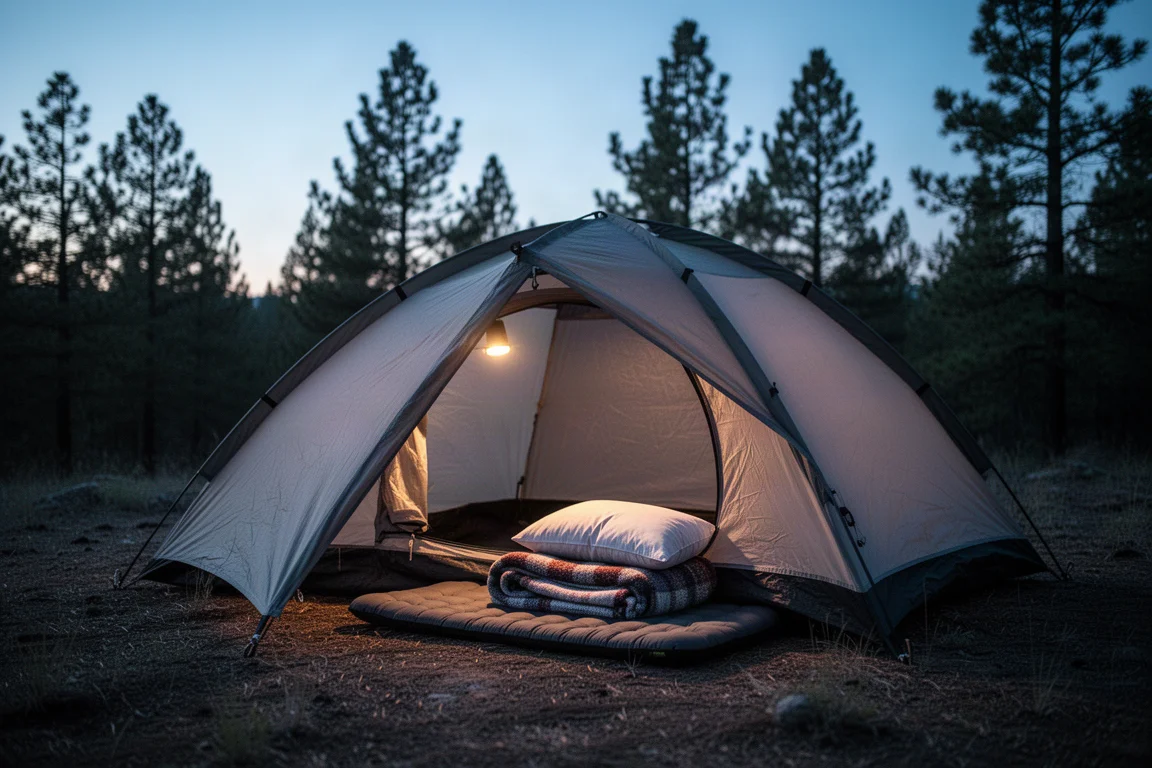
Beyond the mattress, most fixes cost very little. Bringing a pillow and a blanket from home, choosing a tent with better airflow, and packing an eye mask can each solve a problem outright. The sections below take them one at a time.
Best Mattress Upgrade: Nemo Roamer Sleeping Pad
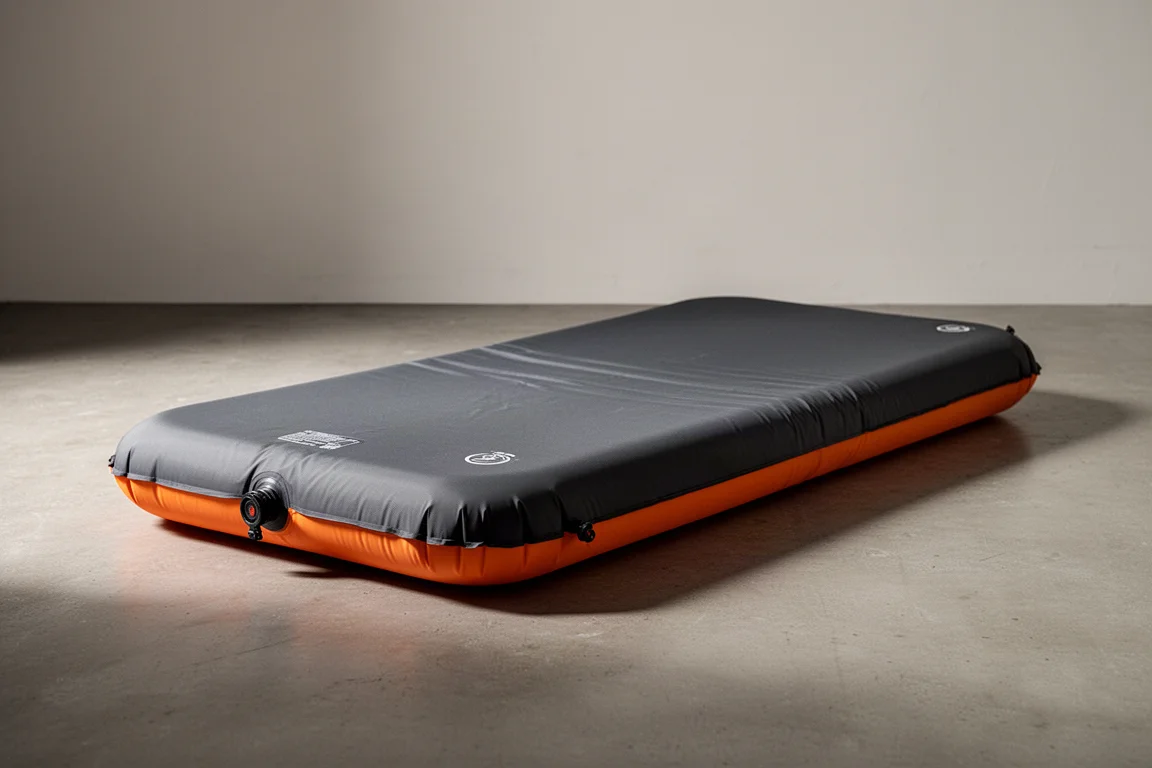
If there is one item worth spending on, it is the mattress. The Nemo Roamer comes in an XL version and a double version for couples, and its most useful trait is simply thickness: at 4 inches deep, you never feel the ground through it. The single version is also notably wide at 30 inches, which makes a real difference if you move around in your sleep.
Underneath the fabric is a foam and air hybrid construction. That combination is what makes it feel supportive rather than bouncy, and it holds up well for side sleepers who need pressure relief at the hips and shoulders.
The modular design is the part that sets it apart. Two single pads can be linked using the toggles at the corners, so you can carry one on solo trips and add a second when you are camping with a partner. That flexibility is hard to find in a dedicated double mattress, and it means the pad grows with the way you actually camp.
Alternative Mattress Option: Exped MegaMat
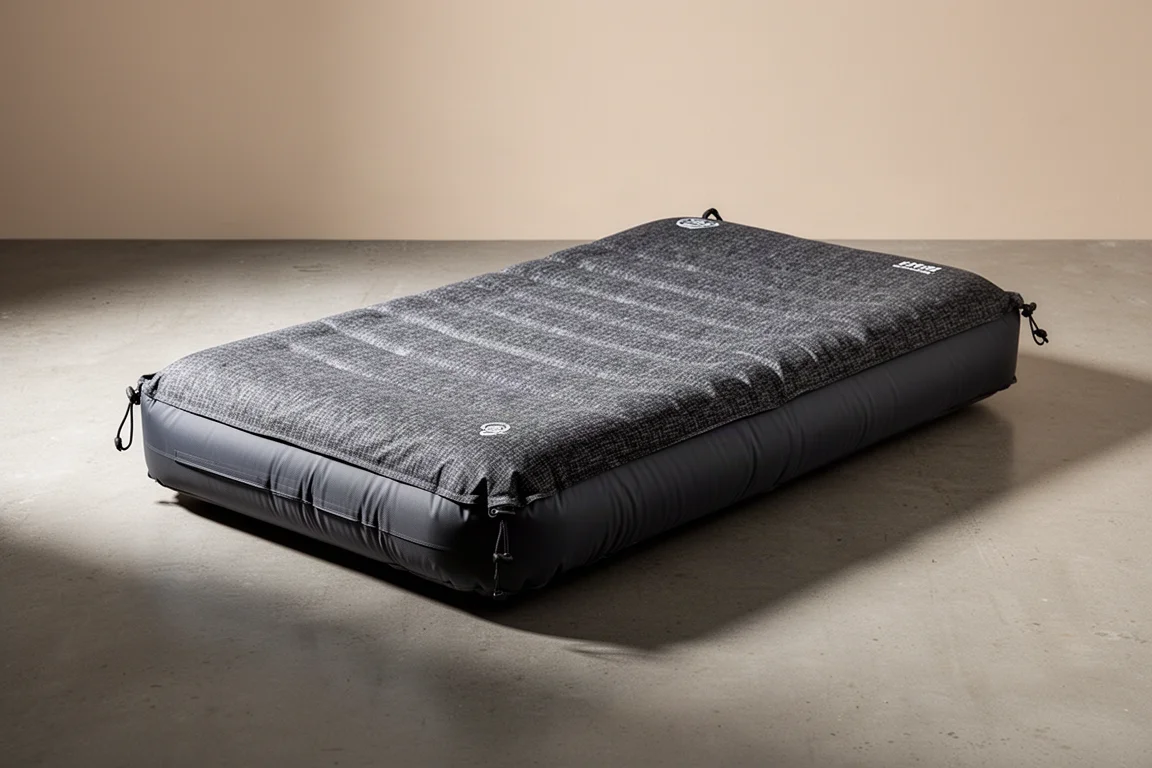
The Exped MegaMat is the other name that comes up for comfortable camping sleep, and it is a genuinely comfortable mat. It is a strong choice if you want a plush, stable surface and do not need a modular pairing system. If the ability to link two singles into one wide bed matters to you, the Roamer has the edge.
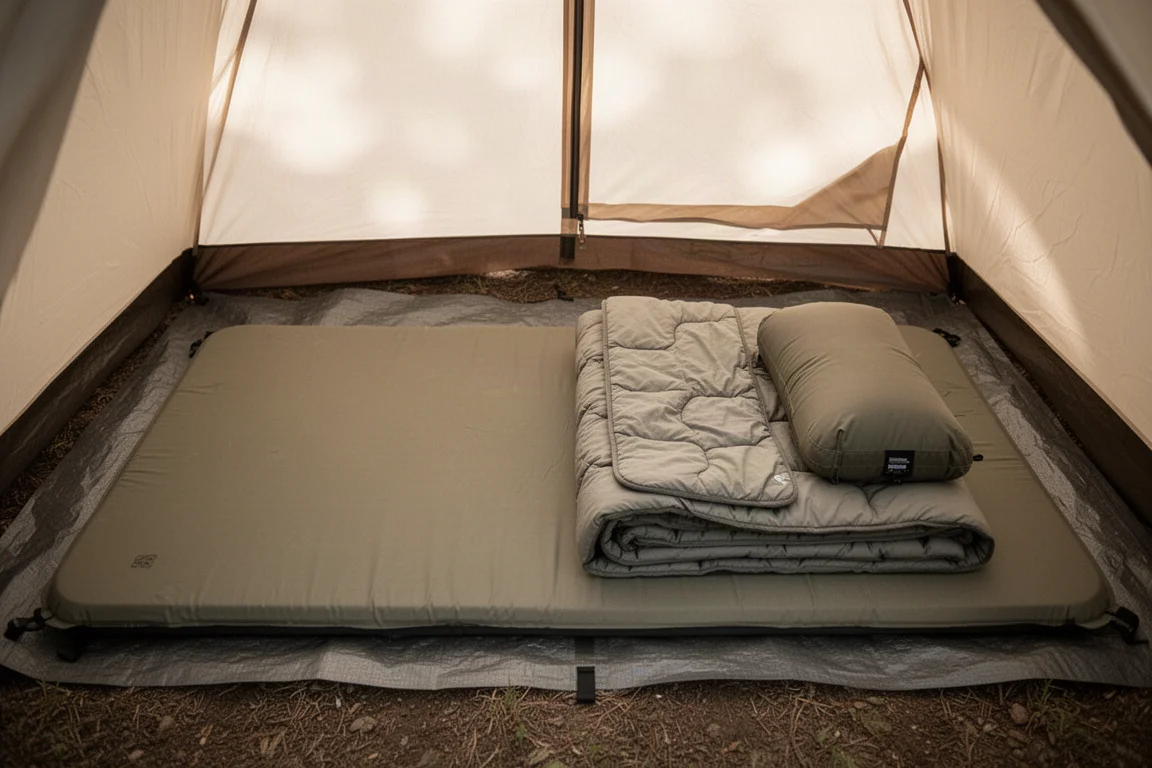
Either way, the principle is the same. A thicker, more supportive mat removes the single biggest cause of a bad night outdoors, and it is the one upgrade that cannot really be worked around. Pair it with the pillow you already use at home and you are most of the way to a full night’s sleep.
Best Sleeping Bag for Cold Nights: Nemo Jazz
Summer camping often needs nothing more than a blanket or comforter from home. The shoulder seasons are a different story. In spring and autumn, or in a colder climate, a camping-specific sleeping bag rated to around the freezing mark is worth the investment, and the Nemo Jazz is a well-rounded example.
It pairs directly with the Roamer pad. A sleeve along the back of the bag slides over the mattress, which stops the bag from creeping off during the night, a small detail that makes a noticeable difference by morning. The hood keeps your head warm and doubles as a place to tuck a pillow, and the bag opens up wide like a large quilt, so you can toss and turn underneath it without feeling restricted.
A neck flap tucks in around the shoulders to hold warmth where it escapes most easily. The Jazz comes in a double-wide version, or you can buy two singles and zip them together into one large bag. If you like the idea of a bag that locks onto a pad, there are also bag-and-sheet systems from other brands that attach in the same way.
Best Tent for Hot Weather Ventilation: Nemo Aurora Highrise
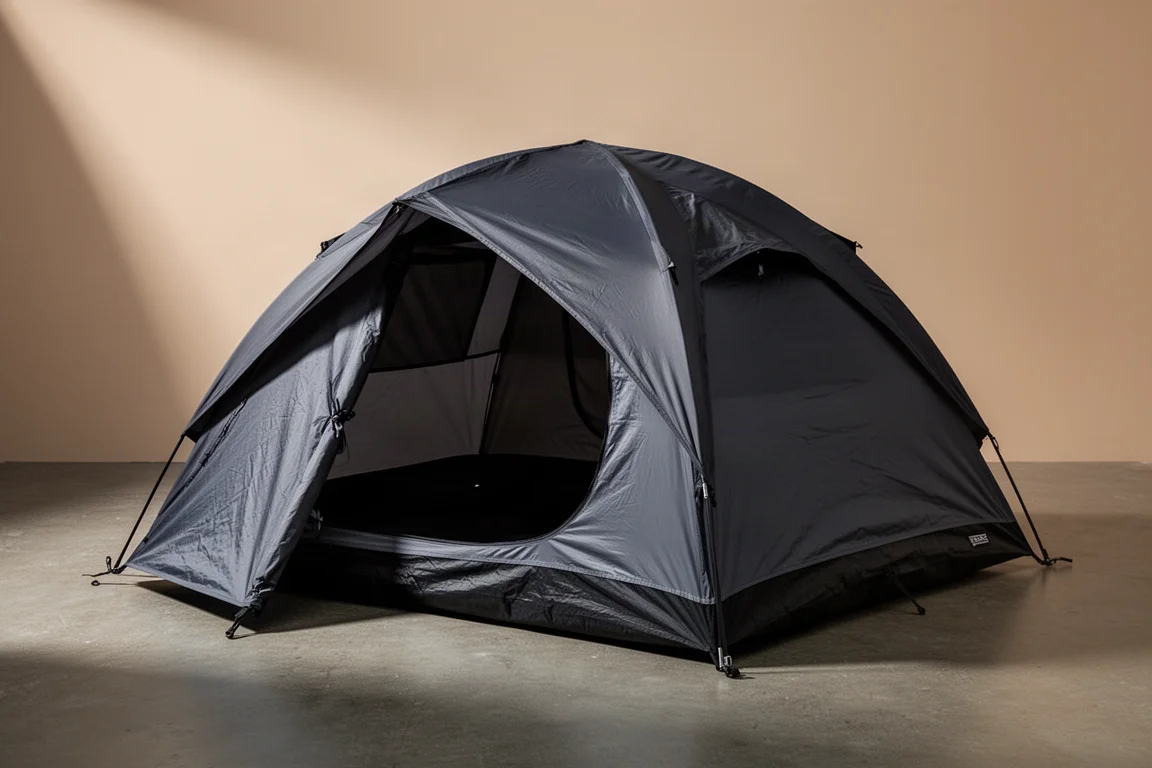
Staying cool is harder than staying warm, and the tent you sleep in does most of the work. The Nemo Aurora Highrise has windows on both sides that open directly to the outside air, so you get a proper cross breeze instead of warm air trapped behind a fly. That direct access to outside air is the detail to look for when you compare tents for summer use.
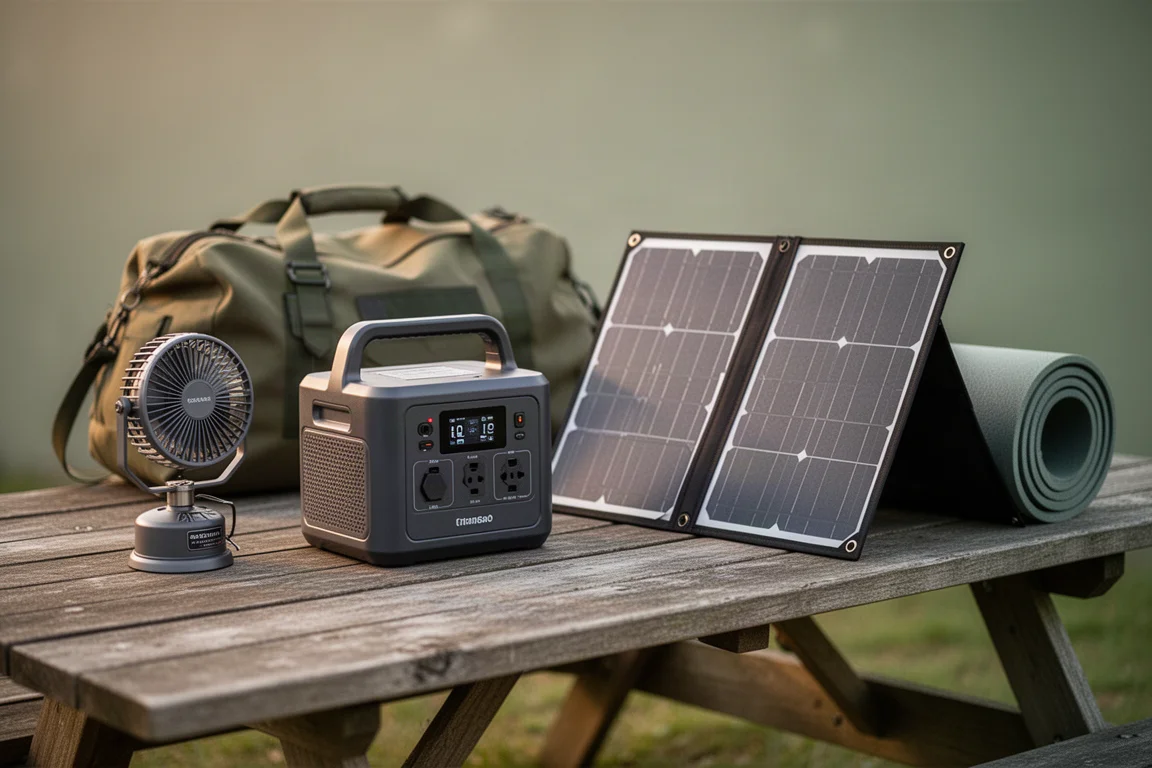
Tent air conditioners exist, but they are overkill for most trips. A simple fan, whether a small USB model or a full-size fan brought from home, moves enough air to make a hot night manageable. To run one overnight, a portable power station is the practical answer, and a fully charged unit can keep a fan going at full speed for around 17 hours, which covers two nights. Paired with a solar panel set, that setup can stay topped up on longer trips. The same approach solves a bigger problem for campers with sleep apnea: a suitably powerful station can run an at-home CPAP machine for eight hours straight, and a portable CPAP will stretch further still.
Best Blackout Tent: Decathlon Fresh & Black
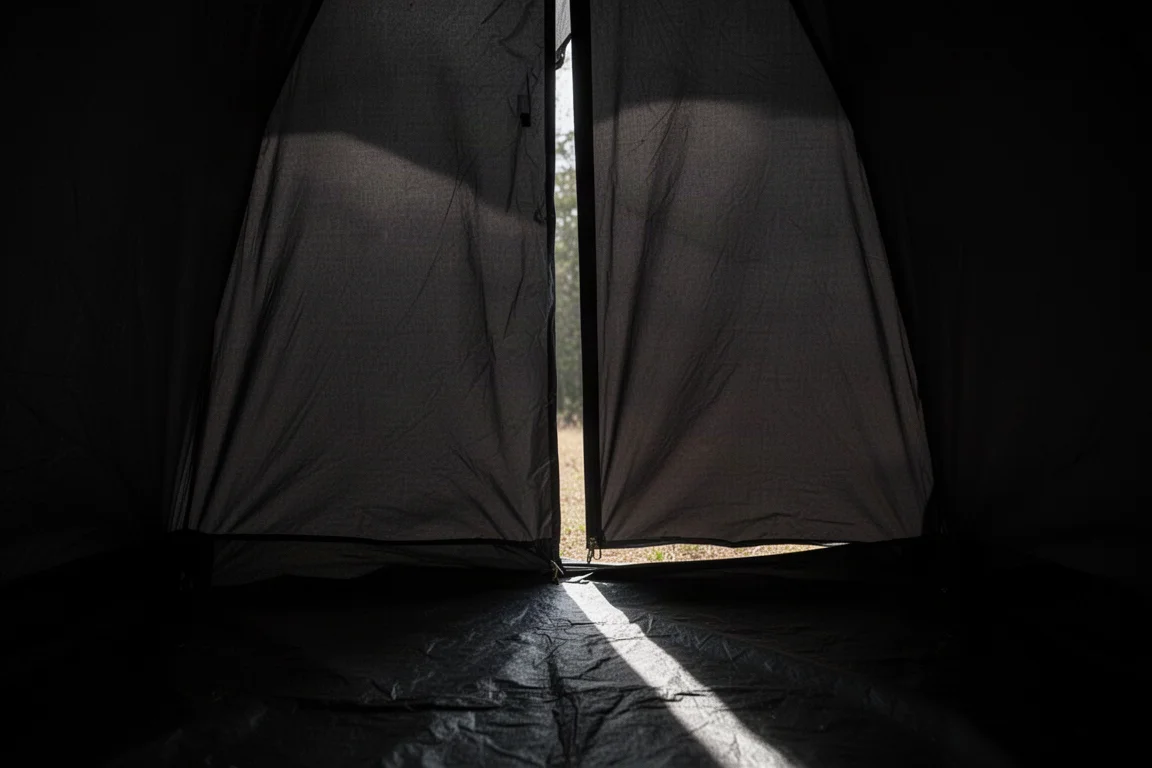
Blackout tents solve two problems at once. Because sunlight does not pass through the fabric, the interior avoids the greenhouse effect that heats up a standard tent, and the same opaque layers block almost all of the light.
That matters in summer, when it can be bright by 5 a.m. and the sun may not set until 10 or 11 p.m. The Decathlon Fresh & Black uses solid fly and inner layers to keep the inside dark, and the difference against a standard tent is substantial. If you want to nap in the middle of the day, whether at a festival or on a campsite, it is the difference between sleeping and lying there awake.
Blackout fabric is not the only route. If you would rather not limit yourself to one style of tent, an eye mask gets you most of the same benefit for a fraction of the cost.
Best Sleep Mask with Built-In Earbuds: Manta Sleep Mask
The Manta Sleep Mask addresses light and noise together by building earbuds into the mask itself. The earbuds sit low profile against the head, so side sleepers do not feel them pressing into the ear, and the contoured eye cups form a seal around the eyes without putting odd pressure on them. The result is darkness and, through the earbuds, a way to play white noise over the top of a noisy neighbouring pitch.
It costs more than the budget options, which typically sell somewhere between $3 and $50. Having tried those cheaper masks, two problems come up repeatedly: the earbuds dig into your head when you lie on your side, and the fabric does not block light effectively. The Manta avoids both, which is why it earns its price for anyone who sleeps lightly.
It is not only a camping accessory. It is also useful for daytime naps, at festivals, or at home when light and noise are hard to control, and it has proved genuinely helpful through night feeds and broken sleep.
Buying Advice: Matching Gear to Your Trip
Match the gear to the conditions rather than buying everything at once. For warm summer trips, a blanket and pillow from home plus a comfortable mattress will usually be enough. For spring and autumn, add a sleeping bag rated to around freezing. For hot weather, prioritise a tent with real cross ventilation, and consider a blackout model if early sunrise is a problem where you camp. If you use a CPAP machine or want to run a fan overnight, budget for a power station as part of the kit.
The order of spending matters as much as the list. Put the mattress first, since it solves the most common complaint and cannot be worked around. Add warmth, shade, and quiet in whatever order your usual trips demand, and you will sleep as well outdoors as you do at home.
Conclusion
Camping sleep problems are rarely mysterious. A thicker, more supportive mattress removes the physical discomfort. A bag rated for the season handles the cold, ventilation and blackout fabric handle the heat and the early light, and a mask with built-in earbuds covers light and noise when the tent cannot. Solve the one that bothers you most first, and build from there.
Further reading
Related Reviews
Camping Sleep Gear
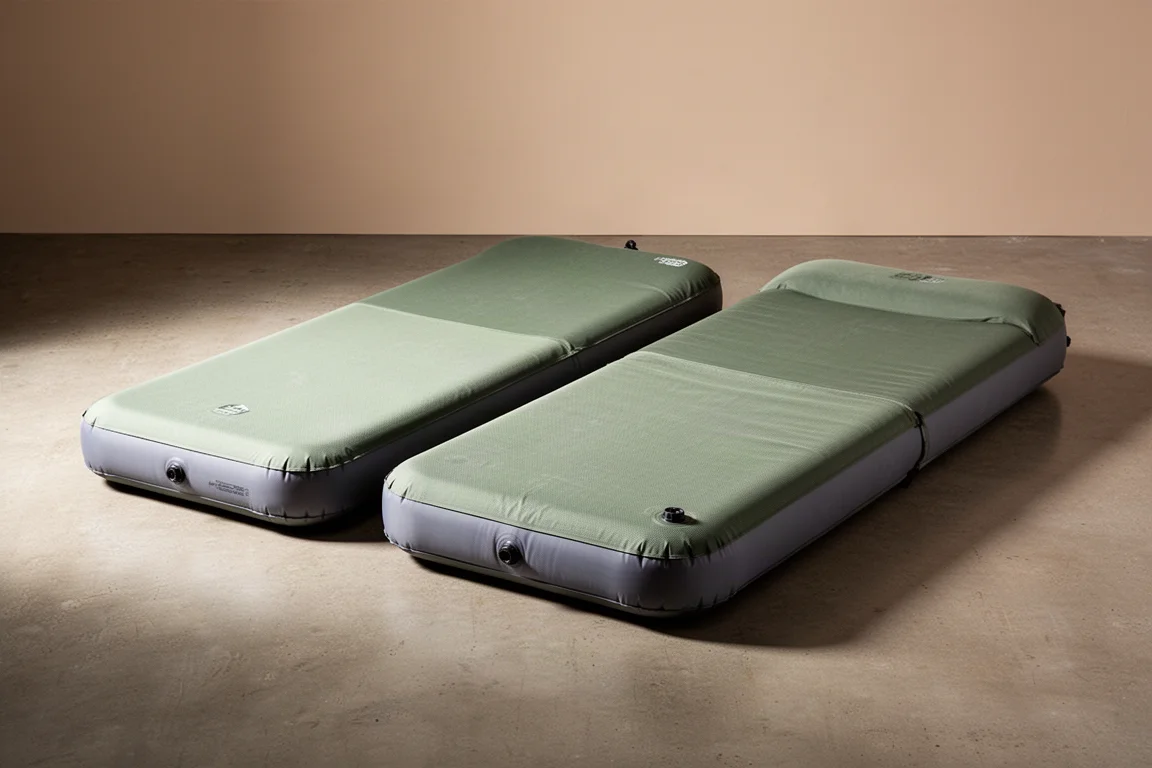
SkyMac Air Mattress Long-Term Review: One-Person and Two-Person After a Year
A year of regular use answers the biggest question about the SkyMac self-inflating air mattresses: how well they hold up. Here is how the one-person and two-person versions perform.
Camping Sleep Gear
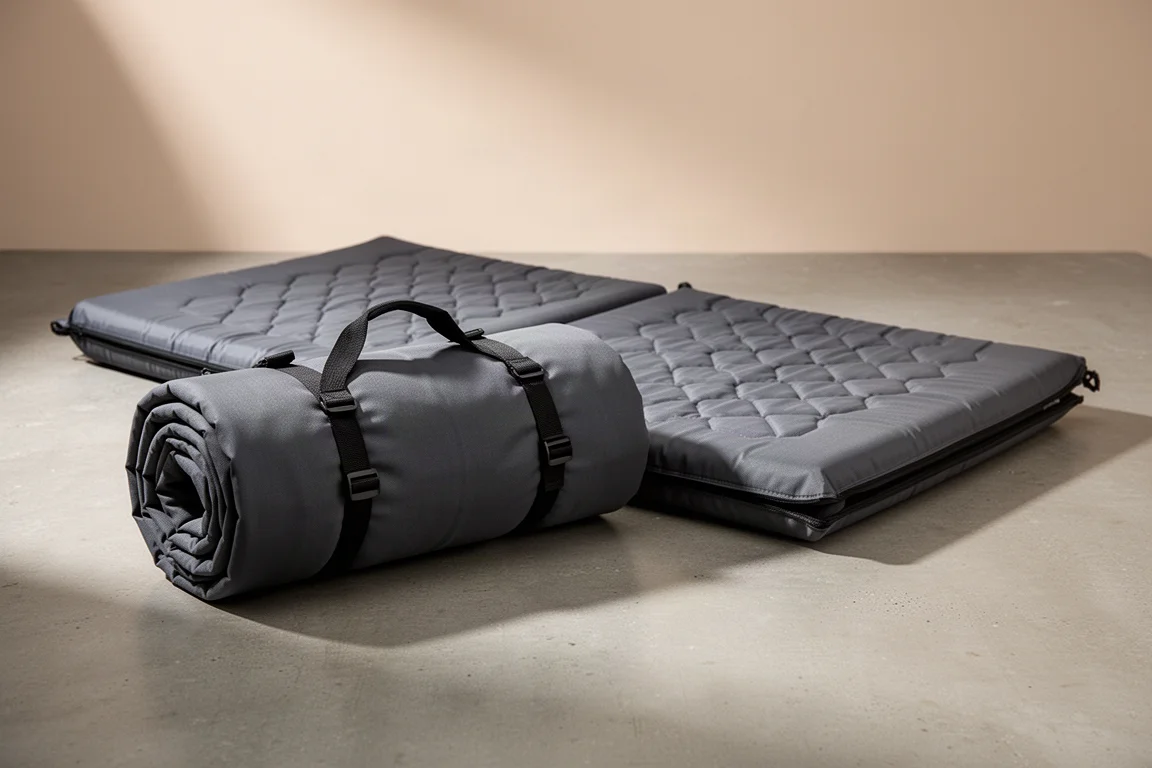
Teton Sports Adventurer Cot Pad Review: Comfort for Cot Camping
A practical cot pad that makes sleeping and sitting on a cot far more comfortable, with clear limits on insulation and ground use.

Backpacking Gear
Building a 10 lb Base Weight: An Ultralight Backpacking Gear List
A practical walkthrough of the ultralight pieces behind a 10 lb base weight, from a 765 g pack and a roomy one-person tent to a full camp chair and a dependable water filter.