Ski Gear
How to Save Money on Ski Gear: Six Off-Season Picks Worth Buying
A practical guide to buying ski and snowboard gear in the off-season, with six value-focused picks covering skis, mittens, a shell jacket, suspenders, a helmet, and goggles.
Introduction
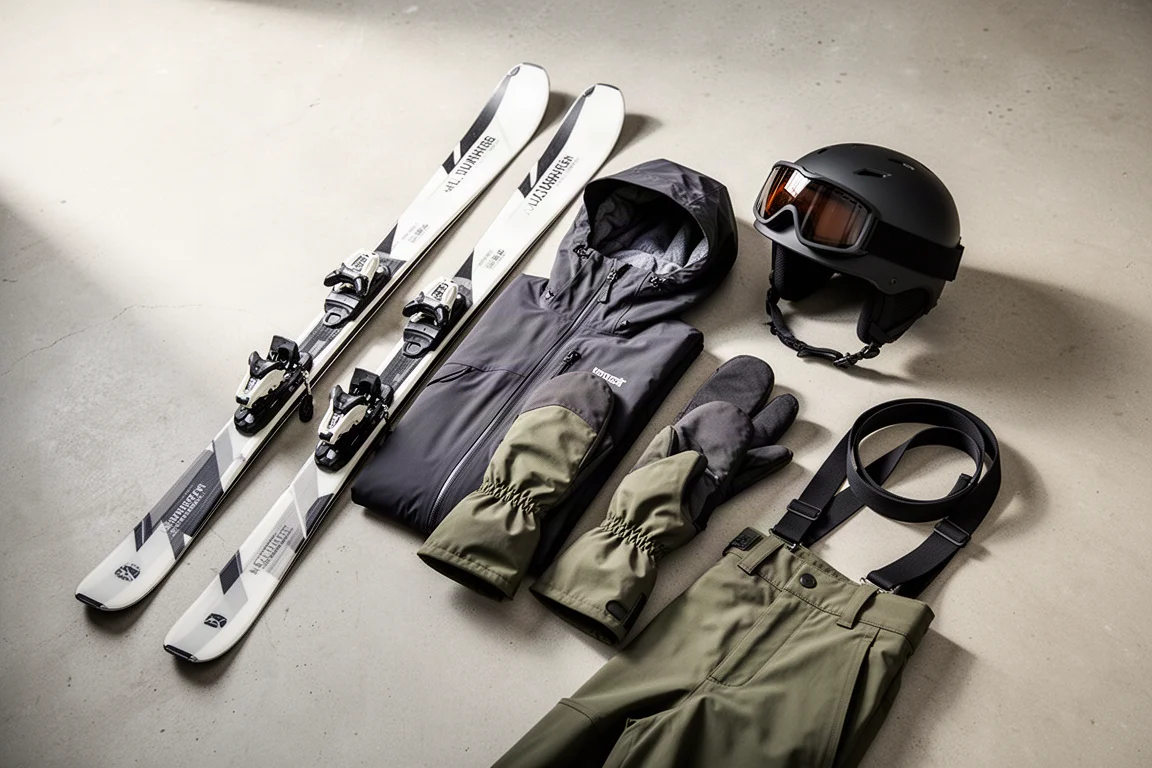
Skiing and snowboarding are expensive, and no shopping strategy changes that. What you can change is how much you pay for the same gear. The biggest lever is timing: hardgoods and outerwear bought in the off-season, when demand disappears and shops clear space, often cost a fraction of peak-winter pricing.
This guide covers six pieces of gear that make that math work, along with the categories where cutting corners ends up costing more than it saves.
Where the Savings Actually Come From
Four habits do most of the work.
Timing. Buy in the off-season. Skis that sell at full price in December can be found for close to half that in the summer.
Season passes. Buying in the off-season, or picking up the following season’s pass mid-winter, typically saves a few hundred dollars.
Category switching. Snowboard gear and ski gear do the same job, but snowboard equipment is often considerably cheaper. The cuts tend to be roomier and more comfortable, with extra thickness at the knees, and many riders find the outerwear warmer for around a third of the price.
Second-hand. Thrift stores in ski towns fill up with gear that visiting riders leave behind at the end of a trip, and some of the best gear comes from those shops. Used base layers are worth a look as well: brands such as Patagonia will repair an item even if it was not bought new, which stretches the value of a cheap second-hand find.
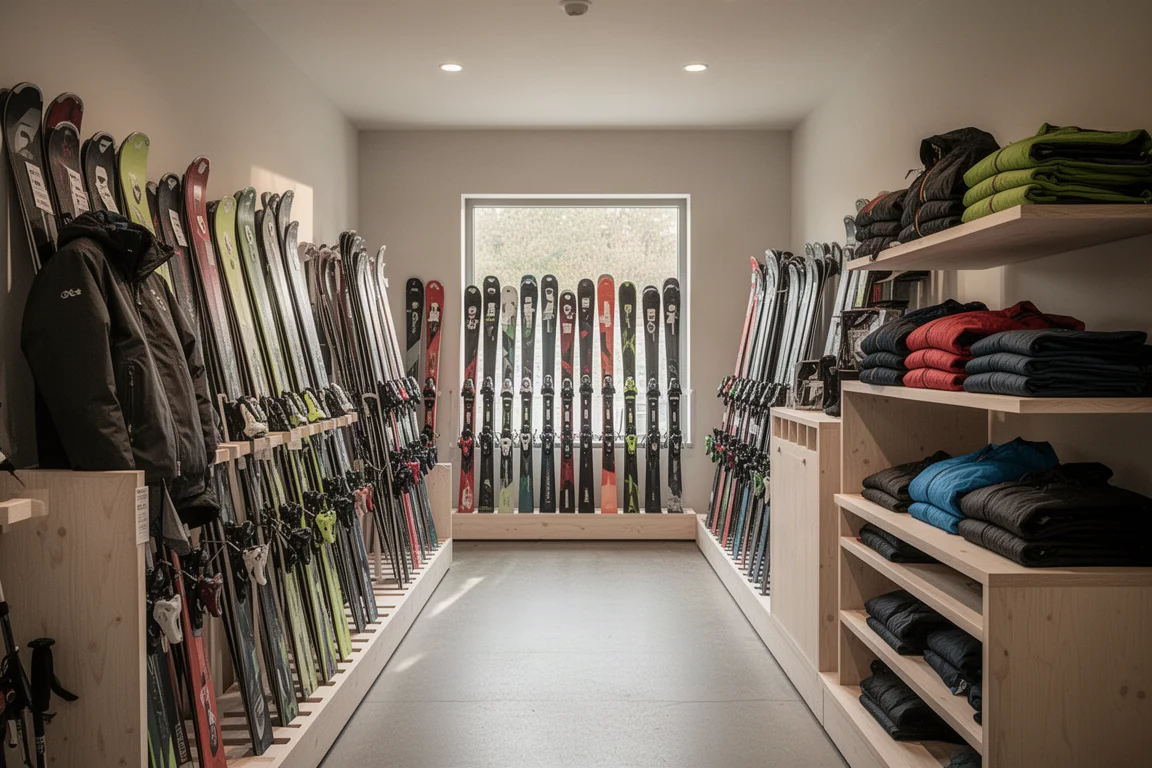
The flip side is that not every category survives use well. Winter jackets in particular lose their weather protection over time, so buying them second-hand is less reliable than buying hardgoods that way.
Best Off-Season Ski Deal: Atomic Maverick 88 TI
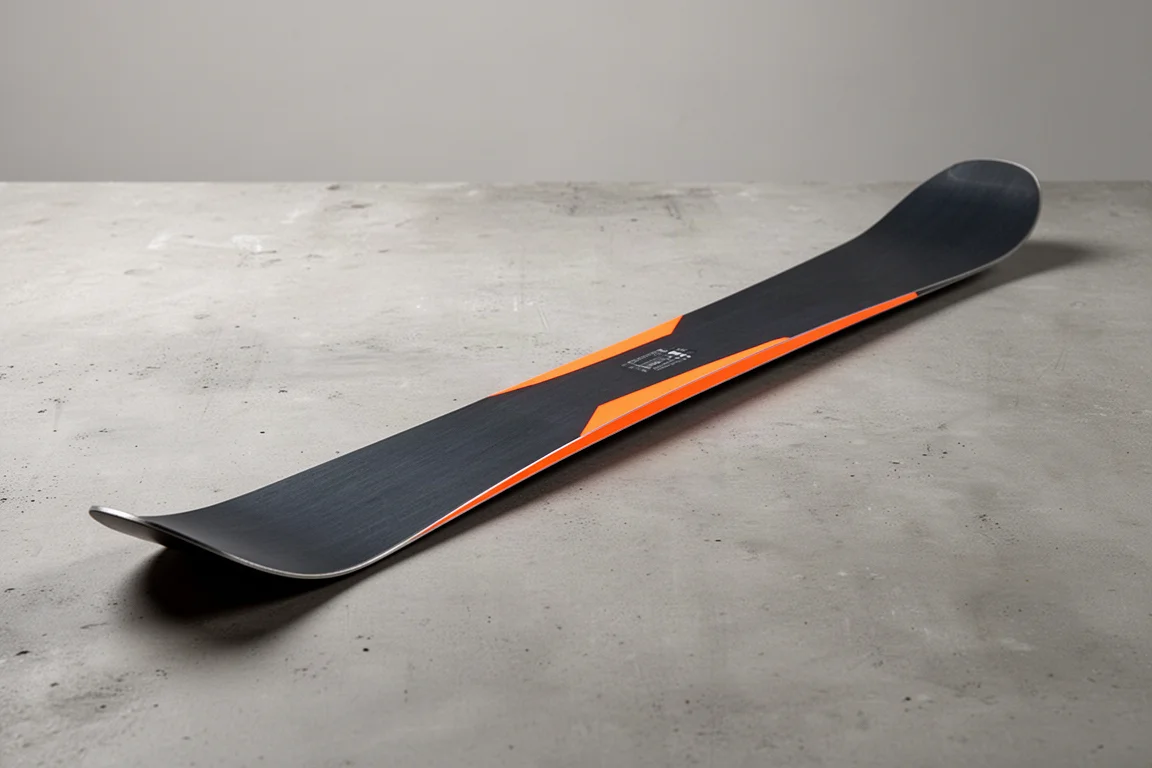
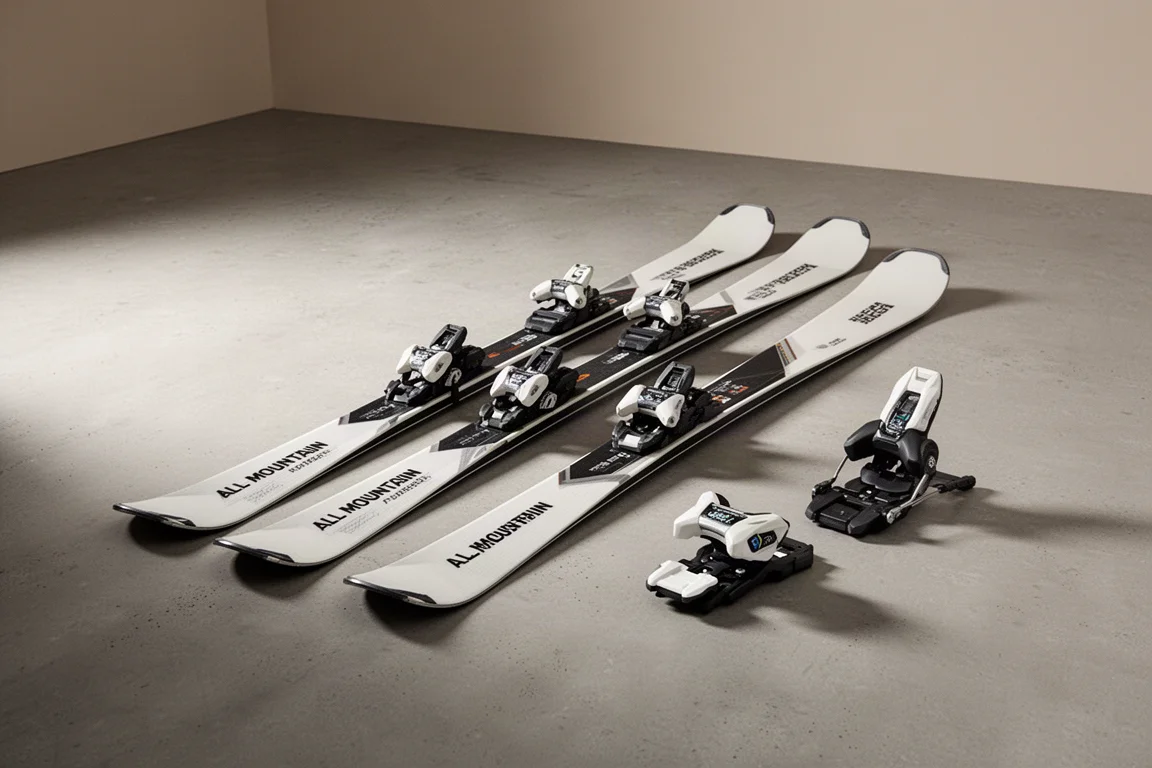
An all-mountain ski bought in the summer can come in at close to half its December price, which brings new gear within reach of what a used pair would cost. The Atomic Maverick 88 TI is a good example: a new all-mountain ski picked up in the off-season for $450.
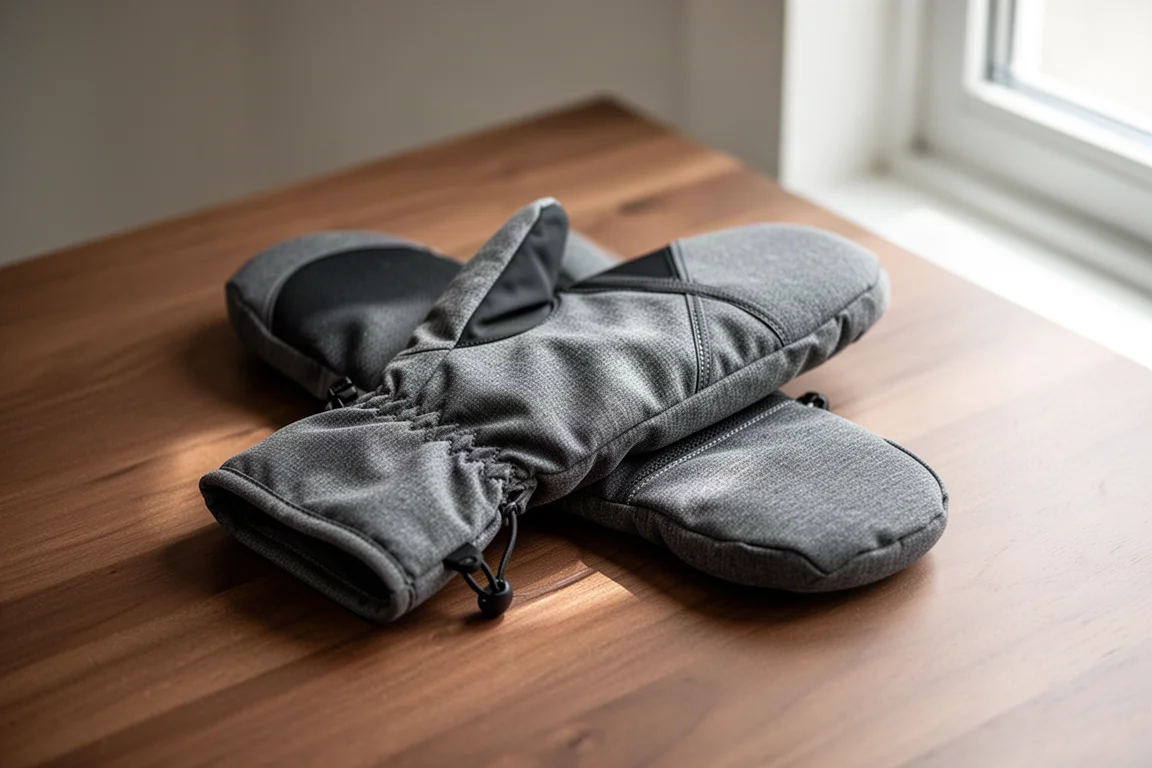
Best Everyday Gloves: Burton Mittens
Most winter days, particularly in the West, are warm enough that a thin mitten is all you need. Burton’s mittens fit that role well. They are light, easy to get in and out of pockets, and simple to pull on and off when you are helping a child onto a chairlift. Expect to pay roughly $30 to $40.
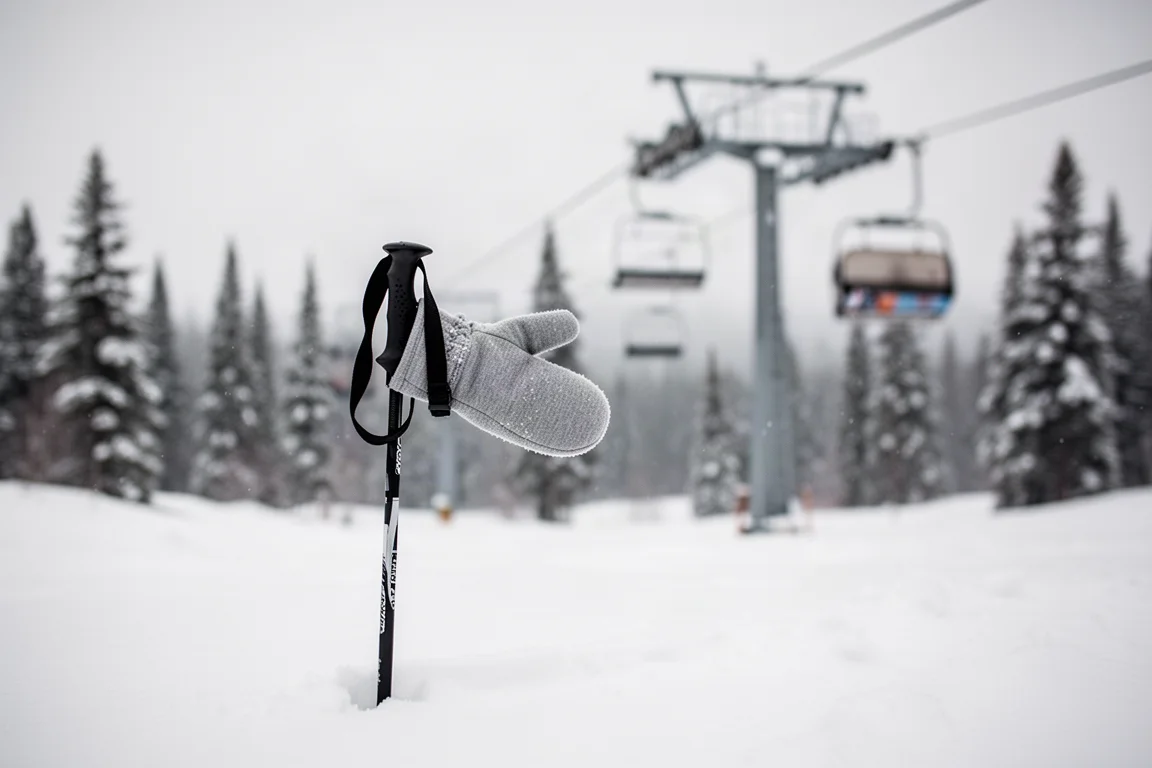
A thin pair will not replace a heavily insulated glove on a cold storm day, but as a daily driver it covers most of the season.
Best Value Shell: DC Snowboard Jacket
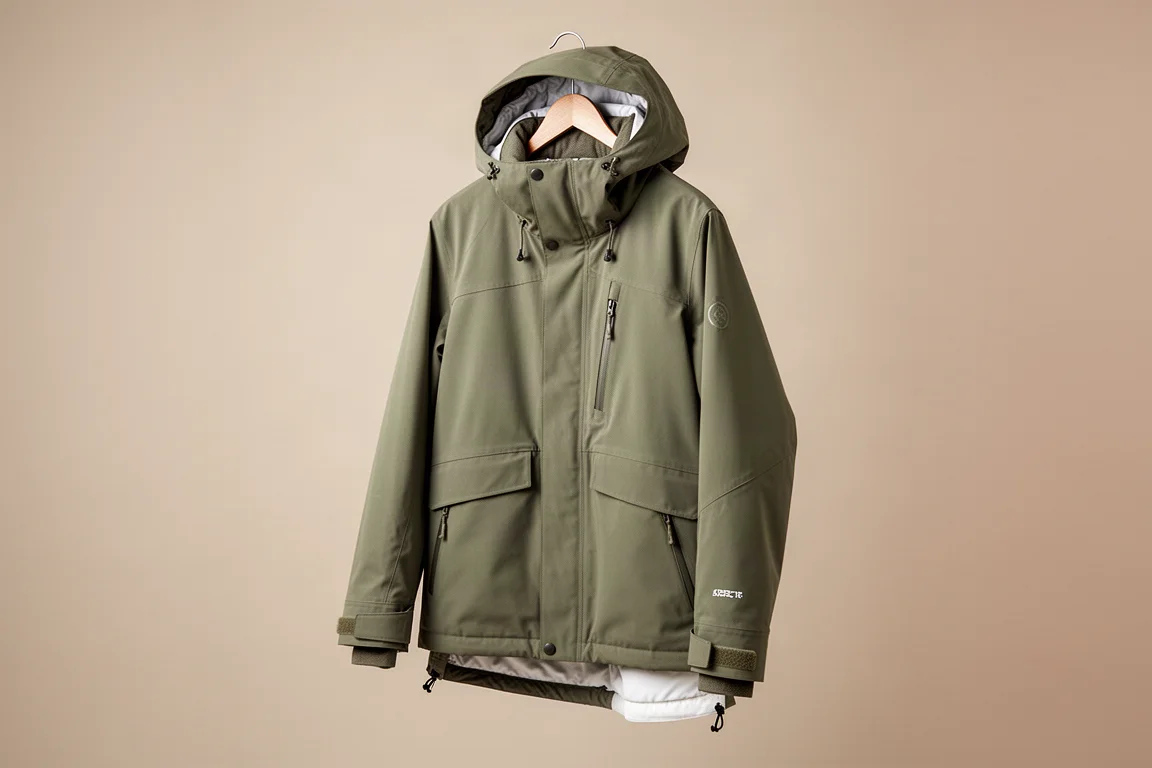
Outerwear is where the category-switching argument pays off most. A snowboard jacket bought for around $115 to $120 has held up for two seasons, while comparable ski jackets sell for $400 to $500.
The details are what make it work. The hood is large enough to pull over a helmet in bad weather. The arm sleeves seal over mitten cuffs, keeping snow out on powder days. There is an internal snow skirt, a dedicated goggle pocket, ventilation for warmer days, and a sleeve pocket sized for a season pass, which is convenient at resorts using hands-free scanners: you can wave your arm past the reader instead of reaching down to a waist-level gate. The drawstrings are easy to adjust with gloves on.
Best Cheap Fix: Chums Snow Pant Suspenders
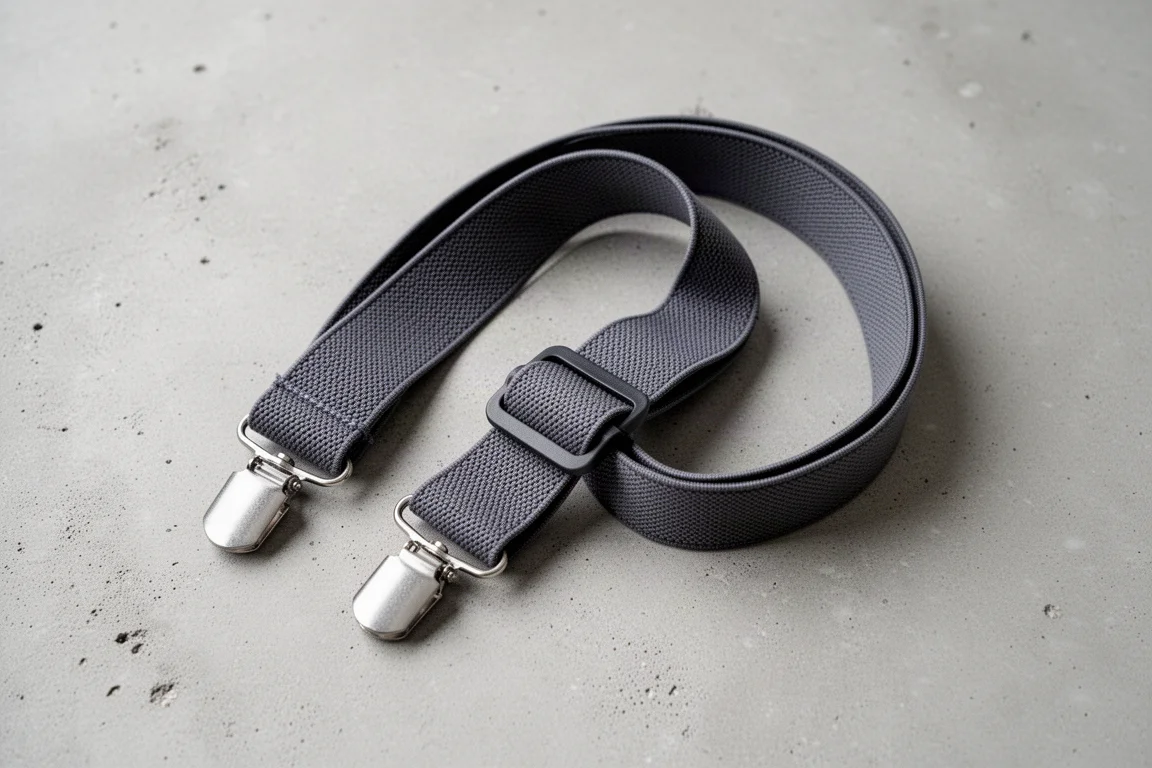
Snow pants are a place where a small accessory saves real money. Bib snow pants typically run around $200, while standard snowboard pants sit closer to $100. A $15 pair of Chums suspenders added to a standard pair of snow pants gives you the same held-up fit and saves roughly $80.
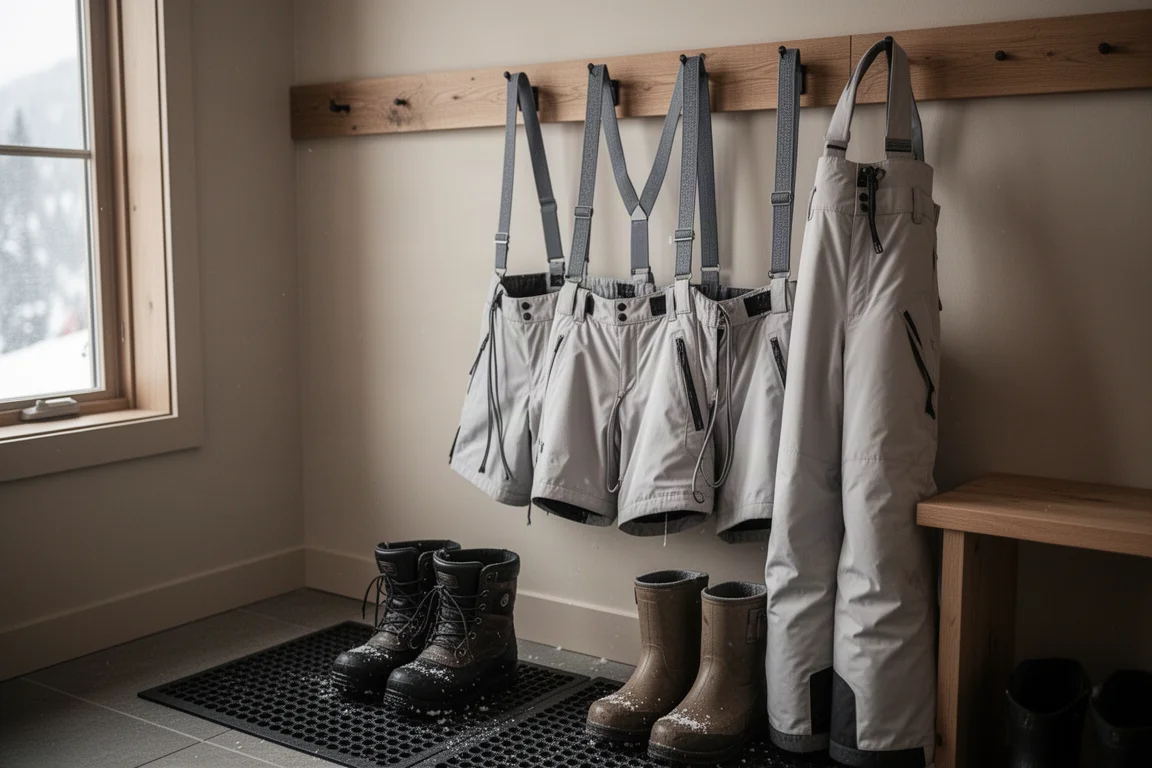
If you already own snow pants that fit well but sit too low, this is the cheapest upgrade in this guide.
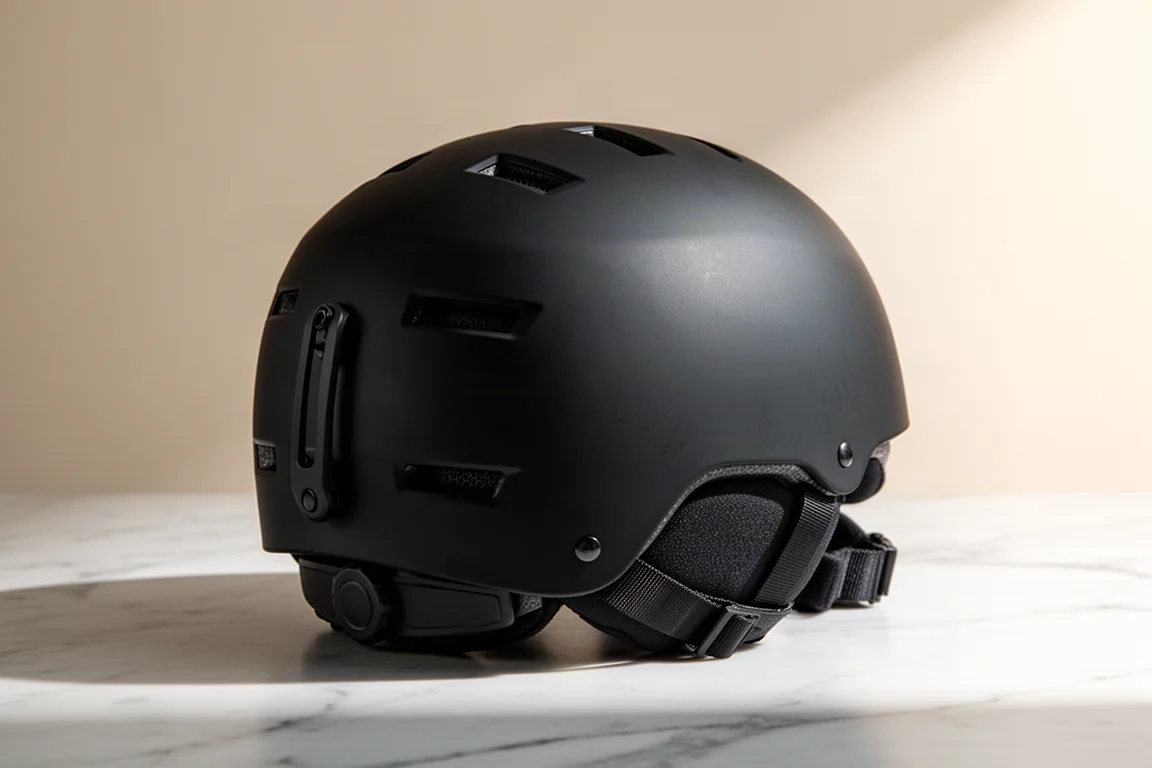
Gear Worth Paying Full Price For: POC Obex Spin Helmet
Not everything should be bought at a discount. Ski boots are the most important purchase in the whole kit, because they are your connection to the ski. Buy them new, make sure the fit is right, and do not settle for a worn-out pair.
Helmets belong in the same category, for safety reasons. If you take a big crash, replace the helmet rather than keep using it. The POC Obex Spin has generous ventilation and a rubber retainer at the back to hold a goggle strap in place.
Buying a helmet and goggles from the same brand is a simple way to reduce the chance of a gap between the two, and it removes some guesswork when ordering online. Trying helmets on in a shop first is still the safer route.
Best Goggles for Flat Light: POC Retina Pro XL
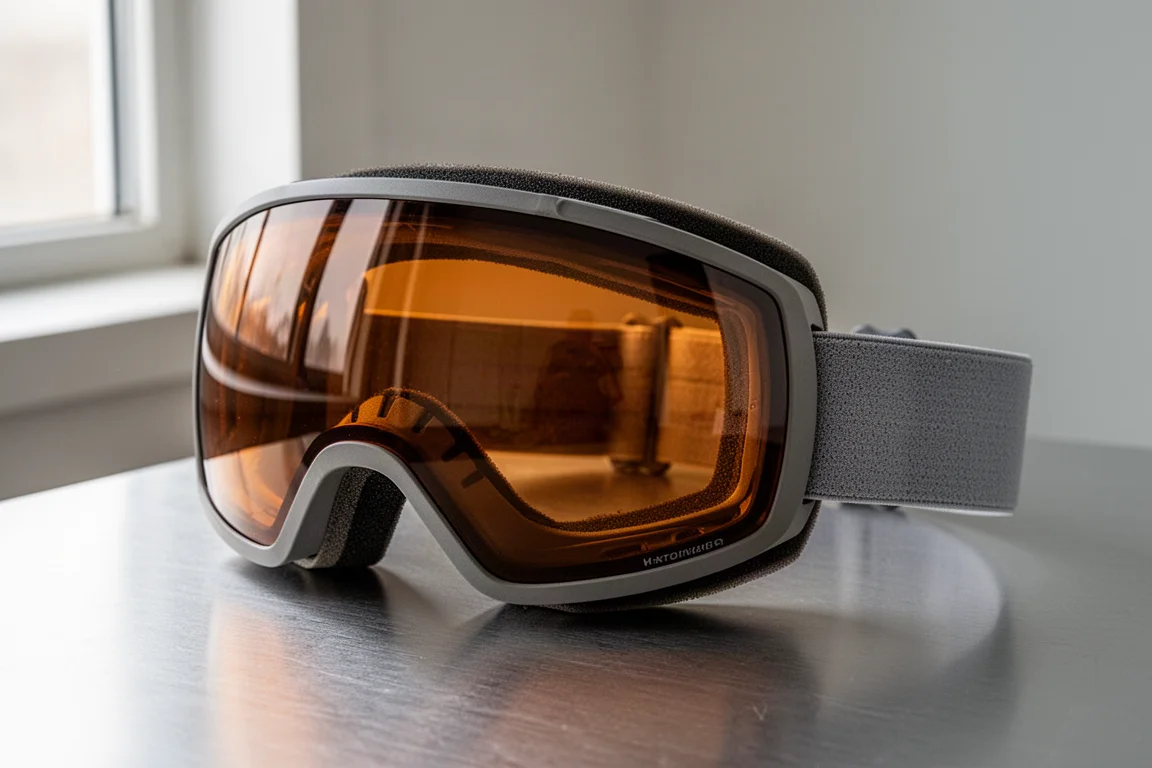
Goggles are one of the upgrades you feel immediately. In flat light, when the snow loses contrast, a good lens is the difference between reading the terrain and guessing at it, and the same applies on storm days when you wear them from first chair to last.
The POC Retina Pro XL is a large-frame goggle suited to bigger head shapes. Goggles, like helmets, cost less in the off-season, so buying a quality pair out of season is a reasonable way to get better optics for less.
Overall Buying Advice
The rule of thumb is to spend where your body meets the mountain and save everywhere else. Boots, helmet, and goggles justify full price, because fit, safety, and visibility are not places to compromise. Skis, outerwear, gloves, and accessories are all fair game for off-season discounts, snowboard equivalents, and second-hand shops.
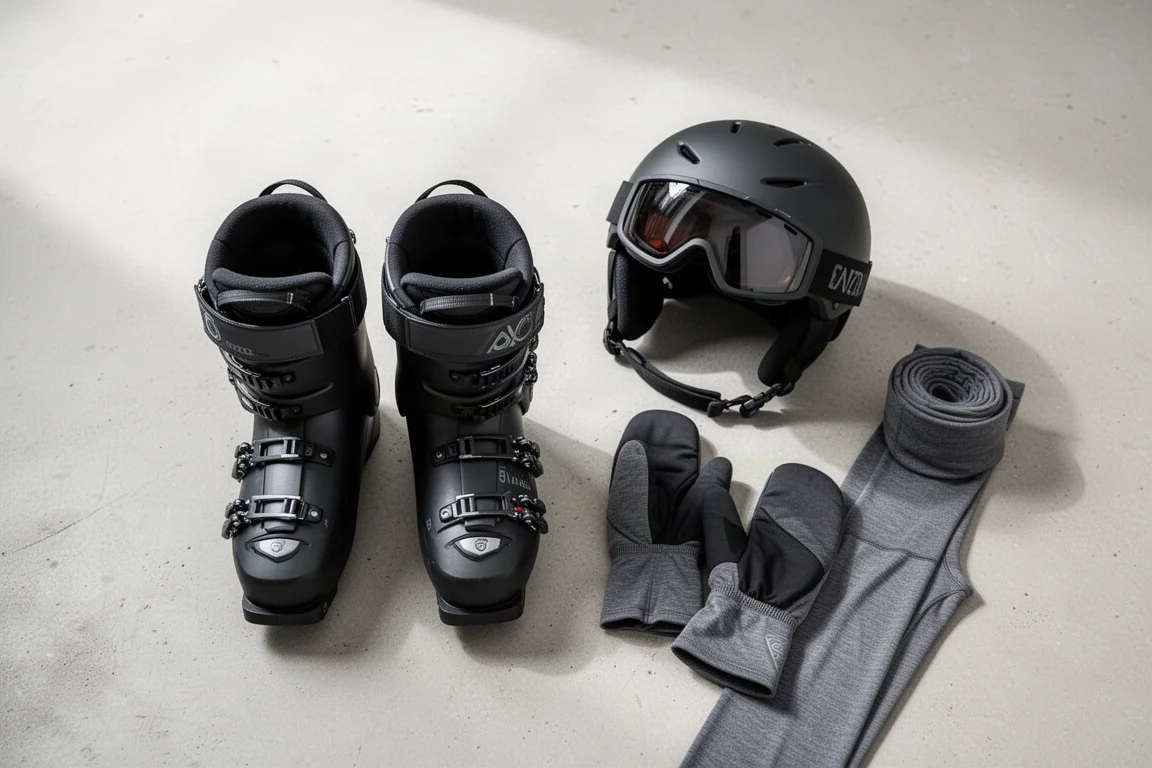
A workable order of operations: sort out boots first with a proper fitting, then helmet and goggles as a matched pair, then wait for the off-season to buy skis and outerwear. Season passes are worth buying early in the same way. Everything else can be pieced together over time without hurting your days on the snow.
Conclusion
None of this makes skiing cheap, but it does make it more approachable. Buy in the off-season, look seriously at snowboard gear, check the thrift stores in ski towns, and reserve your full-price budget for boots, a helmet, and goggles. The gear above covers the value end of that plan.
Further reading
Related Reviews
Ski Gear
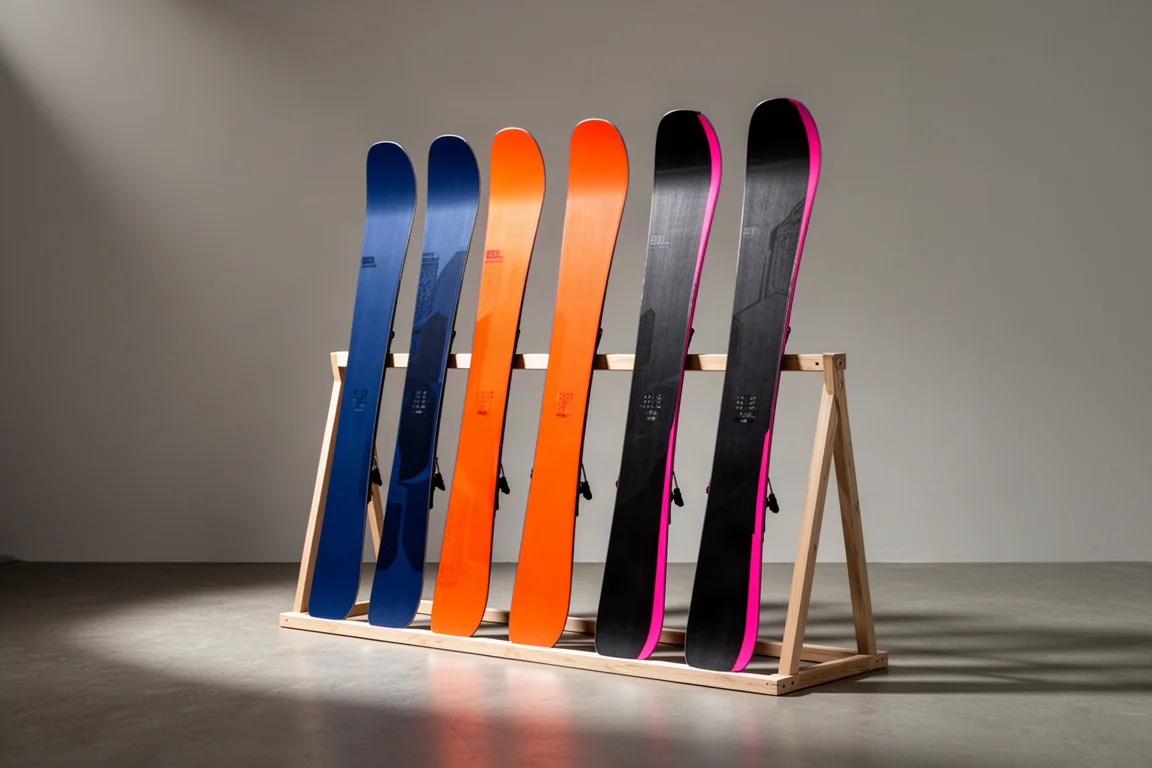
2023 Blizzard Hustle vs Rustler: Six Freeride Skis Compared
Blizzard's 2023 Hustle collection rebuilds the Rustler shape with a lighter core and no metal. Here is how all six skis differ, and which one suits your riding.
Ski Gear
2023 Skis of the Year: Atomic Maverick 88 TI, Salomon QST 106, and Look SPX 12 Pro
Three standout ski picks for all-mountain carving, powder days, and reliable binding performance, with practical buying notes for 2023 models.
Ski Gear
2025 Nordica Enforcer 104 Review: A Directional Charger Replaces the 104 Free
The 2025 Nordica Enforcer 104 drops the Free name and the twin-tip personality, gaining weight, stiffness and composure in rough snow. Here is what changed and who it suits.