Snowboarding Gear
How to Choose Snowboard Flex: Soft, Medium, and Stiff Compared
A practical guide to snowboard flex, with three Ride boards that show how soft, medium, and stiff profiles change the way a board turns, holds an edge, and behaves at speed.
Introduction
Flex is the part of a snowboard’s personality you feel before you notice anything else. It decides how much effort it takes to start a turn, how the board behaves when you push it hard, and how forgiving it feels when you are still finding your feet. A snowboard turns because you bend it, so the stiffness of that bend sets the tone for everything that follows.
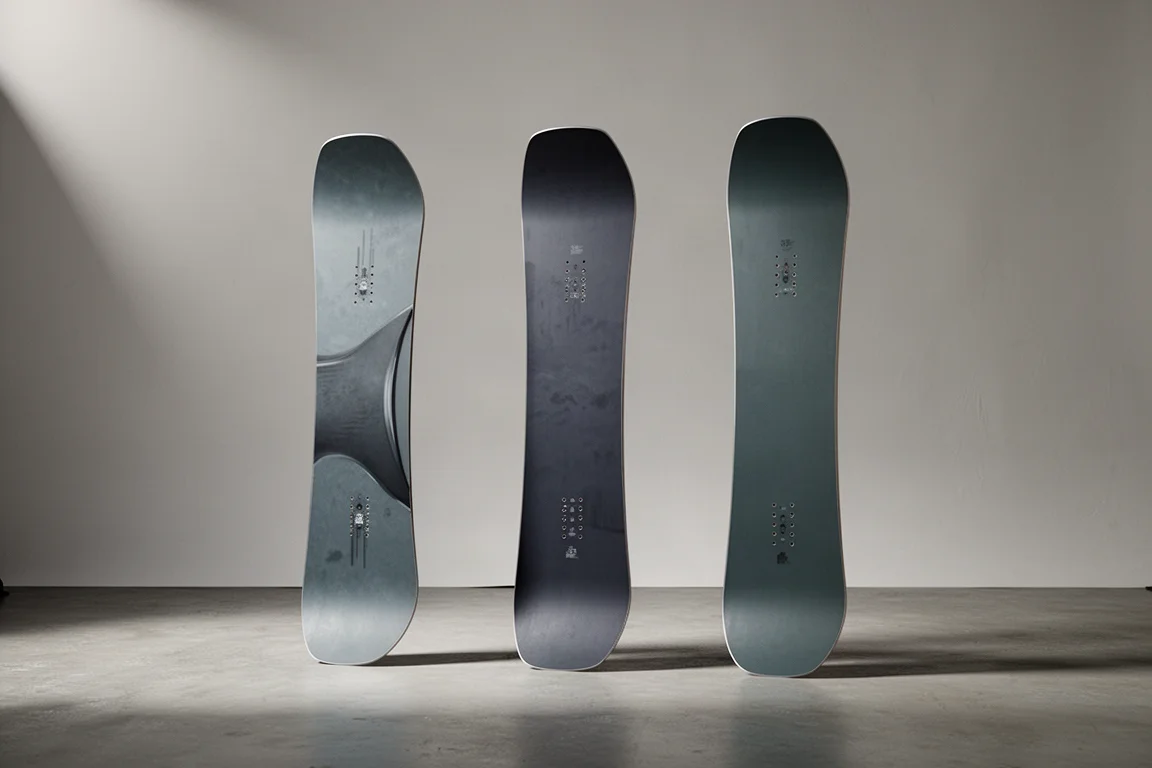
The three boards below cover the useful range: a soft flex, a stiff flex, and a medium flex that sits between them. Each one suits a different rider, and matching the profile to your style matters more than chasing the stiffest option on the wall.
How Snowboard Flex Changes the Ride
A snowboard turns because your weight and edge angle press it into an arc. The board bends through the turn, and its own shape carries you into the next one. A softer flex bends more easily, so the board asks less of you at turn entry and feels more playful from edge to edge.
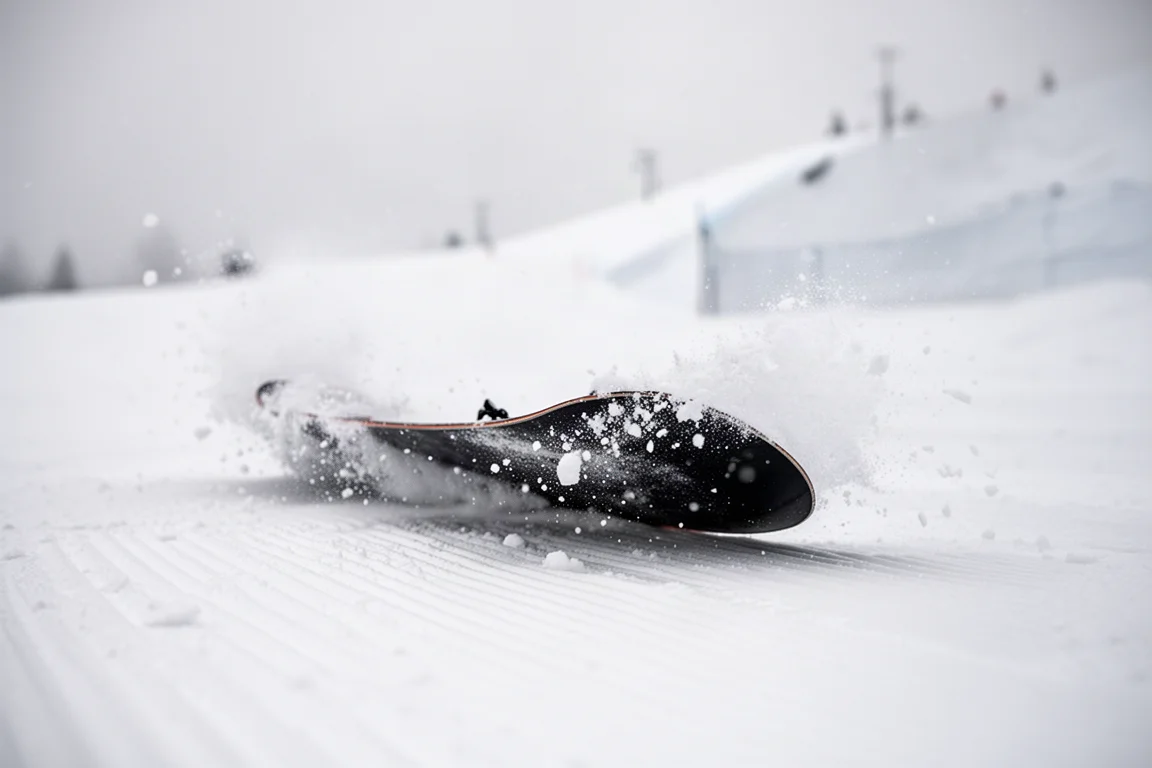
That ease comes with a limit. When a soft board is pushed at really high speed, it does not feel as planted as a stiffer one, and on hard-packed snow at speed it can feel nervous underfoot. Stiff boards trade some of that easygoing feel for stability, power, and a quicker, more energetic response from turn to turn.
Most riders do not need either extreme. The practical question is how much stability you want at speed versus how much forgiveness and playfulness you want everywhere else.
Soft Flex: Ride Psychocandy
The Ride Psychocandy is the soft-flexing option here, and it makes sense for two very different groups of riders.
For someone new to the sport, a softer flex is genuinely helpful. It lets you put the board into a turn, bend it through the arc, and move into the next turn without fighting it. The result is an easier going feel that lets you make turns and get comfortable on snow.
Experienced riders are not excluded from that. If you spend your time in the park or simply prefer a playful feel underfoot, a soft flex delivers easier turn initiation across the whole mountain.
The trade-offs show up at the extremes. At really high speeds the Psychocandy will not feel as stable as a stiffer board, and on hard-packed terrain at speed it can feel a little nervous. If that is where you ride, a stiffer profile is the better match.
View more details for Ride Psychocandy
Stiff Flex: Ride Benchwarmer
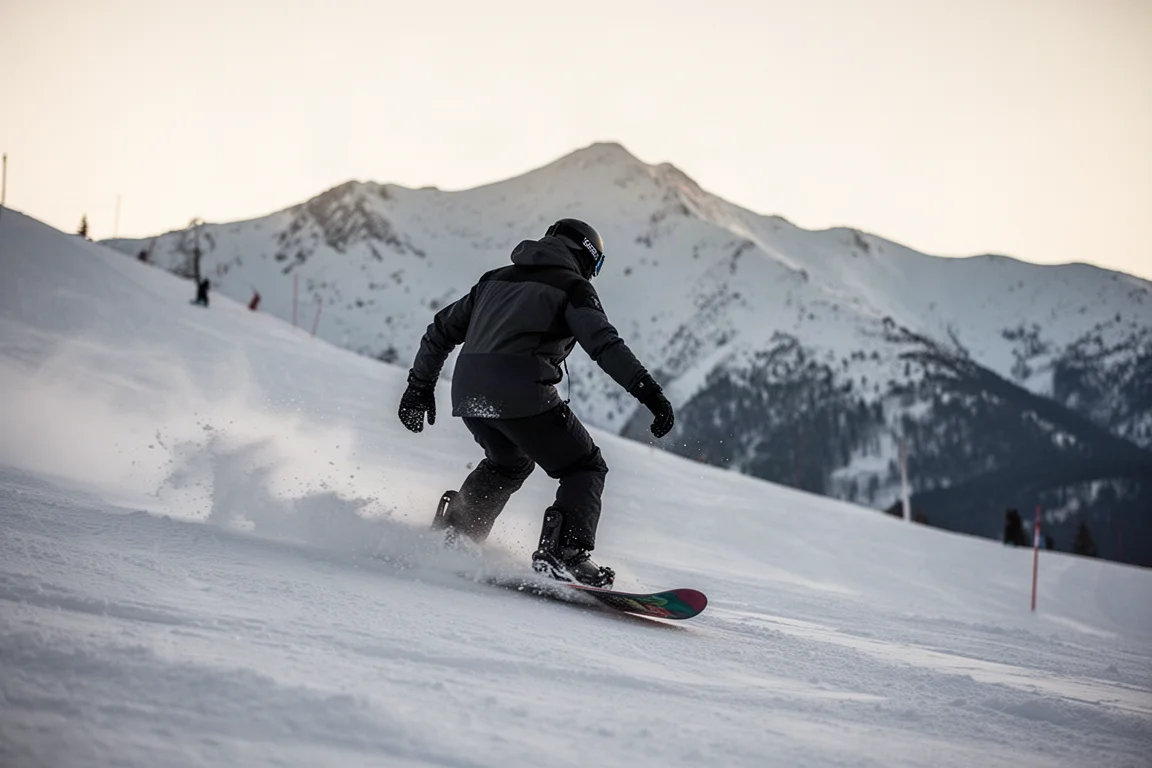
The Ride Benchwarmer sits at the stiff end of the range. A stiffer flex brings a lot more stability at speed, which is exactly what a hard-charging rider wants. If you like to ride fast or spend your days on more technical terrain, this profile has the power to support it, with a more responsive feel moving from one turn to the next and more energy carried through each arc.
The cost is low-speed manners. On slower, low-angle terrain, a stiff board takes more work and does not feel as nimble transitioning from turn to turn. If you are pinned at redline all day, that is a fair trade. If you are not, it is not.
Stiff is also not automatically the right answer for advanced riders. Plenty of strong riders still prefer something softer, because flex comes down to how you like to ride rather than how well you ride.
Medium Flex: Ride Smokescreen
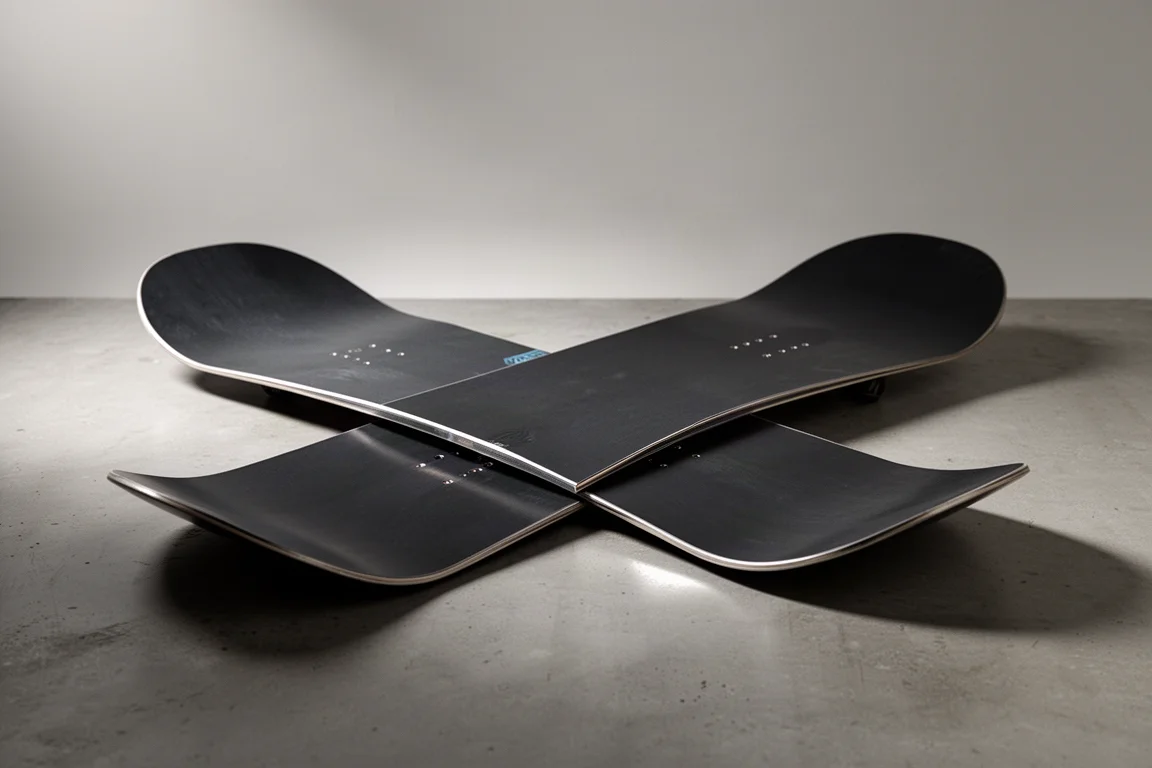
The Ride Smokescreen is the middle option, and it is the one most riders will end up on. It balances a stable feel at higher speeds with maneuverability when you are not moving fast.
For riders doing a bit of everything, groomers and carved turns, a lap or two in the park, and some time off trail, this profile holds a solid feel across the whole mountain. You can still put it into a nice carve and trust the edge hold, but it does not become a chore when the terrain flattens out or the pace drops.
Matching Flex to Terrain and Rider Style
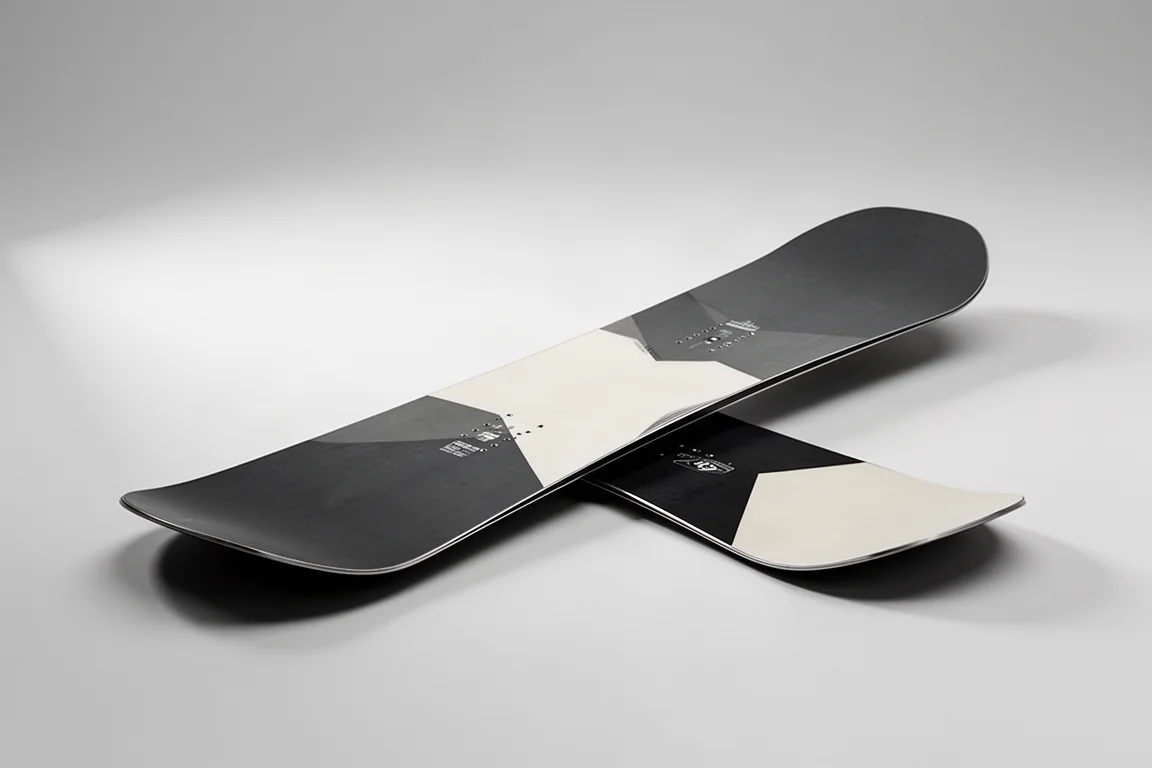
Flex choice follows terrain and intent. Beginners and park riders tend to get the most out of a soft board, because it bends easily and forgives mistakes. Riders who spend their days at speed on firm, technical terrain get more from a stiff board, which stays planted and responds quickly when you ask it to.
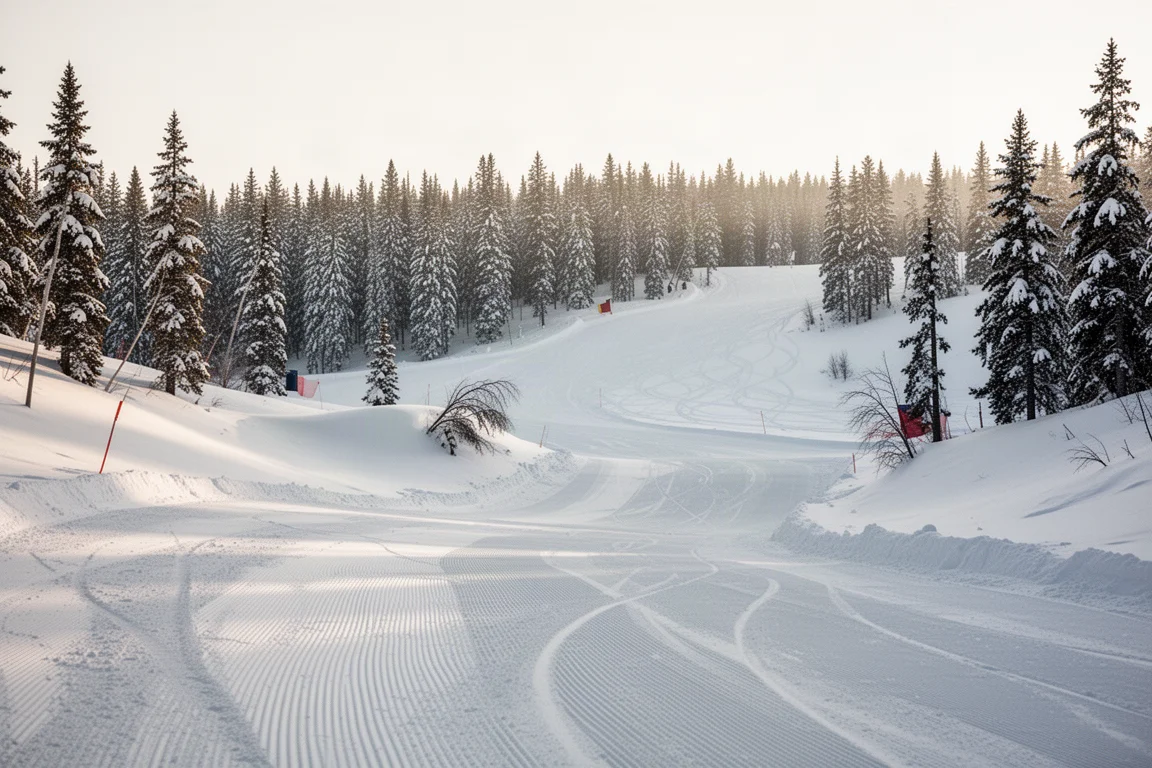
For everyone in between, a medium flex covers groomers, side hits, and the occasional powder day without asking you to commit to either extreme. Personal preference still decides the final call, and two riders of similar ability can happily land on different profiles.
Trade-Offs to Weigh Before You Buy
Each flex profile gives something up to gain something else, and the right compromise depends on where you actually ride.
- Soft flex: the easiest turn initiation and the most playful feel, but the least stability at high speed and the most nervous feeling on hard-packed terrain.
- Medium flex: a balance of stability at speed and maneuverability at lower speeds, with good edge hold across mixed terrain.
- Stiff flex: the most stability and responsiveness for fast, technical riding, but more effort and less agility on slow, low-angle terrain.
Buying Advice
Start with the riding you actually do, not the riding you imagine doing. If most of your days involve groomers, a mix of carving, park laps, and the odd off-trail excursion, a medium flex is the safest and most versatile choice, and it is where most riders naturally land.
If you are new to the sport, a soft flex will make the learning process easier and keep the board from feeling like a fight. If you are a park rider, the same soft profile gives you the playful feel you are after. Choose a stiff board only if speed and technical terrain are genuinely where you spend your time, and accept the extra work when the terrain slows down.
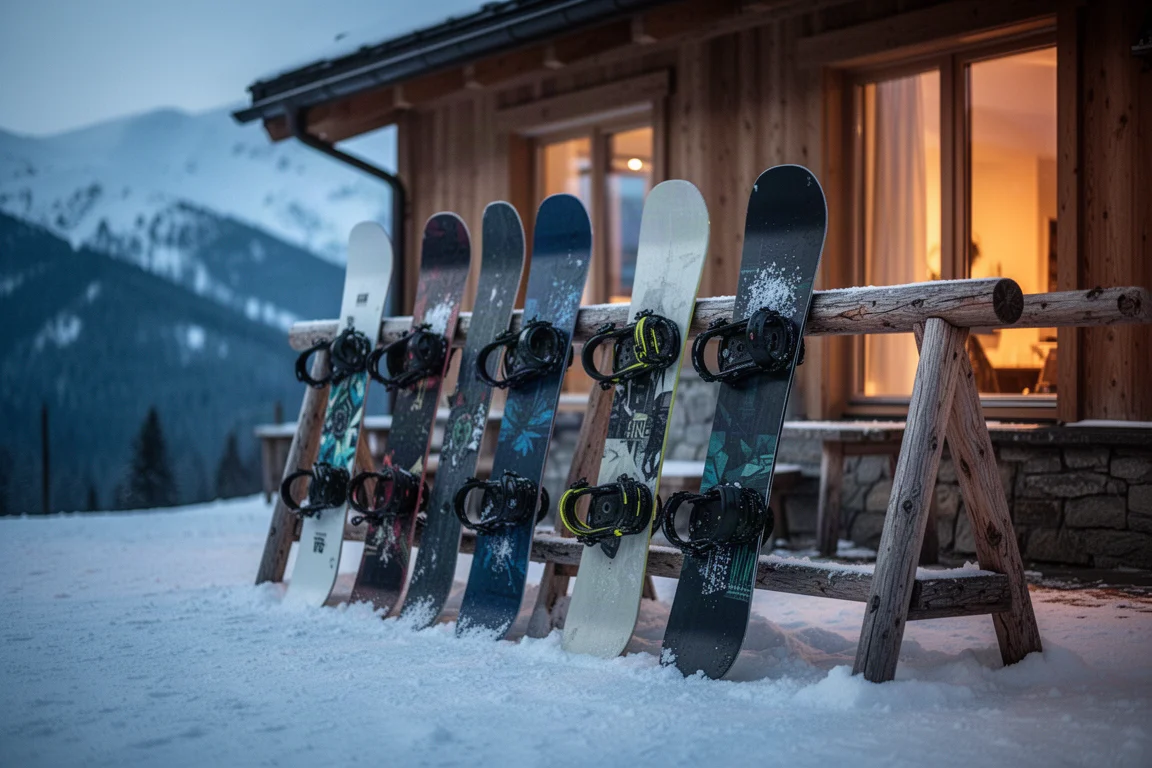
One last point: stiffness is a preference, not a ranking. A more advanced rider is not obliged to ride a stiffer board, and a stiff board is not wasted on someone who simply likes to charge.
Conclusion
Soft, medium, and stiff each solve a different problem. The Ride Psychocandy makes turning easy and keeps the ride playful, the Ride Benchwarmer holds steady when you are pushing hard, and the Ride Smokescreen splits the difference for riders who want one board to handle the whole mountain. Pick the profile that matches the way you ride most days, and the rest of your setup gets much easier to sort out.
Further reading
Related Reviews
Snowboarding Gear
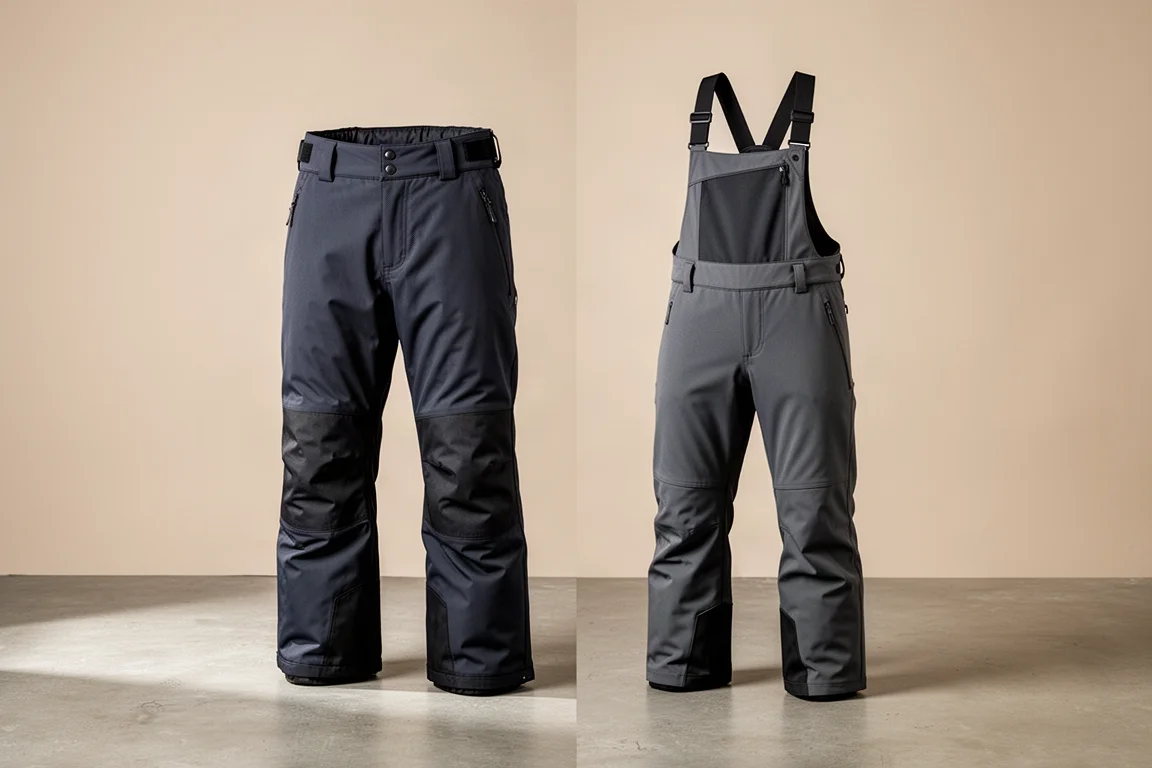
686 Smarty Pants vs 686 Dispatch Bib: Traditional Pants or Bib Pants?
A head-to-head look at two 686 snow pants, weighing warmth, comfort, durability, and breathability to help you pick the right style for your riding.
Snowboarding Gear
Bataleon Thunderbolt Review: A Powerful All-Mountain Freeride Snowboard
A deep-camber freeride snowboard with 3BT and SideKick shaping, tested in powder, chop, ice and soft groomers. Here is who it suits and what to weigh up.
Snowboarding Gear
Best All-Around Park Snowboards: Five Balanced Freestyle Picks
Five park snowboards that balance jumps, rails, and everyday freestyle riding, plus three honorable mentions worth a closer look.