Backpacking Tents
How to Choose a Backpacking Tent: Six Options Worth Considering
Shelter types, pitch design, fabrics, and the practical details that decide comfort on the trail, plus six backpacking tents and peg upgrades worth knowing about.
Introduction
Choosing a backpacking tent comes down to a handful of decisions that all interact: how many people it needs to shelter, the season you plan to use it in, your budget, how much it weighs, and the design of the shelter itself. Getting those decisions in the right order makes the search far simpler.
It is also worth knowing that a tent is not the only option. A bivvy bag is essentially a piece of fabric that wraps around you and your sleeping bag, and sometimes your sleeping mat as well, so you can lie down and sleep almost anywhere. Some designs are simply fabric, while others use a hoop over the head to create a small shelter. A bivvy can also be paired with a tarp, a large sheet of fabric tied between two trees or other anchor points to give you a roof overhead. For anyone whose first priority is packing light, a bivvy and tarp combination is a reasonable starting point.
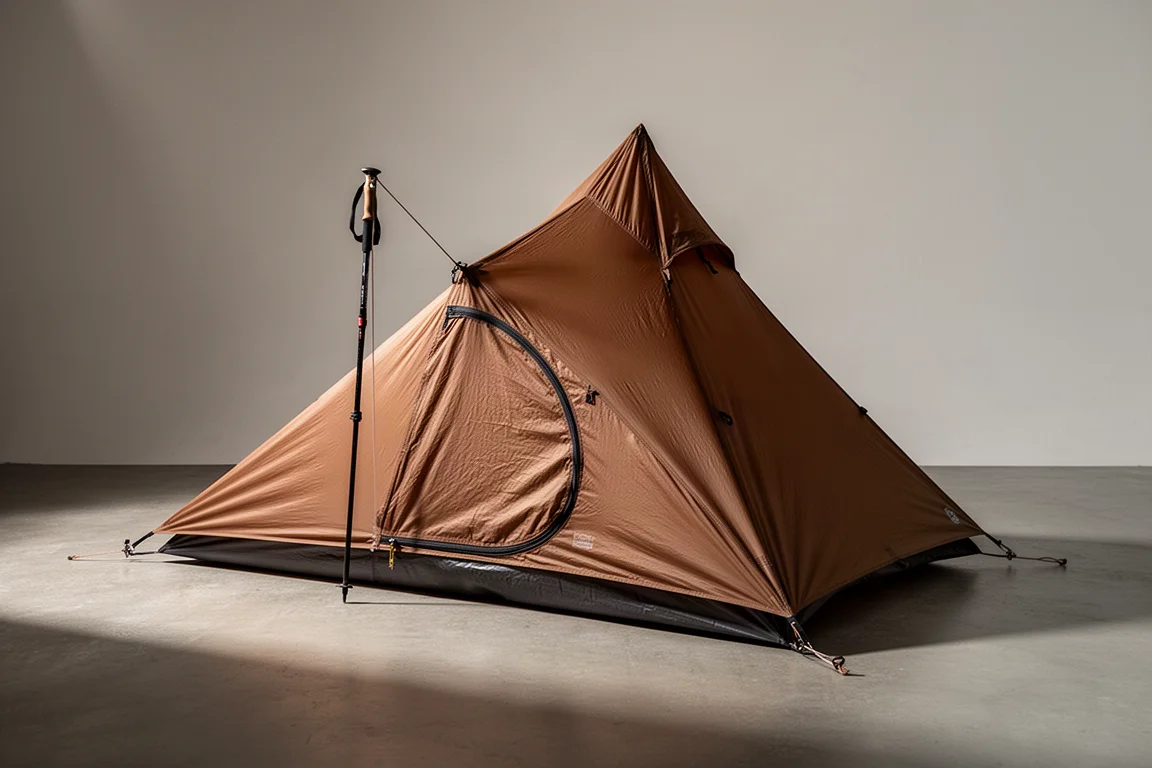
Not everyone is comfortable with that level of exposure. If having a wall around you helps you sleep better but weight still matters, a walking pole tent is worth a look. These use the trekking poles you are already carrying as the main structural support, which removes the need to carry dedicated tent poles and keeps the load on your back light. They can be single skin or double skin. Double wall tents are generally warmer, more robust, and more comfortable than single wall designs, which is why they remain the most common choice out on the trail.
Shelter Types and Pitch Design
Pitch type matters more than many buyers expect. The first question is whether a tent pitches inner first or outer first. In wet climates, an outer pitch first design lets you raise the waterproof fly sheet before anything else, so the inner fabric stays dry while you set up, and you can even use the fly alone as a shelter. With an inner pitch first tent, the inner can get wet during pitching and then dampen everything else.
The second question is whether the tent is freestanding, partially freestanding, or dependent on guy lines to stand at all. Most two and three season tents are partially freestanding or not freestanding at all, meaning they will hold their shape with their poles but still need pegs and guy lines to stay upright. Freestanding tents can be picked up and carried while fully pitched, which makes them easy to put up and simple to move around, and they offer strong protection when the wind picks up. The trade-off is that they are often heavier and bulkier to carry.
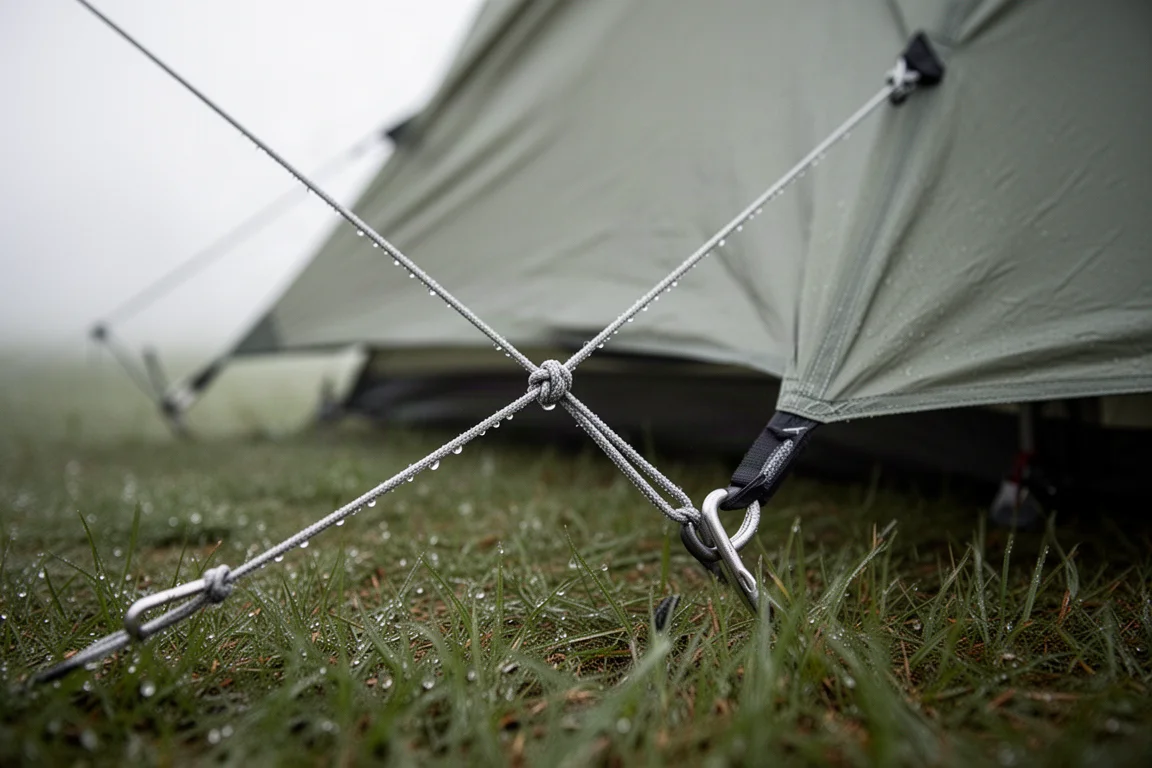
Pegs and guy lines belong to the same conversation. Guy lines are the cords running from the tent to the ground, and on anything other than a freestanding design they do real structural work. The design of a guy line is worth a glance, but it is not something to get hung up on. Pegs deserve more attention. Many cheaper tents ship with basic pegs that are heavy, bend easily, and are not especially robust, which is why so many people end up swapping them out.
Fabrics, Ventilation and the Details That Matter
Fabric is where much of the price difference between tents comes from. Cheaper tents often use coated polyester with a DWR treatment. It is usually less robust and wears away with use, and polyurethane is the coating used on those tents. Pricier tents often use coated silicone nylon, which is lighter, more robust, and slipperier, so it works better in heavy rain. The catch is that silicone nylon can be harder to seal, seams are often not taped, and the fabric can stretch when wet. Peg a tent out tight, wait for a downpour, and you may need to go back out to tighten the guy lines.
Mid-priced tents generally blend the two approaches, using a silicone nylon coating on the outside and polyurethane on the inside. Hilleberg tents go a step further with a triple coating that makes the fabric considerably stronger and more robust. At the top of the market sits Dyneema, also known as Cuben Fiber, the lightest, strongest, and most waterproof fabric available. It does not stretch when wet and is easy to repair, but it is very expensive.
Denier is the other fabric number worth understanding. It measures the weight and thickness of the fabric, and a higher denier means a more robust, sturdy, and tear proof material. That is why ground sheets usually carry a higher denier than fly sheets.
Ventilation is closely tied to the season a tent is built for. Condensation forms on the inside of a tent in certain environments and weather conditions, and it can ruin a trip. Tents with more mesh are more breathable, letting the moisture in your breath escape under the fly sheet instead of collecting as water droplets. Four season tents take the opposite approach, with less mesh and a fly sheet that comes right down to the ground to keep out snow flurries and rainfall. That has a clear purpose, but it does mean more condensation if the tent is used in the wrong conditions.
Two practical details round out the picture. A porch gives you somewhere to store a rucksack, boots, wet waterproofs, and a stove system, and on a multi-day trip in wet weather that space matters. Many tents also include internal pockets, which help keep small items organised. Sizing deserves a real test rather than a guess: some solo hikers prefer a two person tent for the extra room to spread out kit, while others find one claustrophobic. Length catches people out too, so taller buyers should climb inside before committing. Try before you buy where you can, and remember that second-hand listings and local independent outdoor stores are both worth considering.
Terra Nova Southern Cross 1
The Southern Cross 1 from Terra Nova is a freestanding tent. It can be lifted and carried while fully pitched, which makes it easy to set up and simple to reposition once it is standing. Freestanding designs also tend to provide strong protection when conditions turn windy.
The trade-off is the familiar one for freestanding shelters. They are generally heavier and bulkier to carry than tents that rely on pegs and guy lines for their structure, so the convenience shows up on your back as well as at camp.
Terra Nova Laser Compact 1
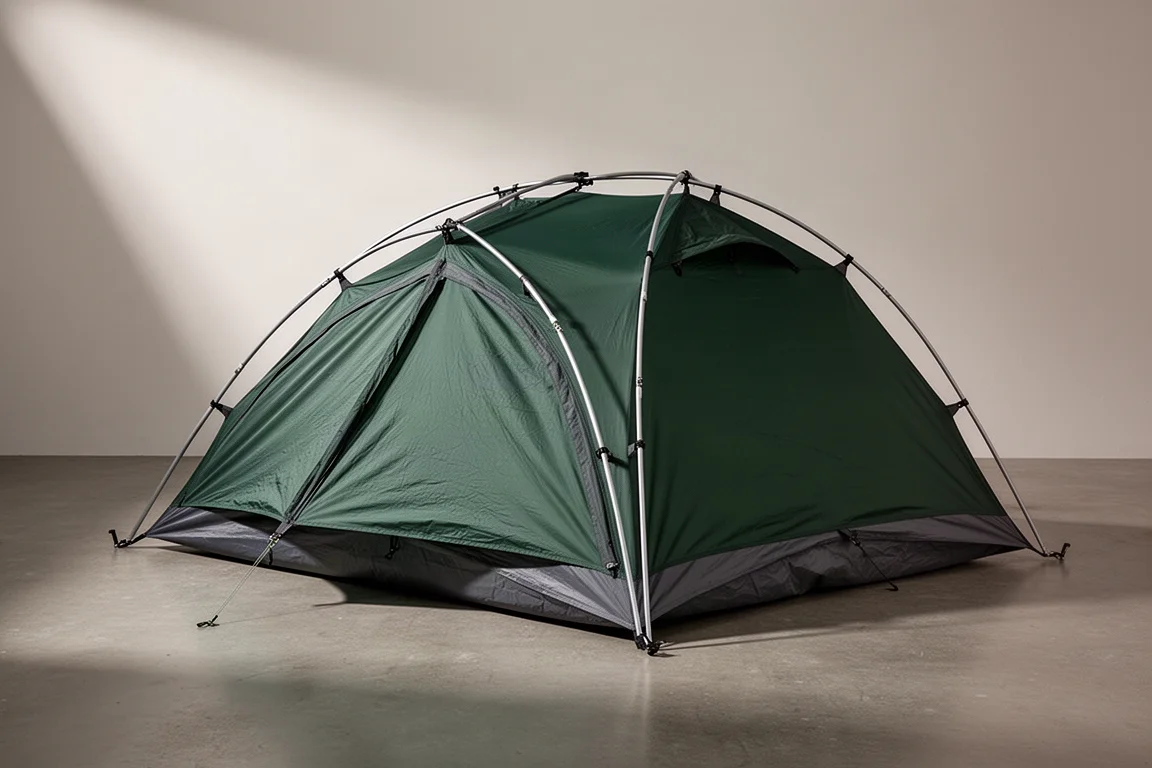
The Laser Compact 1 is one of Terra Nova’s lightest setups and an award-winning design used for adventure racing. Its poles are aluminium, which matters in poor weather. Fibreglass poles are heavy, and beyond a certain amount of load they are at risk of snapping in the wind, while aluminium holds up better in more adverse conditions.
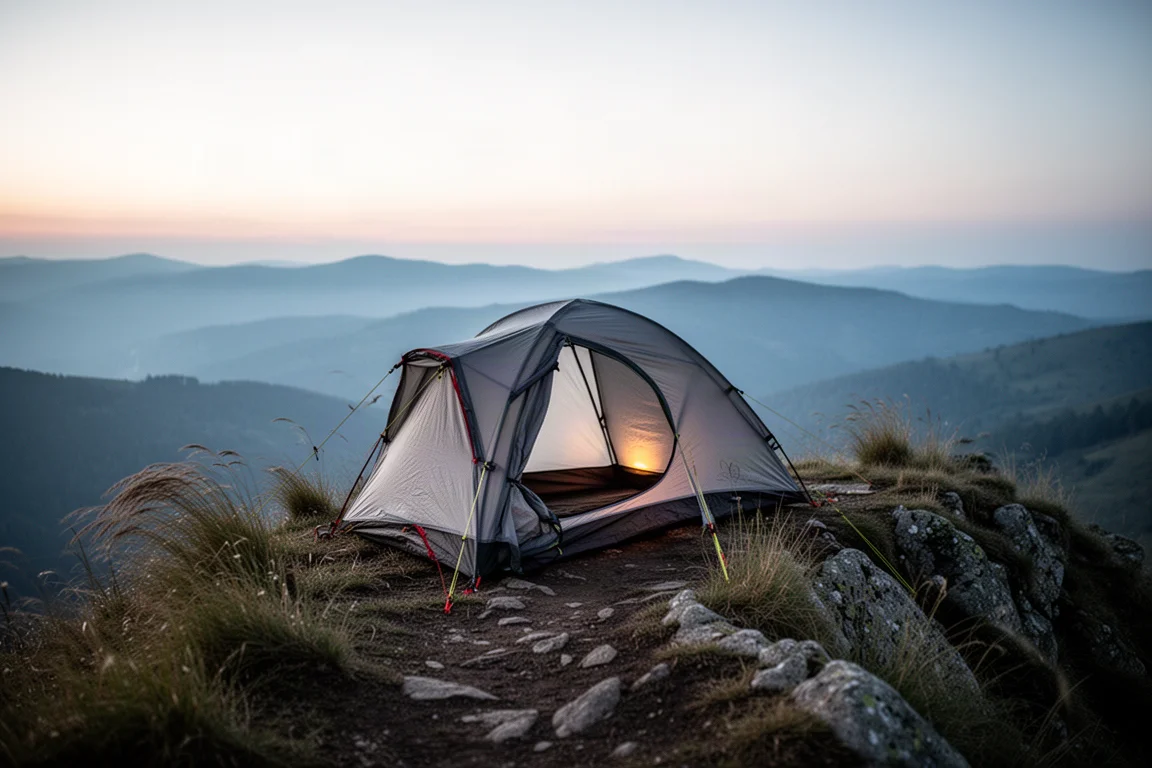
The Laser Compact 1 also offers generous porch space, with room for a rucksack, boots, cooking equipment, and wet waterproofs rather than a narrow gap that only just fits a pack.
Hilleberg Akto
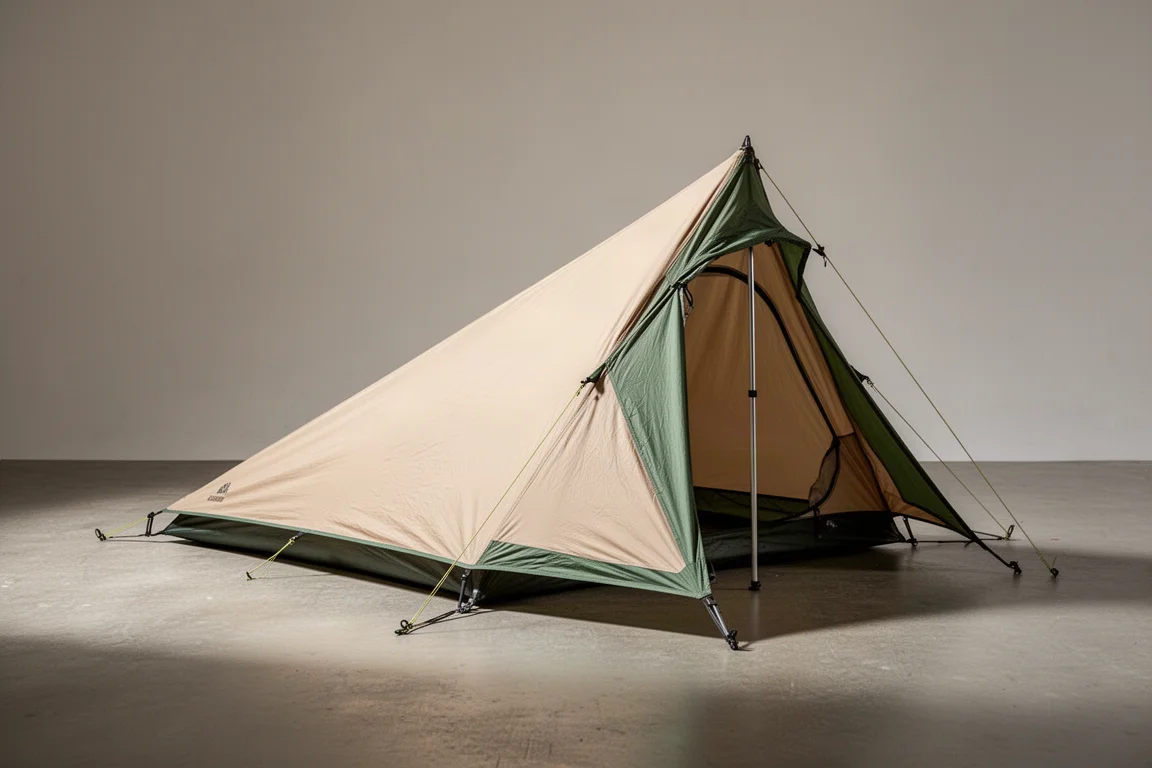
The Hilleberg Akto is a solo shelter whose fabric construction sets it apart. Hilleberg tents are triple coated, which makes them significantly stronger and more robust than conventionally coated fabrics. The Akto also has plenty of porch space for a rucksack, boots, a stove system, and wet waterproofs.
If the Akto is the tent you have your eye on, second-hand is a realistic route. Listings occasionally appear for a couple of hundred dollars less than retail, and outdoor gear exchange communities are a reasonable place to look for someone who bought one and did not quite get on with it.
Hilleberg Enan
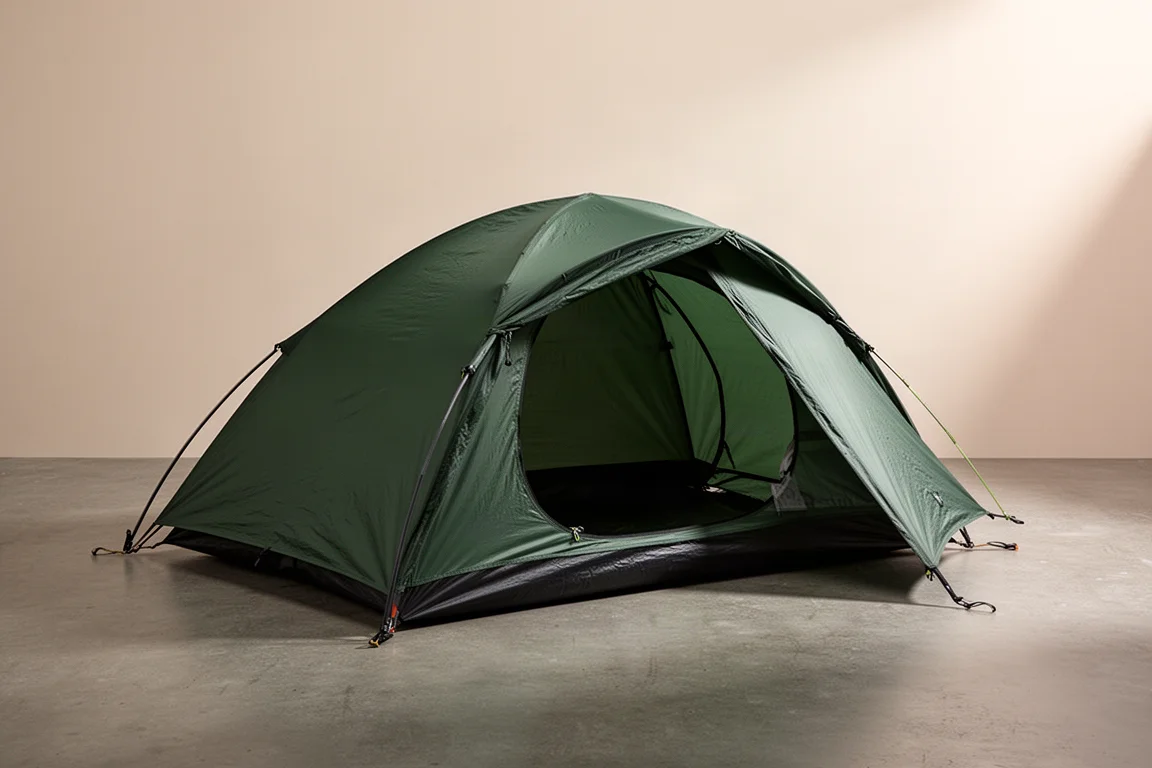
The Hilleberg Enan is a solo shelter that shares the roomy porch approach of the Akto, with enough space to spread out a rucksack, boots, and wet kit instead of squeezing everything into a narrow strip.
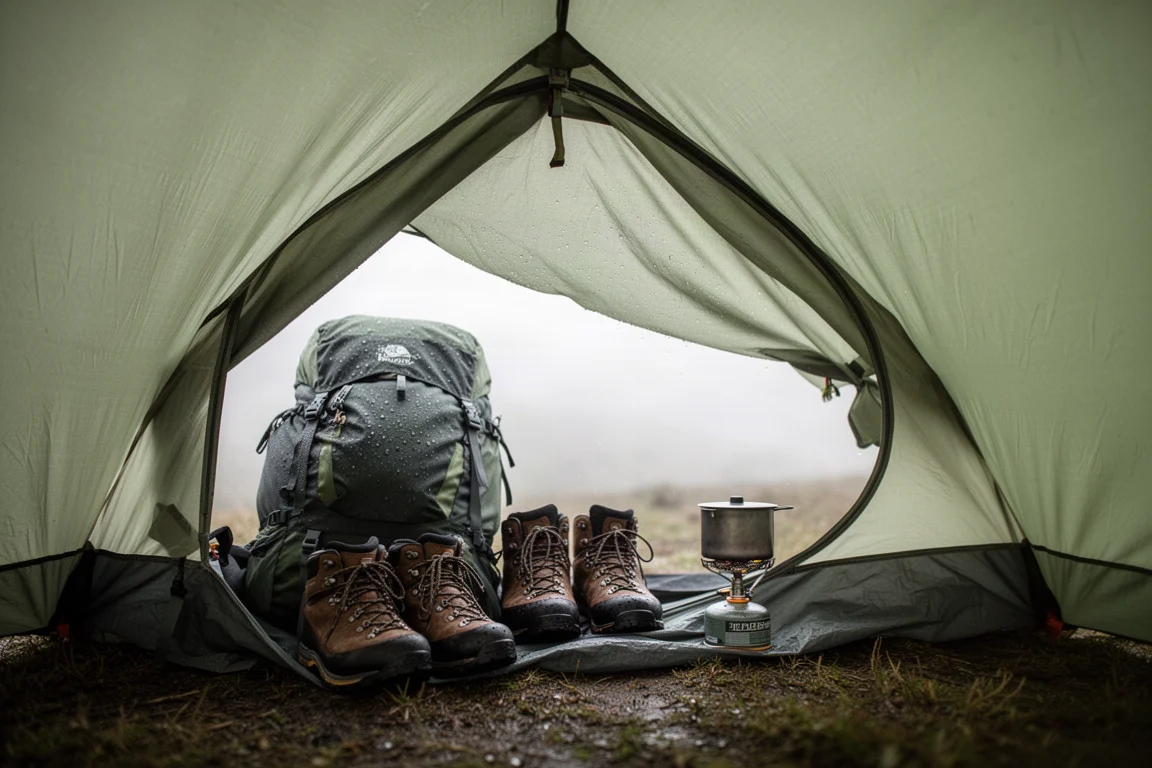
Like the rest of the Hilleberg range, the Enan uses a triple coated fabric. That construction makes the material stronger and more robust than the coatings found on cheaper tents, and it is a large part of why Hilleberg shelters sit at the upper end of the market.
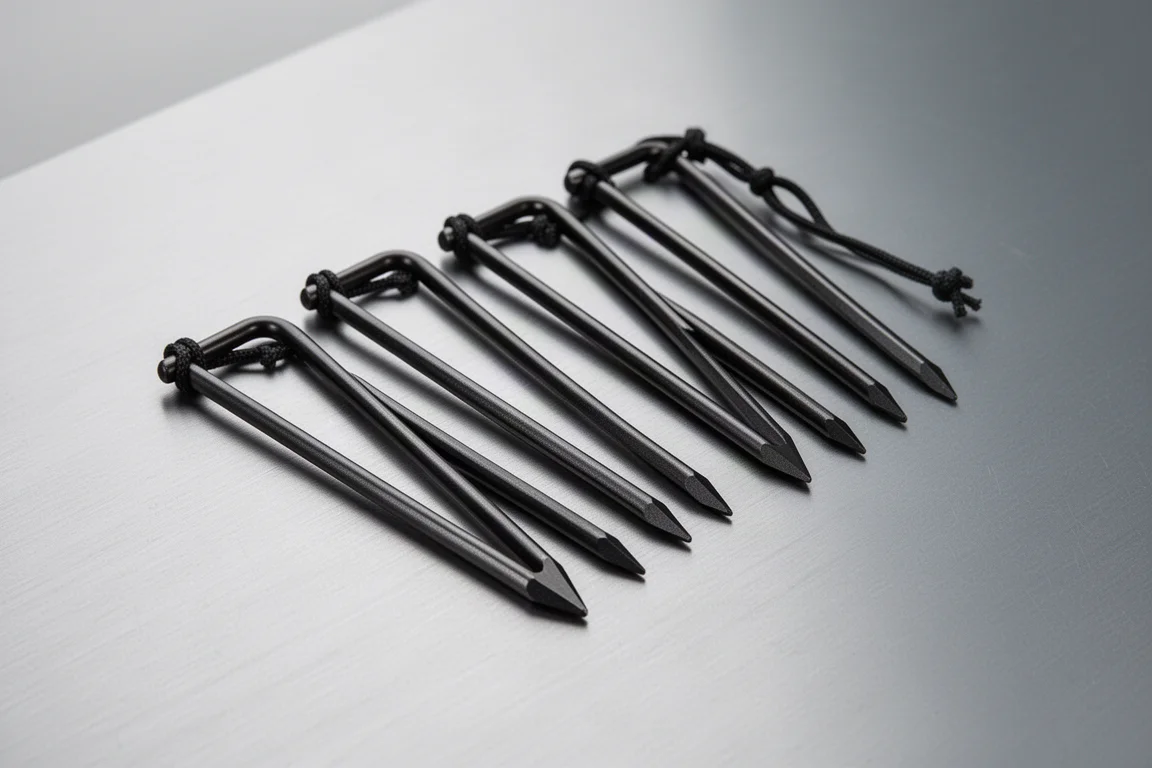
DAC Featherlite Peg
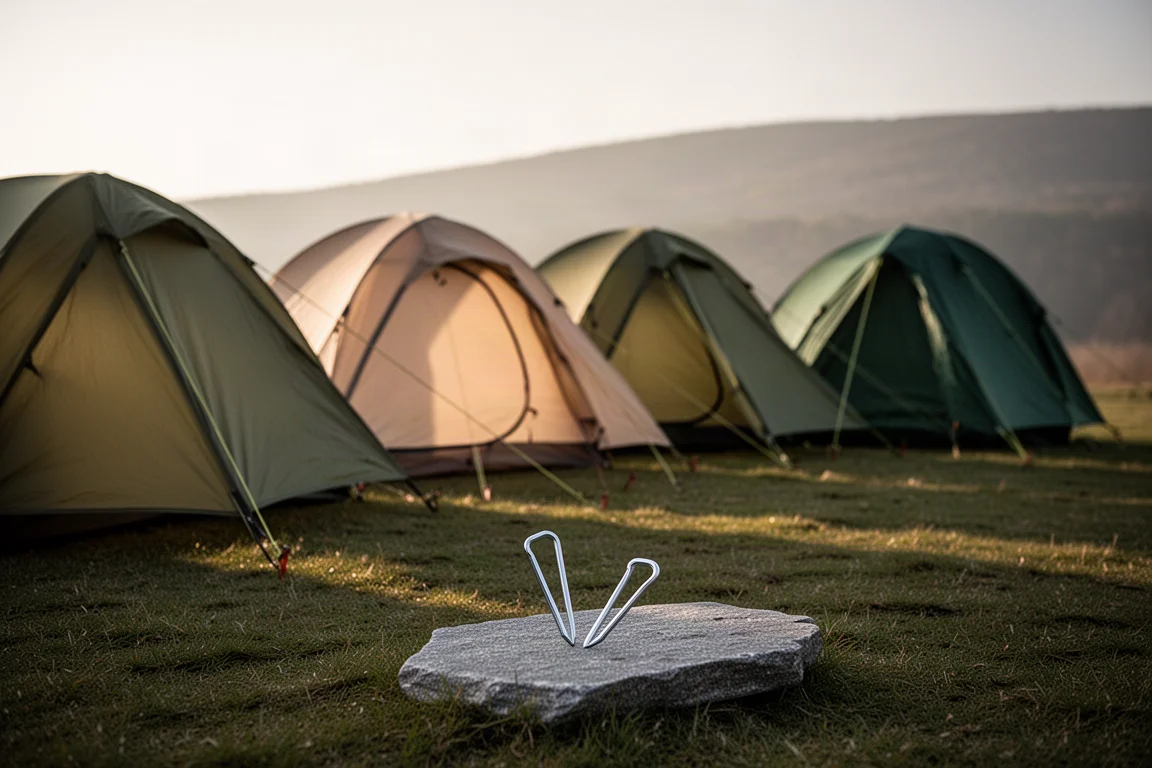
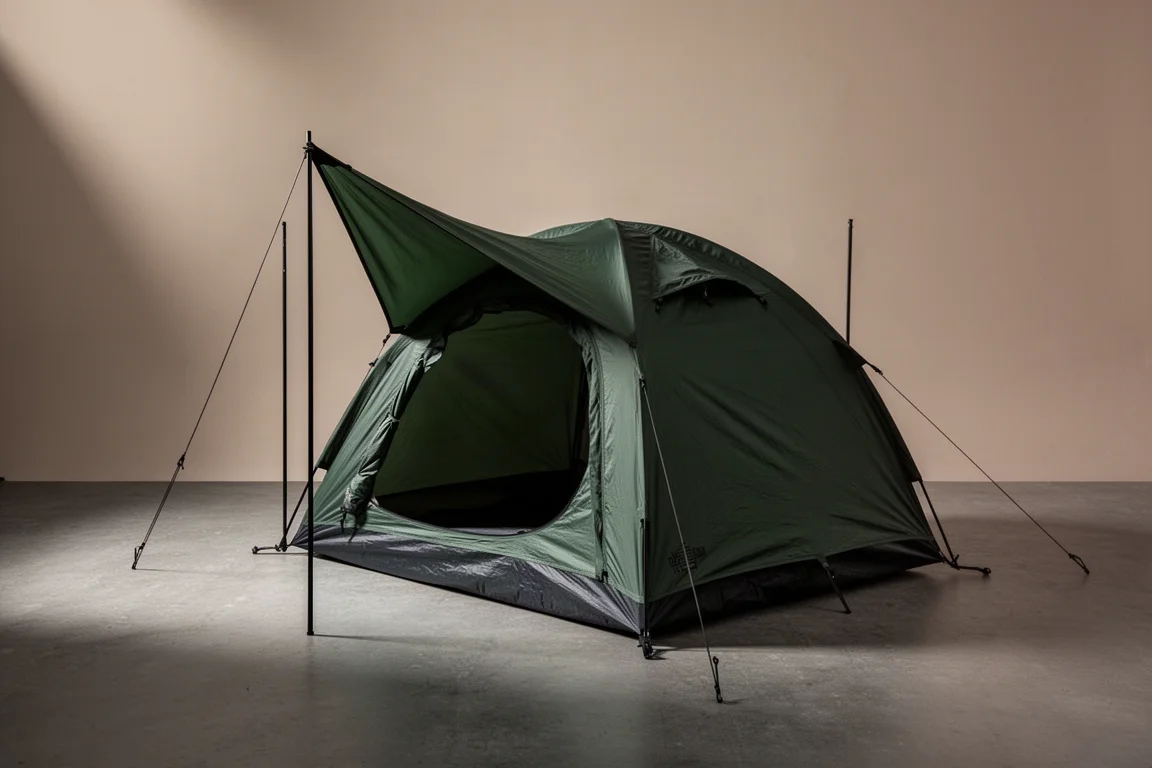
Pegs are a small upgrade with a noticeable effect. Many tents ship with basic pegs that are heavy, bend easily, and hold poorly. The DAC Featherlite Peg uses a V-shape, which lets you drive it into the ground at around a 45 degree angle for a lot more resistance.
If weight reduction is the goal but the budget is tight, buying a slightly cheaper tent and adding fancier pegs at a later date is a sensible route.
Birdhouse Peg
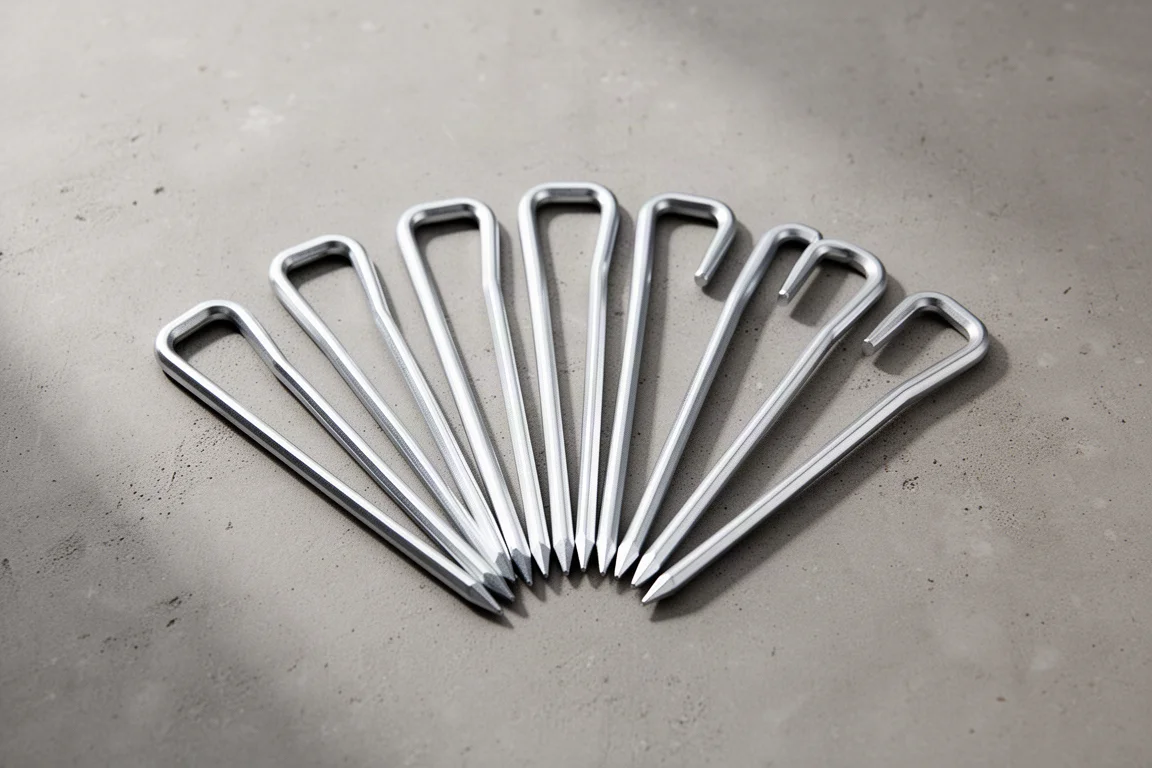
The Birdhouse peg follows a similar idea, with a V-shaped profile and a silver finish. It is very light, which makes it a straightforward way to trim weight from a tent setup without replacing the tent itself.
Neither peg upgrade is essential, but both address the same weak point: the basic pegs that come with many cheaper tents.
Buying Advice
Start with the decisions that cannot be changed later. How many people does the shelter need to fit, which season and climate will you use it in, and which pitch type suits the weather you camp in most often. An outer pitch first tent makes a real difference in wet conditions, and freestanding convenience is worth paying for only if you value it more than pack weight.
From there, fabric and details decide the price. Coated polyester is the budget option, coated silicone nylon is lighter and more robust but may need tighter guy lines after rain, and triple coated or Dyneema fabrics sit at the top. Then check the things that are easy to overlook: porch size, mesh and ventilation for the season you actually camp in, internal pockets, and overall length. Build a shortlist of tents that meet your criteria, then try them in person before buying. Second-hand listings and local independent outdoor stores are both worth a look.
Conclusion
A good backpacking tent is the one that matches how and where you actually camp. Decide on capacity, season, and pitch design first, then weigh fabric, weight, and porch space against your budget. The six options here cover a spread of those priorities, from freestanding simplicity and lightweight adventure racing builds to robust triple coated shelters and simple peg upgrades that shave weight without replacing the tent.
Further reading
Related Reviews
Backpacking Tents
3F UL Lanchan Pro 1 Review: A 1 lb 8 oz Single-Wall Trekking Pole Tent
A practical look at the 3F UL Lanchan Pro 1, a single-wall trekking pole shelter with a 1 lb 8 oz weight, 20D silnylon fabrics, and a roomy 90 x 31 x 49 inch interior.
Backpacking Tents
3F UL Taiji 2-Person Tent: A Convertible Backpacking Shelter Worth a Closer Look
A practical look at the 3F UL Taiji two-person tent, covering its materials, true two-person interior, fly-first pitching, and the seasonal inner swap that lets one shelter cover more of the year.
Backpacking Tents
3FUL Lanshan Twoerson Pro Review: A Light Trekking Pole Shelter That Struggled in Rain
A two-person trekking pole shelter with a 2026 redesign, pitched with sticks and put through a night of steady rain. Here is what worked, what did not, and what to check before buying.