Budget Hi-Fi
How to Buy Budget Hi-Fi Safely: Five Checks and Six Products Worth Considering
A practical framework for buying affordable amplifiers and speakers with less risk, applied to six well-known budget models.
Introduction
Affordable hi-fi has never been more accessible. A compact desktop amplifier can now deliver power that would have cost far more a generation ago, and dozens of brands are competing in the same price bracket. That choice is genuinely good news, but it comes with a catch. Many of the companies making this gear are small, relatively new, and based far from the buyer, so quality control can vary from one production run to the next.
None of that means budget gear should be avoided. It means the purchase deserves a little structure. The five checks below are practical rather than technical, and they share one goal: putting you in a position where, if something does go wrong, you still have options. After that, six specific products are examined against those same checks.
The Five Checks That Reduce Your Risk
Check the ratings before you commit. A product with several hundred owner ratings and a 4.5-star average is a very different proposition from one with a handful. People who run into a fault tend to say so, and so do people who find the return process easy. Both kinds of feedback are useful.
Buy from a seller with a liberal return policy. Retailer support is the single biggest advantage that big brands enjoy. Buying through a large retailer recreates most of that. Going direct can mean shipping a unit back for evaluation at your own cost, and if the fault is judged out of warranty, you have paid postage for nothing.
Look for independent measurement data. Claimed power figures are often quoted under conditions that flatter the spec sheet. Independent measurement communities publish real power output, heat behaviour, signal-to-noise ratio, and dynamic range, which is exactly what you need on anything electronic.
Ask how long the product has been in production. A design that has been sold unchanged for several years is usually a sign that the fundamentals are sound. A model released last month tells you much less.
Spend time in communities that focus on affordable gear. Forums and groups built around budget hi-fi will tell you which models have recurring faults and which ones have quietly been revised.
Worth remembering: even long-established brands occasionally ship a faulty unit. The difference is that those brands usually come with retailer support behind them, and that is the experience worth recreating at a lower price point.
Aiyima A07: A Proven Amplifier Chipset at a Low Price
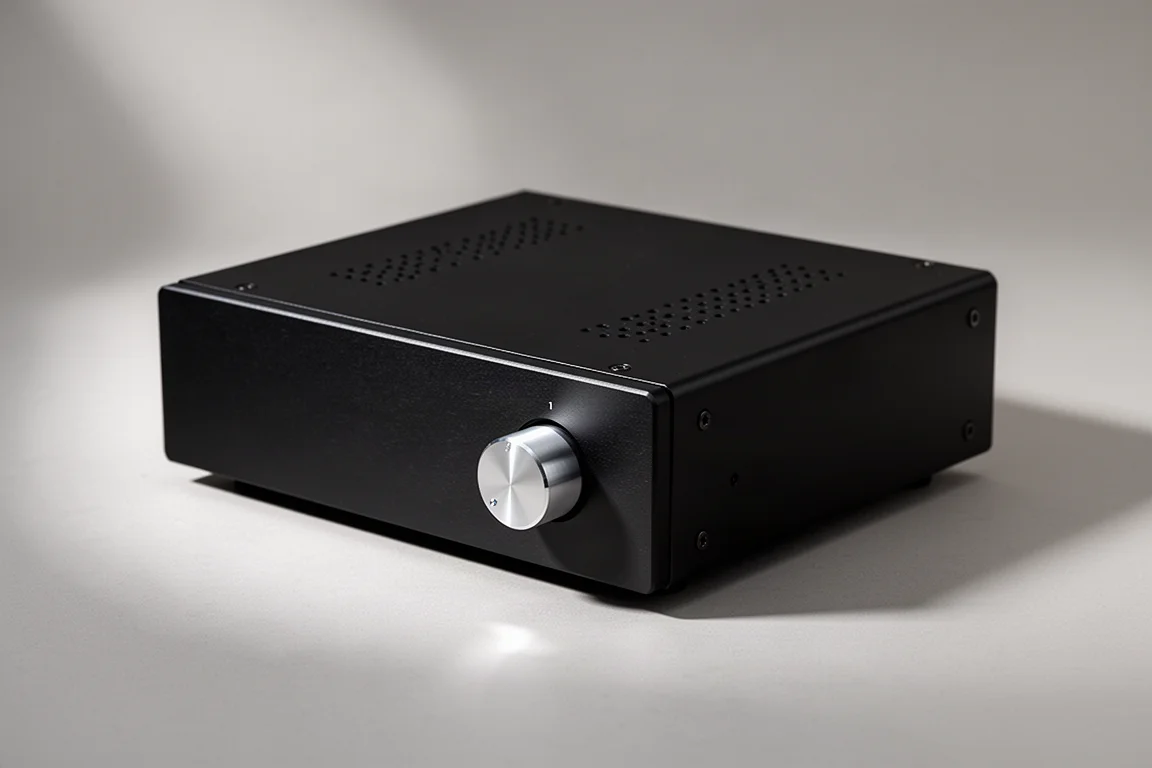
The A07 is one of the clearest examples of how far budget amplification has come. It sells for around $60 and is rated at 50 watts into 8 ohms, with roughly 80 watts into 4 ohms from its stock power supply.
Its strongest argument is what sits inside. The A07 uses the Texas Instruments TPA3255 amplifier chipset, a design that has been used in DIY builds and affordable hi-fi components for years. That is precisely the kind of proven technology the fourth check is looking for. Later production runs are reported to use an improved heat sink, and Aiyima products are handled through a dedicated distributor, which makes service questions easier to resolve.
Fosi Audio BT20A Pro: New but From a Familiar Budget Brand
Fosi Audio has built a broad line of affordable amplifiers, and the BT20A Pro is one of its newer entries. That newness is the main thing to weigh. A recently released model simply has fewer data points behind it, so the ratings check matters more than usual.
The practical approach with a product like this is to read what early buyers have reported, buy from a seller with a straightforward return window, and then use that window properly. Run the amplifier through its paces in the first week or two rather than leaving it boxed until the weekend. If it holds up under normal use, you have made a reasonable bet.
Buying from a retailer rather than direct also keeps the return process simple, which is the second check doing its job.
Fosi Audio V3: Strong Early Sales, Thin Feedback
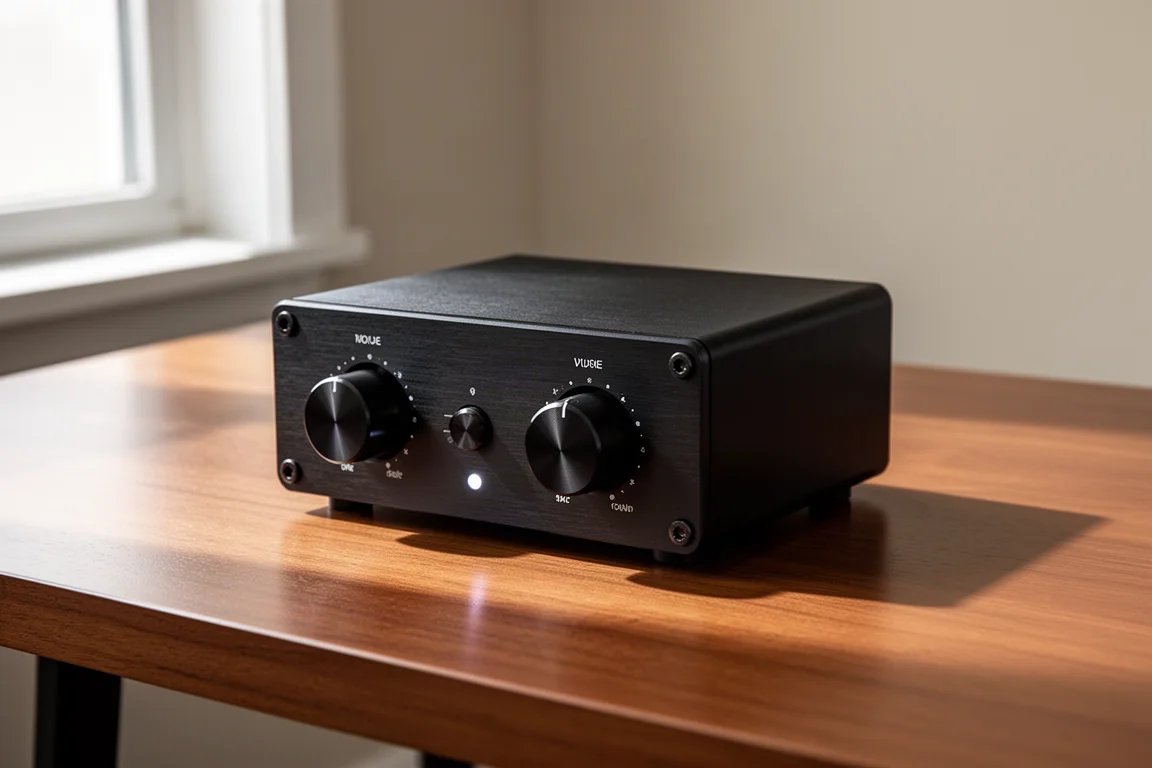
The V3 is the newest Fosi Audio model in this group and the one with the least evidence behind it. It arrived less than a month before this article and carried around 35 ratings at the time of writing, although it quickly became a top seller in its category after launch.
That combination is a reasonable reason to be interested and a reasonable reason to be patient. If you are not in a hurry, waiting a few months for the rating count to build gives you a much clearer picture. If you do buy now, treat the return window as your evaluation period.
Fosi Audio TB10D: The Entry-Level Reference
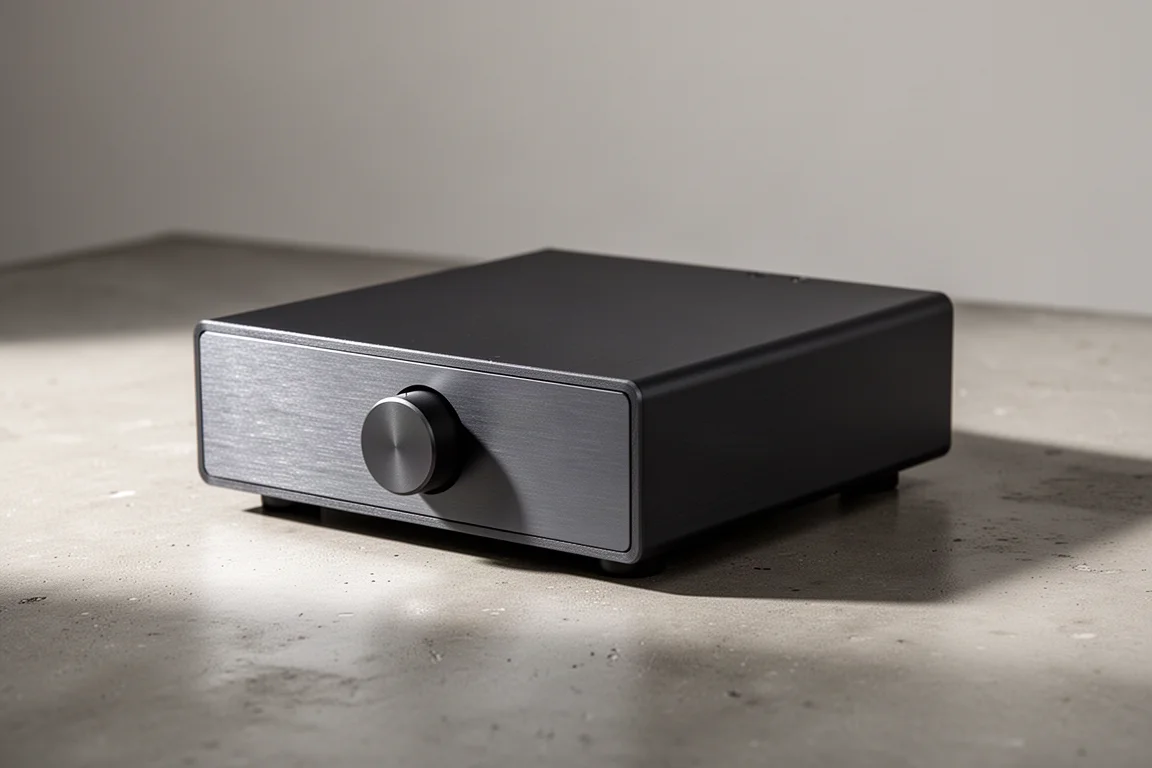
The TB10D is a 60-watt power amplifier and the lowest-cost option in this group. It also carries the strongest evidence base of the Fosi Audio models here, with roughly 430 ratings and a 4.5-star average.
That volume of feedback is the point. A few hundred independent buyers reporting on the same product gives you a realistic sense of how often faults appear and how well they are resolved. For a first step into separates, it is the most conservative choice in the lineup.
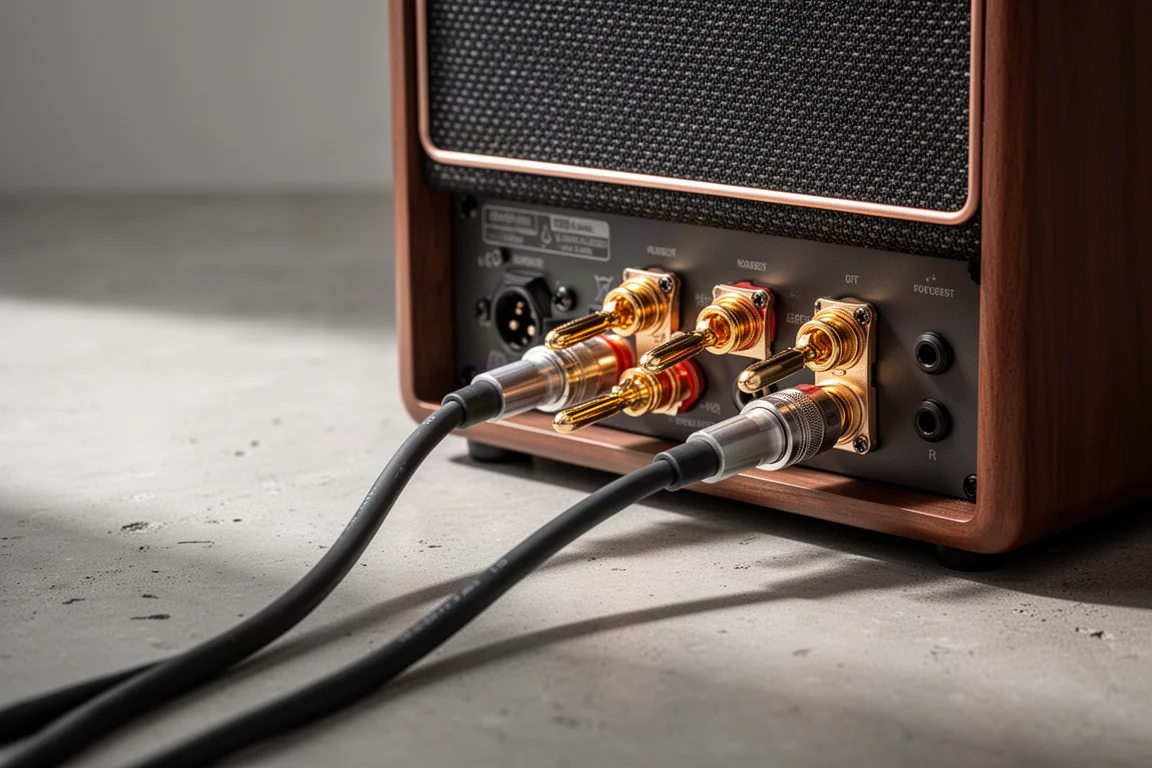
Its simplicity helps too. Fewer features mean fewer things to fail, and a straightforward power amplifier slots easily into a system you already own.
Fosi Audio BT28: Fast Start, Short Track Record
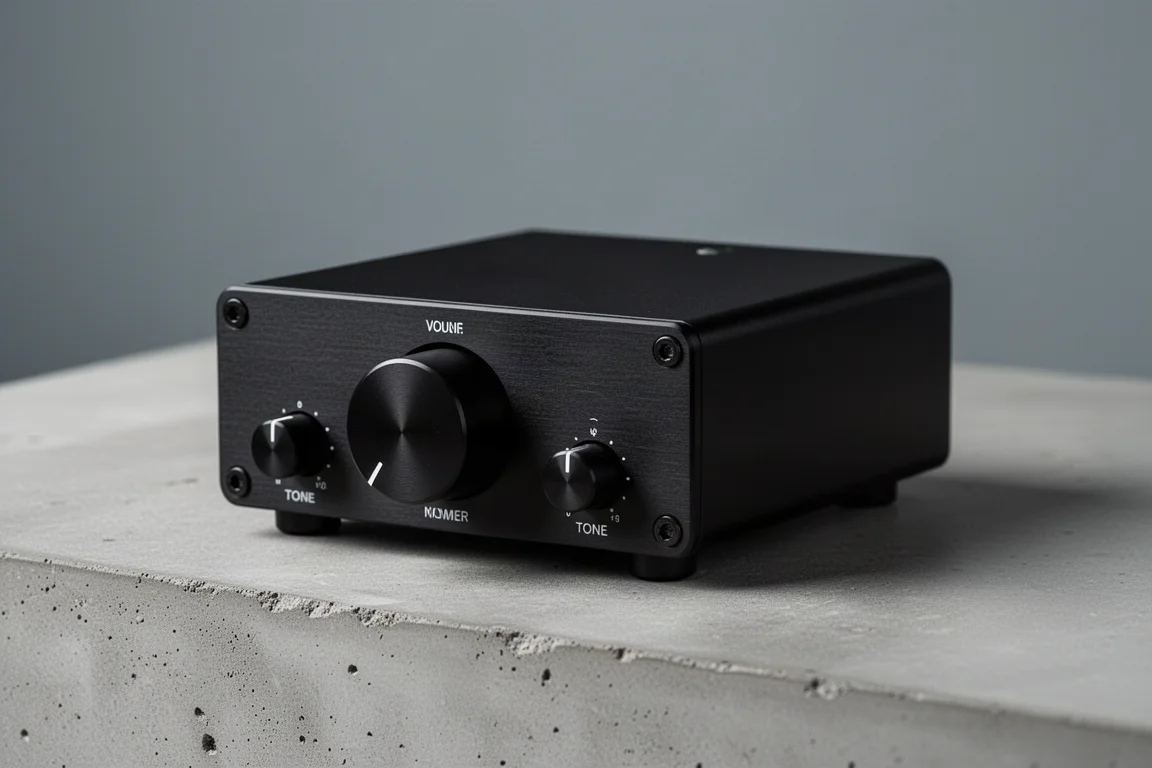
The BT28 launched this year and has already accumulated around 475 ratings with a 4.5-star average. For a product that has only been available for a matter of months, that is an unusually fast build-up of feedback, and it is a good sign.
The caveat is time. Ratings gathered over a few months cannot tell you how a unit behaves in year five, so the longevity check stays open. As with the V3, buying through a retailer with a generous return policy is the sensible way to manage that uncertainty.
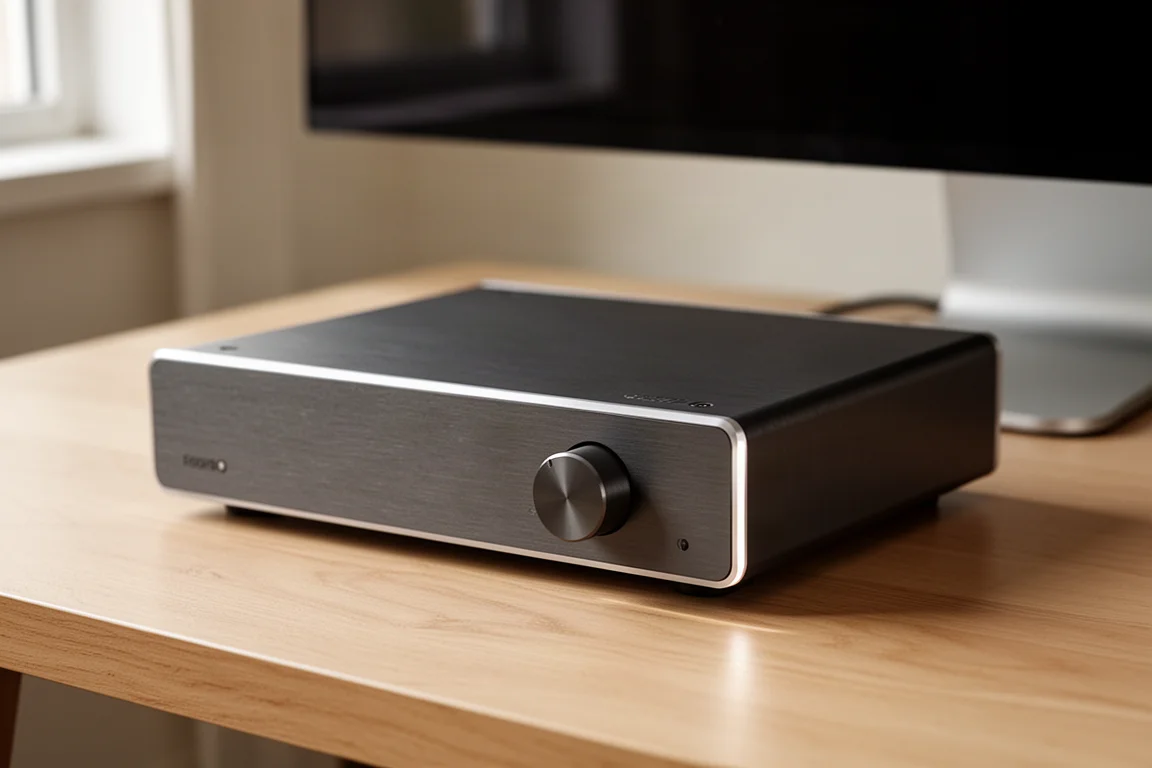
Sony SS-CS5: The Best-Evidenced Pick Here
The SS-CS5 is a bookshelf speaker from a brand with decades of manufacturing history, and it carries the largest feedback base in this group by a wide margin: roughly 8,750 ratings at a 4.5-star average.
It is also the product most likely to be discounted during major sales events, which makes it worth watching if you are building a system around a budget amplifier. For buyers who want the reassurance of scale, this is the easiest recommendation of the six.
Buying Advice
Put the five checks together and a simple routine emerges. Read the ratings, buy from a seller with a return policy you trust, look for independent measurements on anything electronic, favour designs that have been in production for a while, and ask communities about recurring faults before you order.
Then use the return window deliberately. Connect the product, listen at normal levels across several sessions, and check the things that fail early: channel balance, noise at idle, heat build-up, and controls that feel inconsistent. Most early failures show up within the first week, while you still have the option to send the unit back.
Conclusion
Affordable hi-fi carries risk, but it is manageable risk. The products above range from the near-unknown to the thoroughly proven, and each one can be a sound purchase when it is matched to the checks that matter most for your situation. Buy from somewhere you can return to, read what other owners have found, and give new gear a proper trial while the decision is still reversible.
Further reading
Related Reviews
Budget Hi-Fi
Best Budget Hi-Fi Under $100: High-Value DACs, Amps, Speakers, and Headphones
Thirteen budget hi-fi products that punch far above their price, from a $46 tube headphone amp and an $80 desktop DAC to a streamer, bookshelf speakers, and in-ear monitors.
Budget Hi-Fi
Dayton Audio B652-A and DTA-2.1BT2 Review: A Budget Hi-Fi Pair That Beats Expectations
A pair of budget bookshelf speakers and a compact integrated amplifier make a surprisingly capable starter system. Here is what each piece does well and where it holds back.
Budget Hi-Fi
A Hi-Fi System Under $250: Fosi Audio TB10D, WiiM Mini, and Micca MB42X Gen 2
A complete three-piece hi-fi setup for around $235: amplifier, streamer, and speakers, plus the trade-offs worth knowing before you buy.