Budget Hi-Fi
A Hi-Fi System Under $250: Fosi Audio TB10D, WiiM Mini, and Micca MB42X Gen 2
A complete three-piece hi-fi setup for around $235: amplifier, streamer, and speakers, plus the trade-offs worth knowing before you buy.
Introduction
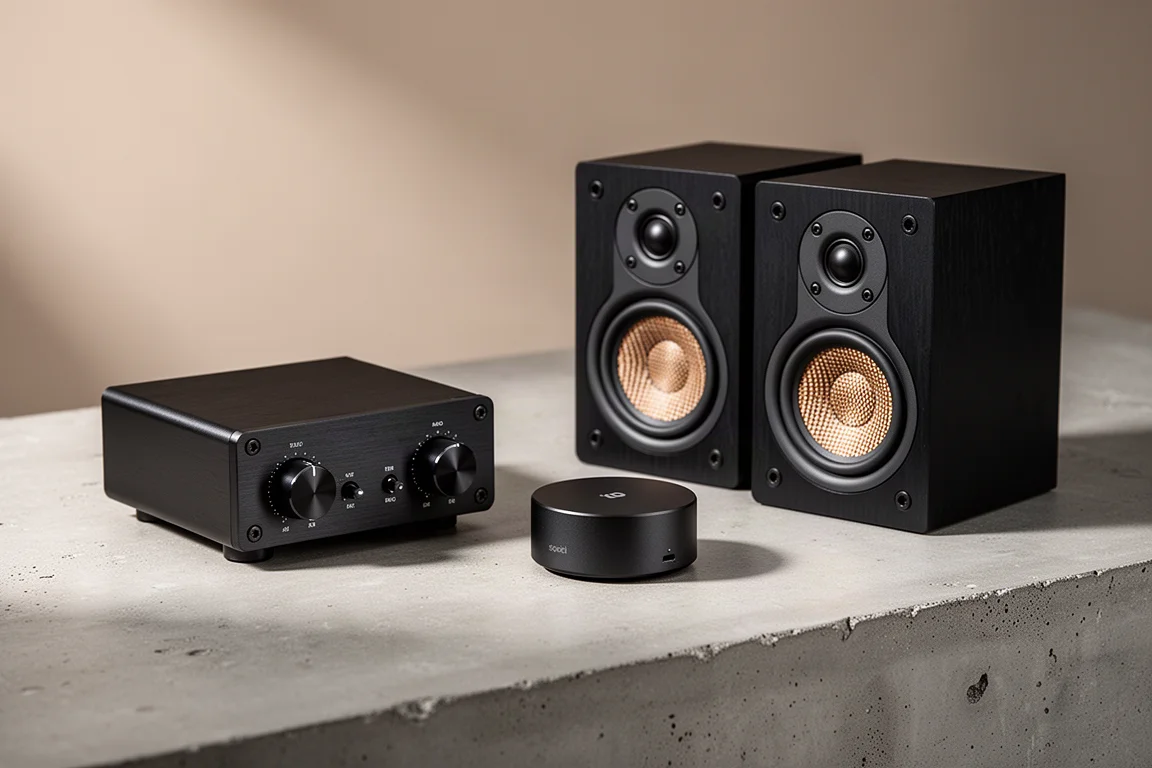
Building a real hi-fi system does not require a large budget. The three pieces below cover the entire chain, source, amplification, and speakers, for about $235 before tax. Add a basic run of speaker cable for roughly $10 and the total lands near $250.
That figure is worth pausing on. A single pair of premium banana plugs can cost more than the whole system. What matters is whether each part does its job well and whether the pieces work together.
How This Budget Hi-Fi System Fits Together
Three jobs need filling. Something has to play the music, something has to control volume and drive the speakers, and something has to turn an electrical signal into sound in the room.
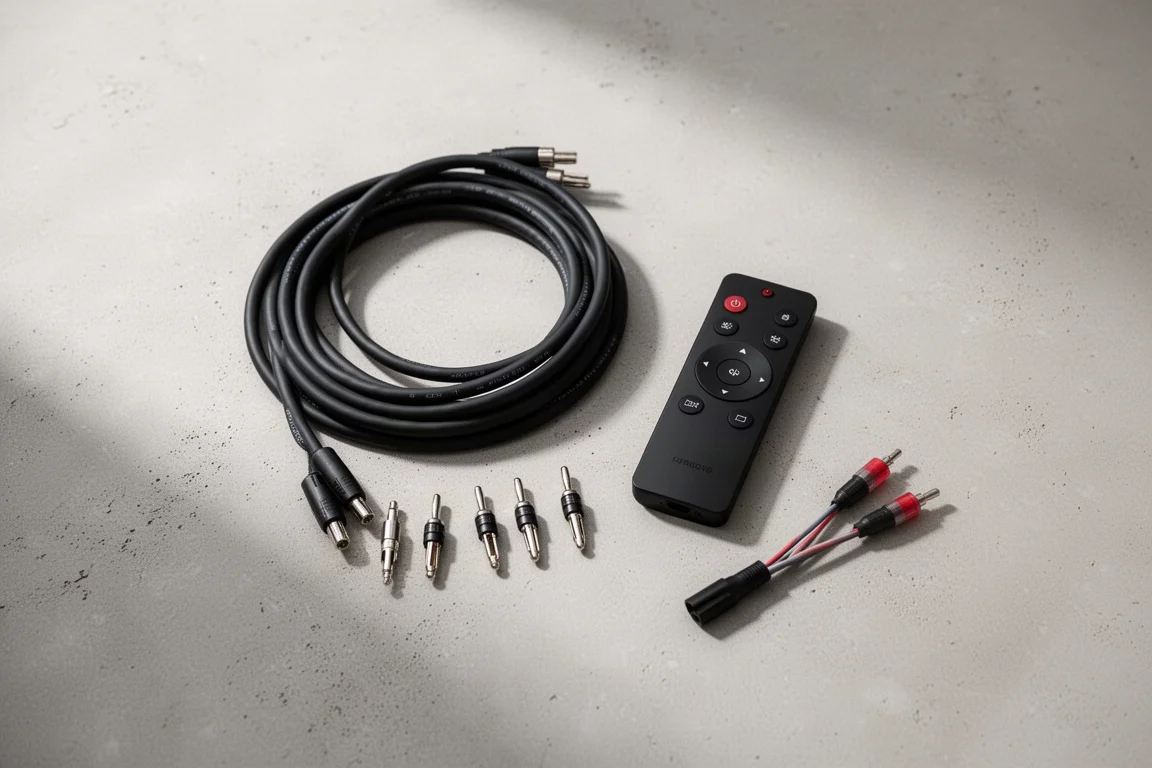
The split here is $64 for the amplifier, $81 for the streamer, and $90 for the speakers. That is $235 before tax, and around $250 with speaker cable included.
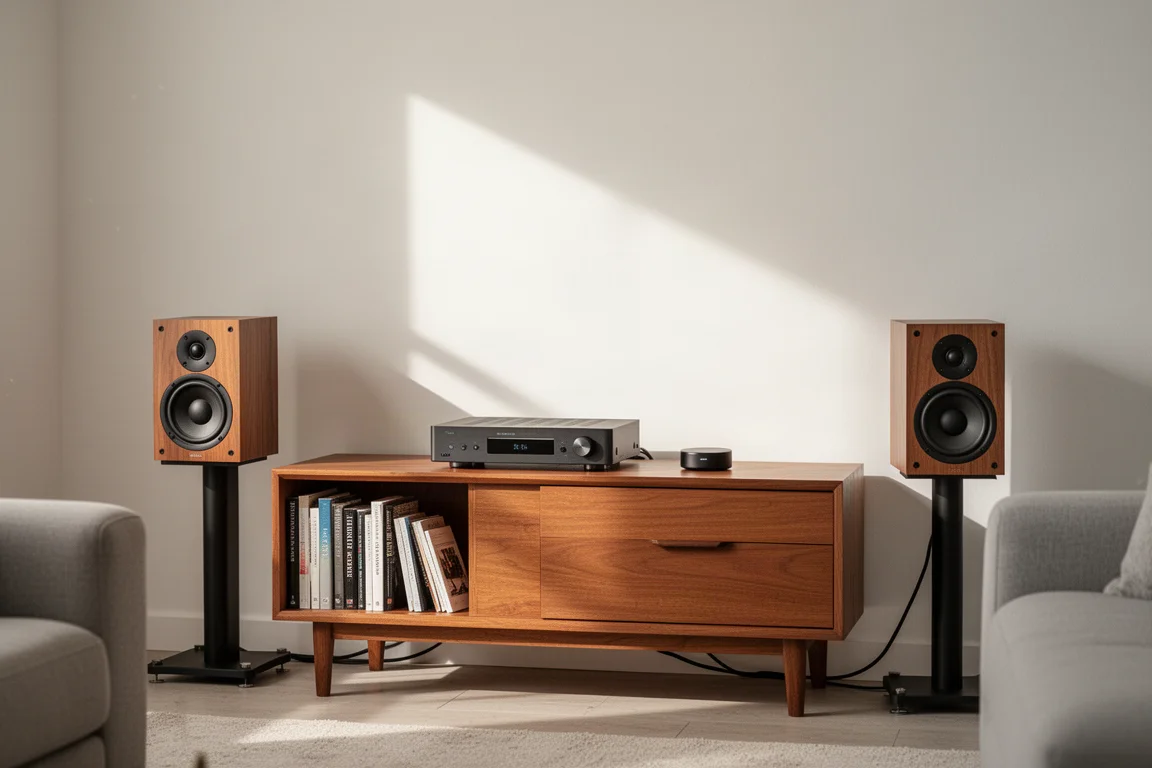
Each part was chosen with the others in mind. The amplifier offers tone controls, which matters because budget speakers are rarely perfectly balanced in a given room. The streamer adds a 10-band EQ and a parametric EQ on top of that, so the system has two layers of adjustment. The speakers are compact, and their bass output can be trimmed rather than tolerated.
The music itself comes from a streaming subscription. Tidal, Qobuz, and Amazon Music all deliver lossless audio at CD quality or better, and a monthly subscription costs less than a single CD used to.
Fosi Audio TB10D: The Amplifier
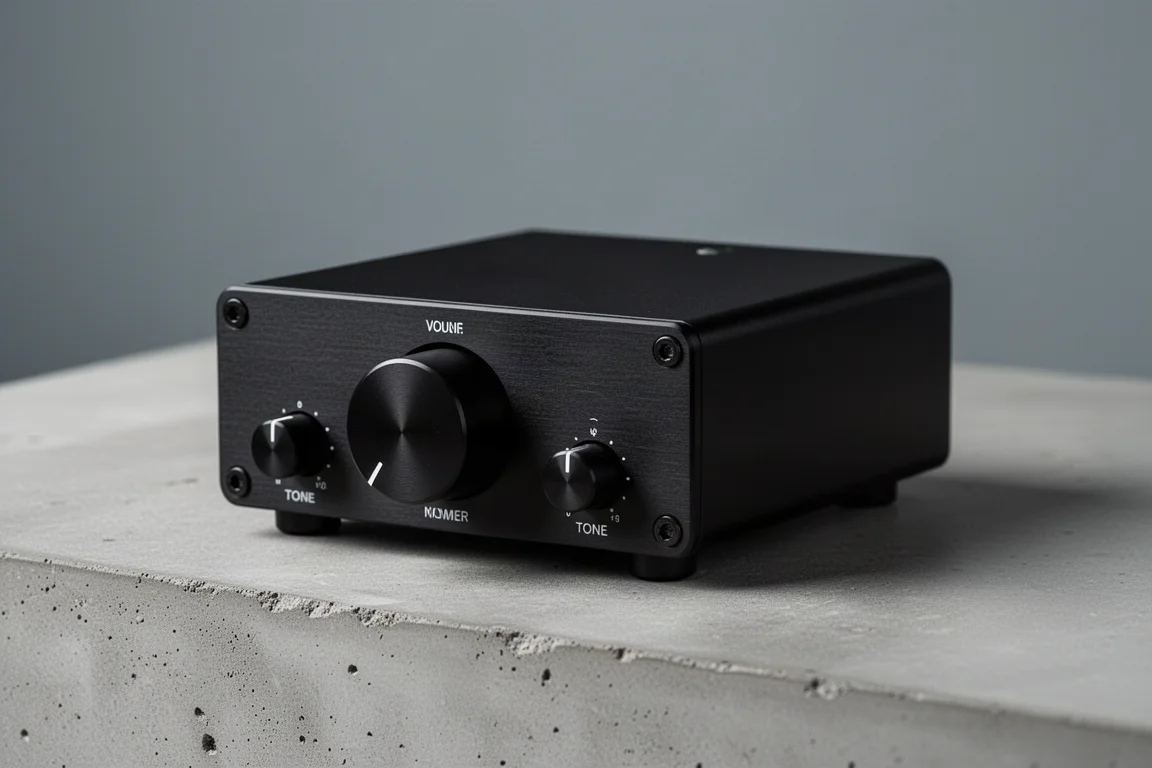
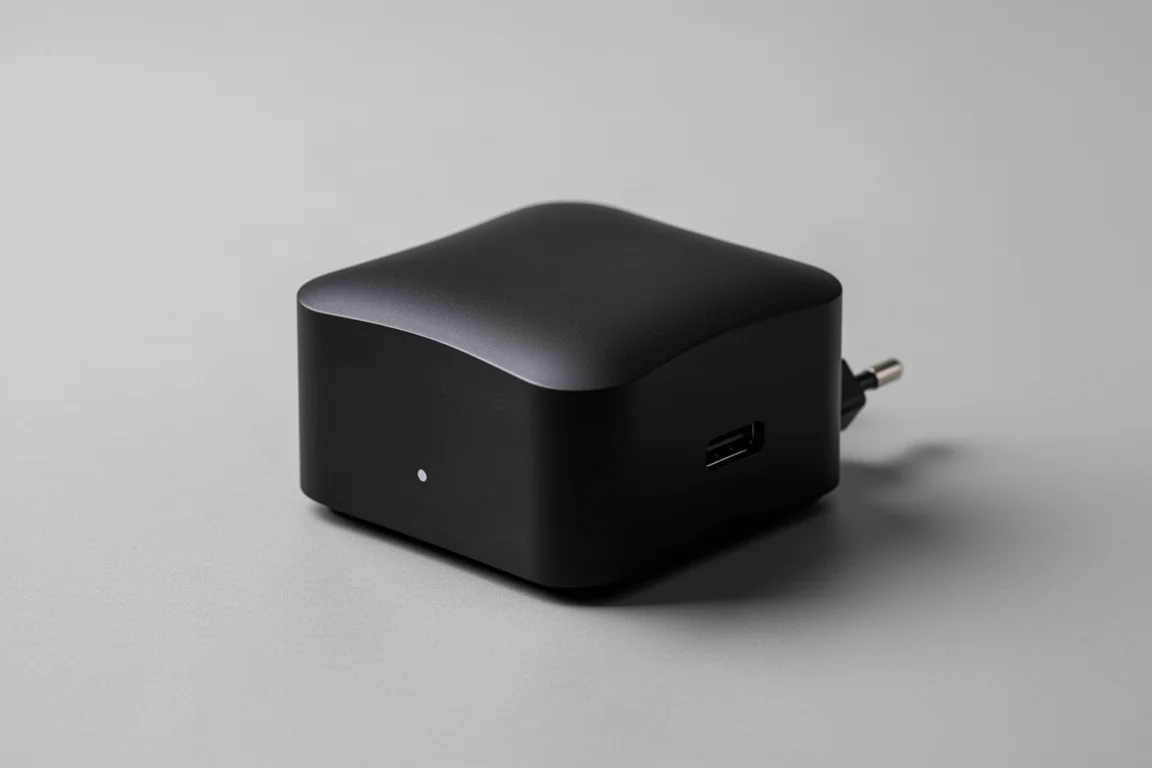
The Fosi Audio TB10D is a small stereo amplifier with bass and treble tone controls, and it sells for $64. Tone controls are not a gimmick at this price. They are the practical way to compensate for a speaker that leans bright or a room that adds boom.
Inside, the amplifier uses the Texas Instruments 3255 chipset. It can accept a power supply of up to 48V at 10A, which gives it enough headroom to drive a wide range of speakers. The supply included in the box sits below that ceiling, and it is still plenty for the compact speakers in this build.
One limitation is worth knowing up front. There is no subwoofer output, so adding a subwoofer later means using the subwoofer’s high-level, or speaker-level, inputs instead.
WiiM Mini: The Streaming Source
At $81, the WiiM Mini is the most capable part of the system. It supports Tidal, Qobuz, and Amazon Music, and it also accepts AirPlay and Bluetooth, though Bluetooth is best kept for casual listening when guests want to play something from a phone.
Setup and control happen through a phone app, and the app is also where you switch between inputs. The streamer connects over Wi-Fi and has no wired network option, so a stable wireless network matters.
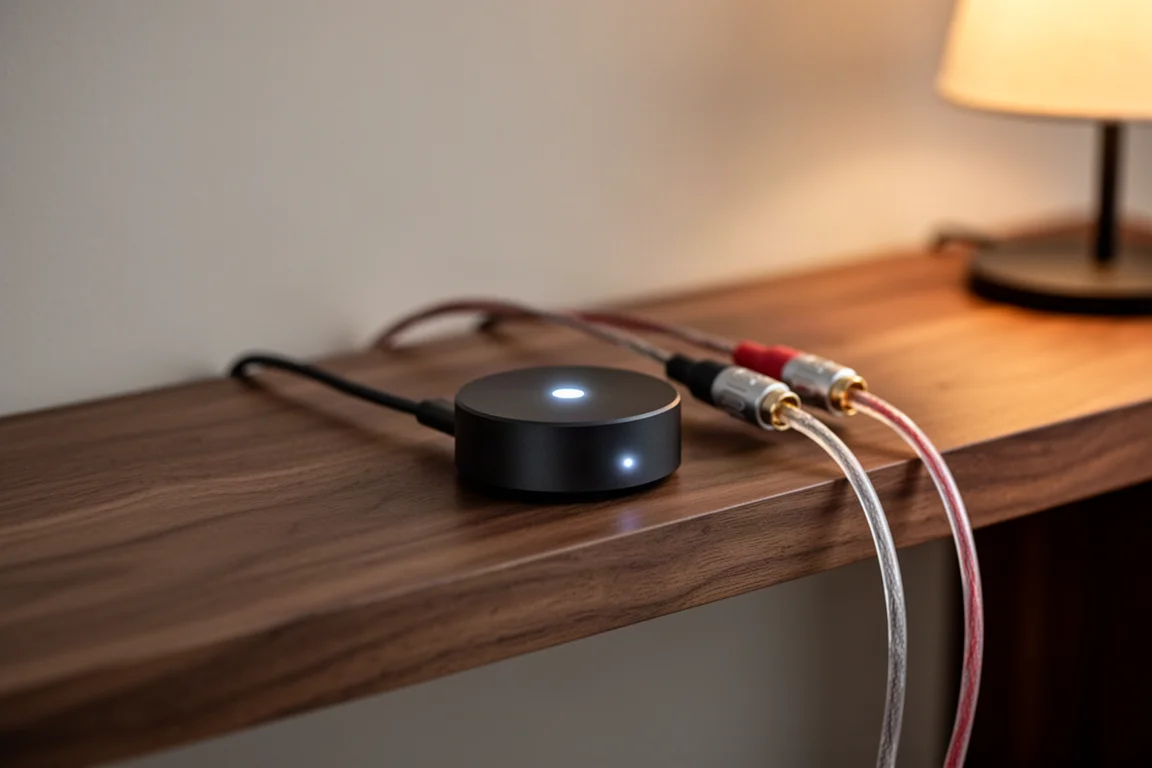
The feature that makes the biggest difference in a budget build is the EQ. The WiiM Mini includes a 10-band EQ and a parametric EQ, which turns a pair of imperfect speakers into something you can actually tune. If the lower midrange sounds thick, you can pull it back. If the treble is sharp, you can soften it.
The Mini can also serve as a preamp. An additional analog source, such as a turntable, can be connected and switched in the app, so the system can grow instead of being replaced. Later on, an affordable external DAC can be added to improve the conversion stage.
Micca MB42X Gen 2: The Speakers
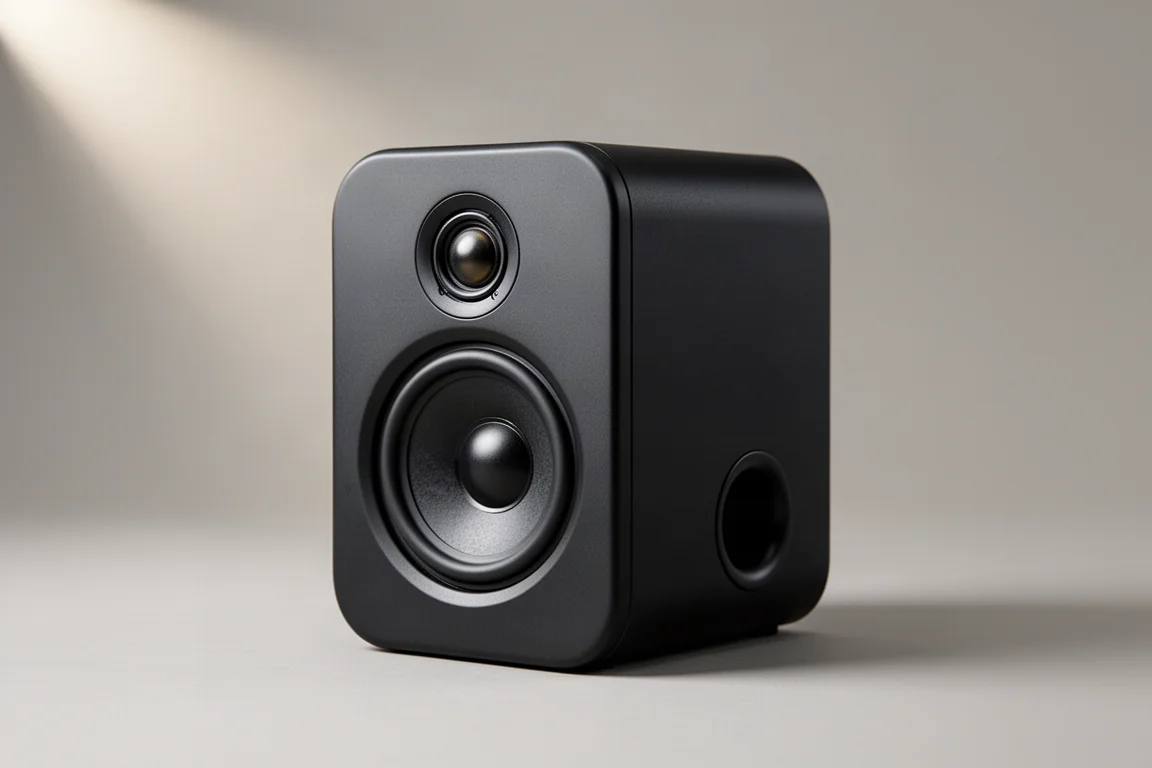
The Micca MB42X Gen 2 is a compact two-way passive speaker, and the pair costs $90. For their size, they put out a surprising amount of low end, with real kick and plenty of bass.
That bass is also the main thing to manage. In a small room, the low end can tip over into too much, and the lower midrange can sound thick. This is exactly where the amplifier’s tone controls and the streamer’s 10-band EQ earn their place. Adjusted properly, the speakers can sound far better than their price suggests.
Room to Grow: Subwoofers, Turntables, and Multiroom Audio
Nothing here is a dead end. A subwoofer can be added, provided it has high-level or speaker-level inputs, since the amplifier has no dedicated subwoofer output.
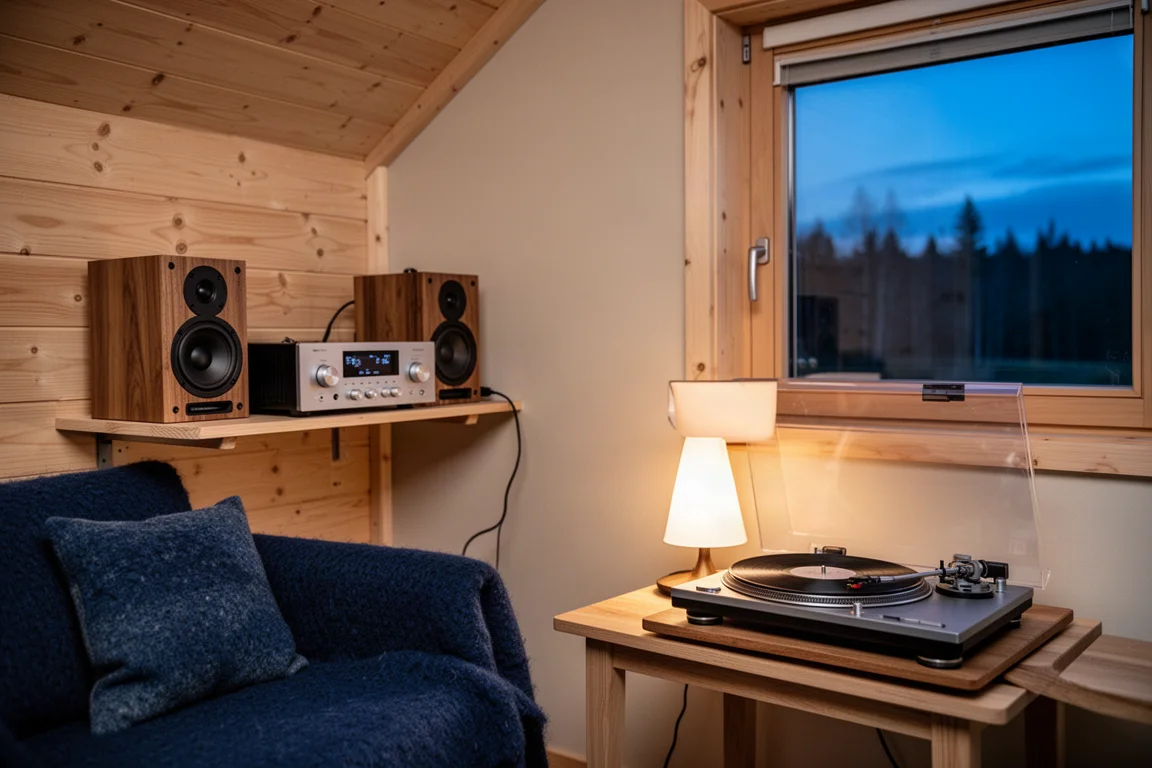
A turntable can also join the system through the WiiM Mini’s analog input. The turntable will need a built-in phono preamp or a separate one, and several affordable turntables already include a phono stage. Fosi Audio also makes inexpensive phono preamps that suit a build at this level.
Multiroom audio is another option. If you add a second WiiM device elsewhere in the home, the two can be linked so the same music follows you from room to room.
What to Expect From a Sub-$250 System
A system at this price will not match a $1,000 setup. The honest expectation is that it will play lossless music from a huge library, with enough bass and enough adjustability to sound genuinely enjoyable in a small or medium room.
What it does deliver is access. Between Tidal, Qobuz, and Amazon Music, nearly all recorded music is available on demand in lossless quality, for a monthly fee that undercuts what a single CD cost. Amazon Music can be even cheaper for Prime members.
Buying Advice: Who This System Suits
This build suits anyone starting out who wants to listen to music properly rather than in the background. It also fits a second room: a den, a home office, a cabin, or a cottage where a full-size system would be overkill.
Because the three parts are inexpensive individually, the risk is low. All three are easy to find, and if the sound does not suit your room you can return them. Give the EQ a little time before deciding. A few small adjustments usually make a bigger difference than swapping hardware.
Consider stepping up only if you already know what you want: more power, a larger room, or speakers that reach lower without help. Otherwise this trio covers the basics well.
Conclusion
Amplifier, streamer, and speakers for about $235, roughly $250 with cable, is a complete hi-fi system rather than a compromise. The Fosi Audio TB10D supplies the power and tone controls, the WiiM Mini supplies the streaming platform and EQ, and the Micca MB42X Gen 2 supplies the sound. Each piece leaves room to grow, and together they make quality listening accessible without a large outlay.
Further reading
Related Reviews
Budget Hi-Fi
Best Budget Hi-Fi Under $100: High-Value DACs, Amps, Speakers, and Headphones
Thirteen budget hi-fi products that punch far above their price, from a $46 tube headphone amp and an $80 desktop DAC to a streamer, bookshelf speakers, and in-ear monitors.
Budget Hi-Fi
Dayton Audio B652-A and DTA-2.1BT2 Review: A Budget Hi-Fi Pair That Beats Expectations
A pair of budget bookshelf speakers and a compact integrated amplifier make a surprisingly capable starter system. Here is what each piece does well and where it holds back.
Budget Hi-Fi
How to Buy Budget Hi-Fi Safely: Five Checks and Six Products Worth Considering
A practical framework for buying affordable amplifiers and speakers with less risk, applied to six well-known budget models.