Outdoor Gear
How Much Food Fits in a Bear Canister? Four Storage Options Compared
A practical comparison of four bear food storage options, filled with the same freeze-dried meals and bars to show what really fits and what each design costs you in pack space.
Introduction
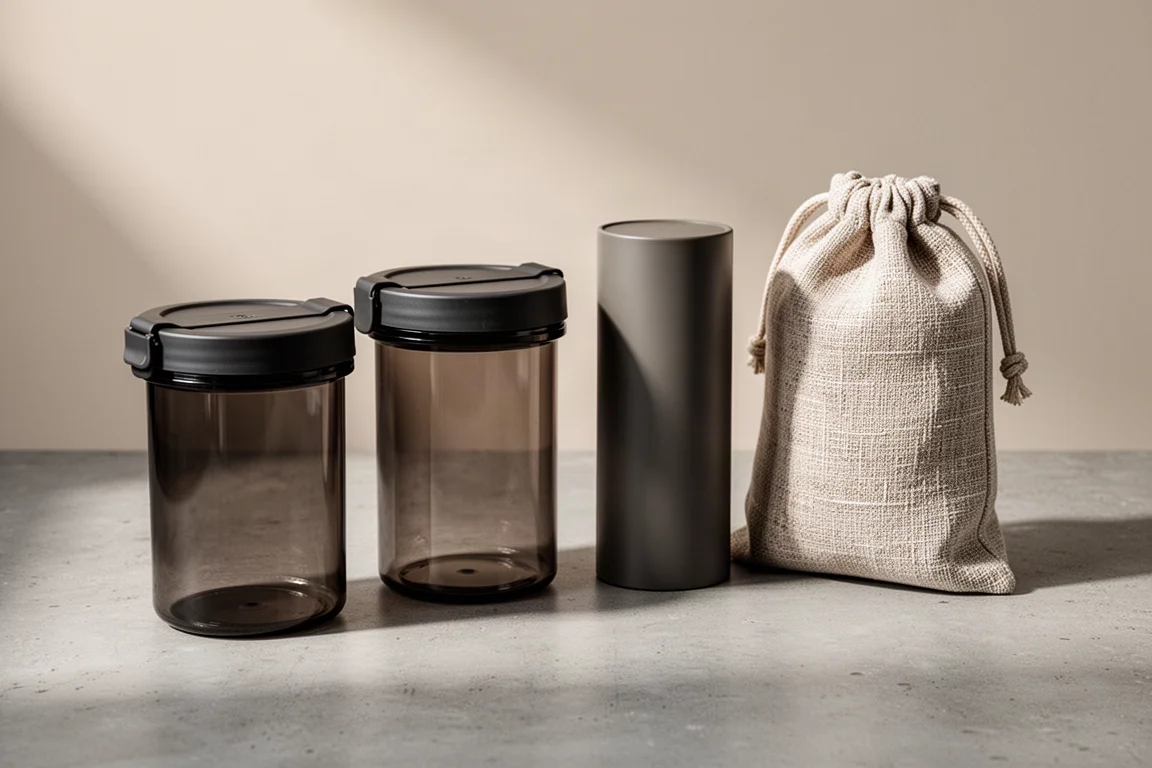
Anyone who has packed for a trip in bear country has asked the same question: how much food actually fits in a bear canister? Spec sheets list capacity in liters, but liters tell you very little when you are trying to work out whether a container will carry three days of freeze-dried meals or five. What one person eats in two days is not what another person eats in two days, so the only honest measure is real food.
That is the approach taken here. Four widely used storage options were packed with the same items: freeze-dried meal pouches and a handful of snack bars.
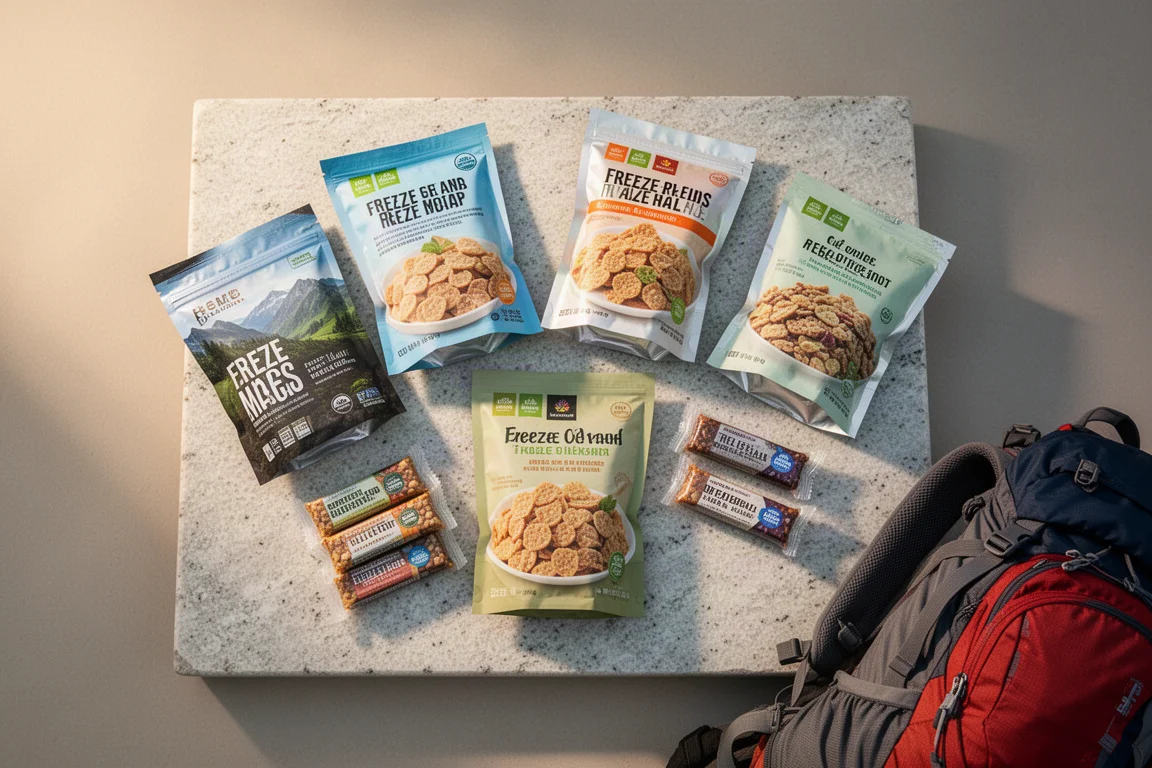
Each container was filled until it would no longer close, and the practical differences came down to far more than raw volume. Shape, lid design, and the way a container sits inside a backpack all changed how much food actually went in, and how pleasant the load was to carry afterwards.
What Matters When Choosing Bear Storage
Capacity is only the first question. A container that holds plenty of food is not much use if it is awkward to carry, and a container that carries comfortably is not much use if the area you are visiting does not accept it.
Hard-sided canisters are the standard in many places where food storage rules apply, and the models below are the ones most often seen on approved lists. Soft-sided options are lighter and easier to pack, but they are not accepted everywhere, so it is worth checking the rules for the specific area before you rely on one.
Weight and bulk matter as much as volume on a long approach. Wide, drum-shaped canisters claim a large share of a pack, while narrow cylinders slide in more easily alongside other gear. That trade-off shapes the rest of this comparison.
BearVault BV450: The Compact All-Rounder
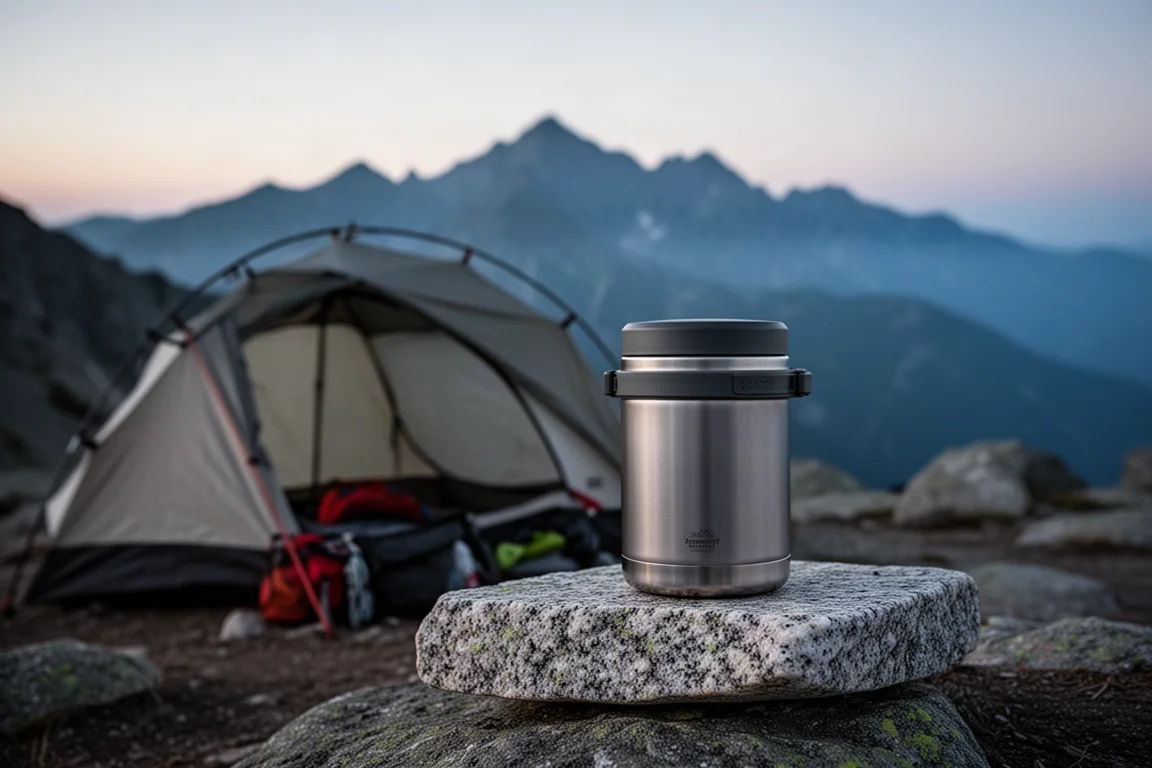
The BV450 is the smaller of the two BearVault canisters here and the one most people picture when they think of a bear canister. It is a stout cylinder with a lid that snaps firmly shut, and it has been a familiar sight on approved lists in national parks for years.
Filling it showed both sides of the design. The wide opening makes it quick to load, and the snap lid closes with confidence. Once full, though, it is heavy and bulky, and it takes up a serious amount of room in a pack. On the plus side, that sturdy body doubles as a seat at camp, which is a small consolation when you are carrying it uphill.
As a value proposition it is hard to argue with, and it is a sensible first canister for anyone who mostly hikes in areas where hard-sided storage is required.
BearVault BV500: More Room for Longer Trips
The BV500 is the larger BearVault model, built on the same cylindrical, snap-lid design. It shares the strengths of its smaller sibling: simple loading, a lid that closes with confidence, and a body solid enough to sit on.
The extra room is the whole point. It swallows noticeably more of the same freeze-dried meals and bars, which makes it the more realistic choice for longer trips or for anyone with a bigger appetite. The trade-off is the same as before, only more so: more capacity means more weight and more pack space, and this is a container you feel on the climb.
Grub Can: The Long, Packable Cylinder
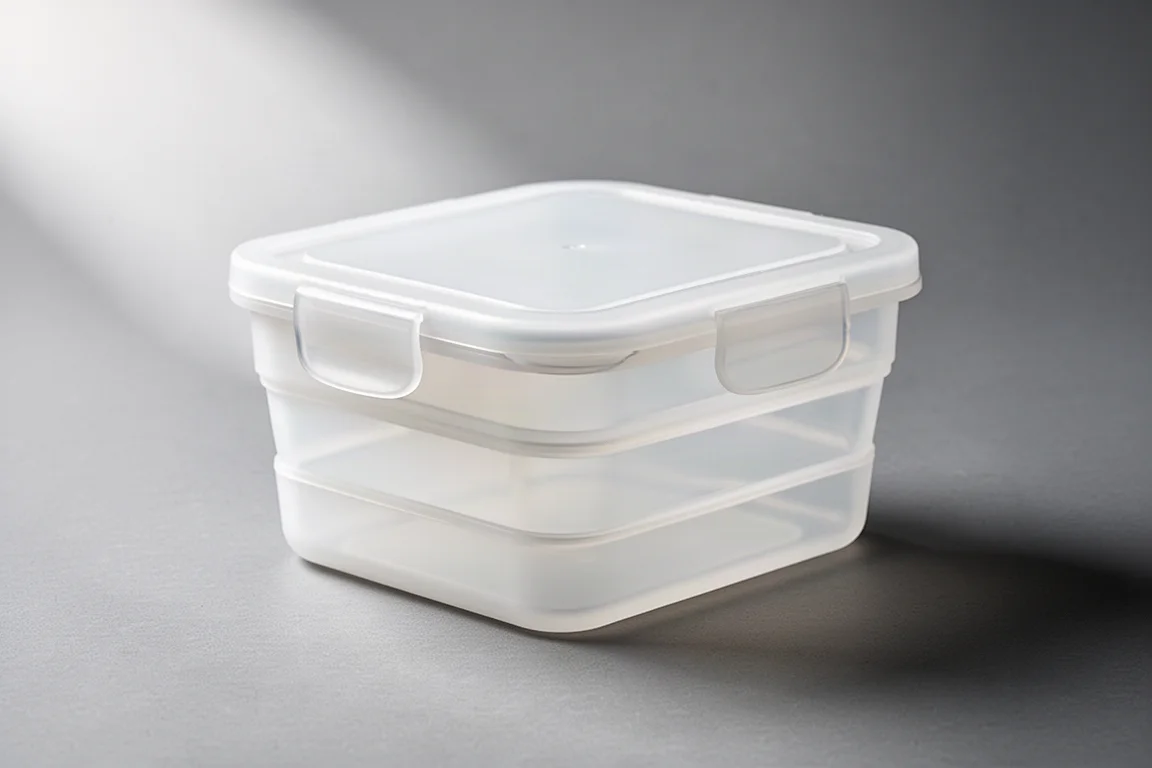
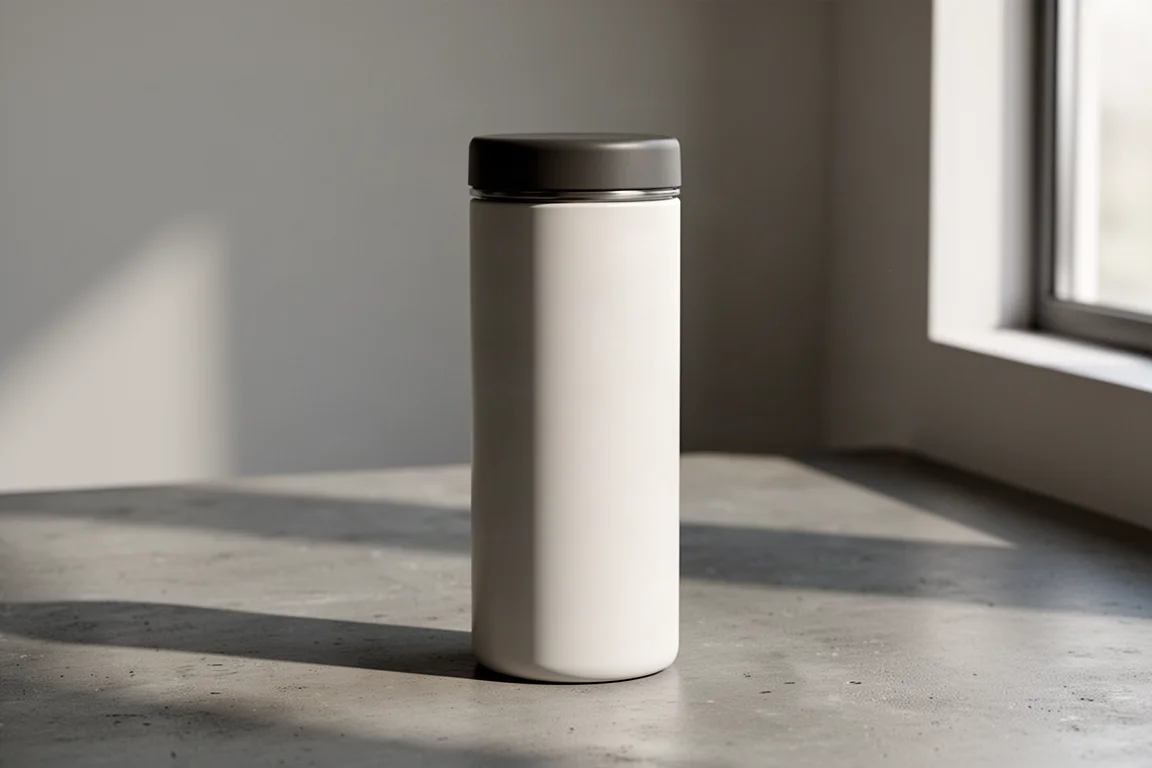
The Grub Can takes a different approach to the same problem. Instead of a fat drum, it is a long, narrow cylinder, and that shape changes how it behaves in a backpack. It slides into a pack far more easily than a wide canister and leaves usable space around it for other gear.
Filling it with the same meals and bars showed that the shape does not cost much in real capacity. It holds a comparable amount of food while claiming less of the awkward, hard-to-pack volume that a wide canister demands.
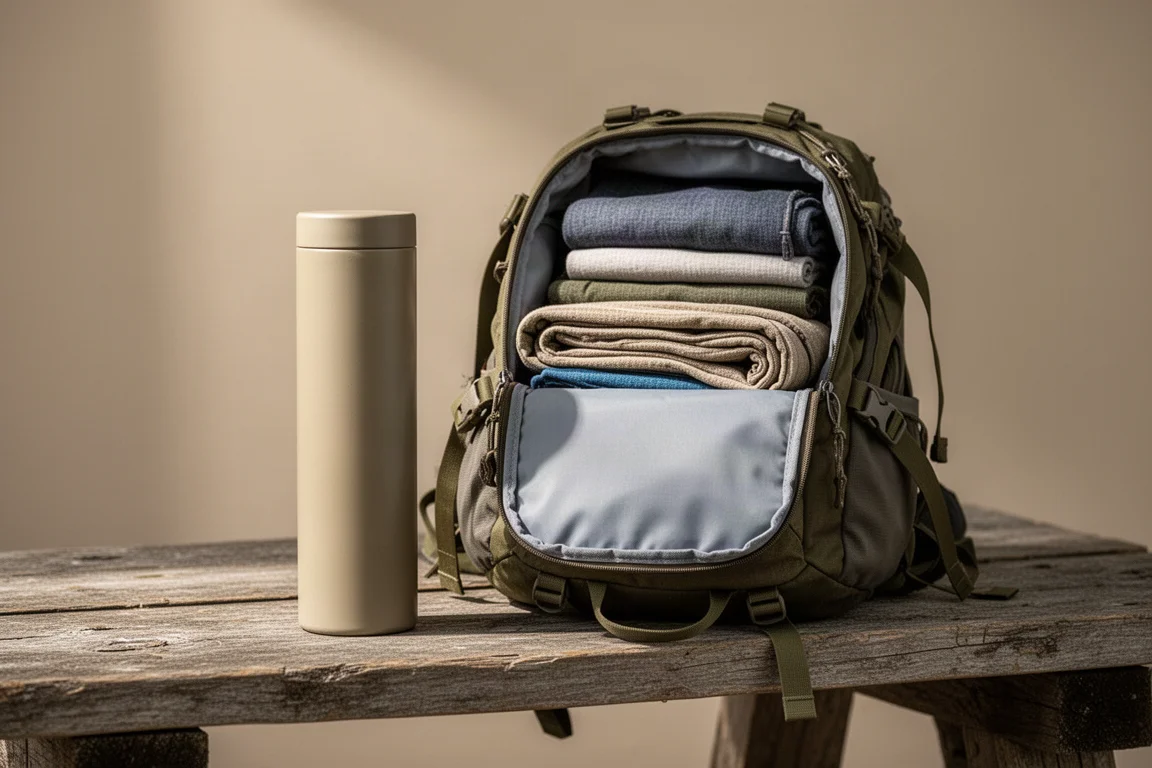
For anyone who has fought to fit a drum-shaped canister into a loaded pack, the narrower profile is the most convincing argument for this design. The tall form factor does sit differently in the pack, so it is worth checking how it lines up against your own load before you commit.
Ursack Almighty: Lightweight Soft-Sided Storage
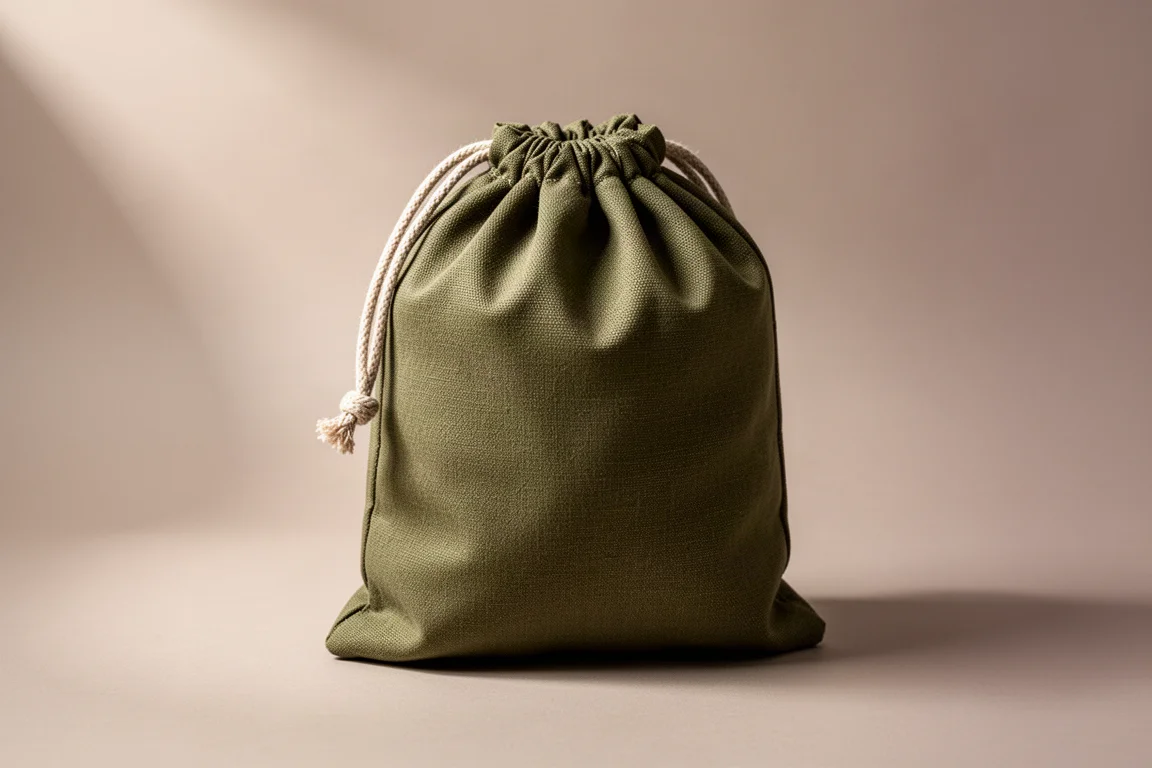
The Ursack Almighty is not a hard-sided canister at all. It is a soft sack made from scratch and bite-resistant fabric that you tie to a tree, and it is dramatically lighter than any rigid container in this comparison. On long trips where every gram counts, that difference is immediately obvious.
It is also a different kind of product with a different set of rules. It is approved as a food storage method in some parks but not others, so the responsible move is to check the website for the area you plan to visit before you commit to it. What it handles well is the threat most hikers actually meet: rodents. Small animals going after your food are far more common than bears, and a bite-resistant sack addresses that problem directly.
Buying Advice
The right choice comes down to where you hike and how you pack. If your plans include parks that require a hard-sided canister, the BearVault models are the safe pick, with the BV450 for shorter trips and the BV500 when you need to carry more food. If pack space is your main frustration, the Grub Can’s long cylinder is easier to live with. If weight is the priority and your destination permits it, the Ursack Almighty saves a significant amount of it.
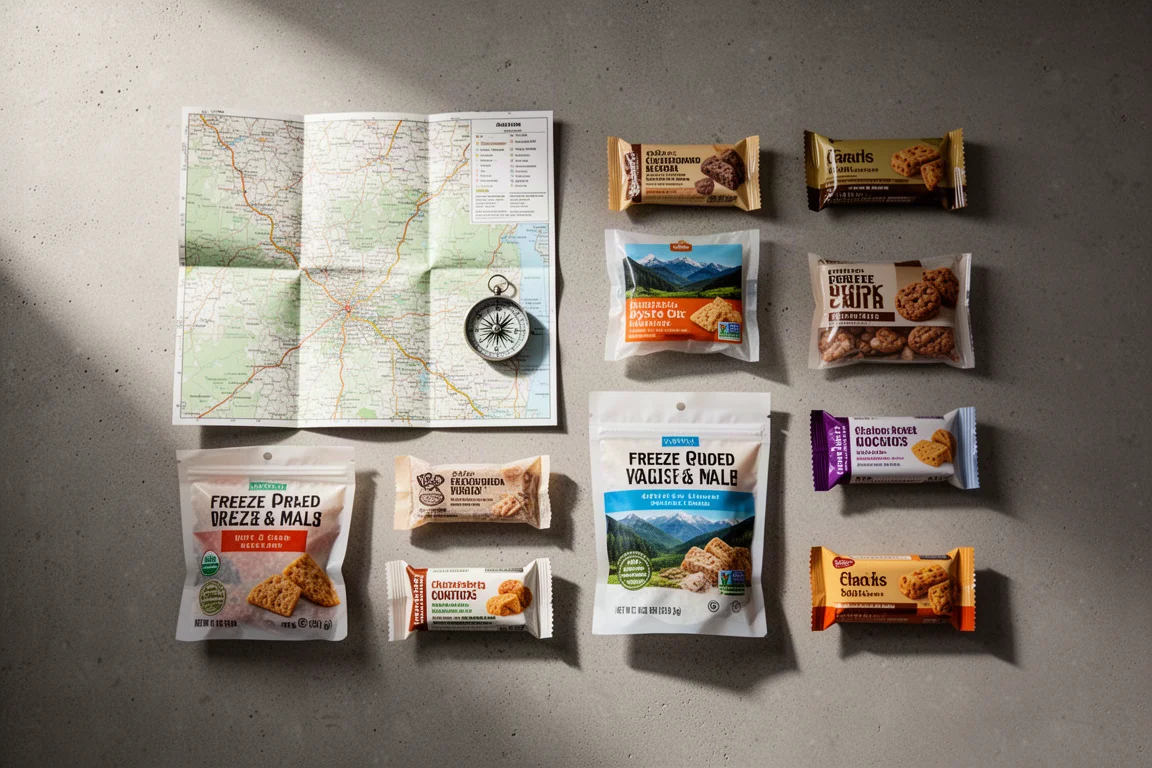
Whatever you carry, food storage is only one part of a broader approach to travelling in bear country. Other options exist, including hanging your food, and some people choose to sleep with it, though that is not a practice worth copying. Matching your storage method to the rules and the wildlife of a specific area matters more than any single piece of gear.
Conclusion
Four containers, one shared question, and a fairly consistent answer: real capacity depends on the food you bring, not just the number on the spec sheet. Pack the meals you actually eat, and the difference between a wide cylinder, a tall cylinder, and a soft sack becomes obvious very quickly. Choose the one that fits your trip, your pack, and the rules of the place you are heading, and the rest takes care of itself.
Further reading
Related Reviews
Outdoor Gear
Backpacking Gear Evolution: 100 Years of Technology Compared
We tested backpacking gear from 1925, 1975, and 2025 across a three-day hike in Yosemite. Here's how technology has transformed comfort, weight, and the outdoor experience.
Outdoor Gear
Best Affordable Hiking Watches: Five Rugged Options for Outdoor Adventures
Five durable hiking watches that balance ruggedness, functionality, and value for outdoor enthusiasts who need reliable GPS tracking and weather resistance.
Outdoor Gear
Best Backpack Coolers 2026: Five Practical Options for Outdoor Adventures
Five backpack coolers with distinct cooling capabilities, storage features, and design trade-offs to help you choose the right one for your outdoor needs.