Camping Gear
Hot Tent Camping Gear Roundup: Five Pieces Tested in Rain, Wind, and Frost
Five hot tent camping items put through steady rain, strong gusts, and a below-freezing night, with the strengths and the trade-offs worth knowing before you buy.
Introduction
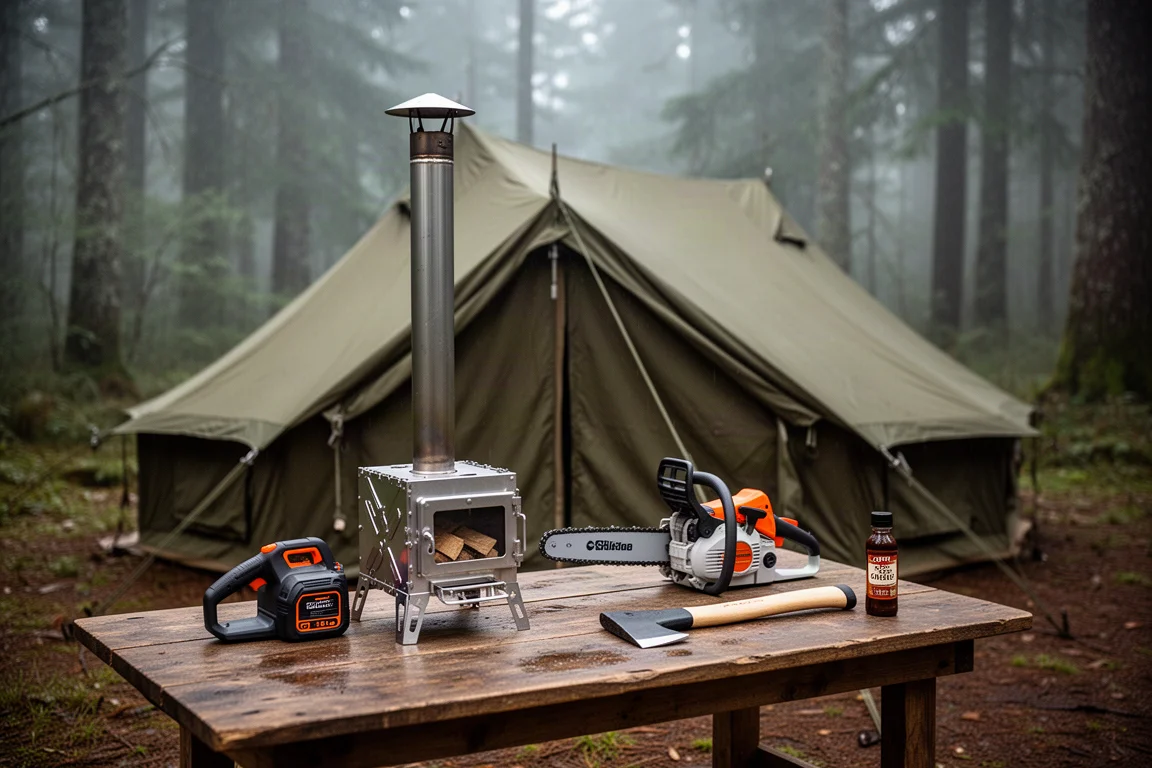
A hot tent trip in late winter tests patience as much as gear. Rain arrives early, the wind builds through the afternoon, and the temperature slides from mild to below freezing while you are still cutting firewood. That is the exact window in which these five items were put to work, and it separated the pieces that earn a permanent spot in the truck from the ones that need attention before the next outing.
The shelter stayed warm, the coffee stayed good, and a few small frustrations surfaced in places that matter. Here is what each item does well, and what you should know before you buy.
How This Gear Was Tested
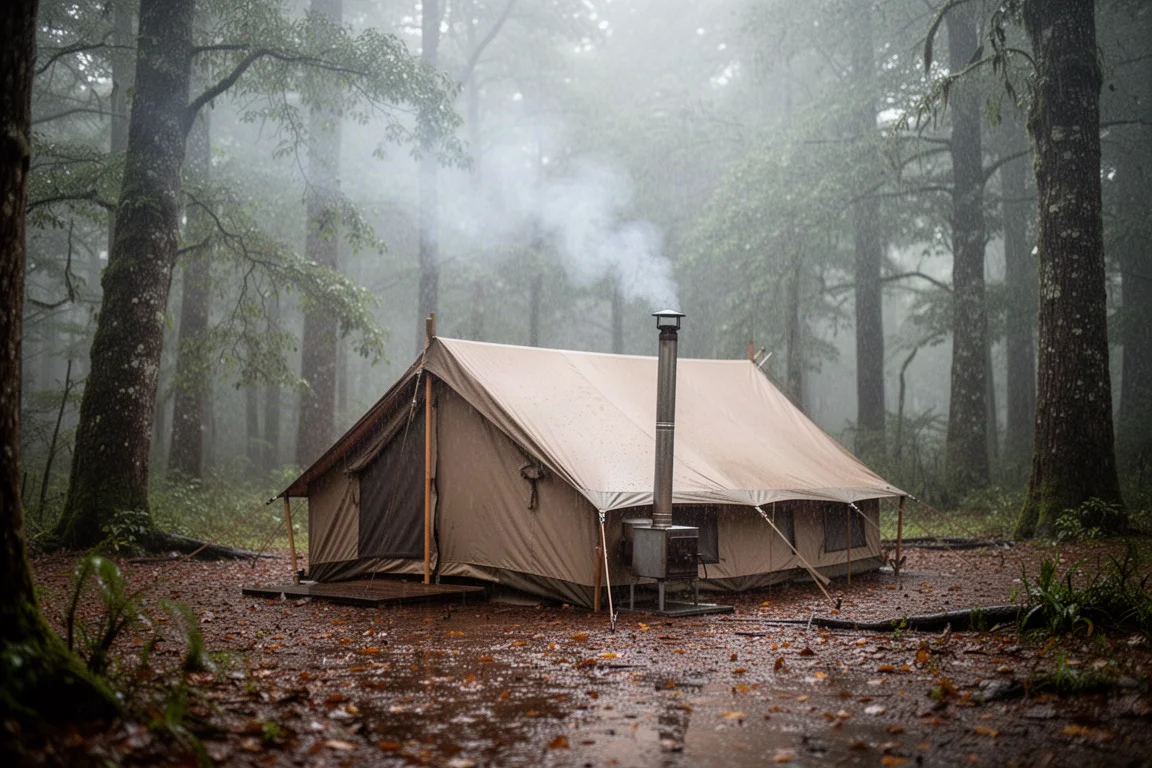
The trip ran from a wet afternoon into a frosty morning. Rain fell steadily, a wind advisory was in effect with gusts reported up to 50 mph, and overnight temperatures dropped below freezing. The wood supply was damp rather than soaked, which made fast cutting and reliable ignition more important than usual.
The judging criteria were practical: does the item keep working when the weather turns, how much attention does it demand while you are using it, and does the price make sense for the job. Every product below was used for its intended purpose on the same trip, so these notes reflect real conditions rather than a showroom impression.
Pomoly Hot Tent: Shelter That Held Through the Storm
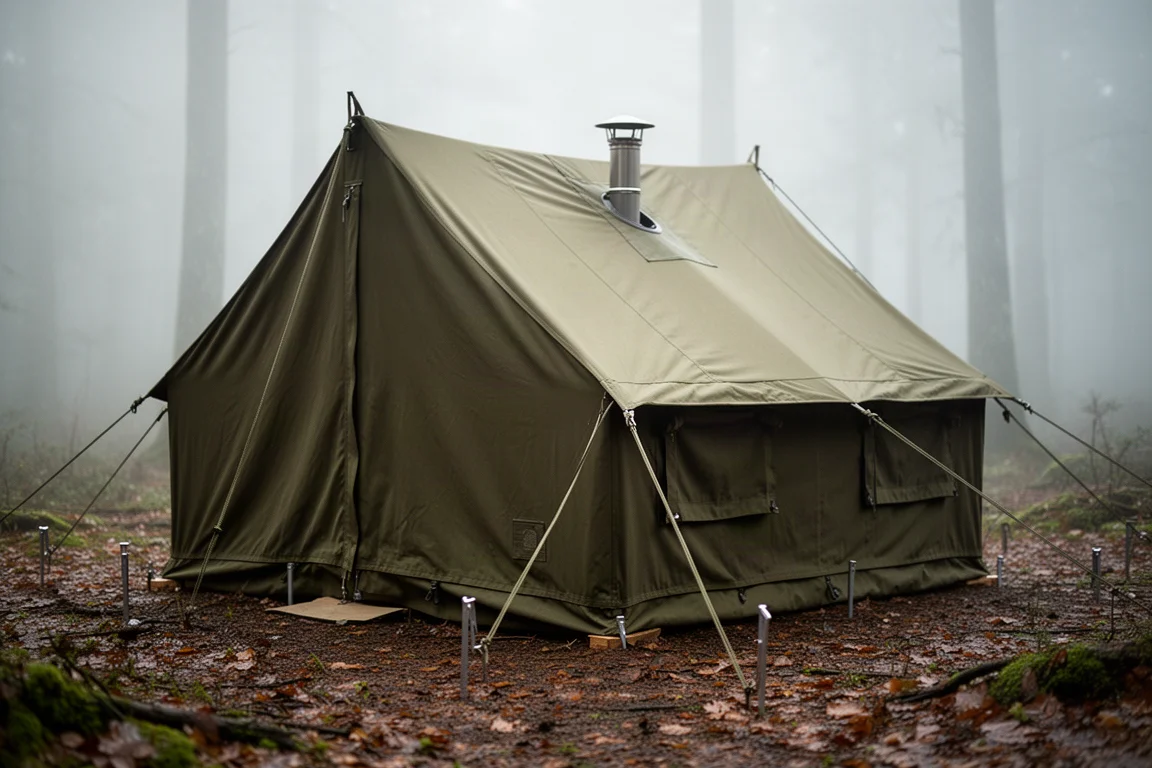
At $250, this hot tent is the centerpiece of the setup. It shrugged off steady rain and stood firm through gusts reported around 40 mph, and the interior stayed warm enough that a sleeping bag was optional for much of the night. Standing height is the real luxury here. You can move around, change layers, and cook without folding yourself in half, and there is room for two people on cots or up to three on the ground.
The honest downsides are worth knowing up front. The included stakes bend under hand pressure and are too short to bite into soft ground, so plan on replacing them immediately. The body adjusters and lower tension points work loose over time and need periodic re-tensioning. There is also minor leakage at the stove jack port and the lower tie-off points, which raises interior humidity. None of it is a dealbreaker, and all of it is fixable. The tent is also far too heavy for backpacking, but for drive-up hot tent camping, weight is irrelevant.
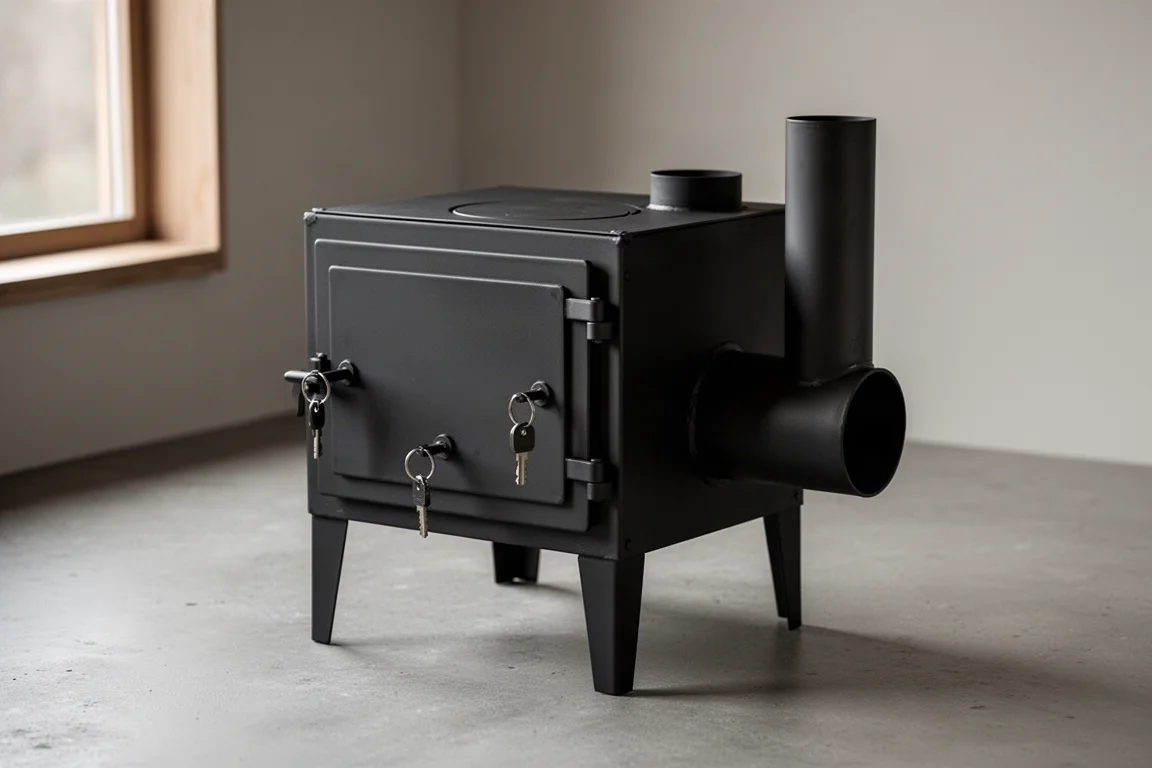
OneTigris Wood Stove: Strong Heat, Fiddly Hardware
This wood stove throws serious heat and keeps a hot tent genuinely comfortable, even when the outside temperature falls below freezing. It holds enough firewood for roughly an hour of burn, so expect to feed it about once an hour through the night. The trade-off is hardware that fights you.
The legs do not lock into place and wobble enough that the stove can tip on uneven ground, so choose your spot carefully or build a stable base. The latches and adjusters are short and fitted with small key rings, which makes them awkward to grip and easy to burn your fingers on. Thick fireproof gloves are not optional here. Performance is strong; the handling around the edges needs work.
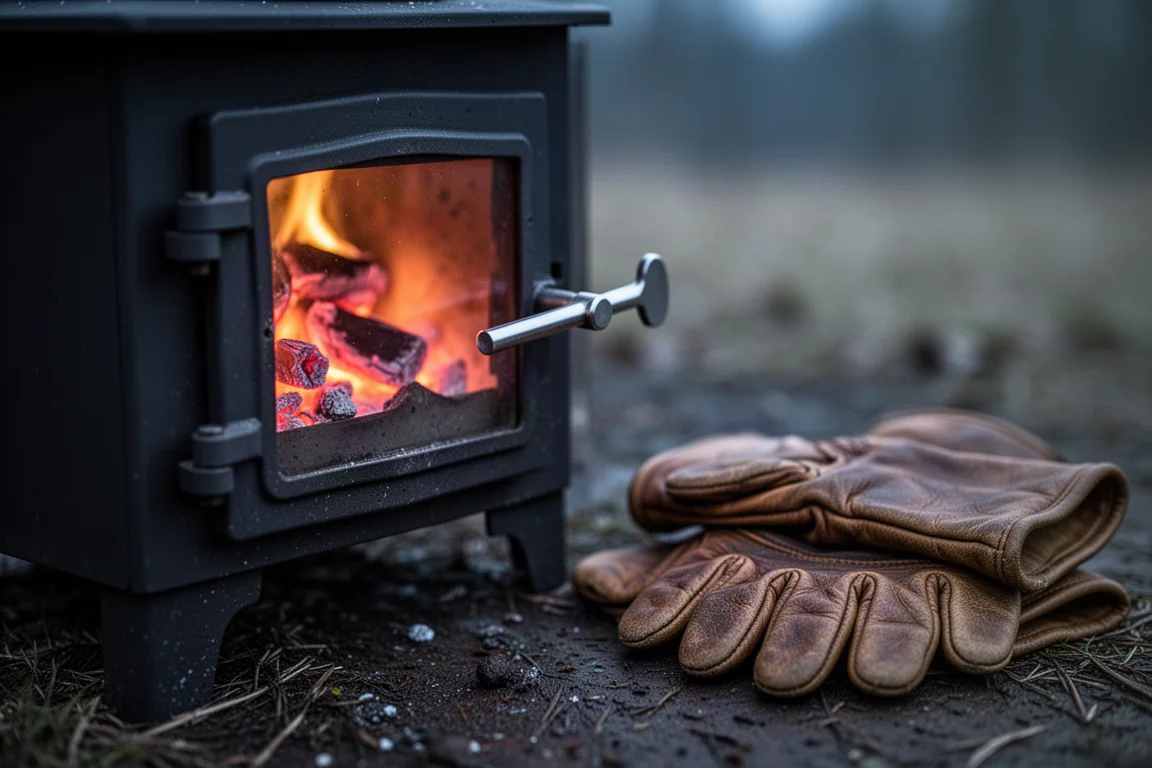
If you already own a stove like this, a flat, level surface and a pair of heavy gloves solve most of the frustration. If you are shopping for a first hot tent stove, weigh the low price against how much you value locking legs and easier controls.
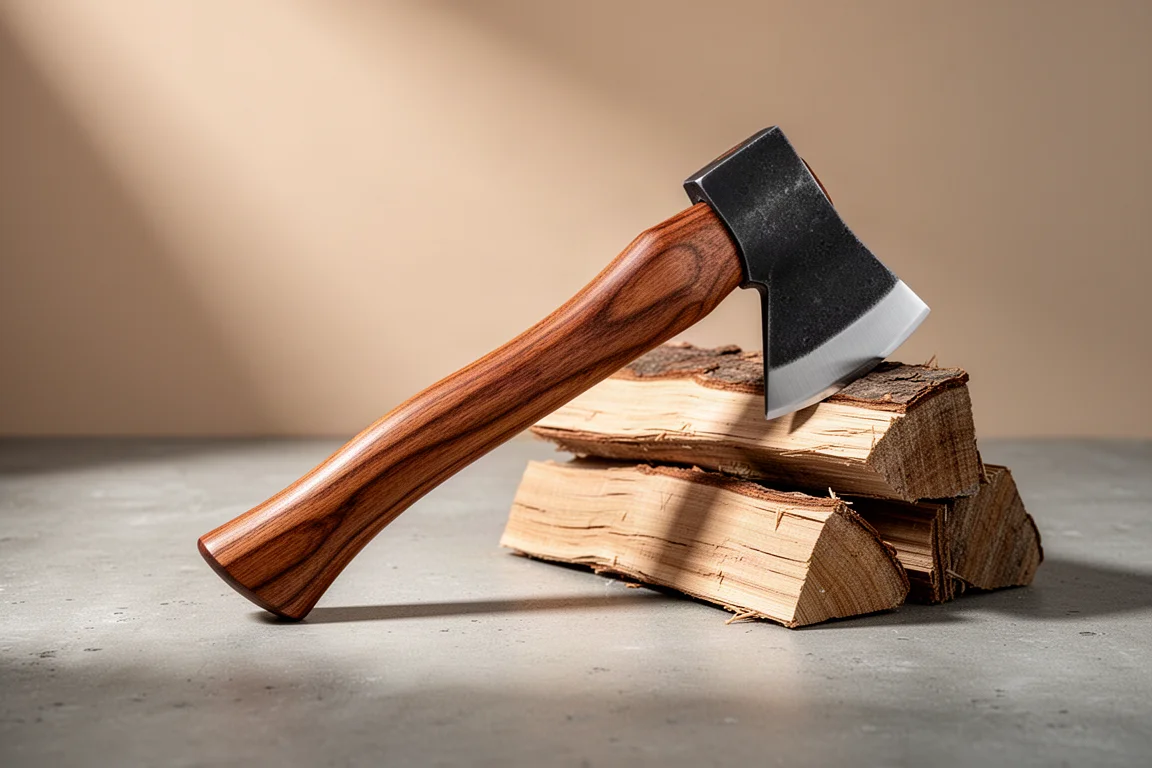
Brandy German Axe: Small, Sharp, Affordable
This German-style axe from Brandy has been in rotation for years and still does the job. It is inexpensive, it holds a genuinely sharp edge, and it splits kindling quickly when you are working against fading light and incoming rain. The compact size makes it easy to pack alongside a stove without taking up much room in the truck.
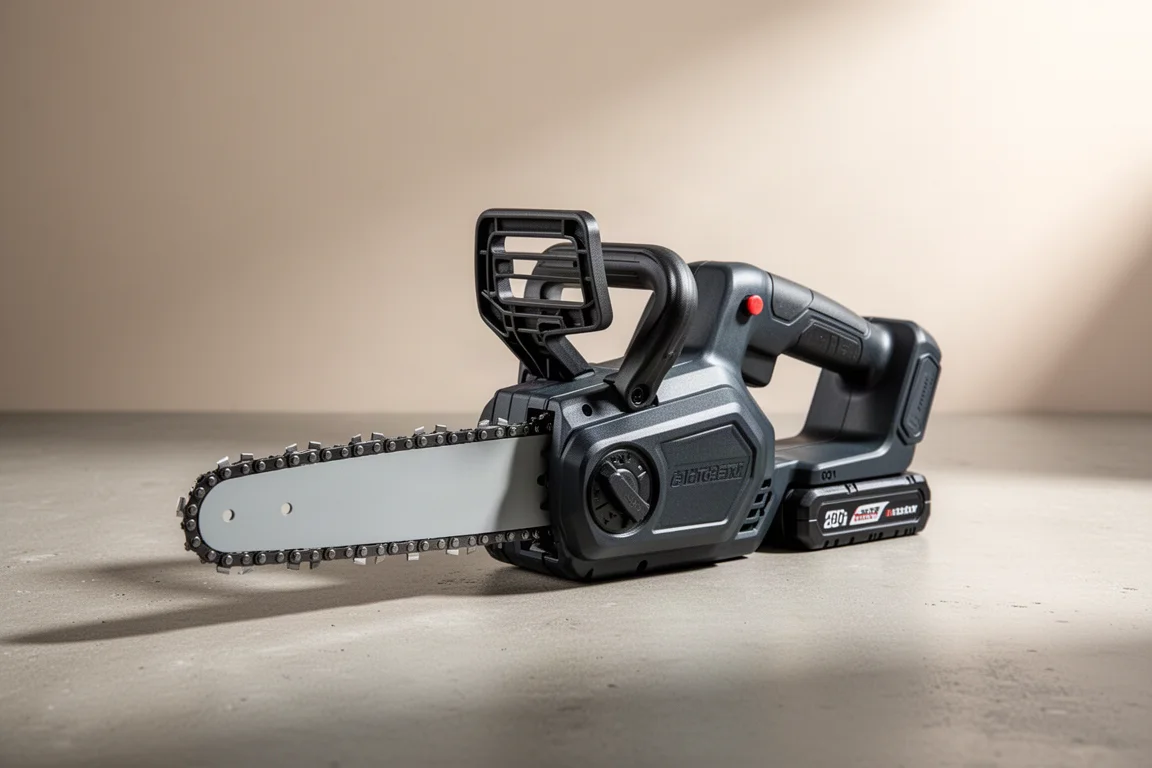
DeWalt Battery-Powered Chainsaw: Fast Firewood
Keeping a hot tent warm overnight takes a surprising amount of wood, and that is the real cost of the format. A battery-powered chainsaw removes most of the effort. This DeWalt model cut through damp logs quickly and without the noise, fumes, or pull-start ritual of a gas saw, which matters when you are racing a rain shower.
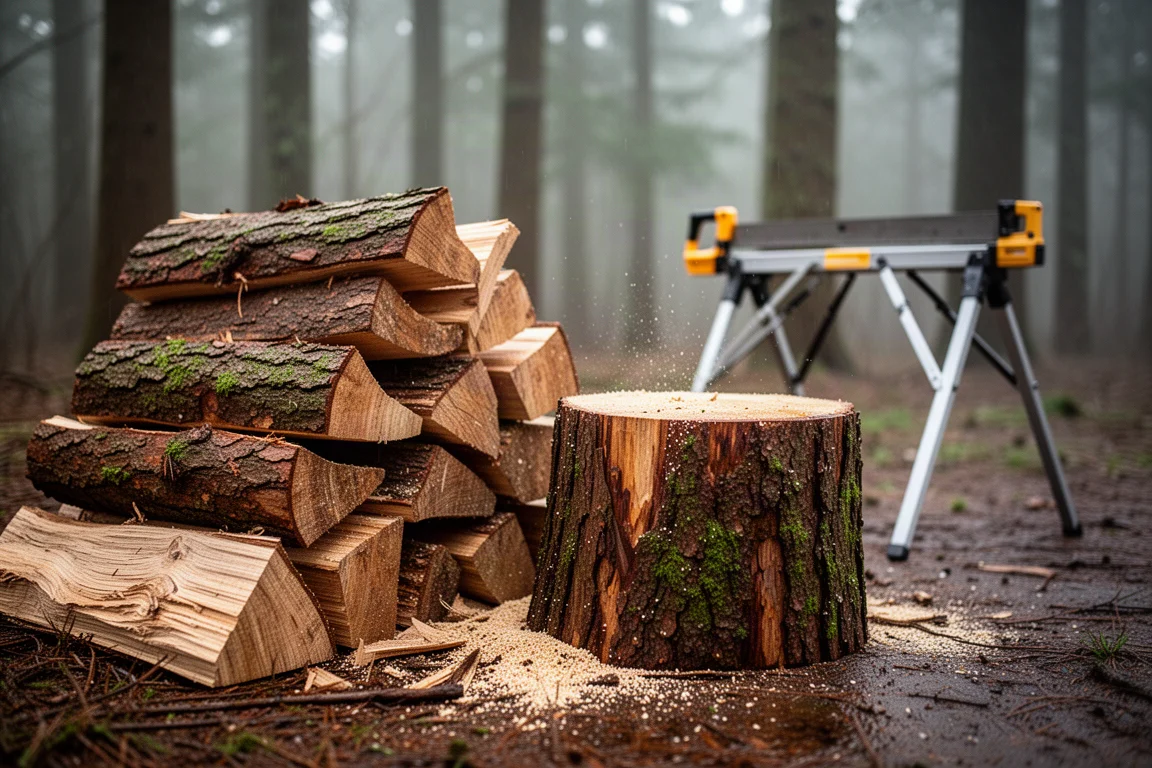
Battery power also means no fuel to carry and no engine to keep running in cold, wet conditions. For car camping trips where processing firewood is the bottleneck, it is a practical addition to the kit.
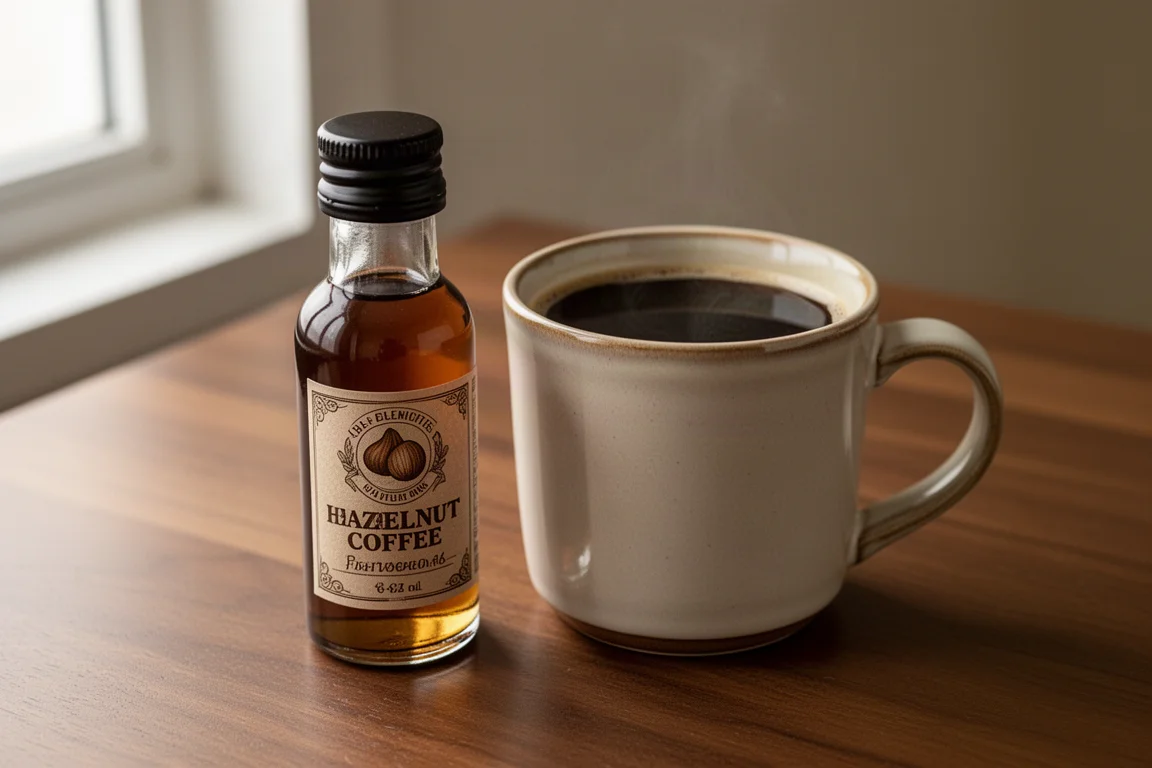
Taster’s Nasty Hazelnut: The Coffee Upgrade
Cowboy coffee made the old-fashioned way is already good. The hazelnut flavoring from Taster’s Nasty makes it better, and it works in just about any coffee you already drink. The hazelnut version is the standout of the range, and it is worth picking up if you come across it.
Buying Advice
Prioritize the shelter first. The tent decides whether a cold, wet night is comfortable or miserable, and the Pomoly delivers real space and warmth for the money as long as you budget for replacement stakes. If standing height and room for two cots matter more than pack weight, it is an easy recommendation for drive-up trips.
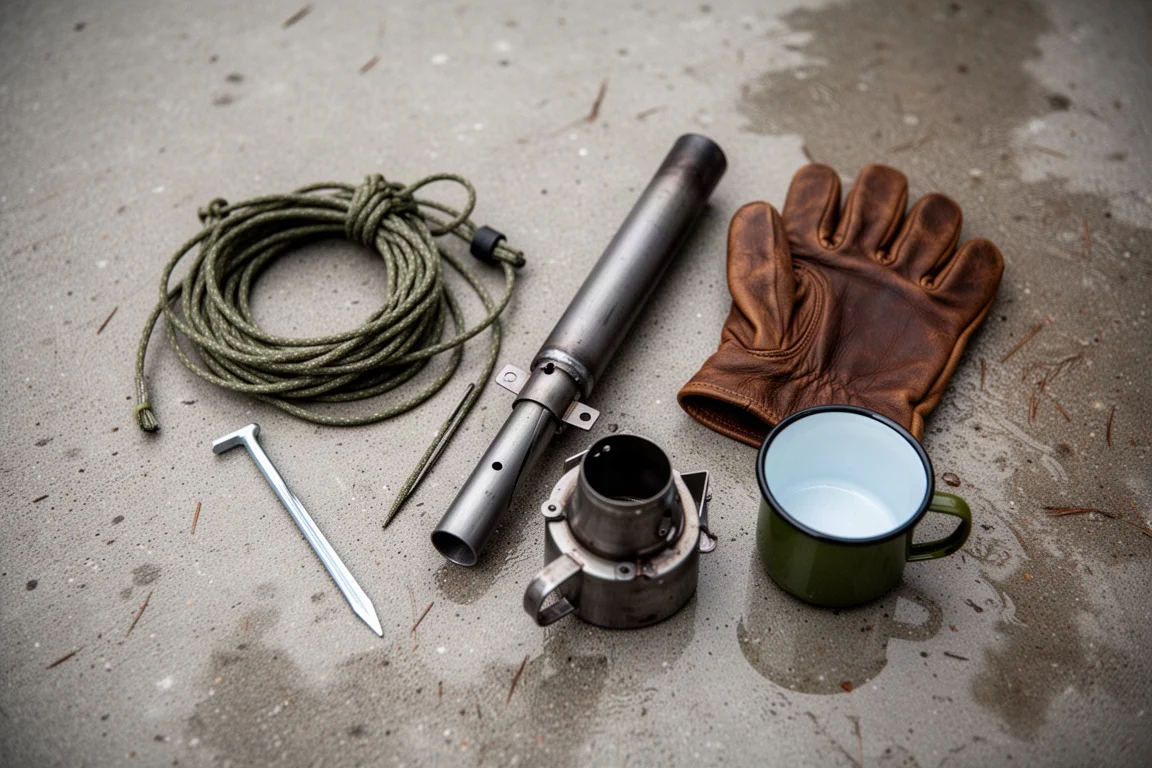
The stove is the second decision, and it comes down to your tolerance for fiddly hardware. It heats well and costs far less than premium alternatives, but the wobbly legs and hot latches are daily annoyances. Gloves and a level base go a long way toward fixing both.
The supporting items are simpler. An affordable, sharp axe and a battery chainsaw carry the firewood workload, and a good coffee flavoring costs almost nothing while improving every morning. Buy the shelter and the heat source first, then add the small comforts as the budget allows.
Conclusion
Rain, wind, and a hard freeze are a fair test of any camping setup, and most of this kit came through well. The Pomoly hot tent impressed with its space, warmth, and stability in strong gusts, with replacement stakes being the only mandatory fix. The OneTigris stove heats reliably but asks for gloves and patience. The Brandy axe and the DeWalt chainsaw made short work of the firewood, and the hazelnut coffee flavoring turned a plain cup into the best part of the morning.
Match each item to how you actually camp, and a cold, wet night stops being something to endure.
Further reading
Related Reviews
Camping Gear
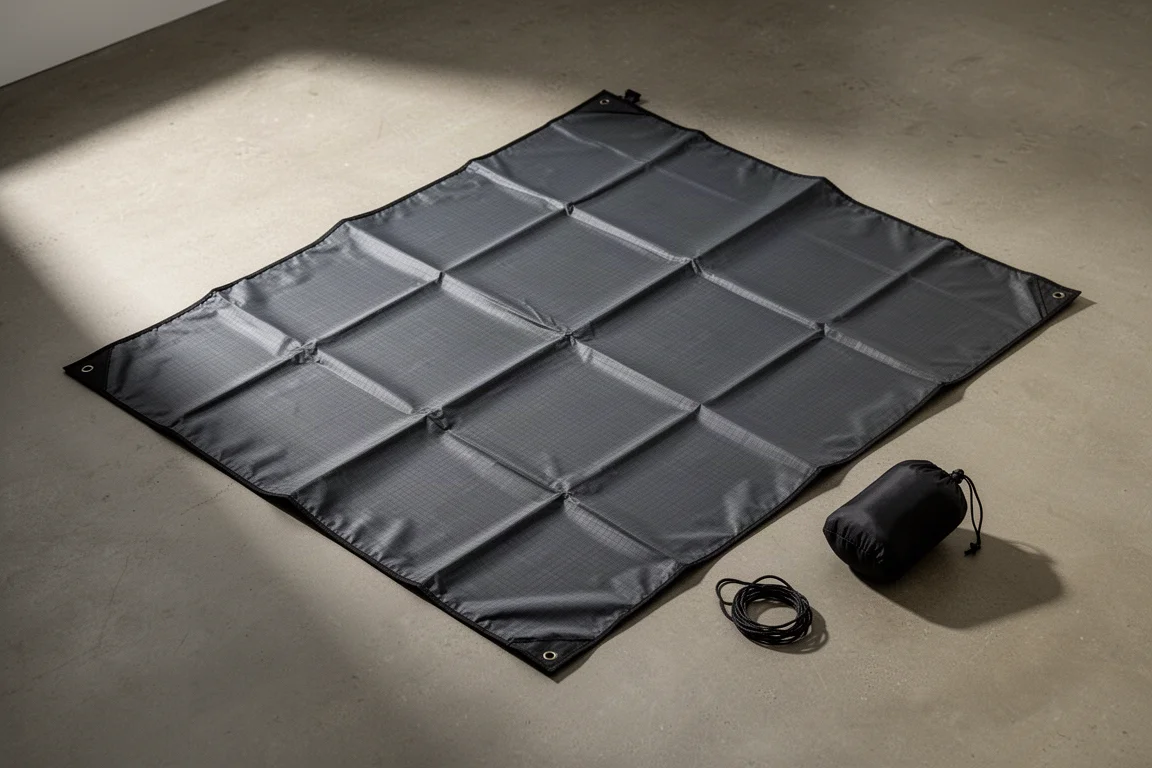
3FUL Ultralight Ground Sheet Review: A Two-Person Footprint Worth Packing
A 6.7 oz two-person ground sheet in ripstop silnylon, priced around $30. Here is what it protects, what it does not do, and who should pack it.
Camping Gear
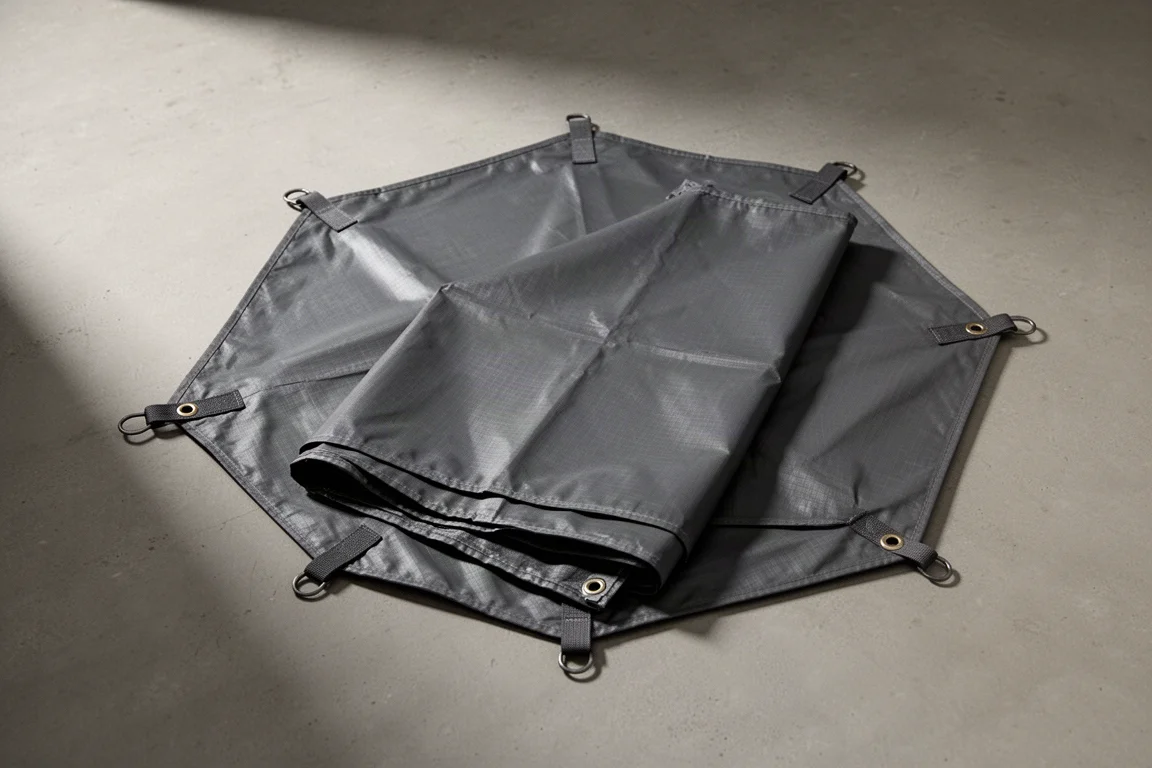
Backcountry Light Dual-Function Tarp and Floor Review: A Footprint First
A dual-purpose tent floor and tarp that keeps falling rain off you, but cannot block wind. Here is where it works and where it does not.
Camping Gear
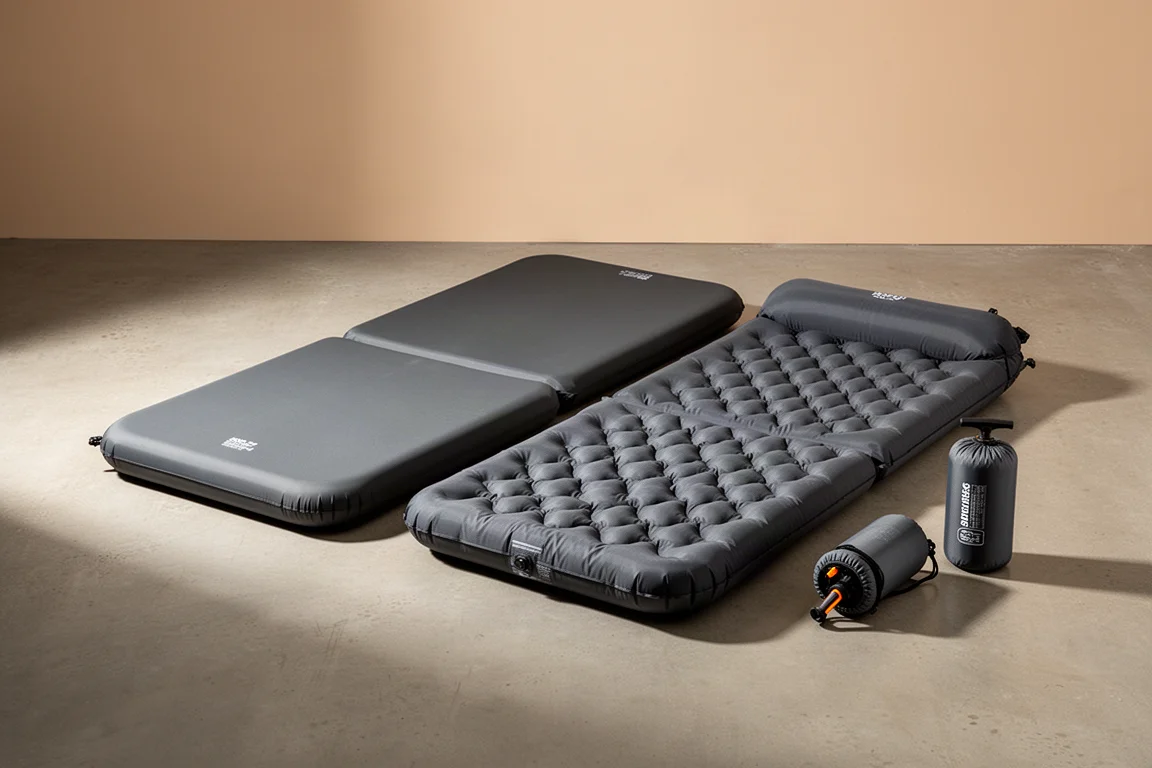
Best 2-Person Camping Mattresses for Couples: 10 Options Compared
A practical comparison of ten two-person camping mattresses, covering self-inflating pads, air pads and air mattresses for couples.