Camping Gear
Hot Tent Camping Gear: Naturehike Massif Tent and Portable Heater Options
A budget four-season hot tent plus three portable heaters compared across a cold, rainy night, with the trade-offs that matter before you buy.
Introduction
A cold, wet night outdoors feels completely different when the tent itself is part of the heating plan. A four-season hot tent with a stove jack, paired with a portable gas heater, turns a rainy and windy campsite into something much closer to a small cabin, and it does not require hauling or feeding a wood stove.
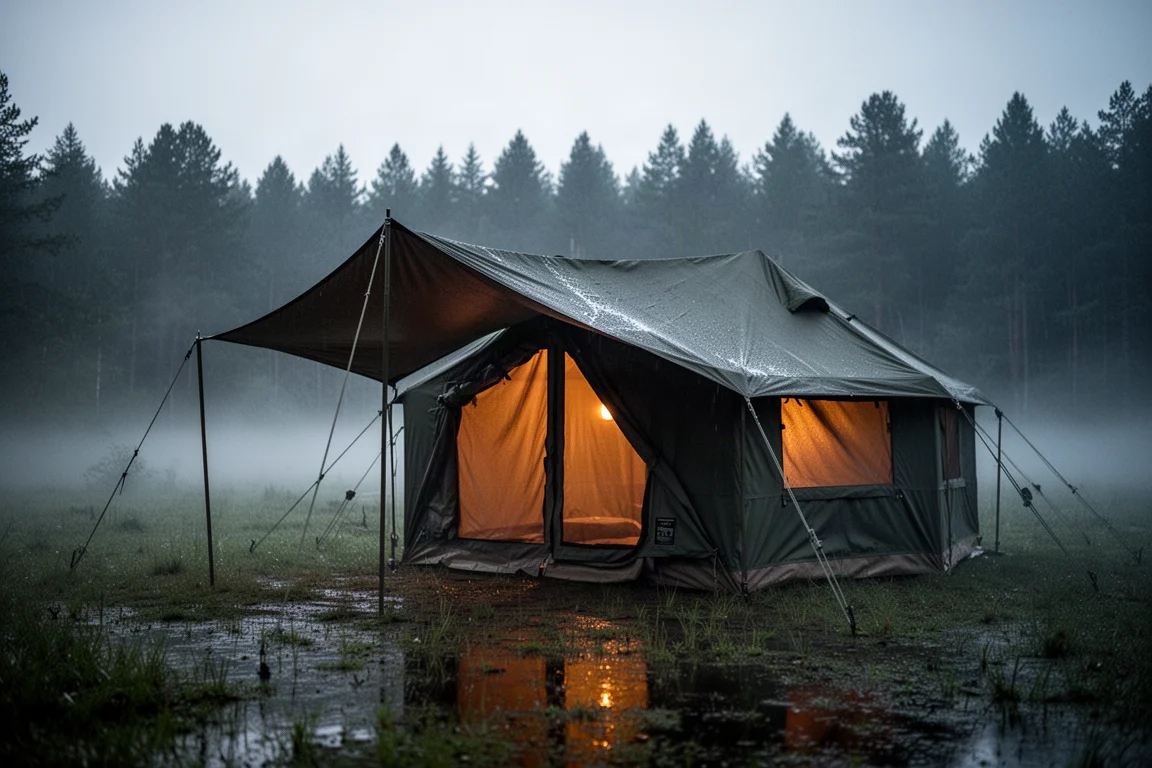
That is the setup covered in this guide: a large four-season tent pitched in wind and rain, a tarp rigged over the front awning, a ground sheet laid over wet grass, and three portable heaters compared across a night that began in the low 40s and finished at 38°F. Wind gusts were forecast to reach around 35 mph, so the tent was oriented with its awning facing away from the weather.
The four products below cover the core of that kit: the tent, a dual-purpose stove and heater, a compact indoor-rated heater, and a high-output heater included for comparison.
What Matters in a Hot Tent Setup
Three things decide whether a cold-weather hot tent night goes well.
Wind and rain management come first. Pitching the tent so the awning faces away from the wind keeps the front usable when gusts pick up, and a simple tarp stretched over the top of the tent lets the awning stay open in rain instead of pooling water and eventually pouring it inside.
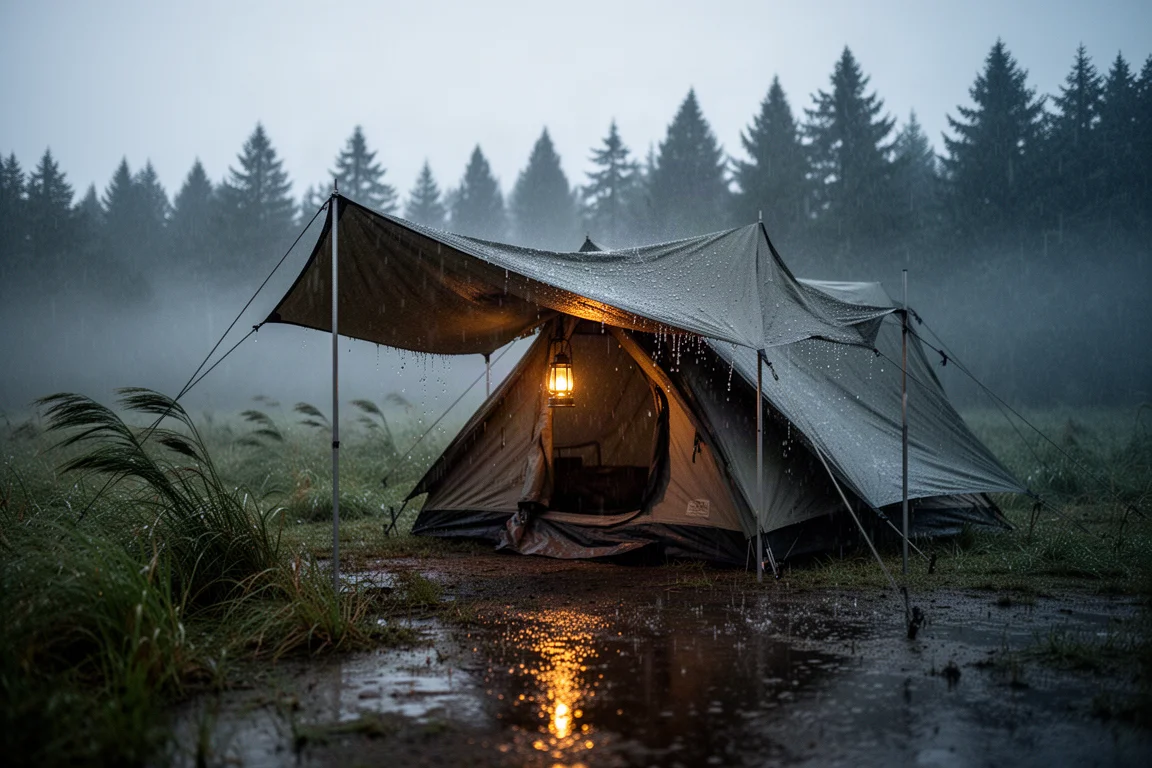
Ground moisture matters more than most people expect. Laying a ground sheet over wet grass lowers the condensation that forms once the tent is closed up and the temperature drops overnight.
Heat is the last piece. A hot tent with a stove jack can run a wood stove, but a portable gas heater is simpler: nothing to split, nothing to feed, and it can be switched on the moment the temperature falls. The trade-off is that heater output has to suit the volume of the tent, and any fuel-burning heater needs airflow around it.
Naturehike Massif: A Budget Four-Season Hot Tent
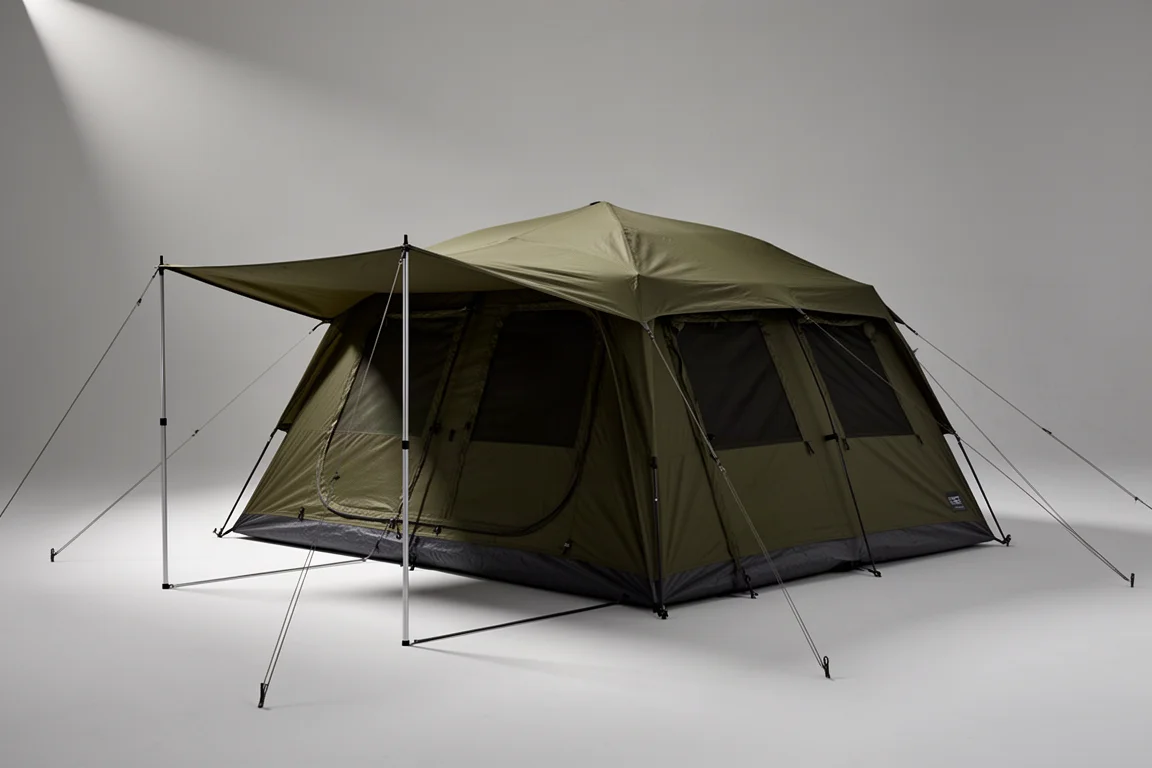
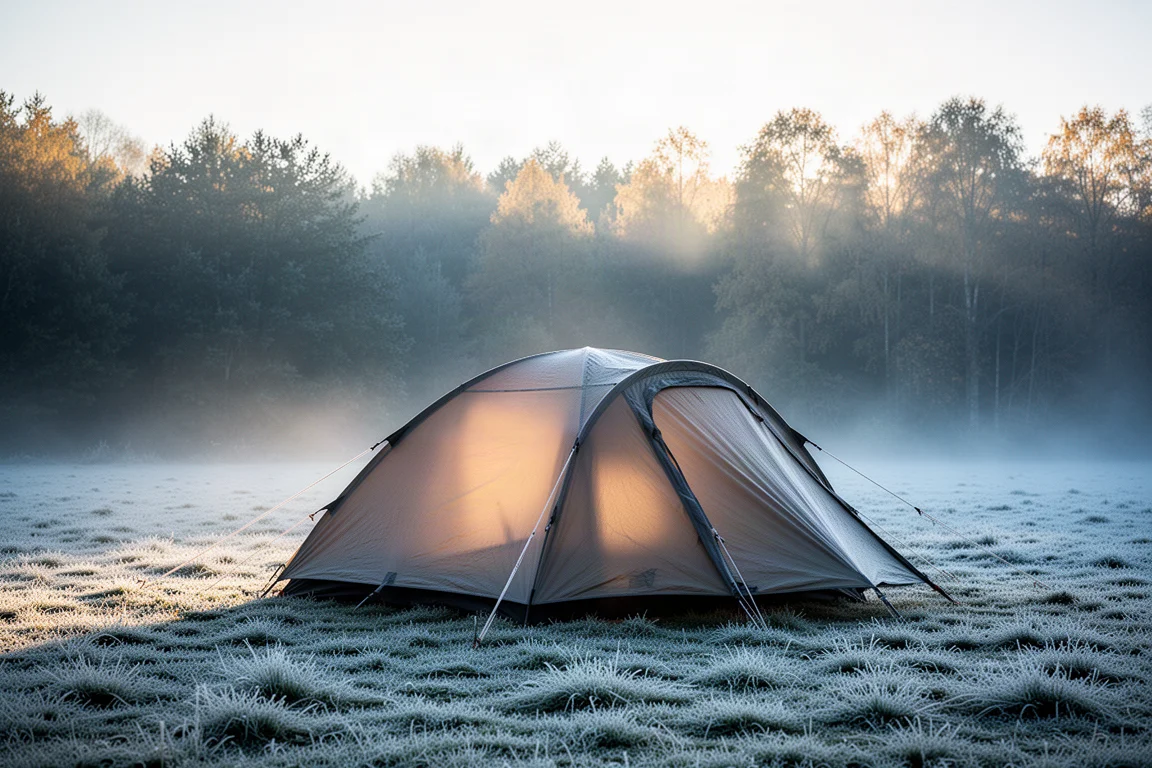
The Naturehike Massif is the anchor of this setup. It is a four-season tent, and it is genuinely large, with three doors, a bug inner that can be removed, and a stove jack that makes it a real hot tent rather than a tent that merely tolerates a heater.
Price is the headline. It can be found for around $250, with Amazon pricing closer to $300, which is unusually low for a four-season hot tent of this size.
Weather performance was the real test. The tent was pitched in rain and the interior stayed dry throughout setup. Overnight it took a severe thunderstorm with hail and heavy rain, and the main body of the tent did not leak. The only issues were small drips at the vents: one drip at a vent during the worst of the storm, and later visible water drops at the vents on both sides that did not make it into the living space. Those vents can be seam sealed, which is a simple fix. A dedicated rain test without the tarp is still the next step before drawing final conclusions.
For the money, this is hard to beat, and on the evidence so far it looks like one of the strongest budget four-season hot tents available.
Fire Maple Sunflower: A Dual-Purpose Stove and Heater
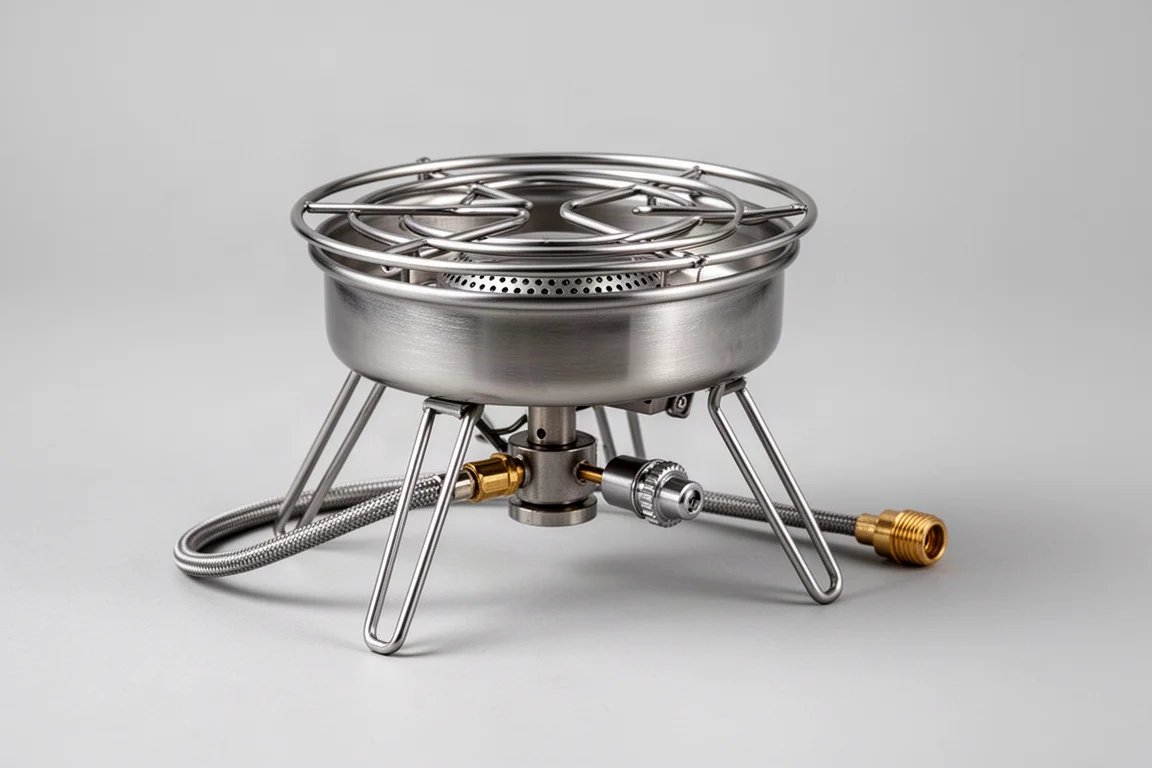
The Fire Maple Sunflower is sold as two products in one: a stove and a heater.
As a heater it struggled. Its output arrives as a narrow column of heat rather than a broad area of warmth, so even a light breeze pushes the heat somewhere else. Inside a tent with the doors and awning open, the warmth moved constantly and was difficult to stay in front of, drifting upward, sideways, or straight out of the tent depending on the wind. It is also not a good surface to cook on.
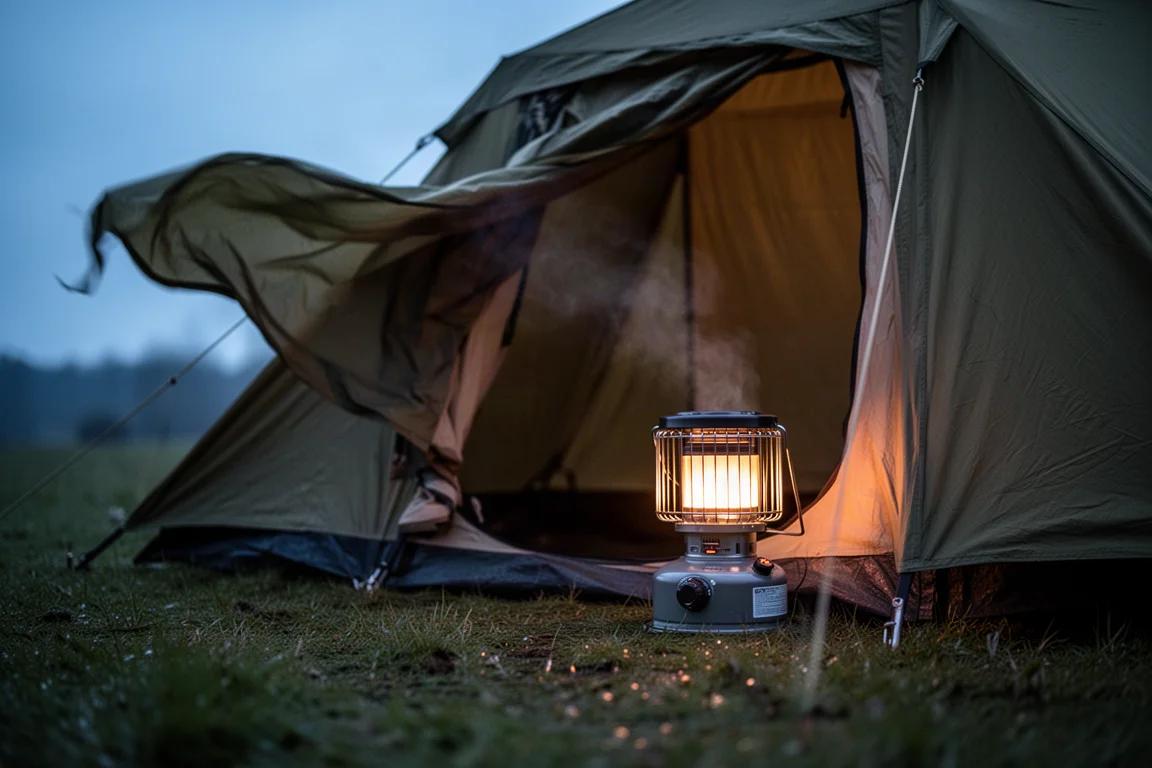
One practical note applies to any heater of this type: running it inside a sealed tent would call for a working carbon monoxide monitor, and the unit available for this trip was faulty. The Sunflower was therefore only run with the tent fully opened and well ventilated, which is also why its performance was judged in open, breezy conditions.
On this setup it did not earn a place in the kit. Campers comparing dual-purpose stove and heater units should weigh how much of their cooking and heating happens in calm conditions before committing.
Kovea Cupid: The Heater That Warms the Whole Tent
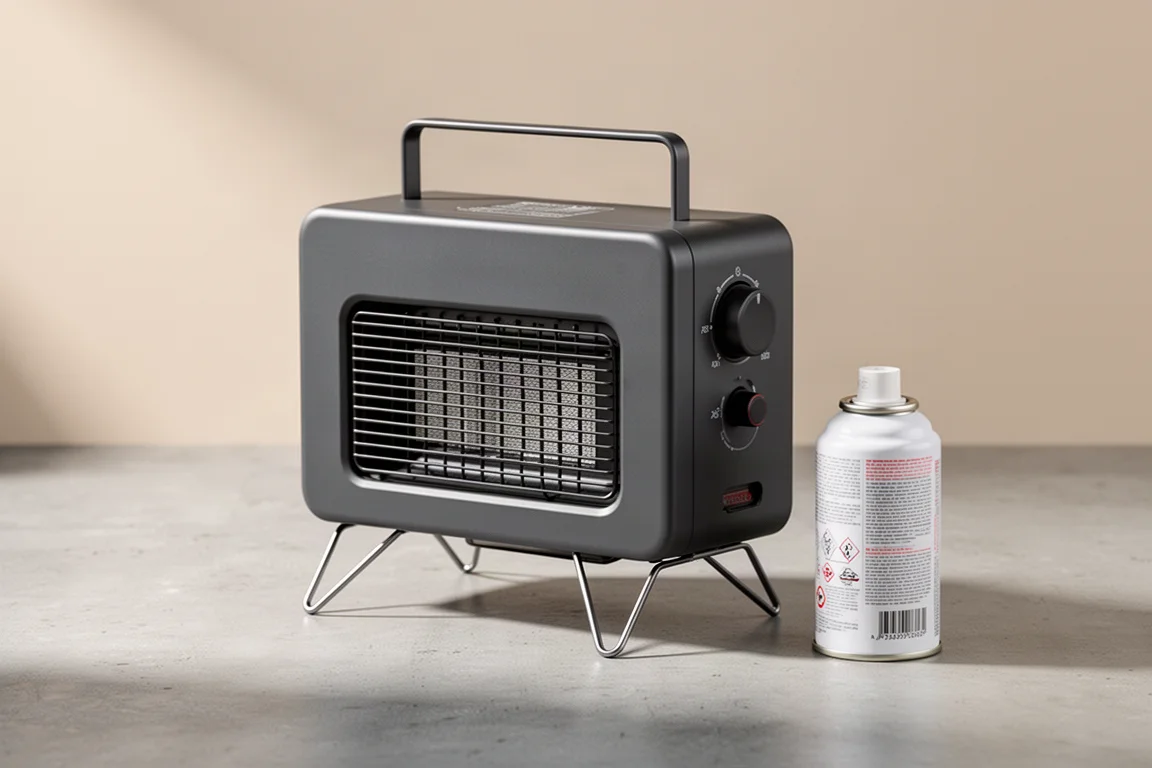
The Kovea Cupid is a compact indoor-rated portable heater, designed to be used indoors with proper ventilation. In a tent this large it put out enough heat to lift the interior to roughly 75°F while the outside temperature sat in the low 40s.
It ran through the night, and by morning the tent was still warm while the outside air had dropped to 38°F. That is a lot of output for a small unit: it was warm enough inside that a jacket had to come off and the heater had to be turned down. It works well in a tent and in a vehicle.
Ventilation is not optional. During use, one door was cracked and a large section of the second door was left open to keep air moving through the tent.
Mr. Heater Buddy: More Output Than a Tent This Size Needs
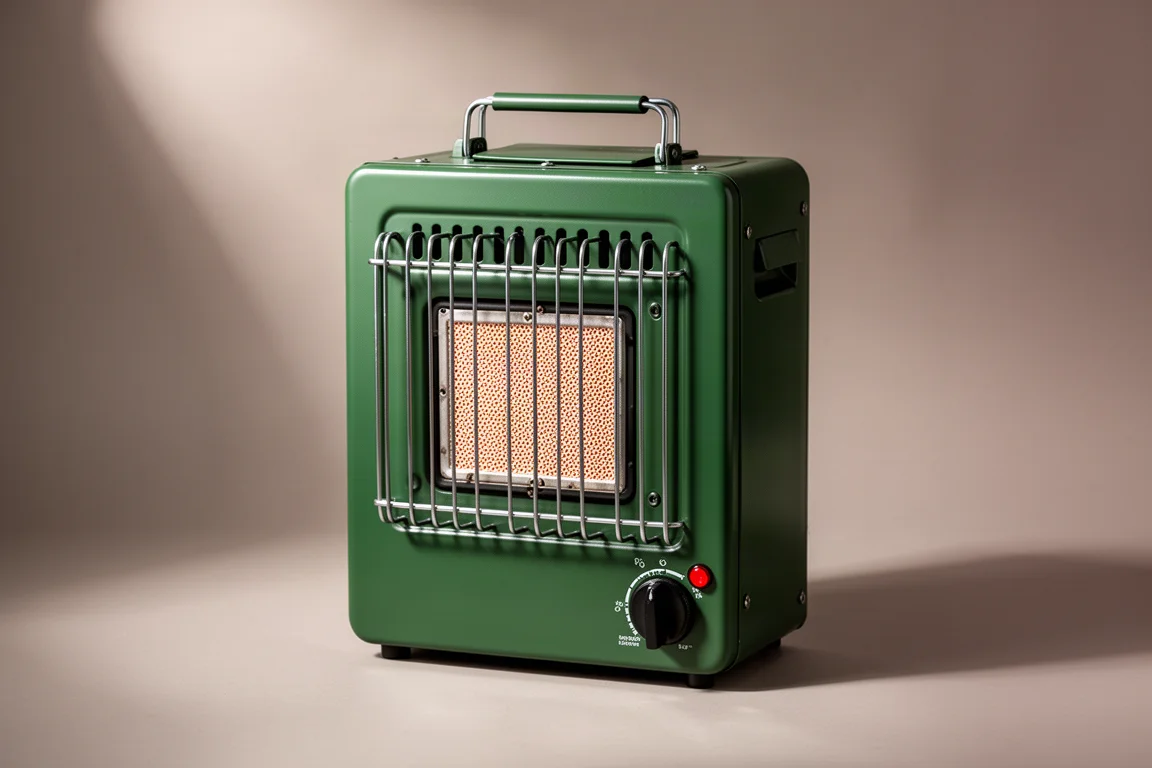
The Mr. Heater Buddy sits at the other end of the scale. In a tent of this size it delivers more heat than the space needs in most conditions, which leads to a constant cycle of switching it on and switching it off through the night.
That pattern is workable in a larger space or in genuinely bitter cold, but for a mid-size hot tent it is more heater than the job requires. The practical lesson for anyone comparing portable propane heaters is that raw output is not the goal. A heater that can be turned down and left running is easier to live with overnight than one that has to be managed on and off.
Buying Advice: Matching a Heater to Your Tent
Start with airflow. Any fuel-burning heater needs ventilation, and a tent with two doors and adjustable vents makes that far easier to manage than a single-door shelter. If a carbon monoxide monitor is part of the plan, confirm it is working before the trip rather than at the campsite.
Match output to volume. A compact indoor-rated heater was enough to hold a large tent near 75°F on a night in the low 40s, while a high-output heater proved excessive for the same space. Choosing a heater that can run low and steady usually beats choosing the biggest one available.
Plan the weather side of the setup as carefully as the heat side. A tarp over the awning keeps the front open in rain, a ground sheet cuts condensation, and orienting the tent away from the wind keeps the interior usable when gusts arrive. If the tent has vents that drip in heavy rain, seam sealing them is a quick, low-cost fix.
Finally, think about whether a wood stove is in your future. A stove jack gives you that option later, which is a meaningful advantage in a tent at this price.
Who This Setup Is For
This setup suits cold-weather campers who want a large, comfortable hot tent without the work of a wood stove. It is simple in practice: pitch the tent, lay a ground sheet, rig a tarp over the awning, and run a portable heater with the vents open.
It also suits campers working to a budget, since the tent is the single biggest cost and it lands well below what four-season hot tents typically ask.
For anyone who already owns a large tent, the compact indoor-rated heater is the piece that changes the experience most. For anyone starting from scratch, the tent is the decision worth taking time over, because it determines how much heat you need and how easily you can vent it.
Conclusion
A hot tent night does not have to be complicated or expensive. The Naturehike Massif delivers a genuinely large four-season hot tent for around $250 to $300, with the only real complaint being vent drips that are easy to seal. The Kovea Cupid proved that a compact indoor-rated heater can hold a tent near 75°F while it is in the low 40s outside. The Fire Maple Sunflower did not perform well enough as either a stove or a heater to recommend, and the Mr. Heater Buddy is simply more output than a tent of this size needs.
Match the heater to the tent, keep the vents open, and manage wind and rain before they manage you. That combination is what makes cold-weather camping comfortable rather than merely survivable.
Further reading
Related Reviews
Camping Gear
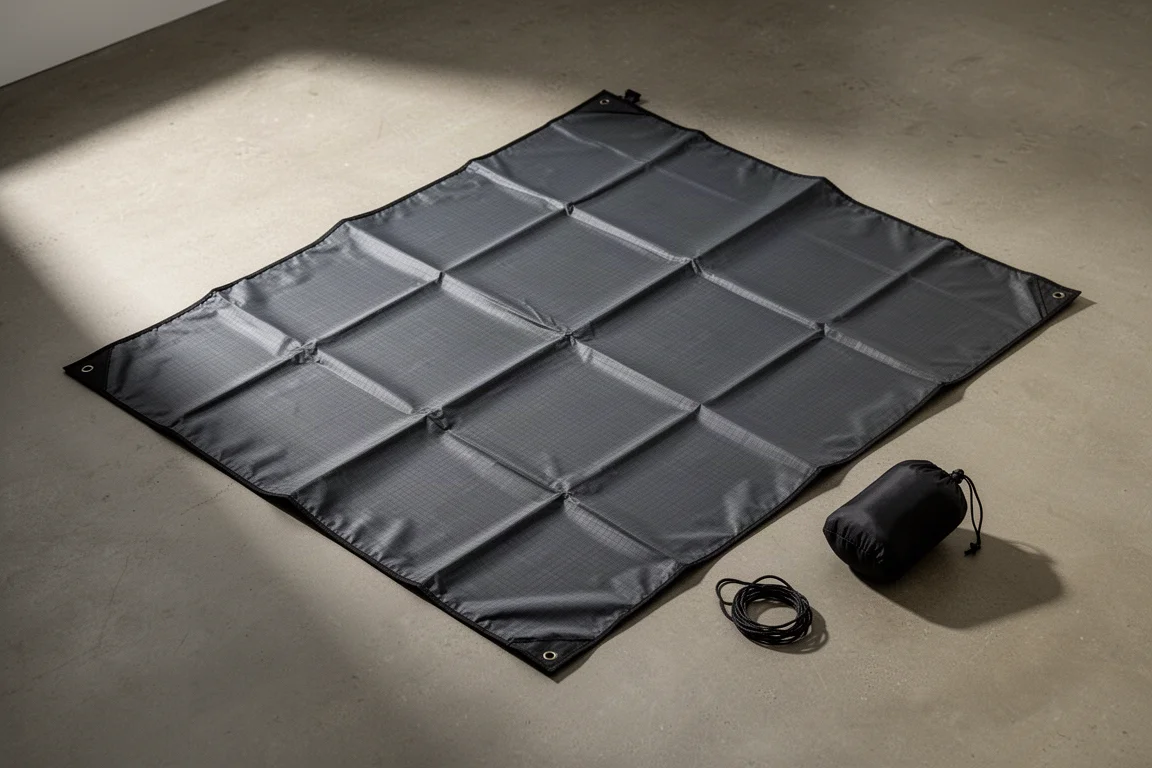
3FUL Ultralight Ground Sheet Review: A Two-Person Footprint Worth Packing
A 6.7 oz two-person ground sheet in ripstop silnylon, priced around $30. Here is what it protects, what it does not do, and who should pack it.
Camping Gear
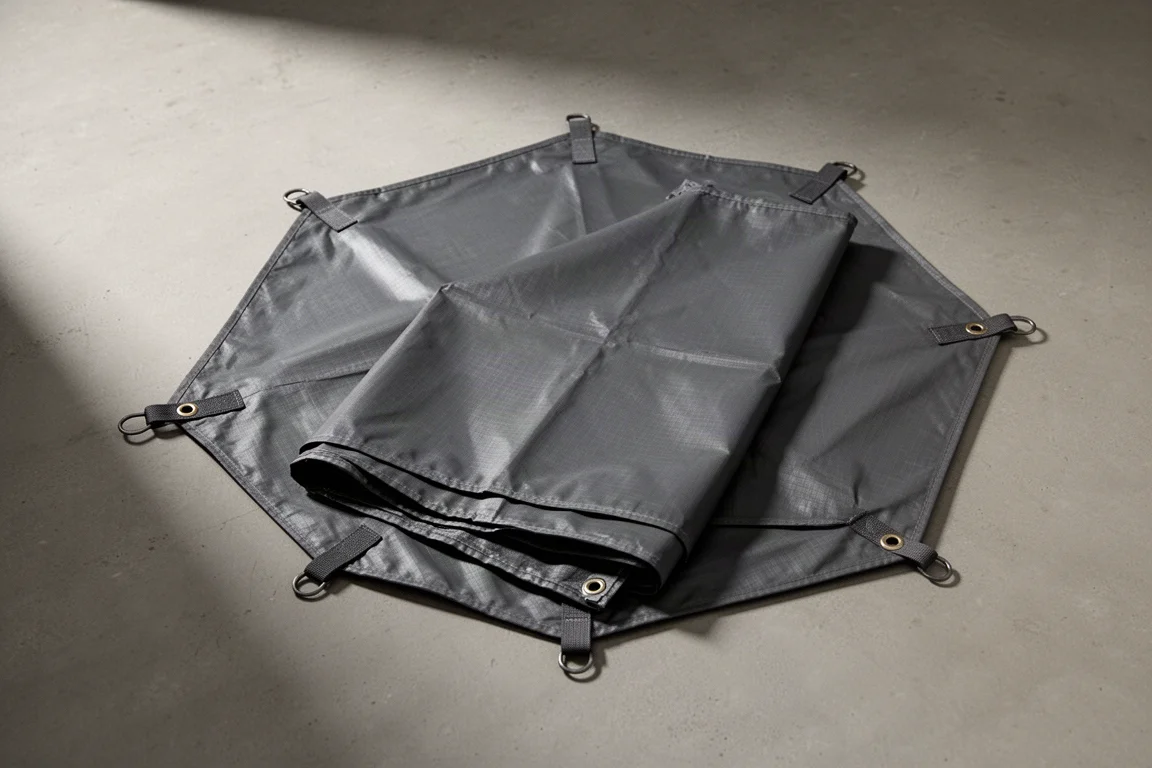
Backcountry Light Dual-Function Tarp and Floor Review: A Footprint First
A dual-purpose tent floor and tarp that keeps falling rain off you, but cannot block wind. Here is where it works and where it does not.
Camping Gear
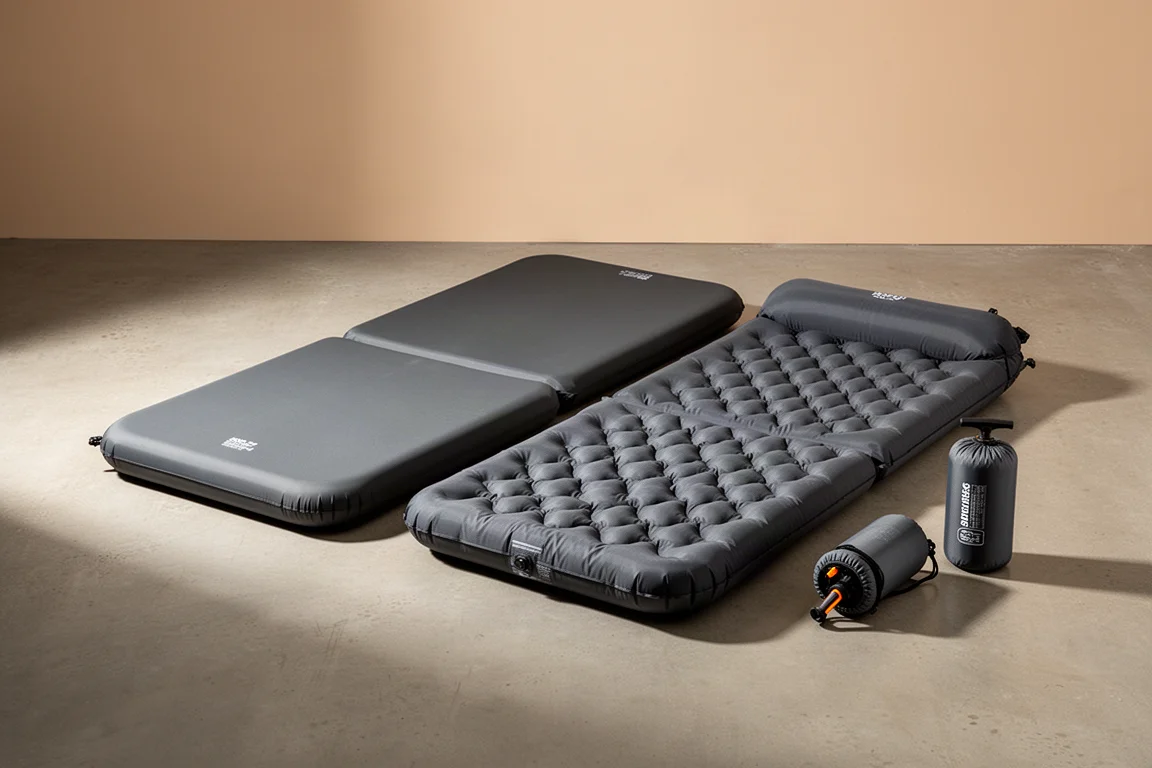
Best 2-Person Camping Mattresses for Couples: 10 Options Compared
A practical comparison of ten two-person camping mattresses, covering self-inflating pads, air pads and air mattresses for couples.