Camping Gear
Hot Tent Backpacking Gear: 9 Essentials for Cold-Weather Camping
A practical hot tent packing list built around sleep insulation, a stove-ready shelter, and the fire-starting tools that make cold-weather backpacking comfortable.
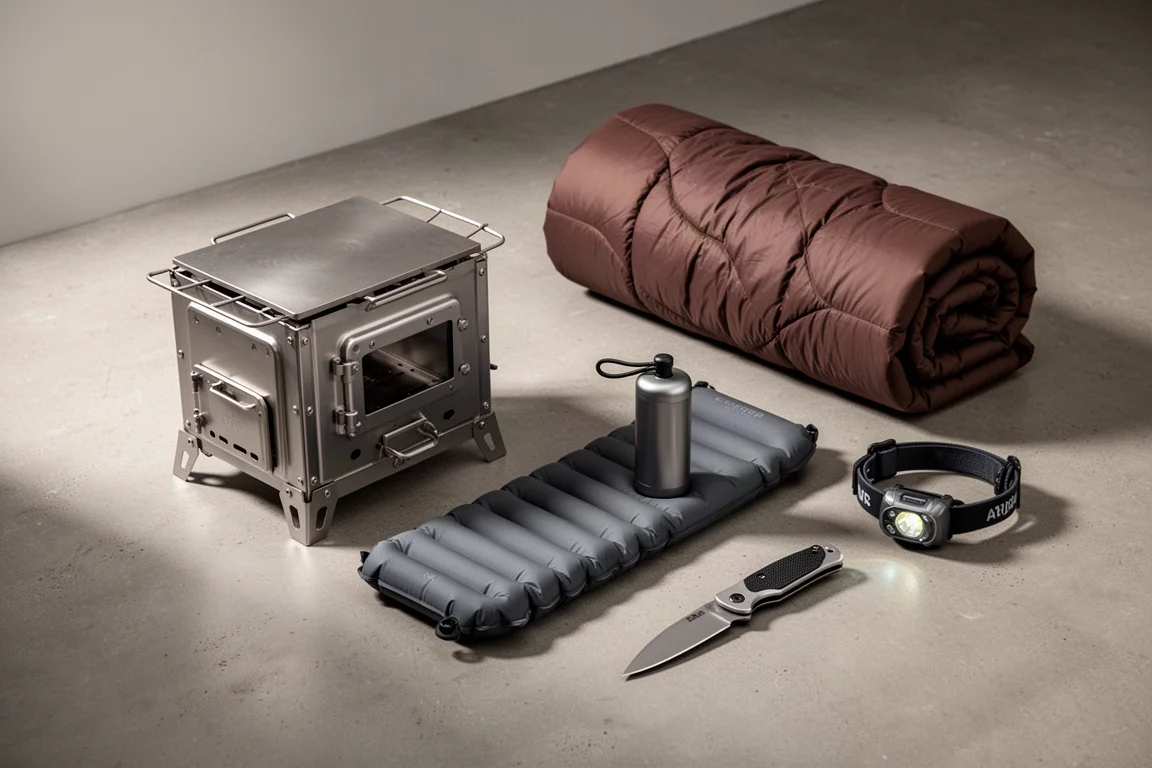
Introduction
A hot tent setup changes what is possible on a cold-weather backpacking trip. A lightweight shelter paired with a wood-burning stove turns a frozen evening into a comfortable one and stretches the season well past the point where a three-season kit stops being enjoyable.
It also adds work. There is more gear to carry, more to set up at camp, and more to think about when it comes to fuel and safety. This guide walks through the pieces that make a hot tent setup function, from the sleep system that keeps you warm after the fire goes out to the shelter, stove, and fire-starting tools that make the tent worth carrying in the first place.
What Makes a Hot Tent Setup Work
Two things matter more than anything else: a sleep system that stands on its own, and a stove and shelter that can be run safely.
The stove is not kept burning overnight. It consumes wood quickly, needing fresh fuel roughly every one to two hours, and a sealed tent with a live fire carries real carbon monoxide risk. Because of that, the sleep system does the work of keeping you warm through the night, while the stove’s job is to make the hours before sleep genuinely pleasant.
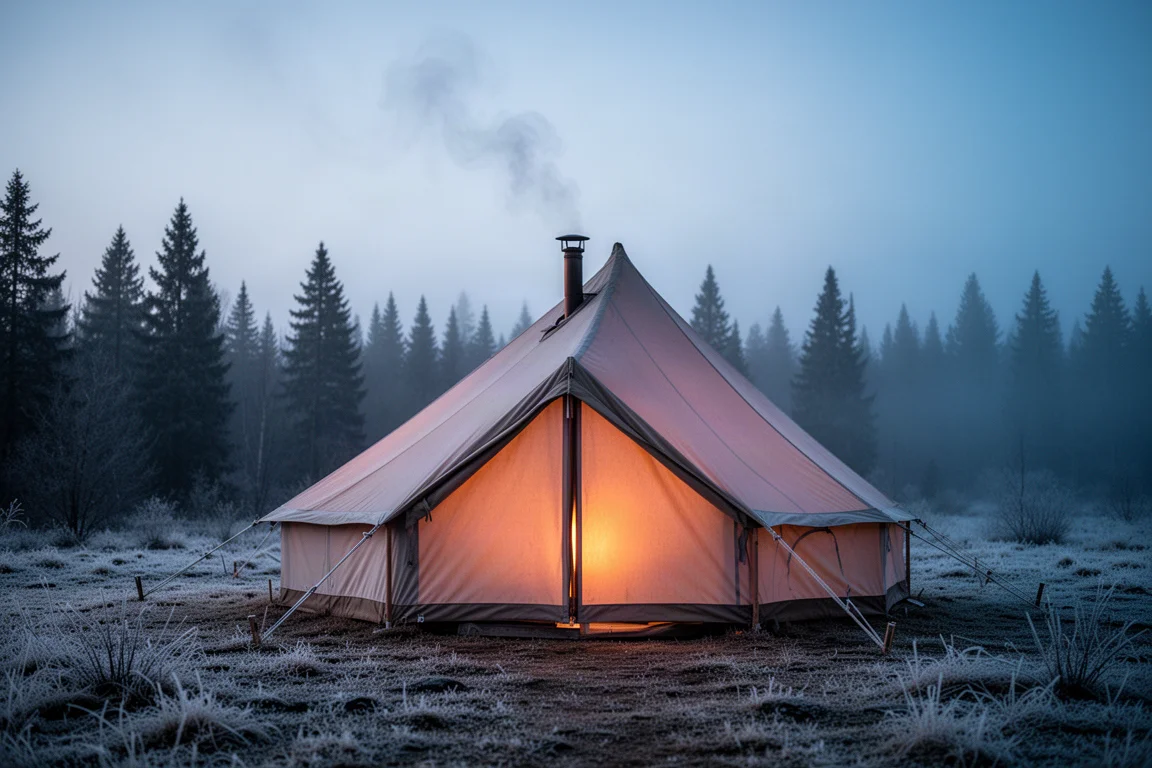
The rest of the list supports that evening: insulation underneath you, a dependable light, something to sit on, a way to cook, and the tools that turn dead wood into fuel.
Trekology 2.0 Pillow
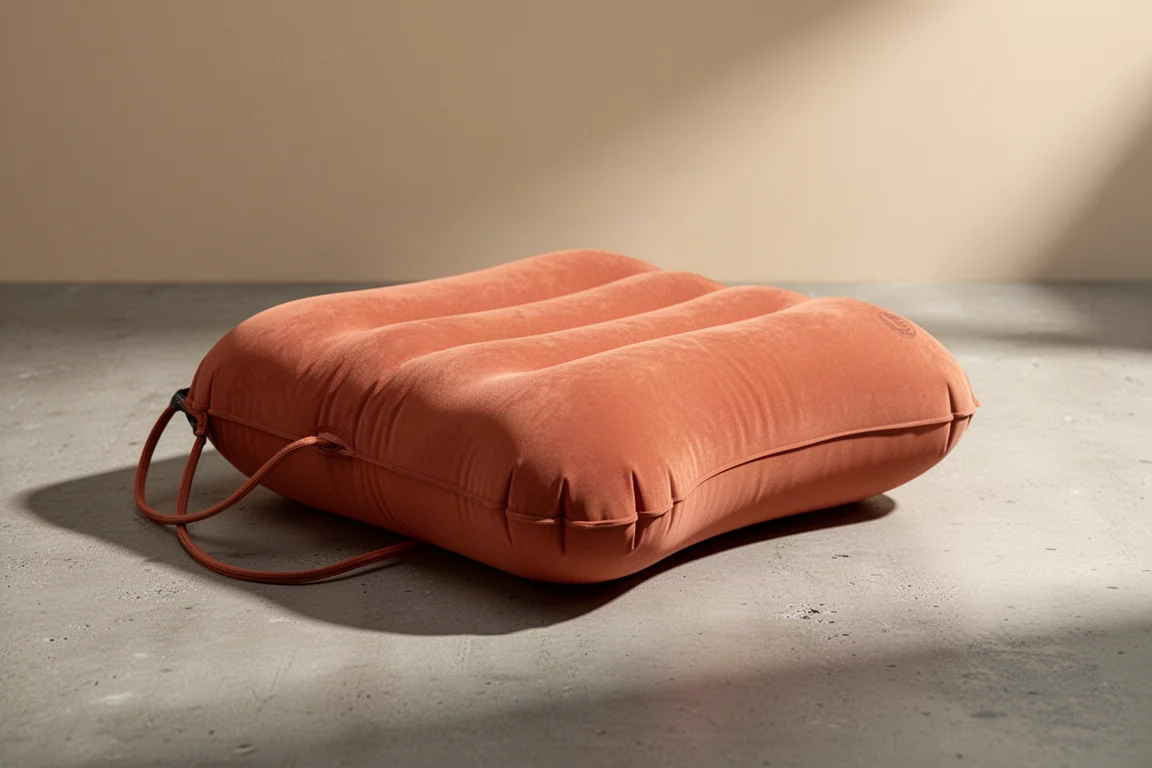
A pillow is a small item with an outsized effect on how well you sleep. The Trekology 2.0 earns its place with one detail: a pad strap that locks it onto a sleeping pad. That strap keeps the pillow where you put it instead of letting it slide away in the night, which matters more when you are sleeping on an inflatable pad inside a tent with no floor.
Therm-a-Rest XTherm
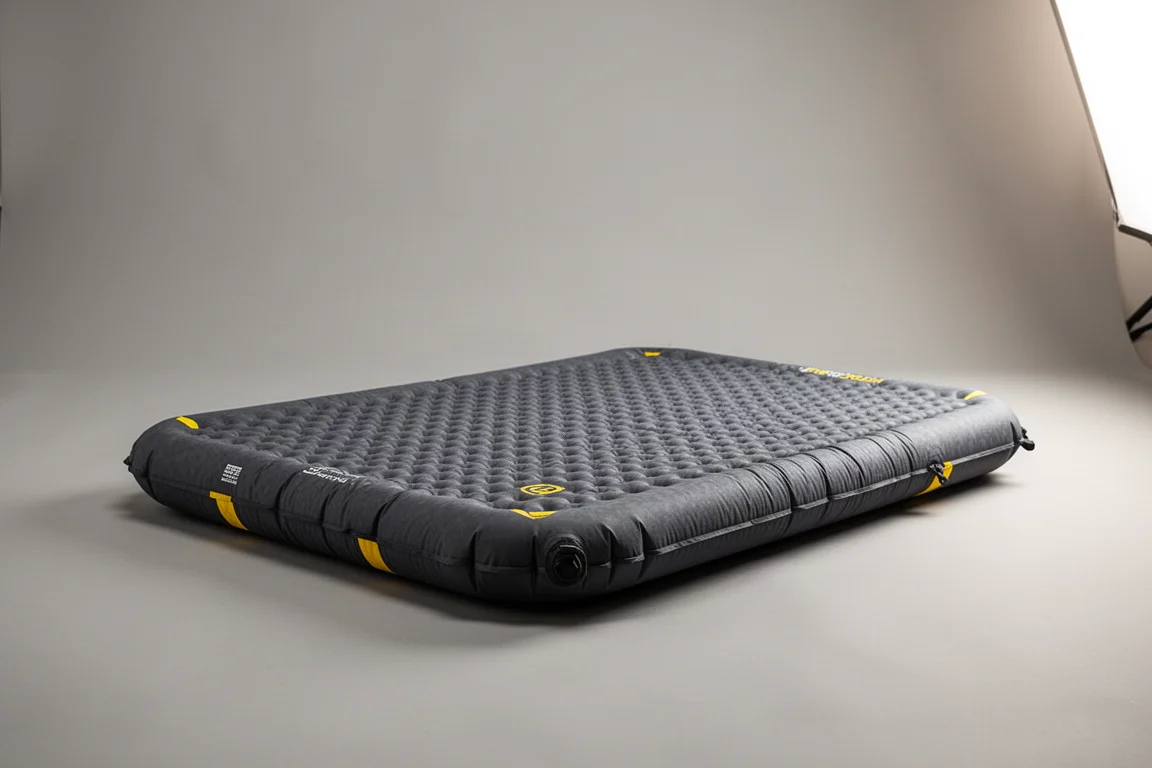
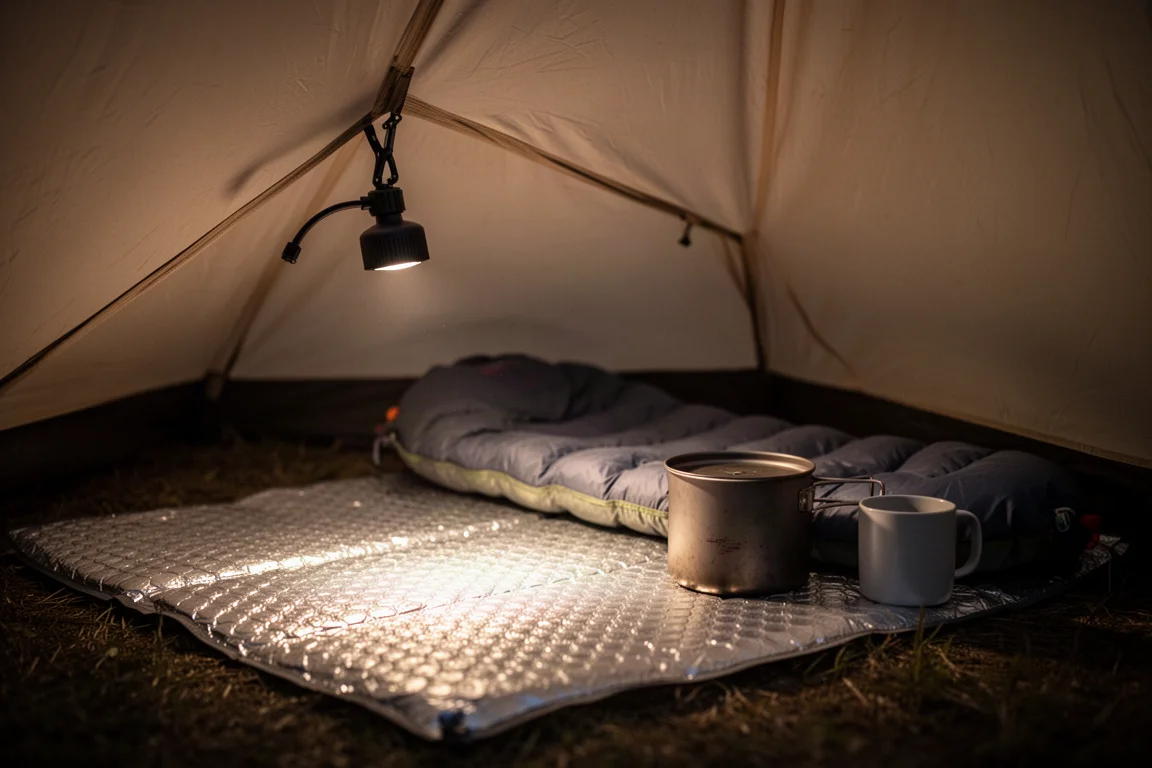
The Therm-a-Rest XTherm is the warmth anchor of this sleep system. It offers the best warmth-to-weight ratio of the pads in this kit and is the warmest option here, which is exactly what you want when the fire has gone out and the temperature keeps dropping.
Comfort is modest rather than luxurious, but it gets the job done. Underneath it sits a reflective foam mat. The foam mat is not primarily there for warmth, though it does add a little insulation when you are pitched on snow. Its main job is protecting the inflatable pad from rough ground, which is worth planning for because most hot tents have no floor at all.
Flextail Tiny Pump X2
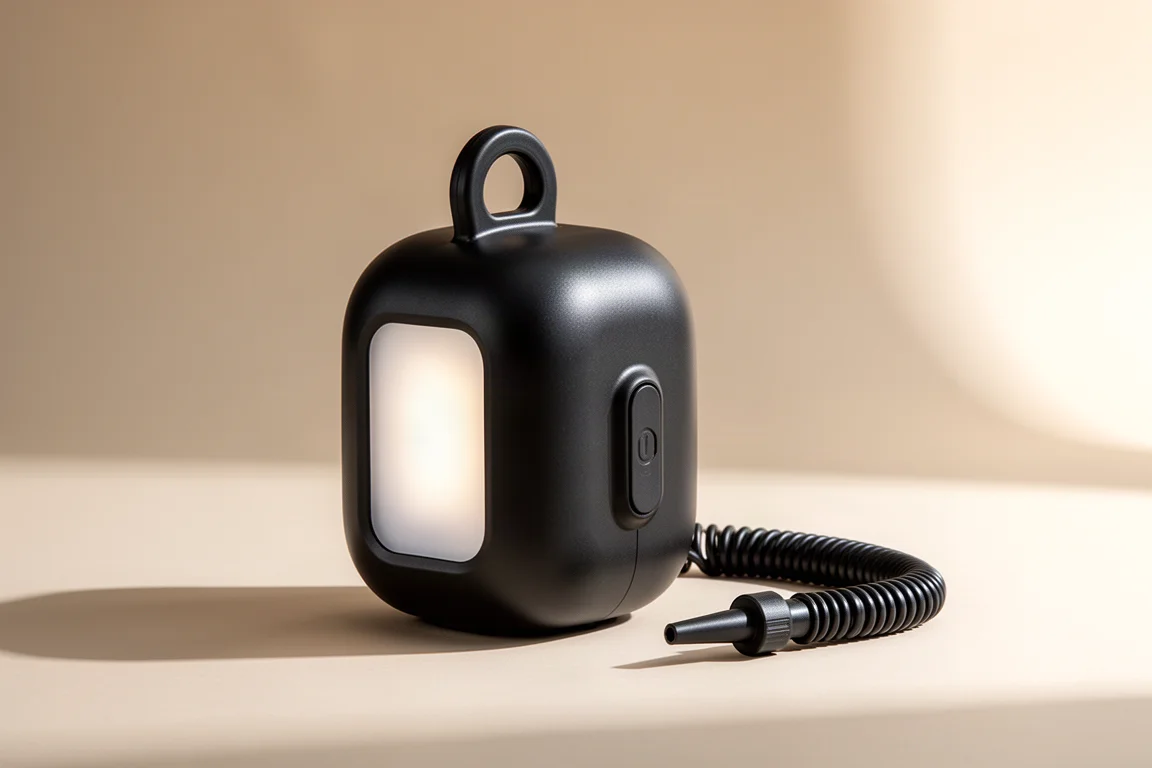
An inflatable pad needs air, and the Flextail Tiny Pump X2 handles that in a very small package. Compared with the earlier version, it charges over USB-C, which means one less legacy cable in the pack, and it inflates a little faster.
It also has a built-in light, so it can be hung inside the tent as a lamp once the pad is inflated. In a hot tent that dual role is genuinely useful: the evening does not have to end the moment the temperature drops, and a small hanging light makes it easy to read, play cards, or simply stay up a while longer.
In short, it replaces two items you would otherwise carry separately and keeps the packing list shorter for the same amount of comfort.
Nitecore NU25 Headlamp
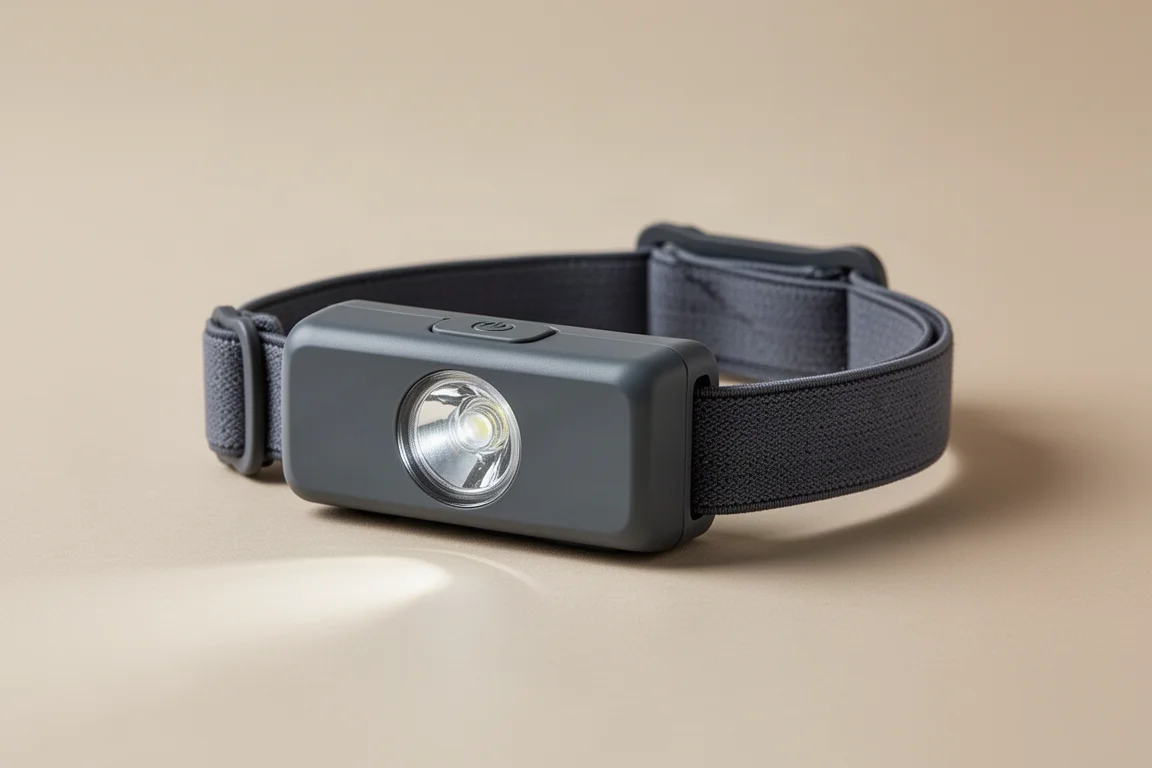
Cold months mean early darkness, and a headlamp is the light you reach for when your hands are occupied. The Nitecore NU25 is a dependable, lightweight option for backpacking and camping trips, and it has proven to be the most reliable headlamp in this kit.
3F UL Tribe Tent
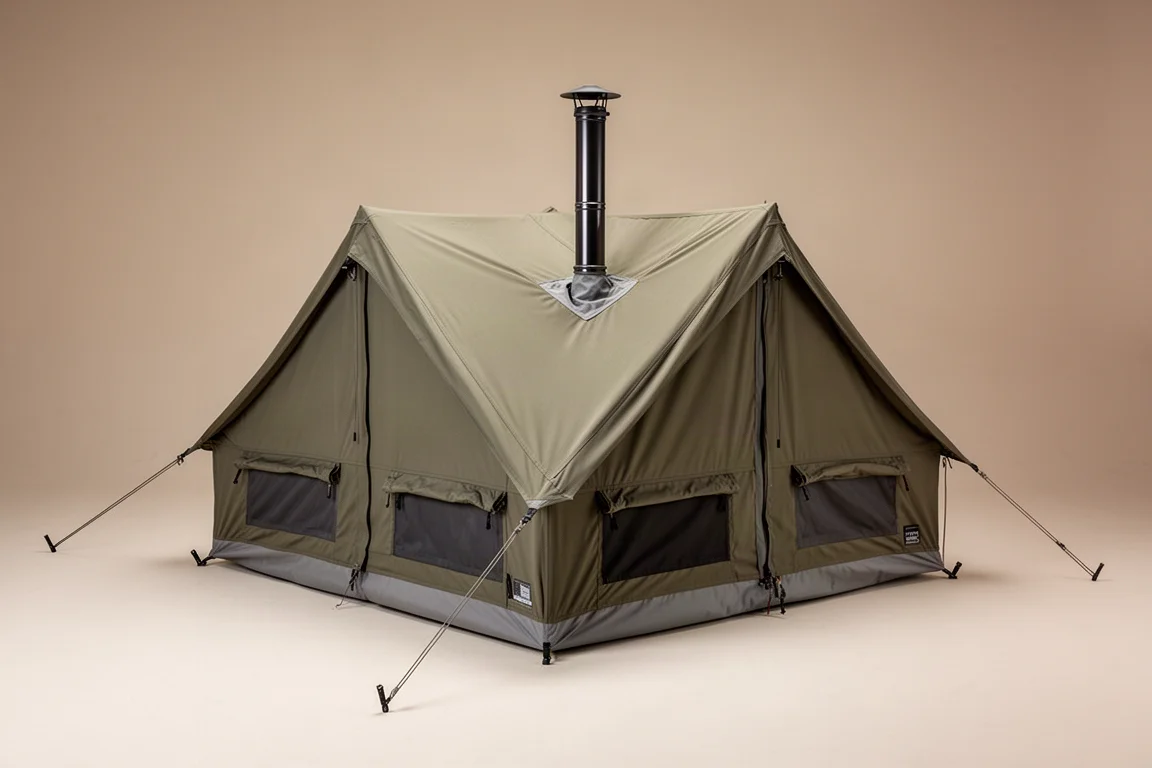
The 3F UL Tribe tent is built specifically for hot tenting. Its defining feature is a stove jack in the middle of the shelter, reinforced with flame-retardant material so the stovepipe can pass through without putting the tent at risk.
It is not the lightest tent available, and that is the trade-off for space. The interior is large enough for two people’s sleep systems on one side and a pair of chairs plus a table on the other, which turns the tent into a livable room rather than a place to simply sleep. Construction is sturdy, and it has held up in strong winds without complaint.
3F UL U-Shaped Stove
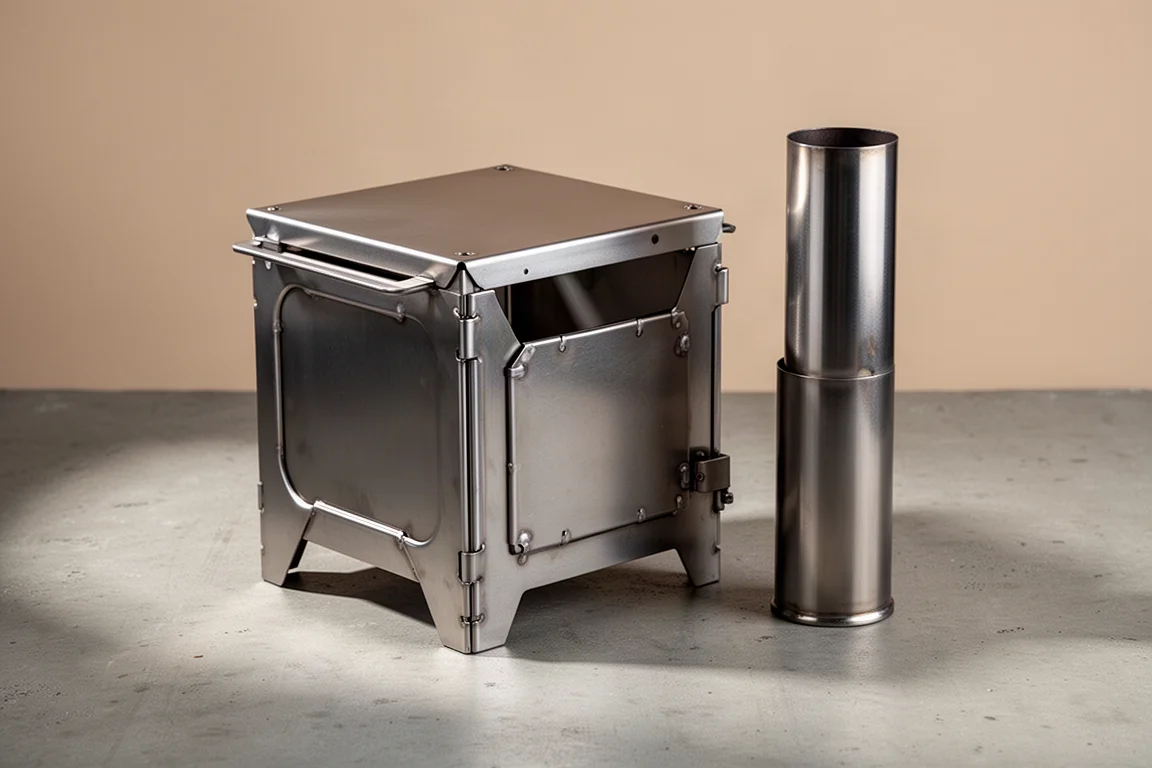
The 3F UL U-shaped stove is the heat source that makes the whole system work, and it is a good example of affordable gear that is thoughtfully designed. It weighs 1.2 kilograms, which is light for a stove that is 15 inches long, and that length lets it take reasonably sized logs so you are not feeding it constantly.
The weight saving comes from the U-shaped construction: a single sheet of titanium wraps the bottom and sides rather than forming a full cylinder. A flat top makes it far easier to set a pot or pan on the stove, or to boil water, than a barrel-shaped design would.
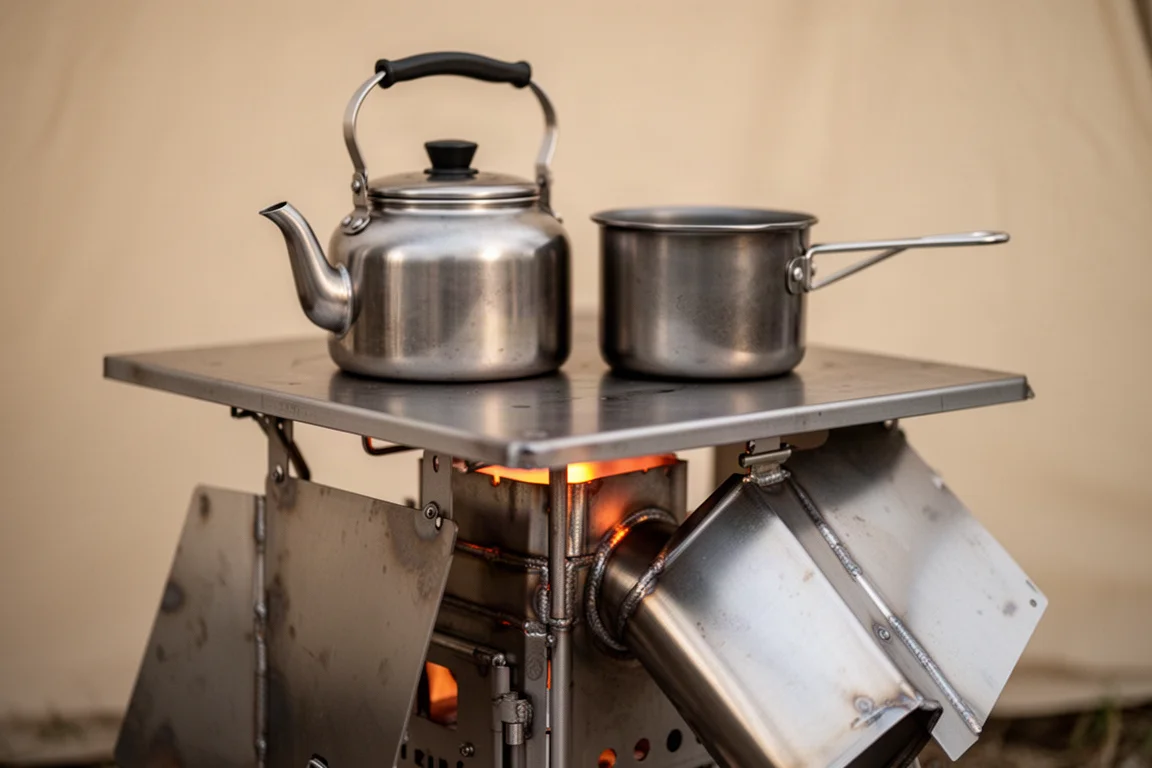
Because it is titanium and built to fold, the stove packs down small enough to travel with the tent, and the flat cooking surface means it doubles as your kitchen once the fire is lit.
Bigfoot Bushcraft Fire Starter
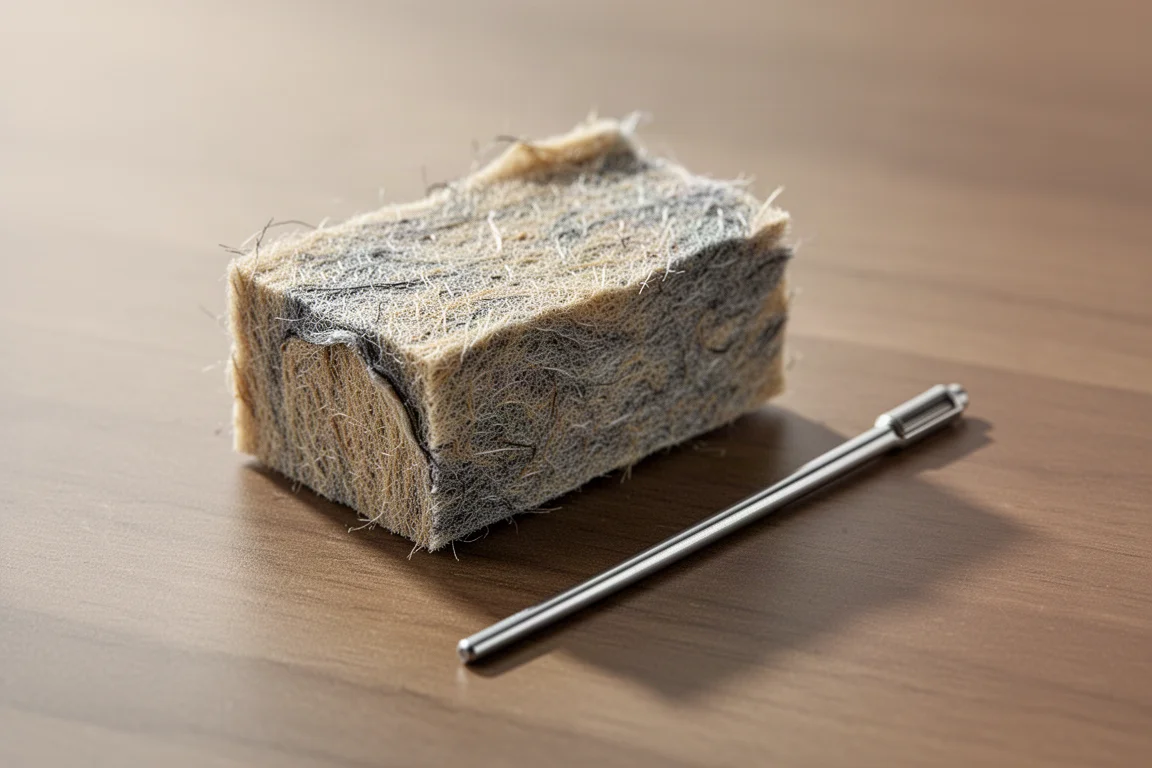
Getting a fire going in cold, damp conditions is the part of hot tenting that most often decides whether the evening goes well. Bigfoot Bushcraft fire starter makes ignition easy: a single spark from a lighter or a flint gets it burning, and it keeps burning long enough for kindling and split wood to catch on their own.
Opinel Knives
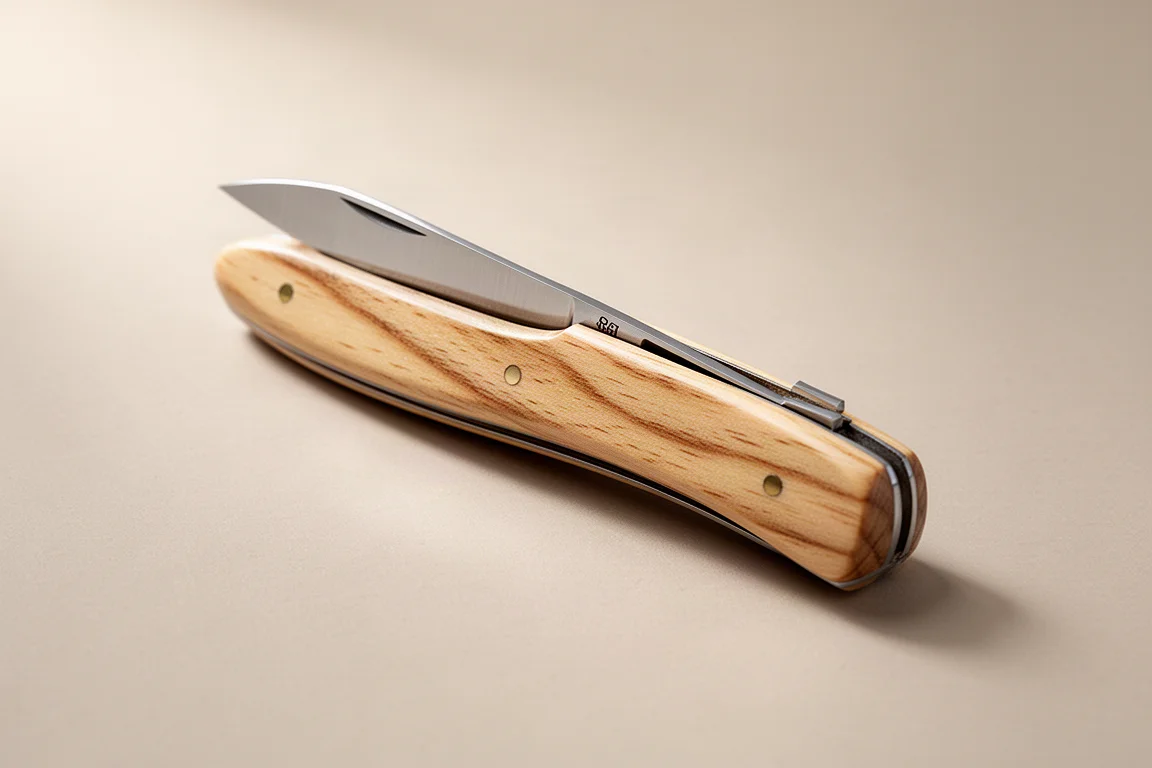
A knife earns its place in a hot tent kit by being light, affordable, and dependable rather than elaborate. Opinel knives fit that description well: a solid all-around cutting tool that does not add meaningful weight or cost to the pack.
Bic Mini Lighter
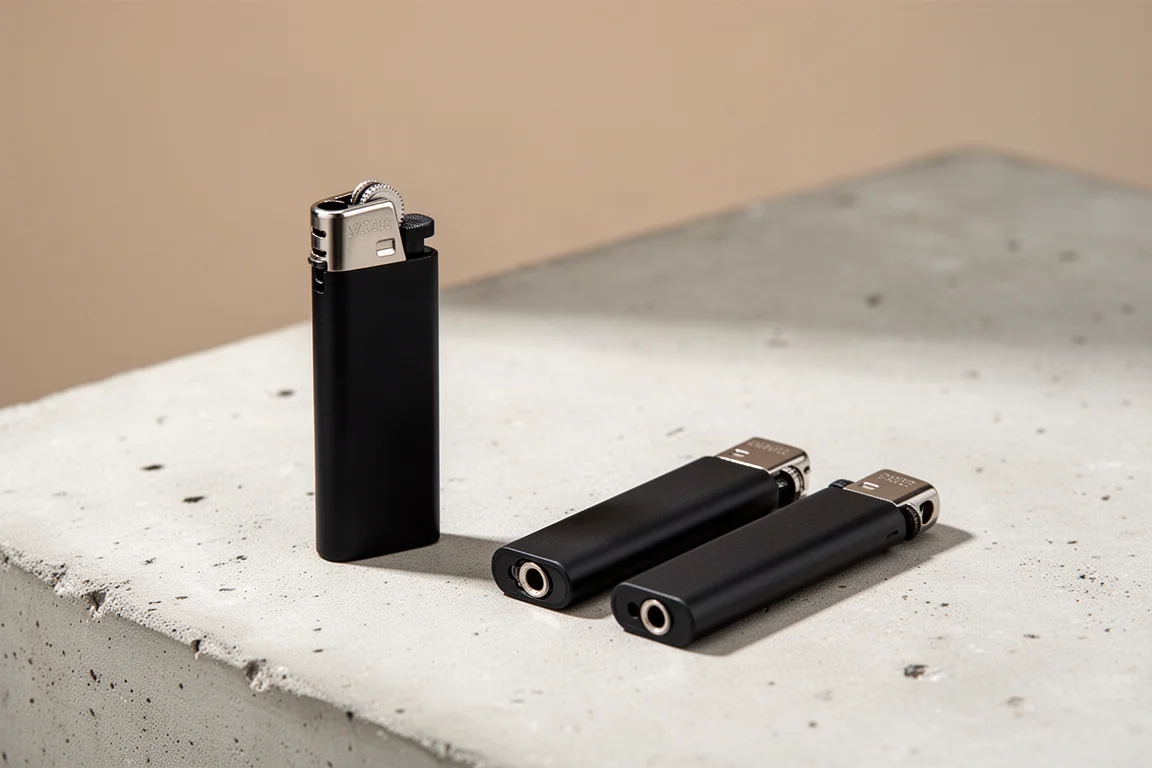
Fire starting needs a spark, and a mini Bic lighter is the simplest way to provide one. It is small enough to disappear into a pocket, it works together with the fire starter, and it costs almost nothing to carry as a primary or backup ignition source.
Supporting Gear and Safety Essentials
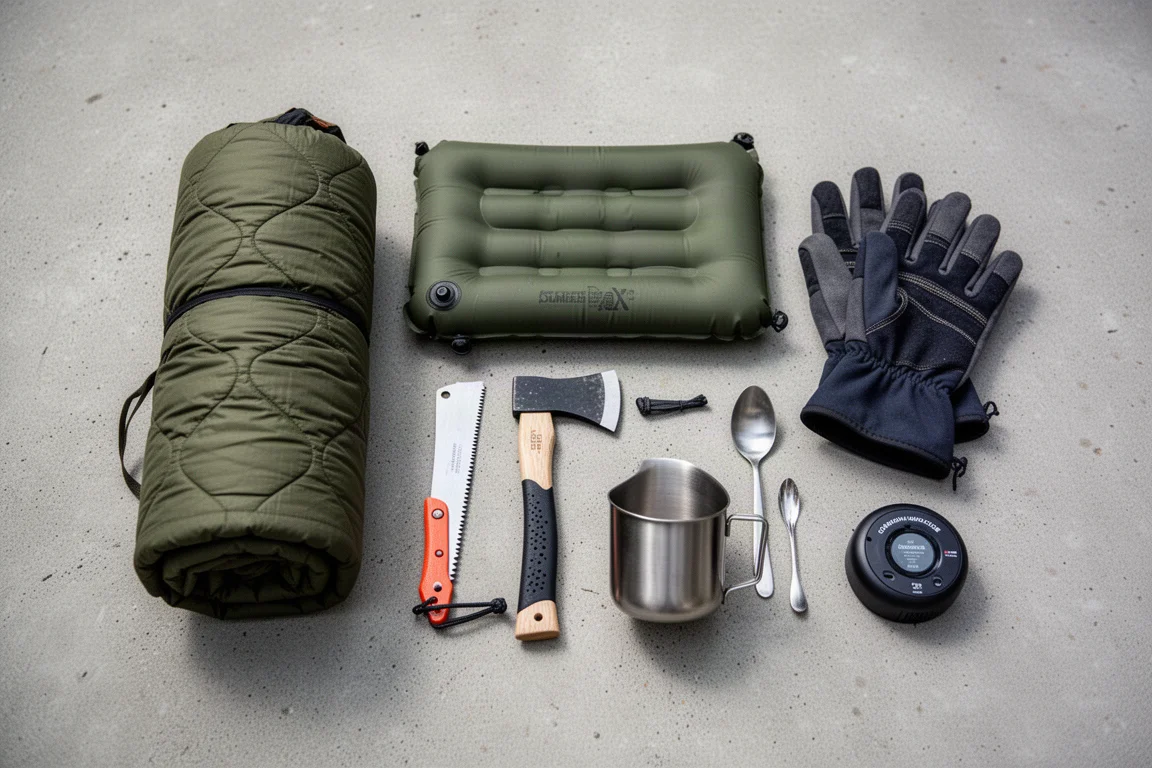
Beyond the headline items, a few supporting pieces round out the setup. A folding saw handles dead standing wood and shortens logs that are too long for the stove, while a hatchet splits them so they burn more efficiently. Fire and cut resistant gloves matter more than they sound: titanium stove panels have sharp edges, and the stove body gets very hot, so gloves protect your hands when you move the stove or add fuel.
Cooking gear should be chosen with the stove in mind. A large pot is useful for melting snow and boiling water for several people, and a pot with a bale handle or insulated handles keeps you from burning your fingers above a hot stove. A double-walled titanium mug keeps drinks warm, and a titanium spoon covers eating.
For safety, a carbon monoxide detector is worth the weight. It provides peace of mind in a sealed tent and lets you monitor conditions overnight. A thermometer built into the same unit shows the temperature inside the tent, and pairing it with a Bluetooth thermometer placed outside makes the difference between indoor and outdoor conditions easy to track. With the stove running, the gap between outside and inside can reach around 40 degrees Celsius. Comfort items matter too: a chair, a table, and a lightweight phone holder turn the tent into a place to sit, eat, and relax rather than just sleep.
Buying Advice
Prioritize in this order: sleep system first, then shelter and stove, then comfort.
The sleep system is the part that keeps you warm when the stove is out, so it deserves the most attention and the largest share of the budget. A well-insulated pad and a warm quilt or bag do more for a cold night than any other single purchase.
Shelter and stove are a matched pair. Look for a tent with a properly reinforced stove jack and enough interior space to sit up and move around, and for a stove that is light enough to carry, long enough to take real logs, and flat enough on top to cook on.
Everything else is about making the evening enjoyable. Light, seating, cooking gear, and fire-starting tools cost far less than the tent and stove, and they are the difference between a functional camp and a comfortable one.
Conclusion
A hot tent setup is really two systems working together: a sleep system that keeps you warm once the fire is out, and a shelter, stove, and fire toolkit that makes the evening before sleep worth looking forward to. Get the sleep insulation right first, choose a shelter with a properly reinforced stove jack, and pair it with a stove that is light enough to carry and flat enough to cook on. Add dependable light, simple cooking gear, and a reliable way to start a fire, and cold-weather backpacking stops feeling like a gamble.
Further reading
Related Reviews
Camping Gear
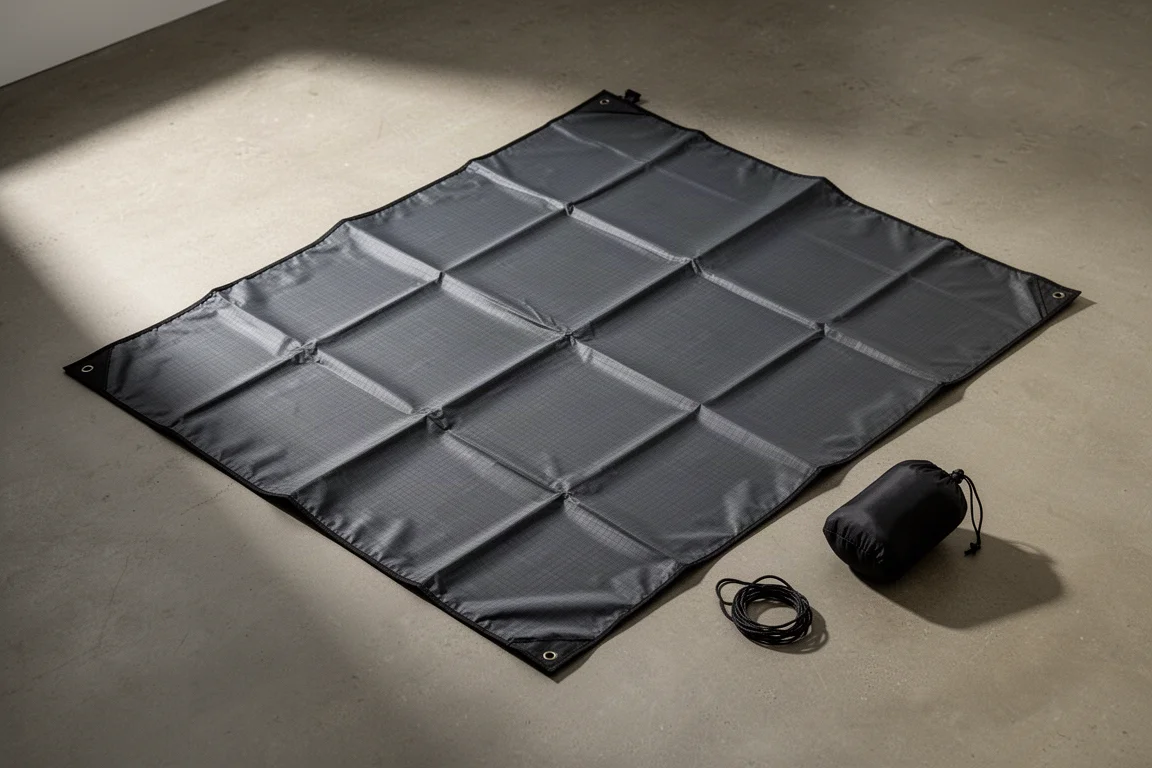
3FUL Ultralight Ground Sheet Review: A Two-Person Footprint Worth Packing
A 6.7 oz two-person ground sheet in ripstop silnylon, priced around $30. Here is what it protects, what it does not do, and who should pack it.
Camping Gear
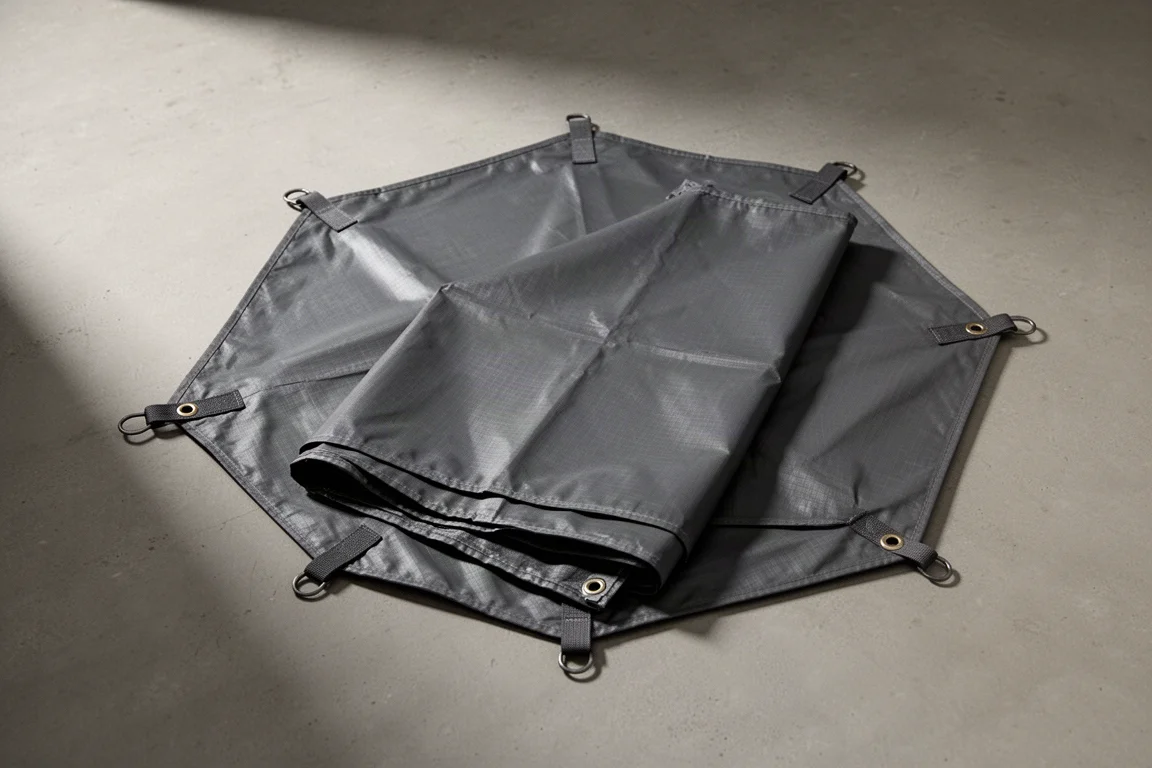
Backcountry Light Dual-Function Tarp and Floor Review: A Footprint First
A dual-purpose tent floor and tarp that keeps falling rain off you, but cannot block wind. Here is where it works and where it does not.
Camping Gear
Best 2-Person Camping Mattresses for Couples: 10 Options Compared
A practical comparison of ten two-person camping mattresses, covering self-inflating pads, air pads and air mattresses for couples.