Robot Lawn Mowers
Hookii Neomow X2 Pro Review: One Robot Mower, Three Yards, Zero Boundary Wires
A wire-free robot mower with lidar, cameras, and multi-zone scheduling that handled three city lots with remarkably straight cutting lines.
Introduction
Robot mowers are usually great for one yard. The interesting question is what happens when you ask one to take care of three. That is exactly the test the Hookii Neomow X2 Pro, the upgraded version of the X2, has been put through, and it is the reason this model stands out. It covers up to 1.5 acres (smaller tiers exist down to around a third of an acre), and it does so without boundary wires, without RTK, and with genuinely reliable navigation.
How the Navigation Actually Works
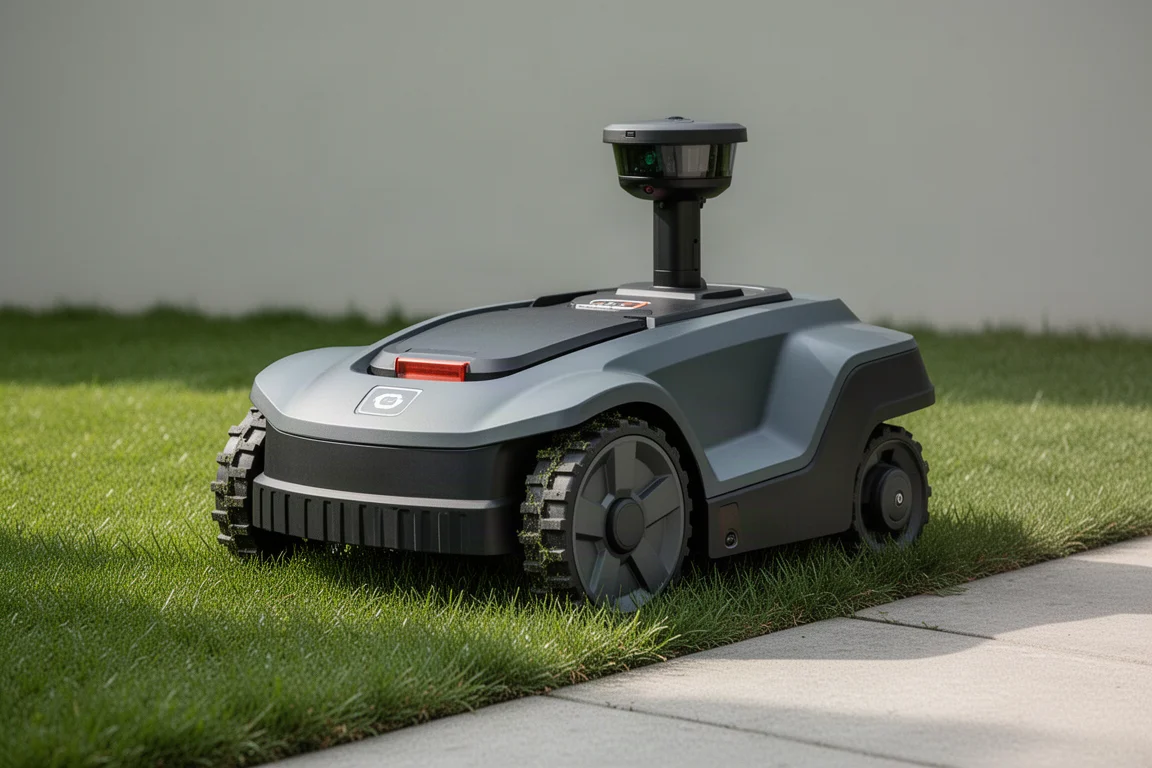
The X2 Pro pairs 3D lidar SLAM with a visual fusion camera system. SLAM stands for simultaneous localization and mapping, and in practice it means the mower builds a picture of the whole yard as it moves around. The cameras identify and avoid obstacles the lidar has mapped, and the combined system lets the mower know where it is even if it loses GPS or Wi-Fi. It falls back on the map it has created internally and navigates back into coverage on its own.
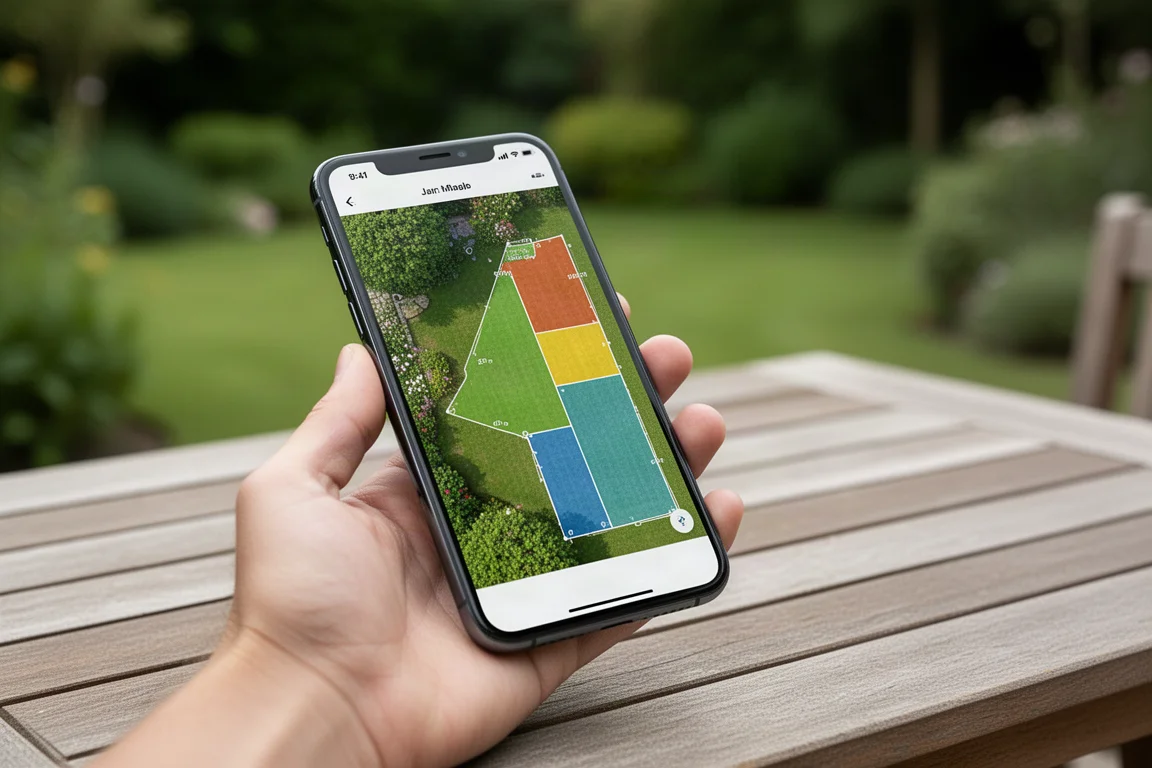
The setup reflects that simplicity: you get the mower and the charging station, nothing else. Mapping is done from your phone by walking the perimeter. In testing, a yard with a play set and trees needed no manually set no-go zones at all; the mower mapped itself and worked around everything. For lawns with a clearly defined perimeter, auto mapping can handle the job with just a few steps.
Wire-Free Setup and Mapping
The absence of RTK is a real advantage. If an RTK antenna shifts even slightly, the whole mapping system goes off. With the X2 Pro, the map is the map, and it stays that way. You can edit it later, and you can even move the charging station without ruining your map, which is a rare and genuinely useful capability.
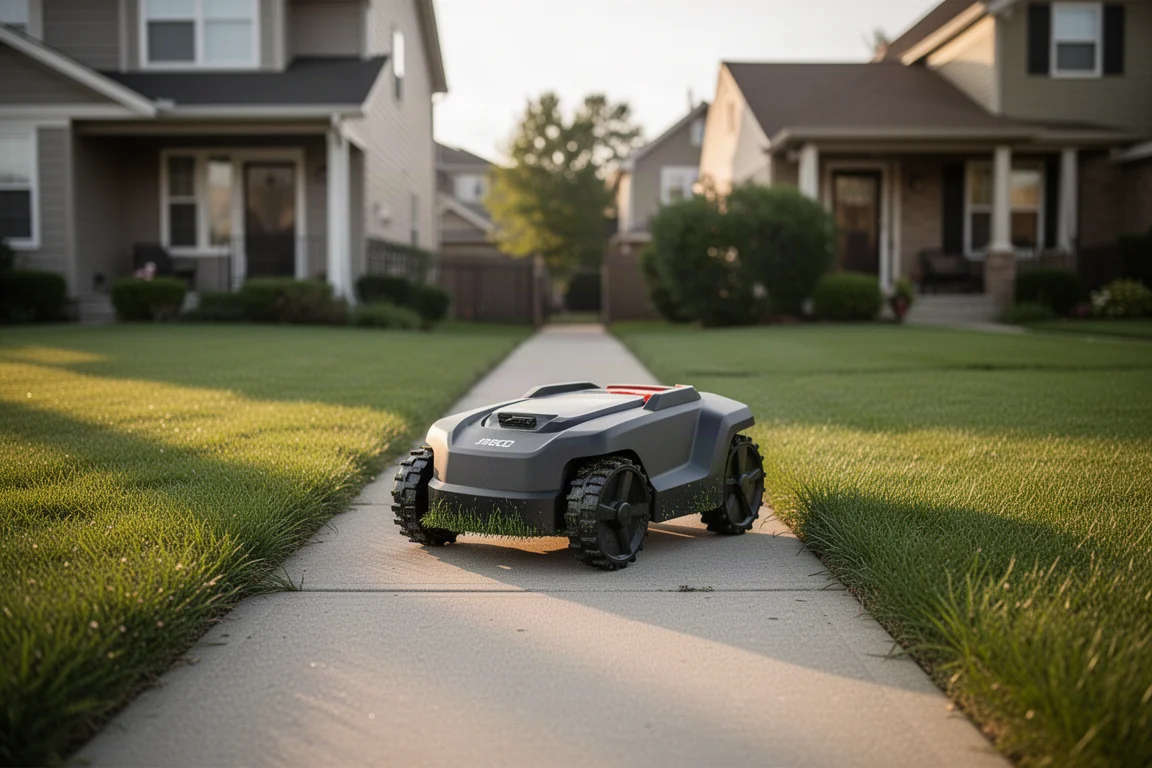
Multi-zone support is where this mower earns its keep across three city lots. Zones were set up for each property, including separate front yards, side yards, and a full backyard, with scheduling set daily from 9:00 to 21:00 during heavy spring growth. The mower crosses driveways, sidewalks, and narrow corridors between houses without issue, something RTK-based systems would struggle with because of signal loss between buildings. Custom no-go zones can be drawn for rough areas you want it to avoid.
Cut Quality and Coverage
Mowing the full multi-yard area takes roughly 20 hours, so this is a machine for serious coverage, not a quick daily trim. The payoff is the cut pattern: a U-shaped path with impressively straight lines that leaves the yard looking sharp. Cutting height was set to 85 mm, the maximum, with strong results at that setting.
Missed spots do exist, mostly around trees, the kids’ play area, and edges near driveways and shadows. They are few and easy to touch up with a string trimmer, which you will still need regardless. Around obstacles it did not map as no-go zones, such as a yard tree and hanging swings, it navigated cleanly and worked around people nearby without hesitation.

App Features and Controls
The app covers map management for adding areas, device sharing with administrators, and the full range of settings you would expect. Visual obstacle avoidance can be set high or low, and this matters: at the low 10 cm setting, fast-growing weeds can trigger avoidance and leave uncut patches, so 25 cm is the smarter choice for weedy yards.
Other options include crossing routes, edge mowing (with a bumper override while edge mowing), manual task priority, an indicator light schedule, firmware info, a device cleaning mode, and factory reset. The cleaning mode is best avoided if you care about your lawn’s appearance, since it simply pushes debris down onto the grass.
Security and Practical Ownership
The anti-theft system is thorough. If the mower is picked up while charging and moved, alarms sound and your phone gets notified, and because the cameras record wherever it travels, there is a way to follow it. Maintenance is minimal: six razor-style blades underneath, with spares included and inexpensive to replace, changed roughly once a month.
Design, Hardware, and Daily Operation
The layout is unusual and effective: large drive wheels sit up front, which combined with the front-mounted camera and bumper helps it climb over sidewalks that rear-drive mowers struggle with. The rain sensor and lidar unit sit up top, GPS is at the rear, and controls are exposed rather than covered. Rear caster wheels rotate freely, and the six blades sit under a degree of protection.
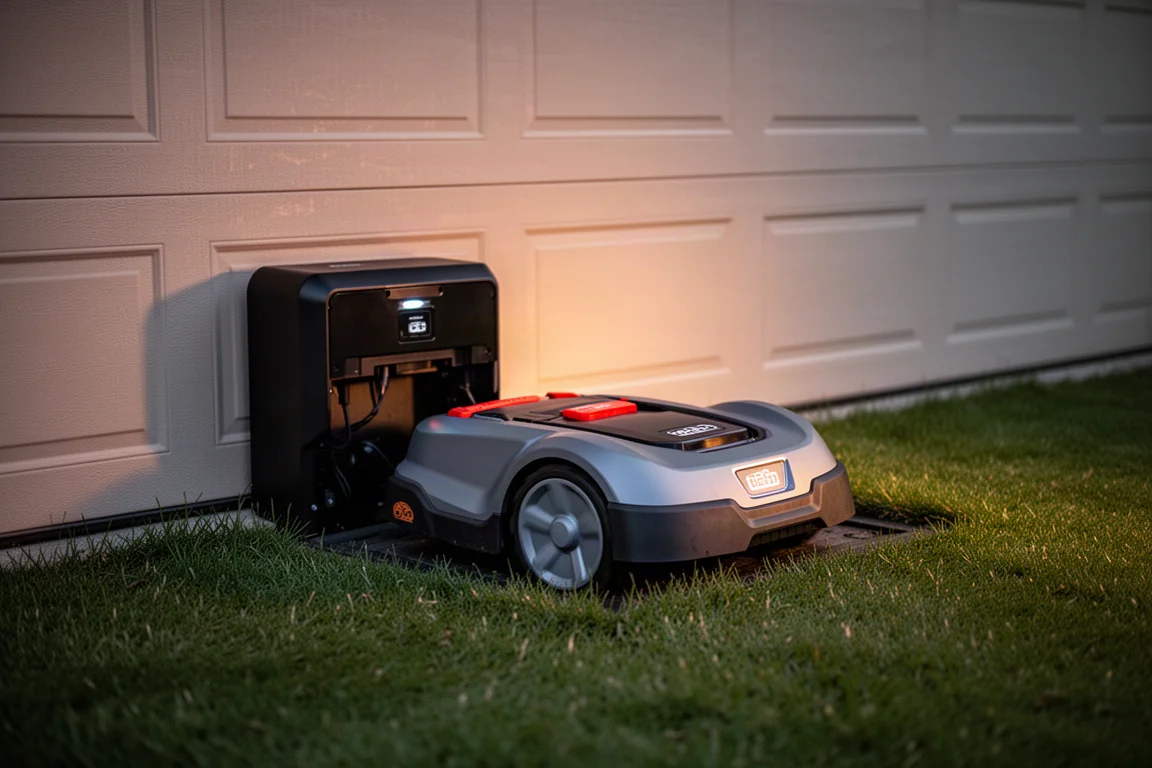
Docking is different too. Instead of a camera-guided approach, the mower backs itself into the charging station using its internal map and a guide on the dock, and it does so reliably.
Buying Advice
At roughly $2,600 to $2,900 for the Pro model, this is an expensive machine. Spread across three yards, the math changes quickly, and the same logic applies for anyone looking to run a small mowing side business. If you have a large, complex property with narrow corridors, tree shade, poor GPS pockets, or multiple zones, the wire-free lidar approach is a standout. If your lawn is small, simple, and open, a cheaper wired or RTK model may make more sense.
Conclusion
The Hookii Neomow X2 Pro handled three houses, driveways, sidewalks, and narrow passages with straight lines, reliable docking, and very few missed spots. No RTK, no boundary wires, low maintenance, and a map that stays put make it one of the more capable robot mowers available for large or complicated yards.
Product link
View more details for Hookii Neomow X2 Pro
This product is mentioned in the review. Check the specifications, options, and compatibility before buying.
View more details for Hookii Neomow X2 ProFurther reading
Related Reviews
Robot Lawn Mowers
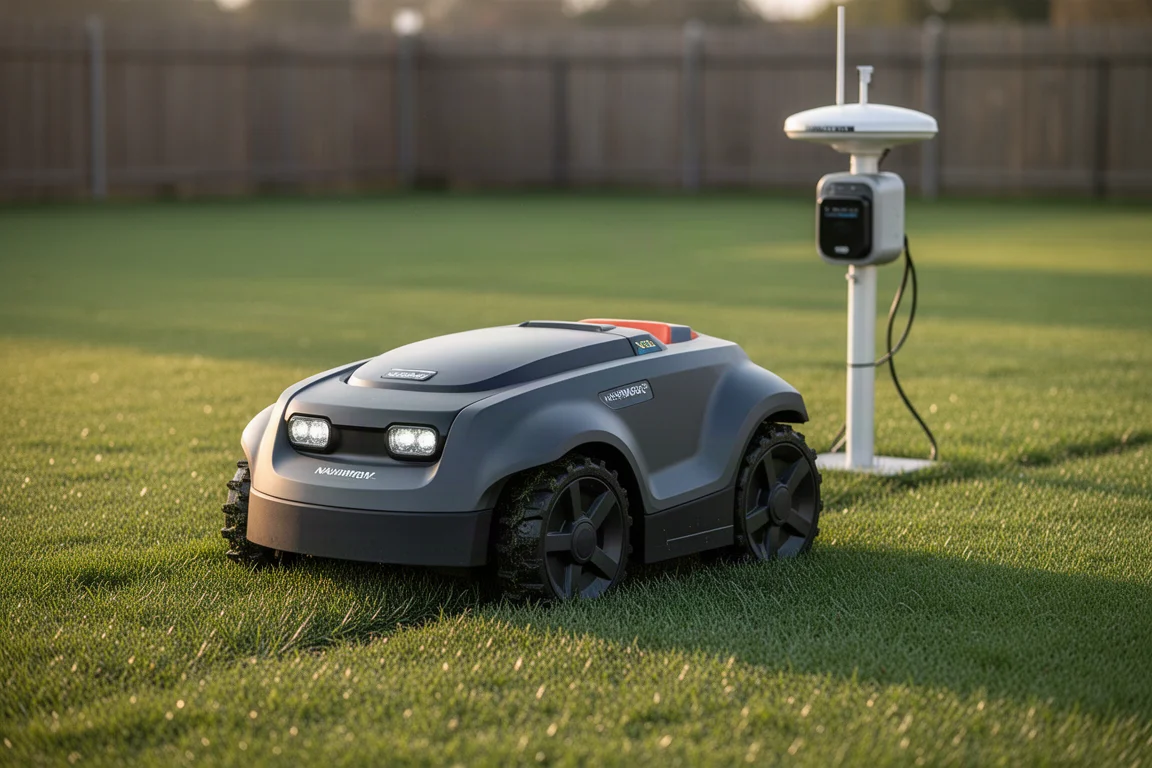
Segway Navimow X430 Review: A Hands-Off Robot Mower for Large, Challenging Lawns
A real-world look at the Segway Navimow X430 robot lawn mower, covering setup, cutting quality, obstacle detection, heat tolerance, and daily automation.
Robot Lawn Mowers
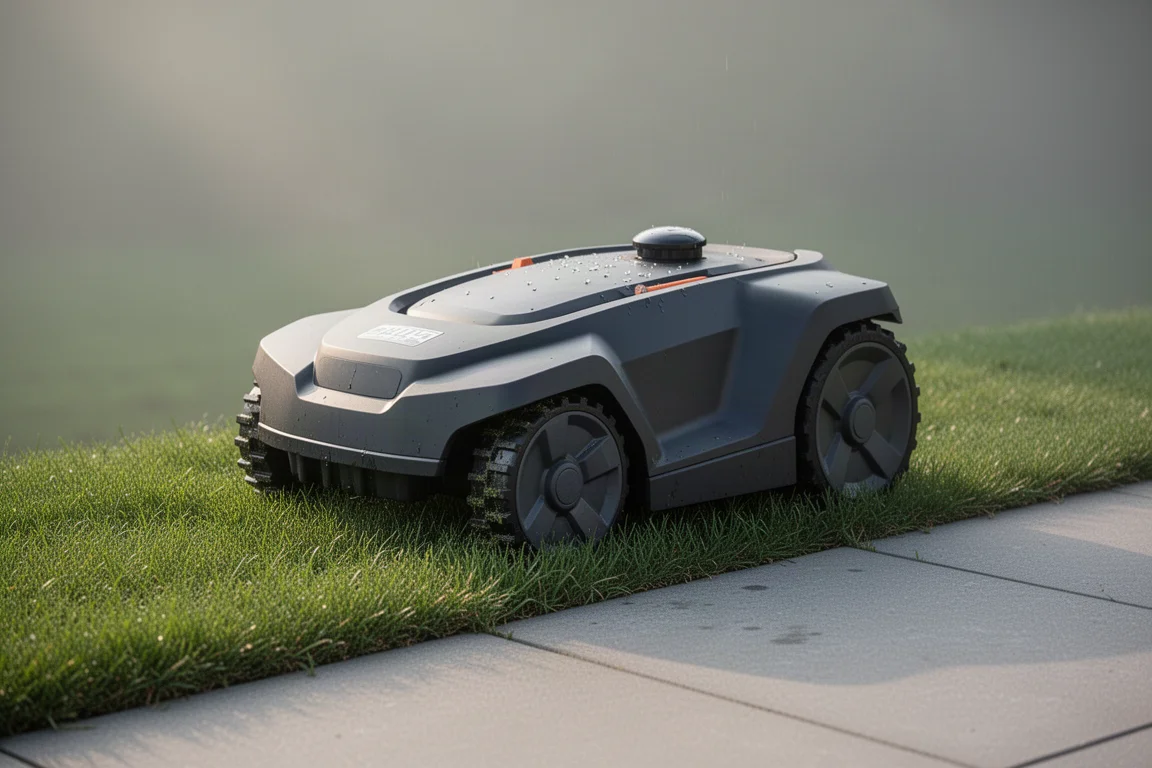
Airseekers Tron SE DS Review: A Robot Mower That Mulches Like Nothing Else
Six blades, Flow Cut mulching, net RTK navigation and strong wet-grass performance make this compact robot mower an interesting pick for smaller lawns.
Robot Lawn Mowers
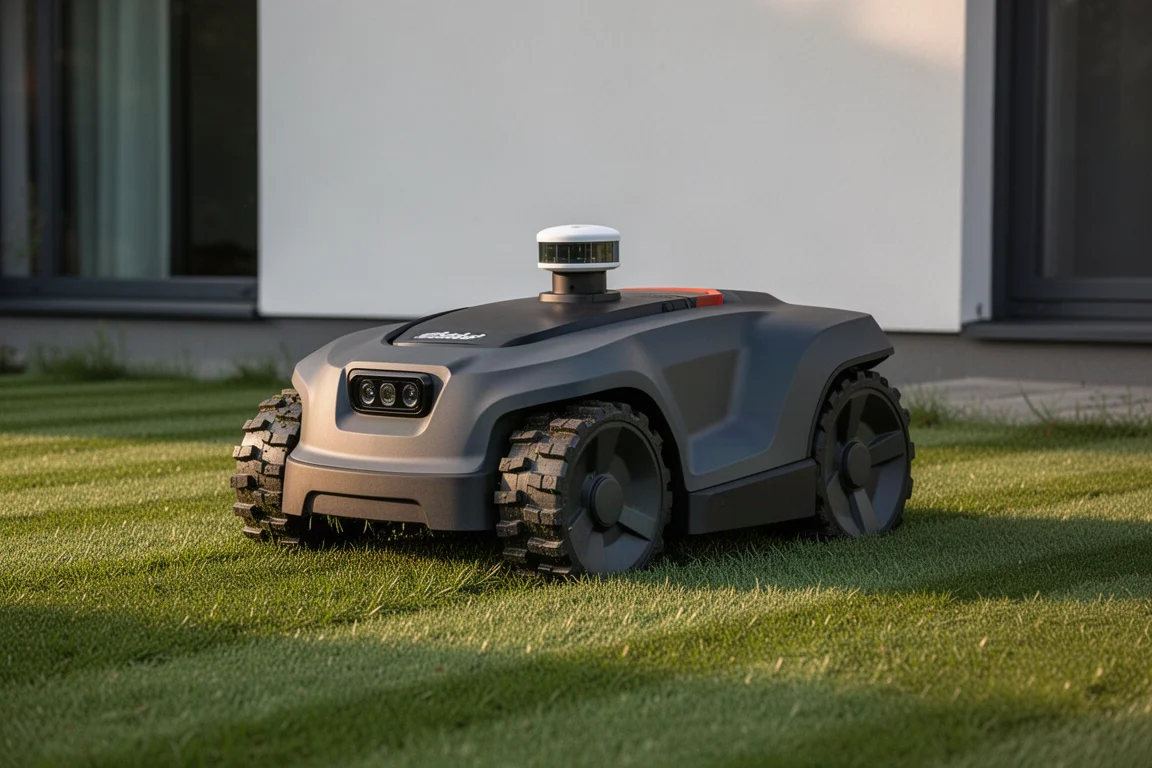
Antbot M9 Pro Review: A Compact Robot Mower That Cuts Where Others Give Up
The Antbot M9 Pro combines RTK, 360-degree lidar and dual cameras so it keeps mowing under trees and around obstacles. Here is how it performed in real-world testing.