Pantry Staples
Hondashi vs Fresh Dashi: Is Instant Japanese Stock Worth It?
We compared Hondashi instant dashi against dashi made from scratch with kombu and bonito flakes, tasting both on their own and in miso soup.
Introduction
Dashi sits at the heart of Japanese cooking, and there are two easy ways to get it: fresh from kombu and bonito flakes, or instantly from a granulated product like Hondashi. To see how much the shortcut actually costs you, we made one litre of each and compared them on flavor, convenience, and price, first sipped on their own and then used in a miso soup with tofu and mushrooms.
Making Fresh Dashi From Scratch
The fresh batch follows the classic recipe from Japanese Cooking: A Simple Art by Shizuo Tsuji, widely regarded as the bible of classic Japanese cooking and a book where dashi is literally the first recipe. For one litre of stock, start with one litre of cold water and about 30 g of kombu. The white dust on the kombu is largely natural glutamates, which is where much of the flavor lives, so resist wiping it off beyond a light pass with a damp cloth.
Bring the water slowly to a boil over 10 to 15 minutes, removing the kombu just before it boils, since kombu that boils too long turns bitter. Then add 30 g of katsuobushi (bonito flakes), equal parts by weight to the kombu. A splash of cold water knocks the boil down, the flakes go in, and as soon as it returns to a boil, turn the heat off immediately so it boils for only a few seconds. Once the flakes sink, strain the stock. Both the kombu and bonito can be reserved for a second batch, which helps offset the effort.
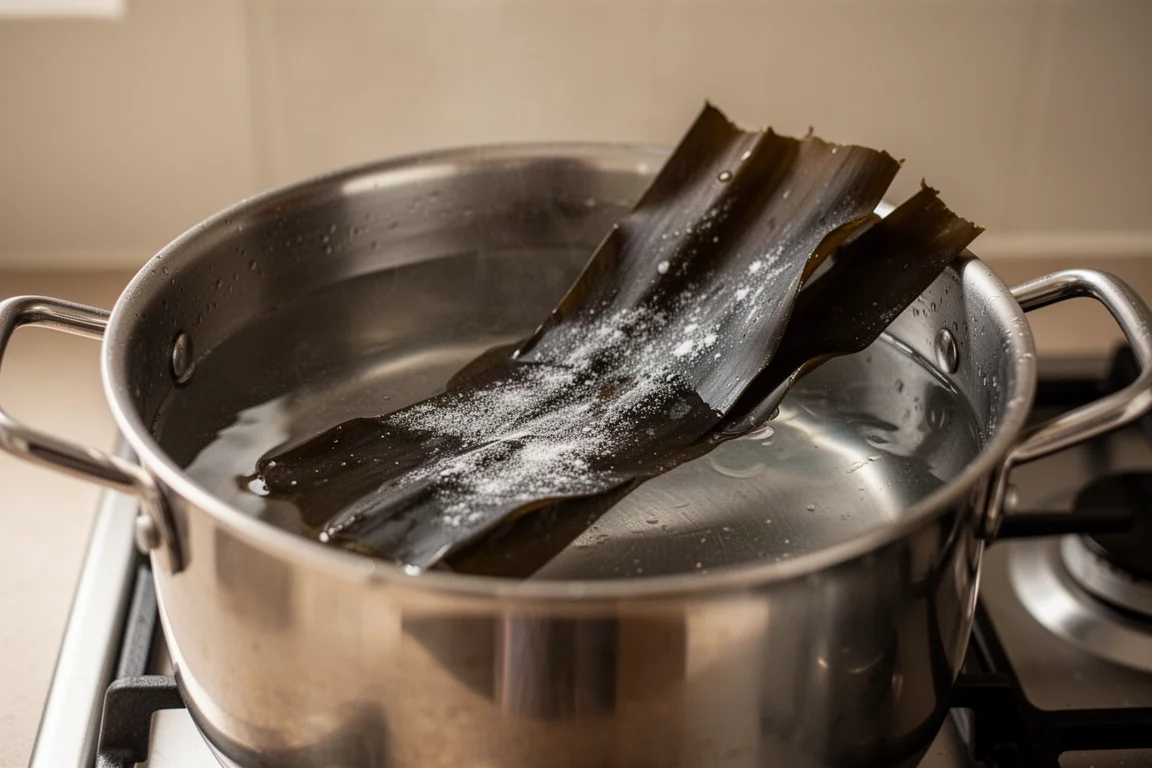
The result is a deep, almost amber, remarkably clear broth with a smoky bonito aroma. It is undeniably more work than tearing open a packet, but the process is simple: only three ingredients, one of which is water.
Making Instant Dashi With Hondashi
The instant version is far easier. Boil one litre of water, stir in granules, and done. One practical wrinkle: the packaging does not state a dosage, so we worked by taste, starting at 5 g and settling on roughly 12 g per litre to match the strength of the fresh batch.
Tasting Them Side by Side
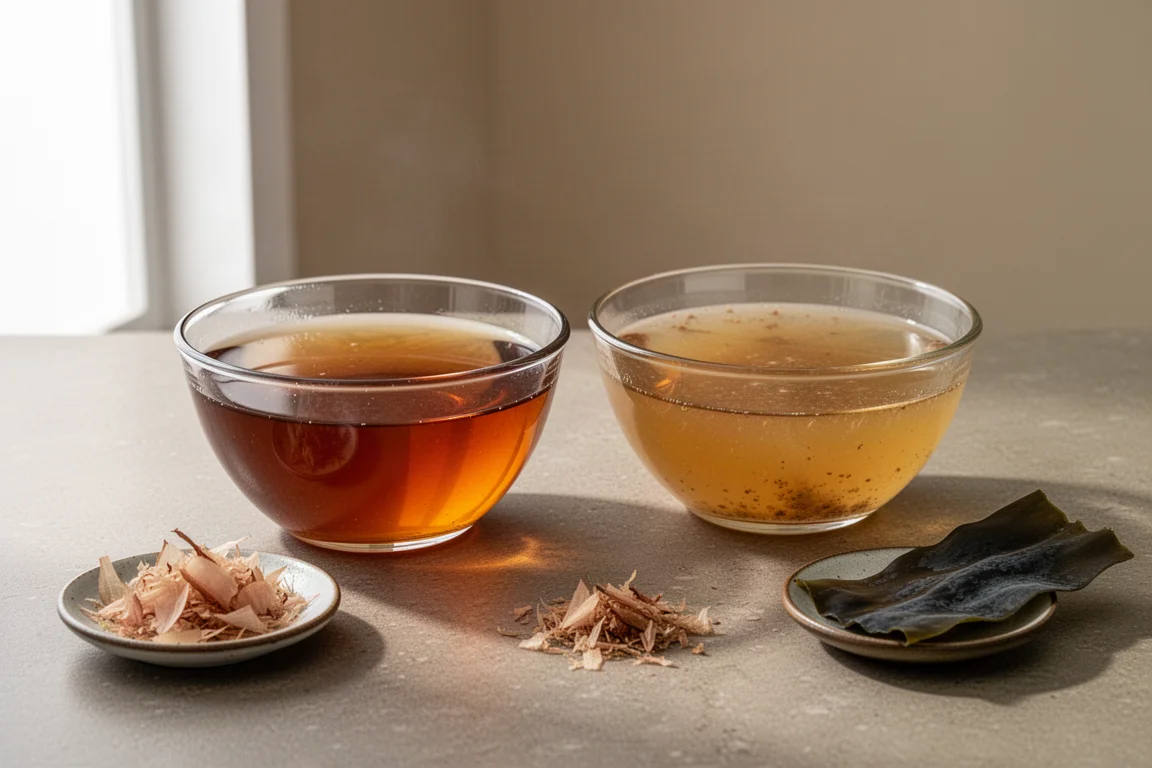
The visual difference is striking. The fresh dashi shows a rich, deep amber color and looks clear even without straining through cheesecloth. The Hondashi brews up a pale yellow-brown with noticeable sediment in the bottom, worth stirring up since some of the flavor sits there.
On its own, Hondashi is genuinely tasty: distinctly fishy and smoky, and arguably better than many of the chicken or beef stocks you find in North American grocery stores. The fresh dashi smells a little more fishy and a little less smoky, but its smokiness sits more in the background and comes through in a more refined way rather than hitting you head-on.
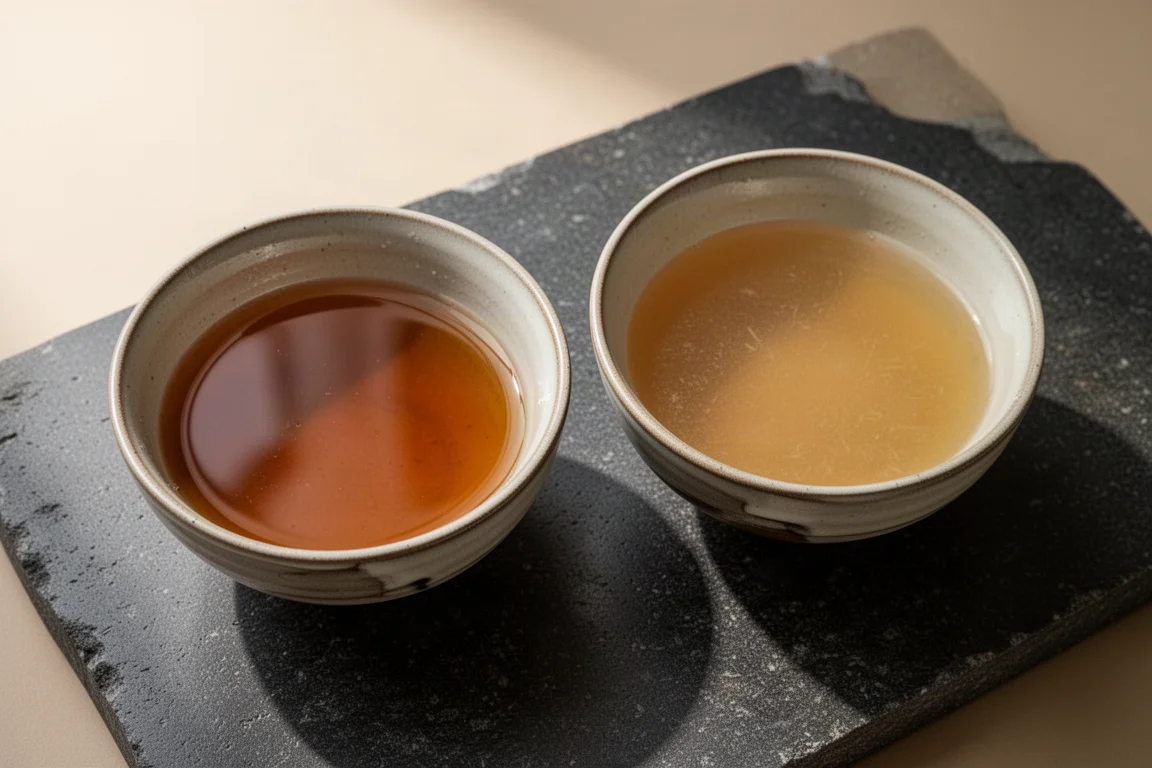
The bigger gap is salt. To reach comparable flavor strength, the Hondashi tastes noticeably saltier, and there is nothing you can do about it. The fresh dashi is less salty, letting you season a dish to your own taste, which matters a great deal when the next ingredient is miso.
The Real Test: Miso Soup With Tofu and Mushrooms
Both batches went into miso soup with soft tofu, rehydrated wakame, scallions, and miso paste, using equal amounts of miso and broth in each bowl to keep salt levels as comparable as possible.
The Hondashi version is pretty good, just a touch salty and ultimately underwhelming. The fresh dashi version is on another level: the fish flavor is stronger, closer to a freshly cooked piece of fish than the slightly funky fish note of the instant version.
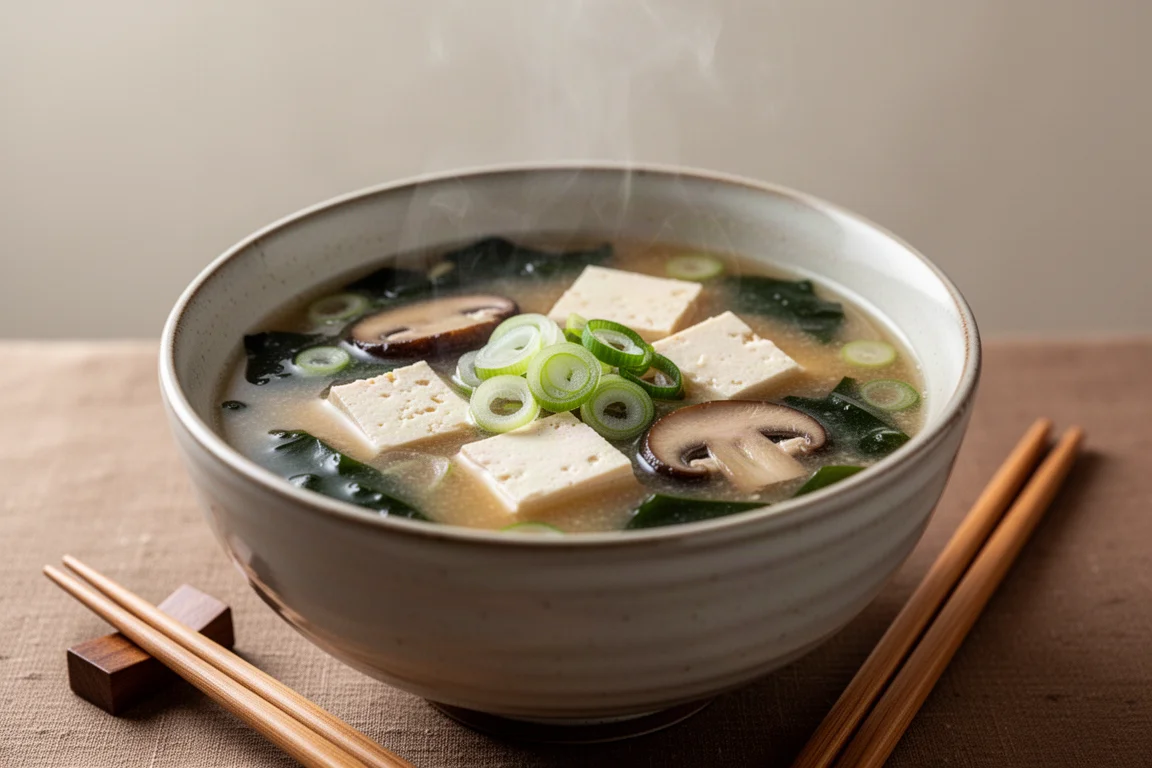
The surprise was how much bigger the difference became in the finished dish than in the solo tasting. Miso is very salty, and salt amplifies flavor, so the better base stock made a far bigger impact than expected. This is the bowl that turned a skeptic into a believer.
Price and Final Verdict
Here is the twist: instant dashi is usually the cheaper option, which runs against the usual rule that convenience foods cost more. So the trade-off comes down purely to effort and flavor.
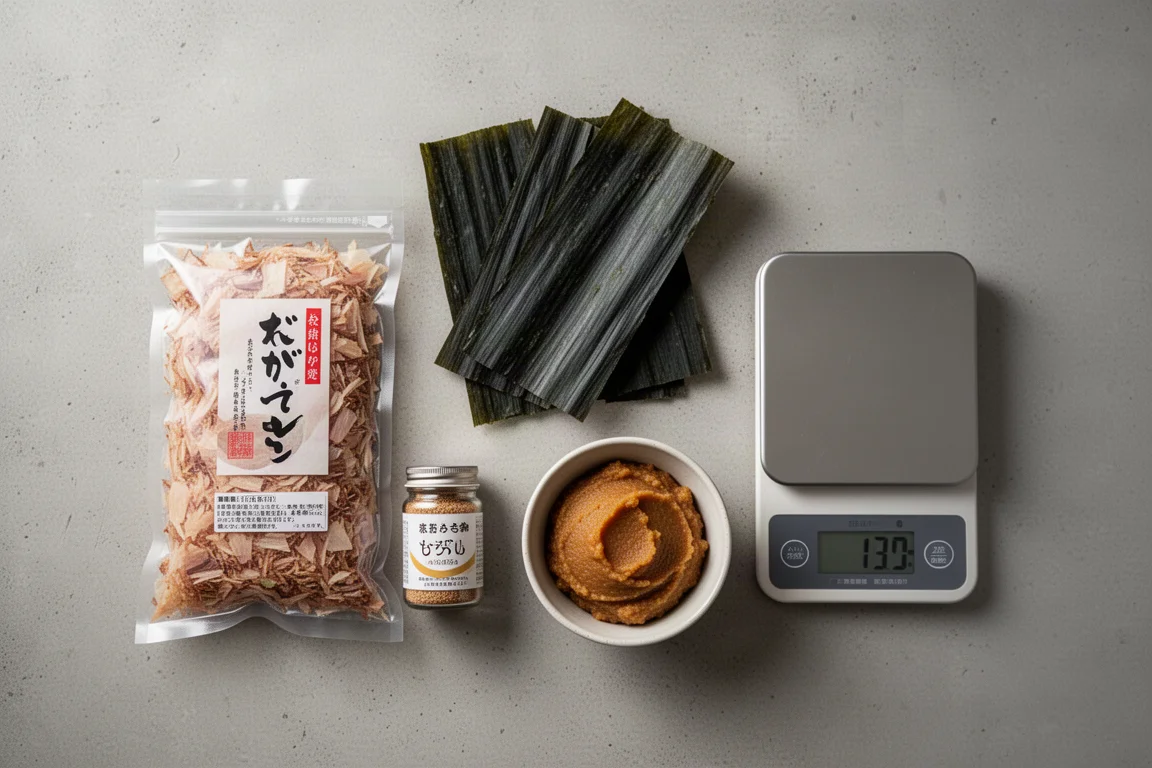
Aroma and flavor clearly go to fresh dashi, and convenience clearly goes to instant. For dishes where dashi is a background ingredient, such as gyudon with soy sauce in the mix, Hondashi is a perfectly reasonable stand-in. But for soups and stews where the stock is front and center, fresh dashi wins every time, and it really is not much work. If the ingredients are on hand, make it fresh.
Conclusion
Hondashi is a legitimately good instant product, not a bad one, and for background dishes it earns its place in the pantry. But side by side, especially in something as forward as miso soup, fresh dashi delivers noticeably deeper flavor with better control over salt, at a lower cost. If you cook Japanese food regularly, learning to make dashi from kombu and bonito is worth the small effort.
Product link
View more details for Hondashi
This product is mentioned in the review. Check the specifications, options, and compatibility before buying.
View more details for HondashiFurther reading
Related Reviews
Pantry Staples
Best Canned Whole Tomatoes: 7 Brands Tested in a Simple Tomato Sauce
Seven brands of whole canned tomatoes went head to head in a simple tomato sauce to find out which ones actually deliver on flavor.
Pantry Staples
Best Gochujang 2026: Eight Korean Chili Pastes, Tasted and Ranked
We tasted eight gochujang brands plain and in tteokbokki to find the ones worth adding to your pantry, from supermarket staples to traditional artisan pastes.
Pantry Staples
Best Heirloom Beans 2026: Four Standout Varieties Worth Seeking Out
Four heirloom bean varieties that deliver richer flavor, creamier texture, and faster cooking than commodity supermarket beans.