Pantry Staples
Best Heirloom Beans 2026: Four Standout Varieties Worth Seeking Out
Four heirloom bean varieties that deliver richer flavor, creamier texture, and faster cooking than commodity supermarket beans.
Introduction
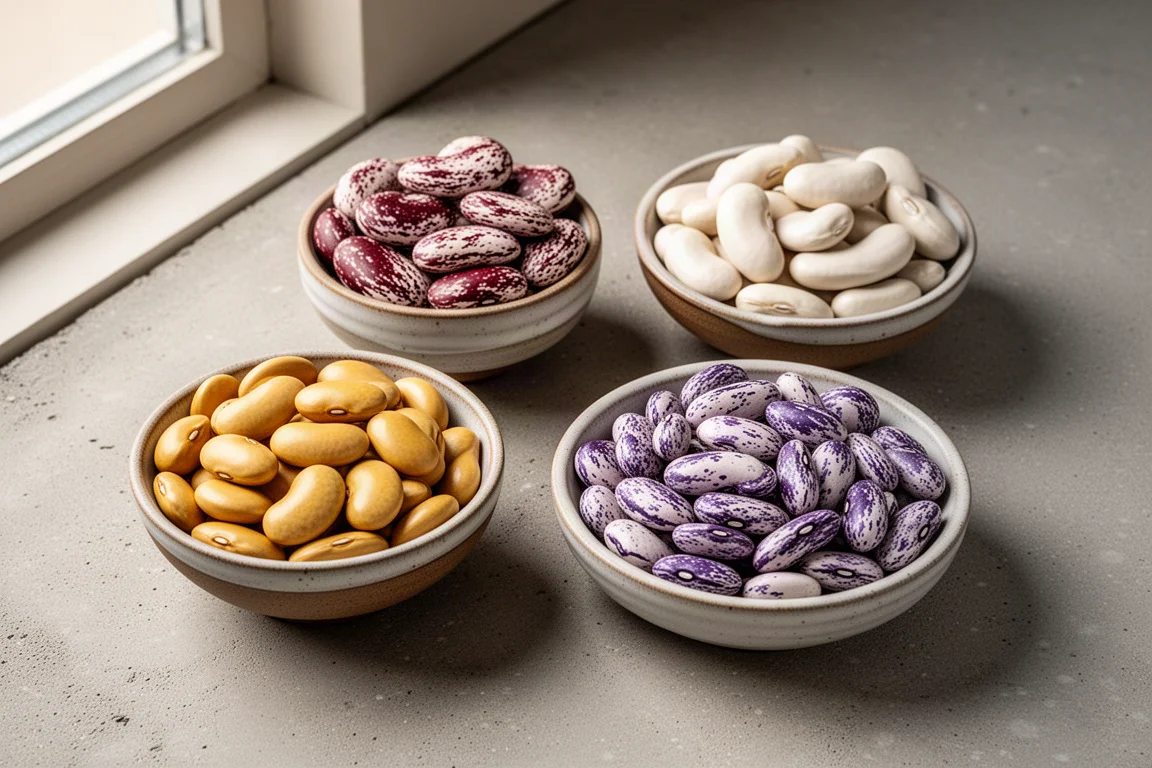
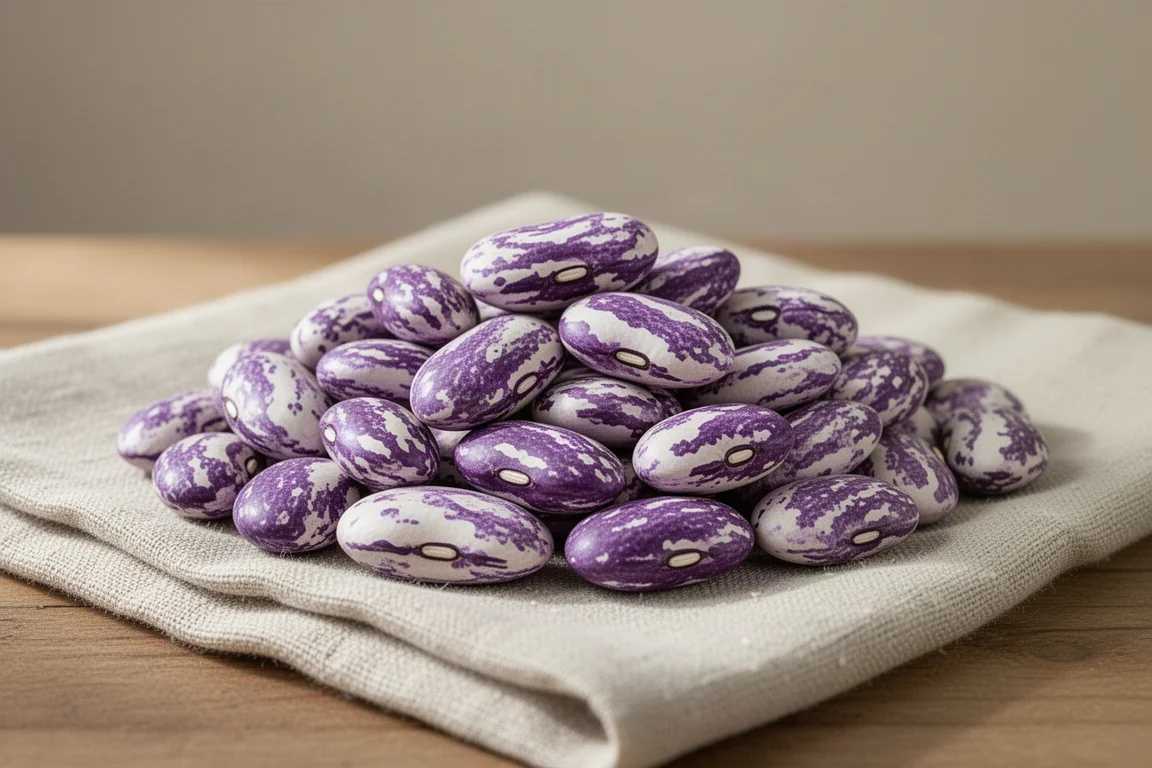
Heirloom beans are not just pretty pantry upgrades. The same genes that control their striking colors and speckled patterns are related to the genes that control flavor, so the visual appeal and the taste tend to arrive together. After tasting dozens of varieties, four stood out: Christmas Lima beans from North Bay Trading Company, Mayocoba and Royal Corona beans from Rancho Gordo, and Snowcap beans from Zursun. All four are worth seeking out if you care about what a humble pot of beans can taste like.
Why Heirloom Beans Are Different
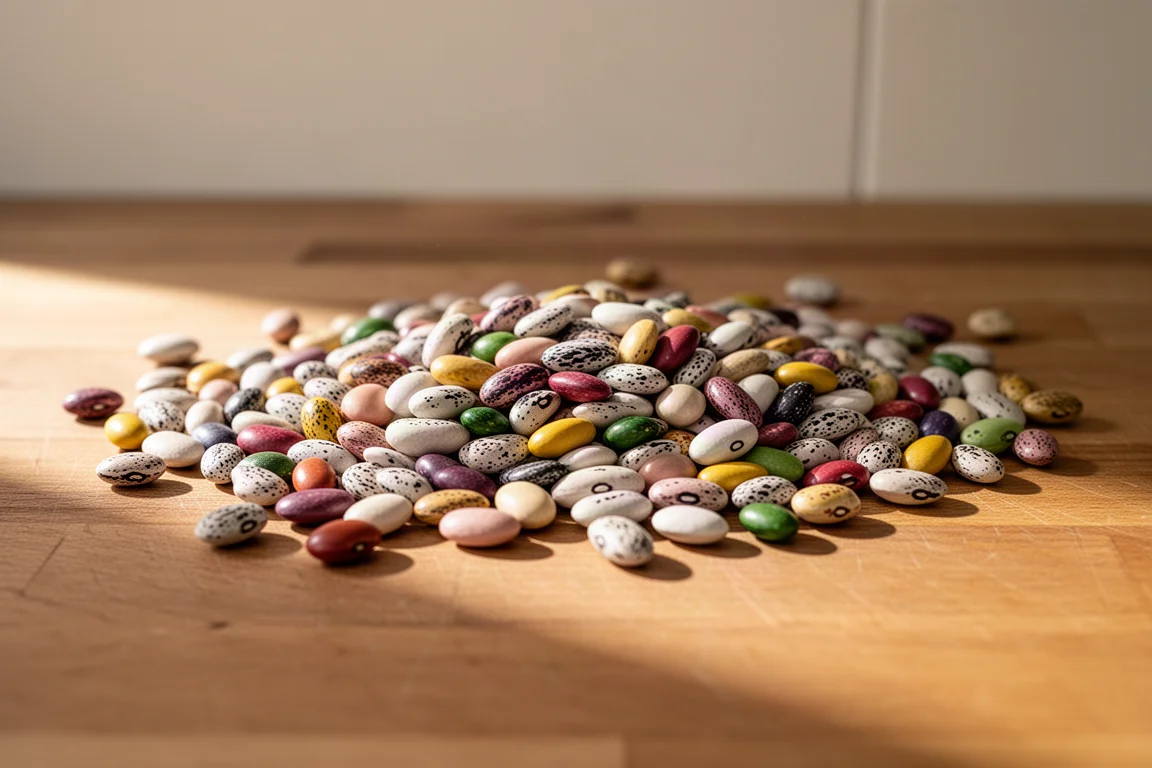
Heirloom beans are essentially the opposite of commodity beans. They are grown by small-scale farmers, often in small regions, and they are generally sold in the year they are grown. Commodity beans, by contrast, are often held until the price is right and can be three, four, or even five years old by the time you buy them, which makes them behave like super-dried beans.
Fresher beans mean faster cooking. If you use a recipe developed around commodity beans, an heirloom bean will typically cook quicker, so keep an eye on the pot. The flavor range is also far more interesting, with each variety bringing its own character tied to its color. And the texture is different too: heirloom beans tend to be melt-in-your-mouth creamy, while standard supermarket white or black beans lean more dense. There is no value judgment here, but the differences are real and noticeable.
North Bay Trading Company Christmas Lima Beans
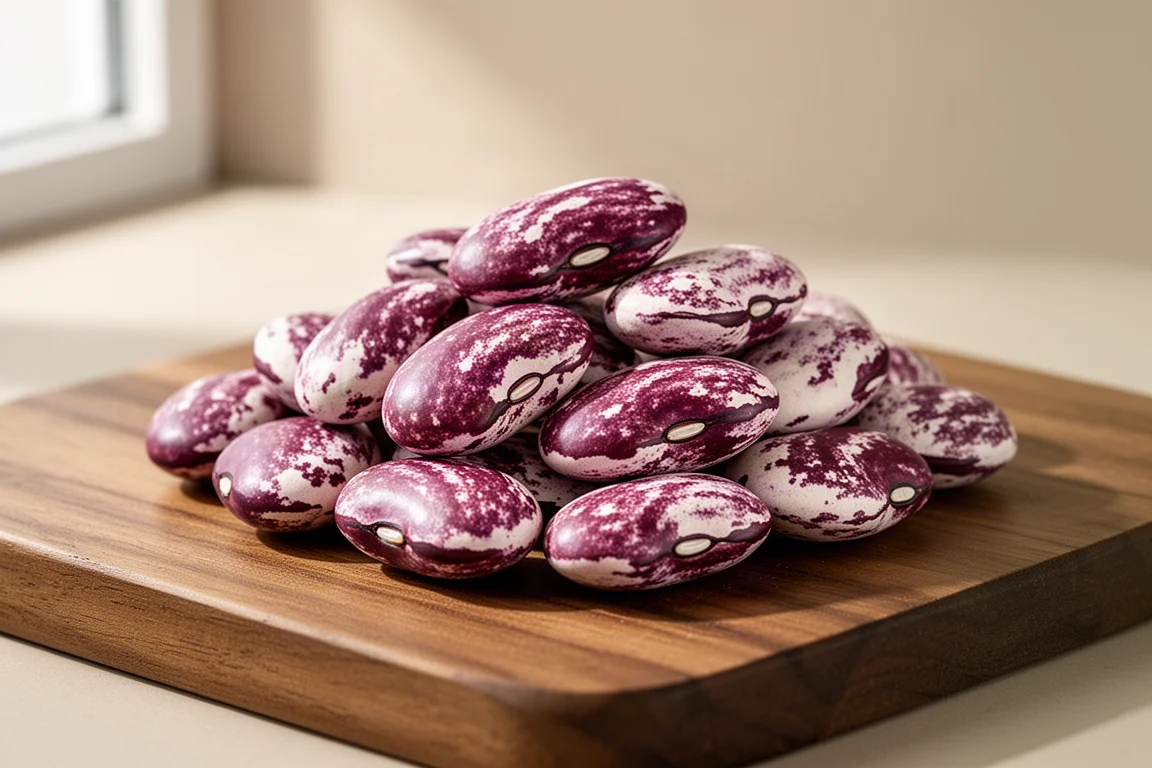
These beans from the Great Lakes are genuinely beautiful, with large, dramatically speckled skins. Flavor-wise they lean mushroom, vegetal, and grassy, which makes them a natural fit for a simple bean side dish where their character can carry the plate.
If you like beans that taste like where they came from, this is a strong starting point into heirloom varieties.
Rancho Gordo Mayocoba Beans
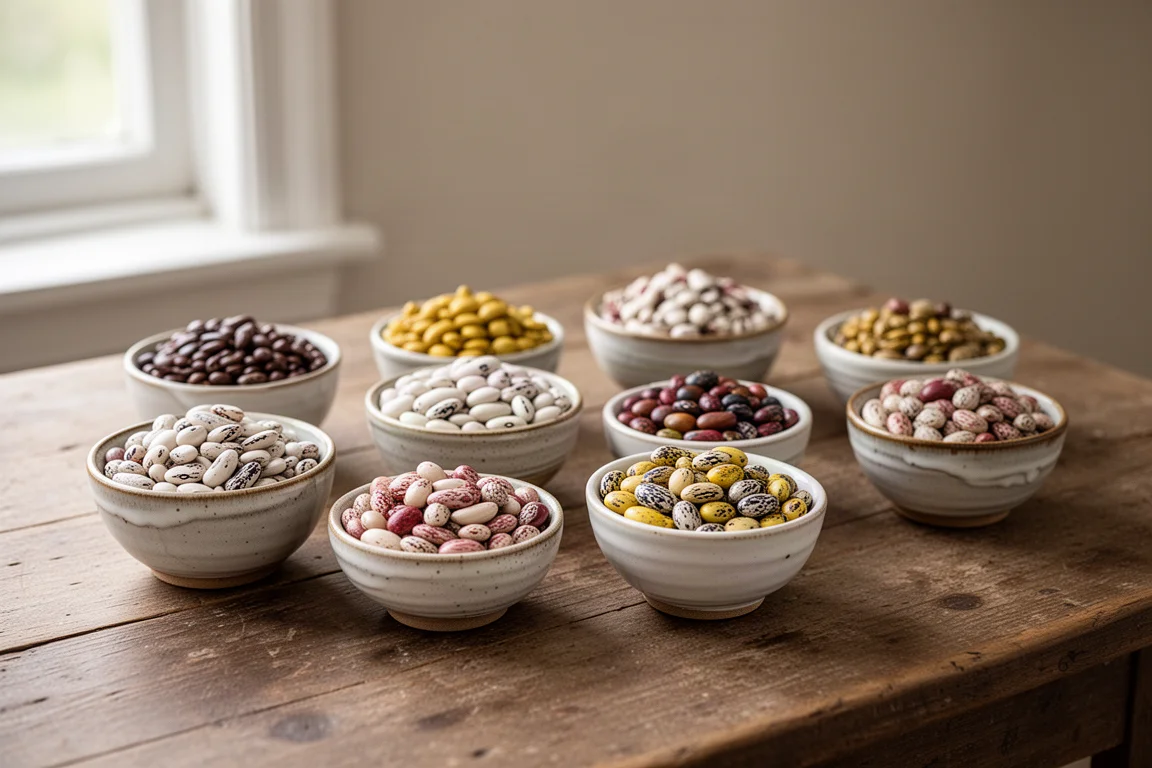
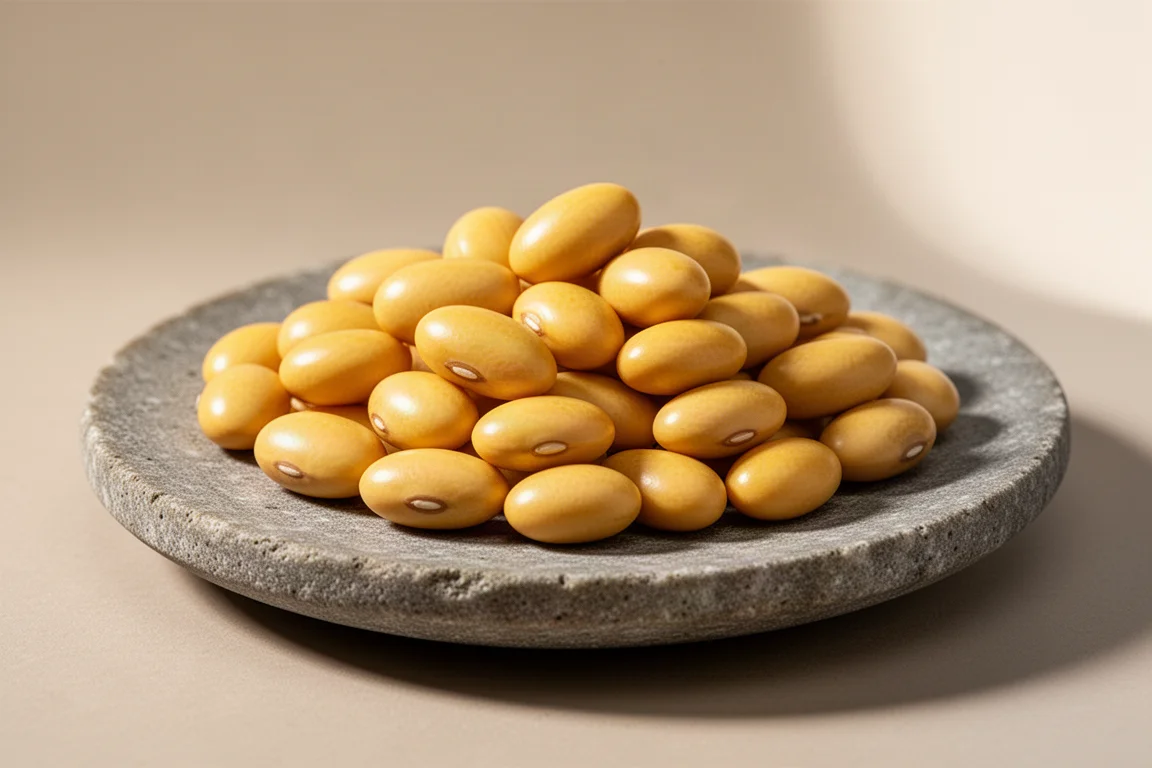
Rancho Gordo is probably the best-known name in the heirloom bean business, a California company that sources from small farmers on the west coast and in Mexico. Their Mayocoba beans deliver a striking flavor that has been described as candied bacon: cured-meat savory notes with a touch of sweetness.
That profile makes them an obvious choice for pasta e fagioli, where the beans can season the whole pot.
Rancho Gordo Royal Corona Beans
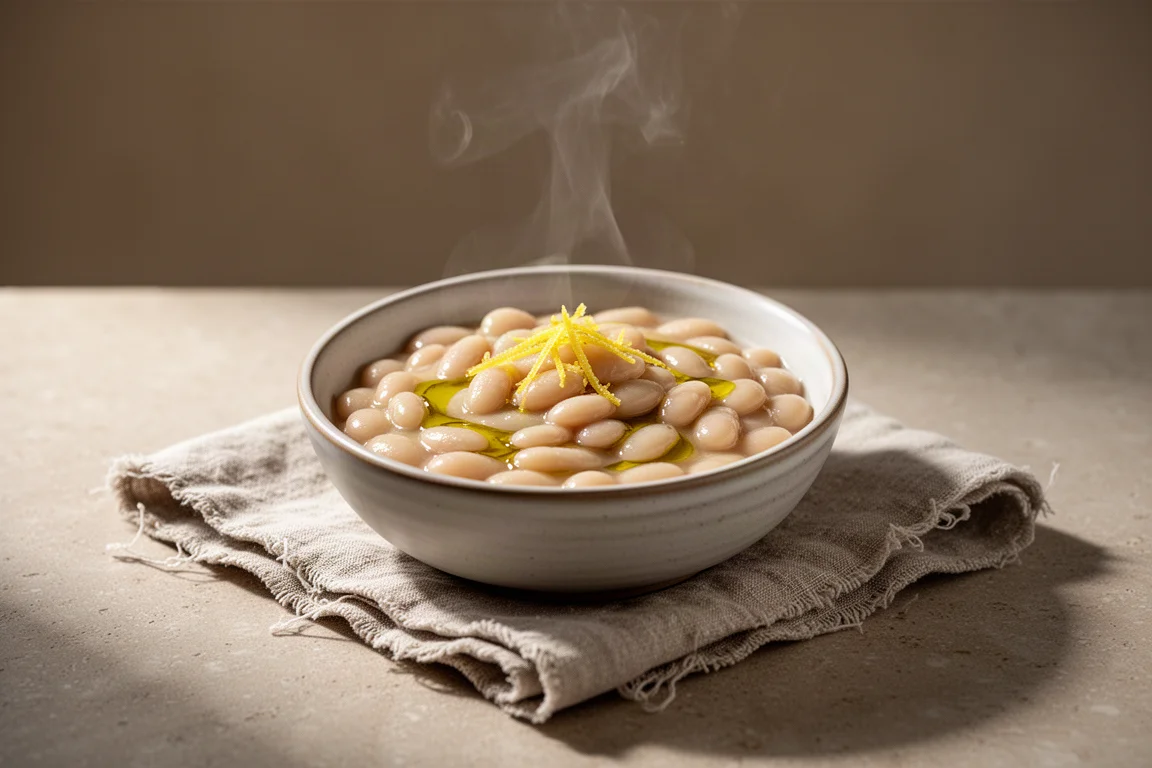
The big beans of the lineup, Royal Coronas are oversized, creamy, and carry a little nuttiness. The best way to serve them is also the simplest: do less. Olive oil, salt, and a squeeze of lemon juice are all they need, because the bean itself is the point.
These are absolutely delicious and arguably the most impressive-looking beans of the bunch once cooked.
Zursun Snowcap Beans
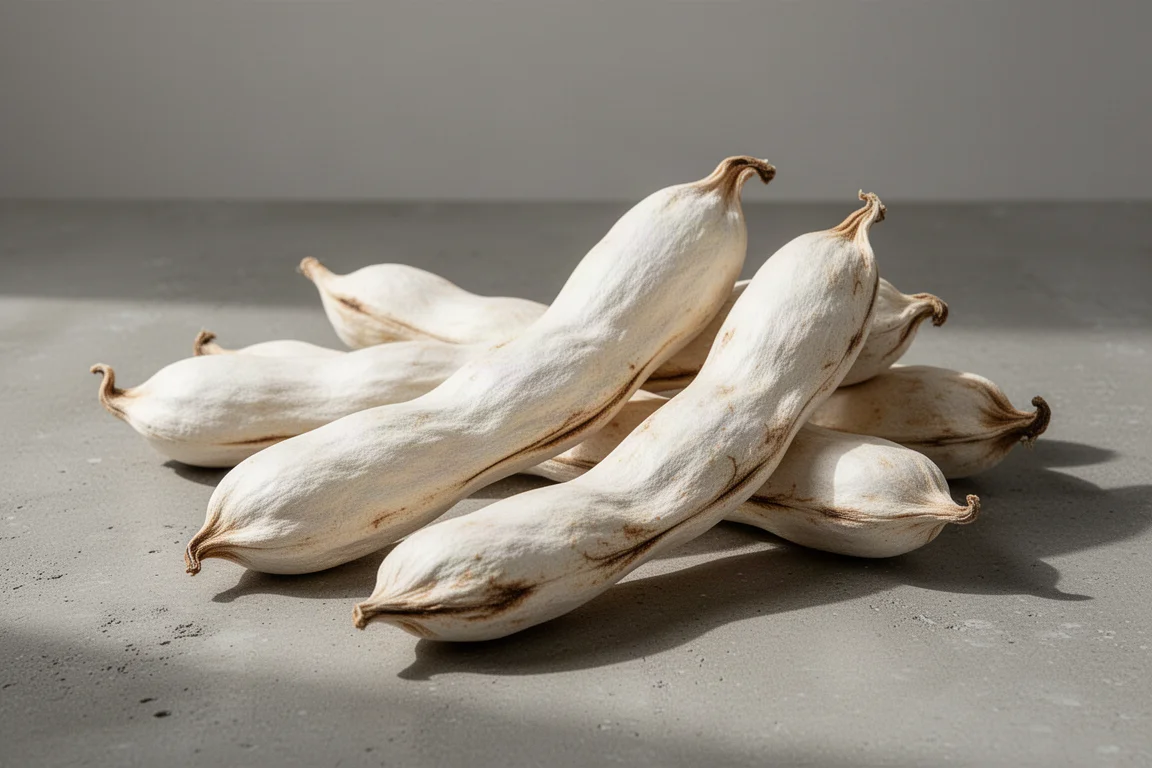
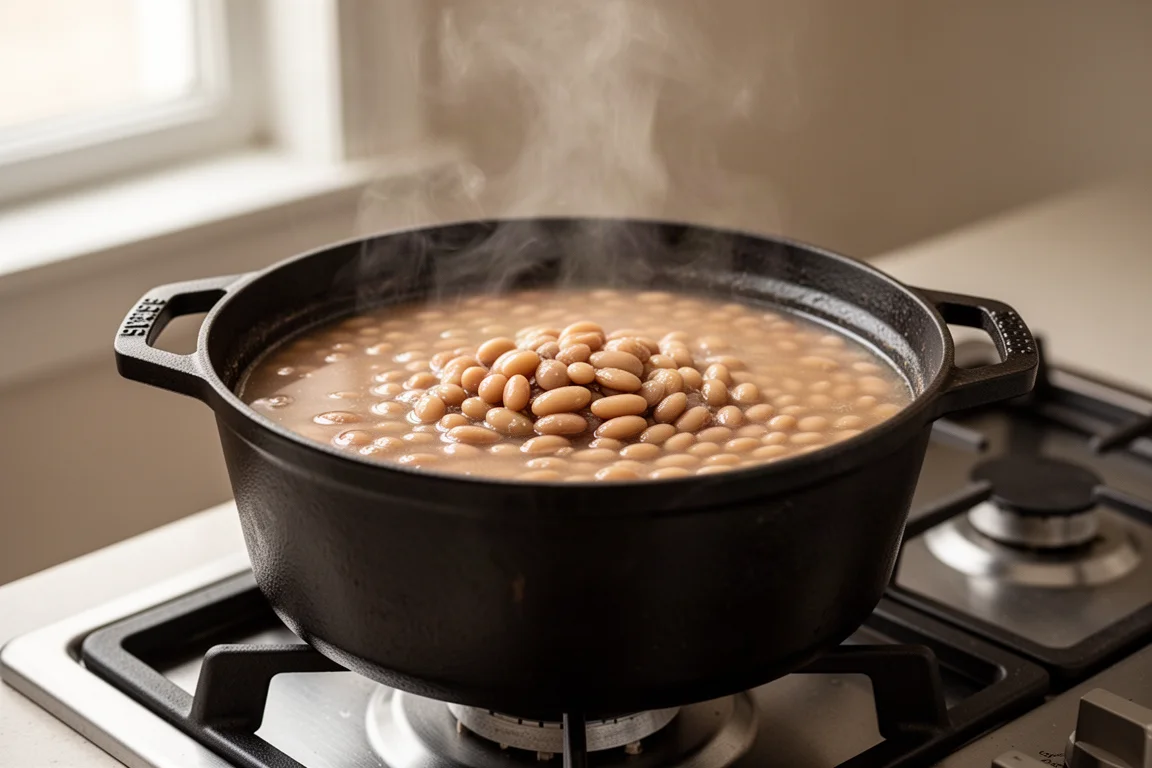
Coming from Idaho, Zursun’s Snowcap beans have a chestnutty flavor that sets them apart. One important note: they turn a little mealy if you undercook them, so cook them fully until they turn velvety and creamy, and they reward the patience.
Buying Advice
If you are new to heirloom beans, the practical takeaway is simple: adjust your cooking time downward, since fresher beans cook faster, and let the bean’s own flavor lead. The Christmas Lima suits simple side dishes, the Mayocoba earns a place in hearty soups and pasta dishes, the Royal Corona shines with minimal seasoning, and the Snowcap rewards careful cooking with a chestnutty, velvety result.
Conclusion
Heirloom beans deliver faster cooking, more interesting flavor, and a creamier, melt-in-your-mouth texture than typical supermarket beans. Any of these four is a worthwhile upgrade, and together they make a strong case that the humble pot of beans deserves better ingredients.
Further reading
Related Reviews
Pantry Staples
Best Canned Whole Tomatoes: 7 Brands Tested in a Simple Tomato Sauce
Seven brands of whole canned tomatoes went head to head in a simple tomato sauce to find out which ones actually deliver on flavor.
Pantry Staples
Best Gochujang 2026: Eight Korean Chili Pastes, Tasted and Ranked
We tasted eight gochujang brands plain and in tteokbokki to find the ones worth adding to your pantry, from supermarket staples to traditional artisan pastes.
Pantry Staples
Best Hoisin Sauce: Three Bottles Worth a Spot in Your Pantry
We compare three hoisin sauces side by side, from a gluten-free all-rounder to a smoky powerhouse, to help you pick the right bottle for glazes, dips, and stir-fries.