Trail Running Shoes
Hoka Tecton X4 Review: A Balanced Trail Super Shoe for Long Ultras
Hoka's pinnacle carbon plate trail shoe delivers a bouncy, protective ride for long, runnable ultras, with a few fit caveats worth knowing before you buy.
Introduction
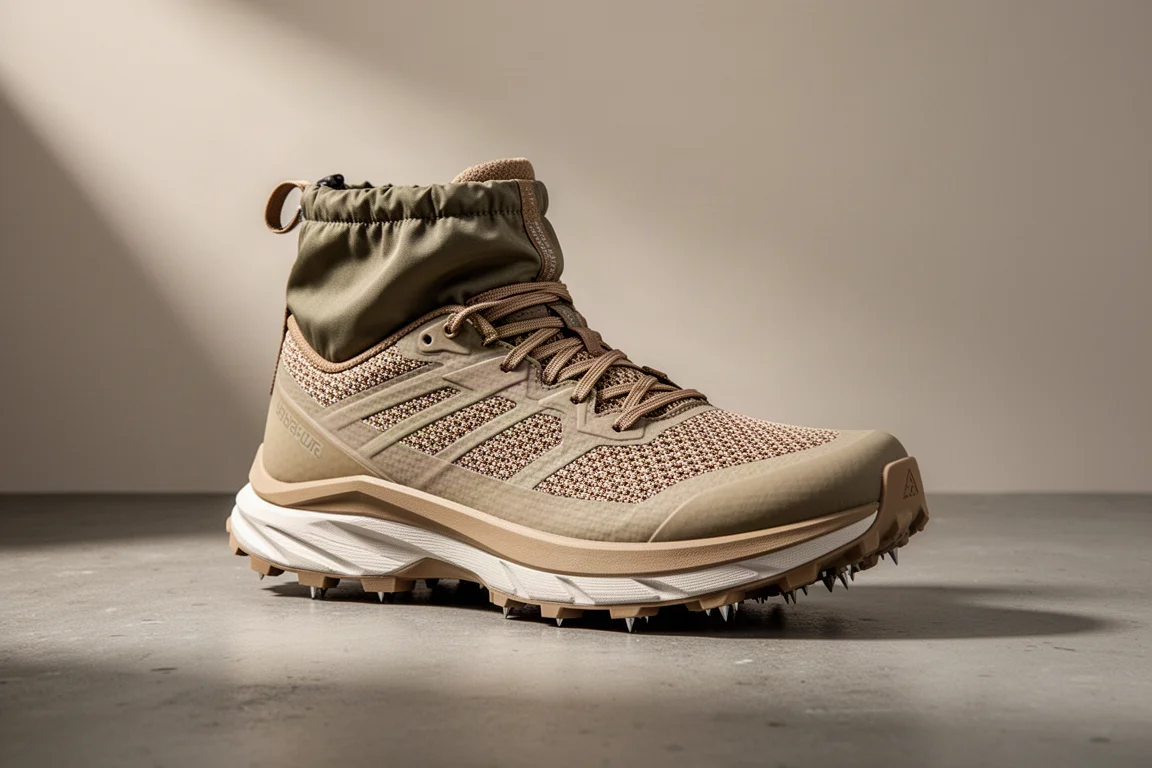
The Tecton X4 is Hoka’s pinnacle carbon plate trail shoe, pitched mainly at epic ultra-distance events on technical trails. It sits alongside the Rocket X Trail in the lineup, which targets slightly more runnable terrain. Pricing comes in at £220 in the UK and $275 in the US, and in a UK size 9 (US 9.5) it weighs 269g / 9.5 oz. Specs include a 5mm drop and a 40mm heel / 35mm forefoot stack in the men’s version.
Who the Tecton X4 Is For
These trail super shoes are a specialized breed: you really need to know the kind of runner you are and whether you will enjoy a high-stack shoe underfoot for long distances. The Tecton X4 treads that balance better than most. It is a fun, relatively light shoe with real bounce that does not feel too wild on trickier trails compared with some competitors. If you are running long ultras that mix runnable sections with the occasional technical stretch, it is a very strong candidate.

Fit and Sizing
The upper uses a woven matrix material with a built-in gaiter to keep debris out of the top of the shoe. It is soft and flexible, with supportive stiffening elements around the front, though it is not quite as rigid around the toe box as some trail shoes. There is no internal heel counter, and the rear of the upper is soft and pliable. Hoka includes a tongue pull but no heel pull, which makes the shoe slightly more fiddly to get on.
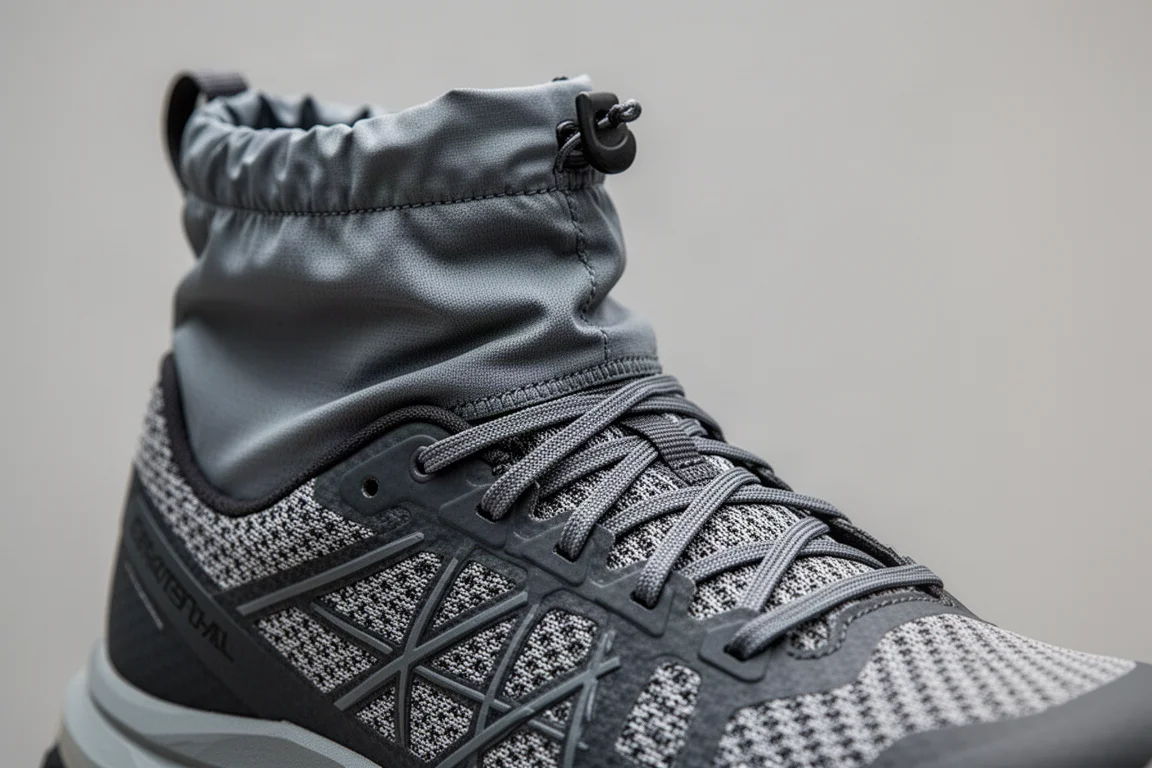
Sizing is the big caveat. The tester ran a UK 9 (US 9.5), half a size up from his usual Hoka size, and called that a smart choice. If you are between sizes, go for the larger one. Even at your normal size, it may be worth going half a size up to get more forefoot room, because toe clearance is close and steep descents can push your foot into the front of the shoe, which over long hours has real potential to bruise toenails. The heel collars around the gaiter are thin and offer little structure, so they can shift slightly and dig in when you tilt your ankle on uneven ground, something that could become noticeable deep into an ultra. The stretchy vamp, on the other hand, expands well across the toe knuckles and gives a spacious, ultra-friendly fit. Some forward slipping was noticed unless the laces were locked down tighter than usual.
How It Performs on the Trail
Over roughly 70km of testing across the Southwest Coast Path, the climbs and descents around Chamonix, and trails around Richmond Park plus Scottish routes near Loch Lomond, the Pentlands, and Arthur’s Seat, the shoe stayed true to the Hoka ride formula: smooth, efficient, and energetic. The dual-density Profly XPA midsole with parallel carbon plates (rather than one full plate) adds twisting flexibility for uneven ground, and a mild rocker keeps transitions rolling. The ride is bouncy and responsive with immediate return, and the more energy you put in, the more it gives back on runnable sections. It is not as soft and mushy as Hoka foam in shoes like the Cielo X1 3.0, and it swallows smaller lumps and bumps well while retaining some ground feel.
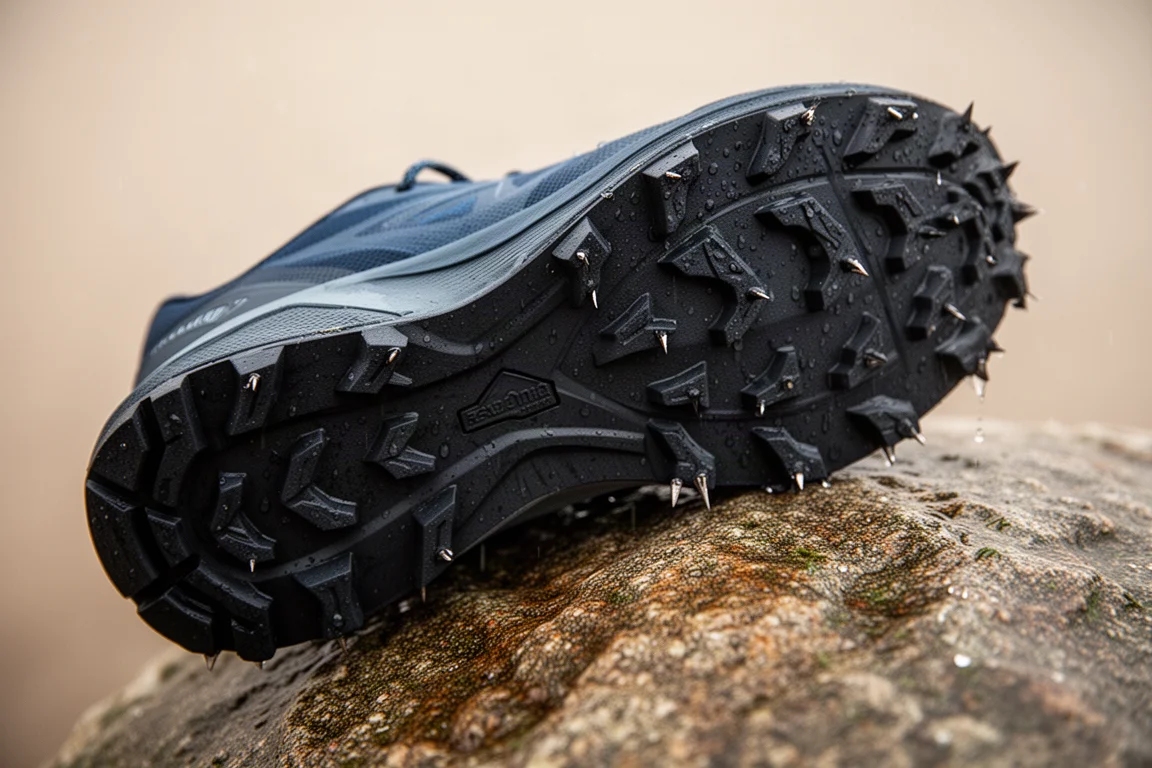
On more cluttered, technical ground, the wide platform became a challenge. On foot-wide coastal paths and heavily tree-rooted alpine sections, a more compact shoe would pick a line more easily, and heel-first landings on bumps could fire the foot slightly off course on descents. The shoe remains supportive enough on both sides of the foot that it does not feel squirrely coming down trails at speed, though it is wobblier than a lower, firmer shoe like the Hoka Speedgoat 7. The Vibram Megagrip outsole with traction lugs gripped well on wet roads, wet rocks, and soft ground, but the 4mm lugs are broad rather than deep, so they are not built for really muddy, soft conditions.
Buying Advice
If you bought into the trail super shoe trend and want a springy midsole with a balanced, protective ride for very long days on foot, the Tecton X4 is one of the best-balanced options around. Compared with rivals like the Adidas Terrex Agravic Speed Ultra or ASICS Metaspeed line, it trades a little of that road-super-shoe pop for a stronger feeling of security when the trail gets uncertain. The Brooks Cascadia Elite leans further toward control but has less midsole energy, and the ASICS Metaspeed Fuji Trail 2 is nimbler and higher-energy but not as stable. For flat, clearer, non-rutted stretches of an ultra, this shoe delivers protection, pop, and fun without straying far from the Tecton DNA.
If you would rather have more ground feel and stability at a lower price, traditional shoes like the Merrell Agility Peak 5 or Hoka Speedgoat 7 remain sensible alternatives, but for long-haul ultra comfort in a super shoe, the Tecton X4 is a very effective package.
Conclusion
The Tecton X4 refines what made the X3 good, with an improved upper and a slight weight drop, delivering a propulsive, fiery ride that still feels controlled. Go half a size up, expect a shoe built for long runnable ultras rather than gnarly technical ground, and you get one of the most well-rounded trail super shoes available.
Product link
View more details for Hoka Tecton X4
This product is mentioned in the review. Check the specifications, options, and compatibility before buying.
View more details for Hoka Tecton X4Further reading
Related Reviews
Trail Running Shoes
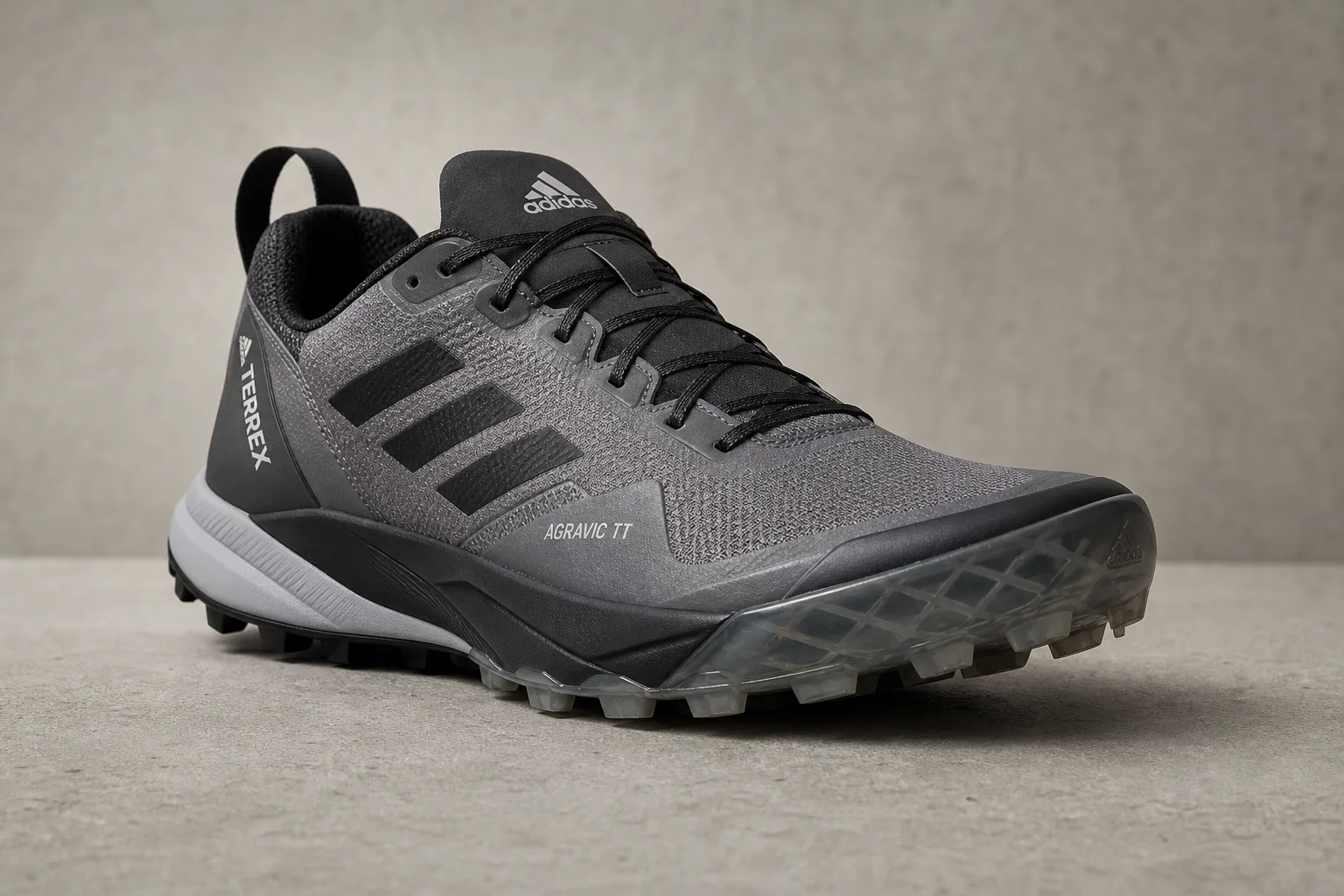
Adidas Terrex Agravic TT Review: A Technical Trail Shoe Built for Rocky Terrain
The Adidas Terrex Agravic TT combines a full-coverage rock plate with a firmer midsole to deliver protection and stability on technical, rocky trails. A capable choice for runners who prioritize underfoot defense over lightweight cushioning.
Trail Running Shoes
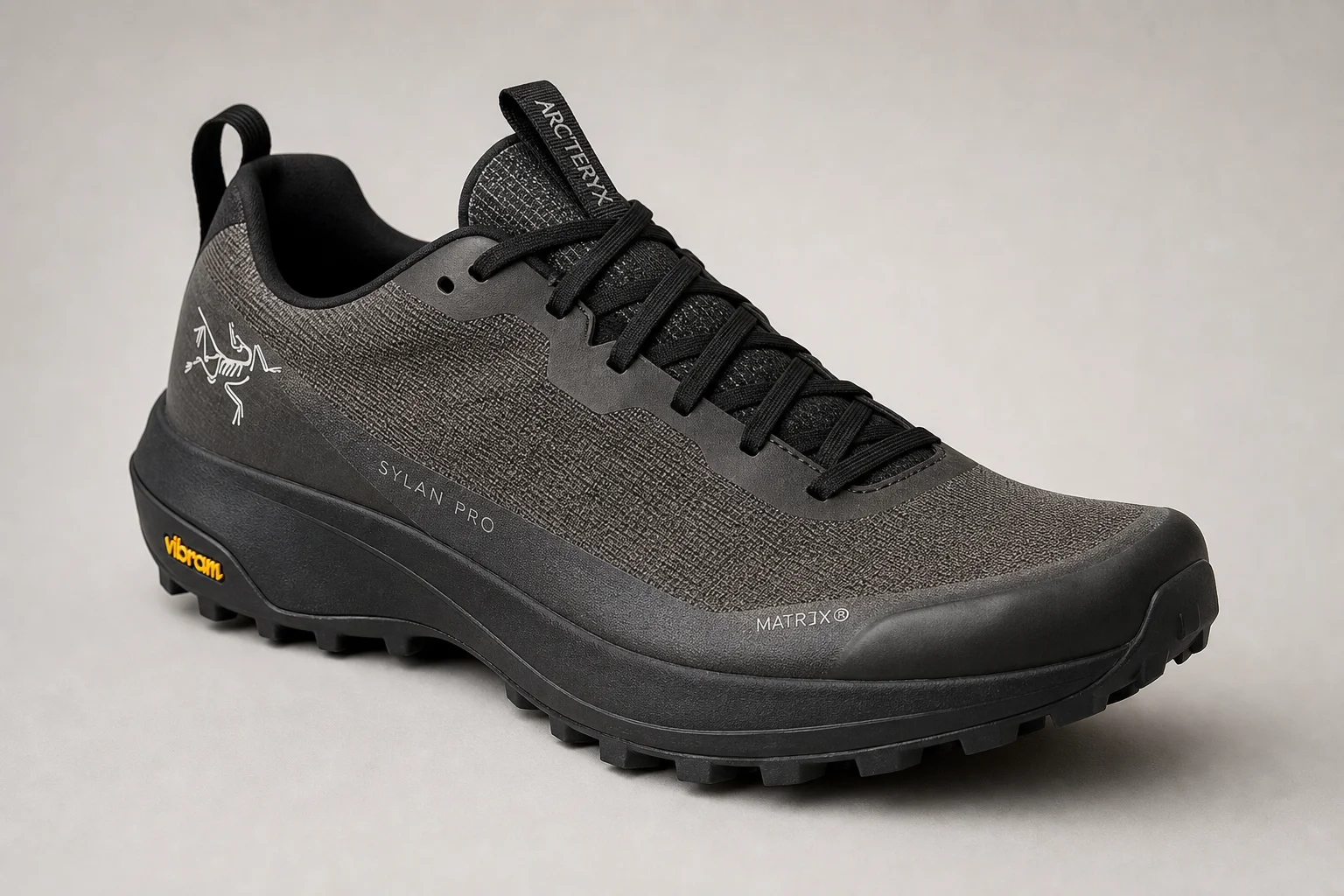
Arc'teryx Sylan Pro Review: A Rocker-Focused Mountain Running Shoe Tested on 20 Miles
The Arc'teryx Sylan Pro brings a pronounced rocker geometry and secure fit to mountain terrain. We tested it on a 20-mile Sawtooth loop to evaluate its climbing efficiency, protection, and handling of technical descents.
Trail Running Shoes
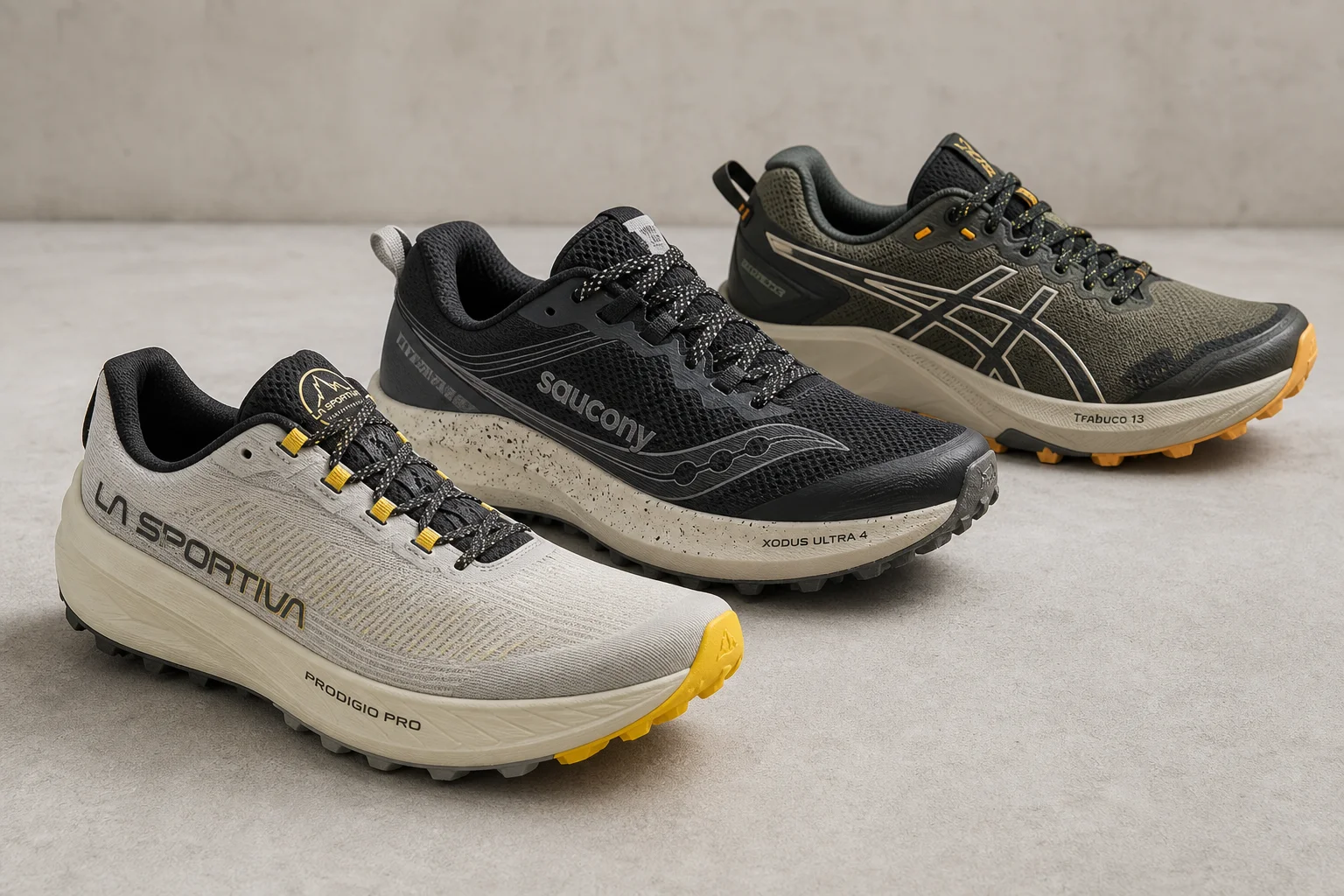
Best All-Mountain Trail Running Shoes: Three Versatile Options for Any Trail
A focused roundup of three all-mountain trail running shoes that handle technical terrain, long distances, and variable conditions with real strengths and practical trade-offs.