Trail Running Shoes
Hoka Tecton X3 vs Speedgoat 6: Two Trail Shoes With Very Different Personalities
Hoka's Tecton X3 and Speedgoat 6 have both been seriously overhauled, and they now make very different cases for your trail miles. Here is how they compare after time in both.
Introduction
Past generations of the Hoka Speedgoat and the Tecton X shared a lot of design DNA, so choosing between them was often an either-or decision. That has changed. Both shoes have been seriously overhauled, and the rides are now distinct enough that there is an argument both could earn a place in the same rotation.
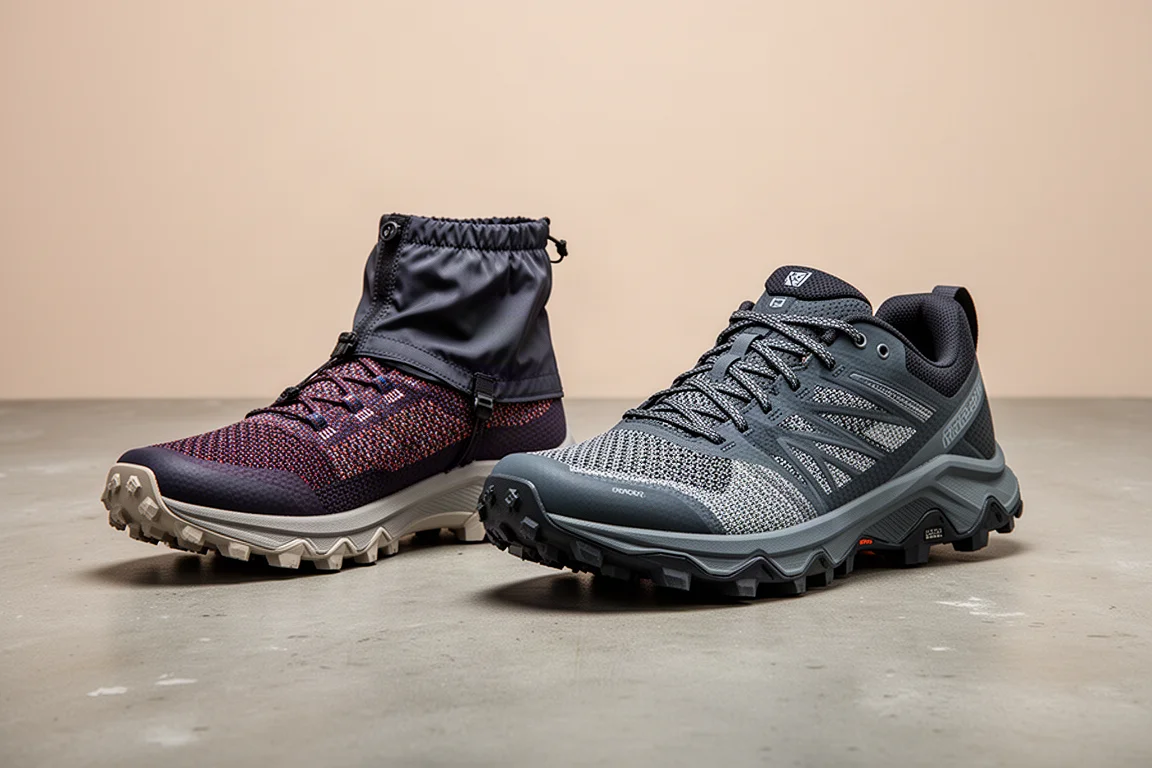
The Speedgoat 6 is a refinement of the Speedgoat 5, a reliable workhorse with subtle updates. The Tecton X3, on the other hand, is something quite new: a whole new look with a gaiter-style upper, a punchier dual-layer PeBA midsole, and a noticeably more aggressive, faster ride. Having run serious test miles in both, here is how they stack up.
Quick Specs: Stack, Weight and Price
In the men’s versions, the Speedgoat 6 and Tecton X3 share the same stack height: 40mm in the heel and 35mm in the forefoot. In the women’s, the Tecton X3 packs 1mm extra under the foot. Both shoes have a 5mm drop.
The Speedgoat 6 weighs 10 oz (283g) in a UK men’s 8.5 test shoe, while the Tecton X3 comes in slightly lighter at 9.6 oz (273g). Price is where they really diverge: the Speedgoat 6 costs £140 in the UK or $155 in the US, while the Tecton X3 lands at a considerably punchier £220 or $275.

Uppers and Fit: Gaiter Collar vs Classic Trail Build
The Tecton X3’s most notable changes come up top. Its new flexible matrix upper features an extended gaiter-like collar for a one-piece bootie fit, and the heel package has far less structure than the Speedgoat: barely any heel counter, with padding limited to two race-style internal pads.
The Speedgoat 6’s overhaul is subtler. It gains a lighter engineered woven upper with an internal support chassis for improved hold, along with a more traditional medium-padded heel collar, a stiffer heel counter with an external heel clip, and a wrapping gusseted tongue. Both shoes have stretchy “dynamic vamp” panels across the top, though the Speedgoat’s is smaller and less flexible than the Tecton’s, which could be a factor for foot swell on ultras.
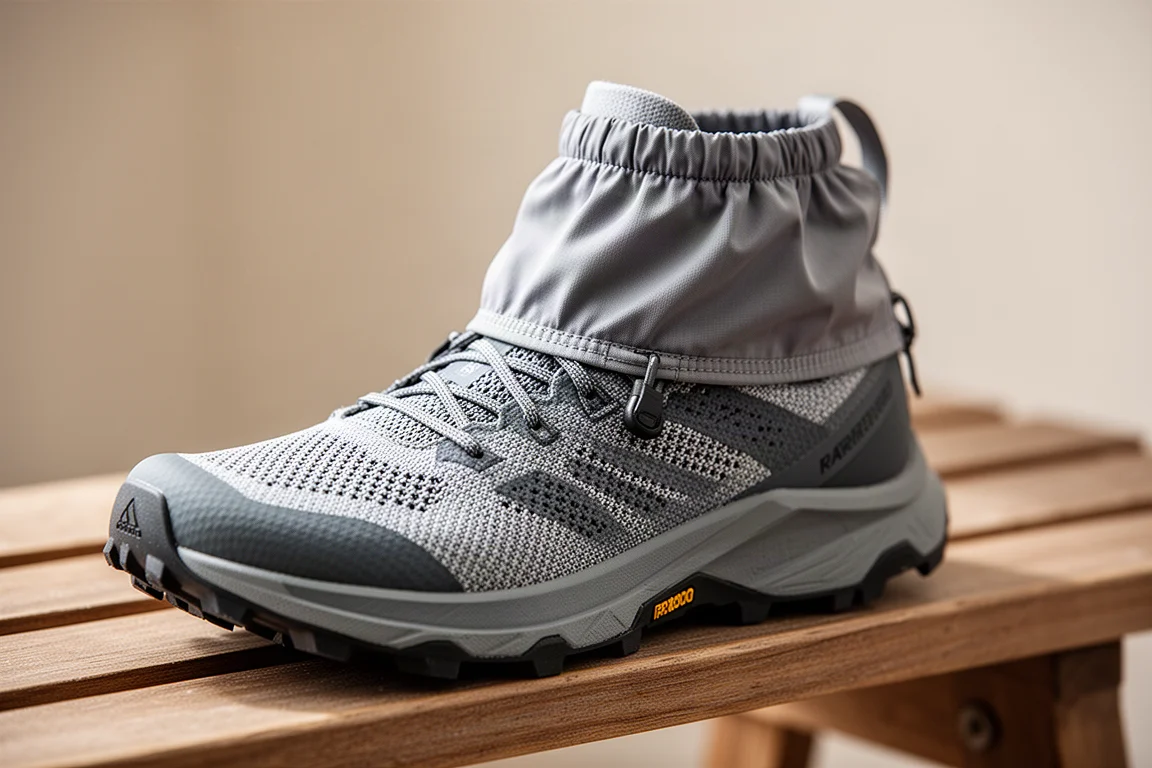
On fit, both shoes feel classically Hoka: snug, fairly narrow toe boxes with excellent hold across the midfoot and heel. If you like wiggle room in a trail shoe, consider going half a size up or looking for a wide option. The tester’s worry that the Tecton X3’s gaiter would be annoying proved unfounded; the collar has plenty of stretch, makes the shoe easy to get on, and feels cozy once in place. The one caveat is heel support: if you need a more structured heel collar, the Speedgoat 6 is the safer bet.
Midsole and Ride: Bouncy PeBA vs Stable EVA
This is where the two shoes diverge most. The Tecton X3 deploys a dual-layer PeBA foam with winged parallel carbon fiber plates designed to enhance stability, giving it a lively, energetic, bouncy ride. The Speedgoat 6 uses a new compression-molded EVA formula that is lighter and aims to be more responsive and durable, but it is a level below the PeBA in both comfort and bounce.
The Tecton X3 is markedly better for running at tempo on less technical, more attackable off-road, and its softer midsole is very protective for long days: after an up-and-down run in Scotland with lots of descents, legs felt remarkably good in the days after, where the Speedgoat’s standard EVA left quads feeling shredded after a similarly hilly effort on rockier terrain.

The trade-off is stability. The Speedgoat 6 is a very reliable shoe you can land on anywhere, catching the edge of things without being moved around too much. The Tecton’s softer foam is less stable, noticeable late in long runs when tired feet start drifting on cambers. It is probably fine for experienced mountain runners, but for most people the Speedgoat is the safer shoe. The Tecton’s rocker is also marginally steeper and more speed-focused.
Outsole and Grip
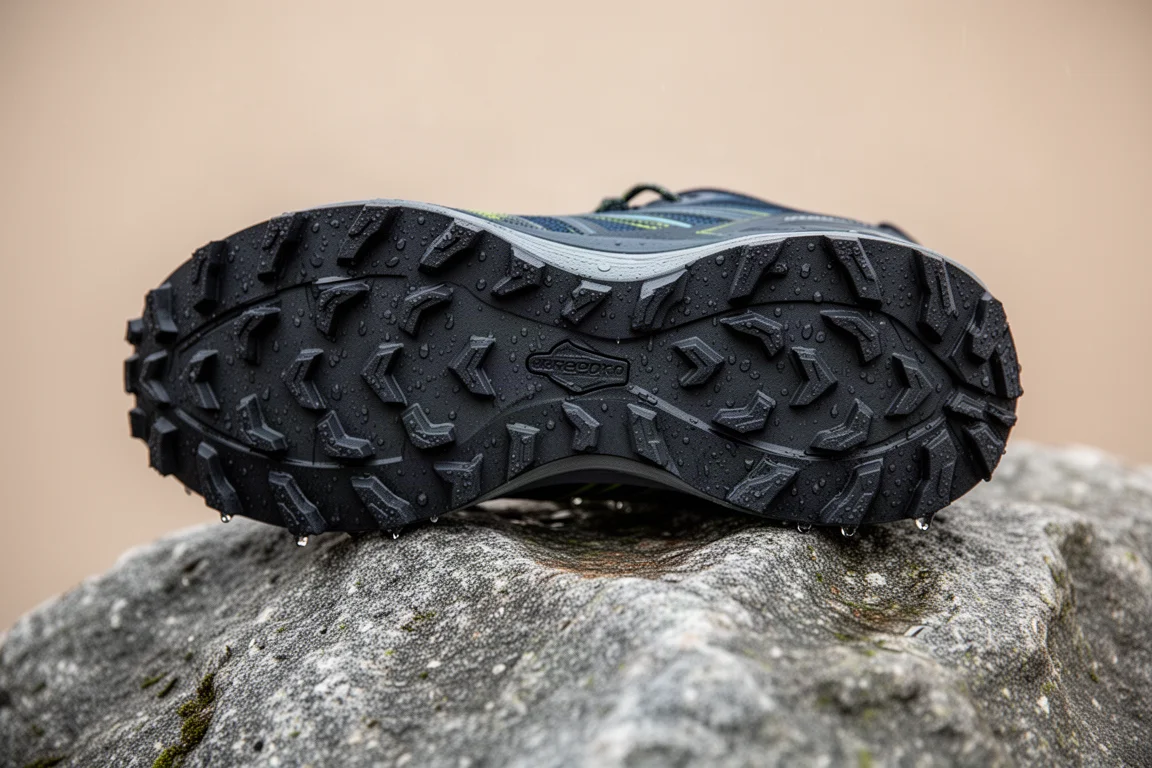
The Speedgoat 6 sticks with Vibram Megagrip rubber, now with 5mm multi-directional lugs in an updated pattern. The Tecton X3 uses a Vibram Megagrip Litebase outsole with shallower 4mm lugs that appear built more for rocky surfaces and long runs with hard or road sections, as you might face in ultras.
On soft ground, the Speedgoat’s slightly more piercing lugs have more bite, which matters for runners who spend time in mud. The Tecton still grips a very wide range of surfaces well; it simply is not quite as comfortable on soft ground.
On the Trail: How They Run
The Speedgoat 6 treads the line between road and trail really well. It is great on compact, runnable, groomed off-road, but it can handle more technical terrain too. It is protective and connected, with enough precision on the platform for technical ground and enough cushion to eat up a mix of road and trail over the long haul. It is a workhorse trail shoe that lets you amble or attack, and it is the kind of shoe you could happily take on a longer trail ultra.
The Tecton X3 is a wilder, livelier, more fun shoe. It performs brilliantly on runnable off-road where you want agility, grip and protection while moving with freedom. But on steeper, trickier descents it wanted a bit more control; it can be a little too punchy and aggressive for less confident downhill runners on demanding terrain.
Which One Should You Buy?
The Tecton X3 is a better shoe in many ways, particularly in the midsole, but it is not as stable and you have to take more care running in it. It is also a very expensive shoe with a specific plan in mind: epic races on mixed terrain and massive ultras where it truly excels. If you are an experienced trail runner who can handle the slight instability and will take it up and down mountains, it is the shoe to go for, and probably worth the extra outlay.
The Speedgoat 6 is the better option for nearly everyone else: more practical, cheaper, and dependable on all terrains for all levels of runner. It is responsive, well balanced, works across the pace spectrum and most distances, and is an accessible pick if you are new to trails. One money-saving note: the Speedgoat 5 is quite similar and should be available on sale, so it is worth a look.
Conclusion
Both of these are genuinely good trail shoes. The Tecton X3 is the more exciting of the two, with a bouncier, livelier ride and better long-run protection, but it demands experience, confidence and a bigger budget. The Speedgoat 6 is the dependable all-rounder: comfortable, light and nimble, with excellent grip and no surprises. If you must choose one, the Speedgoat 6 caters to the miles most runners actually cover; if you want a racy edge for runnable adventures you can really attack, the Tecton X3 delivers.
Product link
View more details for Hoka Speedgoat 6
This product is mentioned in the review. Check the specifications, options, and compatibility before buying.
View more details for Hoka Speedgoat 6Further reading
Related Reviews
Trail Running Shoes
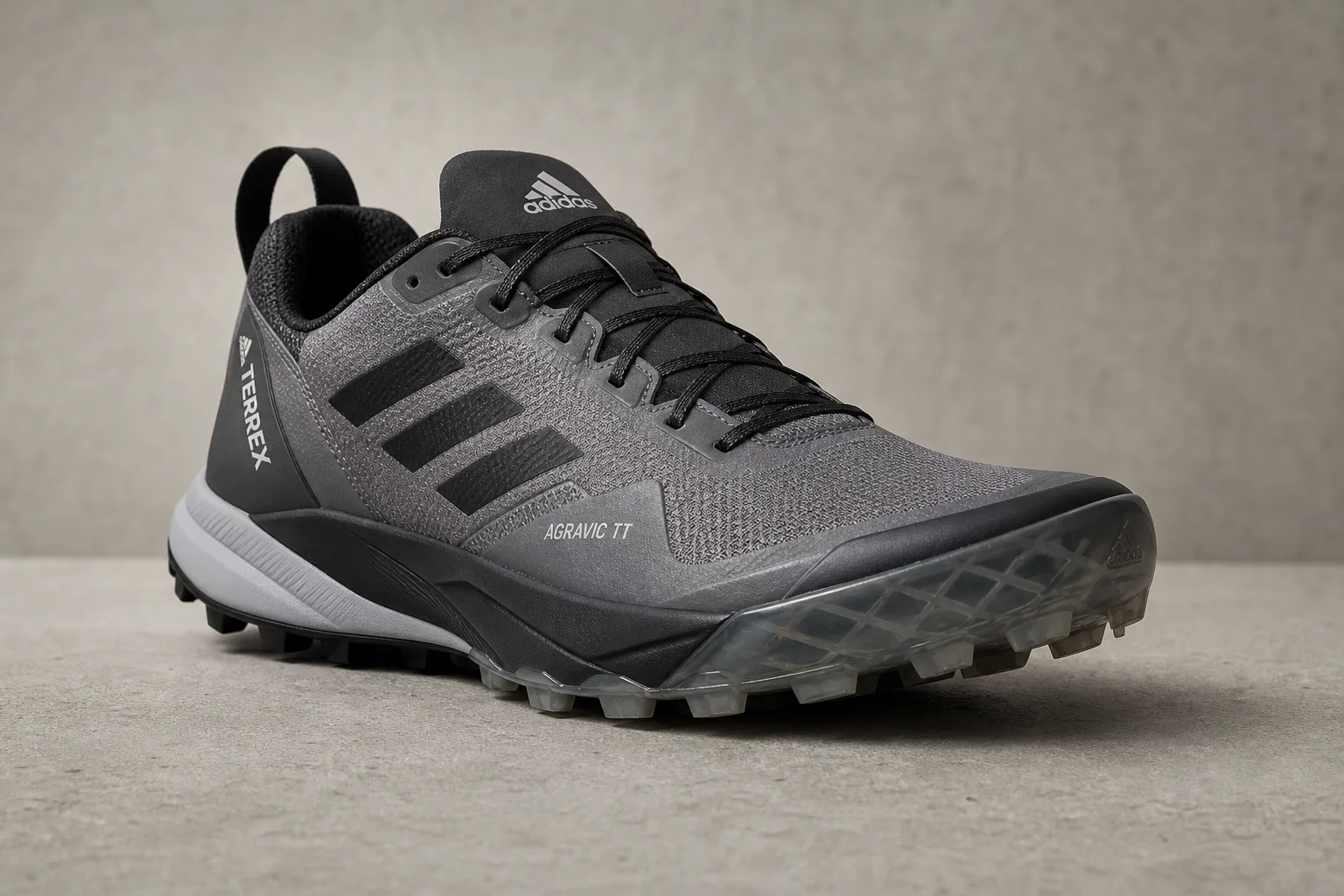
Adidas Terrex Agravic TT Review: A Technical Trail Shoe Built for Rocky Terrain
The Adidas Terrex Agravic TT combines a full-coverage rock plate with a firmer midsole to deliver protection and stability on technical, rocky trails. A capable choice for runners who prioritize underfoot defense over lightweight cushioning.
Trail Running Shoes
Arc'teryx Sylan Pro Review: A Rocker-Focused Mountain Running Shoe Tested on 20 Miles
The Arc'teryx Sylan Pro brings a pronounced rocker geometry and secure fit to mountain terrain. We tested it on a 20-mile Sawtooth loop to evaluate its climbing efficiency, protection, and handling of technical descents.
Trail Running Shoes
Best All-Mountain Trail Running Shoes: Three Versatile Options for Any Trail
A focused roundup of three all-mountain trail running shoes that handle technical terrain, long distances, and variable conditions with real strengths and practical trade-offs.