Trail Running Shoes
Hoka Tecton X2 vs Tecton X: Race-Tested Carbon Trail Shoes Compared
We put the Hoka Tecton X2 through a muddy 26-mile trail marathon and stacked it against the original Tecton X. Here is how the two carbon-plated trail shoes differ and who each one suits.
Introduction
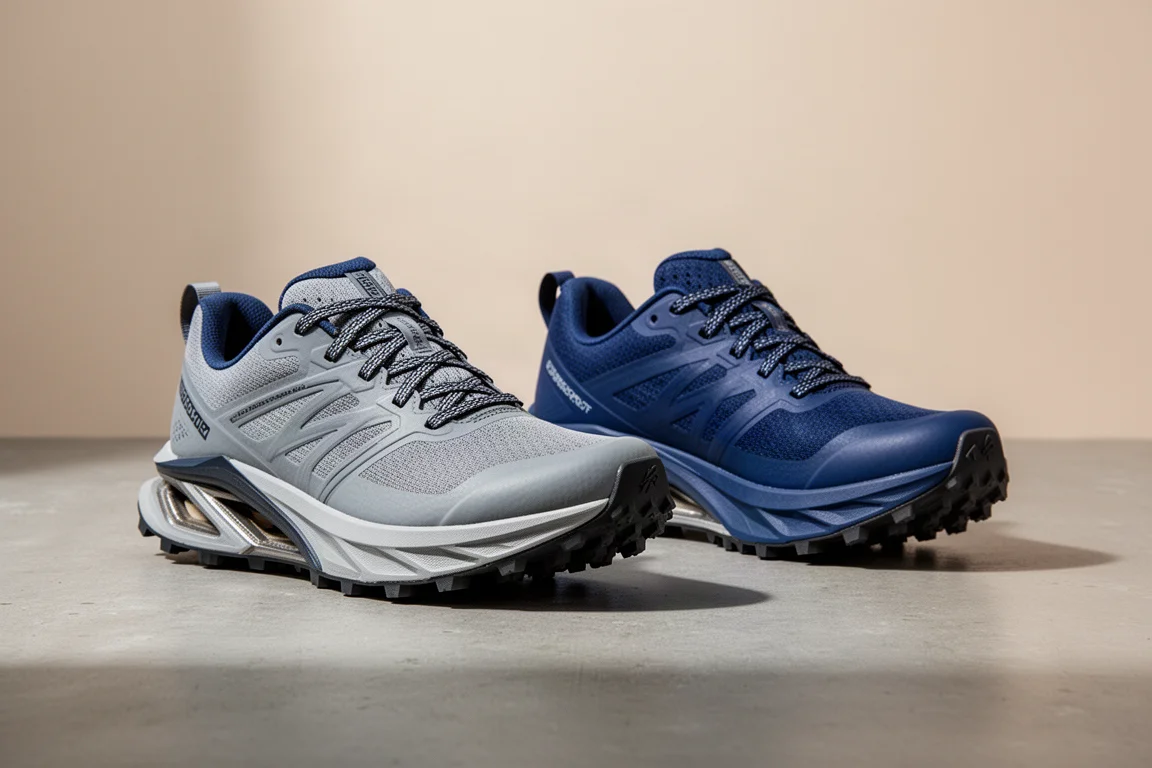
Hoka’s Tecton X line brought carbon plates to trail running, and the second generation refines a formula that already worked. After putting the Tecton X2 through a 26-mile trail marathon in genuinely sloppy conditions, we have a clear picture of what these shoes do well, where they struggle, and how they differ from the original Tecton X.
Race Test: 26 Miles of Mud, Rock and Tarmac
The test was a trail marathon with roughly 3,000 meters of elevation change, featuring steep climbs, rocky cliff paths, wet stone, tree roots, fields, and long stretches of tarmac. Fresh out of the box, the Tecton X2 held up well: comfort was good from the first mile, the cushioning soaked up lumps and bumps, and there were no blisters or hot spots by the finish.

The main compromise showed up in the sloppiest sections. On slippy mud and wet rock, traction felt just short of fully confident, and picking a careful line was necessary at times. That said, plenty of runners in other shoes were slipping far worse on the same day.
Midsole, Plate and Outsole: What Carries Over
Comparing the two generations, the midsole is essentially unchanged. Both use the same large stack of ProFLY X foam with parallel carbon plates, at 30mm heel and 25mm forefoot for the women’s shoe and 32mm/27mm for the men’s, keeping the same 5mm drop.
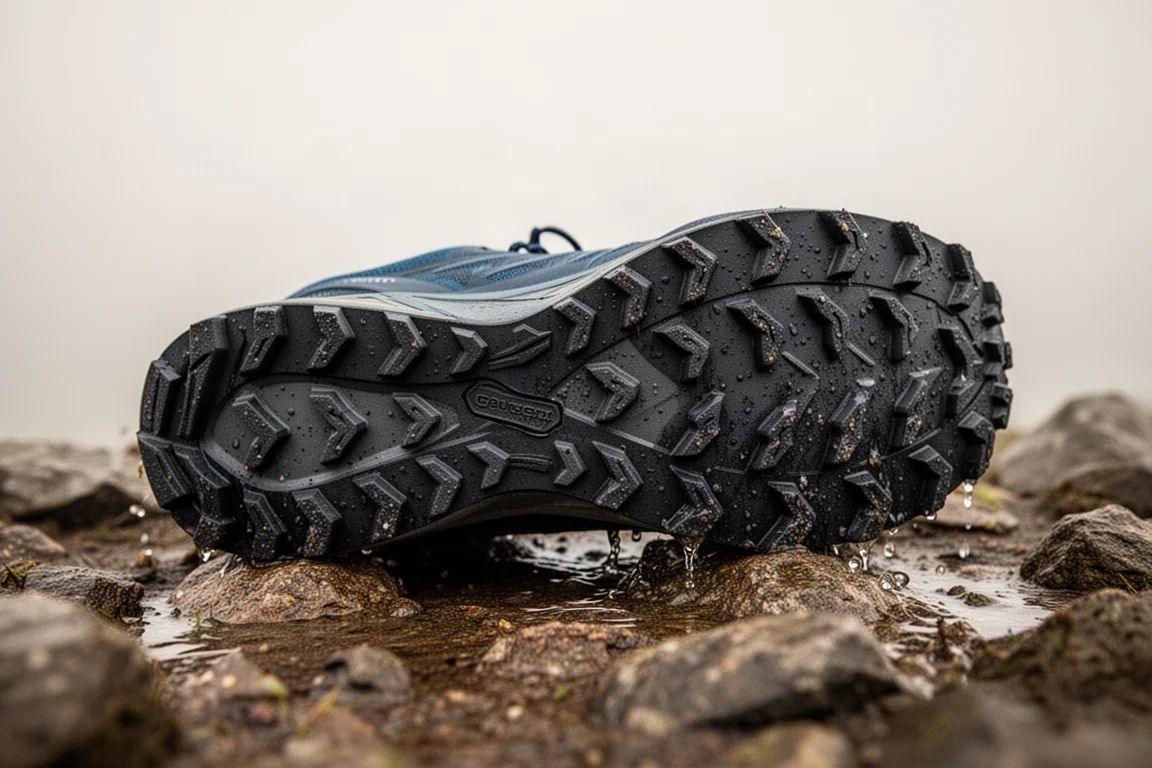
The outsole is identical too, with the same traction pattern and Vibram Megagrip rubber. What is new is the upper: Hoka calls it MatrX, a hydrophobic material that dries faster and offers a bit more water protection while staying structured. The feel on the foot is otherwise very similar.
Weight and Price Differences
The Tecton X2 is slightly heavier than the original, at 8.8 ounces (252g) versus 8.5 ounces (240g). It is also more expensive, moving from $220 to $225 in the US and from £175 to £185 in the UK.
Fit and Comfort: The Classic Hoka Feel
The fit is the familiar Hoka shape: a slightly narrower, tighter feel across the top of the midfoot, with just enough room in the toe box. If you prefer a roomier forefoot, consider going up half a size.
The revised lacing structure helps here, with laces that no longer run quite so low across the toes, freeing up a little more movement over the top of the foot. Out of the box at 26 race miles, lockdown was secure with no blistering or hot spots.
Hoka Tecton X2
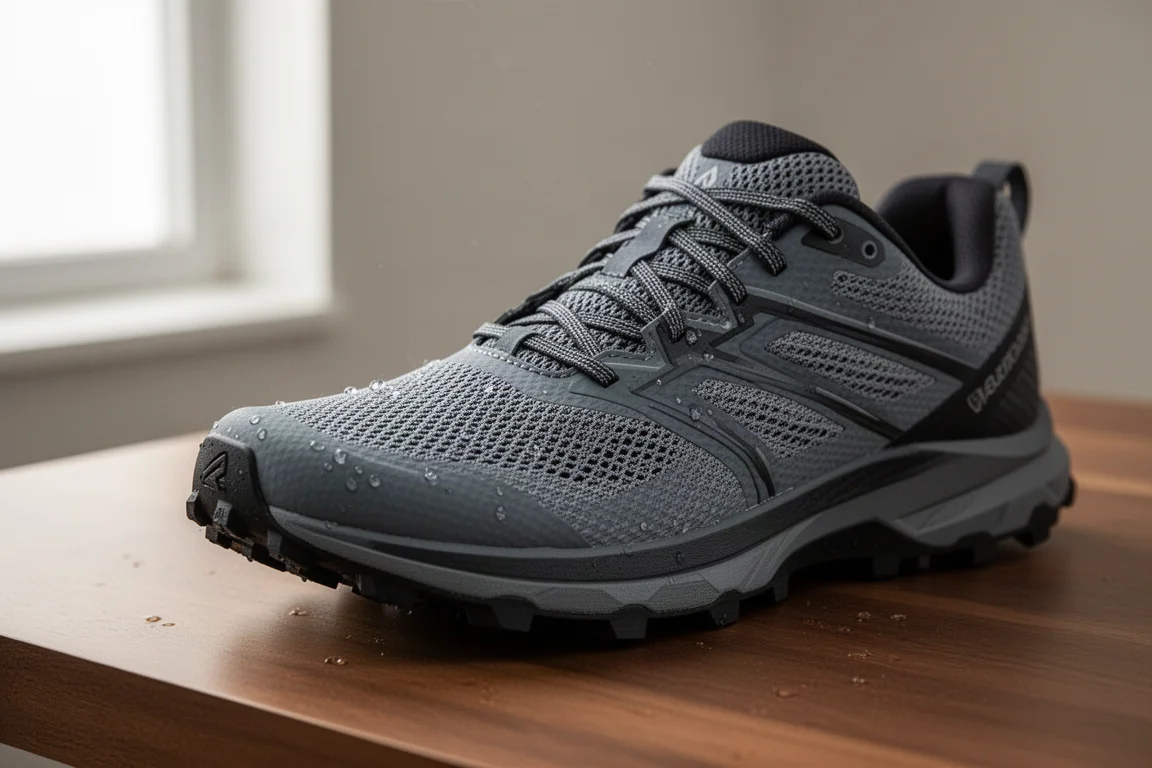
The Tecton X2 is a punchy, lively trail shoe with plenty of cushioning and a noticeable spring from the foam-plus-carbon-plate combination. It runs remarkably well on tarmac, performing close to many dedicated road shoes, and it rewards firm, compacted terrain and mixed road-and-trail courses where the plate propulsion can actually be used.
The trade-off is ground feel. The big, soft stack puts a layer between you and the trail, so if you prefer a firmer, more direct shoe with maximum connection to the ground, this is not the right choice.
Hoka Tecton X
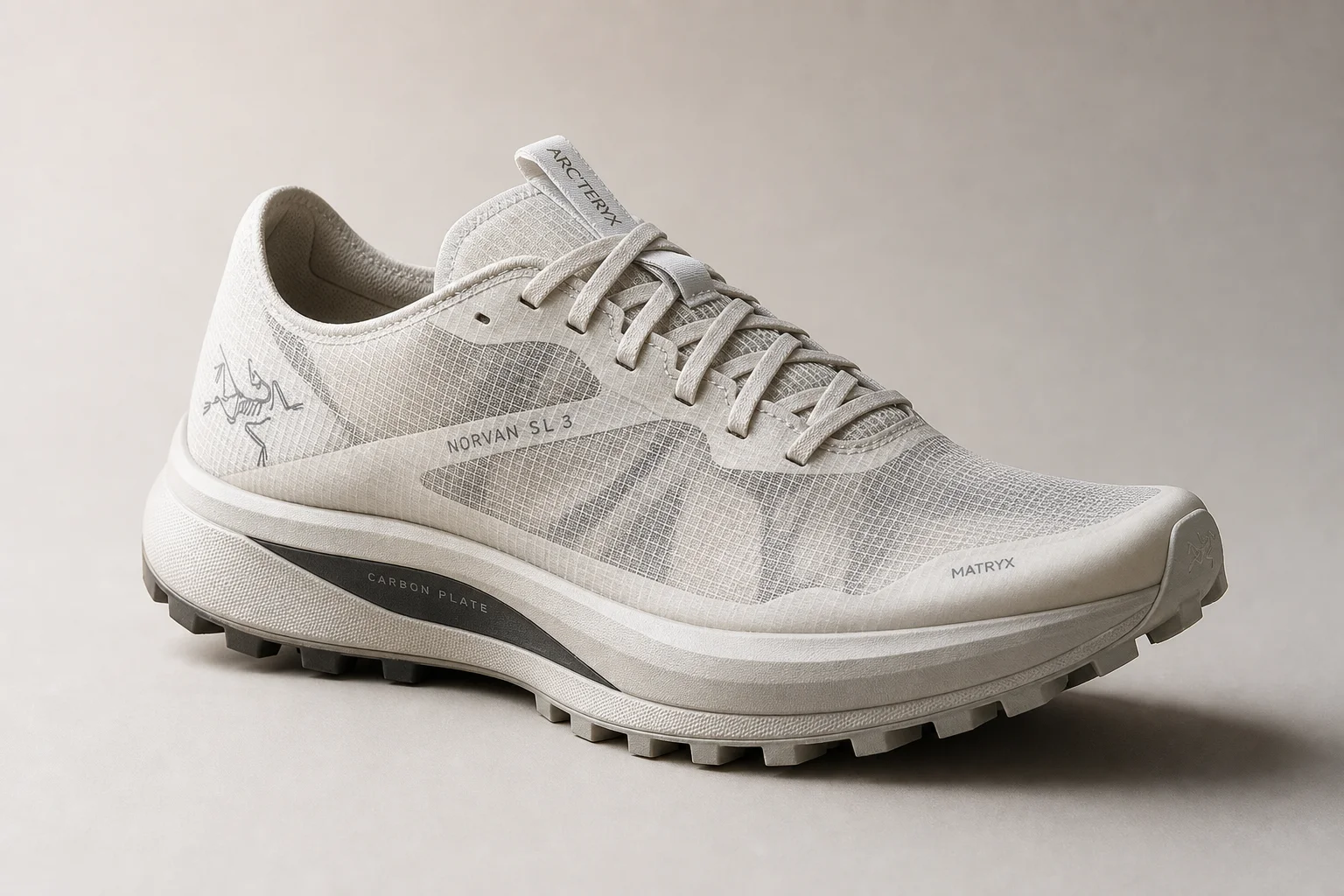
The original Tecton X remains a strong option, especially at its lower price. It shares the same midsole, plate, outsole, and stack heights, so on-the-run performance is very close. You give up the faster-drying hydrophobic upper and carry slightly less weight on your feet.
For runners who liked the first version, there is little reason to switch unless water protection matters for your races. For anyone buying into the line for the first time, the original is still a lively, comfortable carbon trail shoe that excels on runnable terrain.
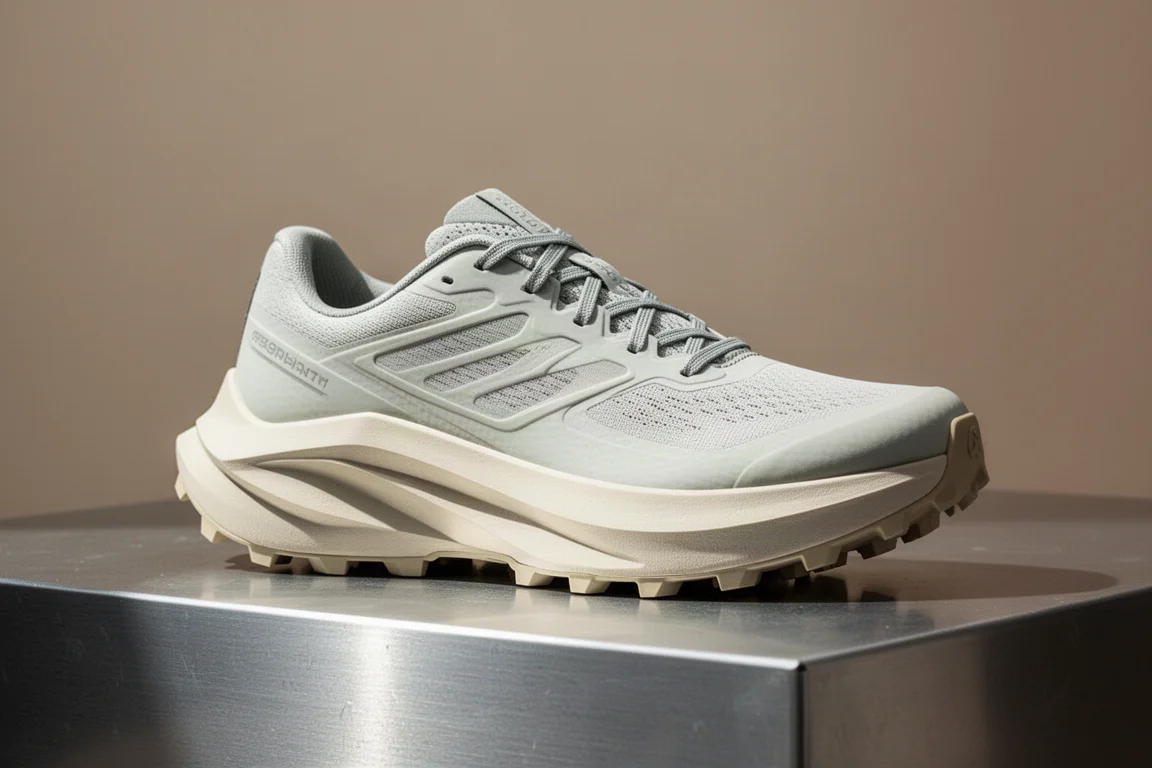
Where the Tecton X2 Shines
This is a shoe for rolling trail runs and ultras rather than steep, mountainous, root-and-rock-festooned courses. Think long riverside routes, ridge paths with compacted trail, and mixed road-and-trail races at marathon distance and beyond, where the cushioning pays off in the later miles.

On that kind of terrain, the combination of plush foam, plate propulsion, and road-like turnover gives you something genuinely useful when the course turns runnable.
Buying Advice
Choose the Tecton X2 if you race on firm, runnable mixed terrain and want the improved upper, and you are happy to pay the small price premium. Choose the original Tecton X if you want nearly identical performance for less money. Both reward runners who value cushioning and propulsion over razor-sharp ground contact.
Conclusion
The Hoka Tecton X2 is a refined version of an already good idea: a well-cushioned, carbon-plated trail shoe that shines on runnable courses and long days on mixed terrain. Its grip limits show in deep mud, and the soft stack costs some ground feel, but for rolling ultras and road-and-trail races it is an easy shoe to recommend.
Further reading
Related Reviews
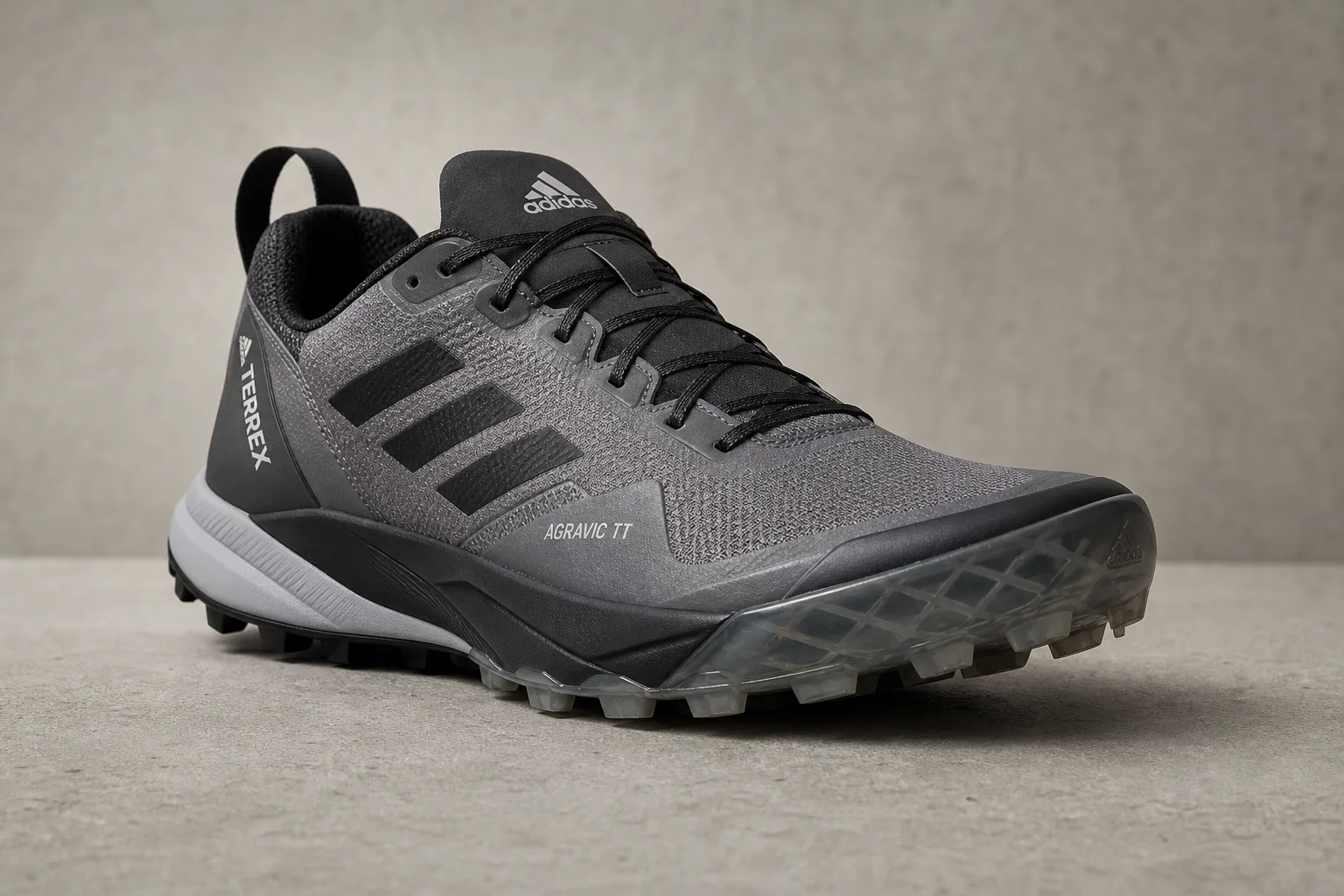
Trail Running Shoes
Adidas Terrex Agravic TT Review: A Technical Trail Shoe Built for Rocky Terrain
The Adidas Terrex Agravic TT combines a full-coverage rock plate with a firmer midsole to deliver protection and stability on technical, rocky trails. A capable choice for runners who prioritize underfoot defense over lightweight cushioning.
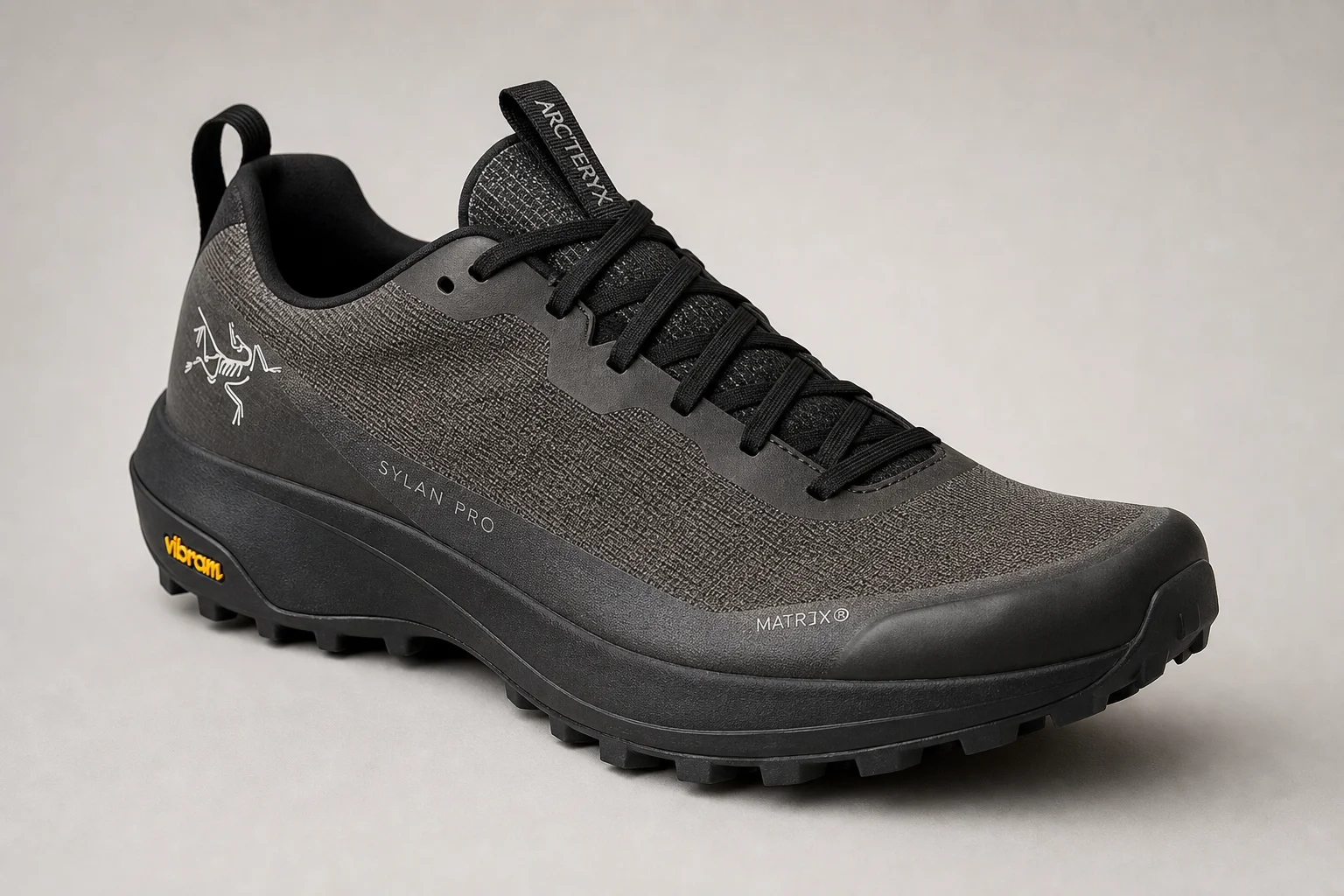
Trail Running Shoes
Arc'teryx Sylan Pro Review: A Rocker-Focused Mountain Running Shoe Tested on 20 Miles
The Arc'teryx Sylan Pro brings a pronounced rocker geometry and secure fit to mountain terrain. We tested it on a 20-mile Sawtooth loop to evaluate its climbing efficiency, protection, and handling of technical descents.
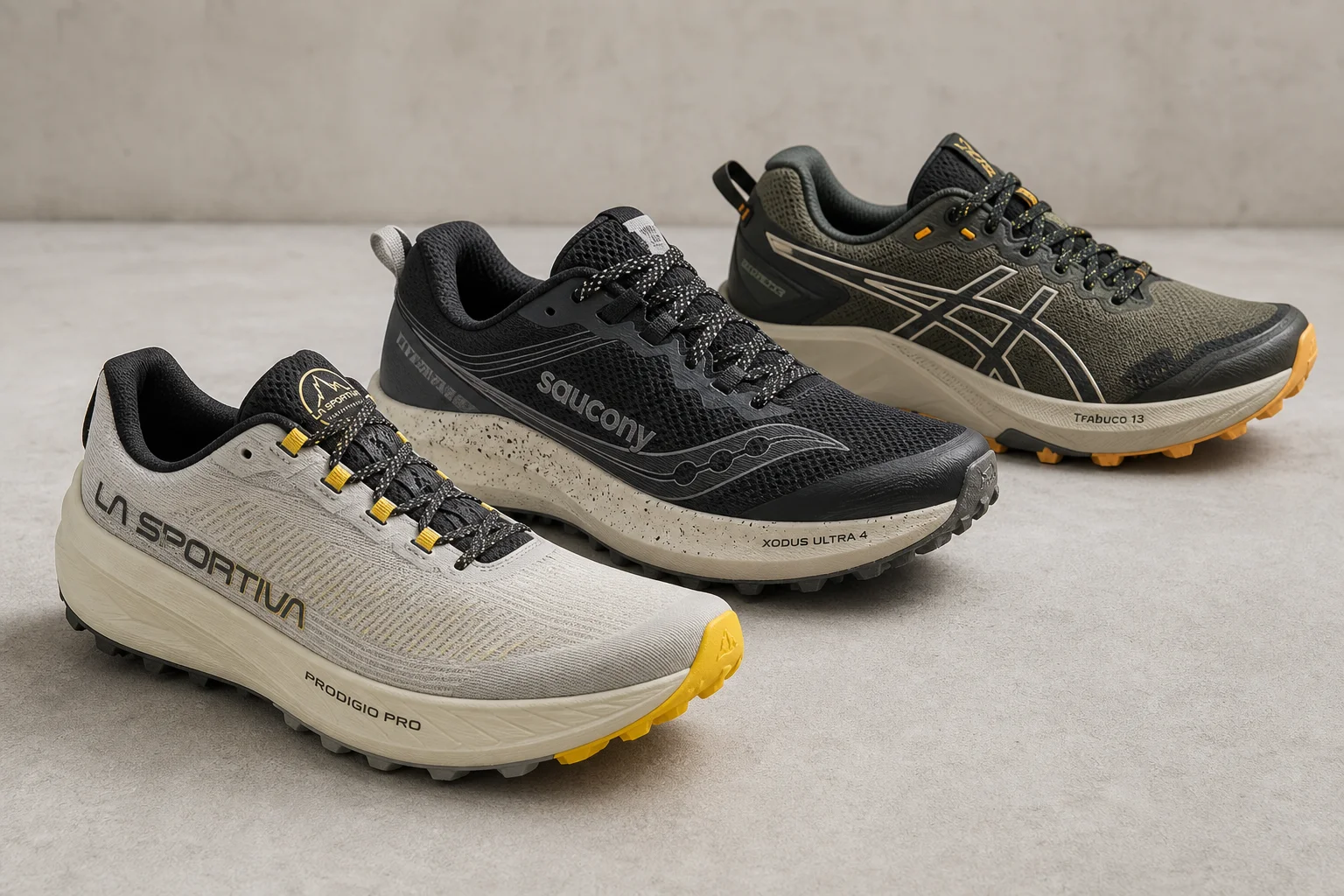
Trail Running Shoes
Best All-Mountain Trail Running Shoes: Three Versatile Options for Any Trail
A focused roundup of three all-mountain trail running shoes that handle technical terrain, long distances, and variable conditions with real strengths and practical trade-offs.