Trail Running Shoes
Hoka Tecton X2 vs Speedgoat 5: Which Trail Shoe Deserves Your Money?
A carbon-plated racer and a beloved all-rounder go head to head on stack, grip, fit and value to help you pick the right Hoka for your trails.
Introduction
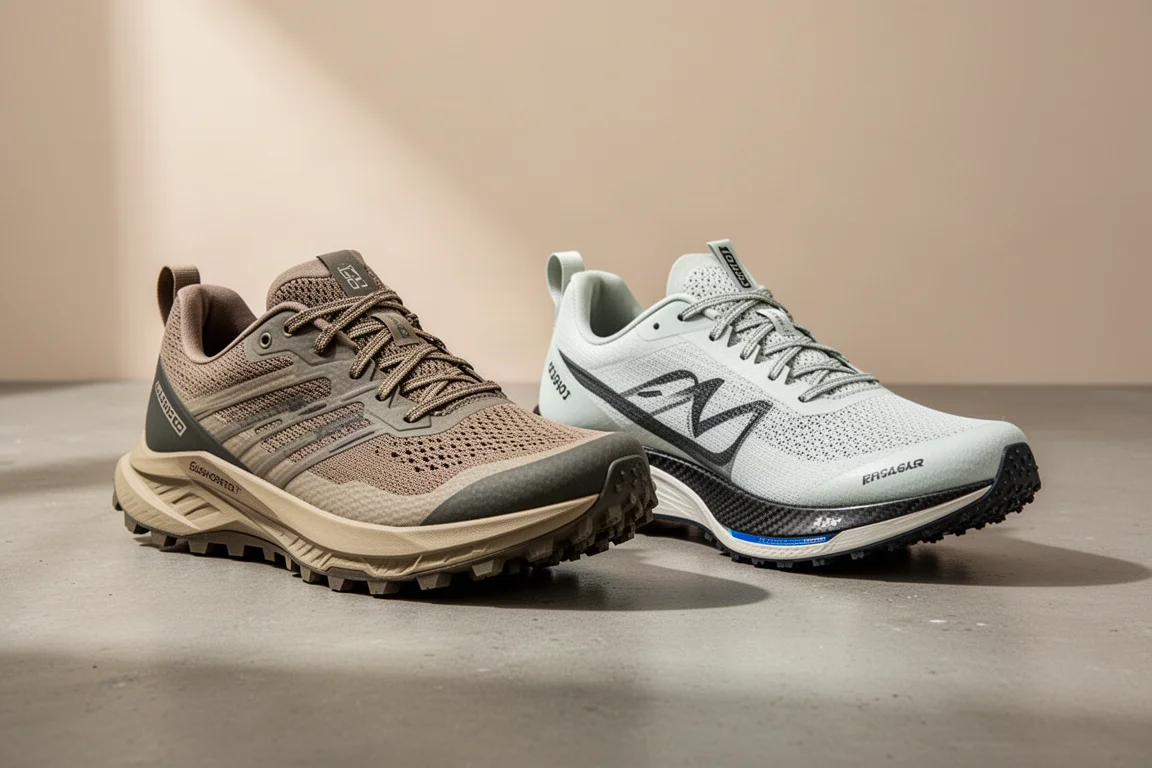
Some trail shoe comparisons are easy to call. This one is not. The Hoka Tecton X2 is the brand new carbon-plated trail racer, while the Hoka Speedgoat 5 is the older favorite that has quietly earned a reputation as one of the most versatile trail shoes you can buy. Both are big-hitting shoes, and both are genuinely enjoyable to run in, which makes the buying decision more nuanced than the price gap suggests. Here is how they stack up so you can spend your money on the one that actually suits your running.
Quick Specs Compared
On paper, the differences are small but meaningful. The Speedgoat 5 has a 32 mm heel and 28 mm forefoot for a 4 mm drop, while the Tecton X2 sits at 32 mm and 27 mm, giving it a slightly higher 5 mm drop. The Tecton X2 is the lighter shoe at 9.3 ounces (265 g) versus 10.3 ounces (291 g) for the Speedgoat 5. Pricing is where the gap widens: the Speedgoat 5 costs £140 / $155, and the Tecton X2 comes in at £180 / $220.

Upper, Midsole and Outsole
The biggest change on the Tecton X2 compared to its predecessor is a new upper: a water-resistant hydrophobic matrix that feels dense and fairly structured. The Speedgoat 5 counters with a double-layered jacquard mesh upper that feels slightly softer and a bit looser. Both shoes get flat, gusseted tongues that sit comfortably across the top of the foot, so there is little to separate them there.
Underfoot, the story diverges. The Tecton X2 uses ProflyX construction with parallel carbon plates, while the Speedgoat 5 relies on a single-density compression-molded EVA midsole with no plate. The Tecton X2 also has an early-stage meta rocker, versus a late-stage meta rocker on the Speedgoat 5. At the heel collar, the Speedgoat 5 is slightly narrower and rises a little higher at the back, though it never caused any Achilles rubbing.
Flip them over and both wear Vibram Megagrip outsoles. The Speedgoat 5 has slightly deeper 5 mm lugs against the Tecton X2’s 4 mm, plus marginally more outsole rubber coverage overall, which translates to a touch more aggressive grip and durability. The Tecton X2 puts less rubber in harm’s way, which helps its case for long-term wear.
On the Trail: Ride and Feel
Run side by side on light trails and road sections, the differences are marginal. The Tecton X2 definitely has a little more spring and energy in the midsole, and it feels better on road sections and firmer trails if you enjoy that soft sink-and-spring-back sensation. But this is a nuanced difference, not a dramatic one. If you expect a carbon plate shoe to feel aggressively springy the moment you lace it, you will not find that here.
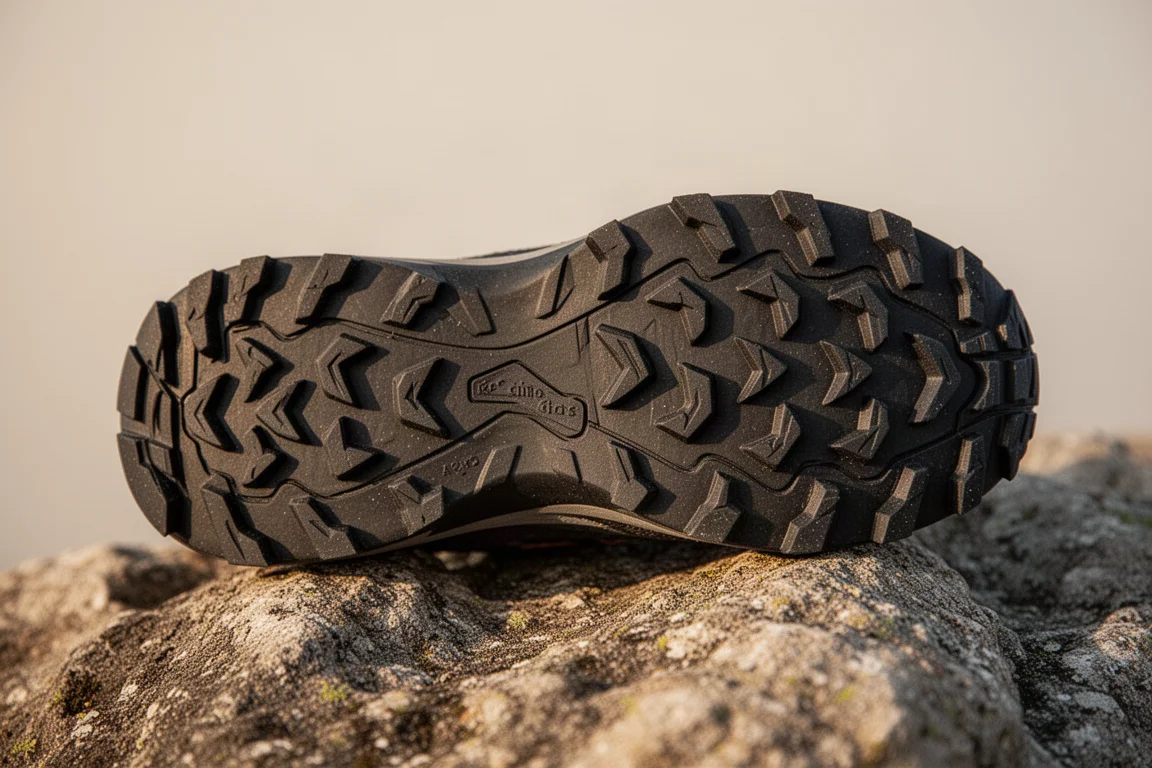
The Speedgoat 5 runs a little flatter and firmer, with less of a pronounced toe-spring feel, but it offers a slightly more connected sense of the ground coming up through the shoe. Both are big, cushioned stacks. Honestly, you could run a marathon in either and not get into trouble; the ride difference only becomes noticeable when you concentrate on it.
Fit, Comfort and Stability
Step-in comfort is effectively a tie: both slip on easily, lace up without fuss and lock down well. On the foot, they feel similarly light, and both are genuine long-distance companions with no hot spots or blisters. The rocker geometry makes them both easy shoes to roll along in over big miles.
Stability tilts marginally toward the Speedgoat 5 thanks to its slightly firmer platform, which may matter over very long distances. Grip is close to a wash. The Tecton X2 was put through a very wet, very steep, slippery ultra and did okay without being brilliant in the slick stuff; Speedgoat 5 wearers in the same race were slipping on the same sections. Expect very similar traction from both.
On fit, both run true to size, though if you always go half a size up in trail shoes, do the same here. The main difference is toe box room: the Speedgoat 5 feels slightly narrower just behind the toes, where an elastic section of the lacing holds across the top. The Tecton X2’s laces finish further up the shoe, giving it a slightly roomier feel, but it would be unwise to buy the Tecton X2 purely for a wider toe box.

Verdict: Which One Should You Buy?
The verdict mirrors the original Tecton X versus Speedgoat comparison: there is not very much to differentiate these two shoes. The Tecton X2 is a little more cushioned, more energetic, springier and softer, but the margins are fine and the extra pop is not a dramatic upgrade. Over longer distances, especially a big ultra on firmer, easier running ground through towns, that extra cushioning and protection could be rewarding, and that is where the Tecton X2 earns its price.
If you want more connection to the ground, a slightly more stable platform and genuine all-round versatility across more technical trails, the Speedgoat 5 is the shoe. For most runners, it simply represents the best value for money, and it is the one to pick if you could only choose a single pair. The carbon plate and foam combination in the Tecton X2 does not deliver enough extra energy over the Speedgoat 5 to justify the full-price premium. One smart alternative: if you can find the original Tecton X discounted to around Speedgoat 5 money, that could be the sweet spot.

Conclusion
Both of these are great shoes, and both can handle more technical terrain than their reputations suggest. The Tecton X2 is the more fun, lively and forgiving option with a genuine place in long ultras on runnable ground. But at full price, the Speedgoat 5 remains the winning shoe: the best value, the best versatility, and the safer pick for the widest range of trail runners.
Product link
View more details for Hoka Tecton X2
This product is mentioned in the review. Check the specifications, options, and compatibility before buying.
View more details for Hoka Tecton X2Further reading
Related Reviews
Trail Running Shoes
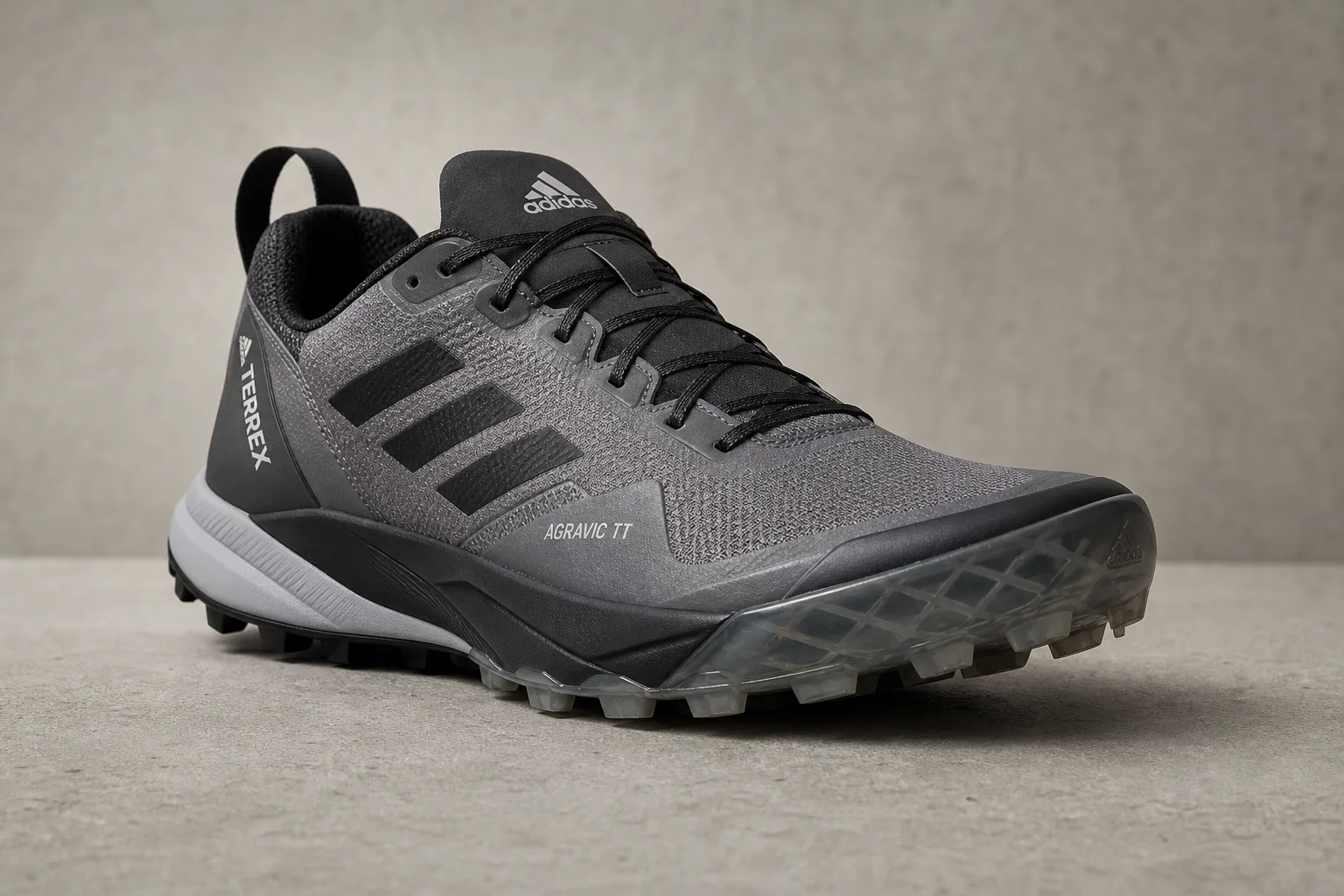
Adidas Terrex Agravic TT Review: A Technical Trail Shoe Built for Rocky Terrain
The Adidas Terrex Agravic TT combines a full-coverage rock plate with a firmer midsole to deliver protection and stability on technical, rocky trails. A capable choice for runners who prioritize underfoot defense over lightweight cushioning.
Trail Running Shoes
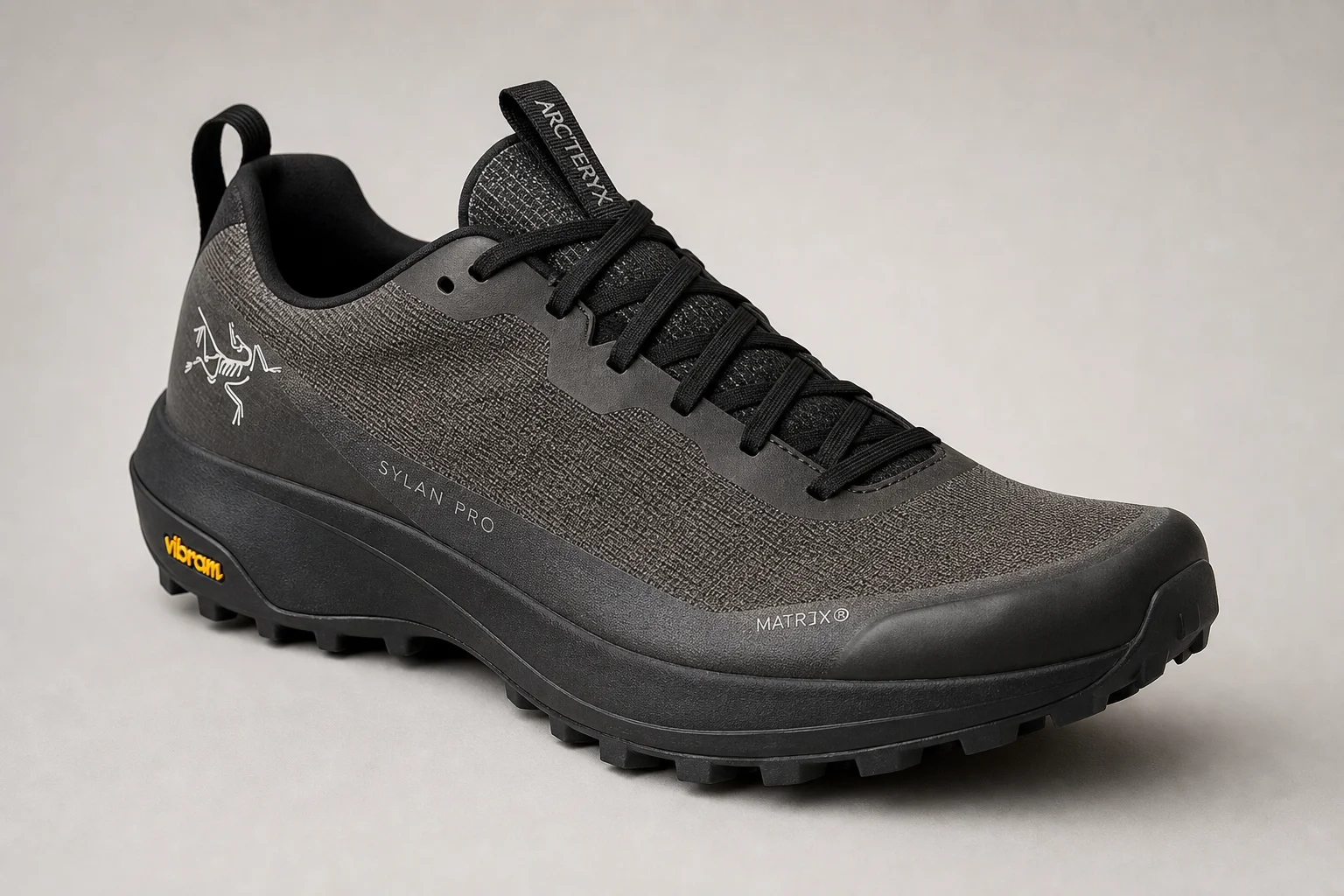
Arc'teryx Sylan Pro Review: A Rocker-Focused Mountain Running Shoe Tested on 20 Miles
The Arc'teryx Sylan Pro brings a pronounced rocker geometry and secure fit to mountain terrain. We tested it on a 20-mile Sawtooth loop to evaluate its climbing efficiency, protection, and handling of technical descents.
Trail Running Shoes
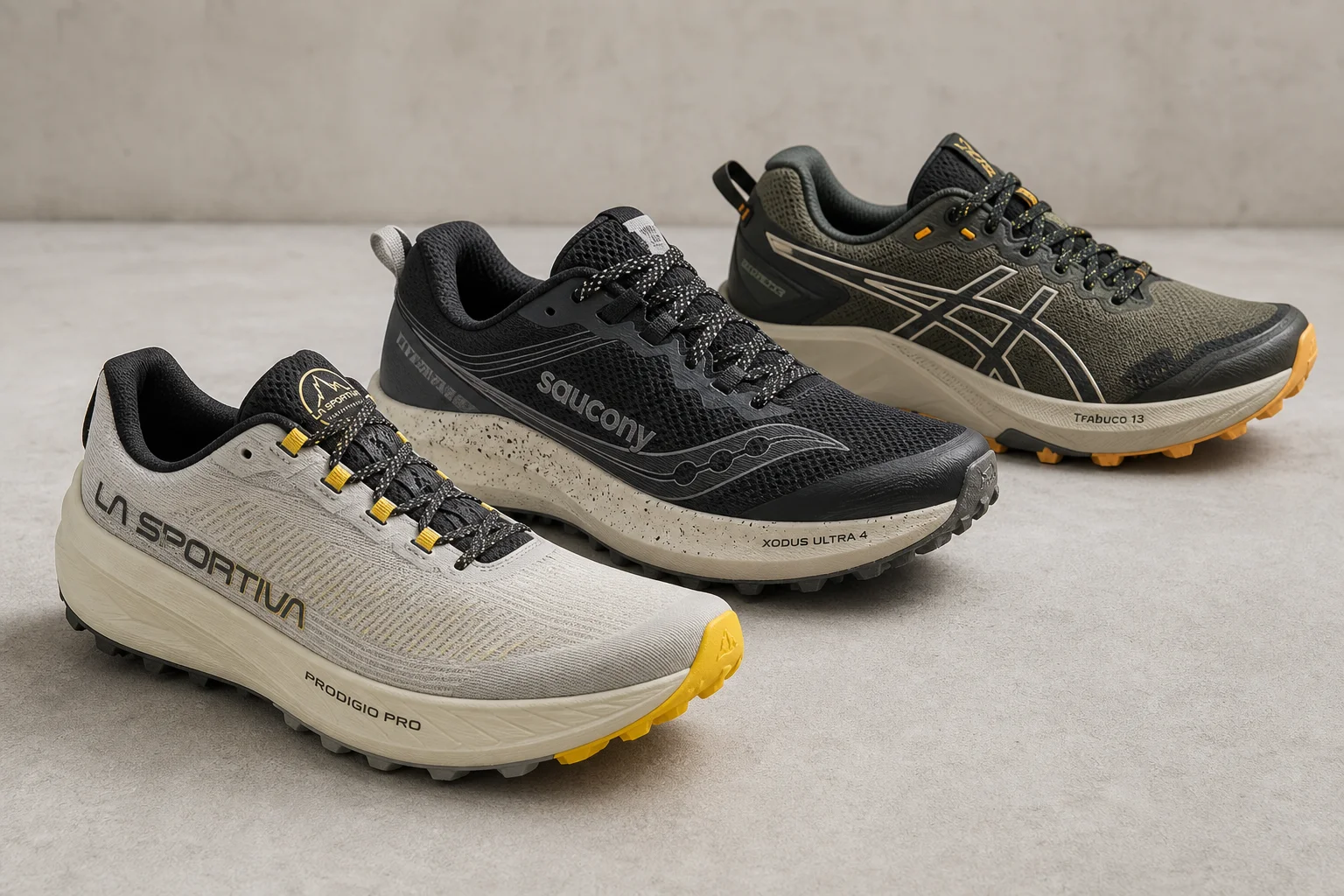
Best All-Mountain Trail Running Shoes: Three Versatile Options for Any Trail
A focused roundup of three all-mountain trail running shoes that handle technical terrain, long distances, and variable conditions with real strengths and practical trade-offs.