Trail Running Shoes
Plated Trail Shoes Compared: Hoka Tecton X, Hoka Zegama and The North Face Flight Vectiv
Three plated trail options with very different characters: a bouncy dual-plate racer, a nimble all-rounder and a stiff speed shoe for predictable terrain.
Introduction
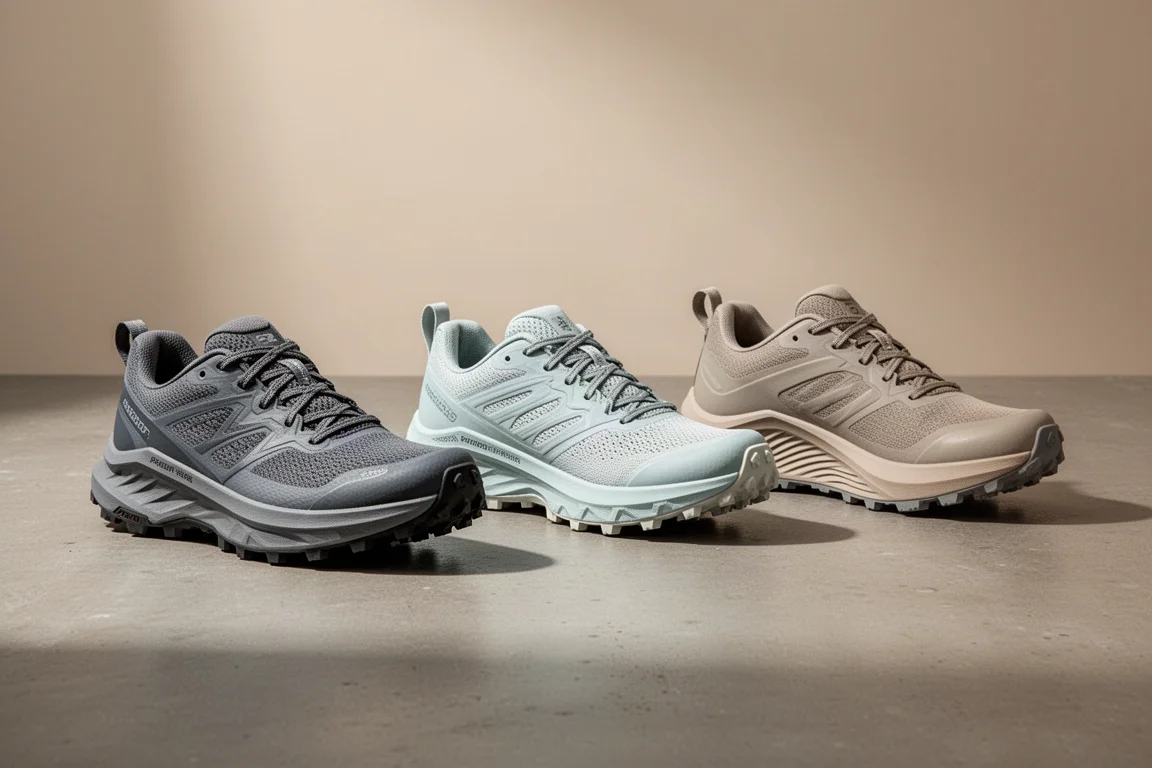
Plated trail shoes have moved past the experimental stage, and three options now cover noticeably different ground: the Hoka Tecton X, the Hoka Zegama and The North Face Flight Vectiv. All three use some form of plate, but they tune that plate very differently, and that shapes who each shoe is actually for. Here is how they compare for training, racing and everything in between.
Hoka Tecton X: The Bouncy Dual-Plate Trail Racer
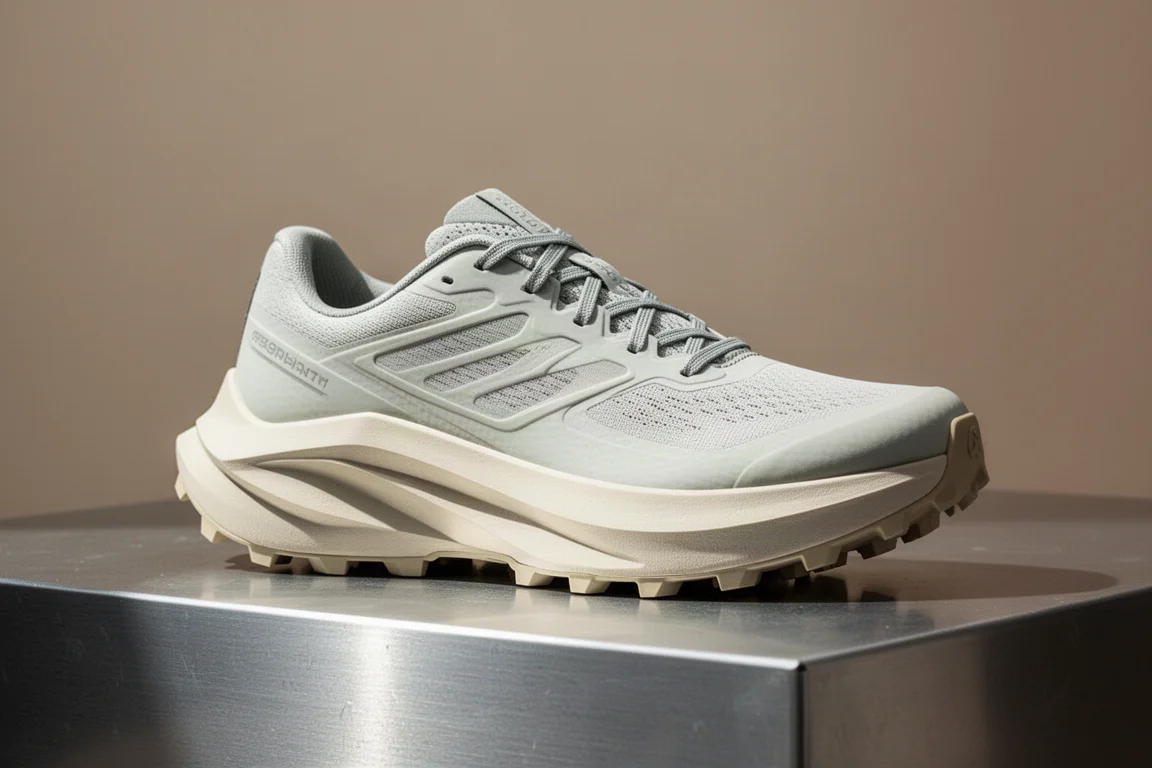
The Tecton X is Hoka’s plated trail offering, built with a dual-density midsole that pairs a ProFly top layer with a more traditional EVA underneath, a wider base and, most notably, two parallel carbon plates running lengthwise through the shoe. It is higher in stack than the Zegama, yet it still manages to feel connected to the ground.

The standout impression is the bounce. Where many plated trail shoes feel firm, this one feels alive and responsive, with enough cushioning to handle roughly 10 to 12 miles of road use without trouble, though it is not intended as a primary road shoe since the lugs would eventually wear. The Vibram LiteBase outsole delivers excellent grip even on wet and muddy trails, and the lugs have shown solid durability over testing. Steep climbs are a genuine strength: once you dig in and push the pace, the plates give a snappy, rigid push.
One fit detail worth knowing: the heel is pitched slightly inward, a slight valgus tilt. For most runners this goes unnoticed, but it can actually suit runners who tend to roll outward too far or are prone to ankle sprains on that side. The shoe also runs a little stiff, which is the main trade-off for the plate benefits.
Why Two Plates Instead of One?
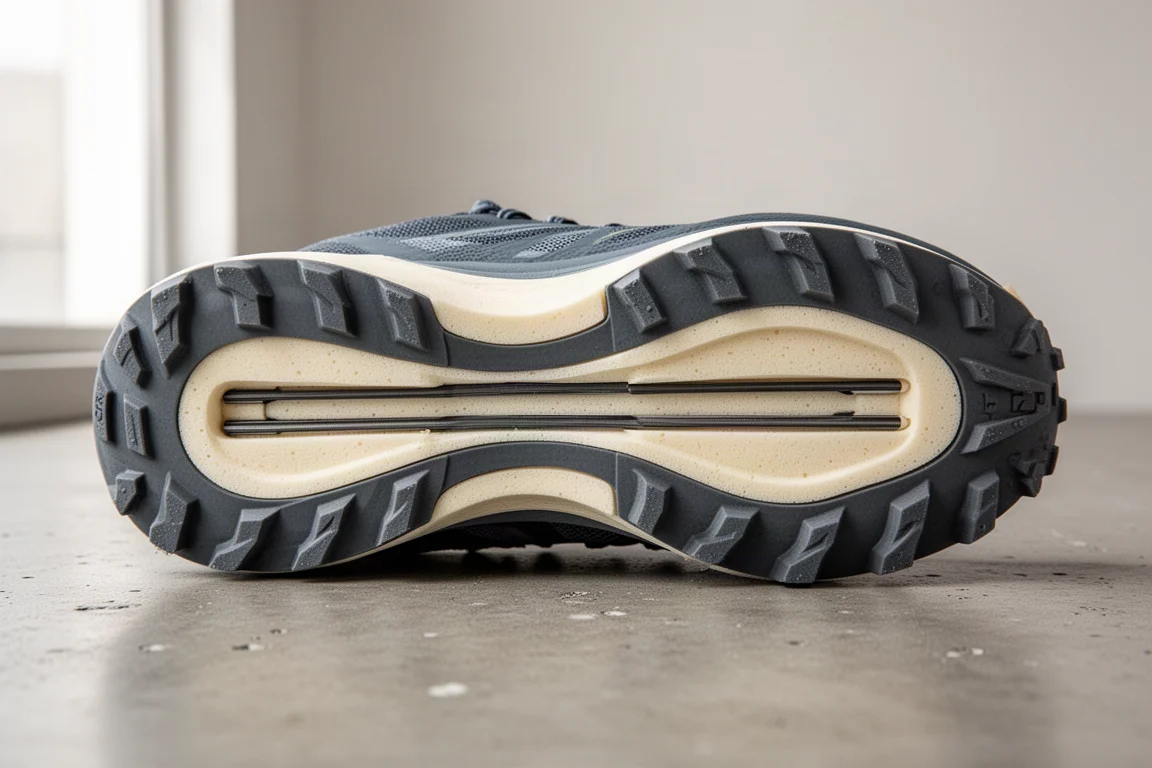
The Tecton X uses one medial plate and one lateral plate, paralleling each other down the length of the shoe rather than a single spoon-shaped plate. That split creates inherent medial-lateral stability, almost like guide rails, because the platform deforms less side to side. On uneven trail surfaces that mostly sit below level, this matters.
It also changes the ride character. A single solid plate pulls you forward in a fixed direction, while two plates give the foot more room to adapt to quickly changing terrain, which is exactly the situation where ankle sprains tend to happen on trails. The plates almost double as a rock plate too: on technical ground you feel far less of the sharp rocks underfoot compared with the Zegama.
Hoka Zegama: The Nimble All-Rounder
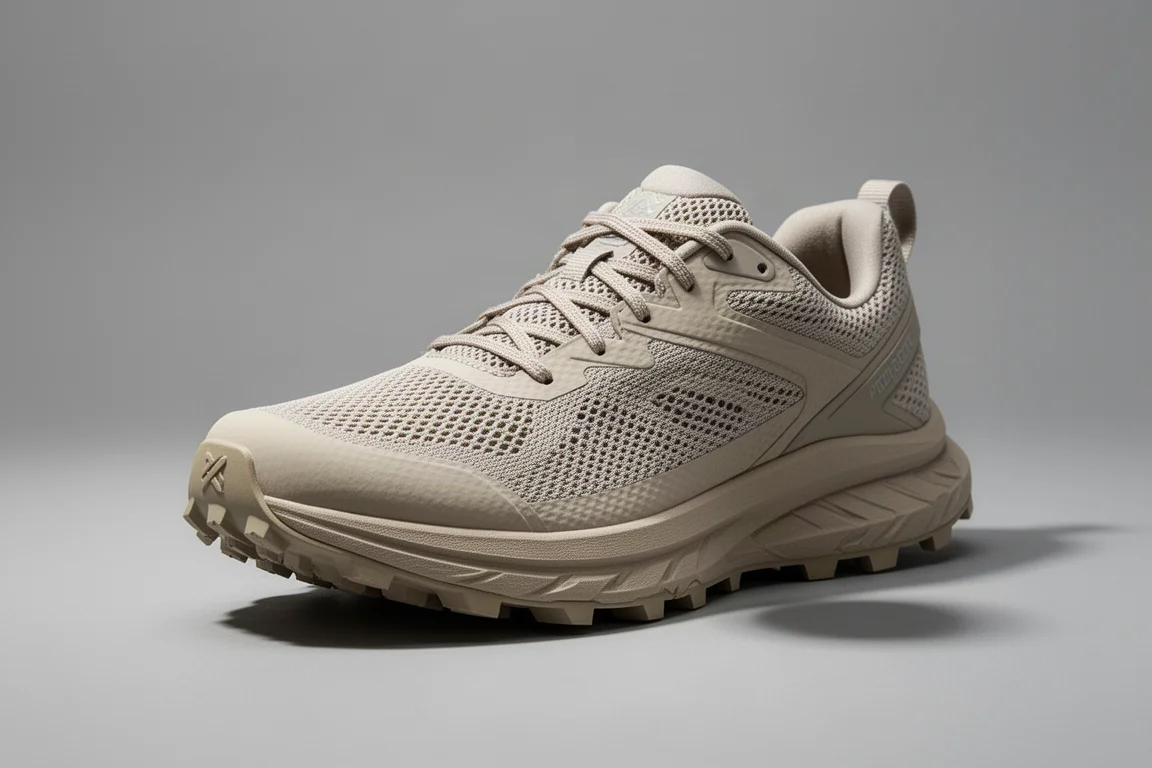
The Zegama earned a reputation as an approachable trail shoe that handles a wide range of runners and run types, and the Tecton X essentially builds on that formula with more stack, added plate rigidity and a similarly bouncy, if not bouncier, ride. If you want super lightweight, nimble shoes with lots of ground feel, the Zegama remains the better pick, and you still stay reasonably connected to the ground in either.

For short, runnable, non-technical trail races, roughly 25K and under, the Zegama makes a strong case. For ultra distances, the Tecton X offers a wider usable range, though it is worth noting that one runner testing a 50K ultimately went back to a tried-and-true shoe, feeling there was not quite enough shoe underneath for the distance.
The North Face Flight Vectiv: Stiff, Fast and Predictable
The Flight Vectiv takes a different approach to plating. It is noticeably stiffer throughout, with very little flex, and it took a long time to break in. That stiffness shines at faster paces but feels less rewarding when running slowly. Hoka’s dual-plate design feels bouncier and more versatile by comparison.
Where The North Face genuinely stands out is stability: the plate rises up and becomes a sidewall, which does stability differently and arguably better than either Hoka. That makes it a good match for controlled terrain where you can hold a consistent pace, whereas the Tecton X is the better choice for aggressive, unpredictable terrain where you do not know what is coming at you.

Overall Buying Advice
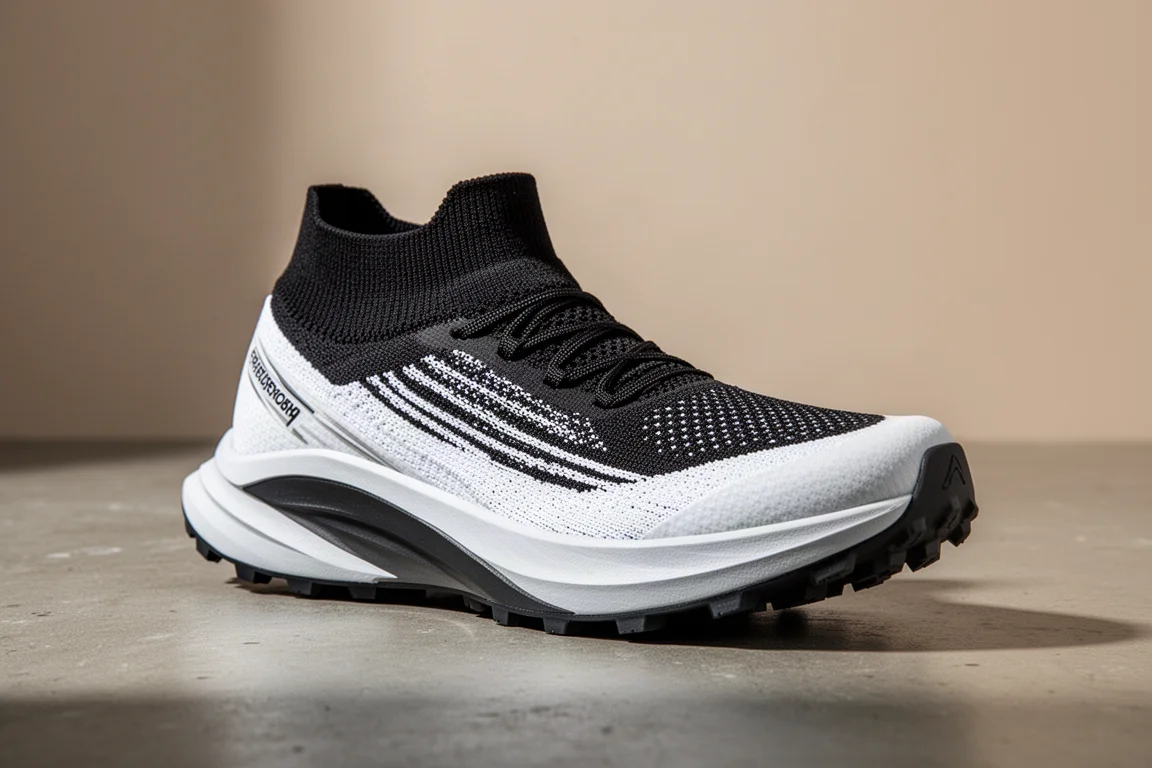
If you want one shoe that works as a trainer and still feels great when the pace picks up, the Tecton X is the most versatile of the three, with bounce, grip and rock-protection benefits from the dual plates. If your focus is fast, shorter and runnable trail races with maximum ground feel, the Zegama is the nimbler choice. If you race on controlled terrain at steady paces and value sidewall stability above all, the Flight Vectiv deserves a look.
Conclusion
These three plated trail shoes are not interchangeable. The Tecton X stands out as the most fun and adaptable of the bunch, the Zegama keeps things light and nimble for shorter efforts, and the Flight Vectiv rewards runners who like a stiff, fast ride on terrain they know. Matching the shoe to your typical terrain and race distance matters more than any single spec.
Further reading
Related Reviews
Trail Running Shoes
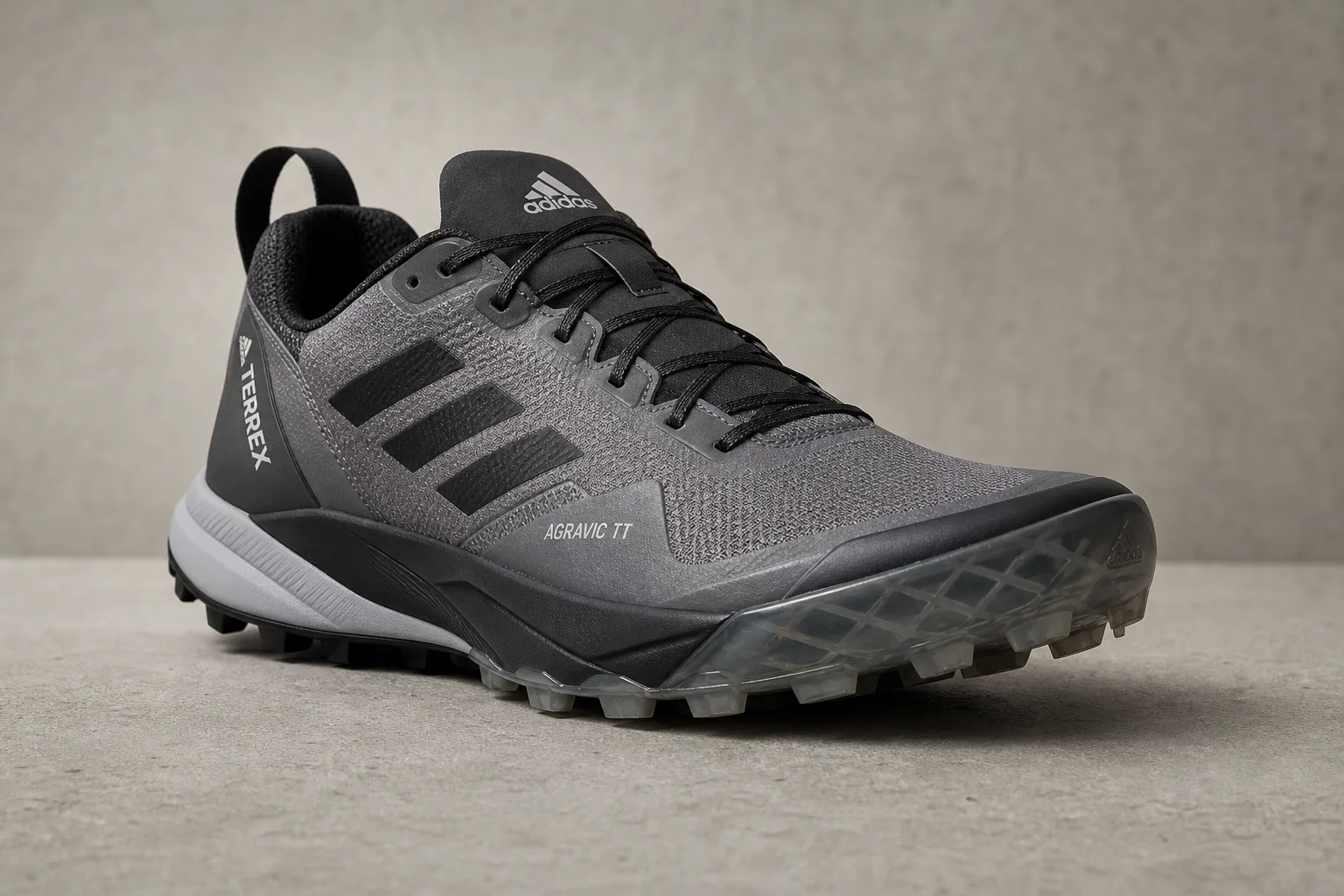
Adidas Terrex Agravic TT Review: A Technical Trail Shoe Built for Rocky Terrain
The Adidas Terrex Agravic TT combines a full-coverage rock plate with a firmer midsole to deliver protection and stability on technical, rocky trails. A capable choice for runners who prioritize underfoot defense over lightweight cushioning.
Trail Running Shoes
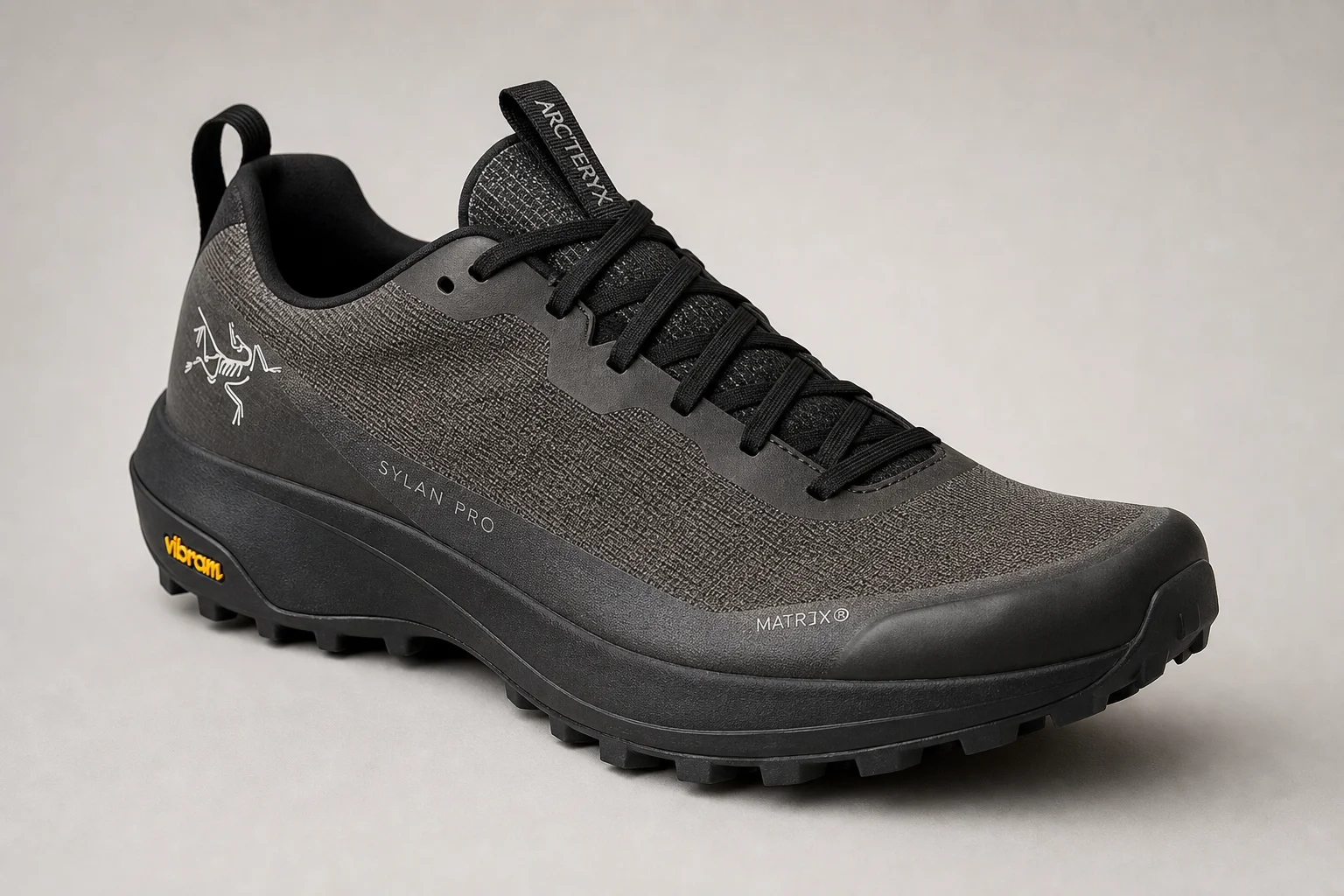
Arc'teryx Sylan Pro Review: A Rocker-Focused Mountain Running Shoe Tested on 20 Miles
The Arc'teryx Sylan Pro brings a pronounced rocker geometry and secure fit to mountain terrain. We tested it on a 20-mile Sawtooth loop to evaluate its climbing efficiency, protection, and handling of technical descents.
Trail Running Shoes
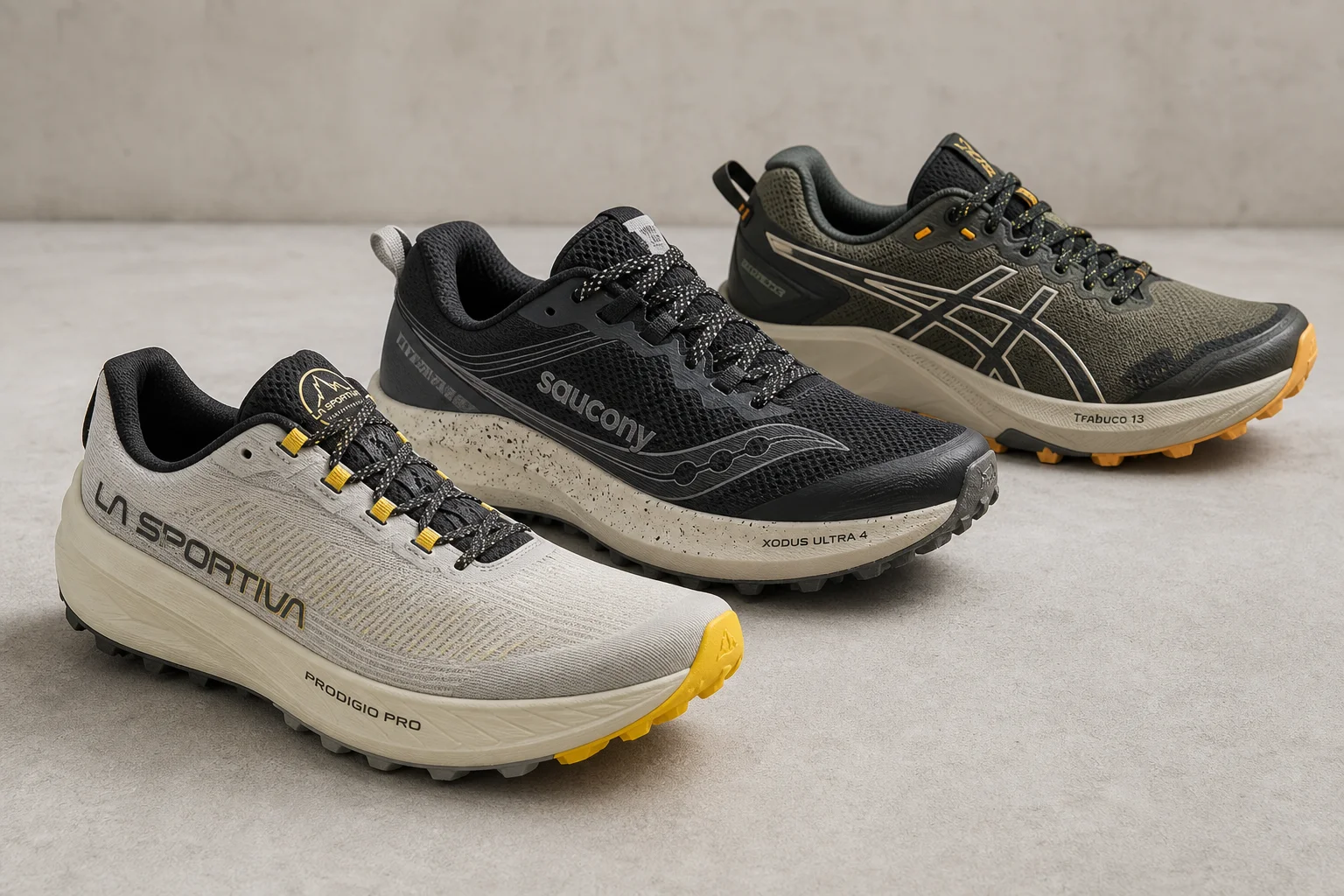
Best All-Mountain Trail Running Shoes: Three Versatile Options for Any Trail
A focused roundup of three all-mountain trail running shoes that handle technical terrain, long distances, and variable conditions with real strengths and practical trade-offs.