Trail Running Shoes
Hoka Tecton X Review: Hoka's First Carbon Plate Trail Racer, Plus Two Rivals
A close look at the Hoka Tecton X and how it stacks up against the Speedgoat 5 and The North Face Flight Vectiv for trail racing.
Introduction
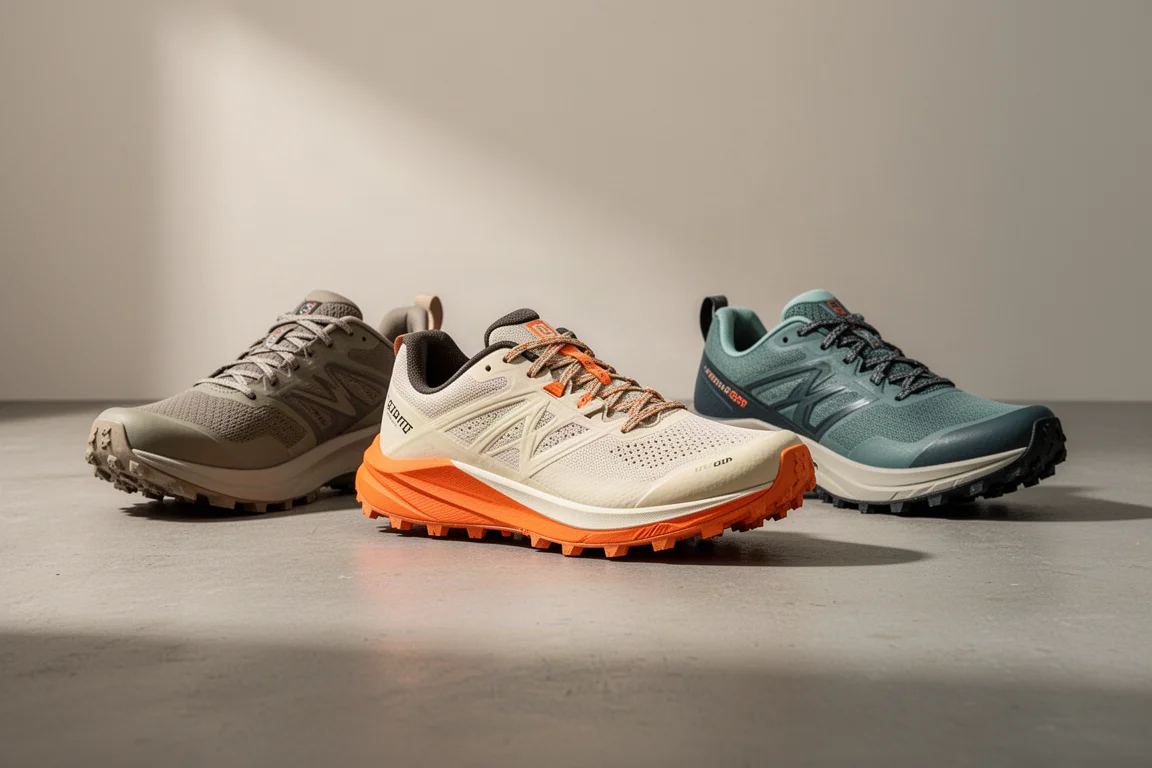
Carbon plate shoes have reshaped road racing, and Hoka has now brought the idea to the trails with the Tecton X, its first carbon-plated trail running shoe. Priced at £170 in the UK and $200 in the US, it is a serious investment, and it goes up against established alternatives like the Hoka Speedgoat 5 and The North Face Flight Vectiv. After a first long run covering forest trails, singletrack, towpath and road, the early signs are encouraging.
Evaluation Criteria
The first test run covered just over 23k at a fair range of paces and surfaces: well-maintained forest paths, singletrack, some mud and rutted ground, short steep descents, a dusty gravel towpath and stretches of road. The shoe was judged on grip across those surfaces, comfort out of the box, pace efficiency on flatter runnable ground, and how the plate-and-foam setup handled uneven terrain.

Hoka Tecton X: Specs and Design
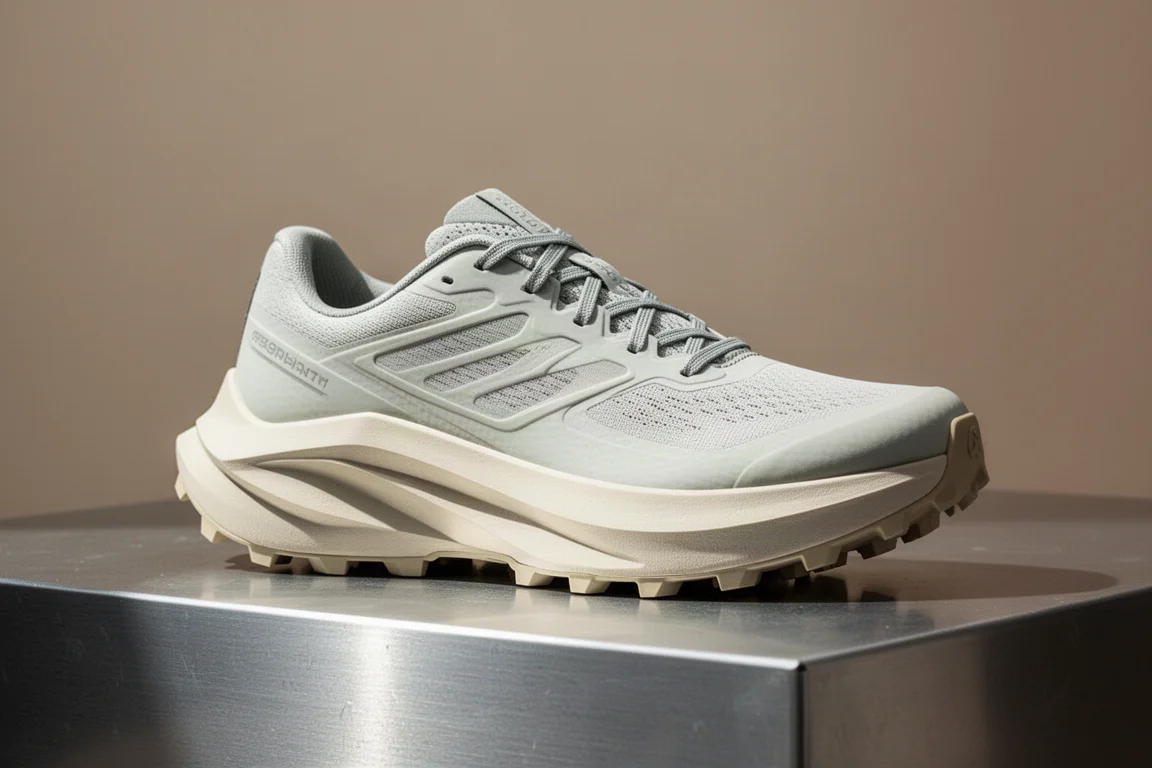
The Tecton X uses Hoka’s Profly X midsole, a dual-density setup with a softer top layer for cushioned landings and a firmer orange bottom layer for rebound and toe-off propulsion. The headline feature is a pair of parallel carbon plates rather than one large stiff plate, which is meant to retain some flexibility on uneven ground while keeping the propulsive feel. The shoe still is not especially flexible, so it is not the nimblest option out there, but the twin-plate approach keeps it from feeling unwieldy on rutted ground.
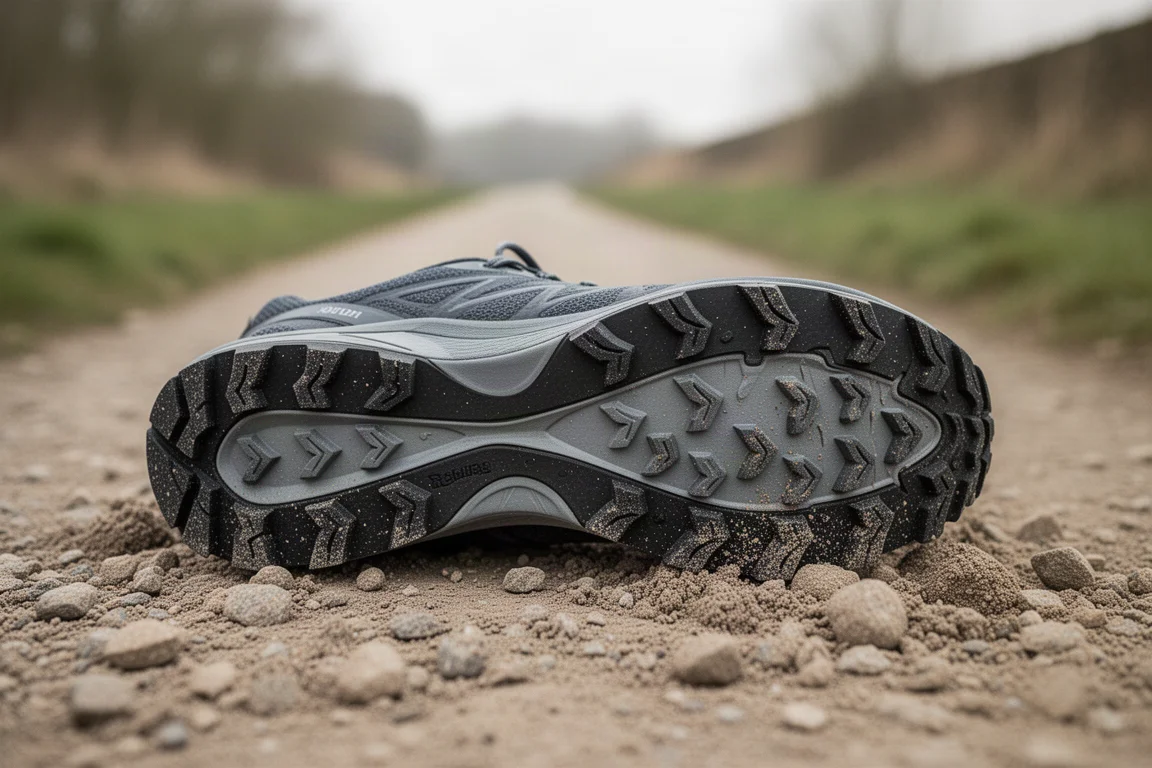
Stack height sits at 33mm at the heel for the men’s shoe and 31mm for the women’s, with a 4mm heel-to-toe drop. Weight is a strong point: 260 grams in UK size 9, roughly 9.2 ounces, which is light for a lugged trail shoe. The outsole is Vibram Megagrip in a Light Base construction, with 4mm lugs concentrated in the key grip zones and large lug-free areas to save weight. The upper is a jacquard engineered mesh with a gusseted tongue and only a modest toe bumper, so protection up top is limited, a deliberate trade to keep weight down.
Fit and Comfort
Fit was true to size in a UK 9, though note that this UK 9 corresponds to a US 9.5, while many shoes in UK 9 run as US 10, so it may come up slightly short for some runners. The fit suits narrower feet, with a snug forefoot and excellent lockdown through the heel and midfoot with no lateral movement on climbs and descents.
One caveat: on the first run, downhills pushed the forefoot into the front of the shoe, causing a little toe jam. For very long runs with lots of descending, a bit more toe box room may be worth seeking. Comfort out of the box was excellent, with 90 minutes on mostly firm ground producing no complaints. It is not the softest shoe available, but protection levels were good and feet felt fine throughout.
How the Tecton X Rides
On the run, the shoe felt light and nimble, ticking along quicker than expected at a given effort level, which is exactly what you want on trails where conserving energy for climbs matters. During a progression 5k on the canal towpath, starting around 3:41 per kilometre and finishing near 3:28, the foams and plates delivered good purchase on loose ground and a noticeable propulsive feel.

The shoe felt best at steady to marathon-pace efforts on runnable trail sections, which positions it as a longer-distance trail racer rather than an ultra specialist, though it could still work for ultras depending on how you rate its comfort and ground feel over very long distances. The outsole impressed too: it is not the most aggressive, but it found good grip even at faster paces on loose terrain, and it works well as a road-to-trail option. Where it does not shine is soft, deep mud, where the plates offer little help anyway.
Hoka Speedgoat 5
The Speedgoat 5, tested alongside the Tecton X, is the more comfortable of the two and is built for longer runs and heavy training miles. Its ride is smoother and more rockered, whereas the Tecton X feels snappier and faster. The Speedgoat 5 is also a capable racing shoe, but it leans more toward ultra-long events where its extra protection matters. If you want maximum cushioning for very long days, the Speedgoat 5 is the safer pick; if you want speed, ground feel and carbon propulsion, the Tecton X is the more exciting option.
The North Face Flight Vectiv
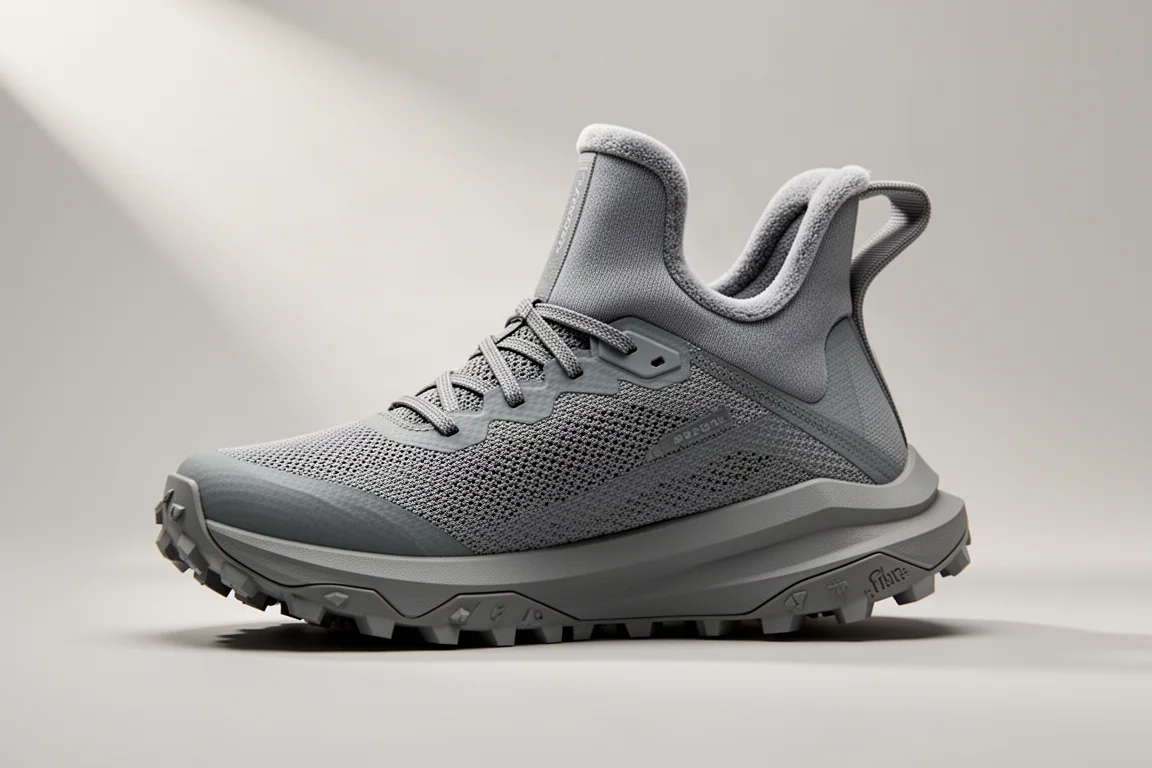
The other carbon trail shoe worth comparing is The North Face Flight Vectiv. It delivered a nice ride on good trails and flat ground, where the plate and foam combination really pays off, but the upper caused problems, biting into the foot in an odd way. It also worked only on hard ground and disliked wet conditions entirely.
The Tecton X comes out ahead in two key ways: it should be more nimble and agile on technical terrain, and its outsole handles a much wider variety of surfaces. It is also lighter than the Flight Vectiv. The comparison highlights why Hoka chose twin parallel plates over a single big stiff plate.
Overall Buying Advice
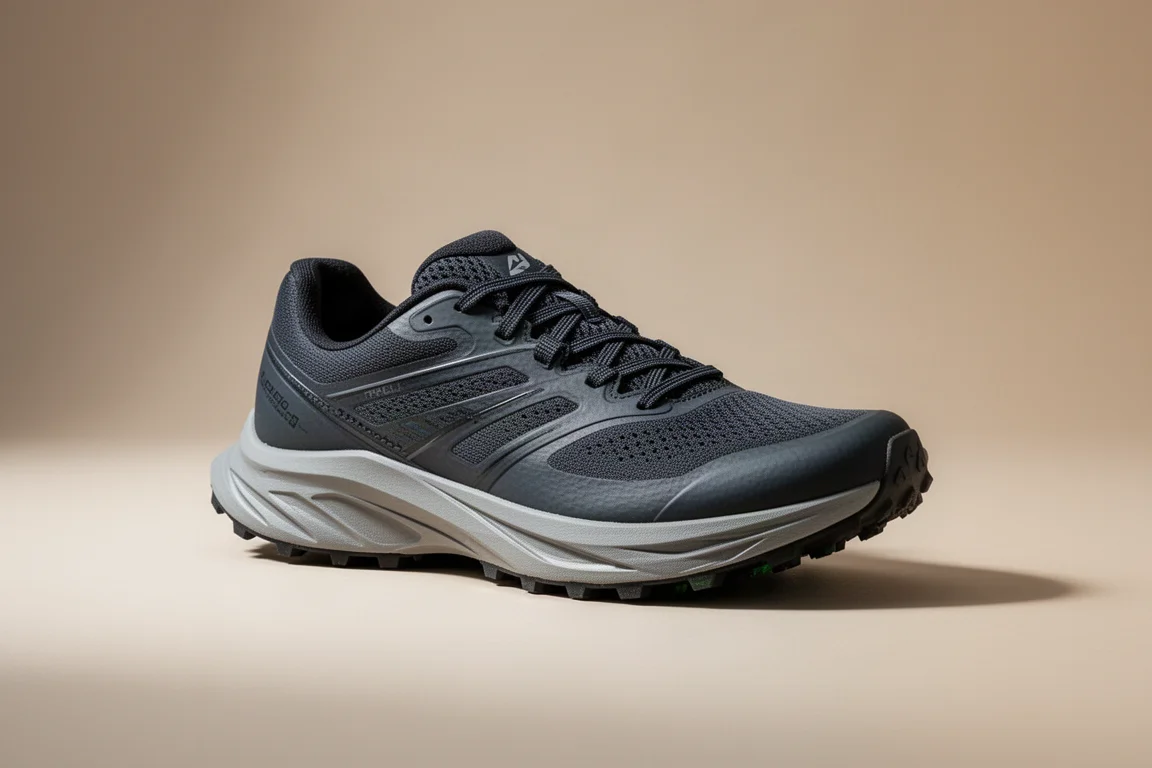
Choose the Tecton X if you race trails over shorter distances up to marathon and potentially ultra distances, mostly on hard-packed and moderately loose terrain, and want a light, fast shoe with propulsion. Choose the Speedgoat 5 for ultra distances and long training where protection and comfort come first. The Flight Vectiv suits hard, dry, flatter courses but demands checking the fit carefully first.

Pick the Tecton X when runnable terrain and pace matter more than deep-mud grip or maximum cushioning.
Conclusion
The Tecton X is a genuinely exciting addition to the trail racing scene: light, nimble, comfortable out of the box and quick at low effort levels, with an outsole that copes with a wide range of hard surfaces. It is not the shoe for deep mud or rocky protection, and the sizing and toe box need attention for long descents, but as a carbon-plated trail racer it makes a strong first impression.
Further reading
Related Reviews
Trail Running Shoes
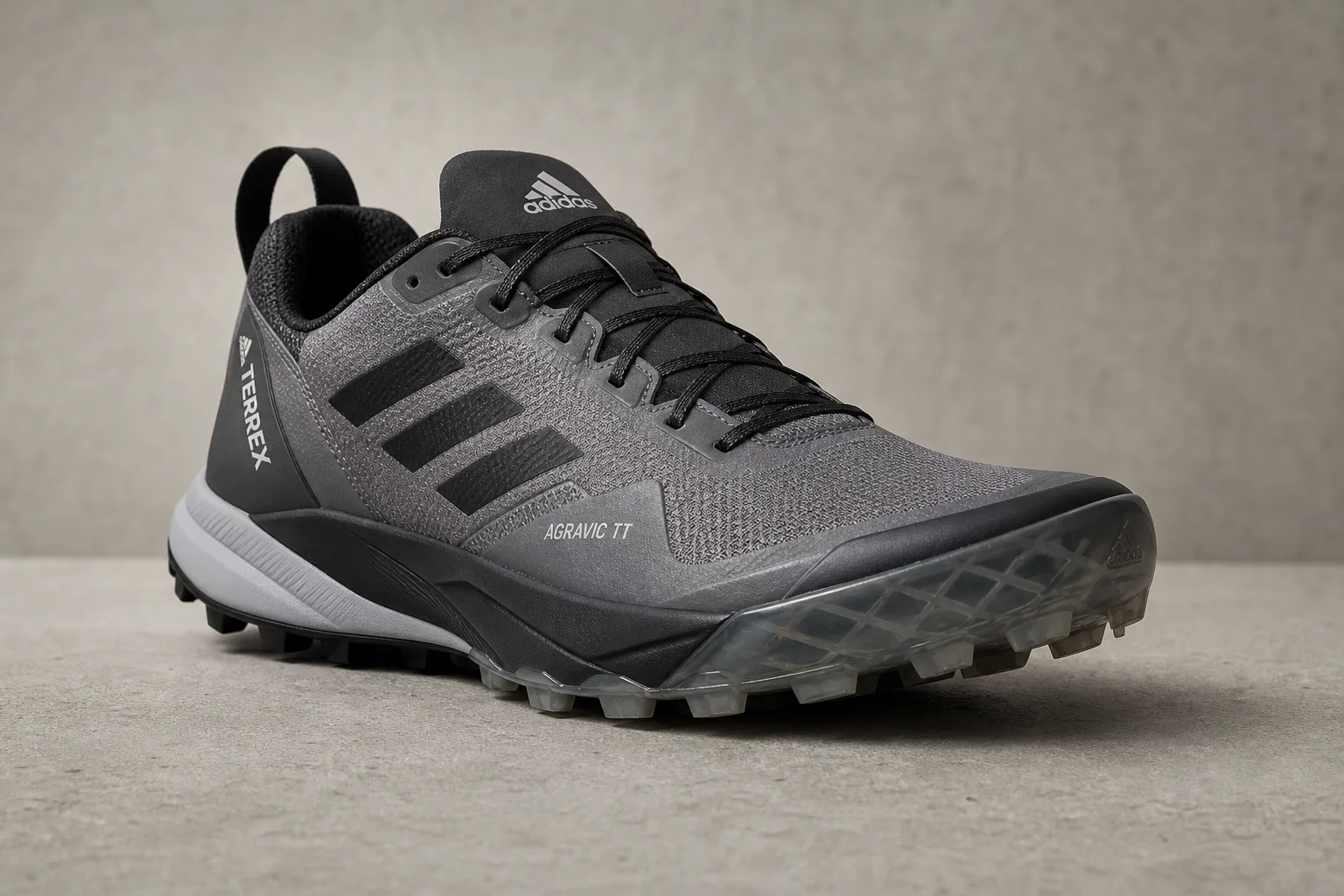
Adidas Terrex Agravic TT Review: A Technical Trail Shoe Built for Rocky Terrain
The Adidas Terrex Agravic TT combines a full-coverage rock plate with a firmer midsole to deliver protection and stability on technical, rocky trails. A capable choice for runners who prioritize underfoot defense over lightweight cushioning.
Trail Running Shoes
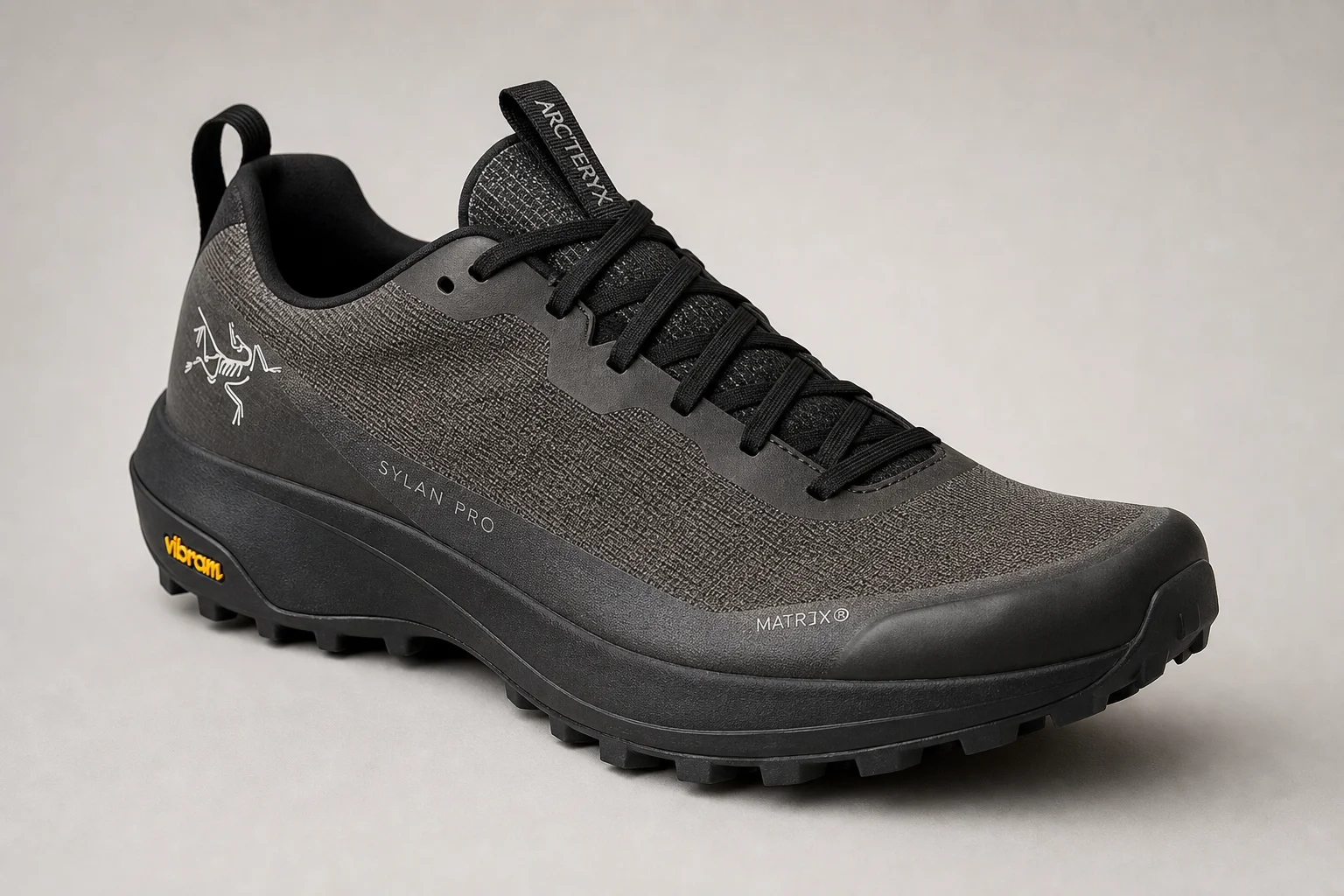
Arc'teryx Sylan Pro Review: A Rocker-Focused Mountain Running Shoe Tested on 20 Miles
The Arc'teryx Sylan Pro brings a pronounced rocker geometry and secure fit to mountain terrain. We tested it on a 20-mile Sawtooth loop to evaluate its climbing efficiency, protection, and handling of technical descents.
Trail Running Shoes
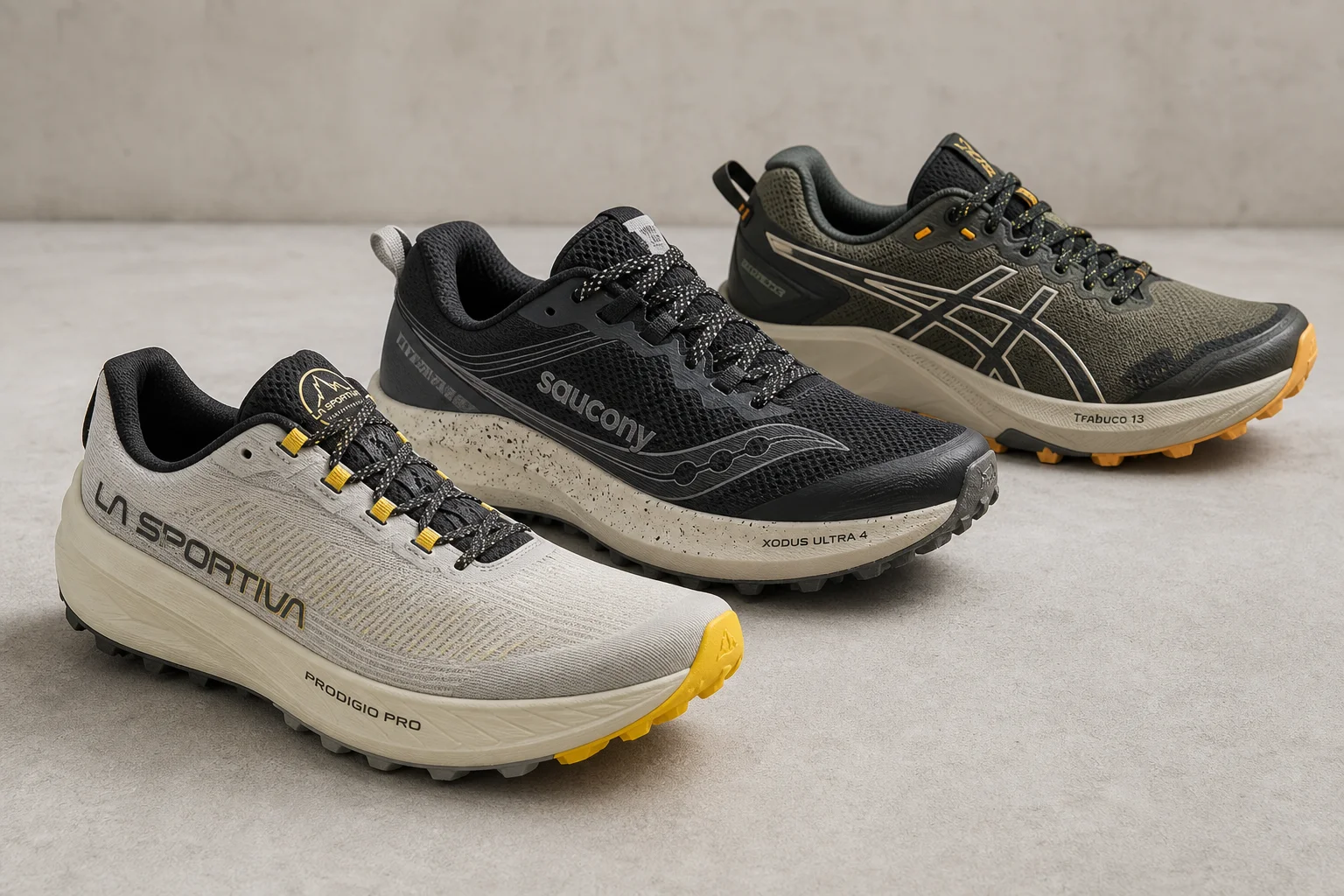
Best All-Mountain Trail Running Shoes: Three Versatile Options for Any Trail
A focused roundup of three all-mountain trail running shoes that handle technical terrain, long distances, and variable conditions with real strengths and practical trade-offs.