Trail Running Shoes
Hoka Tecton X Review: A Carbon-Plated Trail Racer That Plays Well Beyond Race Day
Dual carbon plates, supercritical foam, and a genuinely versatile ride make the Tecton X one of Hoka's most exciting trail releases, with a few fit quirks to weigh first.
Introduction
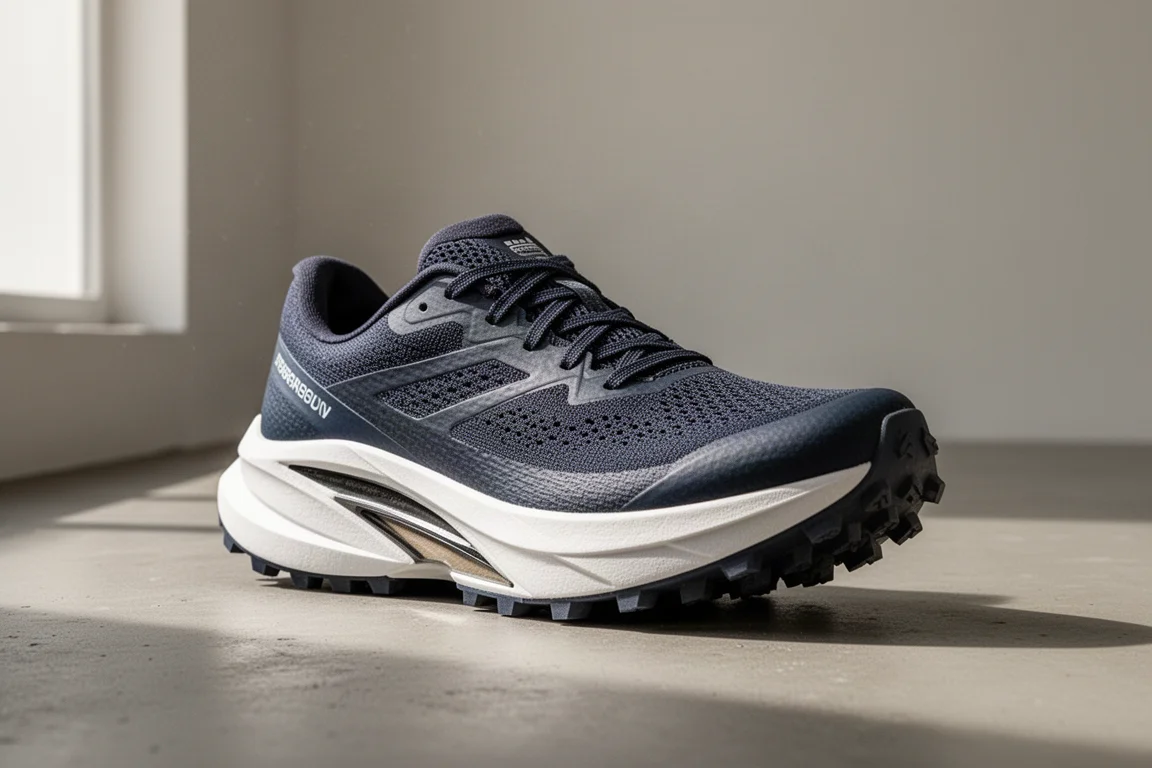
The Hoka Tecton X is one of the most surprising shoes in Hoka’s trail lineup in years. It is not a shoe most runners anticipated getting excited about, but once you spend real miles in it, the appeal becomes obvious quickly. This is a race-ready trail shoe that also happens to be comfortable, cushioned, and versatile enough to pull double duty on the road.
What the Tecton X Is Built For
The Tecton X is primarily meant for going fast. It is a race day shoe, and its position in the Hoka lineup sits somewhere between the Hoka Zinal and the faster EVO Speedgoat. The headline technology is ProFly X, a supercritical foam paired with dual carbon fiber plates that run parallel to each other in the shoe without connecting or intertwining. The idea is something like dual suspension for off-road vehicles, and on smooth terrain it delivers a bit of extra stability and noticeable pop.

Upper: Roomy, Long, and Mostly Secure
The shoe uses a jacquard upper with a very wide toe box and a wide heel. Some runners will struggle to find the perfect lockdown, though the generous gusseted tongue and an unusually long lacing system that extends all the way down toward the toe box help dial in a good fit. The shoe also runs a little long, which became an issue in later miles when fatigue set in, leading to a few kicked rocks, roots, and one hard fall. A rubber toe bumper at the front helps protect against exactly that kind of contact.
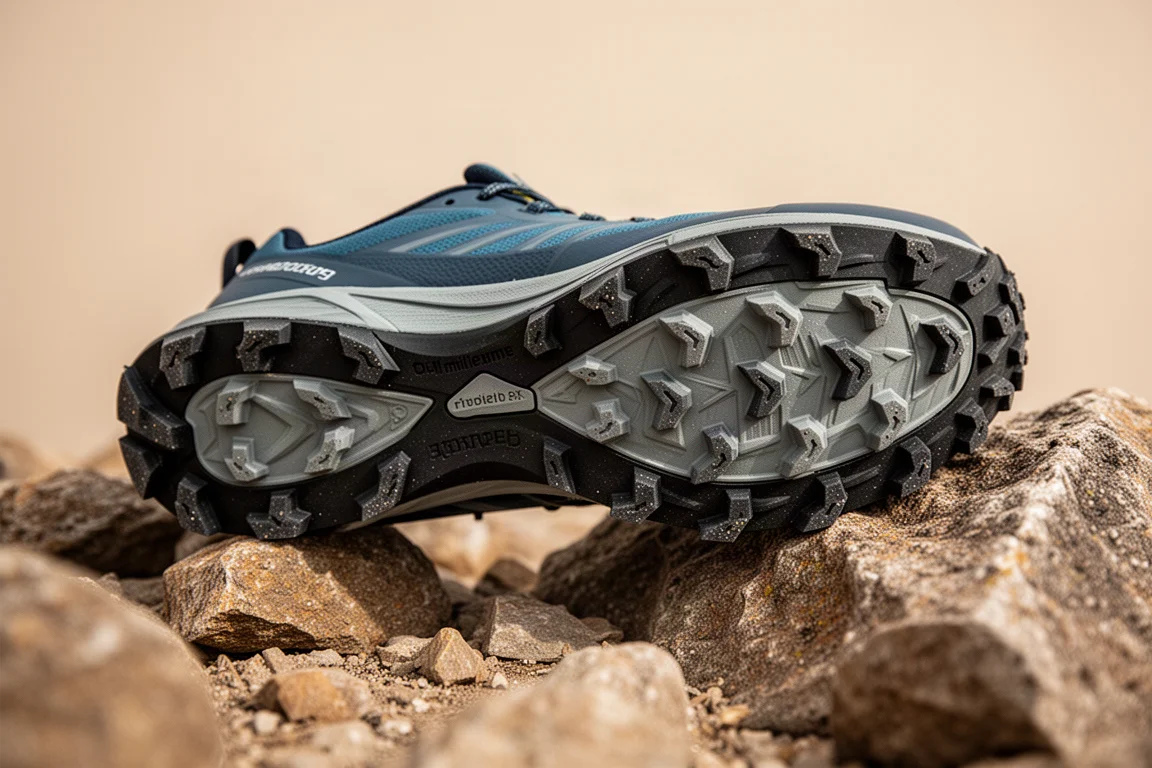
One durability note: at around 20 miles on each shoe, the rubber on the toe peeled off on both shoes in one tester pair. Everything else held up fine, and the shoes were being used aggressively, but it was the first visible sign of wear.
Midsole and Outsole: The Ride Is the Star
The midsole is a dual-density setup: ProFly X supercritical foam on top with a standard EVA layer below, topped with a Vibram Lite Base outsole featuring short 4mm lugs. The combination gives a genuinely excellent ride. The plates add a touch of stability and pop, though on very technical, rocky, rooty trails the ride can feel a bit wonky as it shifts underfoot. This is not a technical-trail shoe; it is a West Coast-style smooth trail shoe at heart.

Where it really sings is fire roads, gravel trails, rail trails, and anything buffed out. It is so versatile that some runners even use it as a road shoe, and more than one person called it their favorite Hoka road shoe of the year, ahead of shoes like the Mach Supersonic. Hoka athletes have reportedly considered it for long-distance road running too, which says a lot about the state of both the shoe and the brand’s current direction.
Performance on Real Terrain
The geometry is approachable: a 4mm drop with a 33mm heel stack and 29mm in the forefoot. For a size 8.5, the shoe weighs around 240 grams, or about 8.5 ounces, which is genuinely light for a trail shoe at this cushioning level. That lightness does not come at the cost of comfort; it remains well cushioned and comfortable even over very long miles.

On East Coast mountains with ice, snow, rocks, and roots, the Tecton X was not a great match, which is expected given the shallow, partially exposed outsole. But on smooth to moderate trails and mixed road-to-trail routes, it is hard to imagine a better option. If you loved the EVO Speedgoat on race day, this shoe will feel faster while giving up only some outsole aggression.
Buying Advice
At around $200, with carbon plates pushing the price up as is now standard, this is a premium trail shoe. It was expected around June at one point, with delays pushing availability toward late summer. If you are planning a fall race series or fall trail season, it should be readily available and is a strong pickup.
Conclusion
The Tecton X earns a clear double green light. It is fast, light, cushioned, and remarkably versatile, as long as you accept the wide fit, the longer length, the shallow lugs on technical ground, and a premium price. For smooth trails, road-to-trail days, and race day speed, it is one of the best options Hoka has produced in years.
Product link
View more details for Hoka Tecton X
This product is mentioned in the review. Check the specifications, options, and compatibility before buying.
View more details for Hoka Tecton XFurther reading
Related Reviews
Trail Running Shoes
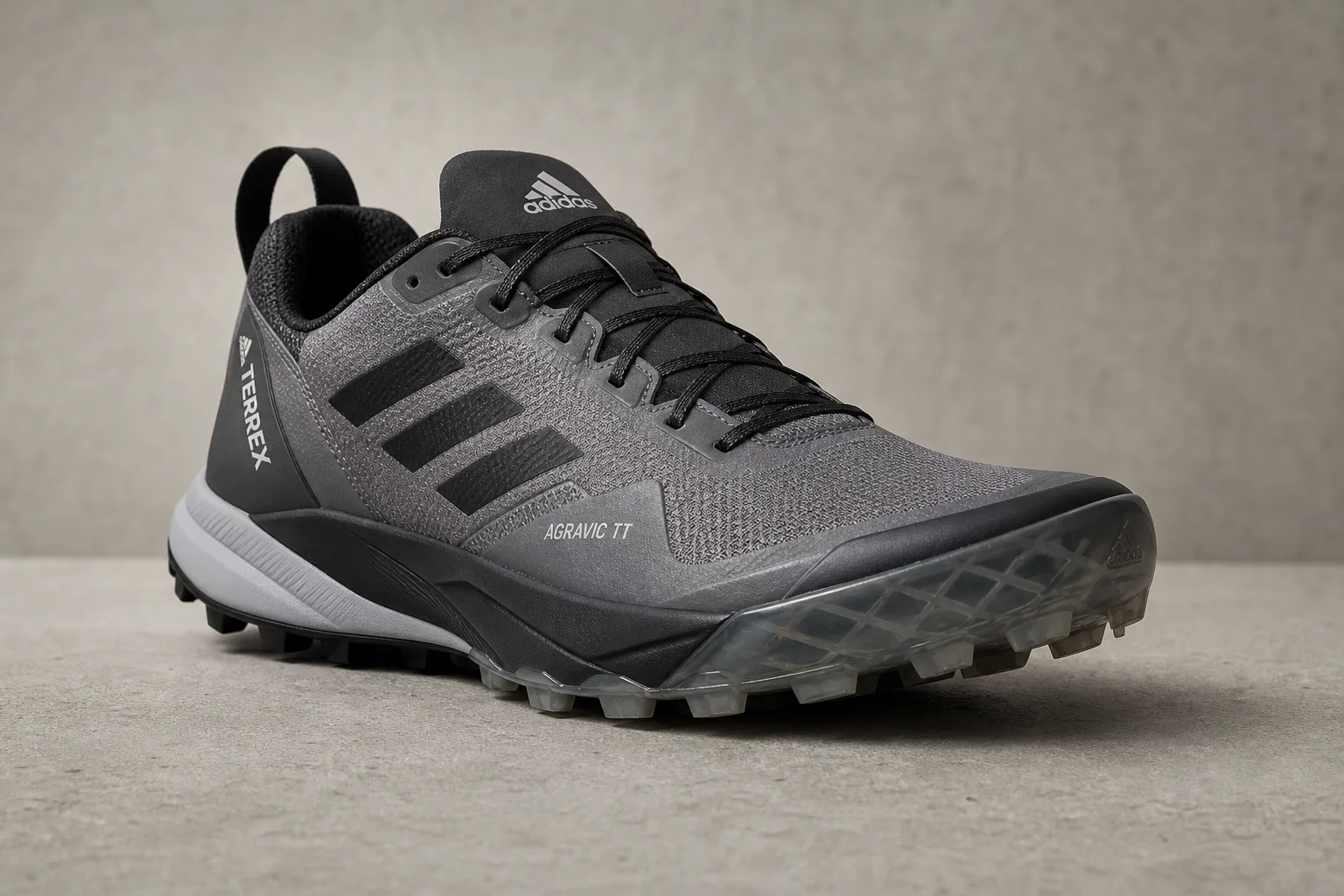
Adidas Terrex Agravic TT Review: A Technical Trail Shoe Built for Rocky Terrain
The Adidas Terrex Agravic TT combines a full-coverage rock plate with a firmer midsole to deliver protection and stability on technical, rocky trails. A capable choice for runners who prioritize underfoot defense over lightweight cushioning.
Trail Running Shoes
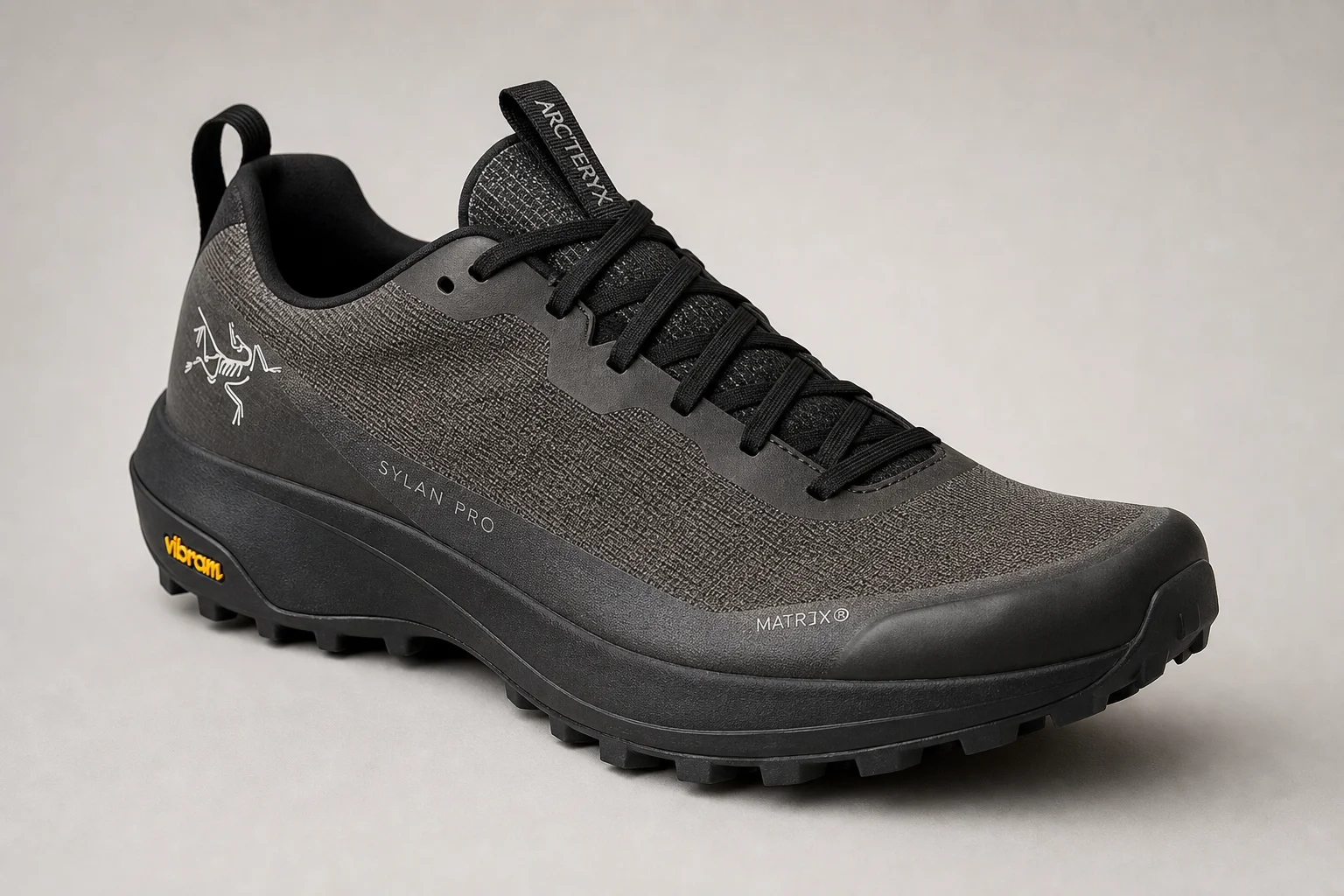
Arc'teryx Sylan Pro Review: A Rocker-Focused Mountain Running Shoe Tested on 20 Miles
The Arc'teryx Sylan Pro brings a pronounced rocker geometry and secure fit to mountain terrain. We tested it on a 20-mile Sawtooth loop to evaluate its climbing efficiency, protection, and handling of technical descents.
Trail Running Shoes
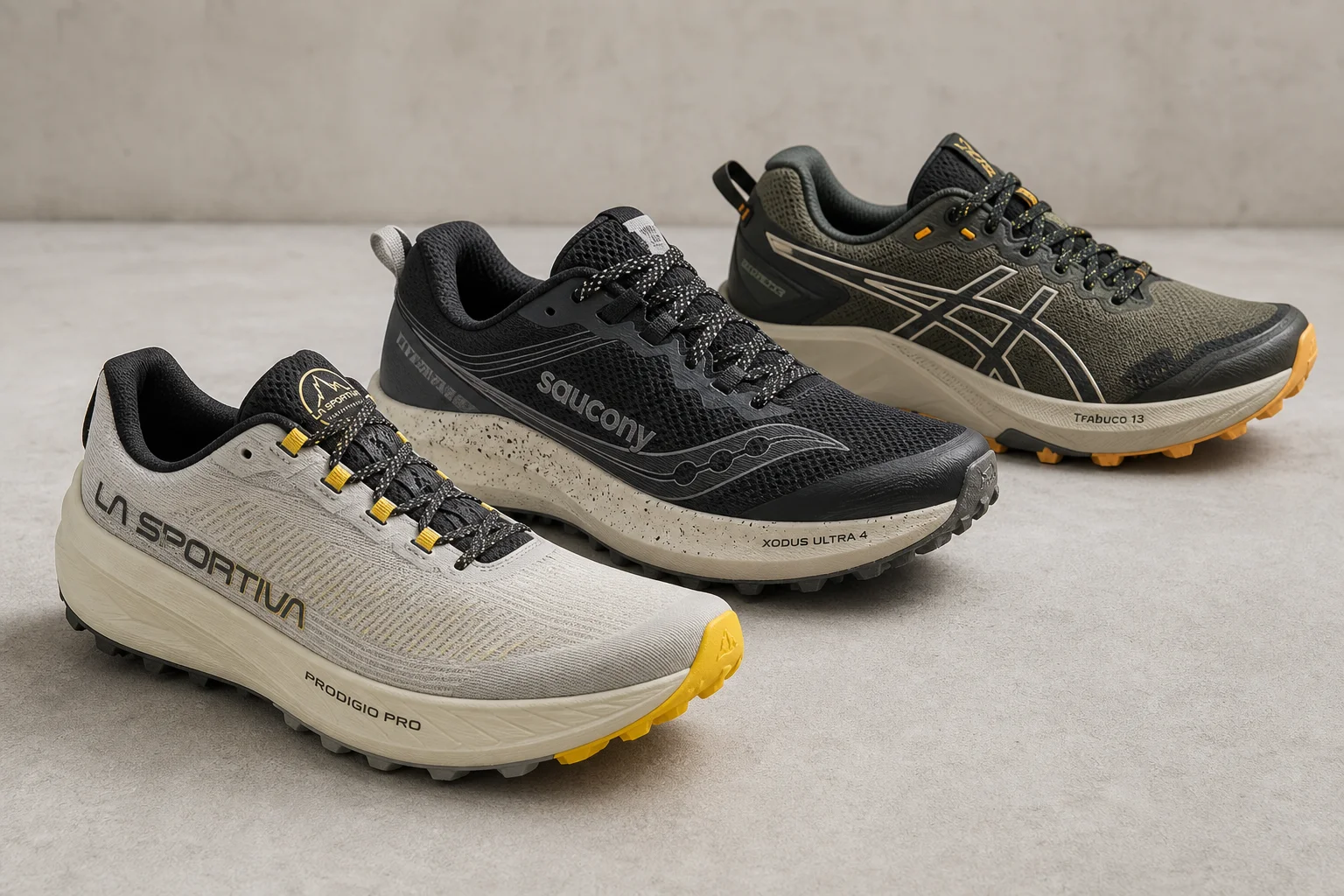
Best All-Mountain Trail Running Shoes: Three Versatile Options for Any Trail
A focused roundup of three all-mountain trail running shoes that handle technical terrain, long distances, and variable conditions with real strengths and practical trade-offs.