Trail Running Shoes
Hoka Tecton X 4 Review: A Premium Trail Racer That Holds Up After 100 Miles
After 100-plus miles of mountain, gravel, and pavement running, the Tecton X 4 still earns its place as a race-day trail shoe with surprising durability.
Introduction
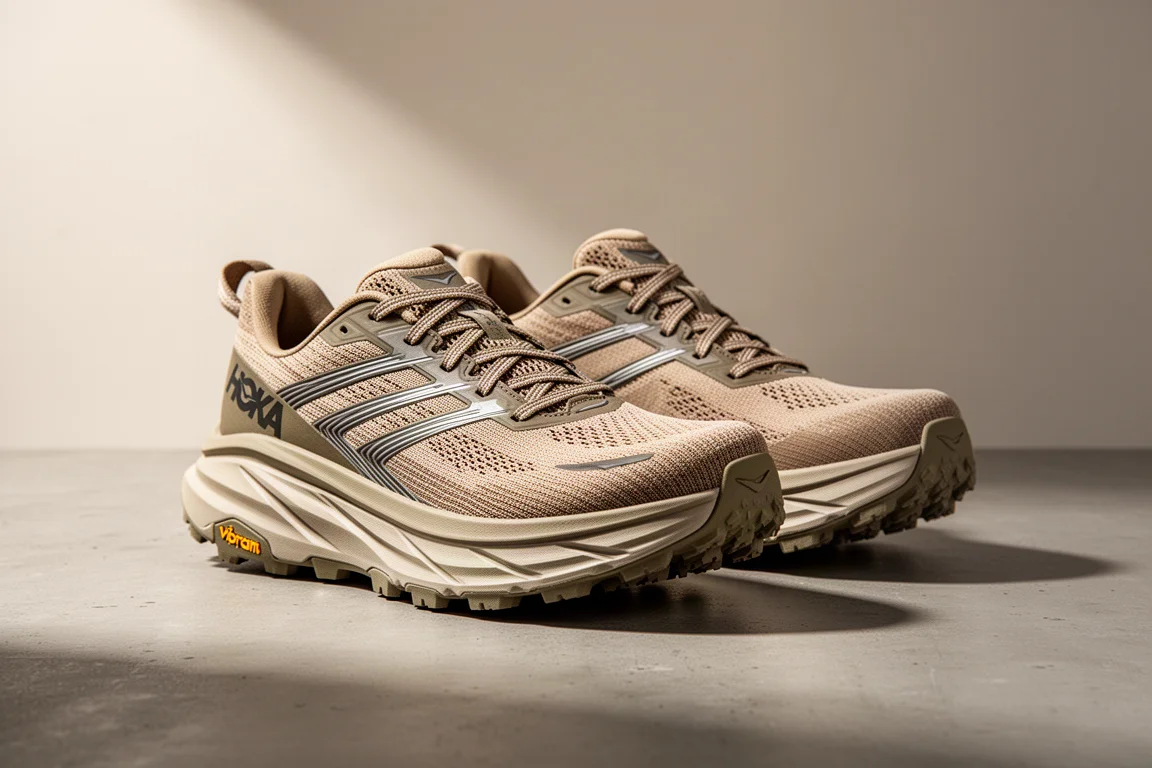
Some running shoes tell you everything in the first run. Others reveal their true character only after serious mileage. The Hoka Tecton X 4 falls firmly into the second camp. After more than 100 miles across mountain trails, gravel, pavement, and race-day conditions, it still stands out as a premium trail racer that trades some tank-like durability for a light, fast feel, and does so more gracefully than expected.
The original impression was a solid performance across the board, and that view holds. What the extra miles add is nuance: where the shoe stretches, where the foam compresses, and how much life you can realistically expect from a shoe built with race-day materials.
Fit and Sizing After the Miles
The fit story is the clearest thing the extra miles confirmed. The matryx-style upper itself holds up impressively well: it stays light, breathable, and durable, with essentially no scuffing even after long days on rough terrain. What gives is the structure around it. The central lacing stripe, the vamp, and the lacing chain all stretch out a bit over time, creating slightly more volume and a touch less security from the upper.
It is not a deal-breaking change. Laces can still be adjusted to dial in a preferred fit, and the shoe settles into a comfortable, slightly roomier feel. If you are between sizes, though, that matters. A runner who found the shoe initially perfect eventually felt it ran almost a little big, while another who initially found it slightly short and narrow ended up keeping their normal size and considering a half-size up only for very long efforts.

For anything in the range of 12 hours or more on foot, sizing up is worth considering. For shorter races and daily trail miles, the standard size proved to be the right call even for a mid-pack runner spending eight and a half hours on their feet during a mountain race. One minor note from a very long day: slight warmth and rubbing near the big toe, though no blistering.
Midsole and Ride: Compression Without Collapse
The midsole foam does compress over the miles, and the shoe’s rocker shape at the toe flattens slightly. The ride feels different after 100 miles, but not in a bad way. The zip off the toe softens, yet stability actually improves as the shoe settles and lowers slightly underfoot.
What is genuinely impressive is how much pop survives. Even deep into the mileage, the shoe still felt peppy enough to run sub-7-minute miles on a track, and the dual-plate setup continues doing its real job as a dynamic stabilizer. It felt strong going uphill and confident going downhill, which matters more than raw propulsion in mountain terrain.
For a race-day shoe with premium, lightweight materials, this level of resilience is better than average. The reasonable expectation is that the shoe could stay satisfying for around 300 miles, which is respectable for this category.
Outsole and Grip: Vibram Megagrip Under Pressure
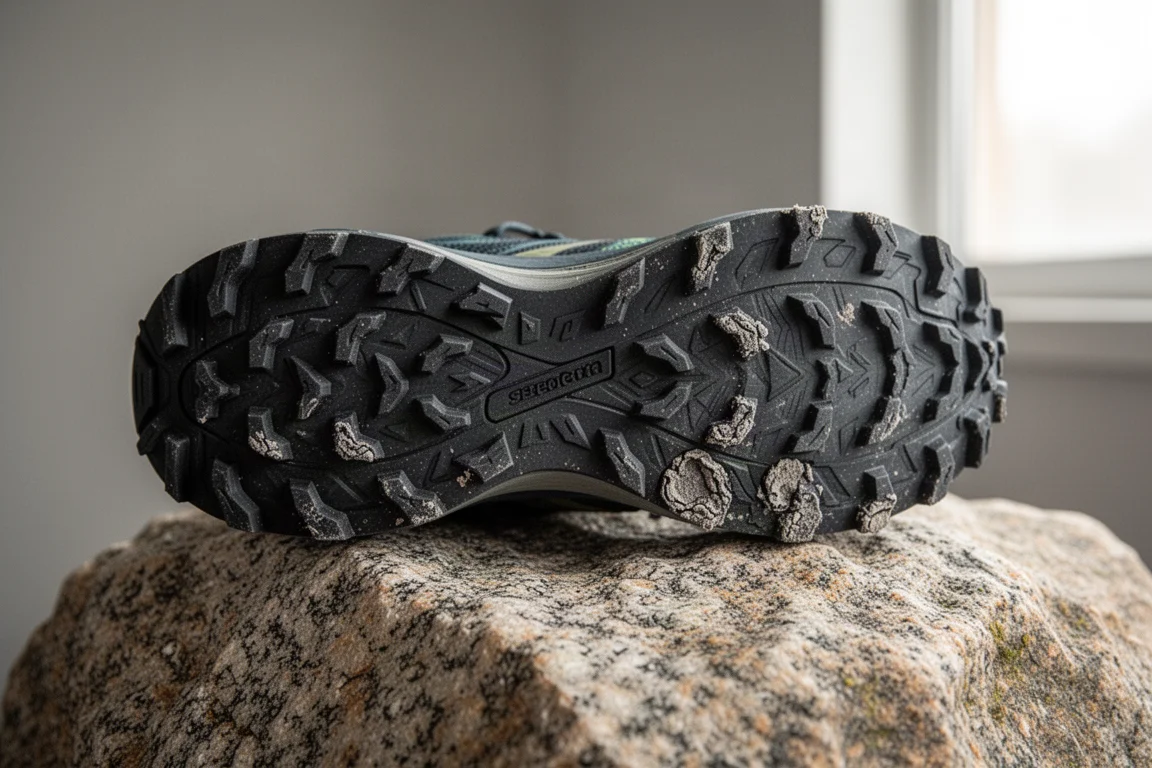
The Vibram Megagrip rubber is phenomenal in terms of grip, and the lug pattern works well across varied surfaces. The trade-off shows on the forward-most lugs, where both long-term testers noticed noticeable shearing after extended use.
The terrain mix matters here. Miles over hard rock, pavement, gravel, and singletrack all wear the rubber faster, and harder surfaces accelerate that degradation. Mountain-heavy use preserved the outsole better, but even then, more durability would be welcome. The counterargument: adding durability would likely cost some of the soft, smooth ride that makes this shoe special.
Where It Shines: Terrain Versatility
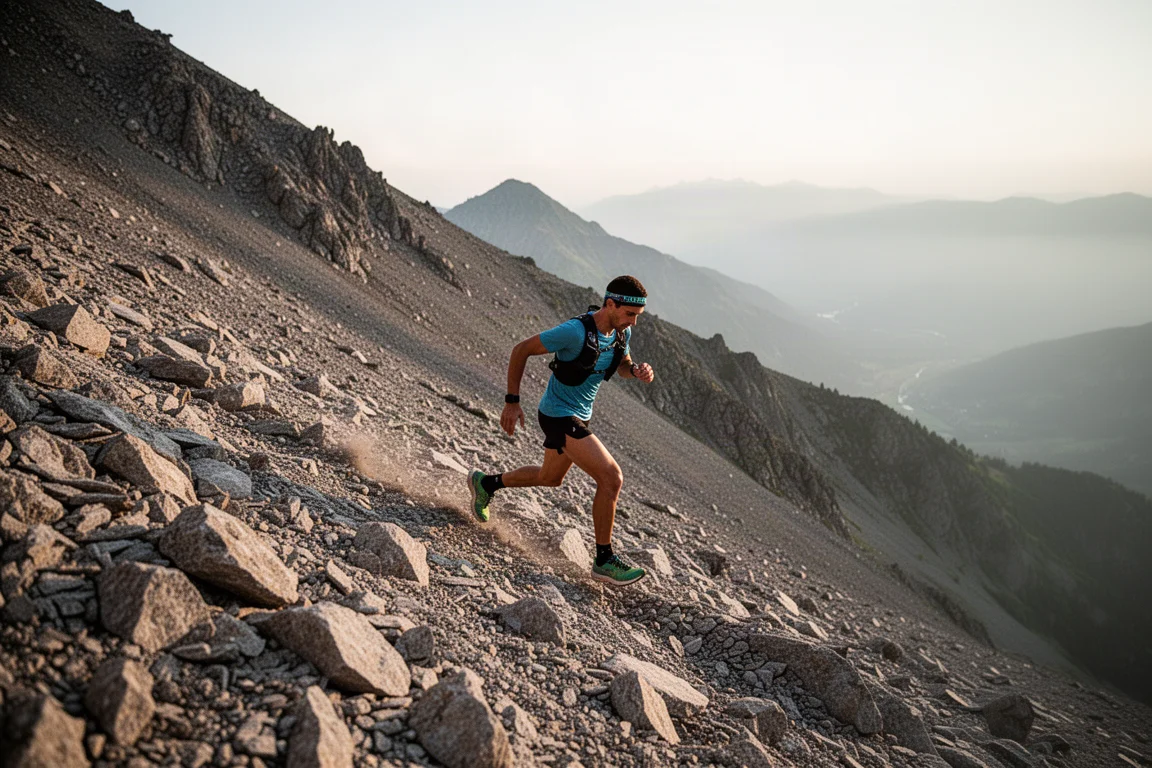
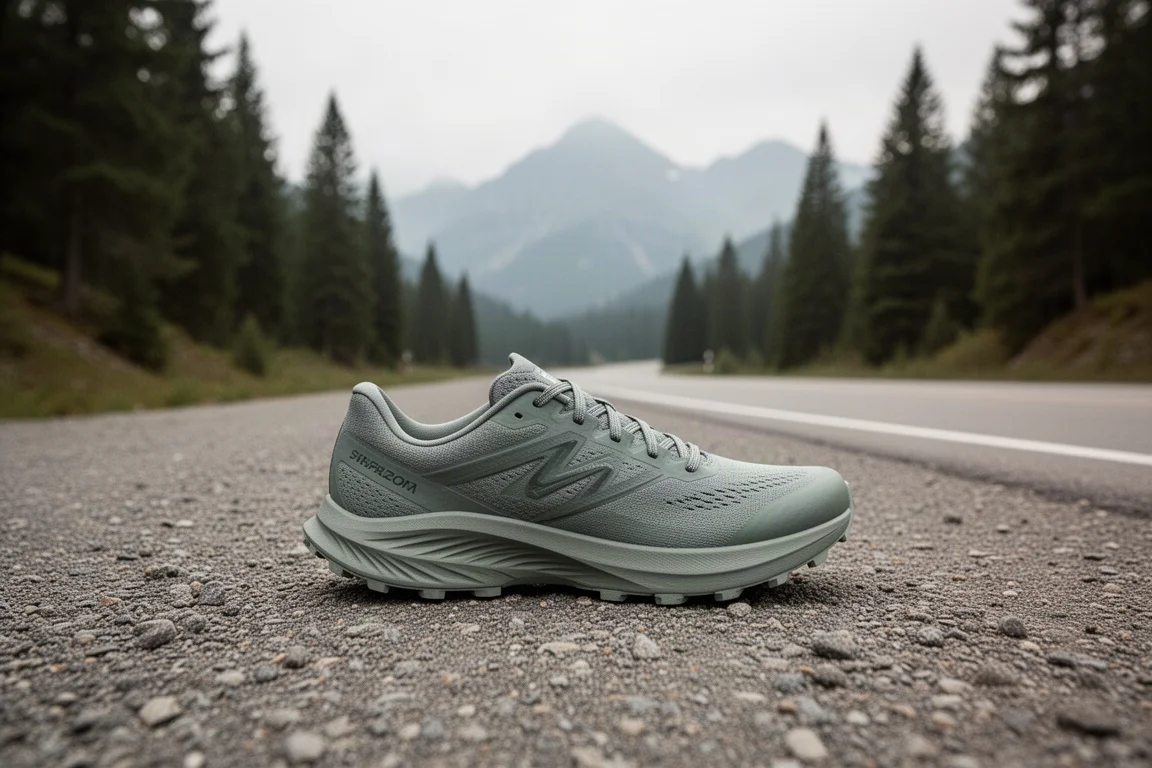
The pleasant surprise is how well this shoe handles terrain beyond technical trails. On gravel it stays smooth and composed, and on pavement it feels genuinely good, which is not something most aggressive trail racers can claim. Steep, rocky descents remain the true test, and while toes can press forward on very sharp drops, few shoes could do much better on that kind of terrain.
That versatility is the real selling point. This works as a fast race-day option for big mountain events, but it can also slot in as an everyday trainer for quicker runs. Fast, slow, far, or short, it adapts without complaint.
Buying Advice
If you want one trail shoe that covers race day and everyday speed work, the Tecton X 4 is an easy recommendation. Size true for typical races and training; consider a half-size up only for efforts lasting 12 hours or longer. Expect the upper to stretch slightly, the foam to compress gently, and the front lugs to shear on hard surfaces, none of which ruins the experience. For a premium race-day construction, the durability after 100 miles is genuinely encouraging.
Conclusion
After 100-plus miles, the Hoka Tecton X 4 keeps the character that made it stand out in the first place. The fit loosens slightly, the ride settles into something more stable, and the grip holds where it counts. For light-and-fast mountain running, it remains one of the most well-rounded premium trail shoes available.
Product link
View more details for Hoka Tecton X 4
This product is mentioned in the review. Check the specifications, options, and compatibility before buying.
View more details for Hoka Tecton X 4Further reading
Related Reviews
Trail Running Shoes
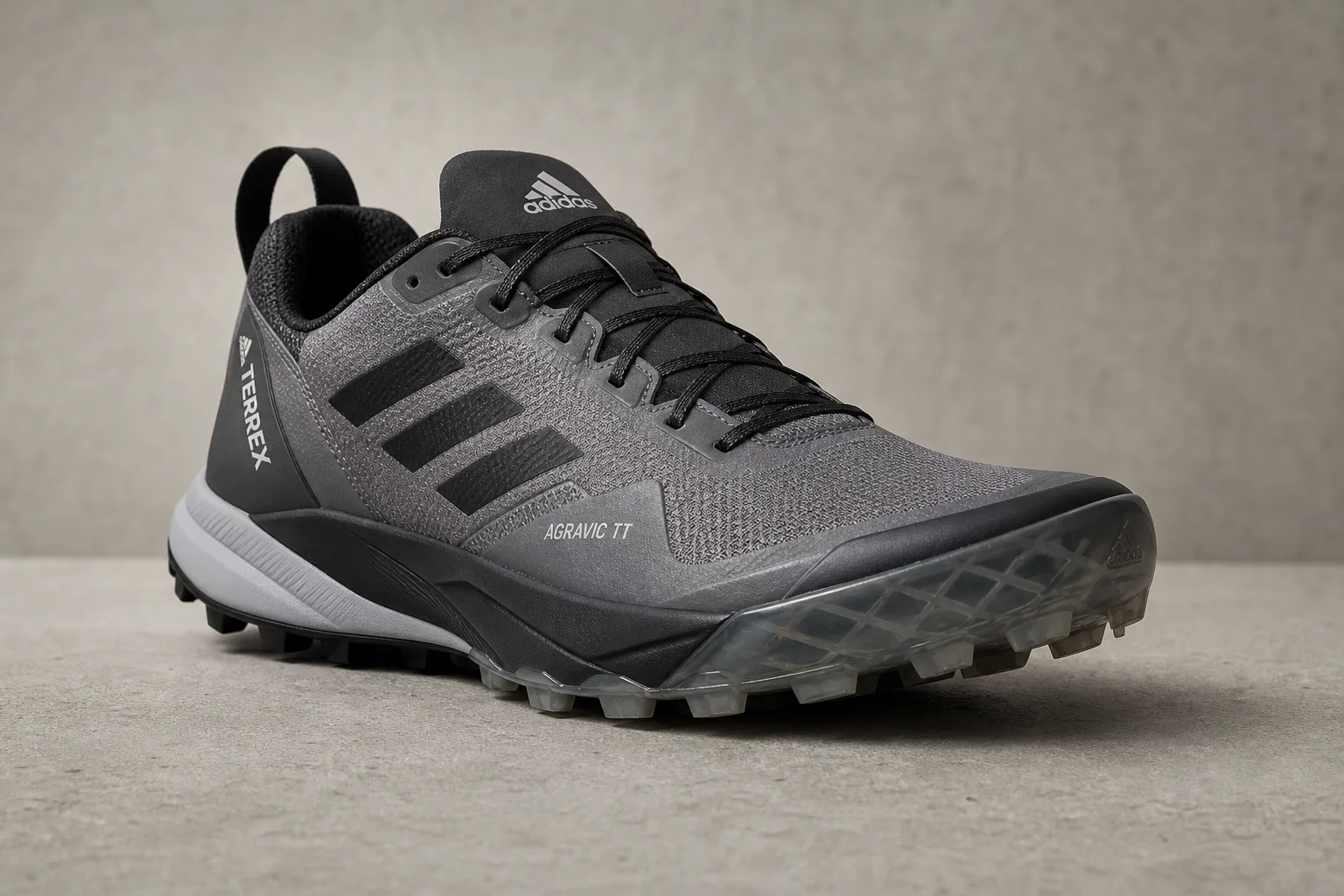
Adidas Terrex Agravic TT Review: A Technical Trail Shoe Built for Rocky Terrain
The Adidas Terrex Agravic TT combines a full-coverage rock plate with a firmer midsole to deliver protection and stability on technical, rocky trails. A capable choice for runners who prioritize underfoot defense over lightweight cushioning.
Trail Running Shoes
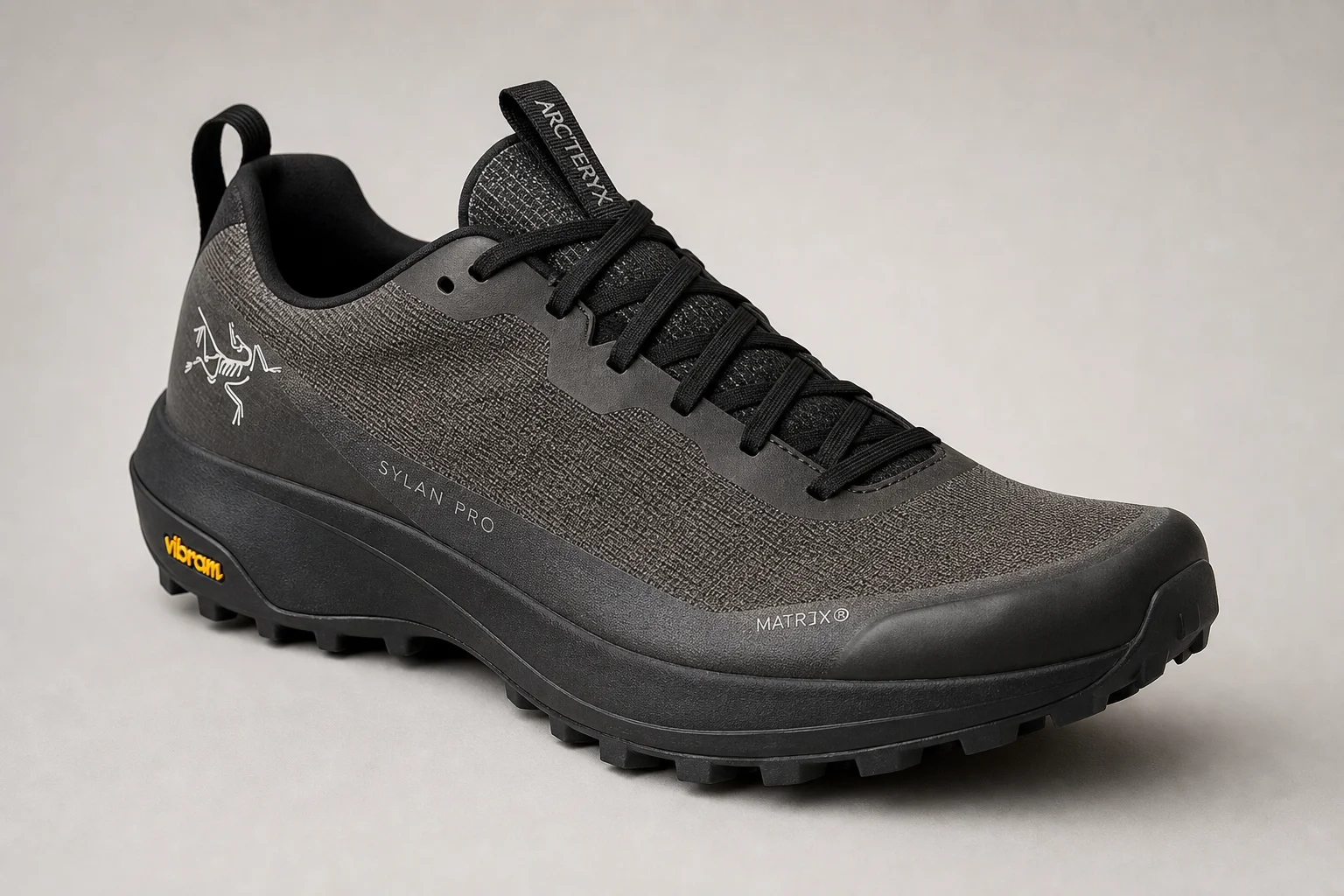
Arc'teryx Sylan Pro Review: A Rocker-Focused Mountain Running Shoe Tested on 20 Miles
The Arc'teryx Sylan Pro brings a pronounced rocker geometry and secure fit to mountain terrain. We tested it on a 20-mile Sawtooth loop to evaluate its climbing efficiency, protection, and handling of technical descents.
Trail Running Shoes
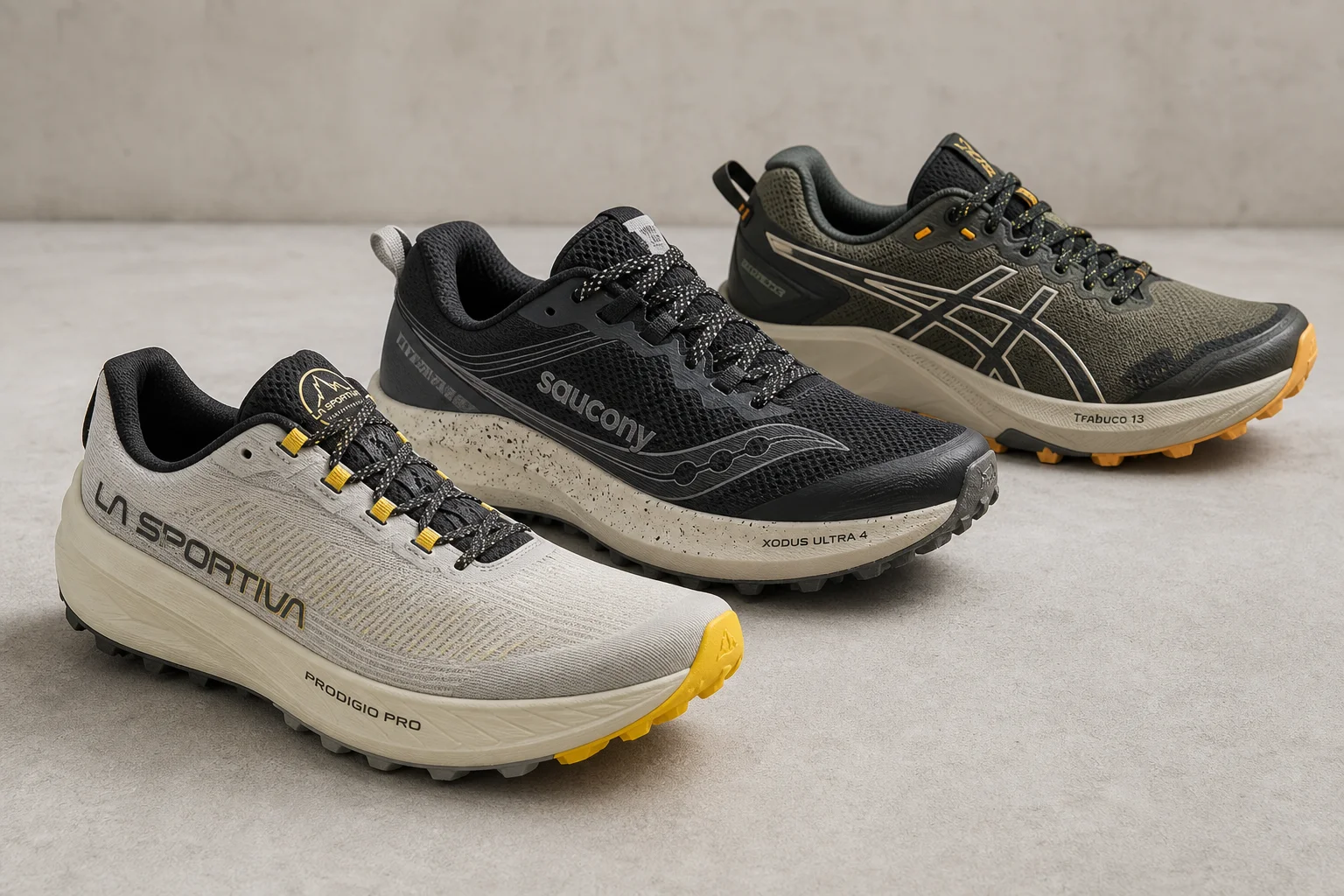
Best All-Mountain Trail Running Shoes: Three Versatile Options for Any Trail
A focused roundup of three all-mountain trail running shoes that handle technical terrain, long distances, and variable conditions with real strengths and practical trade-offs.