Trail Running Shoes
Hoka Tecton X 3 Review: A Radically Different Carbon Trail Racer
Hoka's latest carbon-plated trail shoe swaps to lively PEBA foam and a gaiter-style upper. Here's how it runs and who it suits.
Introduction
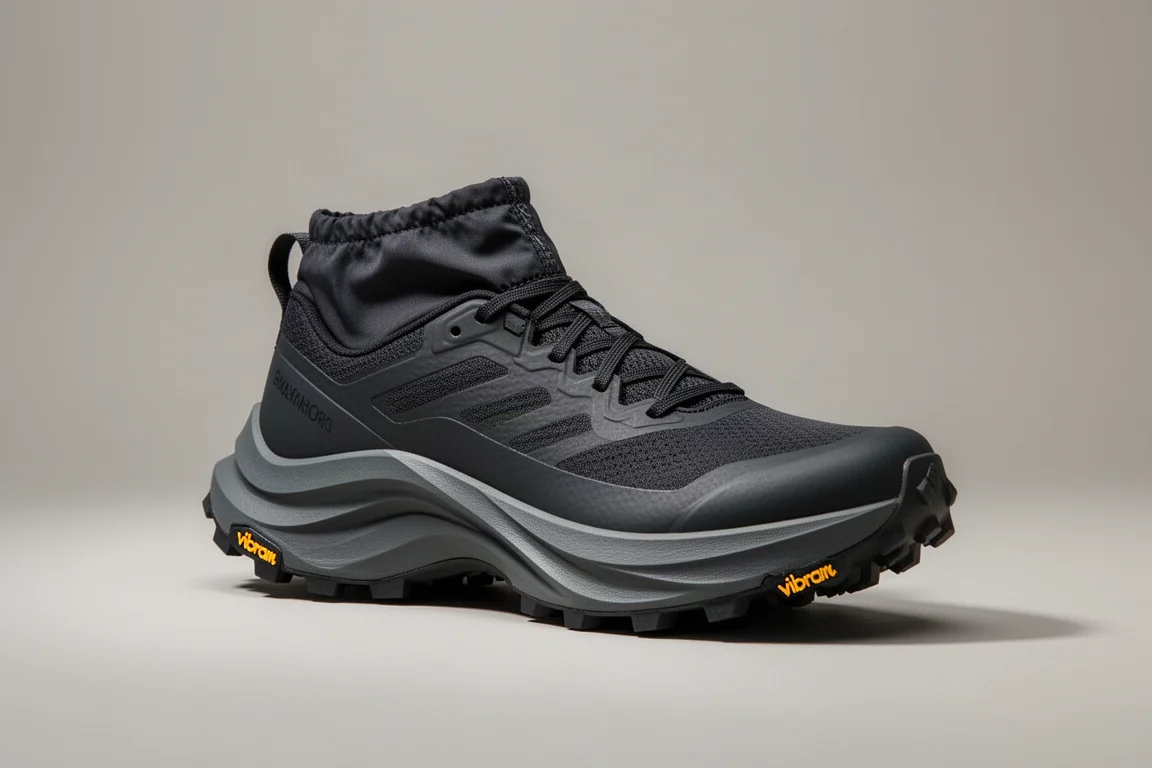
The Hoka Tecton X 3 is the latest version of Hoka’s carbon-plated trail running shoe, built for speed and racing across mixed terrain. It is a radically different shoe from the Tecton X 2, and the changes go well beyond a cosmetic refresh: a new PEBA-based midsole, a redesigned dual-composition carbon plate, a deeper-lugged Vibram outsole, and a striking gaiter-style upper.
There is also a racing pedigree worth noting. This is the shoe line worn by elite trail runners at major ultras, including first-place finishes at UTMB and Western States, though the consumer version differs slightly in plate and outsole design to make it more accessible to everyday runners.
It is an expensive shoe: £220 in the UK or $275 in the US, up from the Tecton X 2’s £185 / $225 at launch. The question is whether that price buys an experience worth having. After early running time on steep climbs, technical descents, mud, grass, streams and rock, the short answer is: for the right runner, yes.
Key Specs and What’s New
Compared with the Tecton X 2, the X 3 gains weight slightly: a men’s UK 10 weighs 286 g versus 264 g for the previous version, and a UK 8 came in at 260 g on the scales. It keeps the same 5 mm drop and the same 40 mm heel / 35 mm forefoot stack heights as the last Tecton. It is also only available in one width option.
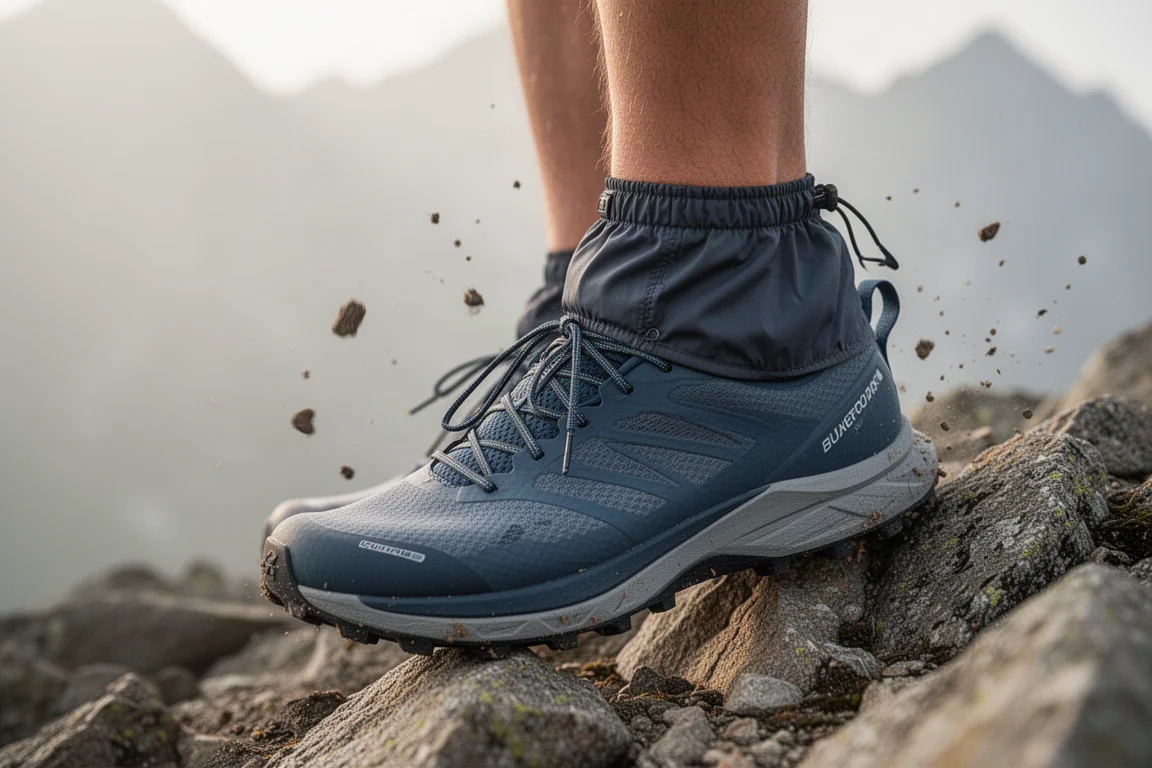
The midsole is the headline change. Hoka swapped the previous dual-density supercritical EVA and EVA-based cushioning for a dual layer of PEBA foam to deliver a bouncier ride. That is combined with Hoka’s meta-rocker and a new dual-comp carbon plate design with winglets, intended to keep the ride propulsive while adding control and stability.
Out on the trail, traction comes from a Vibram Megagrip Litebase outsole with lugs that step up from 3 mm to 4 mm to boost grip across a range of surfaces.
Fit and Upper: A New Gaiter-Style Design
The upper is the other big talking point. The quick-dry matrix upper with a vamp gives toes room to spread out, while a new design-dominating gaiter-style collar protects against trail debris. Getting the shoe on takes two steps: slip half of your foot in, then work the rest into place through the gaiter. You are not going to easily slip this shoe on, but once it is on, it feels nicely locked in.
In a typical UK size 8, the fit worked well up front with generous space at the toes and sides, and slightly less volume on top. Further back, it narrows into a very Hoka feel: a snug, locked-in midfoot that suits a faster, racing-focused shoe. The heel collar has real padding inside rather than raw material against the Achilles, which keeps things comfortable and stable.
Because of the sock-like gaiter and tongue combination, you need to work a little harder to find optimal lockdown. By the second run, it was dialed in. That adjustment period is worth factoring in before you buy.
Early Running Impressions
The PEBA midsole immediately makes this feel like a different shoe to the previous Tecton versions, which ran firmer while still being responsive. Here, the bounce is impossible to ignore. On straighter routes, the shoe feels very lively and you roll through quickly, with the rejigged carbon plate counteracting the softer foam to keep the ride propulsive and stable.

The second run, just shy of 9 miles over rockier paths, mud, grass, streams and logs, showed the shoe at its best when pushing the pace. It gains a little weight over the X 2, so this is not a lighter version of the previous shoe, but it still runs light rather than clumpy. It also felt nimble on descents, and the thinner, less padded upper will reward agile, technical runners.
Outsole and Traction
The Vibram Megagrip Litebase outsole was a standout across mixed terrain. The deeper 4 mm lugs handled soft ground without feeling harsh or firm, and the shoe managed short stretches of road, though it clearly belongs off-road.
Across streams, over logs and through wet, muddy sections, grip held up well with no slipping. The upper got wet in places and stayed warm, but it did not soak through. The outsole consistently felt dependable, and Vibram rubber is a key part of what makes this shoe work across surfaces.
Things to Consider Before Buying
This is a shoe that takes time to get used to. The gaiter-style upper is harder to put on than previous Tectons, and the livelier PEBA ride trades away a little of the firmer, tightly connected-to-the-ground responsiveness some runners loved about the X 2. If that is the feel you are chasing, other Hoka trail shoes may fit more naturally and traditionally.
The price is also a genuine factor. At £220 / $275, it is a lot for a trail shoe, and you need to be sure the road-racing-shoe feel translated to trail is what you want. It is only offered in one width, too, so runners who need wide or narrow fits should look elsewhere.
Buying Advice
If you want a trail shoe with the character of a road racing shoe: bouncy, lively, propulsive and quick to roll through, the Tecton X 3 delivers hallmarks of exactly that, and it transfers over nicely to mixed off-road terrain.

It will not be a natural fit for everyone, and it rewards patience with the upper and a willingness to adapt to a very different ride. But for runners focused on racing and running fast across a mixture of surfaces, the changes feel like different in a good way, and the strong Vibram outsole and comfortable, padded heel make the adaptation easier to justify.
Conclusion
The Hoka Tecton X 3 is a radically different shoe from the Tecton X 2, and mostly in ways that work. The PEBA midsole makes it more lively and bouncy, the new plate design keeps it propulsive and controlled, and the Vibram outsole inspires confidence across mud, rock, grass and wet terrain.
The gaiter-style upper demands adjustment, the price is steep, and the ride loses some of the firmer responsiveness of its predecessor. Even so, it is an enjoyable, fast, well-built trail racer that many runners will like once they adapt. Early testing on demanding alpine terrain was very positive, and it is a shoe worth spending more time in.
Product link
View more details for Hoka Tecton X 3
This product is mentioned in the review. Check the specifications, options, and compatibility before buying.
View more details for Hoka Tecton X 3Further reading
Related Reviews
Trail Running Shoes
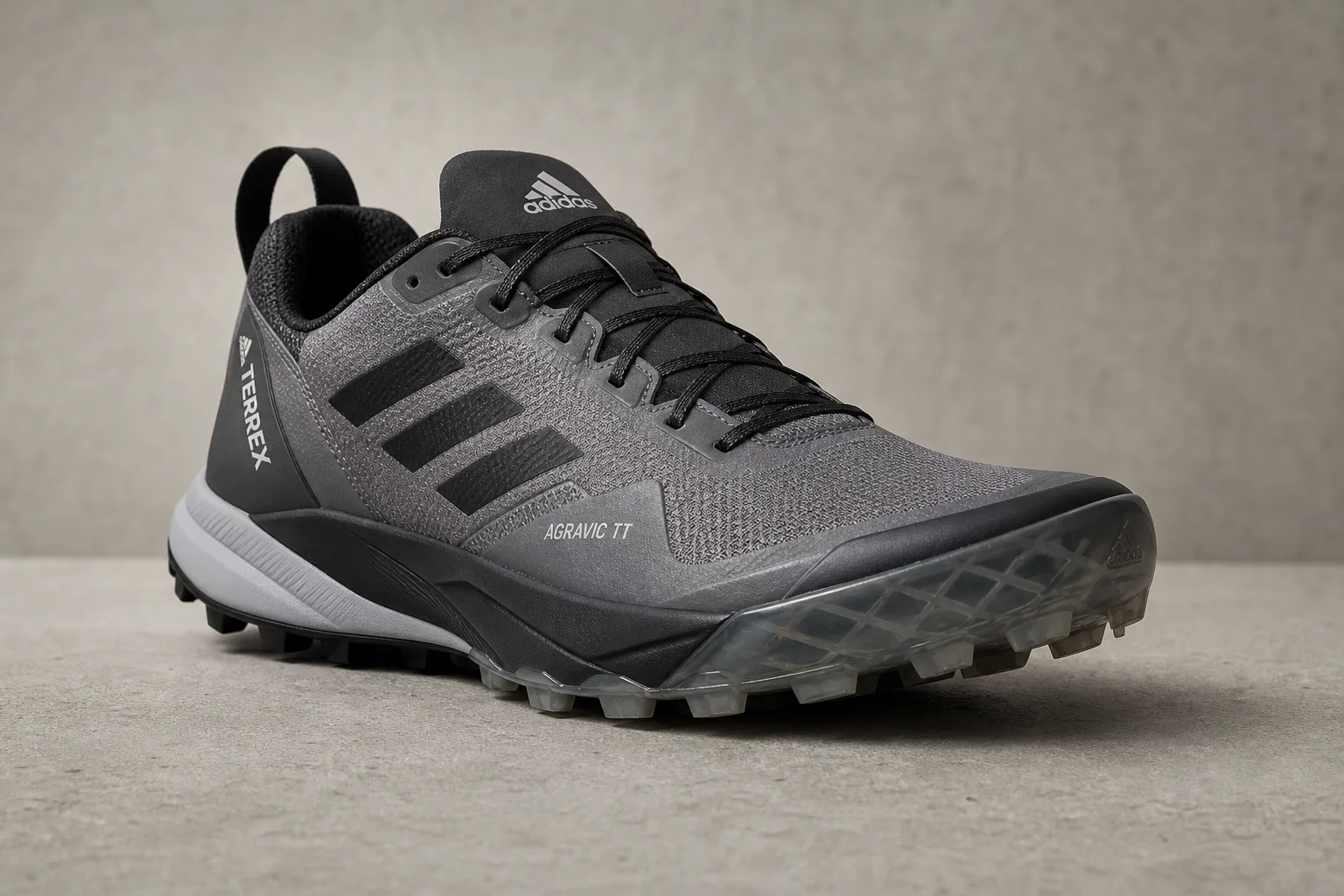
Adidas Terrex Agravic TT Review: A Technical Trail Shoe Built for Rocky Terrain
The Adidas Terrex Agravic TT combines a full-coverage rock plate with a firmer midsole to deliver protection and stability on technical, rocky trails. A capable choice for runners who prioritize underfoot defense over lightweight cushioning.
Trail Running Shoes
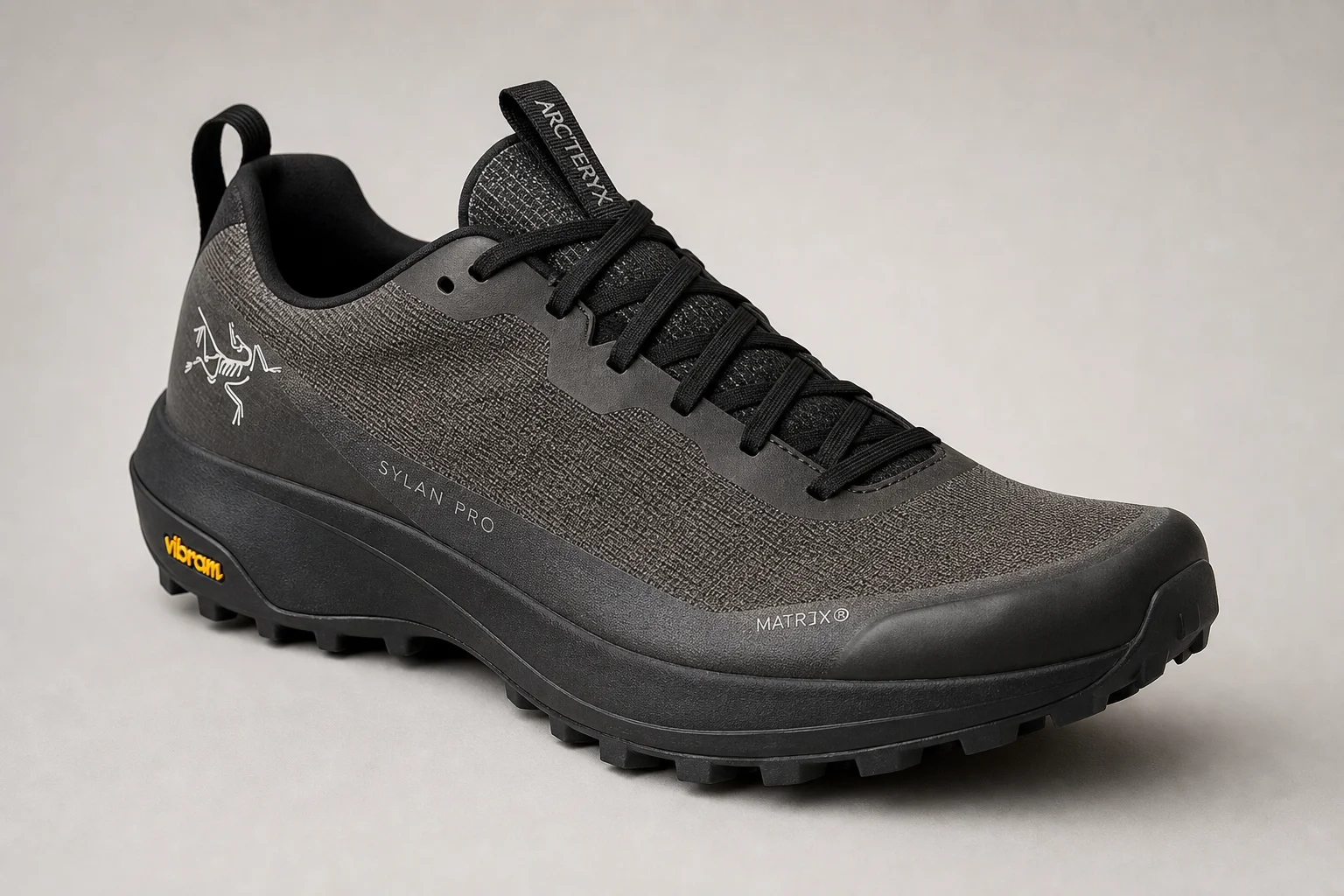
Arc'teryx Sylan Pro Review: A Rocker-Focused Mountain Running Shoe Tested on 20 Miles
The Arc'teryx Sylan Pro brings a pronounced rocker geometry and secure fit to mountain terrain. We tested it on a 20-mile Sawtooth loop to evaluate its climbing efficiency, protection, and handling of technical descents.
Trail Running Shoes
Best All-Mountain Trail Running Shoes: Three Versatile Options for Any Trail
A focused roundup of three all-mountain trail running shoes that handle technical terrain, long distances, and variable conditions with real strengths and practical trade-offs.