Running Shoes
Hoka Running Lineup Spring 2026: Which Shoe Fits Your Rotation
A practical walkthrough of the Hoka spring 2026 range, from the Clifton 10 daily trainer to the Cielo X1 3.0 racer, plus sample rotations for different kinds of runners.
Introduction
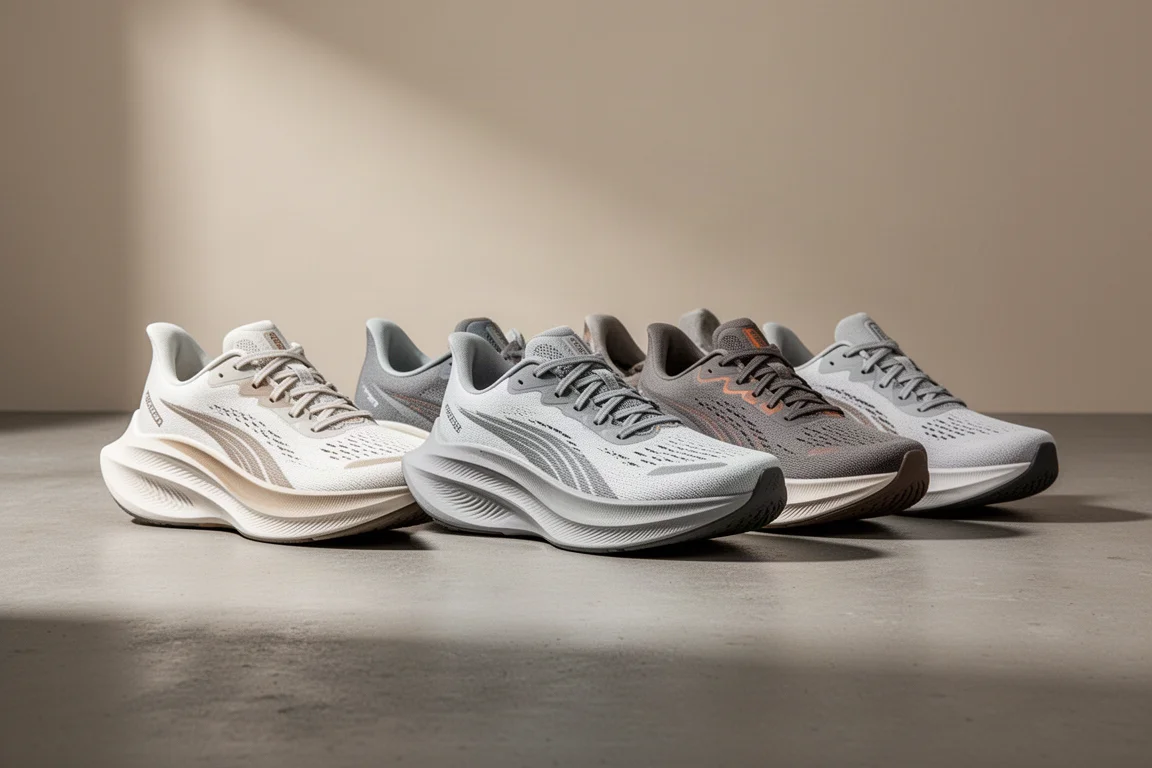
Zooming out and looking at a brand as a whole is a useful exercise when you are trying to build a shoe rotation. Hoka’s spring 2026 lineup is broad, but most of it falls into a fairly clear pattern: a neutral side and a more stabilized side, with shoes that roughly mirror each other across the two. This guide walks through the main models most runners will have questions about, and then puts together a few sample rotations from the current range.
The Daily Trainers: Clifton 10 and Bondi 9
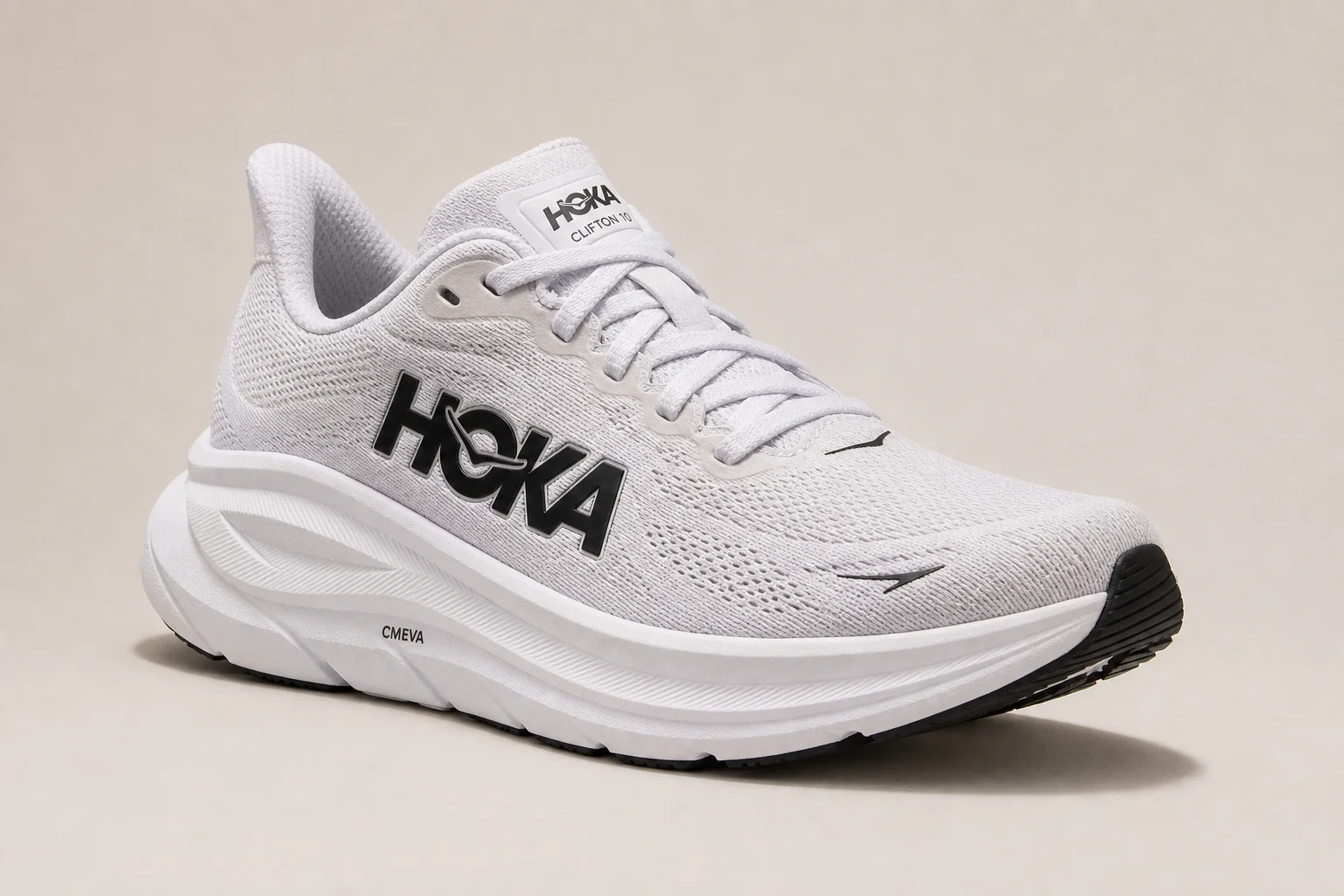
The Clifton is the shoe that put Hoka on the map on the road side. Version 10 keeps the familiar formula: a tall stack height, a low heel drop, and a rocker up front to help you manage all that foam. The result is a comfy, chill ride, though this year’s version leans slightly to the stabilized side, which will not suit everyone.
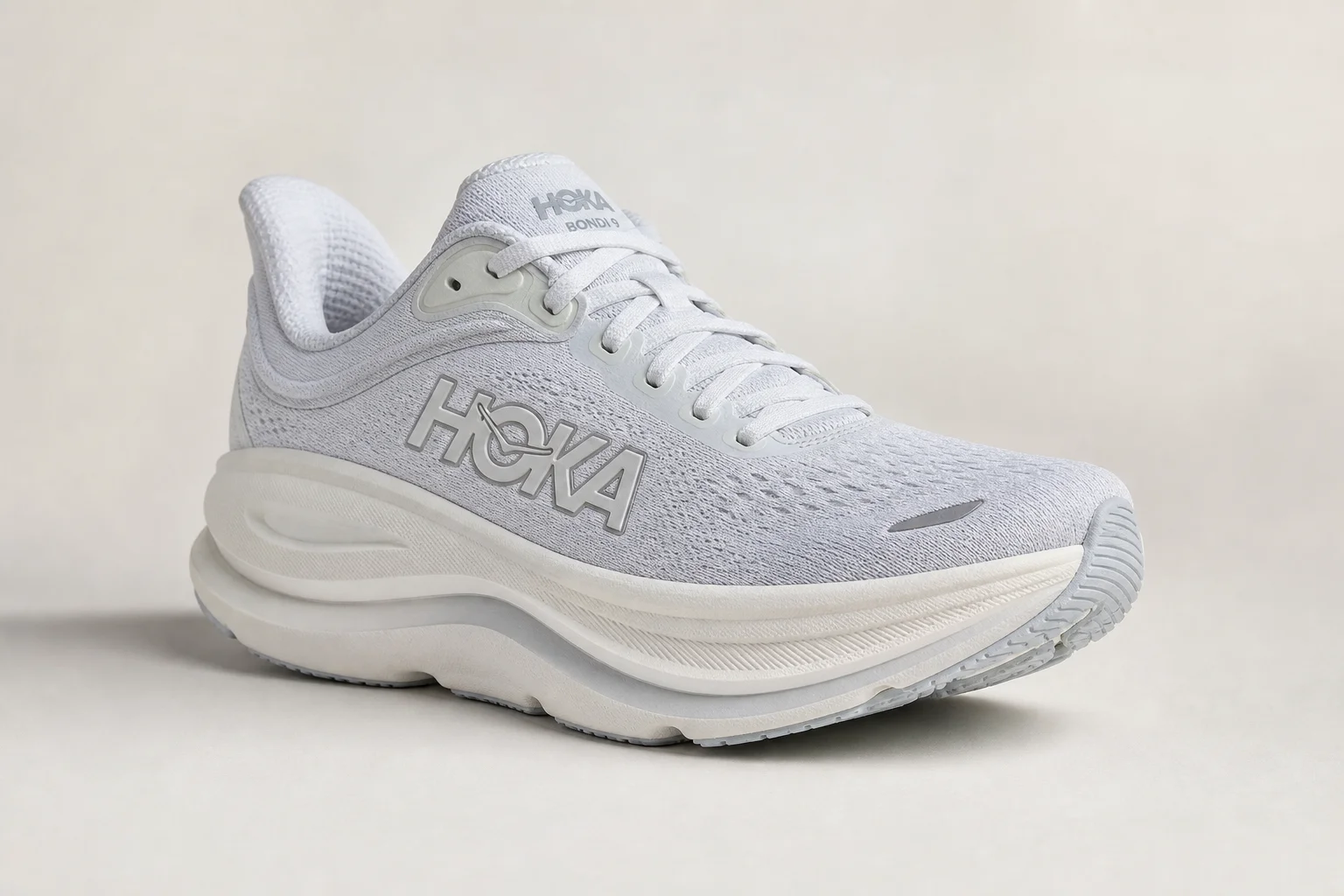
If you need more cushion than the Clifton offers, the Bondi is the next step up. The Bondi was instrumental in creating Hoka’s identity and was one of the first unapologetically big max-cushion shoes at a time when everything else was going low and minimal. Version 9 is a strong update: it has a lot of cushion but also a little bounce, so it never feels tall for the sake of being tall, and it does not feel mushy either.
The Speed-Oriented Daily Trainer: Mach 7
Between the daily trainer and the race shoe, Hoka’s lineup has a gap, and the closest thing it offers is another daily trainer: the Mach 7. This is a shoe you can use for most of your runs, most of your days, but with a very different profile from the Clifton. It is a lot lighter, a lot bouncier, and a bit more speed-oriented, so some runners will use it as a tempo shoe. Depending on the experience you want in your daily trainer, you might pick the Clifton or the Mach 7.
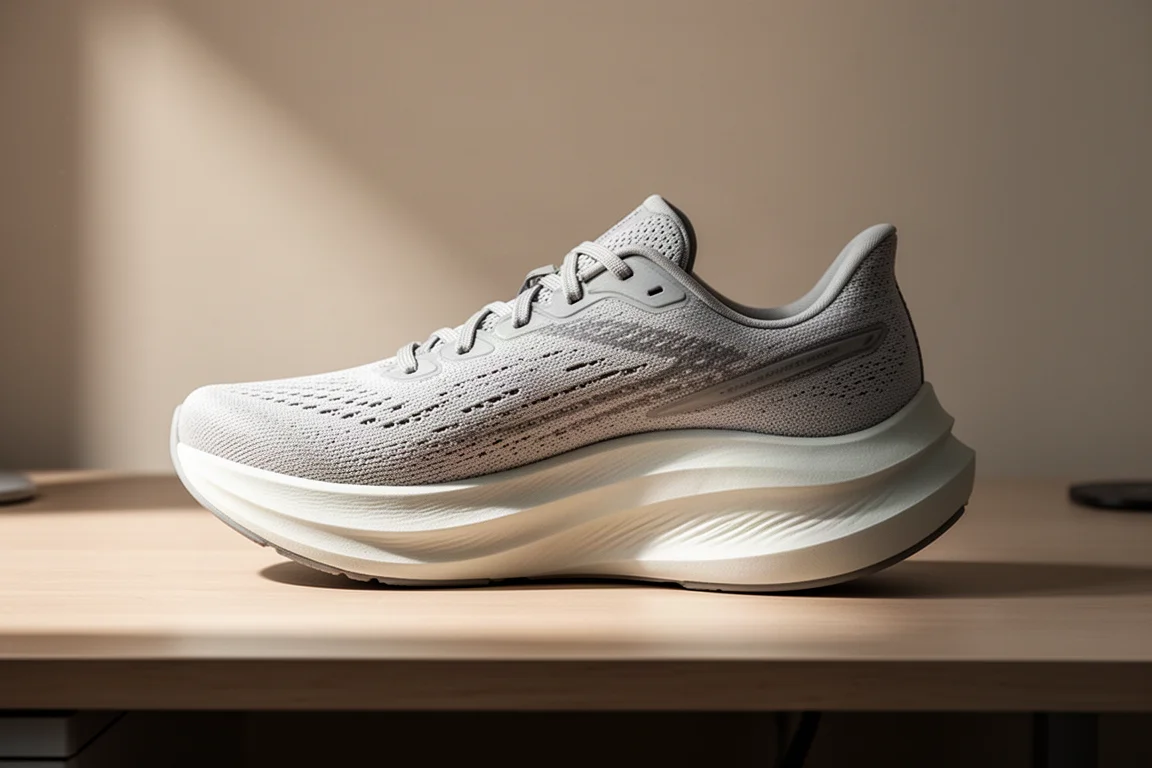
The Race Shoe: Cielo X1 3.0
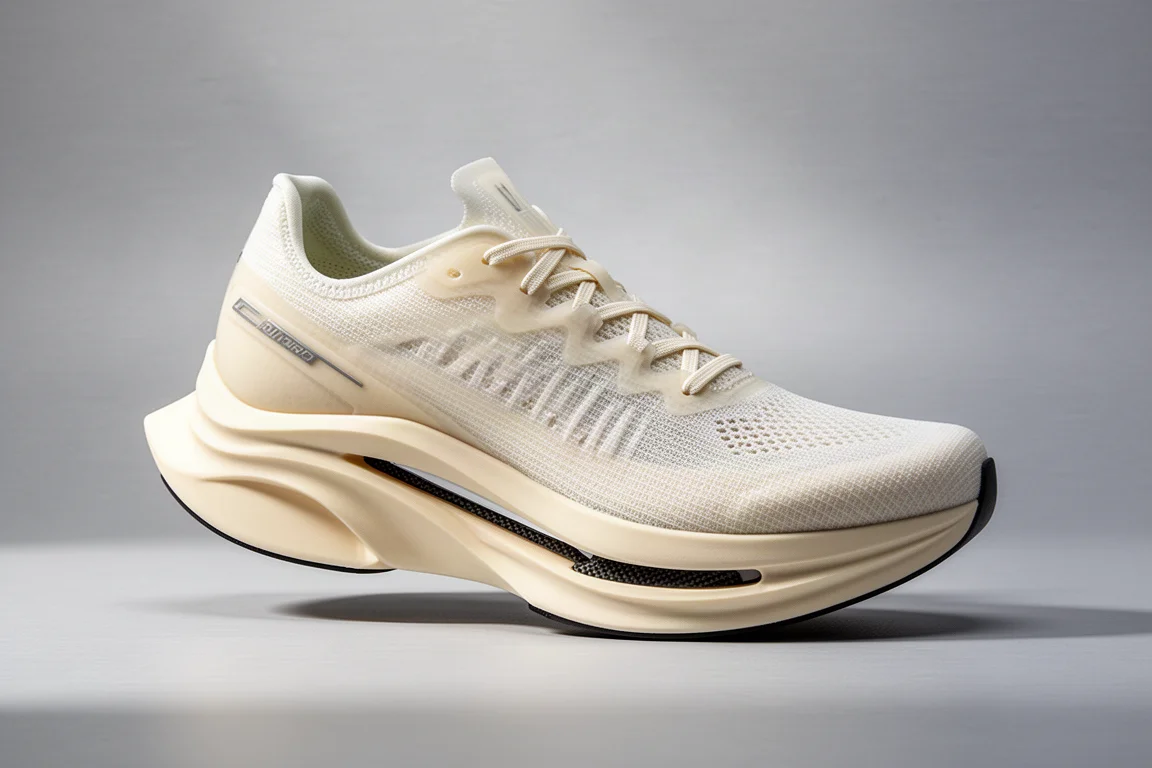
From a race perspective, Hoka has the Cielo X1 3.0. It uses upgraded racing materials: PEBA foam on a top and bottom layer with a carbon fiber plate in the middle. The upper is stripped down and snug the way you want for racing, and everything comes together in a lightweight package. It is generally best suited to midfoot strikers.
The Stability Side of the Lineup
Hoka does not officially split its range this way, but it is a helpful way to think about it: for many of the neutral shoes above, there is a counterpart that serves the same function with a bit more motion control built in. It starts gently and scales up to full stability.
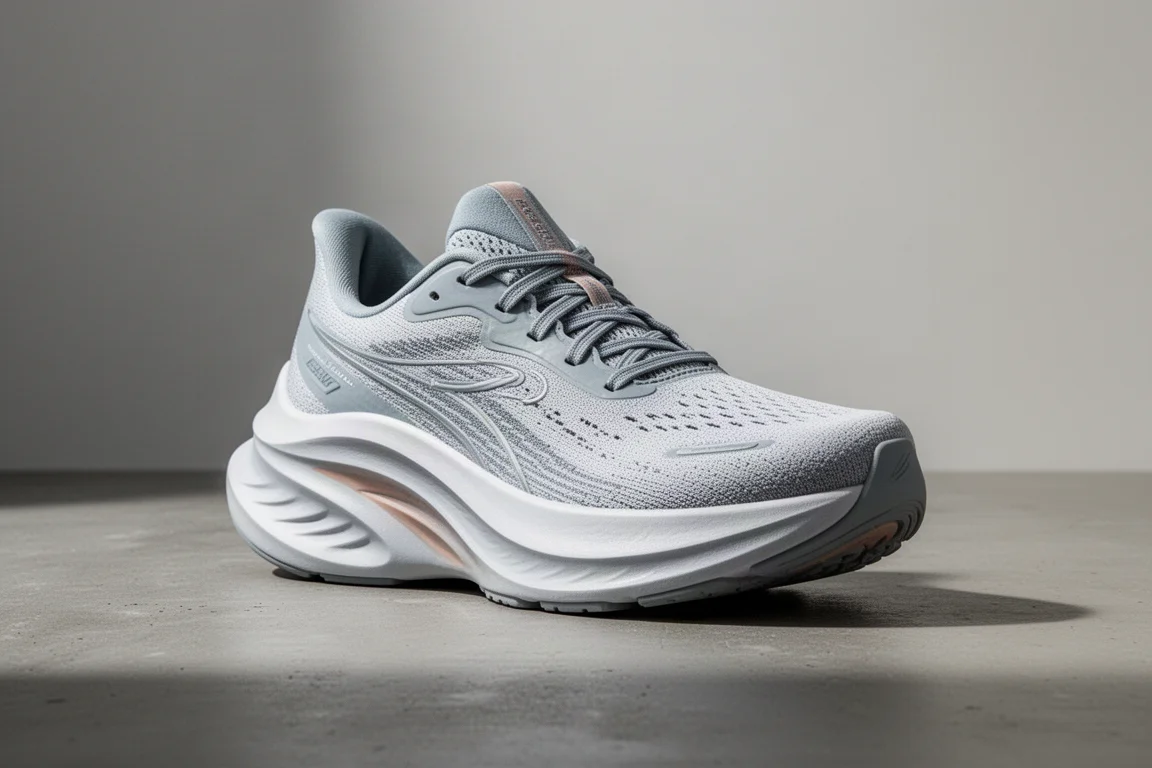
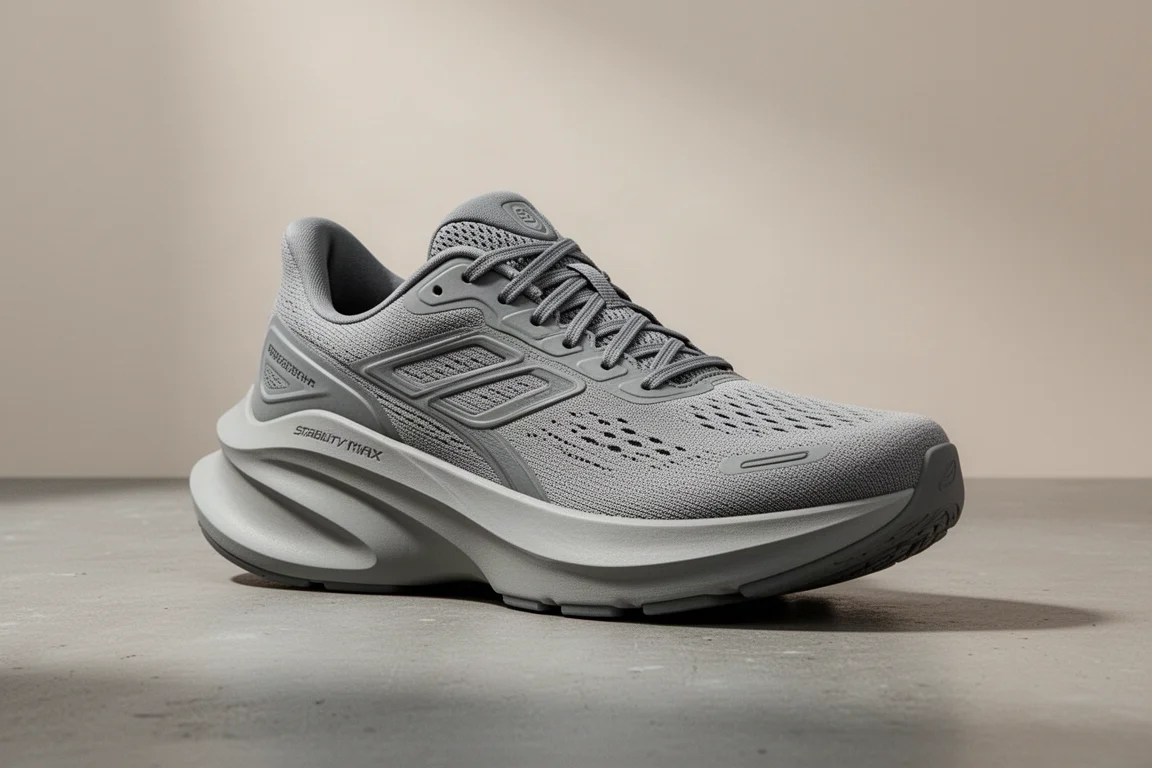
Across from the Clifton sits the Sky Flow. It has a very similar silhouette and use case, but the geometry and architecture of the midsole add a degree of motion control. It is a slight step toward stability rather than a full stability shoe.
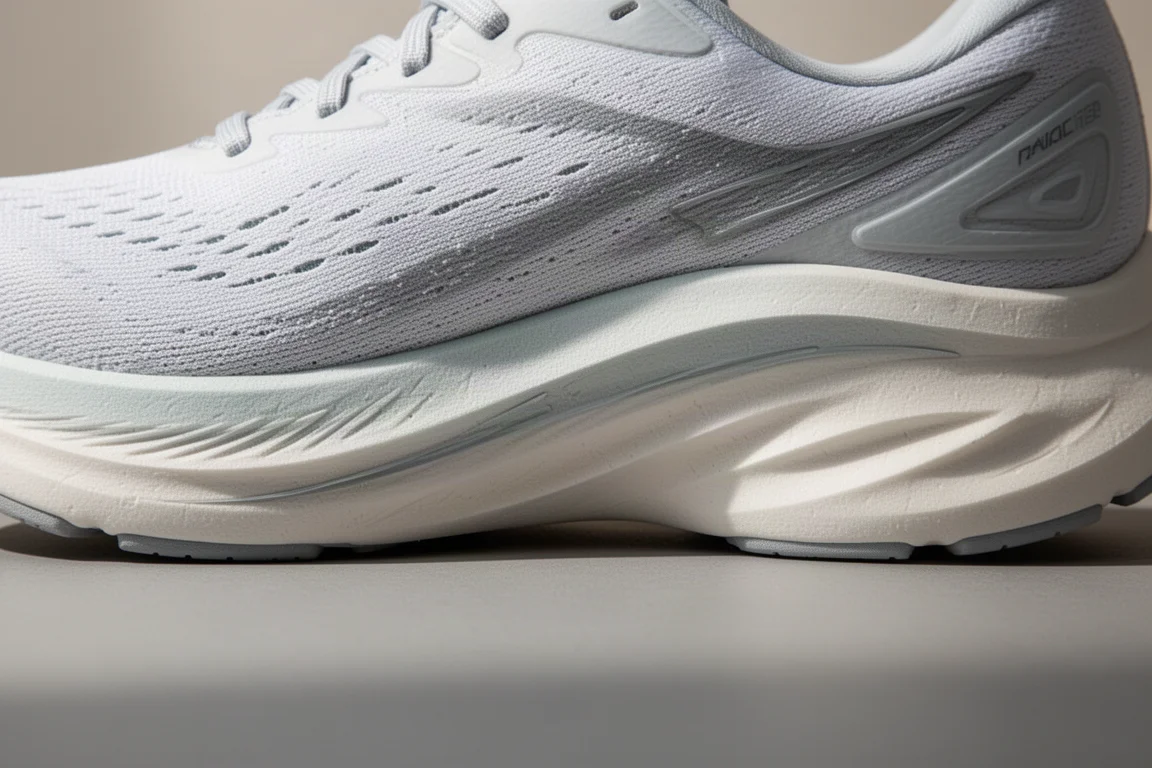
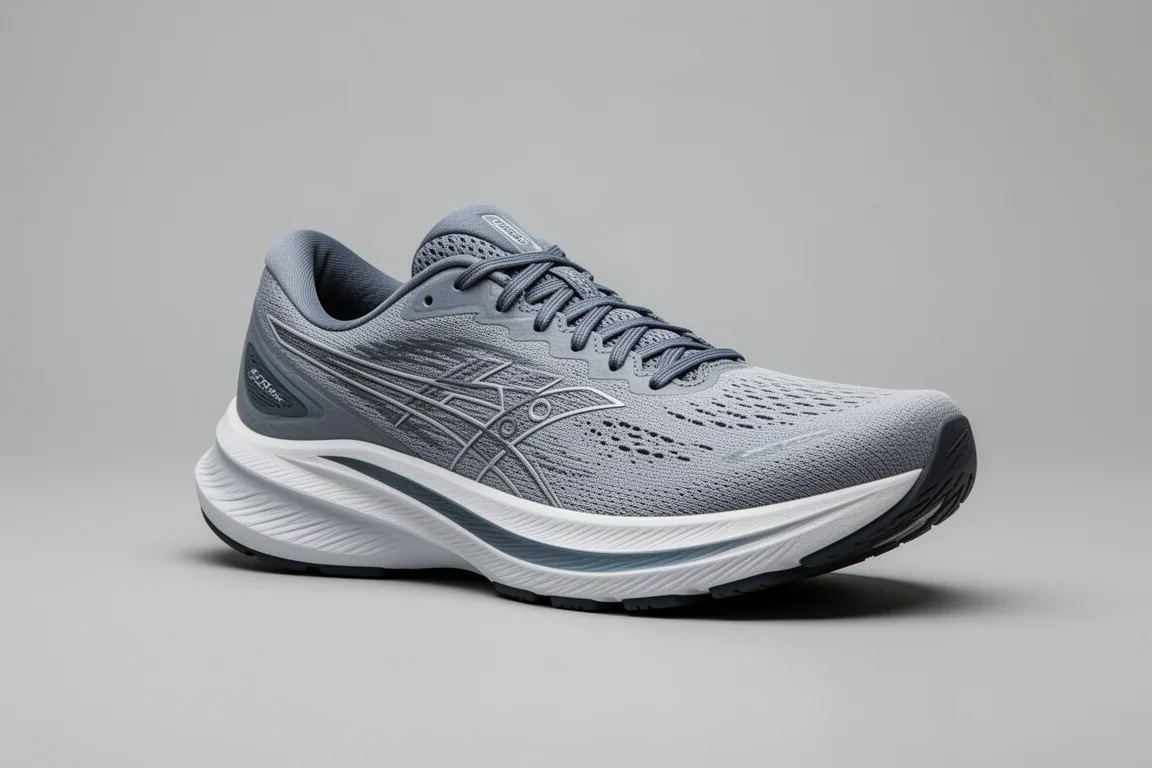
If you want a full-on stability daily trainer, the Arahi is the next step up from the Sky Flow. And on the max cushion side, the Skyward X can be thought of, as convenient shorthand, as a slightly stabilized Bondi, though that simplifies things: it uses elevated materials plus carbon elements that keep the squishy foams from getting too squishy, controlling motion as the foot lands while staying very comfortable. For even more motion control in a max cushion package, there is the Gaviota.
Choosing Between the Race-Day Options
On the racing side, the Rocket X 3 and the Cielo X1 3.0 are broadly the same caliber of shoe intended for different runners. One way to look at it: the Cielo X1 3.0 suits midfoot and forefoot strikers, while the Rocket X 3 is the choice for heel strikers.
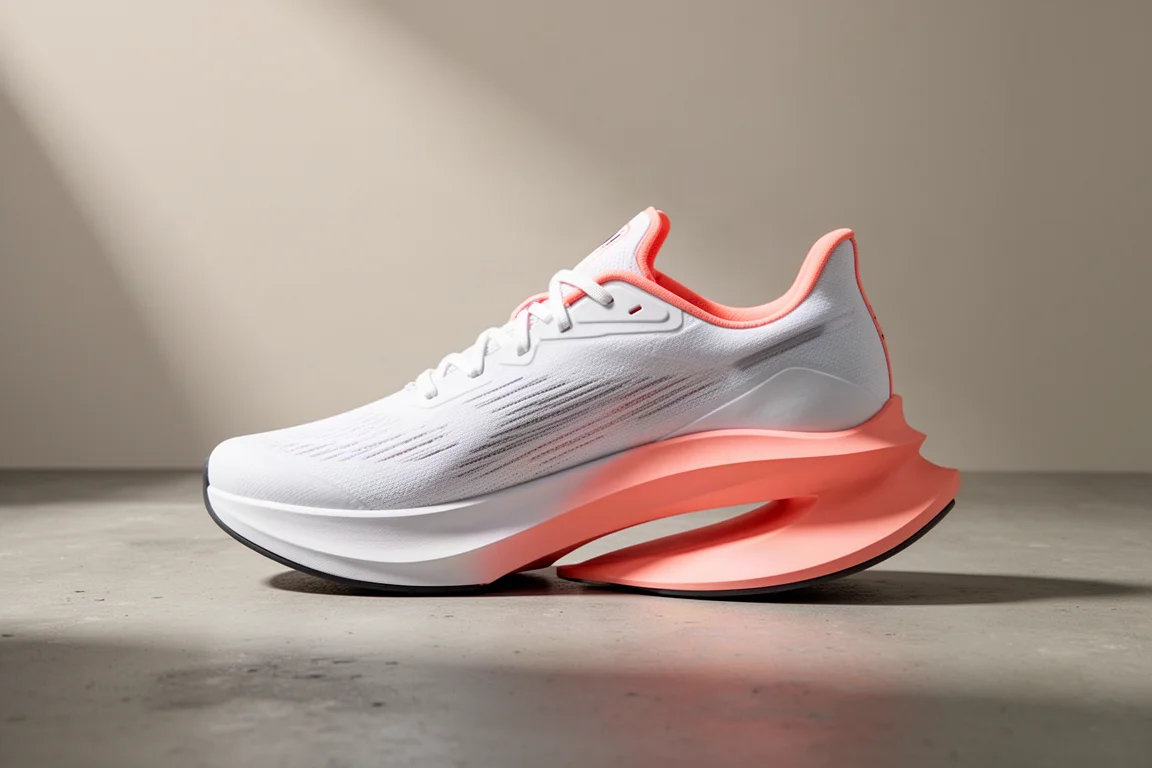
Rounding out the lineup across from the Mach is the Mach X 3. Calling it a stabilized Mach is a bit of an oversimplification because it uses race-grade materials on the top layer, but the huge sidewalls around the ankle and a carbon plate working more to control foam compression than to add spring make it a slightly stabilized tempo option. Heel strikers and runners who want that extra structure tend to love it.
Sample Rotations from the Current Lineup
Not everyone needs a rotation, and there is no rule that says every shoe must come from one brand. But mapping out sample rotations helps show how these shoes relate. If you avoid motion control like many neutral-preferring runners do, four shoes drop out right away, leaving a four-shoe rotation: the Bondi for max cushion days, the Clifton 10 for tired days that still want a bit of structure, the Mach 7 for most regular runs, and the Cielo X1 3.0 for tough workouts and races.
Cut to three shoes and the Clifton 10 is the easiest to drop. In other years it might have been the Bondi; the Clifton 9, for example, was a livelier shoe. But with the current lineup, the Bondi covers max cushion and easy days, the Mach 7 handles regular runs with pace changes, and the Cielo X1 3.0 covers workouts and racing.
A two-shoe rotation gets trickier. The Mach 7 is tempting to drop here: it took two years to update and is largely the same as the Mach 6, which feels underwhelming given how much has happened since. On recovery days it also would not be comfortable enough alongside the race shoe. That leaves the Bondi and the Cielo X1 3.0 as the two-shoe rotation: a max cushion shoe and a racer, which is an awkward pairing but the most practical one from the current range.
Conclusion
The Hoka spring 2026 lineup is easiest to navigate once you see the mirror structure: a neutral side and a slightly stabilized side, with the Clifton, Bondi, Mach, and Cielo each having a counterpart across the aisle. Pick based on how much cushion, bounce, and stability you want, and build your rotation from there.
Further reading
Related Reviews

Running Shoes
Best Road-to-Trail Running Shoes: Three Versatile Options for Mixed Terrain
A practical guide to three road-to-trail running shoes that handle both pavement and mild trails, with clear strengths and trade-offs for different runner types.

Running Shoes
Best Running Shoes for Achilles Tendonitis: Three Options Explained
Three running shoes with different heel drops and support features designed to help reduce Achilles tendon pain during walking and running.

Running Shoes
Best Running Shoes for Women: Five Top Choices Ranked
A ranked guide to five women's running shoes, from versatile daily trainers to high-performance racing options, with real strengths and trade-offs for each.