Trail Running Shoes
Hoka Speedgoat 7 Review: A Modern Midsole Finally Meets a Classic Trail Runner
The seventh Speedgoat swaps its old EVA for a super critical midsole while keeping the grip and stability the line is known for. Here is how it performs on the trail.
Introduction
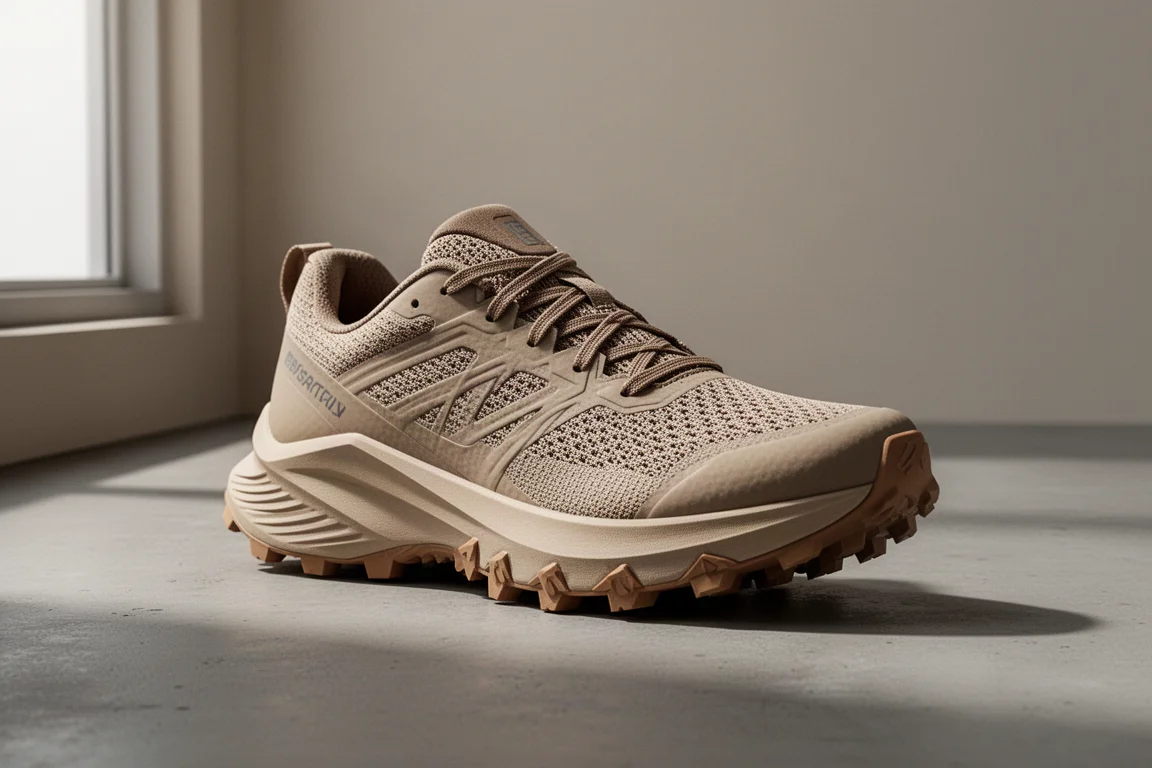
The Hoka Speedgoat has been shaping the trail running category for years. When the original launched, it pushed against the minimal-shoe movement of its era with a high stack, a heavy rocker, and a much more mechanized running experience. At a time when most trail shoes sat somewhere between 10 mm and 25 mm of stack, the first Speedgoat arrived at 37 mm in the heel and 33 mm in the forefoot. That shoe helped create the entire high-stack cushioned trail category we know today.
The Speedgoat 7 continues that story, and while every part of the shoe has been tweaked, the headline change is the midsole. The compression molded EVA of previous versions is gone, replaced with a super critical EVA that finally makes the shoe feel a little more modern.

The Midsole: A Long-Overdue Upgrade
Super critical EVA is processed differently from traditional EVA, with gases introduced during manufacturing to expand the foam. The result is a midsole with more cushion, a bit of airiness, and noticeably more character than the old compression molded EVA, which had a habit of going completely flat around the 100 mile mark in past versions.
Choosing super critical EVA rather than a TPE, PEBA blend, or A-TPU keeps the Speedgoat identity intact. The foam density sits around medium by current standards, so this is not the cushiest or bounciest ride available. Far from it. But you get a consistent ride, a little ground feel, and enough density that the shoe offers inherent stability even on a base that is not especially wide. It feels modern without going too modern, which is exactly what this line needed.
Fit and Upper: Comfort in the Heel, Business Up Front
The upper follows a mullet-style approach: comfort oriented in the back half, more business in the front. The heel area has a soft liner, good structure, and moderate cushioning through the tongue, which fixes the irritation complaints from earlier iterations with very thin minimal tongues. Locking down at the heel felt secure and comfortable with no issues in the collar region.
The midfoot and forefoot tighten up considerably. The forefoot has a torpedo-like speedboat shape that delivers excellent lockdown over the high stack, but it can feel slim to some runners. Runners with an average-to-borderline-wide forefoot may notice rubbing on the pinky toe side, a recurring theme across Speedgoat versions. The forefoot is a woven matrix-style textile that is durable and secure, though some delamination was noted in the sample near the forefoot, worth watching over the first 100 miles.
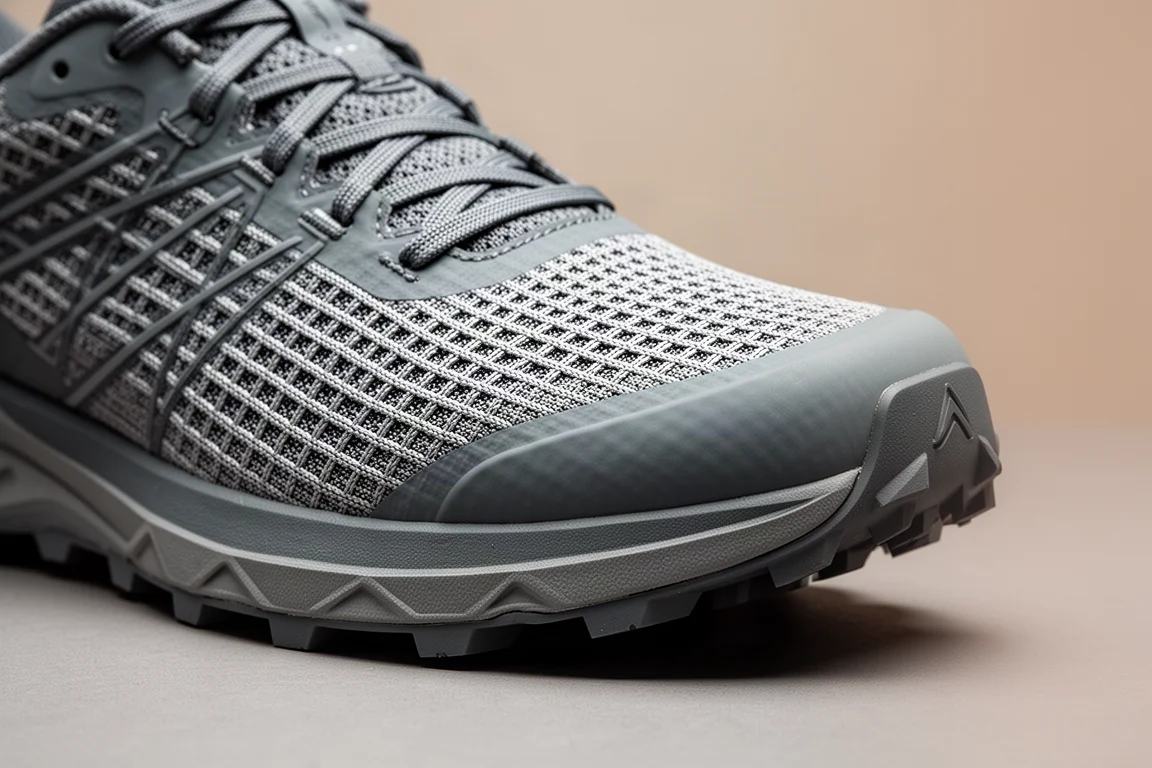
One more fit note: the toe bumper is stout and handled kicked stumps and rocks fine, but on downhills a big toe can press into it. If you ride the line between sizes, going a half size up is probably the smarter choice. The shoe is also available in a wide option, which should solve forefoot comfort for longer runs.
Outsole and Grip: Vibram Megagrip Holds the Line
The Vibram Megagrip outsole is a tried and true Speedgoat ingredient, and it remains one of the shoe’s biggest strengths. The lugs run deeper than most trail shoes at 5 mm rather than the more common 4 mm, in an aggressive chevron style with micro traction nobbies on each side of each lug.
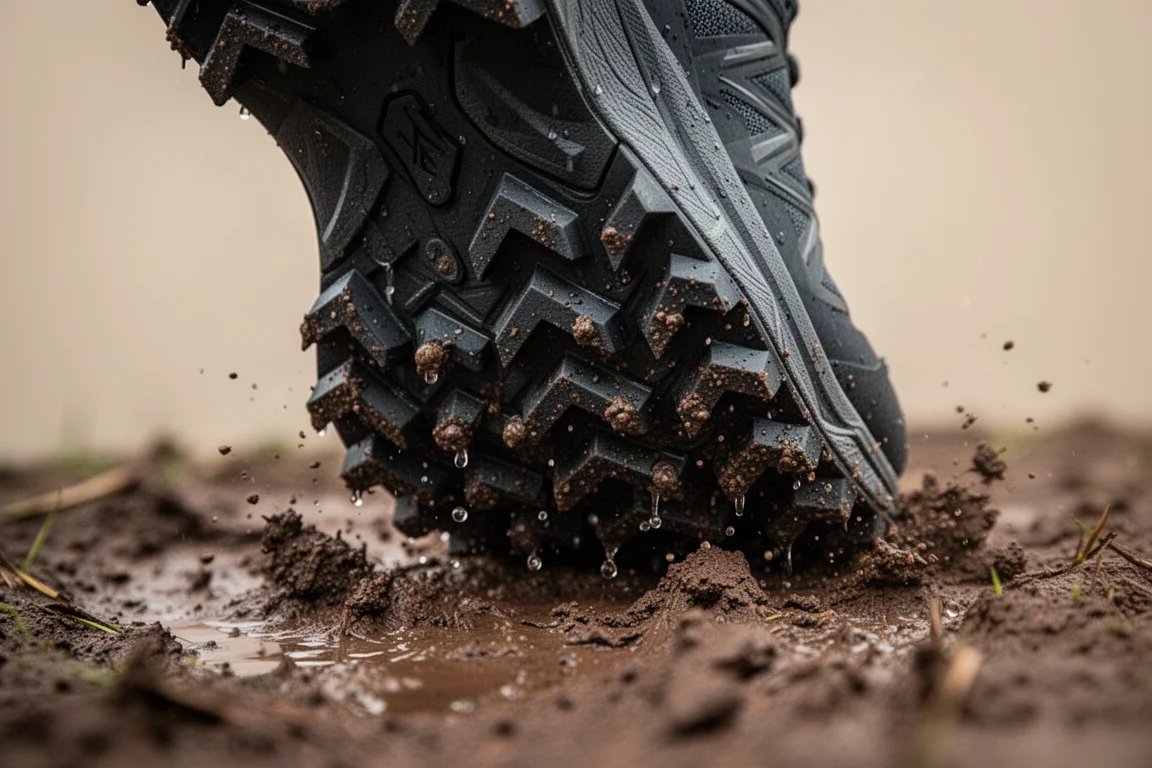
Grip and confidence were excellent across varied terrain and conditions. The shoe is smooth enough to handle gravel roads and even short stretches of pavement, but it is absolutely at its best on singletrack and more technical ground.
Weight and Ride Feel
At 10.3 oz for a men’s US 10, the Speedgoat 7 sits right in the average range for the category. The women’s 8 comes in at 8.3 oz, and Hoka lists 9.7 oz for a men’s 10. On the foot, the weight was not noticeable. It simply feels like a sturdy, stable, stout trail runner, which suits the shoe’s confidence-first character.
Performance
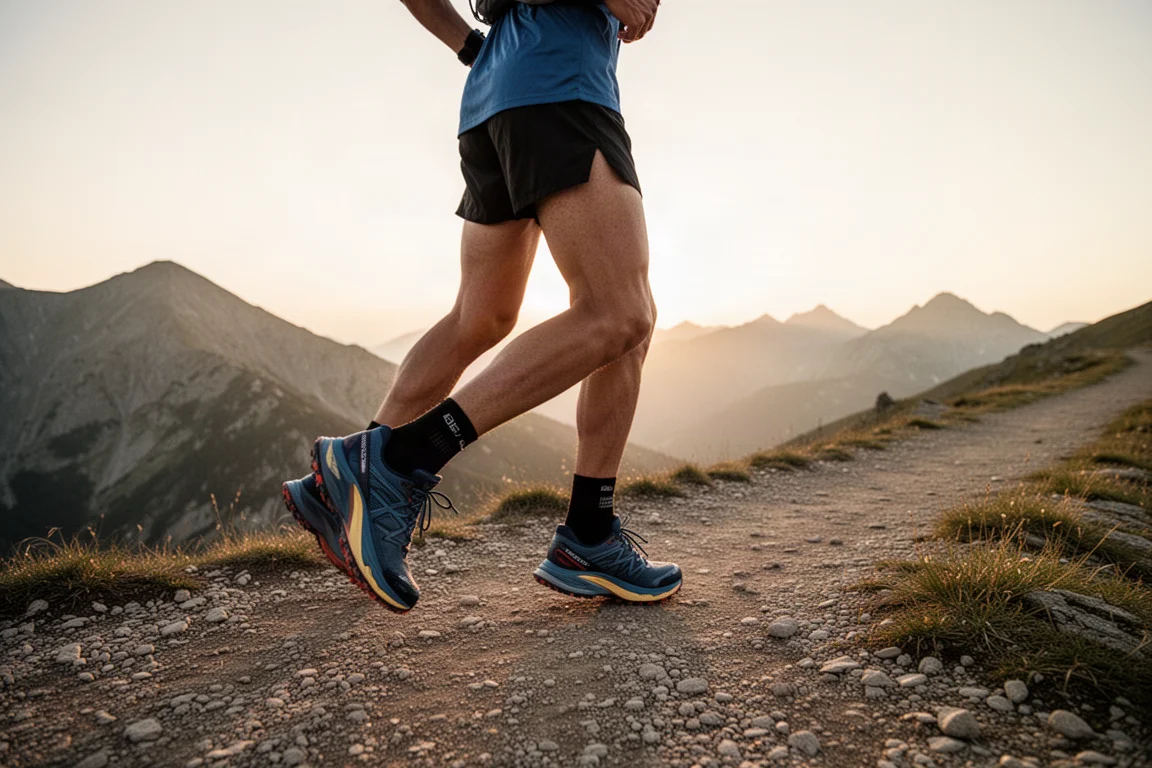
On the trail, the Speedgoat 7 is a good option for a lot of different terrain. The combination of a secure lockdown, a stable midsole, and deep Megagrip lugs makes it an easy shoe to throw on for almost anything. The fit will be slightly limiting for some runners, and if you have run in other modern midsoles, this one will not feel particularly special. But for the Speedgoat line specifically, this midsole is a key and welcome step forward.
Value at $165
At $165, the price sits right in the average range for an all-mountain trail shoe, where comparable options run from around $160 up to the $180-$185 range. Versatility is a genuine strength here: many runners could use this as their one-shoe trail running quiver, whether in the mountains or on mellower singletrack.
Durability is the main value concern. The midsole, outsole, and upper materials themselves all feel dependable, but the early delamination risk in the upper is a real question mark at this price point if it turns out to be widespread.
Buying Advice
If you want a stable, protective trail shoe with excellent grip and a ride that keeps some ground feel, the Speedgoat 7 is an easy recommendation. Its biggest weakness is that it does not feel special or new compared to rivals in the same category. It simply performs well, and for many runners that consistency will matter more than standout character.
Conclusion
The Hoka Speedgoat 7 finally gets the midsole it deserved, with a super critical EVA that adds cushion and character while keeping the stable, confident ride the line was built on. Add in the dependable Megagrip outsole and a more comfortable heel, and you have a versatile all-mountain option worth serious consideration. The forefoot fit and the early delamination risk are the main things to weigh before buying.
Product link
View more details for Hoka Speedgoat 7
This product is mentioned in the review. Check the specifications, options, and compatibility before buying.
View more details for Hoka Speedgoat 7Further reading
Related Reviews
Trail Running Shoes
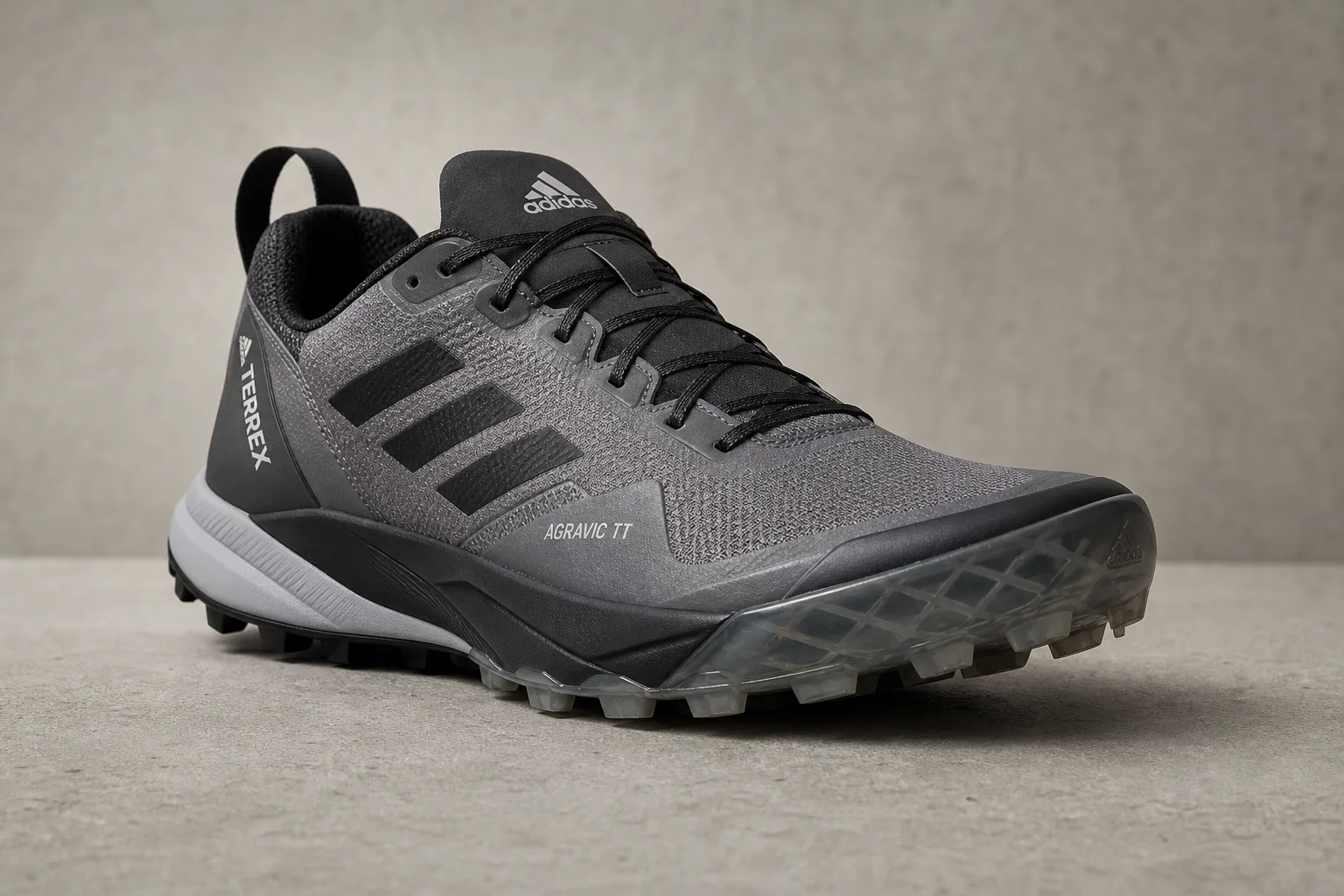
Adidas Terrex Agravic TT Review: A Technical Trail Shoe Built for Rocky Terrain
The Adidas Terrex Agravic TT combines a full-coverage rock plate with a firmer midsole to deliver protection and stability on technical, rocky trails. A capable choice for runners who prioritize underfoot defense over lightweight cushioning.
Trail Running Shoes
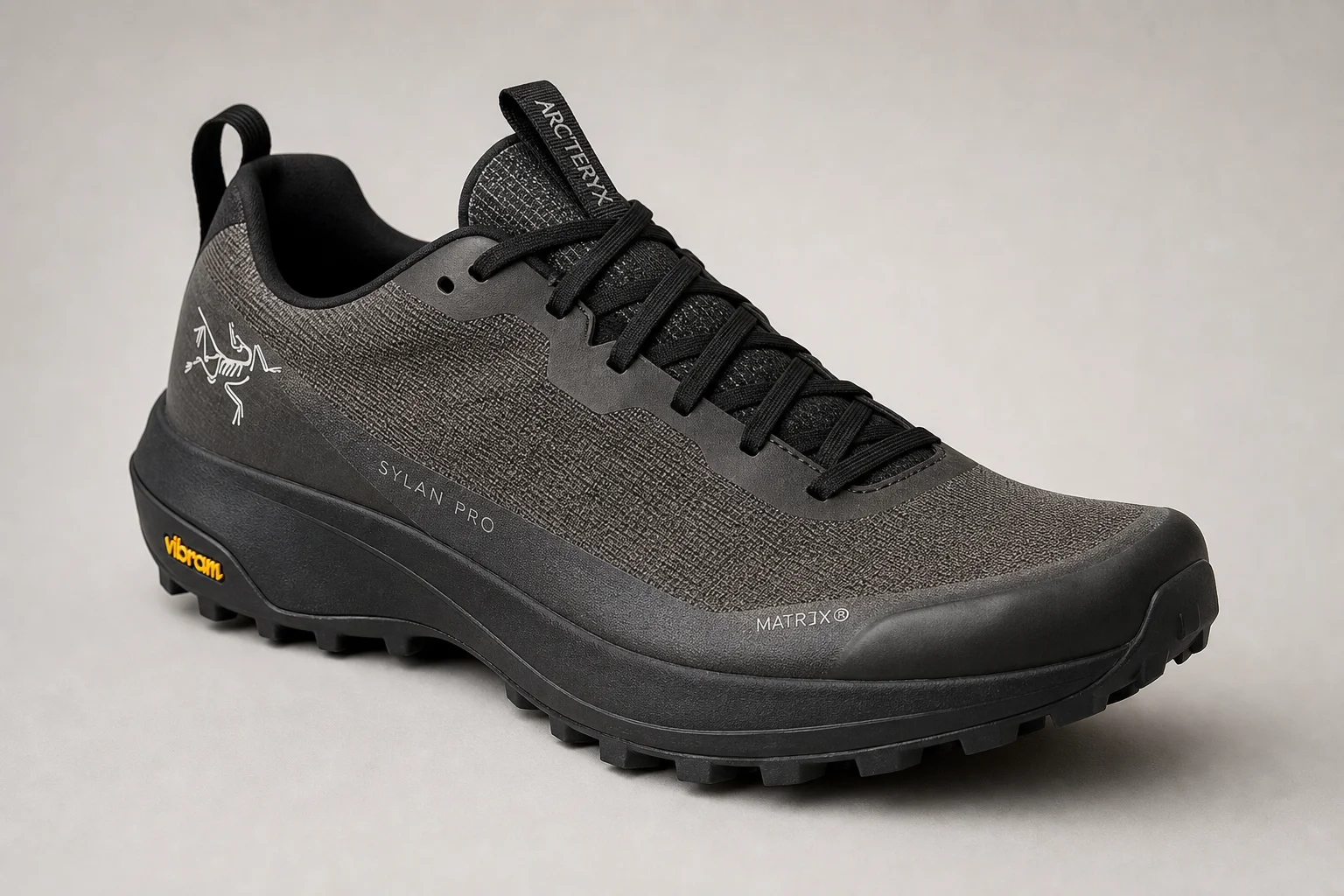
Arc'teryx Sylan Pro Review: A Rocker-Focused Mountain Running Shoe Tested on 20 Miles
The Arc'teryx Sylan Pro brings a pronounced rocker geometry and secure fit to mountain terrain. We tested it on a 20-mile Sawtooth loop to evaluate its climbing efficiency, protection, and handling of technical descents.
Trail Running Shoes
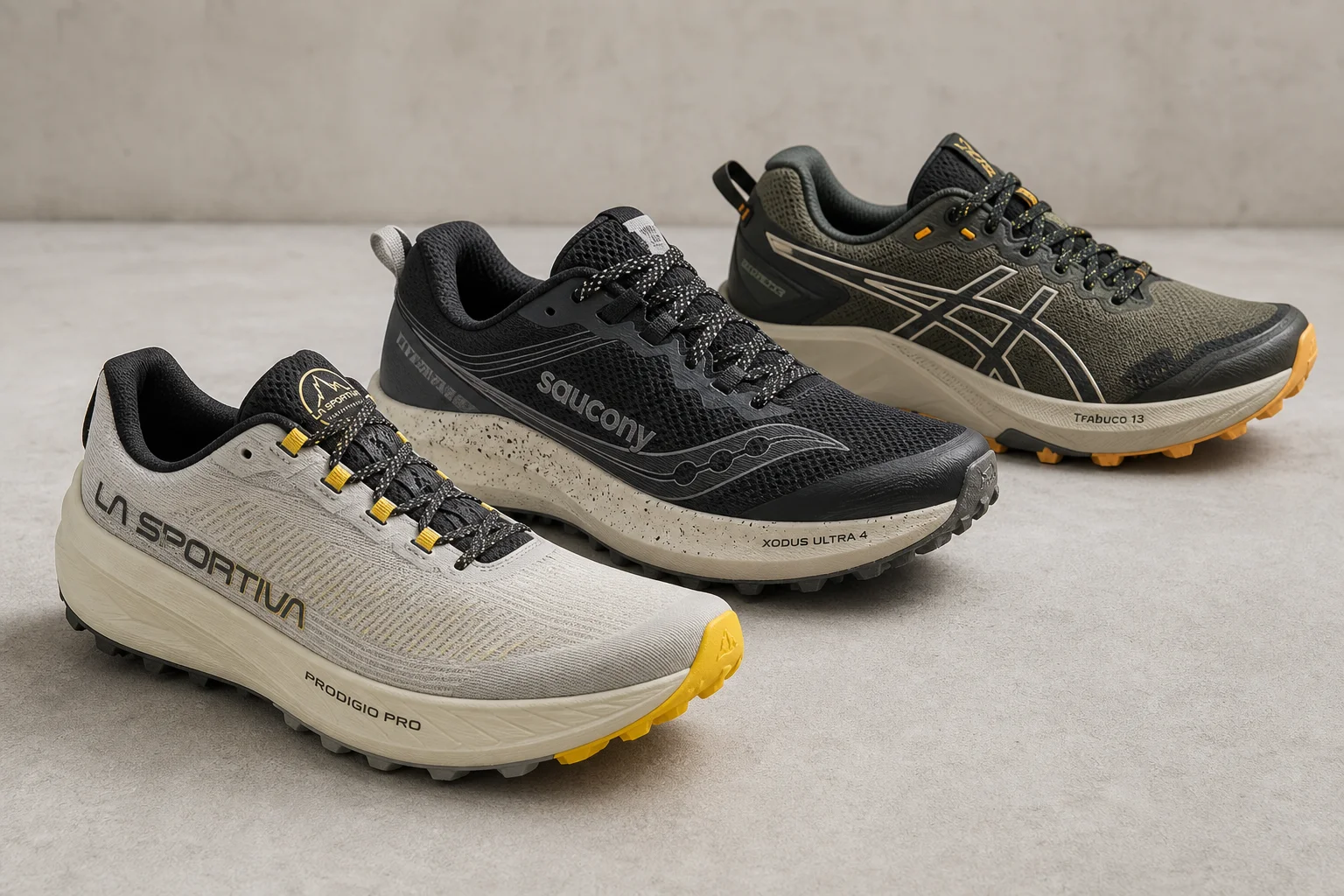
Best All-Mountain Trail Running Shoes: Three Versatile Options for Any Trail
A focused roundup of three all-mountain trail running shoes that handle technical terrain, long distances, and variable conditions with real strengths and practical trade-offs.