Trail Running Shoes
Hoka Speedgoat 7 First Run Review: A Welcome Return to Form
After the disappointing Speedgoat 6, Hoka has rebuilt its popular trail shoe almost from the ground up. Here are our first impressions after a wet, muddy test run.
Introduction
The Speedgoat 6 was a big letdown for a lot of trail runners: too stiff, too firm underfoot, and an upper that never quite felt comfortable. With the Speedgoat 7, Hoka has gone back to the drawing board, and the changes are extensive. After a first run through wet, muddy woodland trails, the early signs are very promising.
What’s New in the Speedgoat 7
This is essentially a brand new shoe from the ground up, which feels like the right call after the previous model’s missteps. Hoka has fitted a lightweight woven textile upper made from several different mesh fabrics, a new super critical foamed EVA midsole, and a redesigned lug pattern on the familiar Vibram Megagrip outsole.

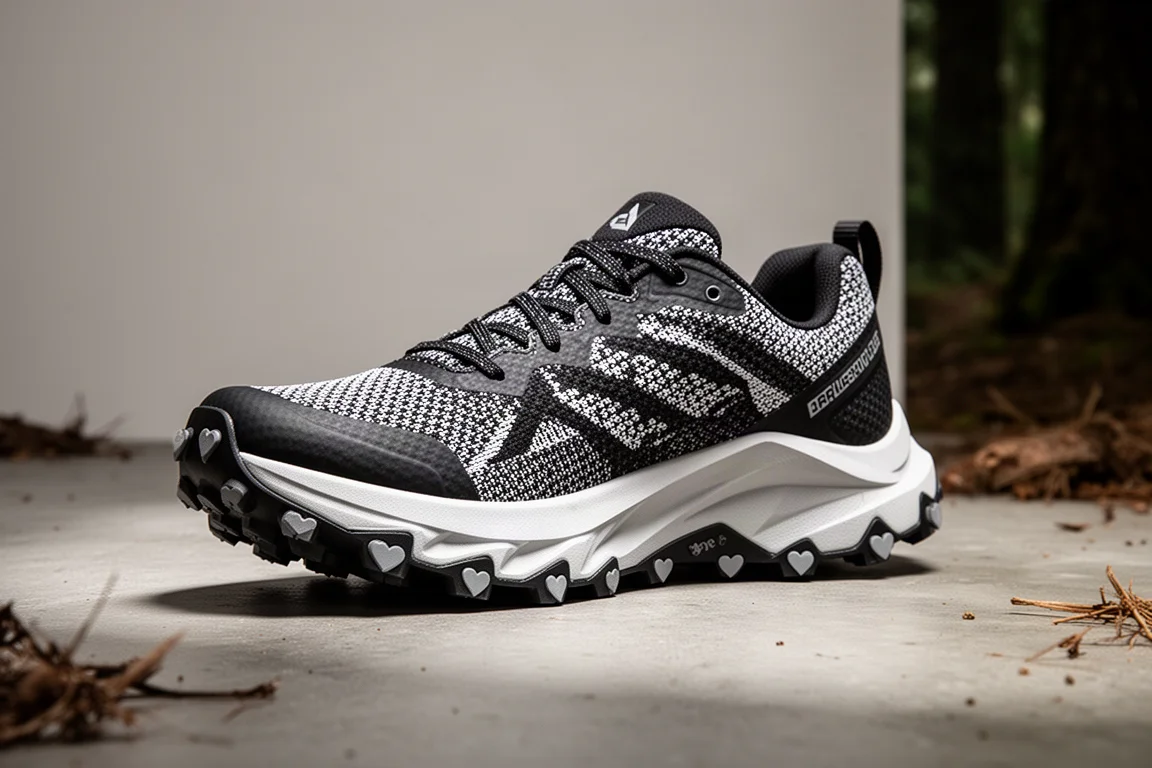
Key specs: our pair in a UK 10 weighed 295g, with a 37mm heel and 32mm forefoot stack height for a 5mm heel offset. The black and white colorway on test looked sharp, with vintage yellow and kiwi options also available. The shoe has just launched on the Hoka website, retailing at £145 in the UK.
Upper Fit and Comfort
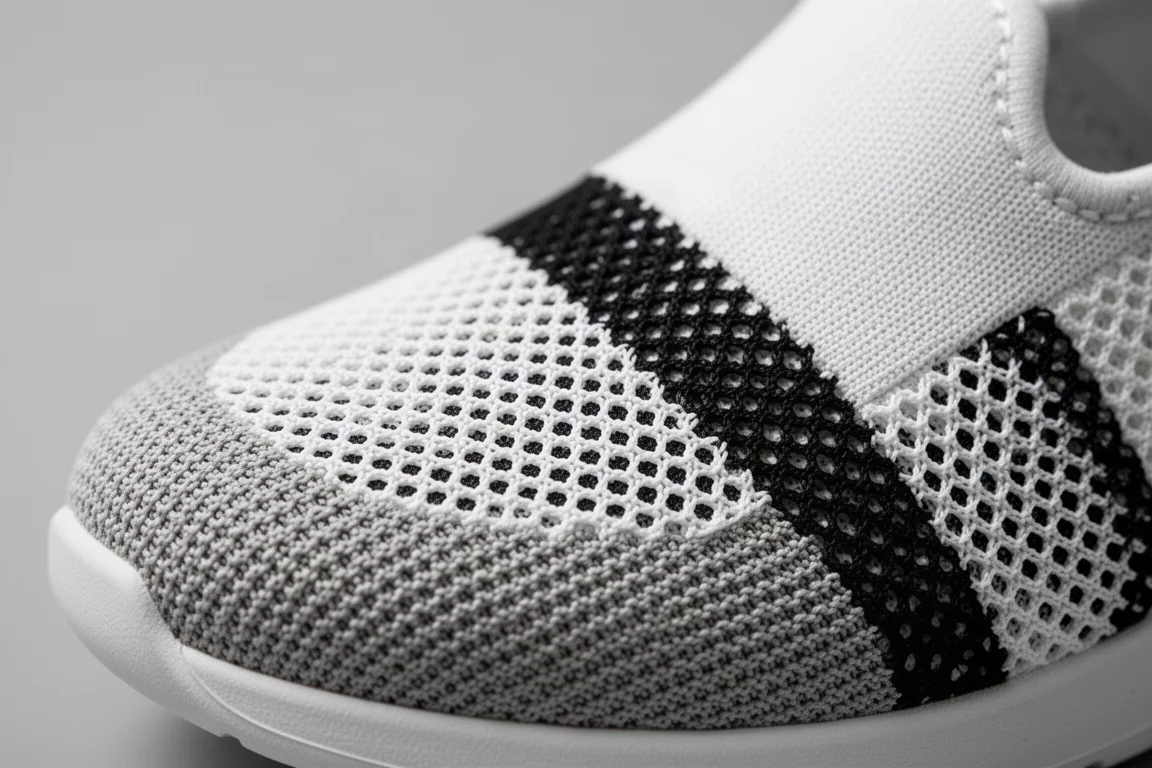
The woven upper wraps the toe box in a coarser, more durable fabric, while the material toward the rear of the shoe softens noticeably. The tongue is a lay-flat gusseted design with light zonal padding at the top, a clear improvement over recent Hoka tongue designs, though it remains fairly thin. There’s also a redesigned, well-padded heel collar, a substantial toe bumper, a gaiter loop at the base of the heel, hi-vis detailing for night running, and a large heel loop for easy on and off.
On the run, the upper delivered a secure midfoot lockdown with no lace bite, and the laces stayed tied for the entire outing. Heel hold was solid with zero slippage. Two sizing notes worth acting on: the shoe runs small, so go up at least half a size, and the toe box is average in width but quite shallow, so runners with wider feet should consider Hoka’s wide fit option.
Midsole: The SCF Difference
The biggest fix is underfoot. The new super critical foamed EVA midsole brings back the softness and bounce the Speedgoat line was known for, something the Speedgoat 6 badly lost. It is still a deeply cushioned shoe with a wide midsole profile, so there’s a degree of inherent stiffness, but on the trail it felt balanced, responsive, and nimble for its cushioning class.
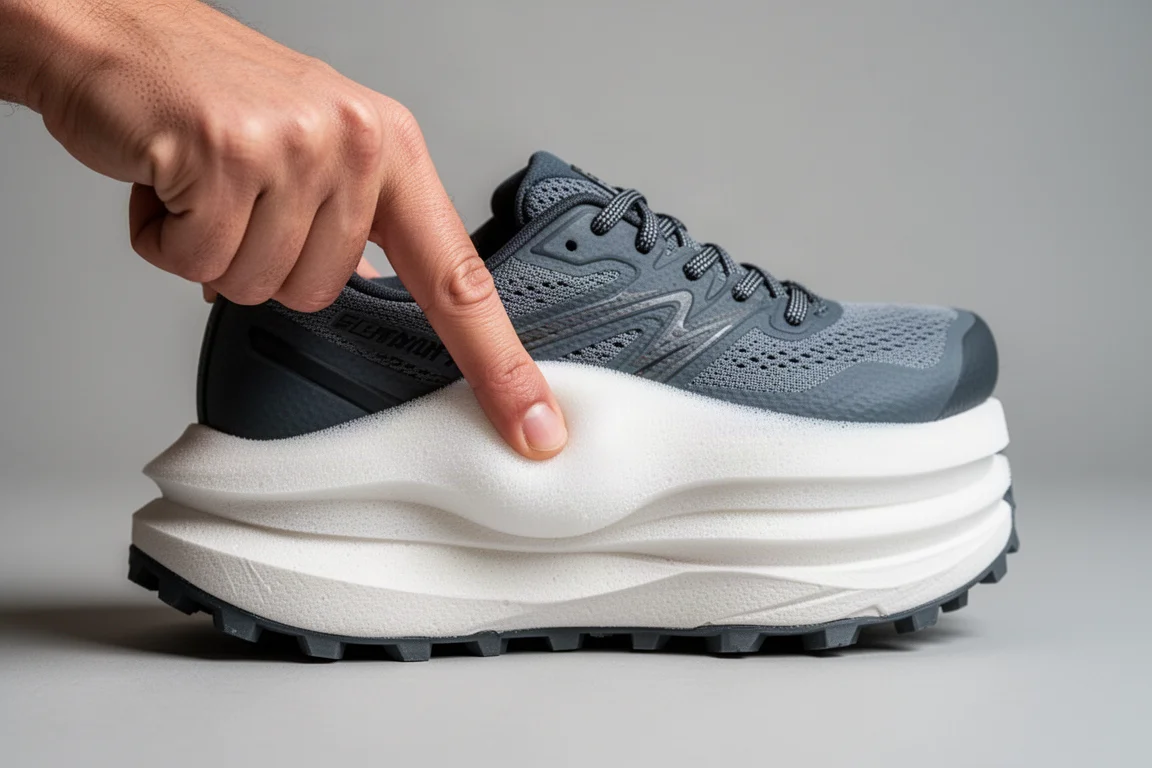
The difference was night and day compared to the firm, rigid feel many runners disliked in the previous version.
Outsole and Grip
The 5mm Vibram Megagrip outsole returns, but with a reworked lug pattern, helpfully shaped like tiny hearts. That might sound gimmicky, but in genuinely sloppy, wet mud the new lugs bit noticeably better than earlier Speedgoat outsoles, which historically struggled to find traction. Wet rock and slick tree roots were handled confidently, and not a single slip was recorded across the test run, impressive given the shallow lug depth.
Buying Advice
If the Speedgoat 6 put you off the line, the Speedgoat 7 is a genuine reason to reconsider. It feels better in every way that mattered: softer underfoot, more comfortable up top, and far more capable in mud.
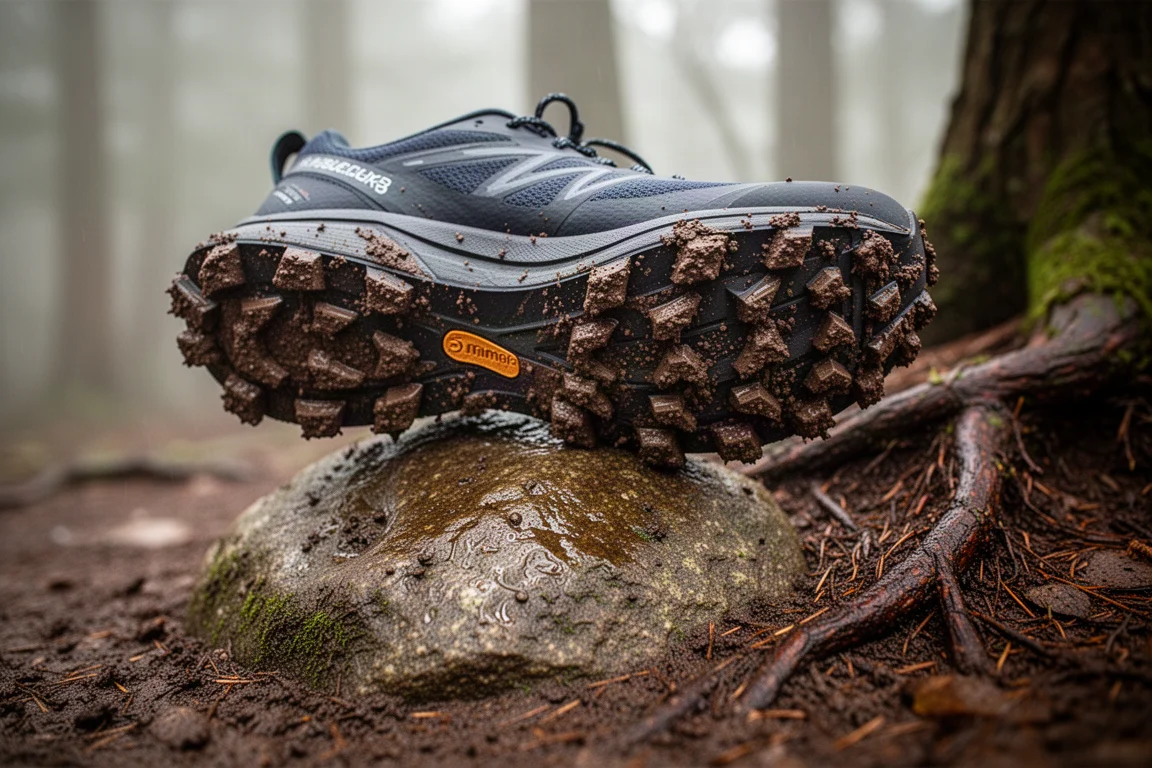
Order at least half a size up, pick the wide fit if your feet need volume in the toe box, and be aware that lighter colorways will stain if you regularly run muddy trails, as our black and white pair kept a muddy brown tint even after a thorough wash. These impressions come from a single run, but the early verdict is strong: the Speedgoat is back.
Conclusion
The Hoka Speedgoat 7 is a confident rebound for one of trail running’s most popular shoes. With a more forgiving midsole, a comfortable and secure upper, and a lug pattern that finally handles mud well, it addresses nearly every complaint about the previous model. First impressions point to a top-tier deeply cushioned trail shoe worth serious consideration.
Product link
View more details for Hoka Speedgoat 7
This product is mentioned in the review. Check the specifications, options, and compatibility before buying.
View more details for Hoka Speedgoat 7Further reading
Related Reviews
Trail Running Shoes
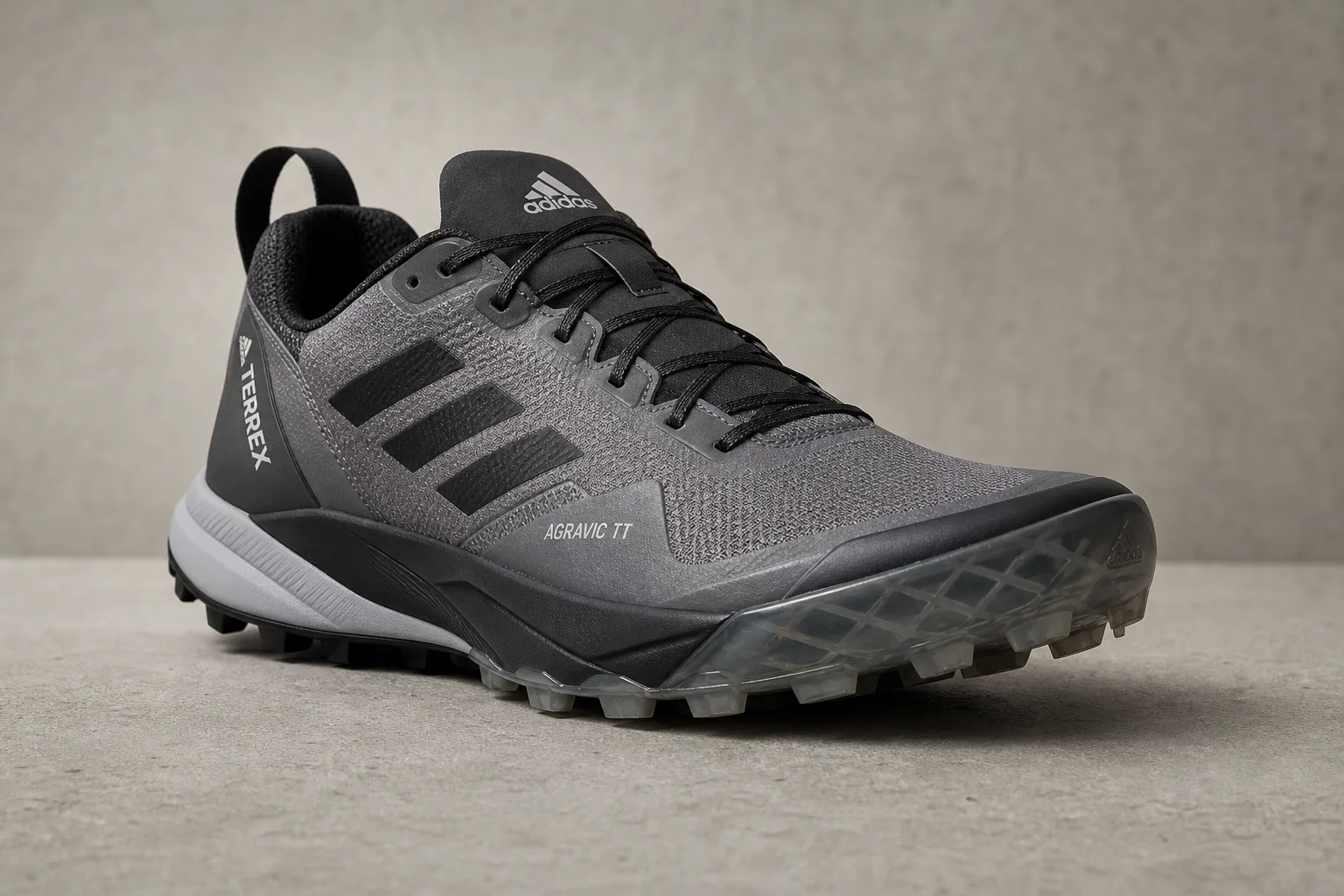
Adidas Terrex Agravic TT Review: A Technical Trail Shoe Built for Rocky Terrain
The Adidas Terrex Agravic TT combines a full-coverage rock plate with a firmer midsole to deliver protection and stability on technical, rocky trails. A capable choice for runners who prioritize underfoot defense over lightweight cushioning.
Trail Running Shoes
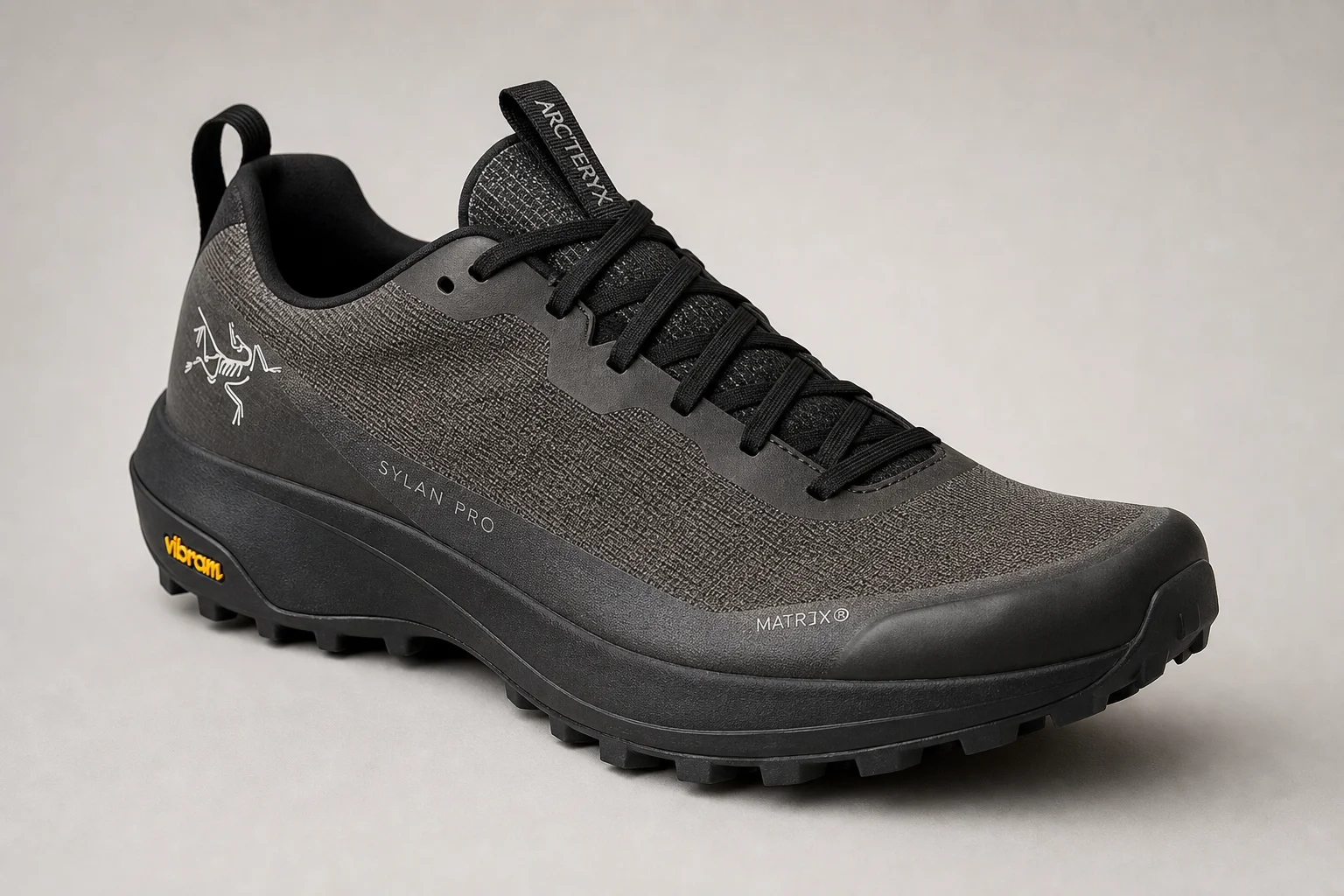
Arc'teryx Sylan Pro Review: A Rocker-Focused Mountain Running Shoe Tested on 20 Miles
The Arc'teryx Sylan Pro brings a pronounced rocker geometry and secure fit to mountain terrain. We tested it on a 20-mile Sawtooth loop to evaluate its climbing efficiency, protection, and handling of technical descents.
Trail Running Shoes
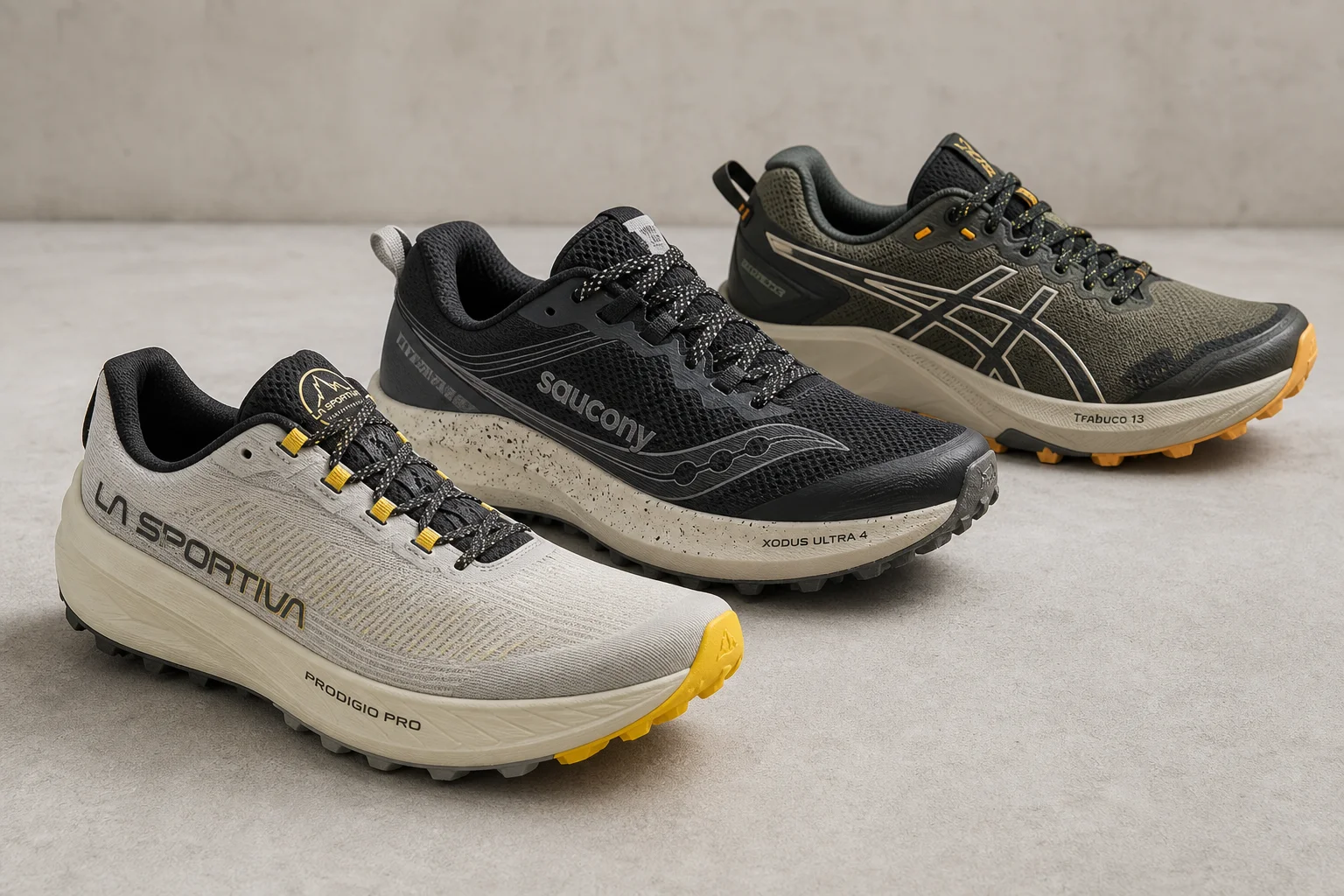
Best All-Mountain Trail Running Shoes: Three Versatile Options for Any Trail
A focused roundup of three all-mountain trail running shoes that handle technical terrain, long distances, and variable conditions with real strengths and practical trade-offs.