Trail Running Shoes
Hoka Speedgoat 6 First Run Review: A Familiar Trail Shoe with a Much Better Upper
The Speedgoat 6 keeps the outsole and midsole recipe runners know, but brings a redesigned woven upper and a more secure midfoot fit. Here is how it performed on its first 8-mile trail run.
Introduction
The Speedgoat line has a long history, stretching back to an original model that was, in fairness, a little unstable on the trail. Successive updates refined the formula: the Speedgoat 2 improved the ride, the Speedgoat 3 became a genuinely beloved long-distance trainer that carried thousands of training miles, and later versions divided opinion on fit. With the Speedgoat 6, Hoka has released another update to one of the most popular trail running shoes on the market, and after an 8-mile first run the picture is a mix of clear progress and one notable question mark.
This is a first-run impression rather than a final verdict. A full in-depth review needs roughly 50 miles so the midsole can bed in, but there is already plenty worth knowing before you buy.
First Look and Specifications
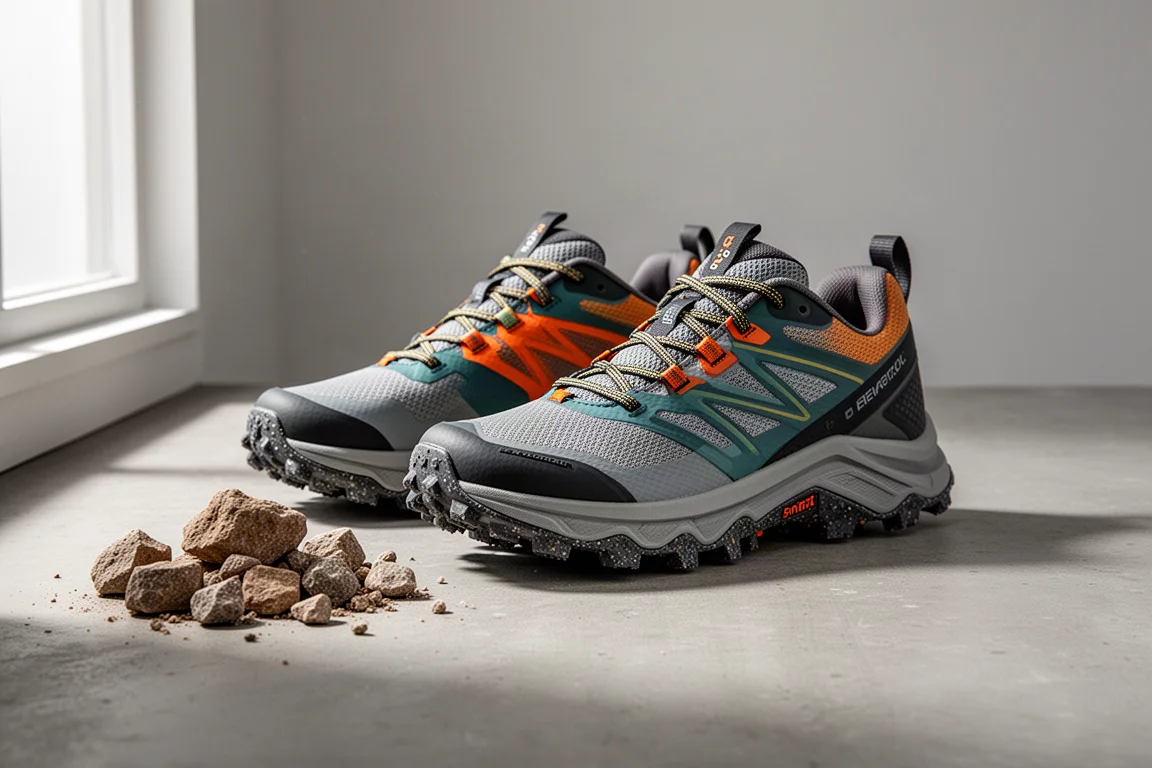
At a glance, the Speedgoat 6 does not look dramatically different from its predecessor. The outsole design is nearly identical, with only a slightly different lug layout on the heel section, and there are subtle tweaks to the midsole construction. The bulk of the changes sit in the upper, which turns out to be a sensible focus given that upper fit and feel were the weak point of recent versions.
The UK 10 pair tested weighs 297g, sneaking in just under 300g, which is respectable for a deeply cushioned trail shoe. The platform runs a 5mm heel offset, and the outsole is Vibram Megagrip rubber with a 5mm multi-directional traction lug pattern.

One sizing warning worth repeating: this shoe runs small. A UK 10 was chosen after finding the Speedgoat 5 slightly long in the same size, but a first order in a UK 9.5 was far too small, leaving toes pressed against the front of the shoe and a constricted toe box. Going up at least half a size is recommended. Width-wise, the toe box is average to narrow, so runners with wider feet should use Hoka’s width option.
The Upper: Where Most of the Changes Happen
The headline change is a new woven textile upper. It feels hard-wearing and looks like it will hold up better to mileage than earlier versions, and it stayed breathable throughout the run. The gusseted tongue has also been redesigned: the Speedgoat 5’s tongue was too short and under-padded, so Hoka has added length and beefed up the padding where the laces pull across the top of the foot.
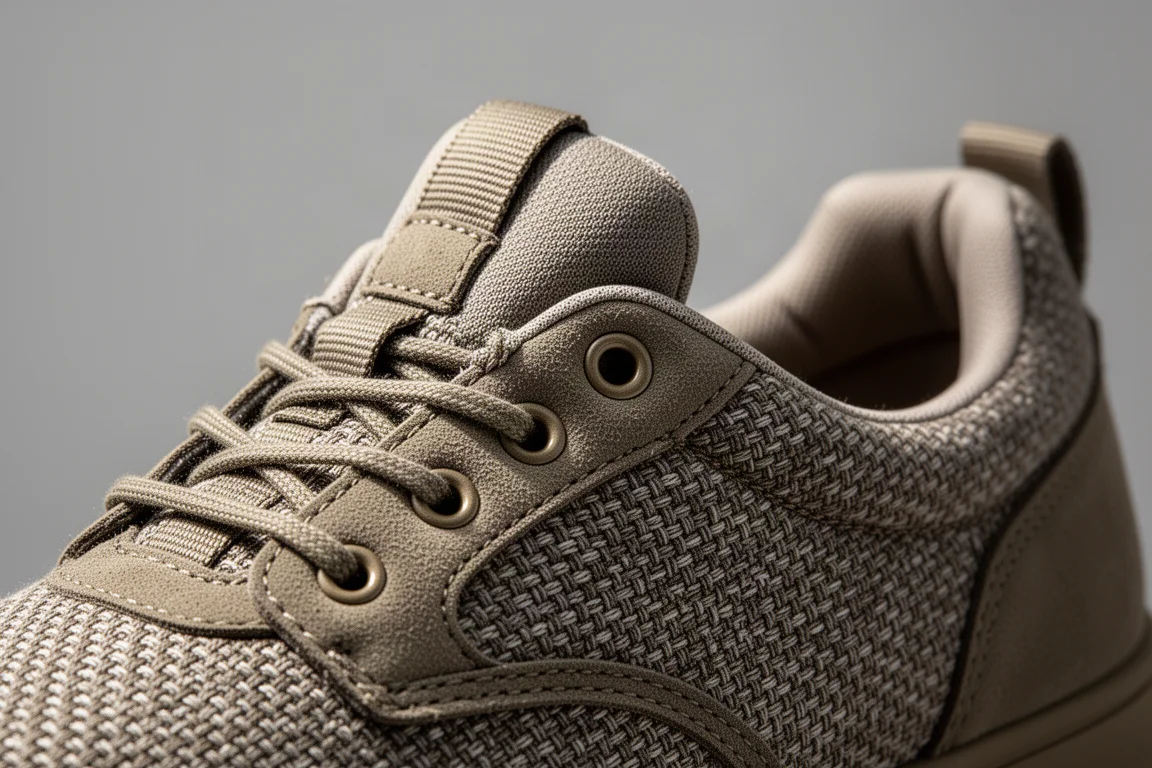
These changes translate directly into fit. The shoe locks down better around the midfoot, without needing to yank the laces uncomfortably tight as the Speedgoat 5 eventually demanded once its upper stretched out. The ankle collar and padded heel carry over from the previous version, with a new heel loop added for convenience, and a substantial heel cradle held the back of the foot securely with no slippage at any point during the run. Overlays around the lace eyelets add durability, and the rubber outsole wraps up over the toe for extra upfront protection on the trail.
Outsole and Traction
The Vibram Megagrip rubber remains one of the strongest arguments for this shoe. On dry, rocky trails it performed exactly as expected, and anyone who has run in Megagrip knows how hard it is to find better grip on rocky or wet rocky terrain.
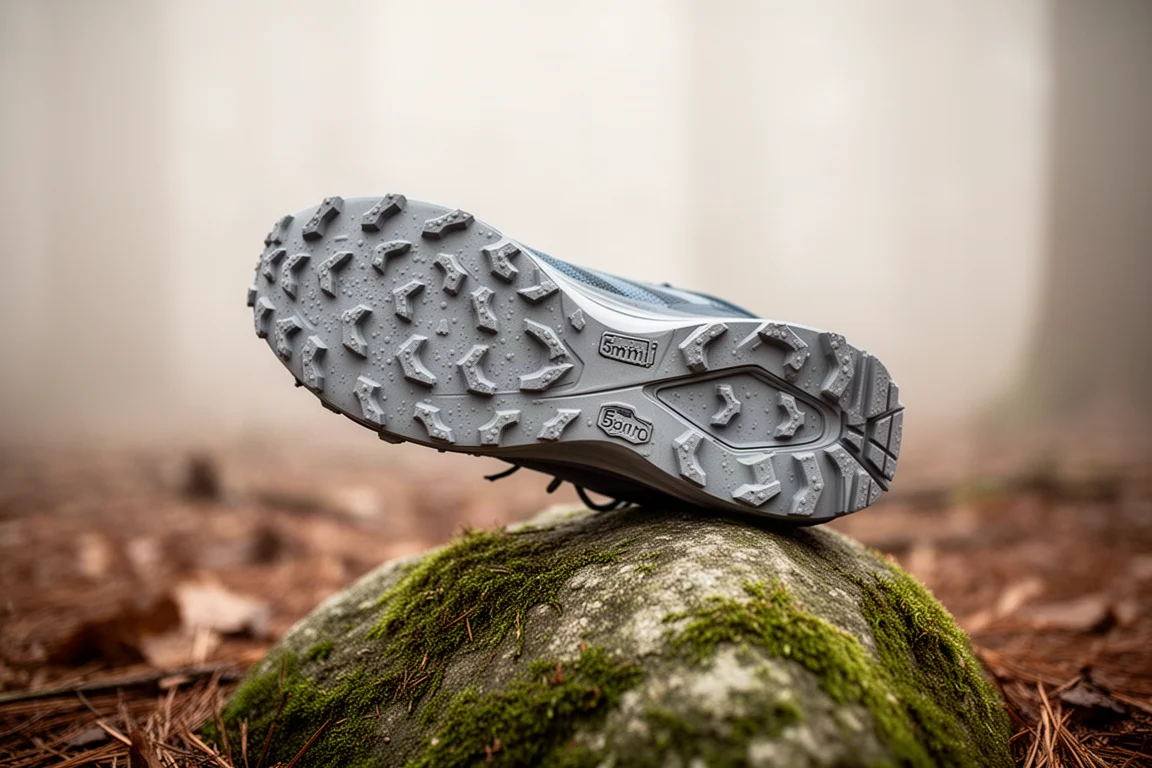
The caveat is mud. Despite the 5mm lug depth, this lug pattern has historically clogged in muddy conditions and does not clear quickly, and traction can degrade to the point of feeling like running on ice. On dry trails, though, it is superb, and that is the terrain this shoe clearly loves.
Ride Feel: The Main Question Mark
Here is the honest downside. On the first run, the midsole foam felt noticeably firm. On the dry, compacted trails where the Speedgoat usually bounces along happily, the latest version seemed to have lost some of the pop and spring the line is known for, and the level of cushioning felt underwhelming.
The midsole is also very stiff. This is a deeply cushioned shoe on a wide platform, so some rigidity is expected, but it was genuinely difficult to flex the shoe at the midsole at all. To be fair, a brand-new shoe straight out of the box often needs time to soften, and it is plausible the foam will loosen up and the midsole will become more flexible over the first 50 miles. The jury is still out, but first impressions of the ride were disappointing relative to the strong showing from the upper.
Buying Advice
If you loved the Speedgoat 5’s ride but struggled with its upper stretching and midfoot lockdown, the Speedgoat 6 looks like a clear upgrade: better lockdown, a more durable-feeling woven upper, and a properly padded tongue. If you are hoping for a fundamentally different shoe, this is not that; the platform and outsole are largely carried over.
Practical takeaways: size up at least half a size, choose the width option if you have a wide foot, think twice if most of your running is deep winter mud, and expect the ride to feel firmer than previous versions at least until the foam beds in.
Conclusion
The Speedgoat 6 is very much a Speedgoat: efficient rocker geometry, excellent underfoot protection on rocky ground, and brilliant Megagrip traction for dry and wet rocky trails. The redesigned upper is a genuine step forward for fit and comfort. The firm, stiff first-run ride is the one significant doubt, and it may well soften with mileage. Once around 50 miles are in the shoe, the full picture will be clear, but as a first impression this is a promising update with one caveat worth taking seriously.
Product link
View more details for Hoka Speedgoat 6
This product is mentioned in the review. Check the specifications, options, and compatibility before buying.
View more details for Hoka Speedgoat 6Further reading
Related Reviews
Trail Running Shoes
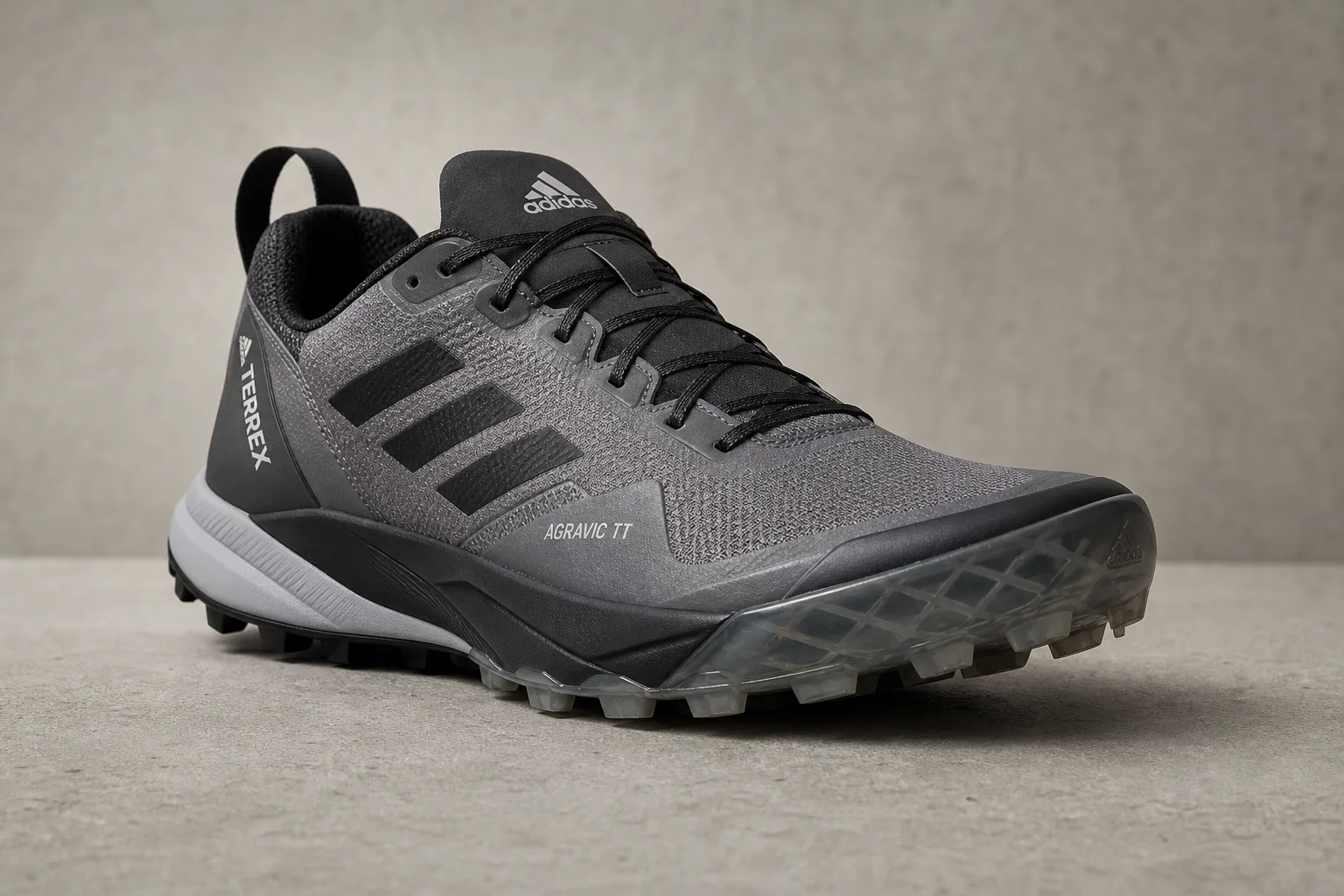
Adidas Terrex Agravic TT Review: A Technical Trail Shoe Built for Rocky Terrain
The Adidas Terrex Agravic TT combines a full-coverage rock plate with a firmer midsole to deliver protection and stability on technical, rocky trails. A capable choice for runners who prioritize underfoot defense over lightweight cushioning.
Trail Running Shoes
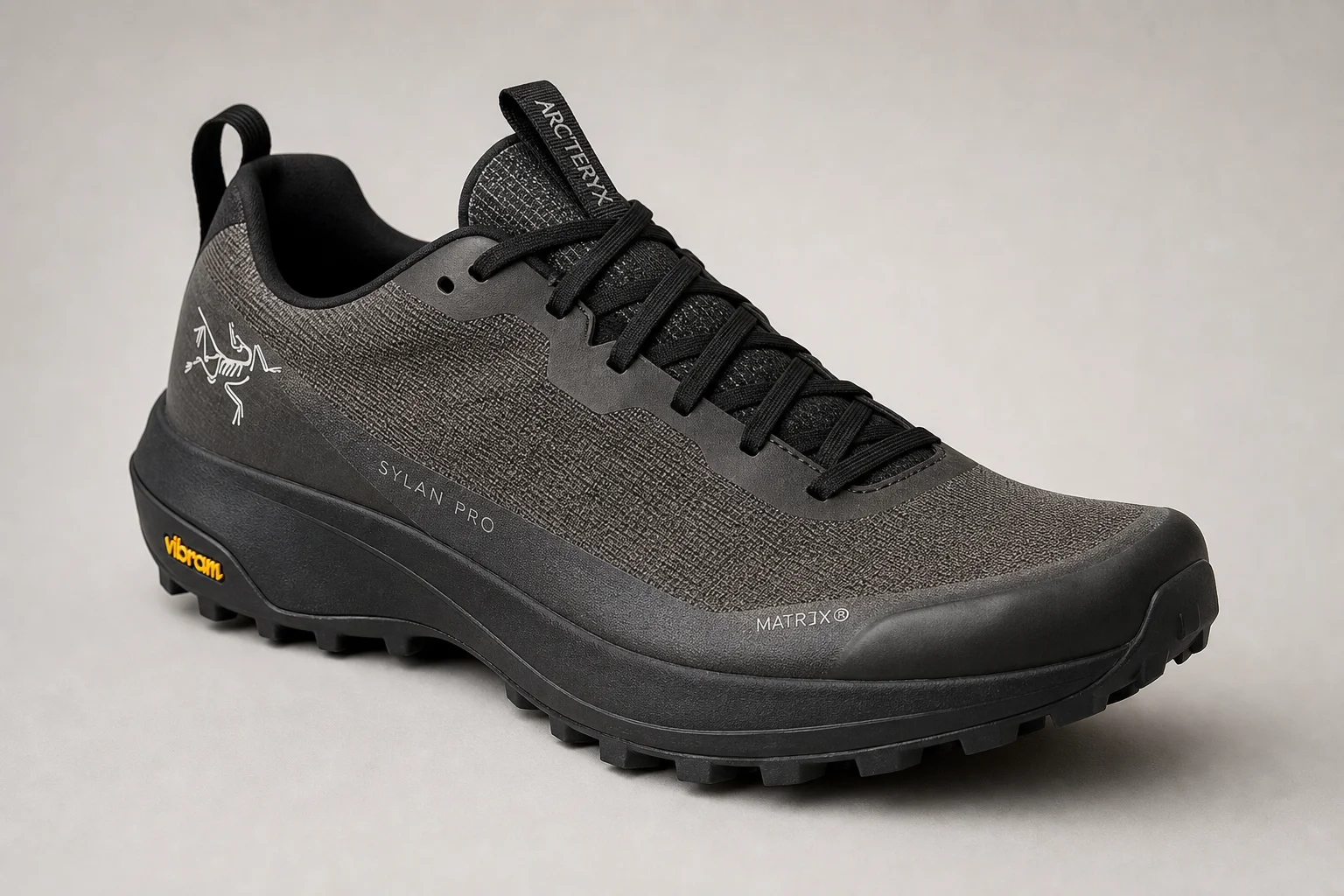
Arc'teryx Sylan Pro Review: A Rocker-Focused Mountain Running Shoe Tested on 20 Miles
The Arc'teryx Sylan Pro brings a pronounced rocker geometry and secure fit to mountain terrain. We tested it on a 20-mile Sawtooth loop to evaluate its climbing efficiency, protection, and handling of technical descents.
Trail Running Shoes
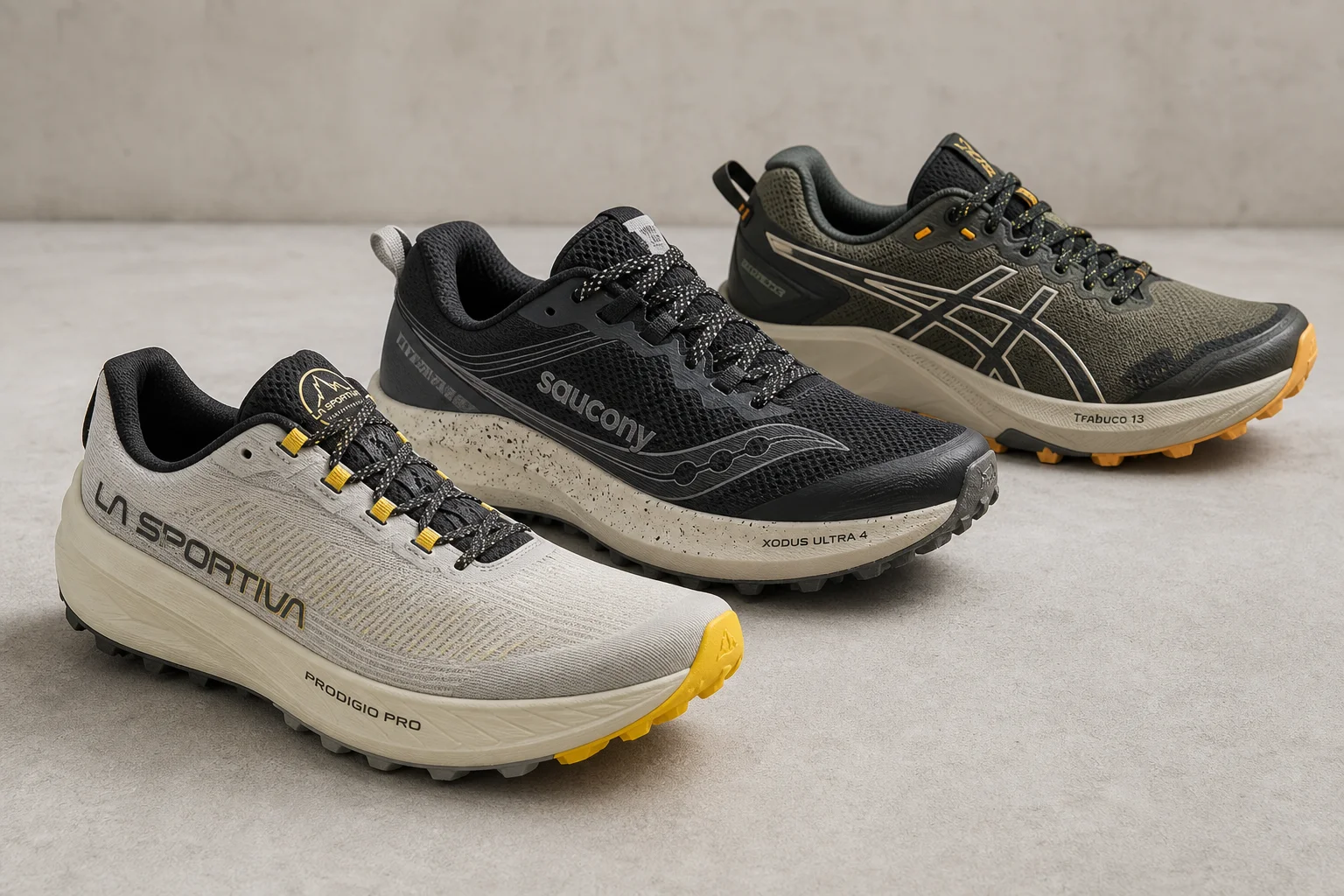
Best All-Mountain Trail Running Shoes: Three Versatile Options for Any Trail
A focused roundup of three all-mountain trail running shoes that handle technical terrain, long distances, and variable conditions with real strengths and practical trade-offs.