Trail Running Shoes
Hoka Speedgoat 5 vs Saucony Endorphin Edge: Trail Kings of 2022 Head to Head
Two of the best trail running shoes of 2022 go toe to toe on weight, midsole tech, fit, durability, and value.
Introduction
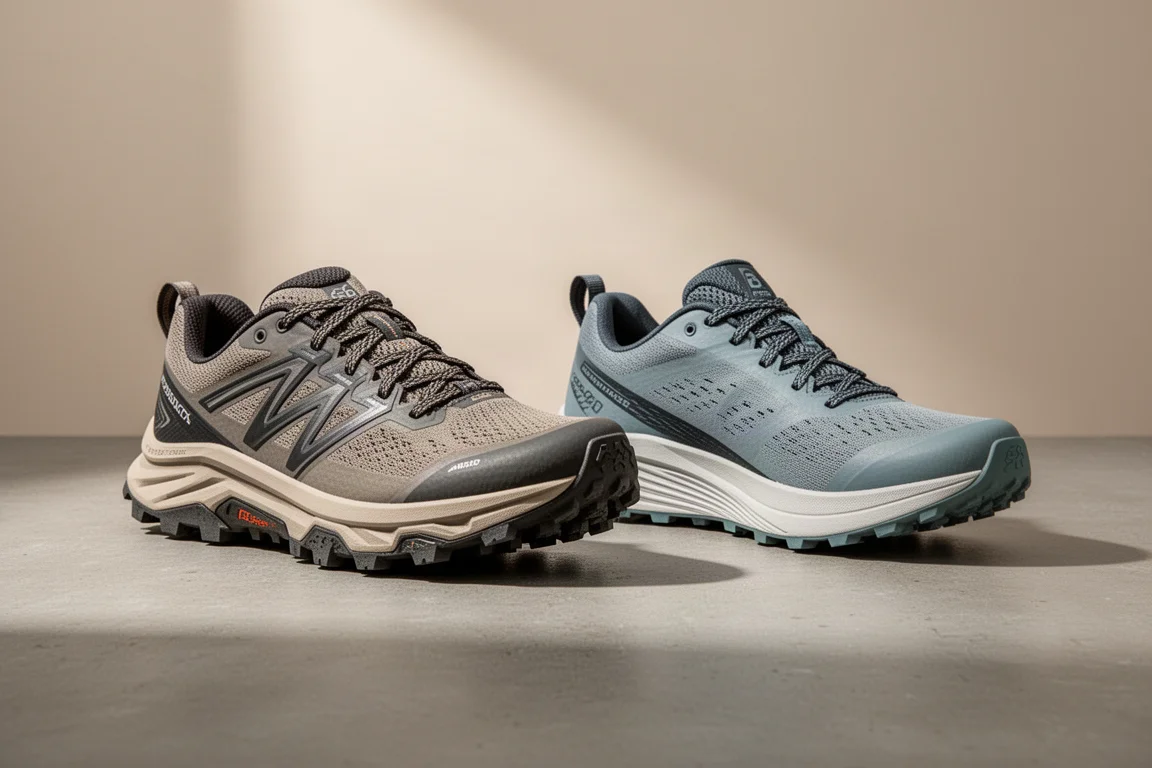
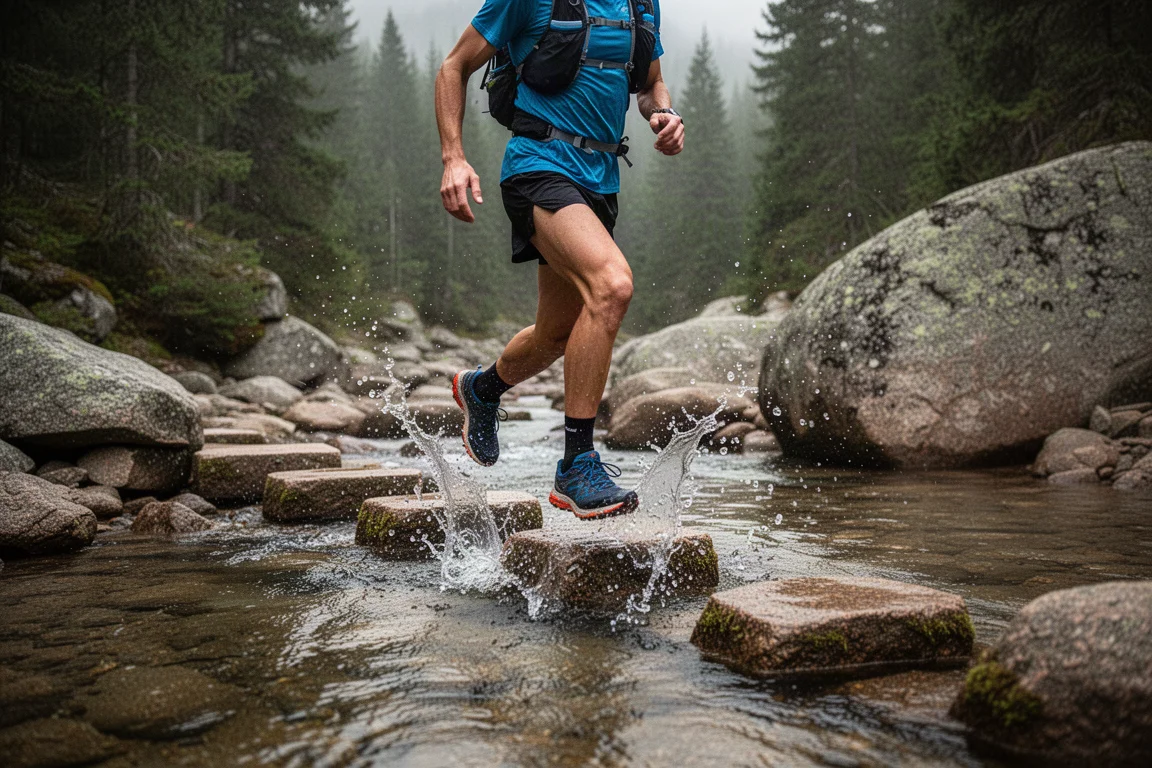
The Hoka Speedgoat 5 and the Saucony Endorphin Edge may well be the two best trail running shoes of 2022, and they make for a fascinating matchup: one is a refined all-rounder without any plate, the other is a technology-packed racer built around a carbon fiber plate. After scoring them across weight, upper, midsole, outsole, fit, comfort, durability, use case, and price, the final tally came out nearly dead even at 7.85 versus 7.8. The Speedgoat 5 took five categories, the Endorphin Edge three, with two ties.
Weight and Upper
The Endorphin Edge wins on weight by about half an ounce, a meaningful margin for a racing shoe. Both uppers are close on lockdown: the Endorphin Edge uses durable nylon mesh, while the Speedgoat 5 goes with a double-layer engineered mesh. The deciding factor in the upper category was the Speedgoat 5’s heel counter and heel tab, which give it the overall edge in that round.
Midsole and Ride
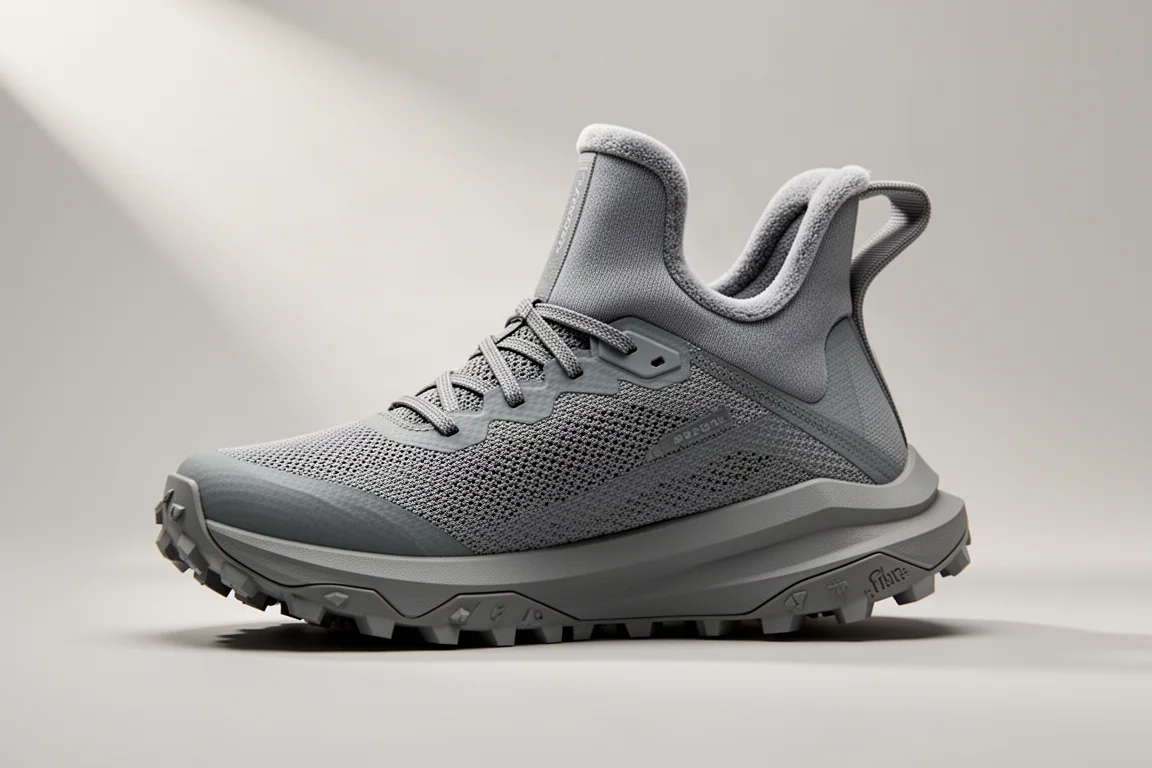
This is where the two shoes diverge the most. Saucony went all out in the Endorphin Edge midsole: PWRRUN PB foam plus a carbon fiber plate plus a rock plate. The result is a softer feel underfoot, with a durometer reading around 36 compared to roughly 44 for the Speedgoat 5’s compression molded EVA. Energy return is very similar between the two, which is remarkable given the Speedgoat 5 has no plate at all.
The Speedgoat 5’s EVA did get a little lighter compared to the Speedgoat 4, and the plate-free setup keeps the ride fun and bouncy. The Endorphin Edge is noticeably stiffer thanks to its plate, so a softer, more structured ride is what you get in exchange.
Outsole and Grip
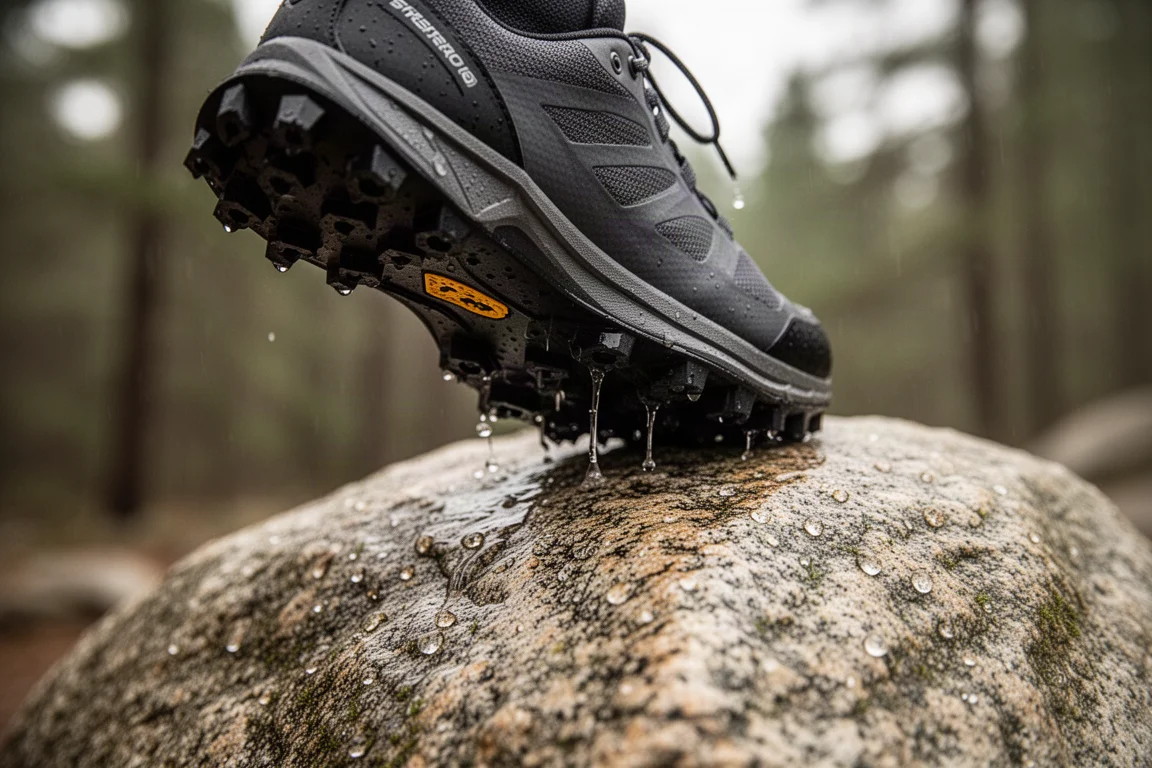
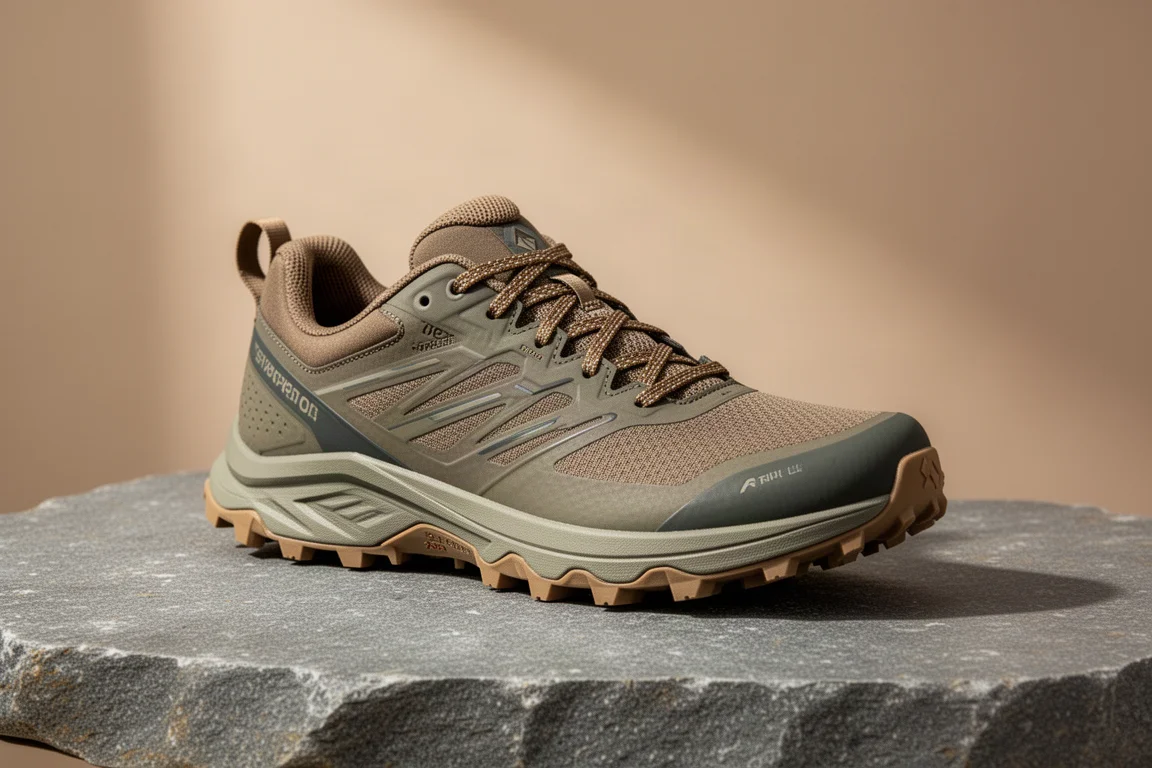
Both outsoles scored a tie, with similar patterns and PowerTrac rubber on the Endorphin Edge. If forced to pick just one, the Speedgoat 5 leans slightly ahead for a bit better bite into the mountain, but it was effectively an even round at eight points each.
Fit and Comfort
Fit goes to the Speedgoat 5 all day long. It offers a little more room in the toe box, while the Endorphin Edge runs narrower up front, which some will prefer for climbing but which limits overall fit appeal. Comfort is very close too, scoring 8.5 versus 8 in the Speedgoat’s favor.
Durability
Durability predictions were scored as a tie, and there have been no widespread reports on the outsoles of either shoe. If forced to pick one for the long haul, the nod would go to the Endorphin Edge, though only by a small margin.
Which One Should You Buy
If you want one shoe to handle both training and racing, the Speedgoat 5 is the pick. If you want a dedicated racer, the Endorphin Edge makes sense for marathon distances and up on the trails, such as 50K and 50-mile events, where its tall, plated midsole rewards longer, faster efforts. Its high stack does bring a rolled-ankle consideration on technical terrain.
Price is where the Speedgoat 5 wins by a long shot. At $200, the Endorphin Edge is a lot of money for any trail shoe, even with the midsole technology packed in. It is a huge step forward for Saucony’s trail line, though, and one worth saving for race day: you can likely get two great races out of it depending on distance, then retire it to training duty when you want to pick up the pace on long runs.
Conclusion
These two ended up nearly inseparable, and both are worth buying again in a heartbeat. The Speedgoat 5 is the better value and the better everyday trainer, with a bouncy plate-free ride and roomier fit. The Endorphin Edge is the exciting race-day option, softer, stiffer in the right places, and built with serious midsole technology. Choose based on whether you want one shoe for everything or a specialist for fast race days.
Further reading
Related Reviews
Trail Running Shoes
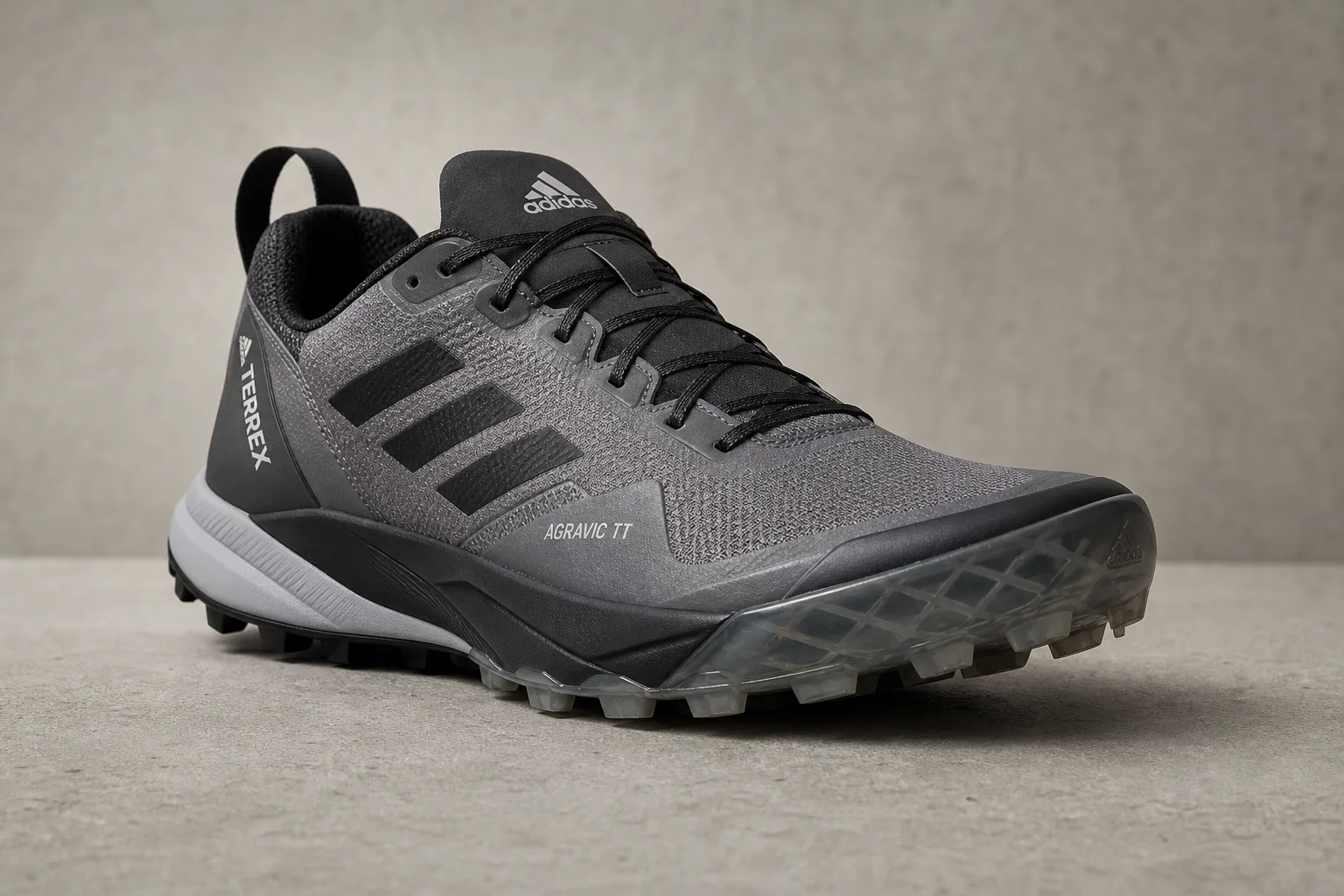
Adidas Terrex Agravic TT Review: A Technical Trail Shoe Built for Rocky Terrain
The Adidas Terrex Agravic TT combines a full-coverage rock plate with a firmer midsole to deliver protection and stability on technical, rocky trails. A capable choice for runners who prioritize underfoot defense over lightweight cushioning.
Trail Running Shoes
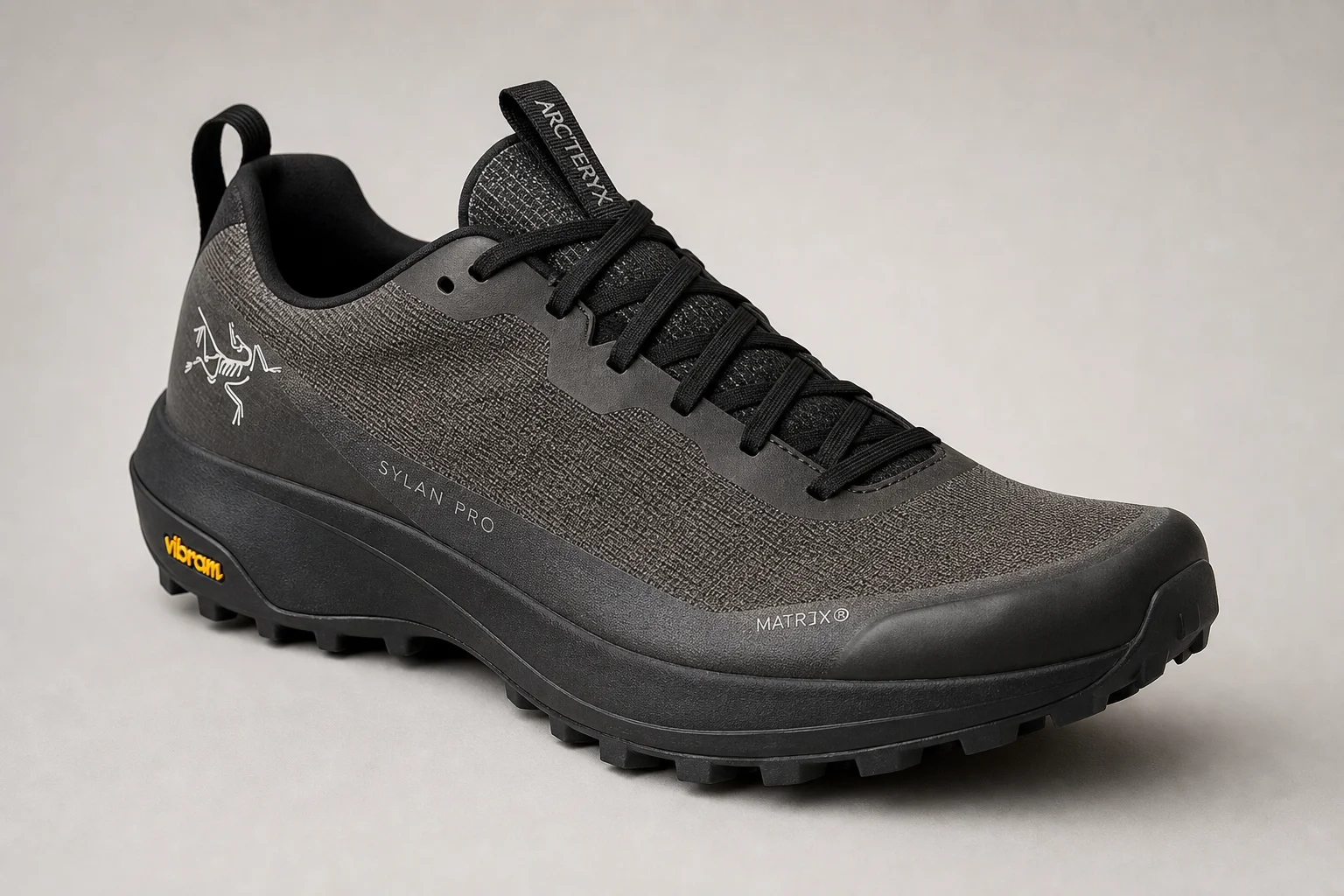
Arc'teryx Sylan Pro Review: A Rocker-Focused Mountain Running Shoe Tested on 20 Miles
The Arc'teryx Sylan Pro brings a pronounced rocker geometry and secure fit to mountain terrain. We tested it on a 20-mile Sawtooth loop to evaluate its climbing efficiency, protection, and handling of technical descents.
Trail Running Shoes
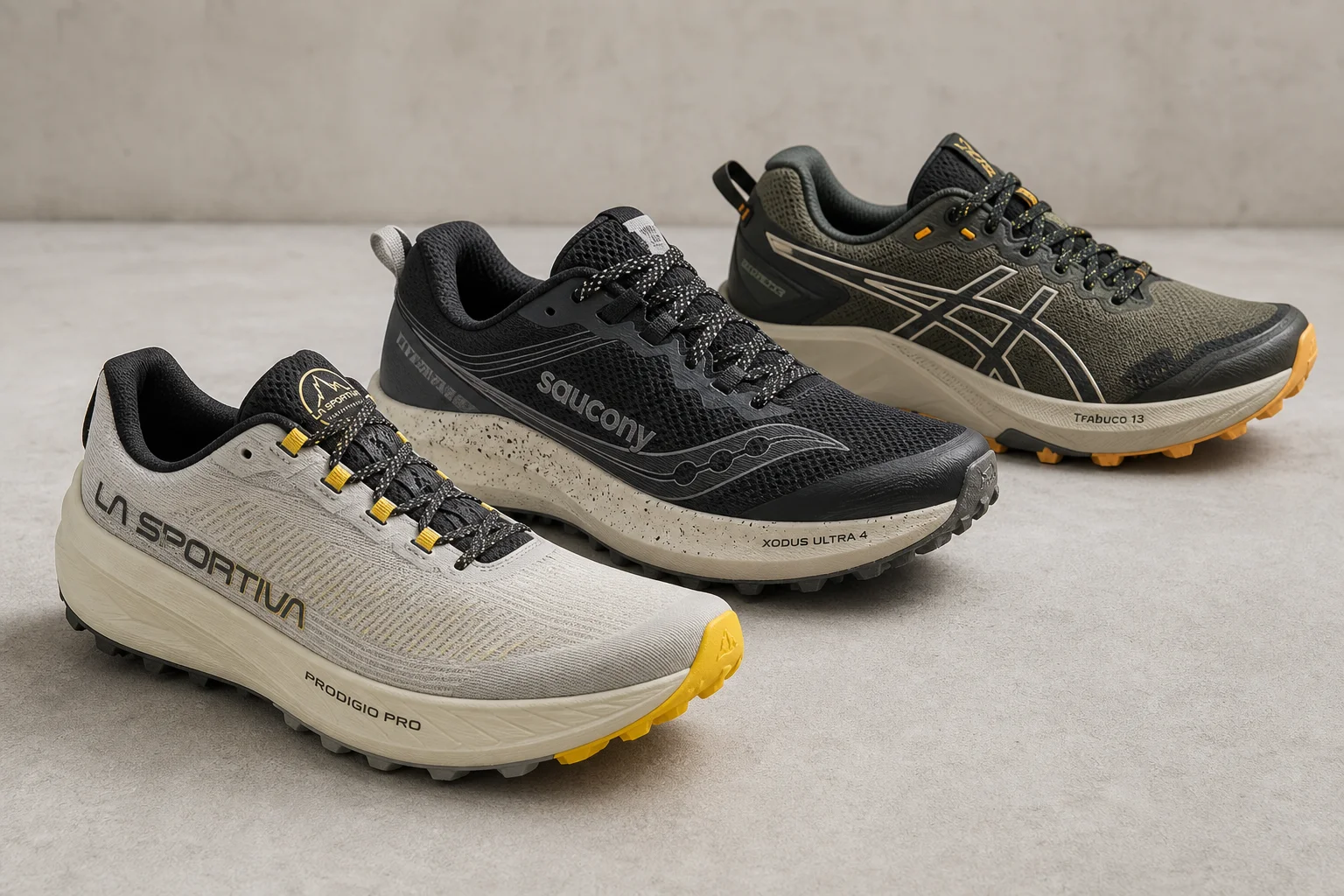
Best All-Mountain Trail Running Shoes: Three Versatile Options for Any Trail
A focused roundup of three all-mountain trail running shoes that handle technical terrain, long distances, and variable conditions with real strengths and practical trade-offs.