Trail Running Shoes
Hoka Speedgoat 5 vs Salomon Ultra Glide: Trail Running Shoe Battle
Two neutral trail running shoes go head to head on weight, upper, midsole, grip, and durability, with scores too close to call at first glance.
Introduction
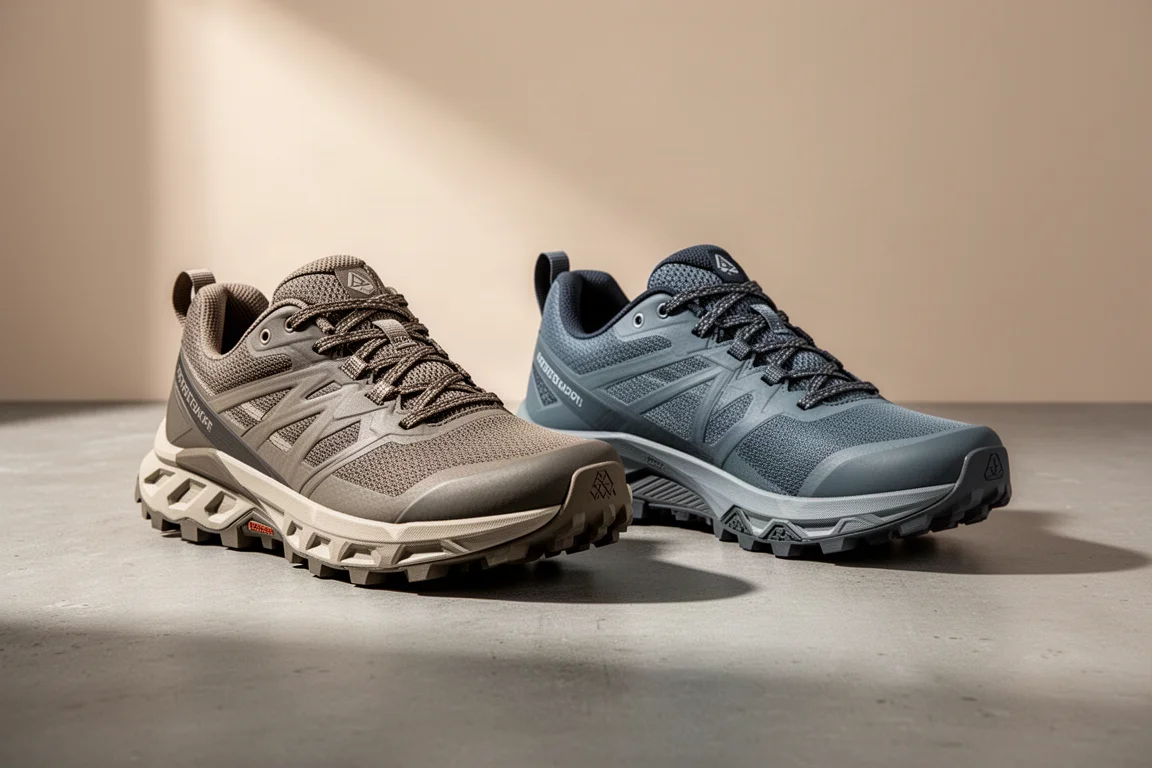
Some comparisons are easy, and some are genuinely uncomfortable to score. The Hoka Speedgoat 5 versus the Salomon Ultra Glide falls firmly in the second camp: two neutral trail running shoes that trade blows across nearly every category, finishing with final scores of 7.98 for the Ultra Glide and 7.85 for the Speedgoat 5. That gap is a nose, not a knockout. Both are excellent shoes, and the right pick depends on what you personally value: durability, price, energy return, or lockdown.
The Head-to-Head Basics
One shoe launched in 2021 and the other in 2022, but both sit in the medium-to-high stack category. The drop tells a small story of its own: 4 millimeters on the Speedgoat 5 and 6 millimeters on the Ultra Glide. On the scale, the Speedgoat 5 weighs 9.2 ounces while the Ultra Glide comes in at 9.3 ounces, so the weight battle also went to the Hoka by the slimmest of margins.

Upper, Lockdown, and Fit
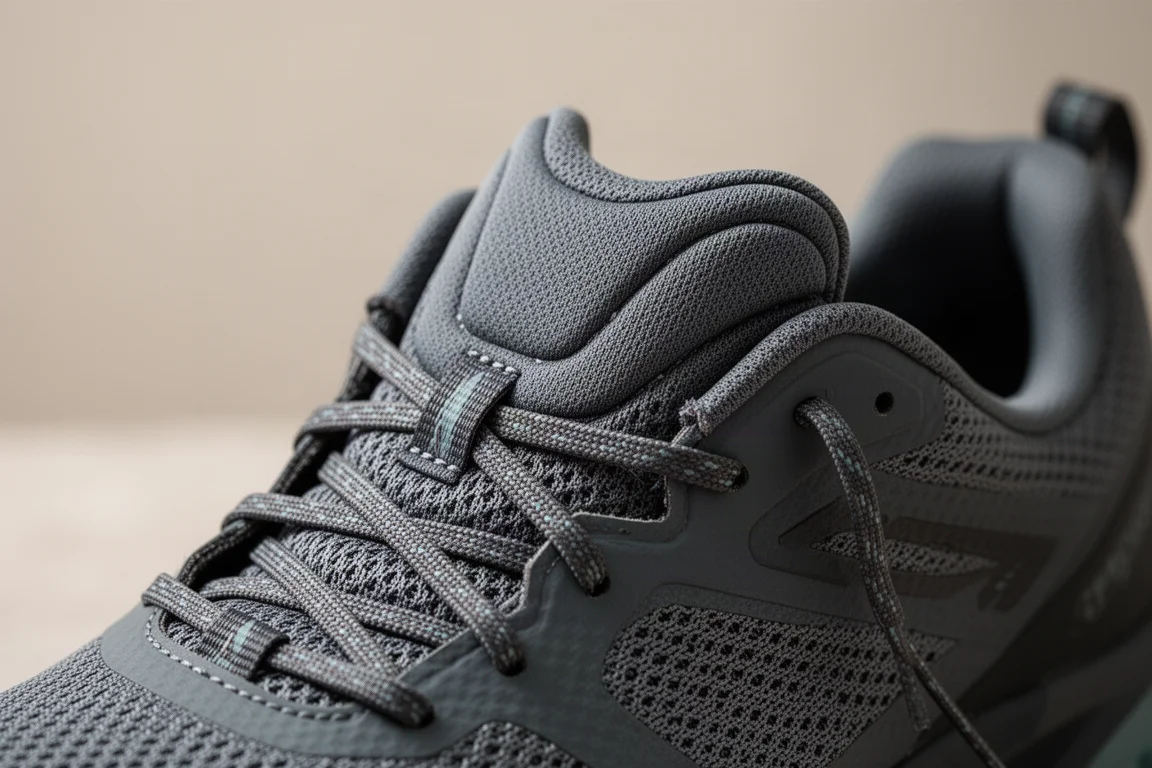
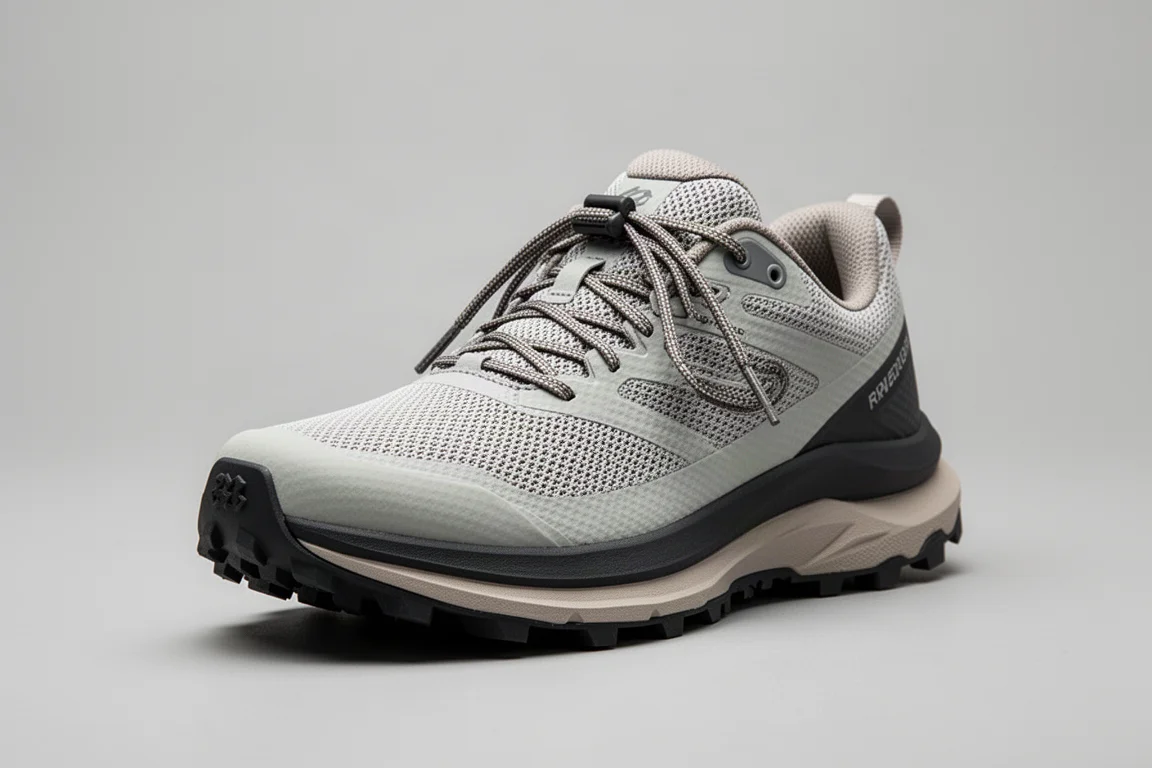
The Speedgoat 5 uses a double-layer jacquard mesh, while the Ultra Glide runs a mono mesh. The decisive difference is the tongue: the Ultra Glide has a full gusset plus a little extra padding through the tongue, which gives it the lockdown win. Its Sense Fit upper construction really cradles the foot well.
Fit scores ended in a rare and satisfying tie. Both shoes run true to size, and the heel counter test showed slightly more flexibility in the Speedgoat 5, though both heel pockets felt fine. Comfort, however, went to the Speedgoat 5, with the Ultra Glide still moving in the right direction.
Midsole, Ride, and Energy Return
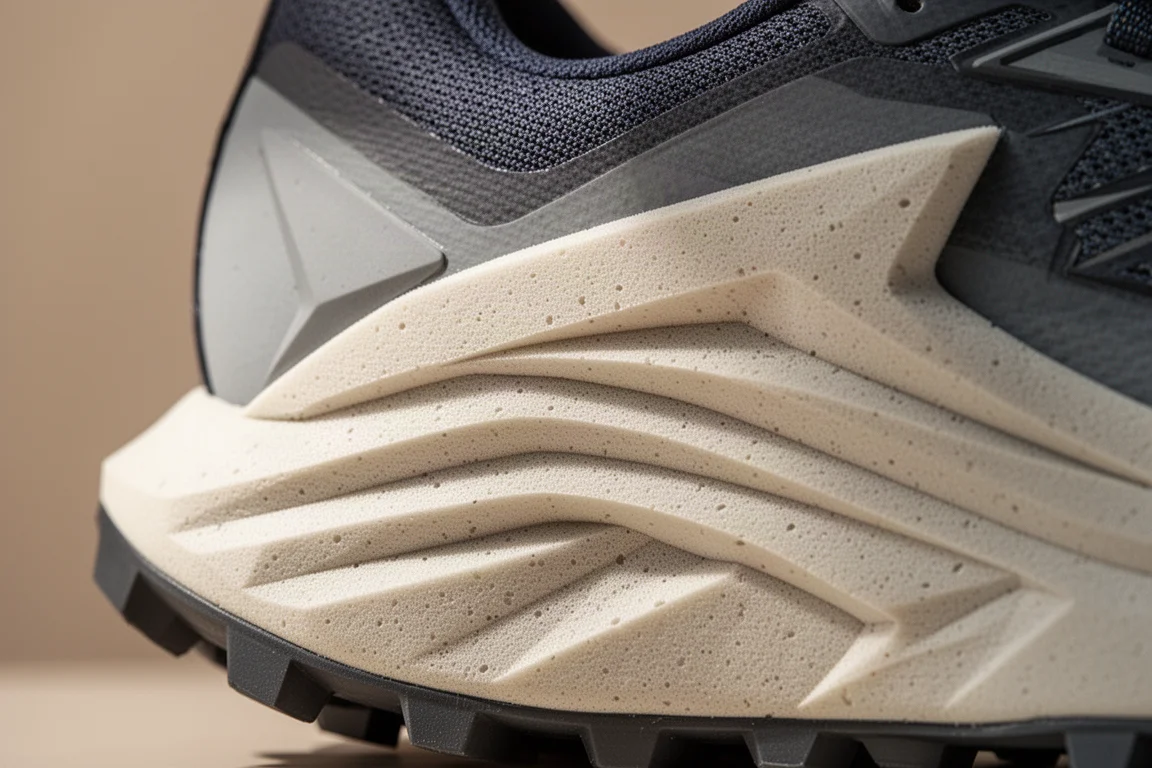
Hoka uses a CMEVA midsole in the Speedgoat 5, a slightly lighter foam than the Speedgoat 4’s, and it feels very reminiscent of the Evo Speedgoat. If you loved that shoe, this is a meaningful update. The Speedgoat 5 is also a half ounce lighter than its predecessor, which is a welcome change in its own right.
The Ultra Glide counters with Energy Surge, a blend of EVA and olefin. Salomon made huge strides here; this is the most forgiving and energetic ride from their trail training line in some time. The Speedgoat 5 still takes the ride and energy return category by a nose, simply because it is bouncier, but for absorbing rocks underfoot, lean toward the Ultra Glide thanks to its stronger midsole blend.
Grip and Outsoles
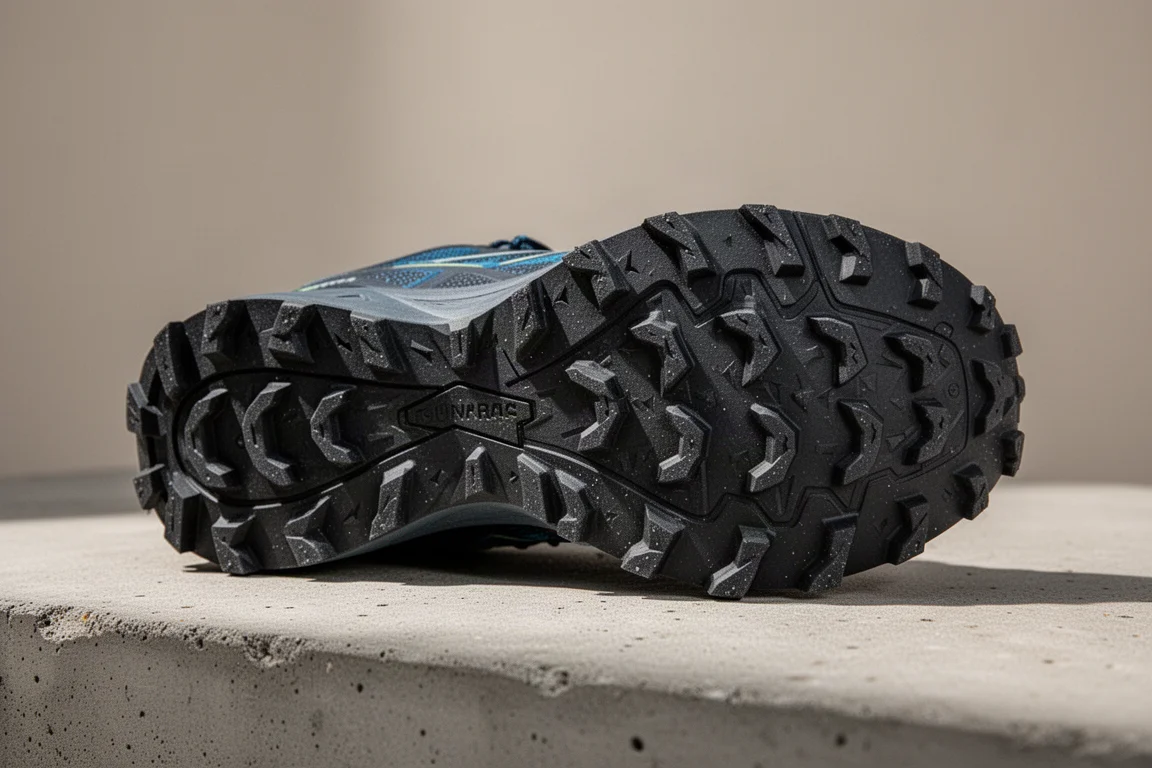
Grip finished almost as close as everything else, with the Ultra Glide winning by a nose. The Speedgoat 5 carries a Vibram outsole, while the Ultra Glide uses Salomon’s Contagrip rubber. Both inspire confidence on trail, but the Contagrip edges the matchup.
Durability and Price
Durability predictions are nearly identical for both shoes: 350 to 400 miles. The Ultra Glide’s midsole durability is the reason it takes the overall midsole category despite the Speedgoat 5’s superior bounce.
Then there are the price points, which are genuinely hard to believe for what you get. If price is a deciding factor for you, weigh it carefully against the scoring categories, because both shoes punch well above what you might expect to pay.
How to Choose Between Them
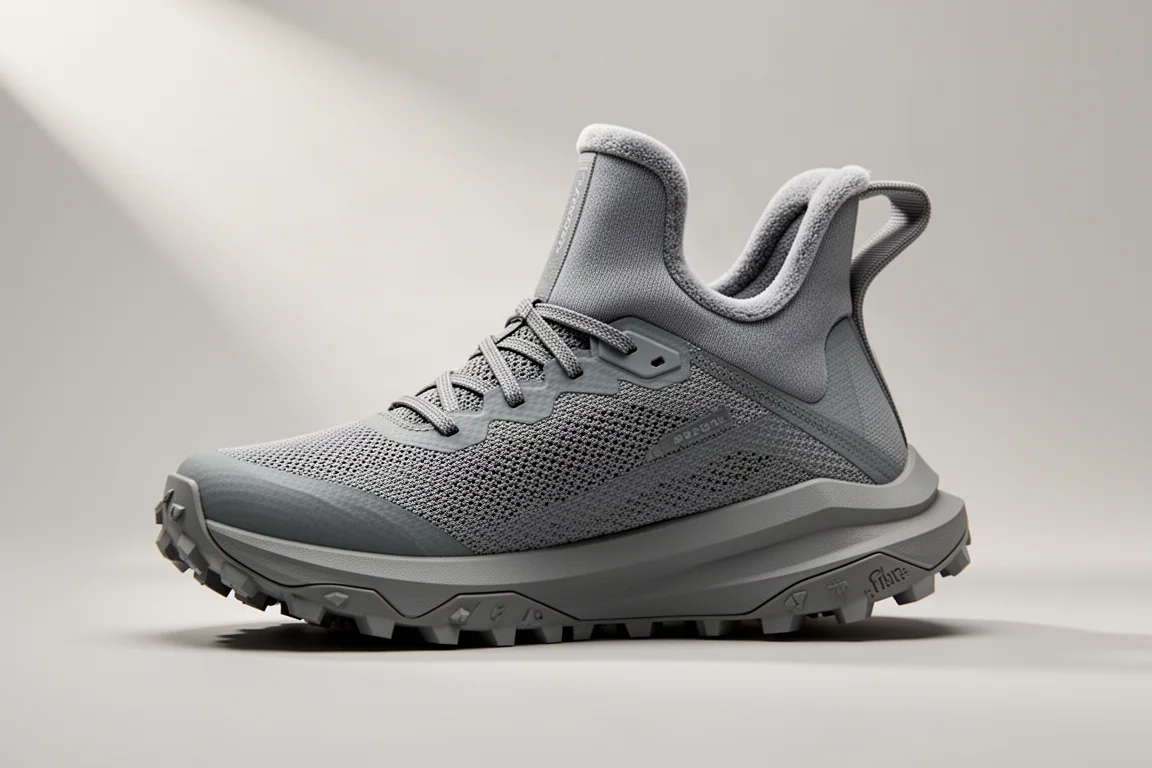
Both shoes would work for racing a 50K, and honestly even a 50 miler. Right now they shine most as long run shoes on the trails. There are lighter options out there, such as the Asics Fuji Lite 2, if weight is your top priority, but that comes with trade-offs elsewhere.
One runner who put the Ultra Glide on their feet described it as perhaps the best trail shoe they had ever worn, praising the combination of fit, protection, ride, and grip. If you have bruised the bottom of your foot before and want extra protection underfoot, the Ultra Glide’s midsole stack and EVA-olefin blend offer a bit more strength than the Speedgoat 5, with comparable cushioning that never feels unstable.
Conclusion
The Salomon Ultra Glide edges the Hoka Speedgoat 5 overall, 7.98 to 7.85, but that margin is slim enough that your personal priorities should decide. Want better energy return and a bouncier ride? The Speedgoat 5. Want the lockdown, underfoot protection, and grip edge? The Ultra Glide. You are getting a great shoe either way, and the scoring system exists precisely so you can match the shoe to what you actually need on the trail.
Further reading
Related Reviews
Trail Running Shoes
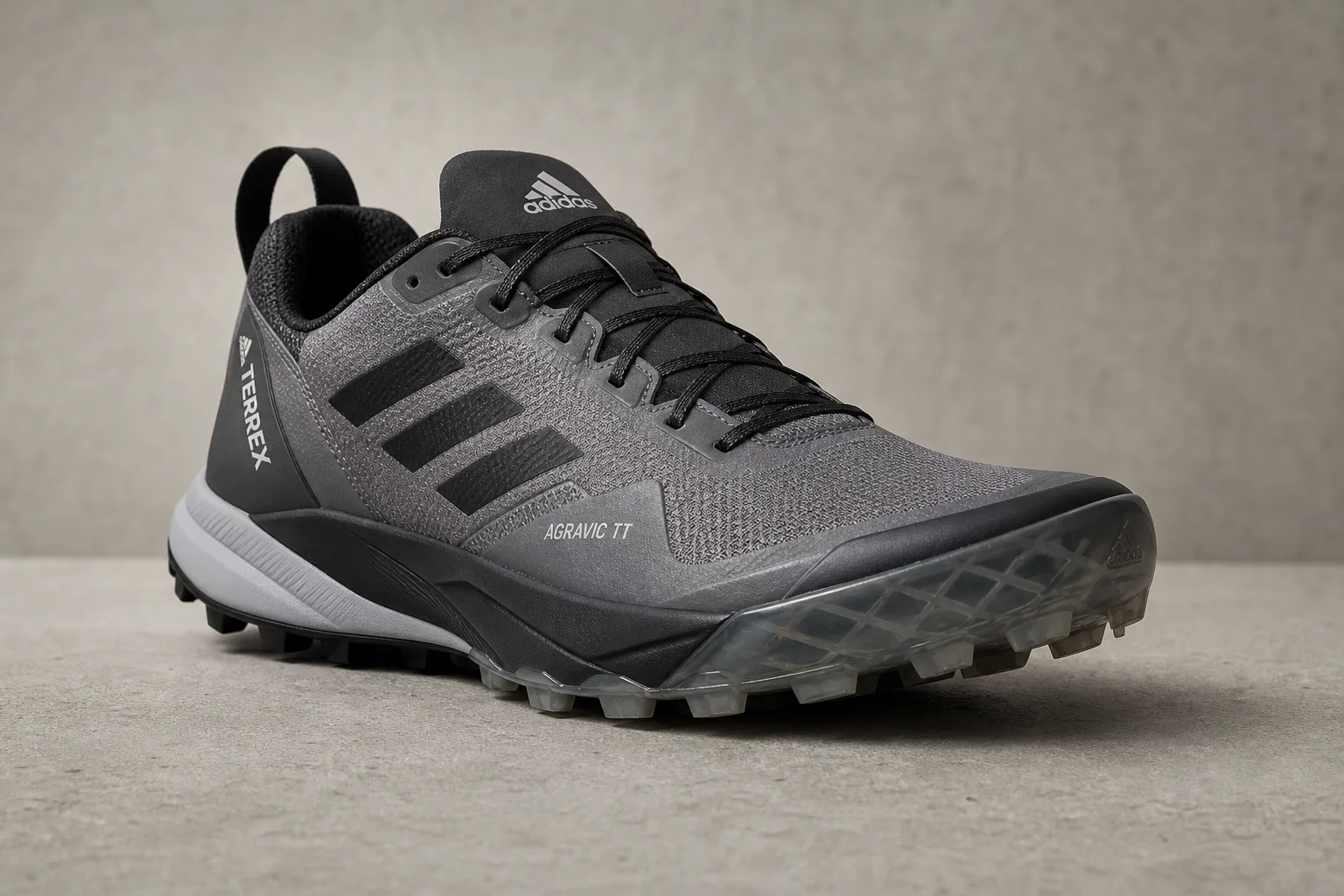
Adidas Terrex Agravic TT Review: A Technical Trail Shoe Built for Rocky Terrain
The Adidas Terrex Agravic TT combines a full-coverage rock plate with a firmer midsole to deliver protection and stability on technical, rocky trails. A capable choice for runners who prioritize underfoot defense over lightweight cushioning.
Trail Running Shoes
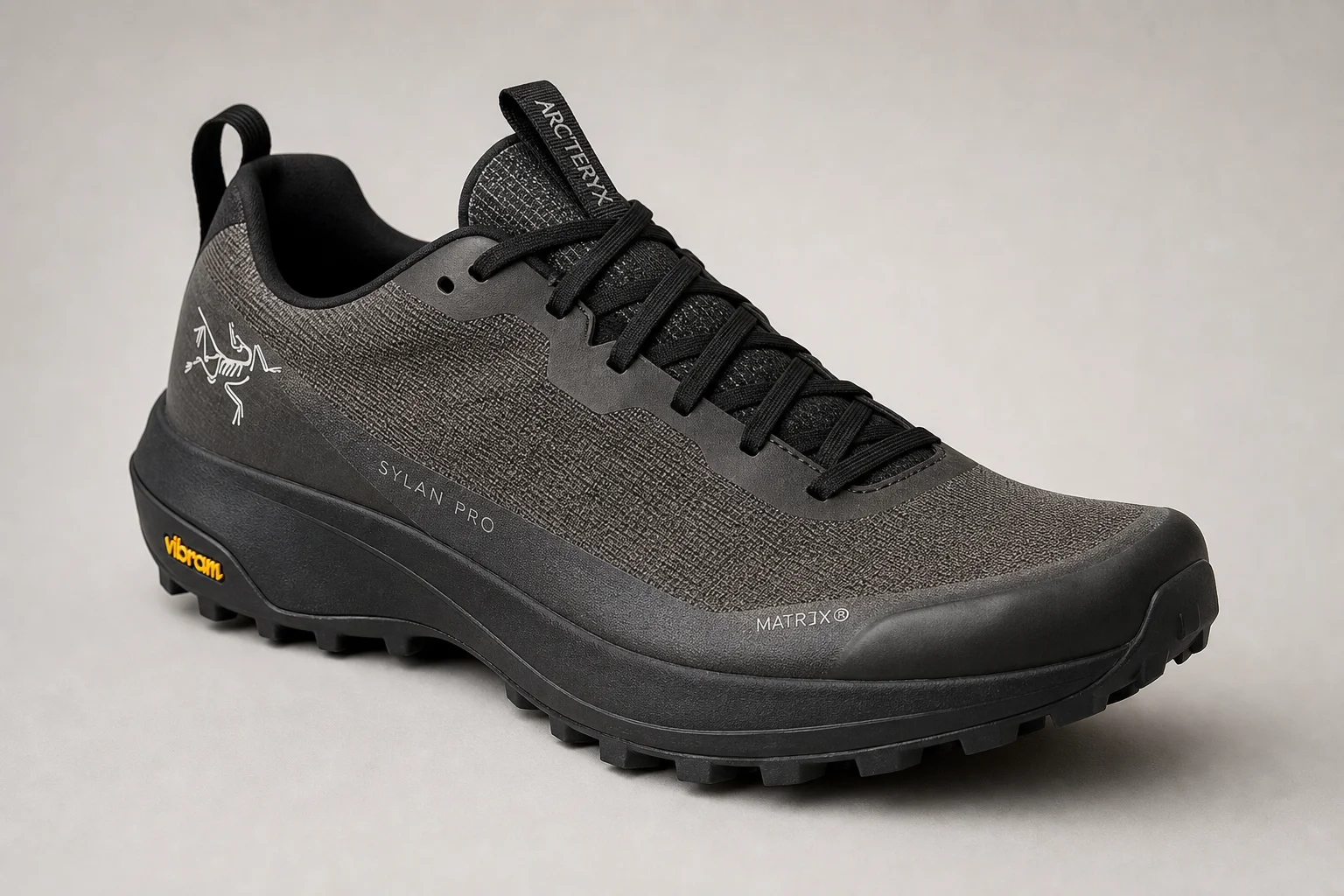
Arc'teryx Sylan Pro Review: A Rocker-Focused Mountain Running Shoe Tested on 20 Miles
The Arc'teryx Sylan Pro brings a pronounced rocker geometry and secure fit to mountain terrain. We tested it on a 20-mile Sawtooth loop to evaluate its climbing efficiency, protection, and handling of technical descents.
Trail Running Shoes
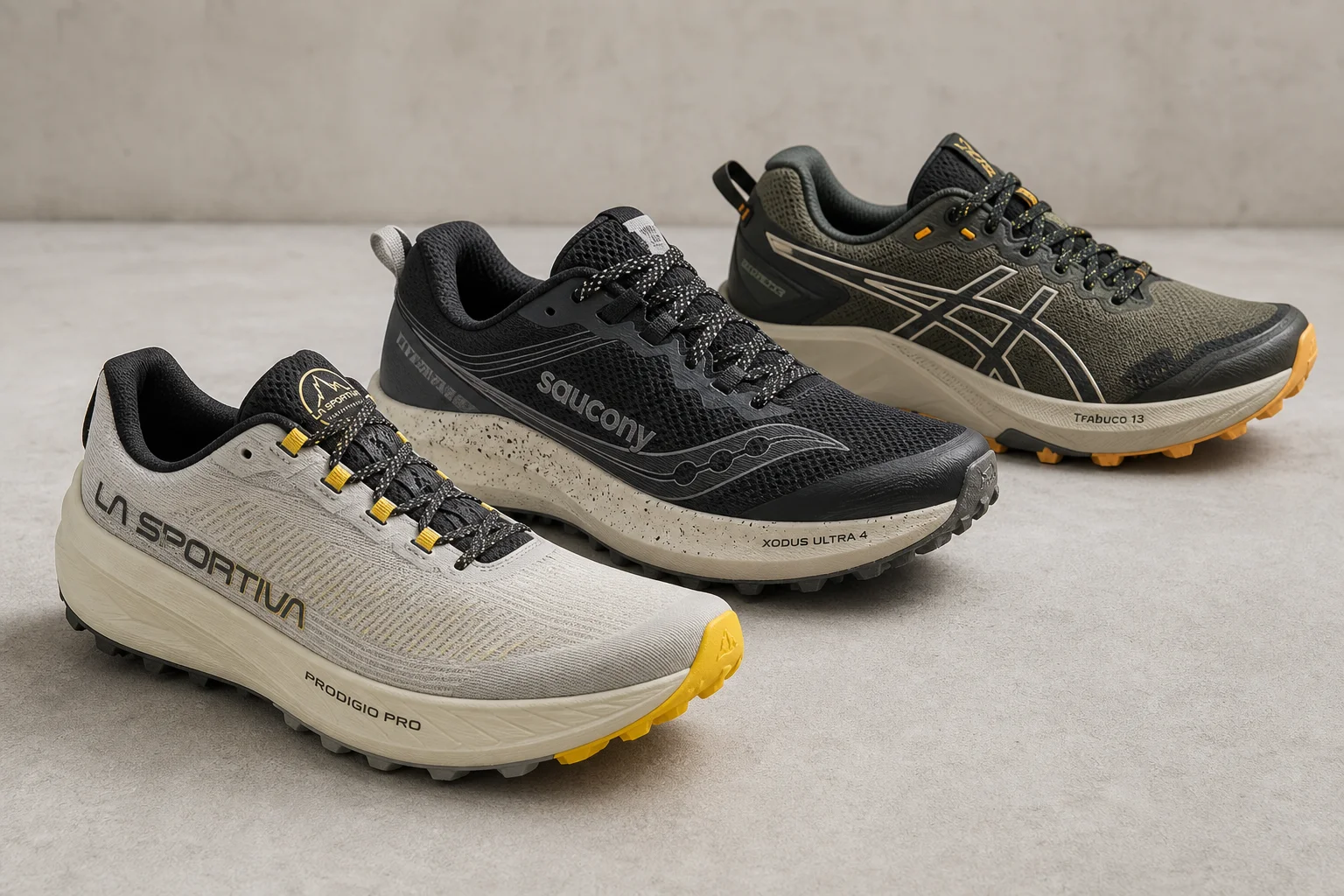
Best All-Mountain Trail Running Shoes: Three Versatile Options for Any Trail
A focused roundup of three all-mountain trail running shoes that handle technical terrain, long distances, and variable conditions with real strengths and practical trade-offs.